Category: Technology

  • Why Android updates still depend so much on the brand

    Why Android updates still depend so much on the brand

    Android updates can feel confusing because “Android phone” does not mean one update schedule. Google builds Android, but each brand has to prepare updates for its own phones, features, chips, regions, and carrier versions. That is why a Google Pixel, Samsung Galaxy, OnePlus, Motorola, Xiaomi, Nothing, or Sony phone may receive the same Android version at very different times. Some brands also promise longer support on premium models than on budget phones. Android Authority notes that manufacturers, carriers, and chipset vendors can all affect how quickly updates arrive.

    For buyers, the brand name matters almost as much as the phone’s camera, screen, or battery. A longer update promise can help a phone stay useful, safer, and easier to keep for years.

    Google Pixel often leads
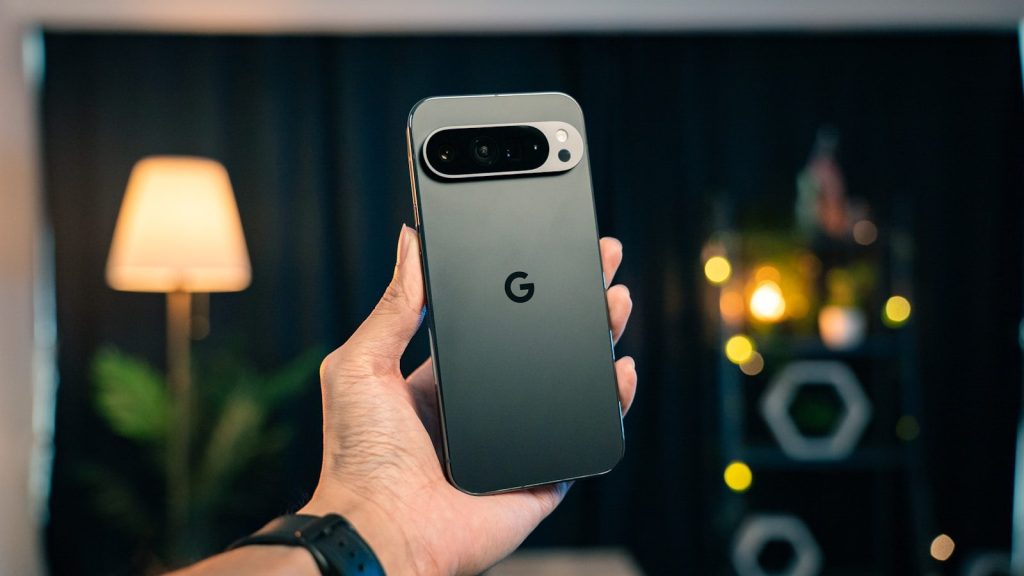
    A person holding a cell phone in their hand
    Photo by Amanz on Unsplash

    Google Pixel phones usually get Android updates early because Google makes Android and controls the Pixel software directly. That gives Pixel owners a cleaner path from new Android release to installed update.

    Google says Pixel 8 and later phones get seven years of OS and security updates from their first U.S. Google Store availability date. Pixel 6, Pixel 7, and Pixel Fold models get five years of OS and security updates.

    Samsung has raised the bar
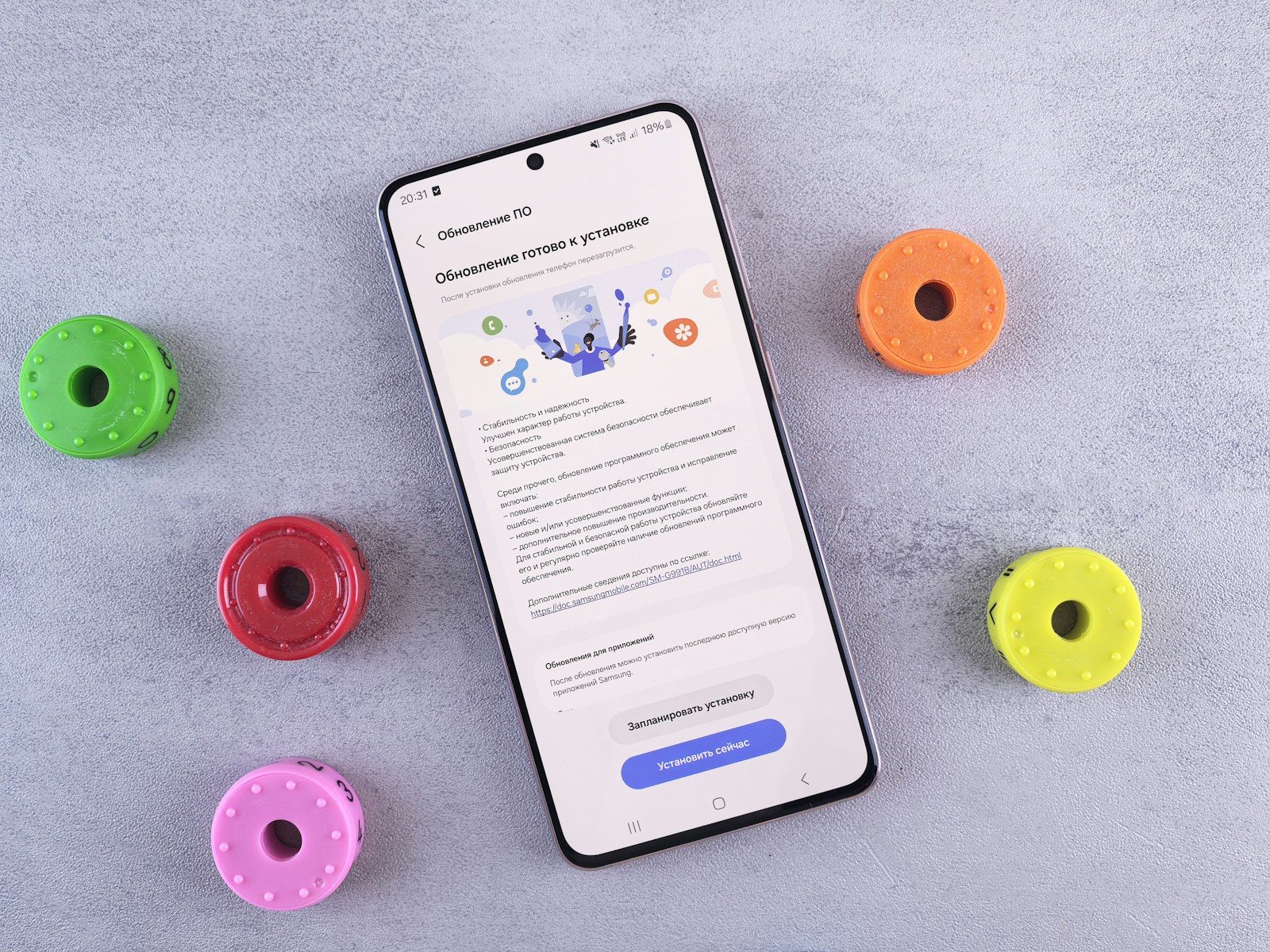
    A close up of a cell phone on a table
    Photo by Amanz on Unsplash

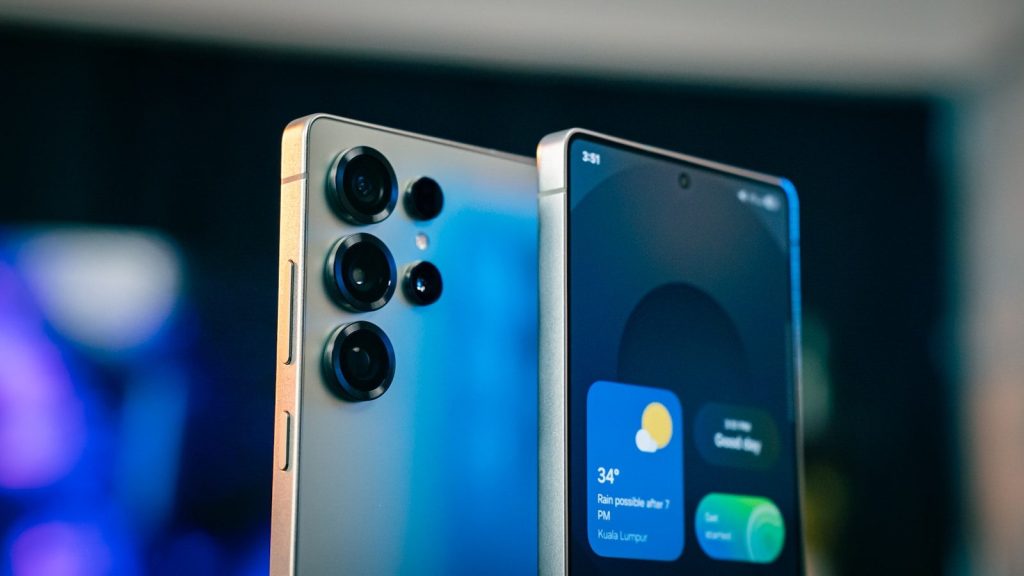
    Samsung Galaxy phones are now among the strongest Android choices for long-term support. Newer Galaxy S and Z models have helped push Android brands toward longer update promises.

    Samsung says it extended security update support for selected Galaxy devices by up to seven years starting in January 2024. Its update page also lists monthly, quarterly, and biannual update schedules for different Galaxy models.

    OnePlus depends on the model
    Hand holds black smartphone with circular camera module.
    Photo by Georgiy Lyamin on Unsplash

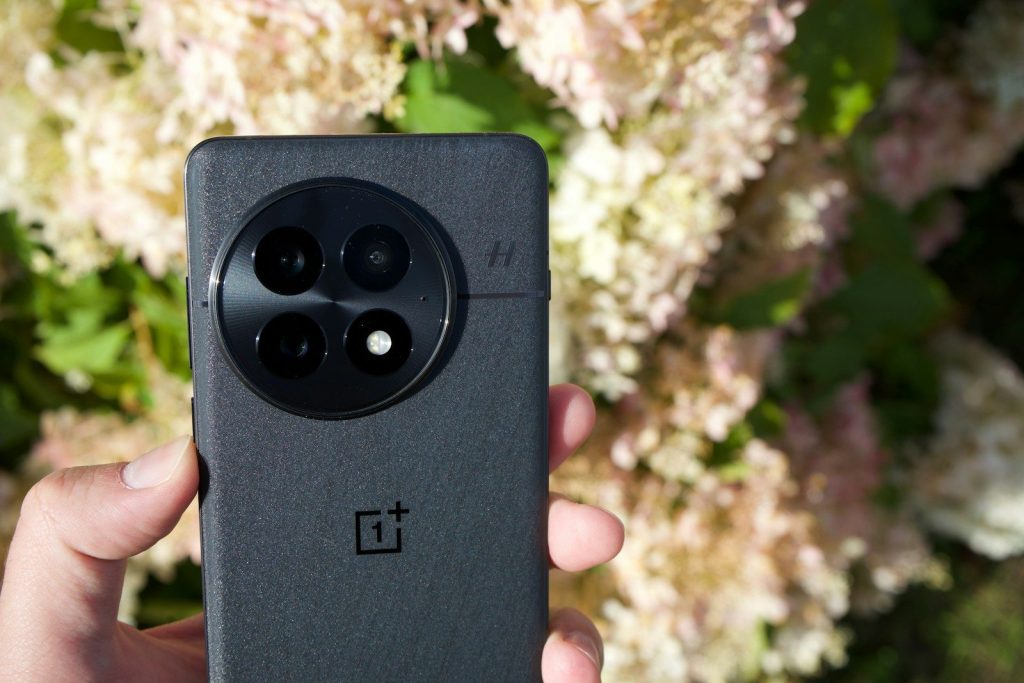
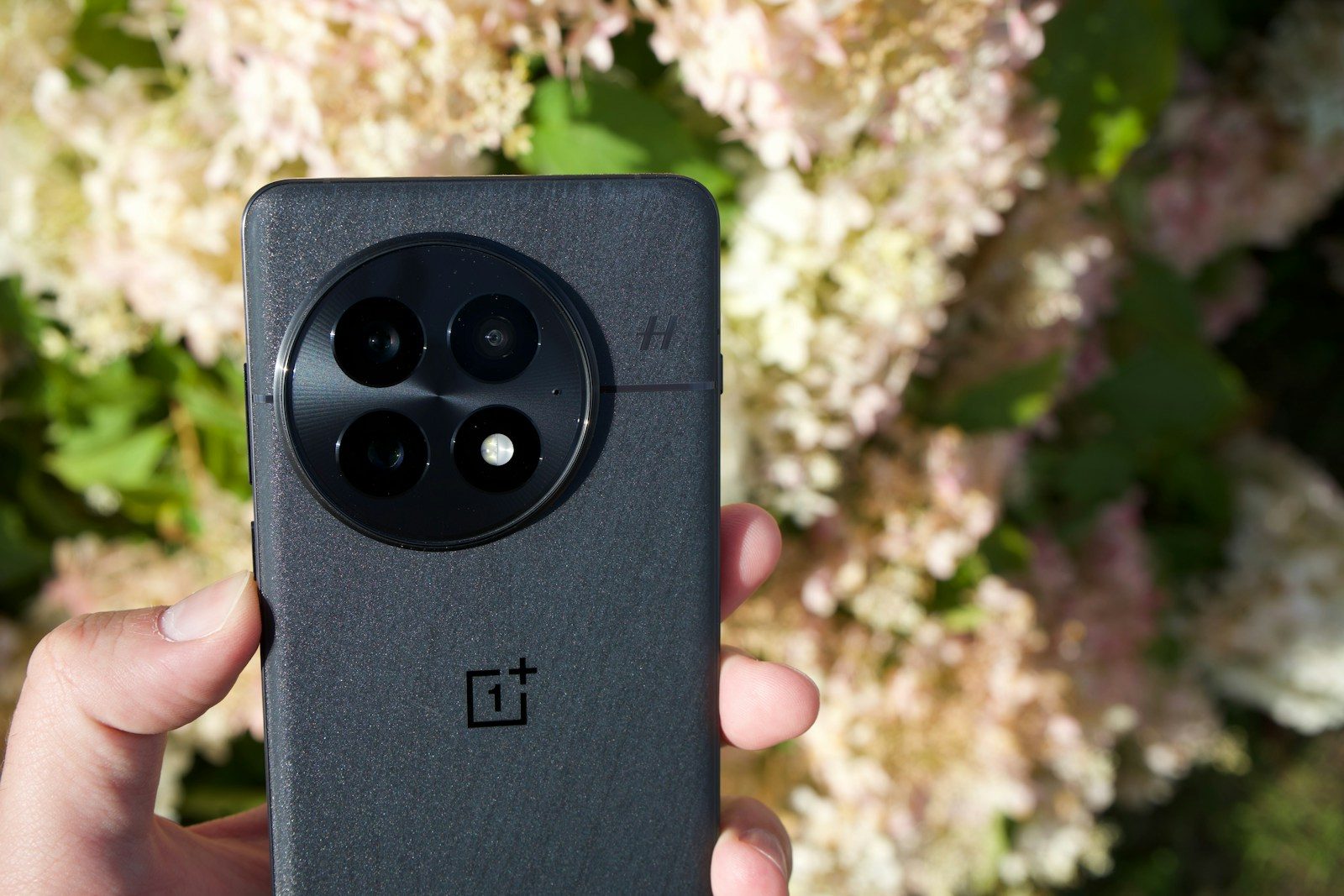
    OnePlus can be strong on updates, especially for newer flagship and upper-midrange phones. But the exact promise depends on the model, region, and product line.

    That means a OnePlus 13 series phone may not be treated the same as an older Nord or budget model. Buyers should check the support promise for the exact phone, not just assume every OnePlus device gets the same long runway.

    Motorola varies a lot
    a motorola cell phone sitting on top of a blue table
    Photo by Daniel Romero on Unsplash

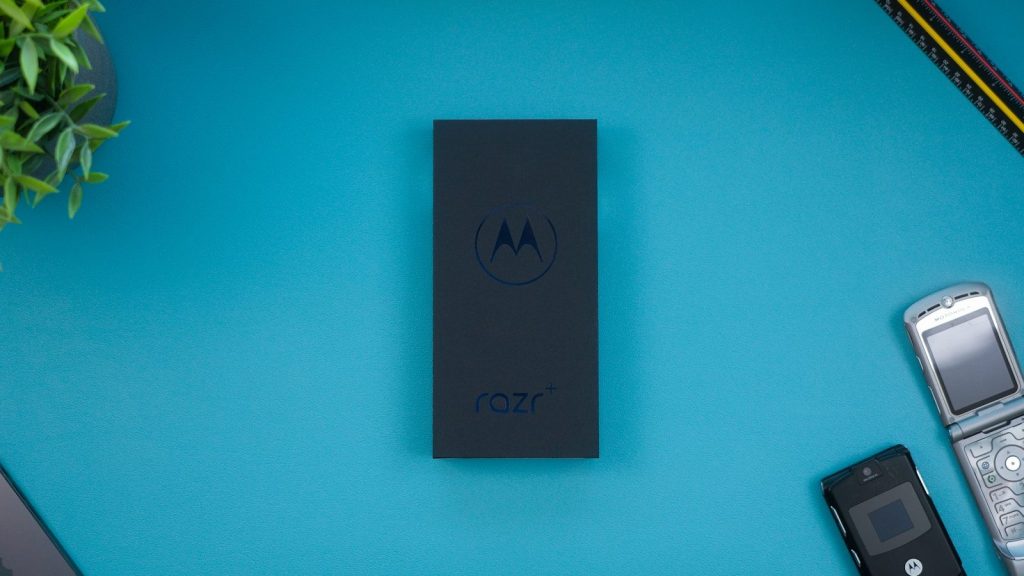
    Motorola sells many types of phones, from budget Moto G models to premium Razr and Edge devices. That wide range is one reason update support can vary so much.

    Motorola’s support page says users should select their product to see that phone’s security update cycle. It also notes that timing can vary by region, product, carrier, and channel.

    Xiaomi can be uneven
    silver samsung galaxys 6 edge
    Photo by Xingye Jiang on Unsplash

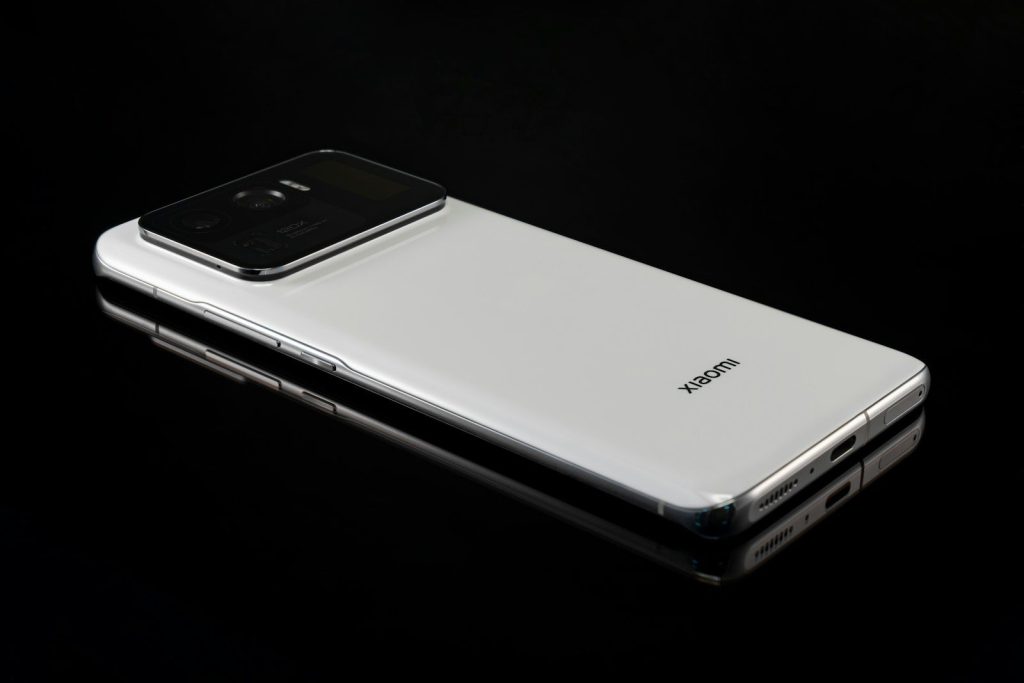
    Xiaomi, Redmi, and POCO phones often offer strong hardware for the price, but update timing can depend heavily on the exact model and market. Flagship models usually get better treatment than cheaper phones.

    Xiaomi maintains a security update page for smartphones and tablets, which helps users check support status. Still, buyers should confirm the exact model because Xiaomi’s lineup is large and update promises are not always the same across series.

    Nothing is improving
    a hand holding a cell phone
    Photo by Zana Latif on Unsplash

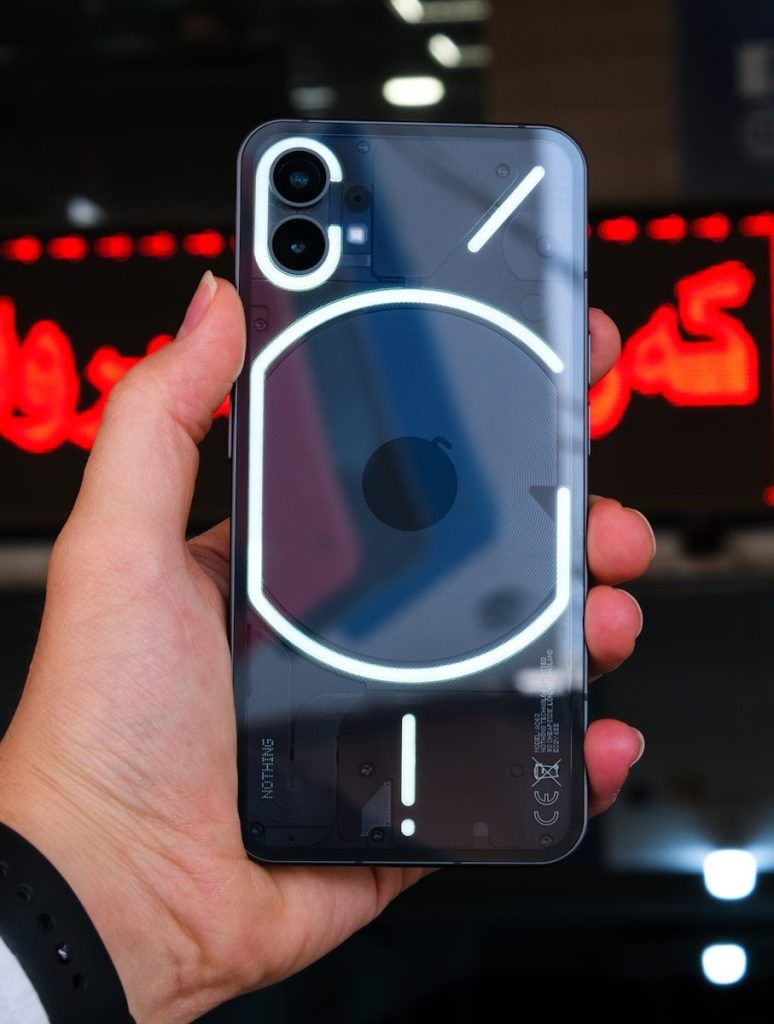
    Nothing has built a smaller phone lineup, which can make its update story easier to follow than brands with dozens of models. Its clean software style also helps it stand out.

    Reports around the Nothing Phone series show that newer models are getting longer security support than some earlier devices. Still, users should check the specific Nothing Phone model before buying, because OS upgrades and security patches may run on different timelines.

    Oppo focuses on flagships
    three oppo phones sitting on top of a wooden table
    Photo by Andrey Matveev on Unsplash

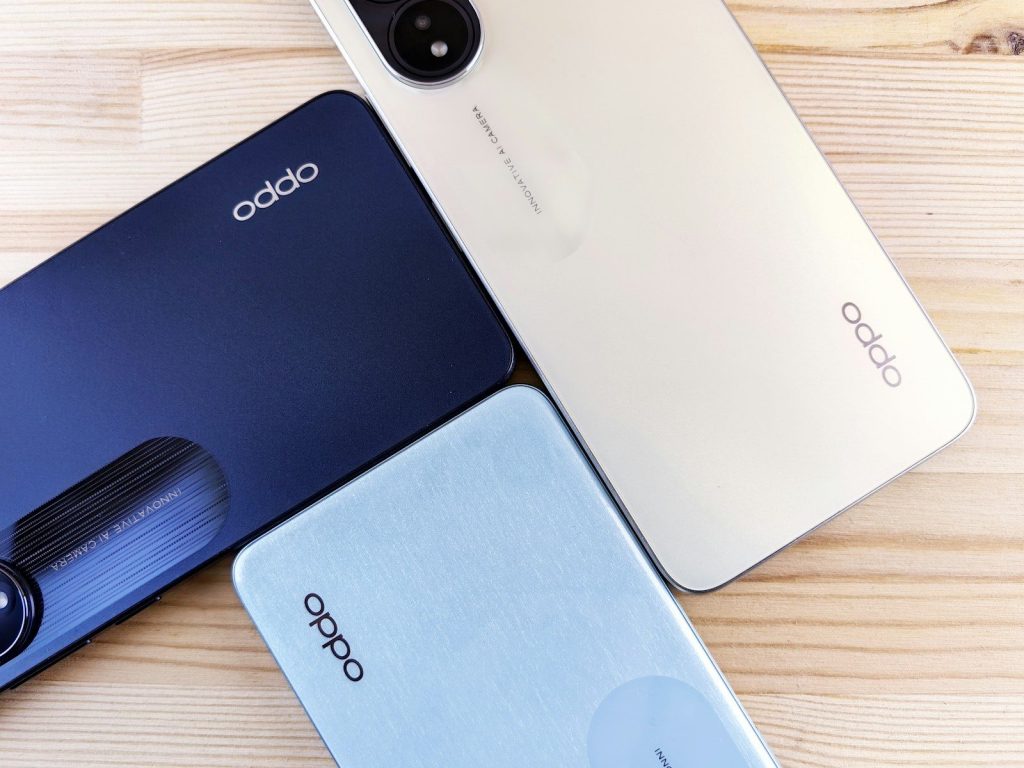
    Oppo’s update support is often strongest on higher-end Find series phones. Midrange Reno and budget A-series models may have shorter or different schedules depending on the device.

    Recent reporting says Oppo has offered up to five major Android OS updates for select newer Find models. That makes the exact product line important, because a premium Oppo phone and a cheaper Oppo phone may not receive updates for the same length of time.

    Sony takes a narrower path
    calendar
    Photo by Daniel Bertrams on Unsplash

    Sony Xperia phones have a smaller market presence in the U.S., but they still matter to fans of camera-focused Android phones. Update support can depend on the Xperia generation and region.

    Sony’s Xperia software pages show model-by-model update histories, including Android version upgrades and security patch levels. That makes the support page useful for checking whether a specific Xperia model is still receiving meaningful updates.

    Budget phones may lag behind
    a cell phone sitting on top of a colorful wall
    Photo by Andrey Matveev on Unsplash

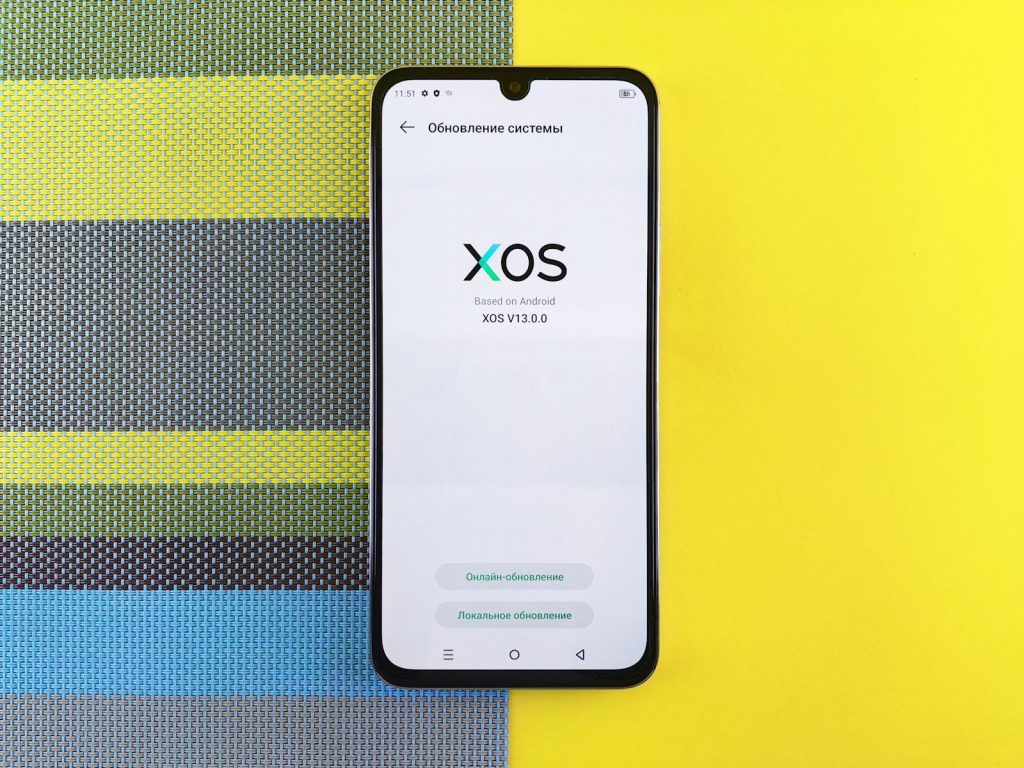
    Brand matters, but price tier matters too. A flagship Samsung Galaxy, Google Pixel, or OnePlus phone often gets a stronger update promise than a low-cost model from the same company.

    That does not mean budget phones are bad. It simply means shoppers should read the update policy before buying. A cheaper phone may save money upfront, but a longer-supported model can feel better over time.

    Check before you upgrade
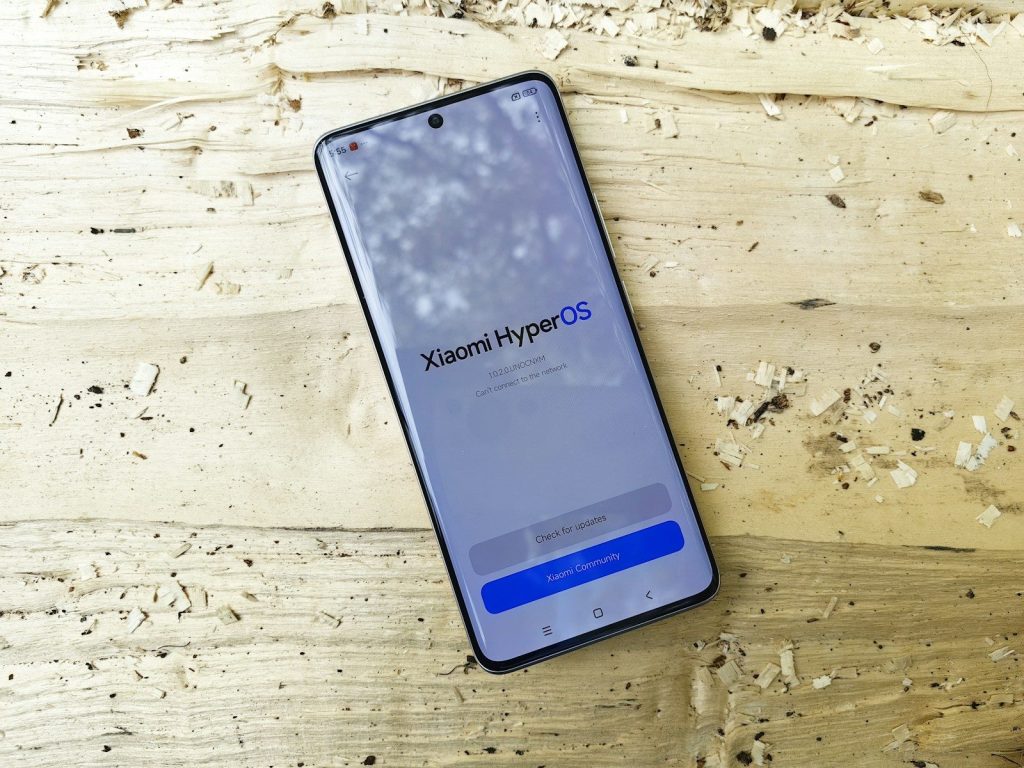
    A cell phone sitting on top of a wooden table
    Photo by Andrey Matveev on Unsplash

    The safest move is simple: check the exact brand, model, and year before buying. Do not rely only on the Android version printed on the box or the name of the brand.

    Google Pixel and Samsung Galaxy currently stand out for long support on newer models, while Motorola, Xiaomi, Oppo, OnePlus, Nothing, and Sony can vary more by device. The right Android phone is not just the one that feels fast today. It is the one that keeps getting care tomorrow.
  • Why cheap phones may not feel cheap anymore

    Why cheap phones may not feel cheap anymore

    Budget phones used to come with a long list of trade-offs. The screen looked dull, the camera struggled, the battery drained too fast, and software updates often felt uncertain. Now that gap is getting smaller. Many lower-cost phones are getting brighter displays, smoother refresh rates, better 5G chips, larger batteries, and longer update promises. That does not mean every cheap phone is great, but it does mean shoppers have more real choices than before.

    Some midrange phones now offer years of software support, while newer chipsets are bringing stronger everyday speed and better efficiency to more affordable devices. For people who mostly text, stream, browse, take photos, and use social apps, “cheap” may no longer mean frustrating. Samsung says the Galaxy A56 5G supports up to 6 generations of OS upgrades and 6 years of security updates, while Google says Pixel 8 and later phones get 7 years of updates.

    Better chips raise the floor

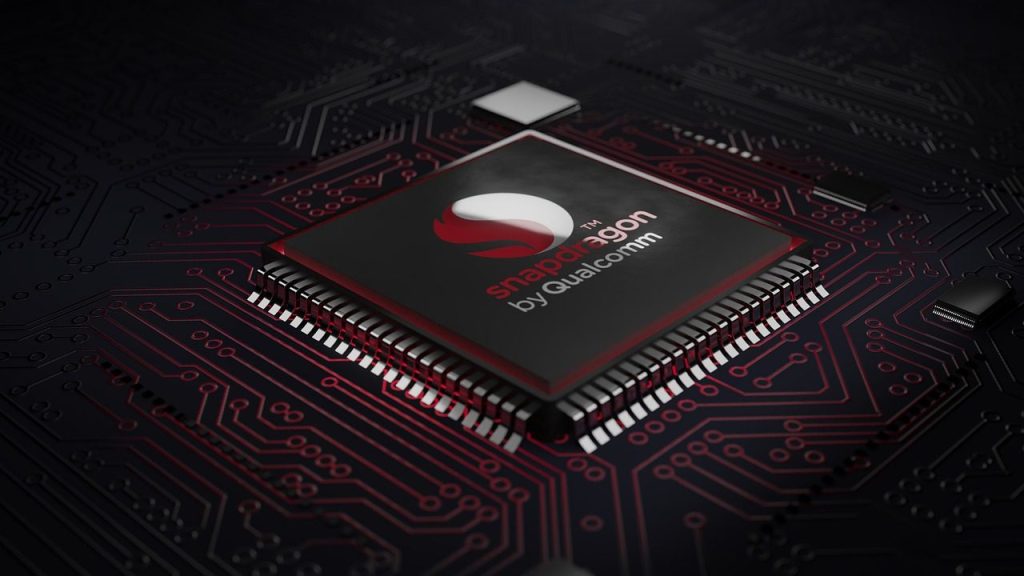
    processor, mobile, snapdragon, qualcomm, circuit, motherboard, cpu, microchip, smartphone, chip, technology, network, circuits, connections, electronics, processor, processor, processor, processor, snapdragon, snapdragon, snapdragon, snapdragon, qualcomm, qualcomm, qualcomm, qualcomm, motherboard, cpu, cpu, cpu, cpu, cpu, microchip, chip, chip, chip
    Photo by Monoar_CGI_Artist on Pixabay

    Cheap phones are getting more capable because the processors inside them are improving. Newer midrange chips can handle everyday apps, video calls, navigation, and light gaming with fewer slowdowns.

    Qualcomm says the Snapdragon 6 Gen 4 brings improved CPU speed, stronger graphics, better power savings, and fast 5G connectivity. That kind of progress helps lower-priced phones feel smoother for regular daily use.

    5G is less of a luxury

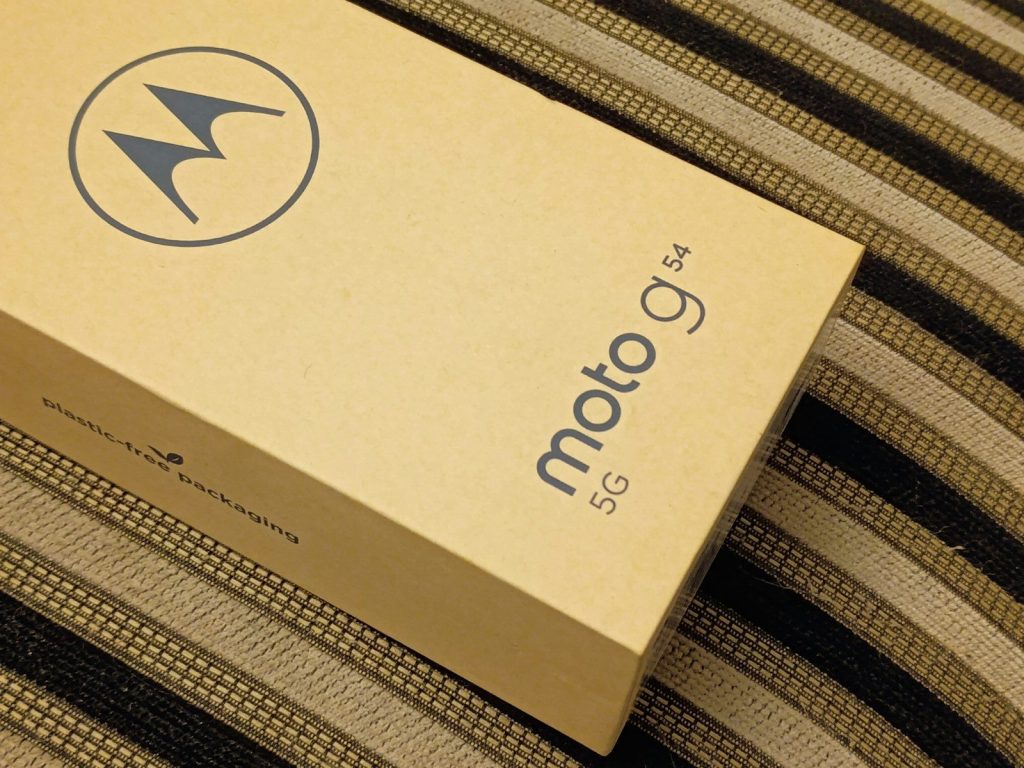
    a cardboard box sitting on top of a bed
    Photo by Akbar Khan on Unsplash

    A few years ago, 5G felt like a premium phone feature. Now it is common across many affordable Android models, especially as carriers and chipmakers push newer network support into lower price ranges.

    That shift matters for buyers who keep phones for several years. A cheaper phone with 5G can feel more current, especially for streaming, downloads, maps, and staying connected in busy areas.

    Screens look more premium

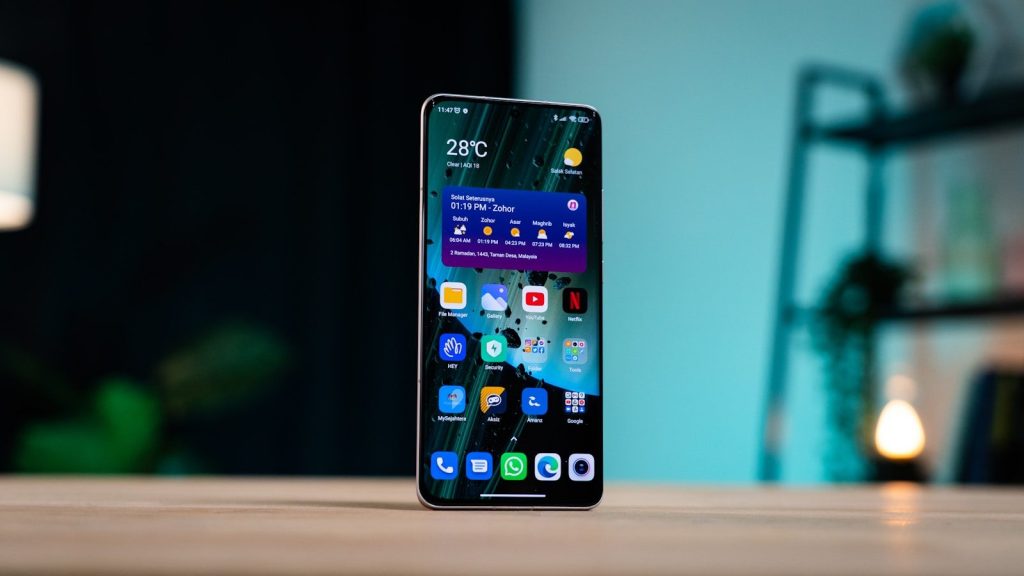
    a cell phone on a table
    Photo by Amanz on Unsplash

    Budget screens have improved a lot. Many affordable phones now offer larger displays, smoother scrolling, and better brightness than older low-cost models.

    A better screen changes the whole feel of a phone. Reading, watching videos, checking photos, and browsing social apps all feel more comfortable when the display is sharper, brighter, and more responsive.

    Updates are improving value

    Hand holding a smartphone with sos screen
    Photo by Andrey Matveev on Unsplash

    Software support can make a cheaper phone feel useful for longer. Without updates, even a good phone can start to feel old too quickly.

    This is one area where the market has improved. Samsung lists up to 6 generations of OS upgrades and 6 years of security updates for the Galaxy A56 5G, while Google says Pixel 8 and later phones get 7 years of updates.

    Cameras are more reliable

    Hand holds black smartphone with circular camera module.
    Photo by Georgiy Lyamin on Unsplash

    Cheap phone cameras still may not match premium models, especially in difficult lighting. But many are now good enough for everyday photos, video clips, and quick social posts.

    The biggest change is consistency. Better sensors, smarter image processing, and improved software help lower-cost phones take cleaner pictures than older bargain models could manage.

    AI features are spreading

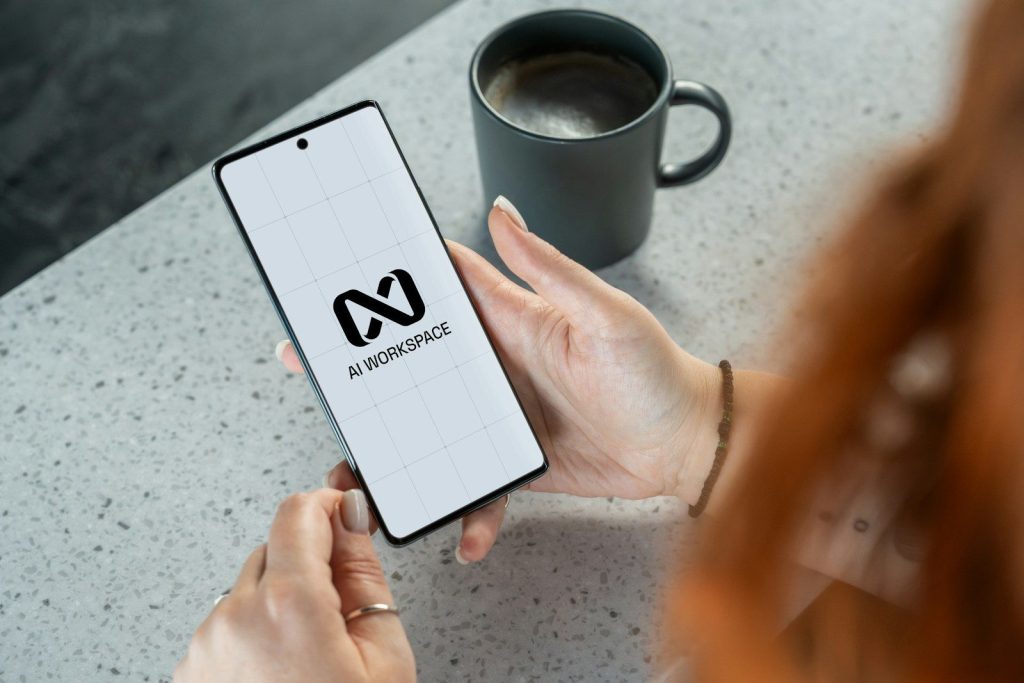
    Woman holding smartphone with ai workspace logo.
    Photo by Jo Lin on Unsplash

    AI tools are no longer only tied to the most expensive phones. IDC reported that affordable AI-enabled smartphones helped drive upgrades in more affordable price categories during 2025.

    That could make budget phones feel smarter over time. Features like better photo cleanup, call tools, writing help, and on-device suggestions may slowly move into lower price ranges.

    Build quality feels stronger

    silver samsung galaxys 6 edge
    Photo by Xingye Jiang on Unsplash

    Cheap phones used to feel light, hollow, or fragile. Today, many affordable models have cleaner designs, better finishes, and stronger resistance features than buyers may expect.

    That makes a difference every day. A phone that feels solid in the hand, has a decent fingerprint reader, and does not look outdated can feel far more premium than its price suggests.

    Competition helps buyers

    A person holding a cell phone in their hand
    Photo by Amanz on Unsplash

    Phone brands are fighting hard for shoppers who want value. That pressure can lead to better screens, longer battery life, more storage, improved cameras, and longer update support at lower prices.

    It also gives buyers more choices. Instead of picking the cheapest phone available, shoppers can compare the parts that matter most, such as battery, screen quality, camera, storage, and software support.

    Cheap no longer means basic

    A cell phone sitting on top of a wooden table
    Photo by Andrey Matveev on Unsplash

    The biggest change is simple: cheap phones are becoming good enough for more people. Not everyone needs the fastest chip, the most advanced camera, or the most expensive design.

    A smart budget phone can now cover the basics well and still feel modern. For many everyday users, the best value may come from a phone that does the important things right without chasing premium extras.

  • Why wireless microphones are becoming tiny studios

    Why wireless microphones are becoming tiny studios

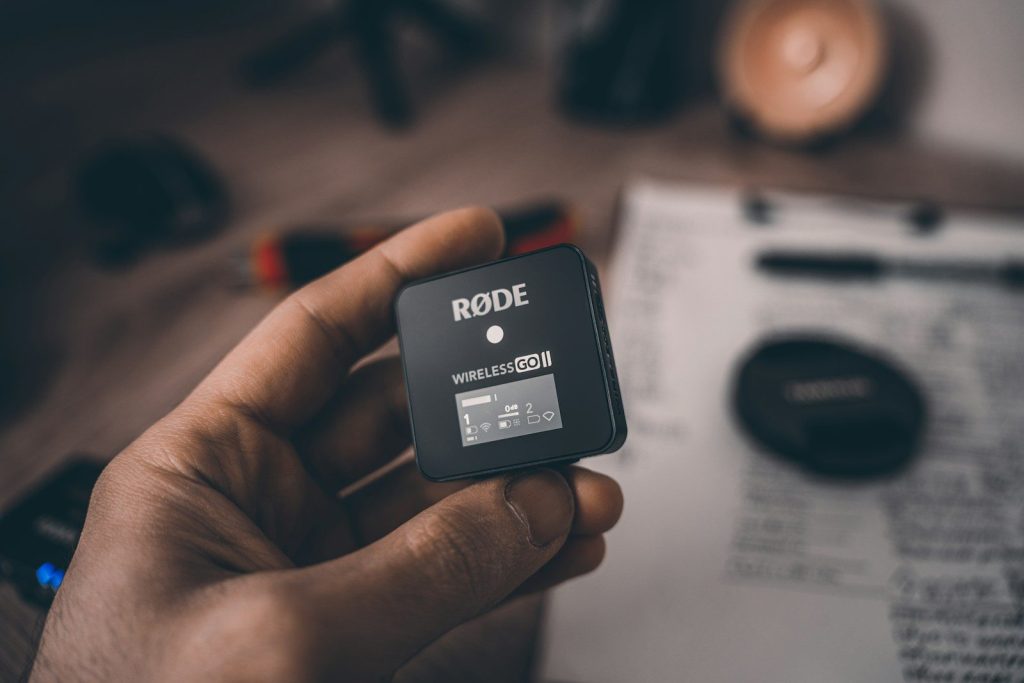
    A small clip-on mic used to do one simple job: capture a clearer voice than a phone or camera could on its own. Now, many wireless microphone kits are becoming much more powerful. Some offer onboard recording, charging cases, noise reduction, safety features, timecode support, USB-C connections, and controls that once felt limited to larger audio setups. RØDE’s Wireless PRO, for example, lists 32-bit float onboard recording and timecode, while Sennheiser added 32-bit float support to its Profile Wireless system through a firmware update in 2025.

    Hollyland also promotes environmental noise cancellation on its LARK M2 system. These tiny mics are no longer just accessories. For creators, families, teachers, small businesses, and video callers, they are starting to feel like pocket-sized recording studios.

    Clearer sound anywhere

    a woman singing into a microphone on stage
    Photo by Marco Lastella on Unsplash

    Wireless microphones are popular because they move the mic closer to the person speaking. That simple change can make voices sound clearer than using a phone, tablet, or camera from several feet away.

    This is why small wireless mics are useful for interviews, tutorials, school projects, travel videos, and family clips. They help capture the voice first, instead of letting room noise take over.

    Recording is built in

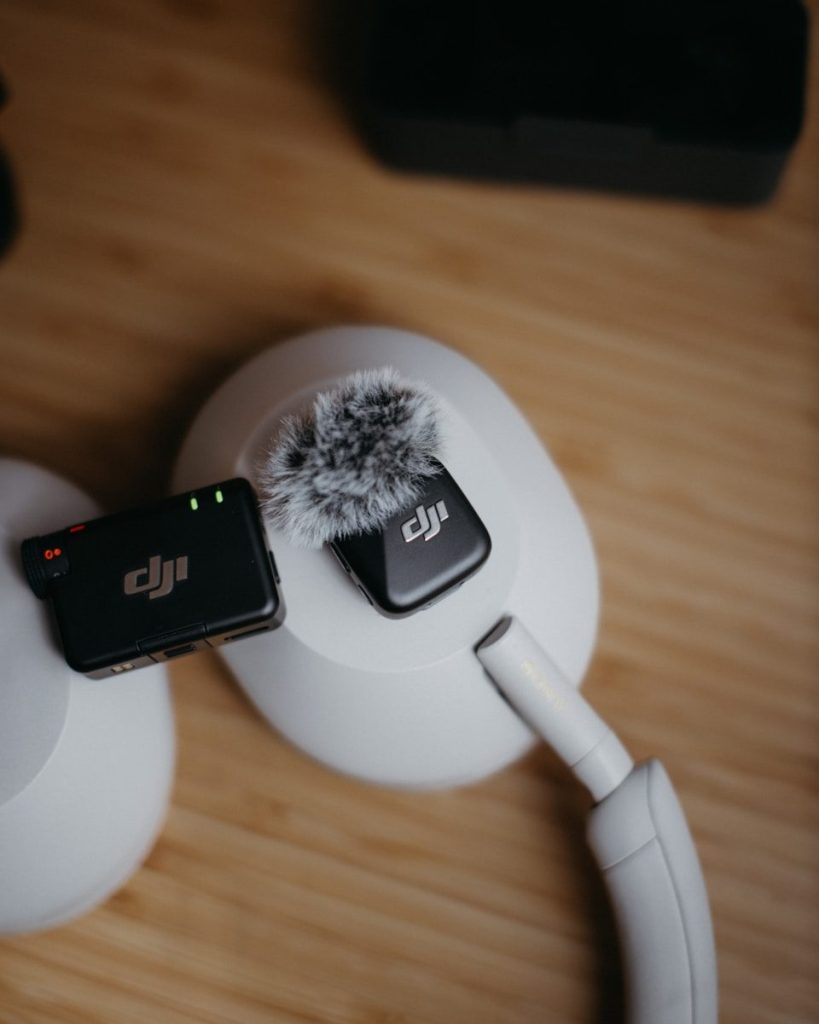
    Dji wireless microphones on white headphones
    Photo by JJ ROCHA on Unsplash

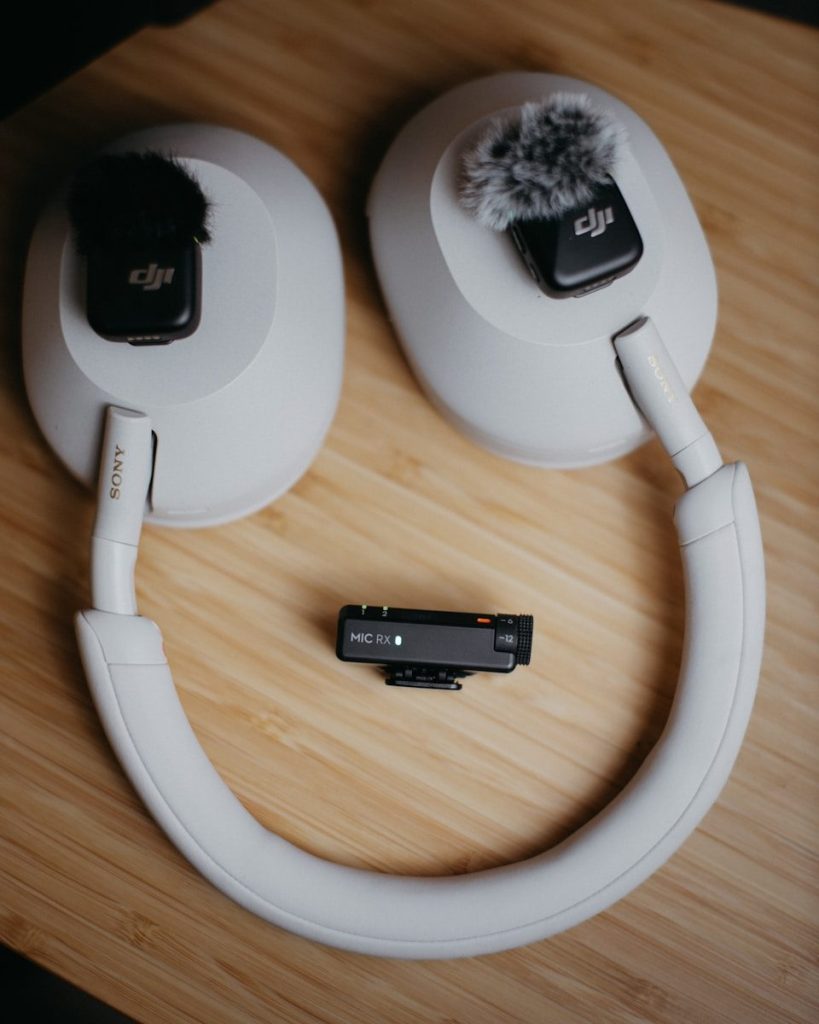
    Some wireless mic systems now include onboard recording, which means the transmitter can save audio directly. RØDE’s Wireless PRO lists 32-bit float onboard recording, which can help recover audio that was too quiet or too loud.

    That feature makes the mic feel more like a mini recorder. Even if a camera connection fails or a setting is wrong, the mic may still keep a backup track.

    Timecode helps creators sync

    Person working at a desk with a laptop and books.
    Photo by Microsoft Copilot on Unsplash

    Timecode may sound technical, but the idea is simple. It helps match audio and video more easily during editing, especially when more than one camera or recorder is used.

    RØDE lists timecode capabilities on the Wireless PRO, and Sennheiser’s Profile Wireless update also points toward more professional-style tools in compact systems. These features make small mic kits more useful for serious creators.

    Charging cases simplify setup

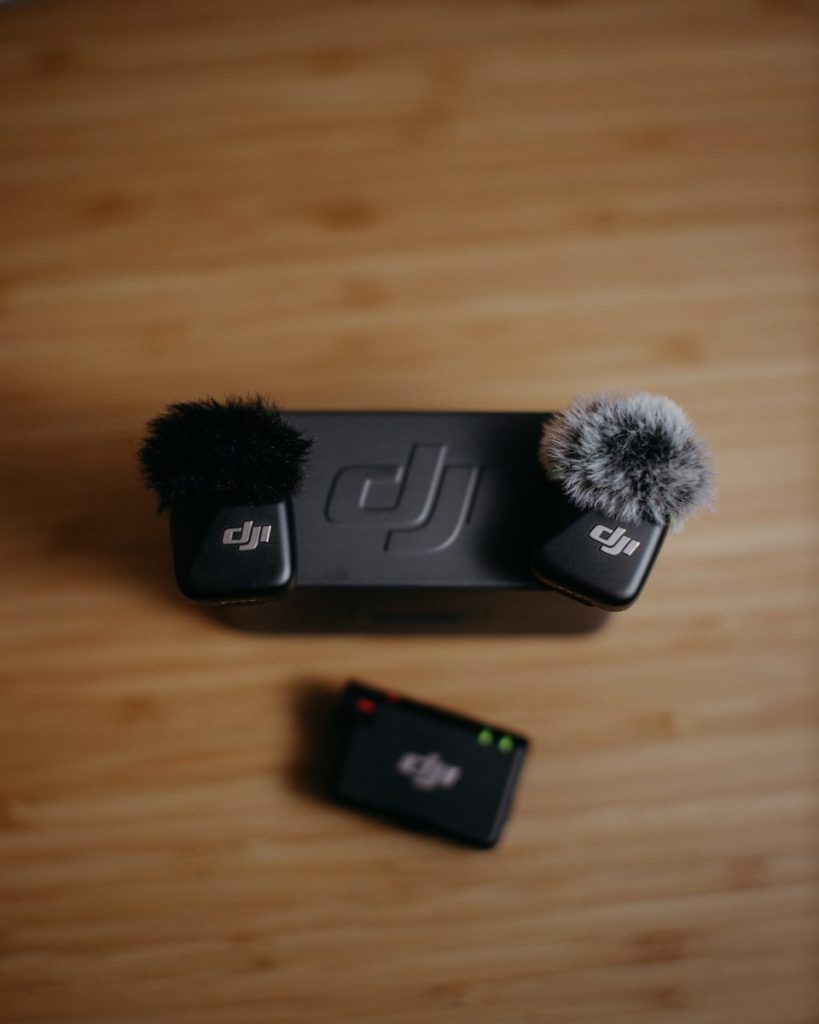
    Dji microphones and receiver on wooden surface.
    Photo by JJ ROCHA on Unsplash

    Wireless mics used to mean cables, loose parts, and battery checks. Many newer kits now use charging cases that store the transmitters, receiver, adapters, clips, and windscreens together.

    That makes the whole setup easier to carry and easier to trust. A small case can now act like a travel drawer for audio gear, keeping the mic system ready for quick use.

    Phones become recording hubs

    Two smartphones displaying video recordings next to microphones.
    Photo by Detail .co on Unsplash

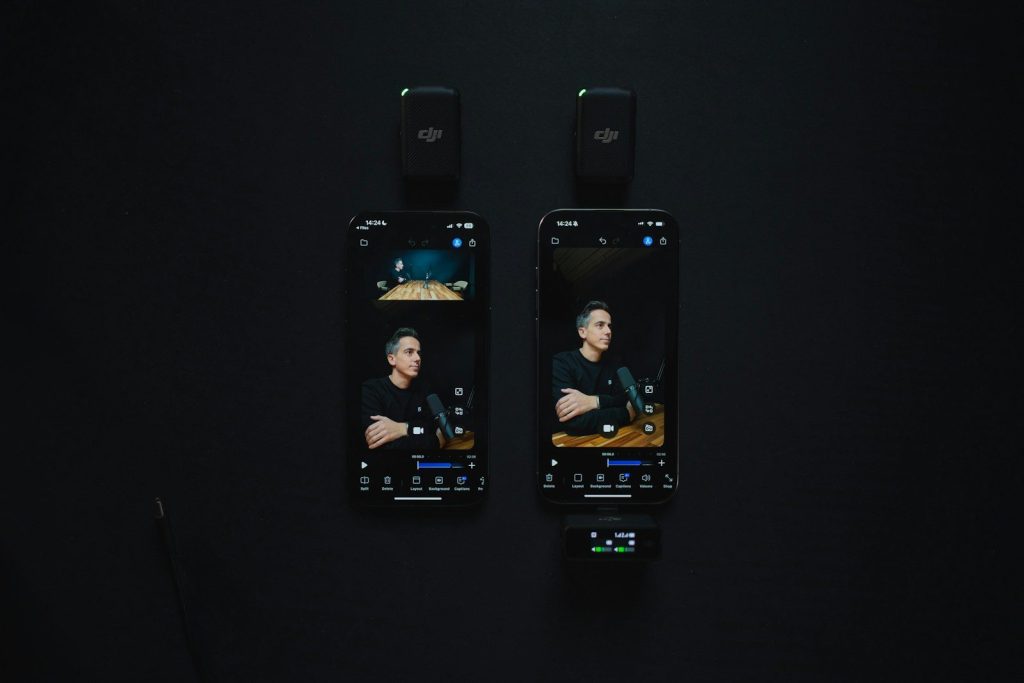
    Wireless microphones are no longer just for big cameras. Many systems connect to phones, tablets, computers, and cameras through USB-C, Lightning adapters, or 3.5mm ports, depending on the kit.

    That flexibility matters because many people record with phones first. A tiny mic can turn a phone into a stronger tool for short videos, remote work, livestreams, and quick interviews.

    Tiny mics support teamwork

    Man with headphones and recording equipment
    Photo by AMONWAT DUMKRUT on Unsplash

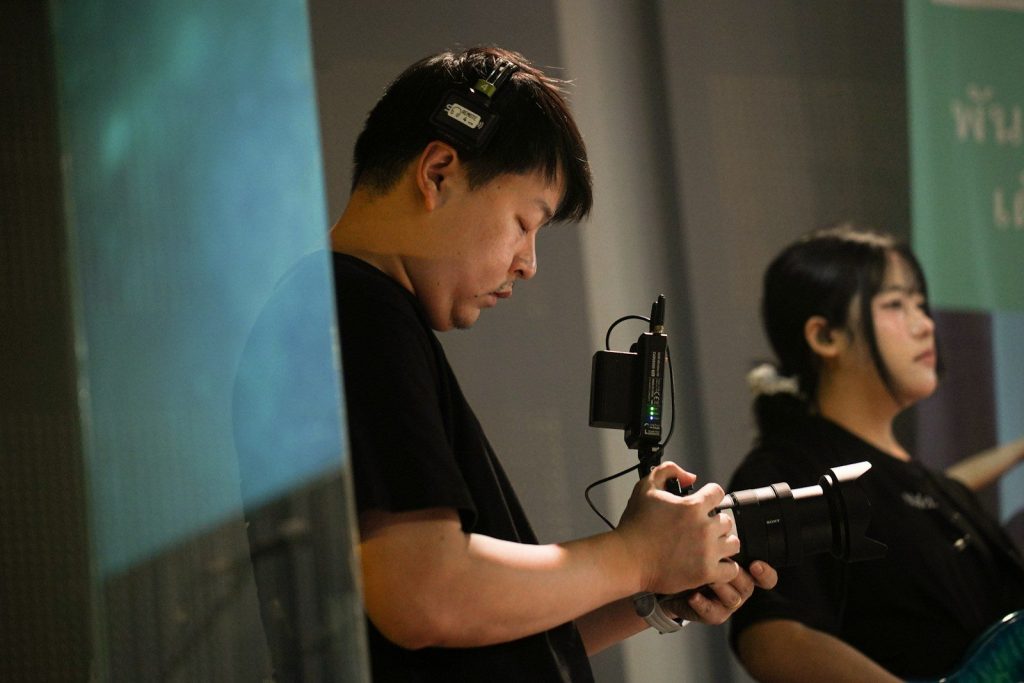
    Modern wireless mic kits often support more than one speaker. That helps when two people are talking, walking, teaching, filming a product demo, or recording a conversation.

    Instead of passing one microphone around, each person can wear a small transmitter. The result feels more natural, and the final recording can sound cleaner because each voice is captured closer.

    Small gear feels less distracting

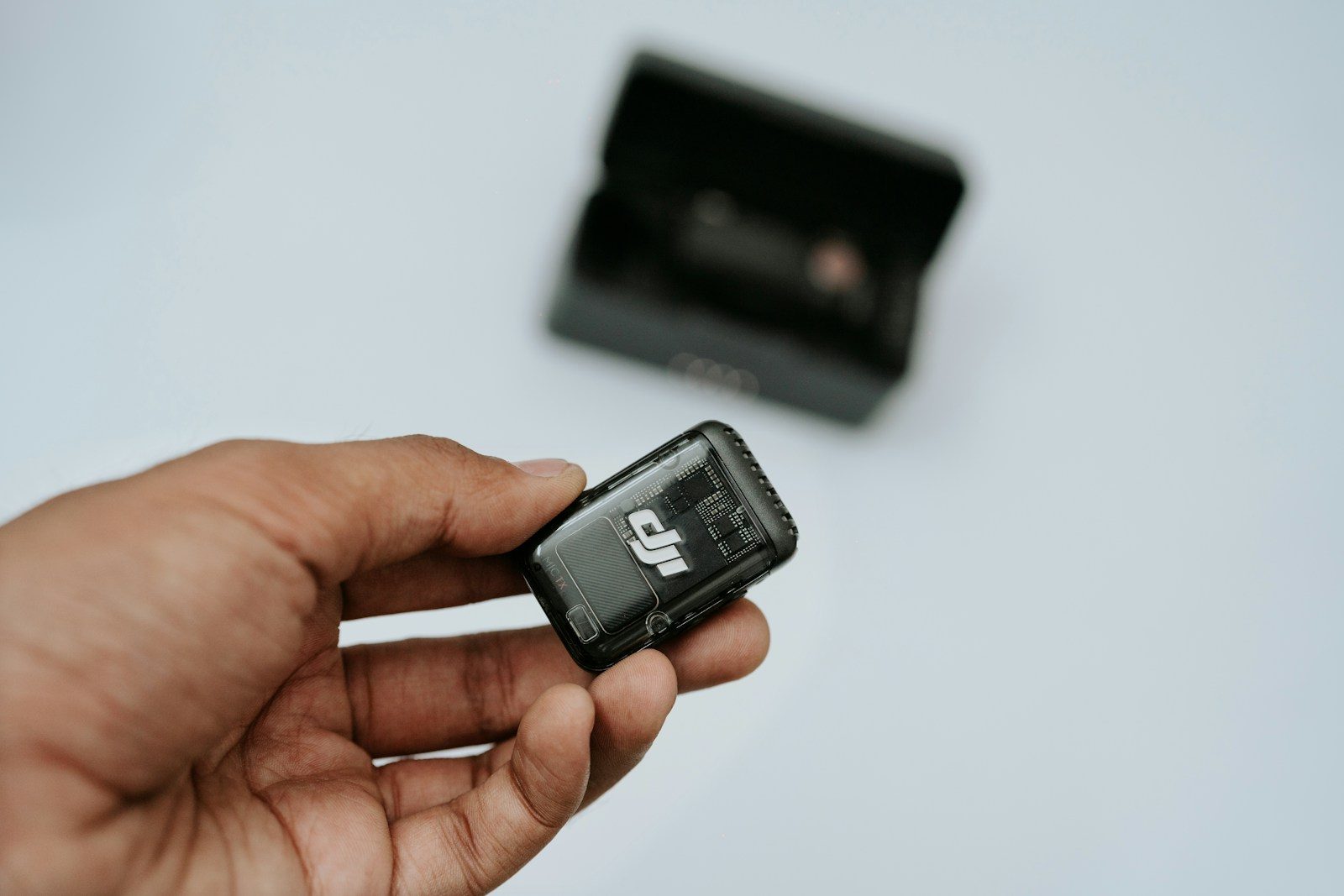
    a hand holding a small black device
    Photo by Andrea De Santis on Unsplash

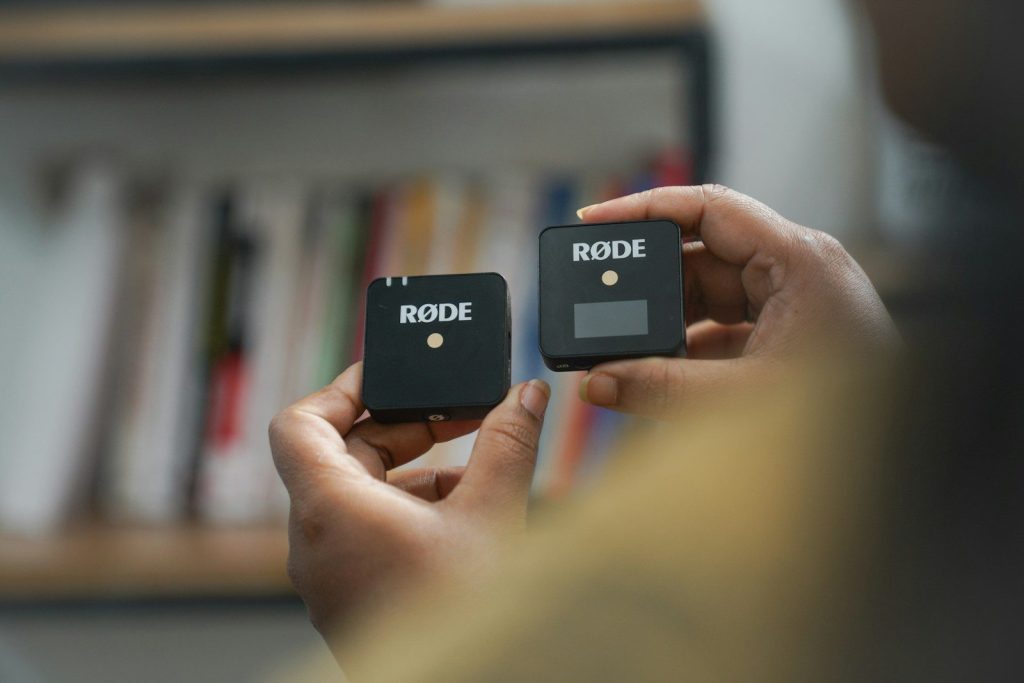
    One reason wireless microphones are growing fast is comfort. A small clip-on mic is easier to wear than a large microphone on a stand, and it can look more natural on camera.

    This helps people focus on speaking instead of managing gear. For creators, teachers, and small teams, less distraction can mean smoother videos and more confident recordings.

    Audio gets more portable

    a person holding a remote control in their hand
    Photo by Amjith S on Unsplash

    Wireless microphones are becoming tiny studios because they combine several jobs in one small kit. They can capture, record, reduce noise, connect to devices, store power, and support editing workflows.

    That does not mean everyone needs a high-end system. But the direction is clear: better audio tools are getting smaller, easier, and more portable for everyday creators.

  • Why open-ear earbuds are gaining attention

    Why open-ear earbuds are gaining attention

    Earbuds are no longer just about blocking out the world. A growing number of people want to hear music, calls, podcasts, and directions while still staying aware of what is happening around them.

    That is where open-ear earbuds come in. Instead of sealing the ear canal, they sit near the ear or use bone conduction, leaving the ear more open to outside sound. Shokz describes open-ear listening as a way to stay aware of surroundings while still hearing audio, and recent testing guides now treat open-ear models as a fast-growing category for runners, commuters, office users, and people who dislike the plugged-ear feeling.

    They keep ears uncovered

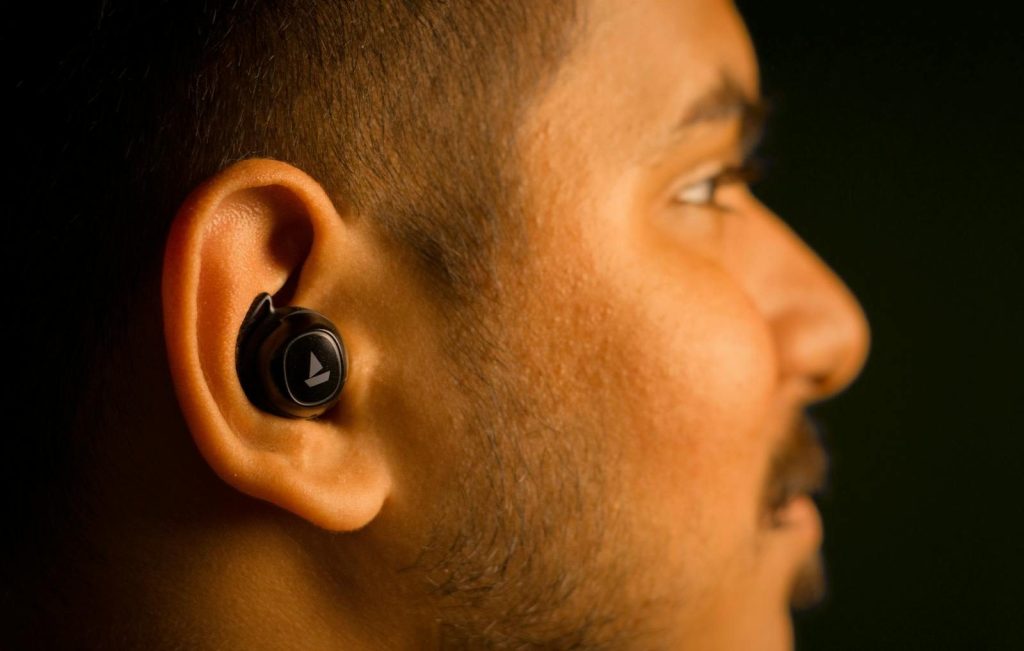
    Profile view of a man wearing a wireless earbud, focusing on audio technology.
    Photo by Sanket Mishra on Pexels

    Open-ear earbuds are built differently from regular in-ear buds. They do not sit deep inside the ear canal, so users can hear music while still noticing voices, traffic, doorbells, or other nearby sounds.

    That open design is a big part of their appeal. Many people want audio that fits into daily life instead of cutting them off from it. For errands, walks, and casual listening, that can feel more natural.

    They feel easier to wear

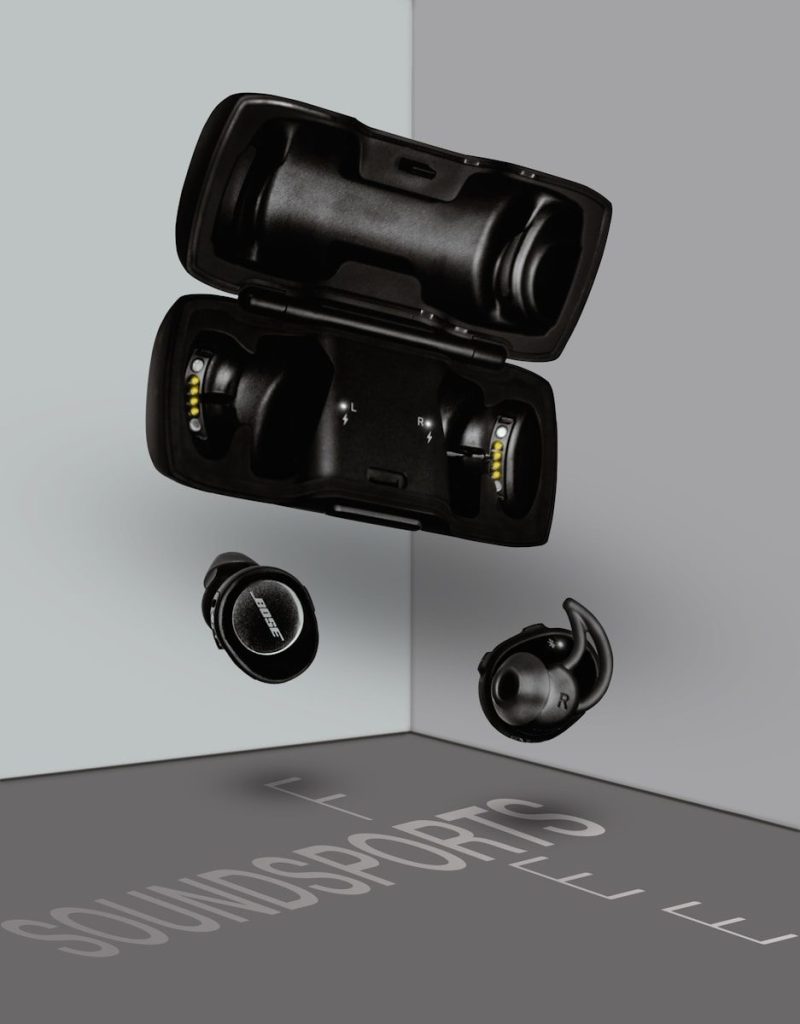
    a pair of ear buds in a case
    Photo by Mudit Jain on Unsplash

    Some people do not like the pressure of traditional earbuds. Foam tips, silicone tips, or tight seals can feel uncomfortable after a while, especially during long workdays or workouts.

    Open-ear designs can feel lighter because they avoid that sealed feeling. Many models use ear hooks, clips, or wraparound designs to stay in place without pushing into the ear canal, which may help during longer listening sessions.

    They help outdoor awareness

    A fit African American man in a tank top, captured in an urban setting, exuding strength and confidence.
    Photo by Liliana Drew on Pexels

    Open-ear earbuds are getting attention from runners, walkers, and cyclists because awareness matters outside. Hearing a car, bike bell, or person nearby can be important during movement.

    They are not a replacement for paying attention, but they can make outdoor audio feel less closed off. Shokz highlights situational awareness as a key reason people choose open-ear listening, especially for active use.

    They work well for multitasking

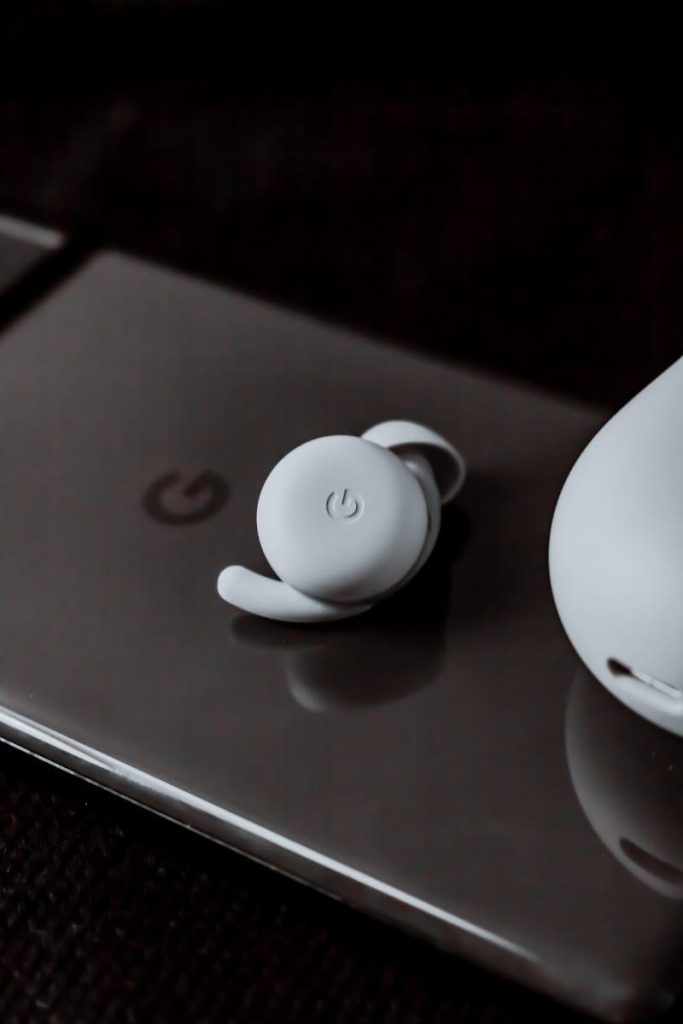
    Close-up view of a wireless earbud on a smartphone, showcasing modern technology.
    Photo by Hemil Dhanani on Pexels

    Open-ear earbuds can be useful at home, at work, or while handling small tasks. A person can listen to a podcast while still hearing a family member, coworker, timer, or delivery at the door.

    That makes them feel practical, not just trendy. They fit the way many people move through the day, switching between calls, chores, messages, and quick conversations without constantly removing earbuds.

    Sound quality is improving

    Young man walking in a modern indoor setting wearing a tank top and exercising.
    Photo by Liliana Drew on Pexels

    Early open-ear headphones were often seen as useful but limited. Newer models are trying to offer better sound while still leaving the ear open to the room.

    There is still a trade-off. Open-ear earbuds usually do not block noise like sealed earbuds, and they may not feel as deep or private in loud places. But reviews now point to stronger sound, better fit options, and wider choices than before.

    They suit more daily routines

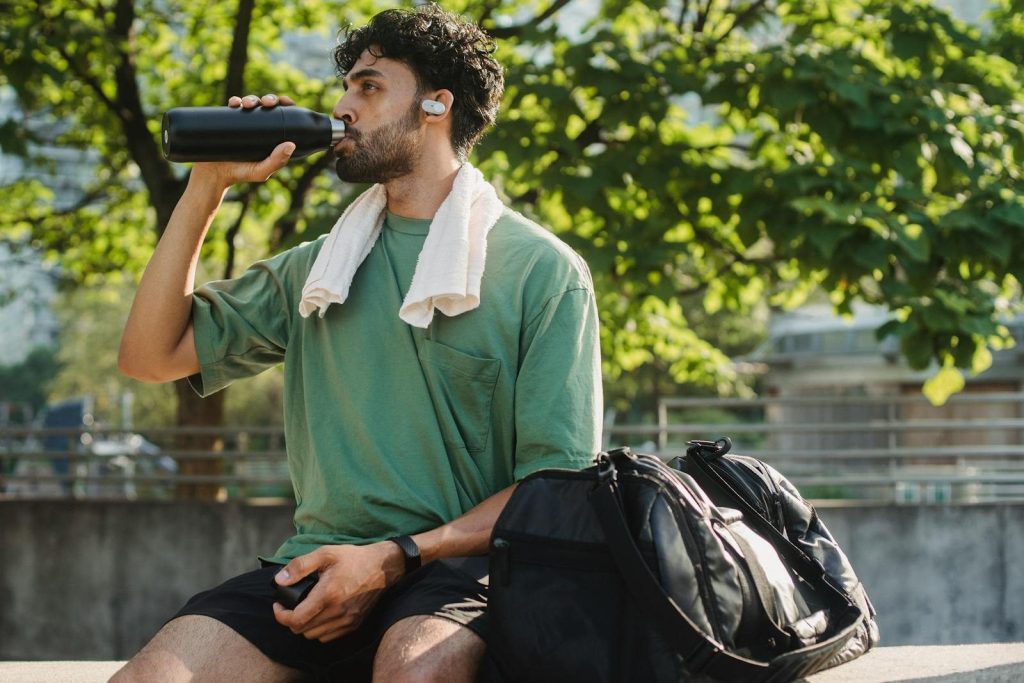
    Man with green shirt and curly hair drinks water outdoors post-exercise.
    Photo by Ketut Subiyanto on Pexels

    Open-ear earbuds are no longer just for serious athletes. People are using them for video calls, dog walks, office work, cooking, commuting, and quick trips around town.

    That wider use is helping the category grow. Market reports also point to rising demand for open-ear and bone-conduction headphones, driven by fitness, comfort, and everyday communication needs.

    They offer a middle ground

    Fashion-forward man with sunglasses posing confidently outside the Wanda Realm building.
    Photo by umar muazu on Pexels

    The biggest reason open-ear earbuds are gaining attention is simple: they sit between silence and full isolation. They let users enjoy audio without feeling completely cut off.

    That balance will not be perfect for everyone. People who want strong noise blocking may still prefer regular earbuds or headphones. But for listeners who value comfort, awareness, and easy all-day use, open-ear earbuds make a lot of sense.

  • How spatial audio is changing headphones and earbuds

    How spatial audio is changing headphones and earbuds

    Headphones used to be mostly about volume, bass, comfort, and noise cancellation. Now brands are trying to make sound feel wider, deeper, and more lifelike. Spatial audio is the big reason. Instead of keeping everything locked between your left and right ears, it can make music, movies, games, and videos feel like they are happening around you.

    Apple promotes Personalized Spatial Audio with dynamic head tracking on AirPods, Sony offers 360 Reality Audio, Samsung has 360 Audio for Galaxy Buds, Google supports spatial audio with head tracking on Pixel Buds Pro models, and Bose uses Immersive Audio in some headphones. These features do not all work the same way, but they show where personal audio is going: less flat, more open, and more like a room-sized experience in a pocket-sized device.

    Sound feels less flat

    a man with a beard wearing a headset
    Photo by Mathieu Improvisato on Unsplash

    Regular stereo sound usually feels like it sits between your ears. Spatial audio tries to spread that sound out, so voices, instruments, and effects feel like they have more space.

    That can make a movie scene feel bigger or a live song feel more open. It does not always replace speakers, but it can make headphones feel less boxed in and more natural.

    Apple made it familiar

    shallow focus photo of Apple AirPods
    Photo by Daniel Romero on Unsplash

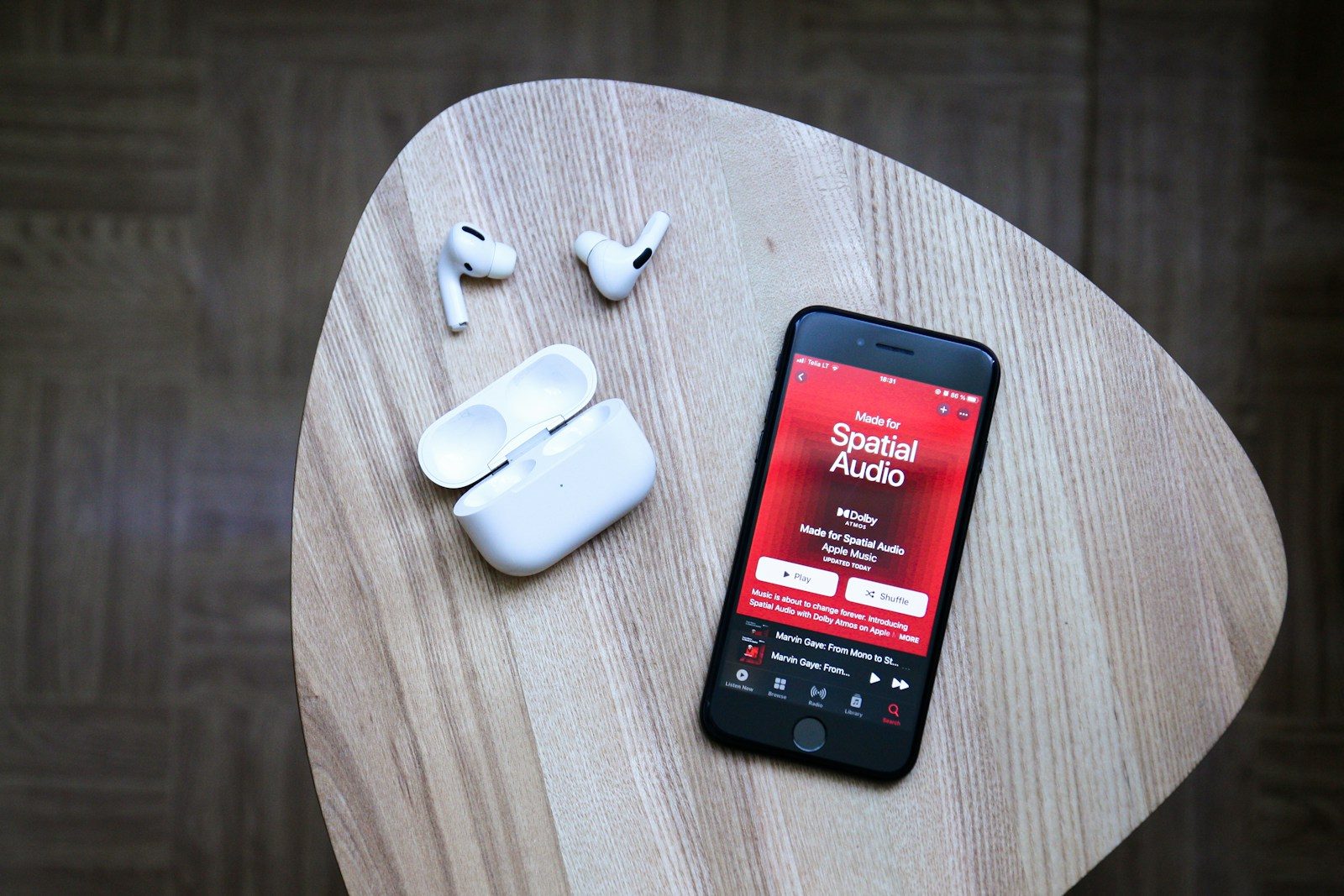
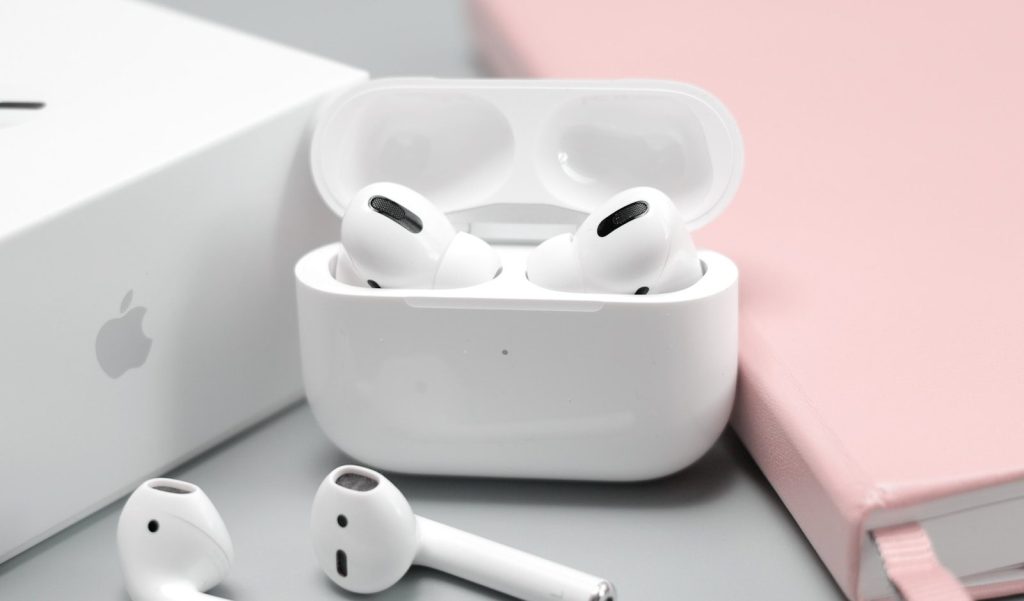
    Apple helped make spatial audio a mainstream headphone feature through AirPods. Its current AirPods page highlights Personalized Spatial Audio with dynamic head tracking on models like AirPods Pro and AirPods Max.

    For everyday users, the Apple pitch is simple: turn your head, and the sound can feel like it stays placed around you. That makes supported movies, shows, and music feel more anchored than standard stereo.

    Samsung keeps it mobile

    person holding black game controller
    Photo by Daniel Romero on Unsplash

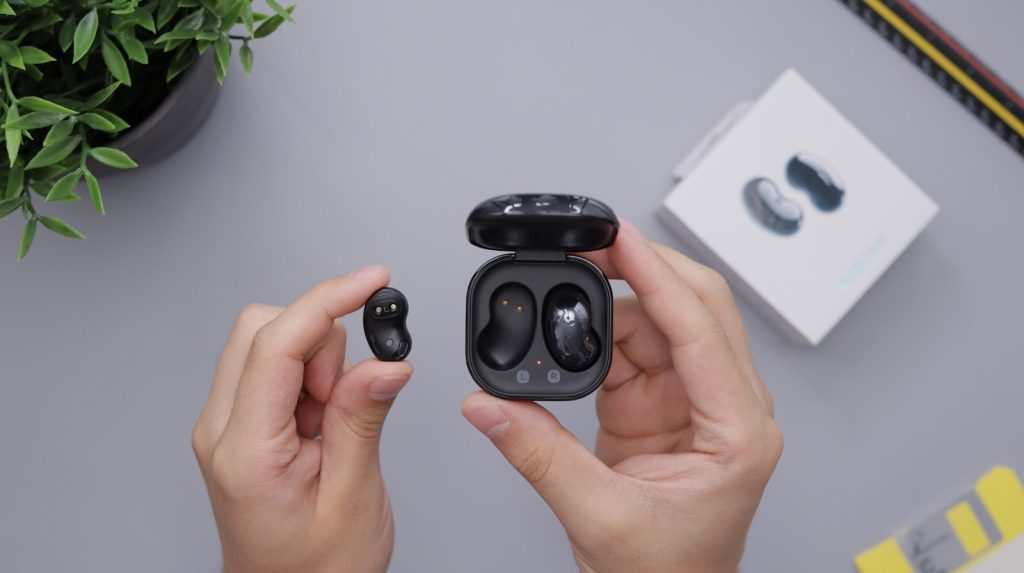
    Samsung’s 360 Audio is built around Galaxy phones and Galaxy Buds. Samsung says the feature can create an immersive experience with sound coming from all directions while watching videos.

    That matters because many people now watch shows, clips, and tutorials on phones. Spatial audio gives earbuds a bigger job: not just playing sound, but helping a small screen feel more cinematic.

    Sony focuses on music

    black samsung headphones on white printer paper
    Photo by Vova Kondriianenko on Unsplash

    Sony’s 360 Reality Audio is aimed heavily at music. Sony says users can experience it with headphones through an immersive sound field, and it also supports certified products beyond headphones.

    The idea is to make songs feel less like a flat recording and more like a space. Vocals, drums, and instruments can seem separated around the listener when the track and service support the format.

    Google ties it to Pixel

    Close-up view of a wireless earbud on a smartphone, showcasing modern technology.
    Photo by Hemil Dhanani on Pexels

    Google supports spatial audio with head tracking on Pixel Buds Pro and Pixel Buds Pro 2 when paired with Pixel 6 or newer Pixel phones. Google also says Pixel Buds 2a support stereo spatial audio without head tracking.

    This shows how spatial audio often depends on the full setup. The earbuds matter, but so do the phone, app, content, and software settings.

    Bose takes a wider route

    a pair of ear buds in a case
    Photo by Mudit Jain on Unsplash

    Bose uses the name Immersive Audio for its version of spatial sound. Bose says its spatial headphones combine noise cancellation with immersive audio to make detail sound clearer and more lifelike.

    That is important because spatial effects can be harder to notice in noisy places. When noise cancellation lowers outside distractions, the wider soundstage can feel easier to hear.

    Movies gain more depth

    a toy car on a table
    Photo by Shreyaan Vashishtha on Unsplash

    Spatial audio can be especially useful for movies and shows. A scene with footsteps, rain, music, or a crowd can feel more layered when sound seems to come from different directions.

    Dolby Atmos is one of the biggest names here. Dolby describes Atmos as a spatial audio technology designed to make entertainment feel more immersive, including music, movies, TV, and live sports.

    Games can feel more aware

    a close up of an electronic device on a table
    Photo by Hector Reyes on Unsplash

    For gaming, spatial audio can make headphones feel more practical, not just more dramatic. Directional sound can help players sense where movement, action, or background details are coming from.

    This is why many gaming headsets and earbuds now talk about virtual surround or 3D sound. The goal is not only louder audio. It is better awareness inside the game world.

    Not every track changes

    A smartphone playing music with wireless earbuds and a case.
    Photo by N1CE on Unsplash

    Spatial audio is exciting, but it is not magic. Some songs, videos, and apps support it better than others. A normal stereo track may not sound as dramatic as a movie or song mixed for immersive audio.

    That means buyers should check compatibility before expecting a huge difference. The best results usually come when the headphones, phone, app, and content all support the same type of spatial experience.

    Headphones are becoming smarter

    white and gray wireless headphones
    Photo by Akhil Yerabati on Unsplash

    Spatial audio is pushing headphones and earbuds beyond simple listening. Brands now use motion sensors, software processing, app settings, and personalized tuning to shape how sound reaches each ear.

    That makes future headphones feel more like smart devices than basic speakers. Apple, Samsung, Sony, Google, Bose, JBL, and others are all chasing the same idea: sound that feels bigger than the device playing it.

  • Why premium headphones are becoming design statements

    Why premium headphones are becoming design statements

    Premium headphones used to be mostly about sound. Now they also say something about taste, lifestyle, and personal style. Big over-ear models are no longer hidden in a bag or saved only for flights. People wear them at coffee shops, on walks, at school, at work, and in social posts.

    That has pushed brands to care more about shape, color, materials, comfort, and how the headphones look with an outfit. Apple launched AirPods Max in multiple colors, Dyson built OnTrac around customizable finishes, and Bowers & Wilkins highlights luxury materials like aluminum and Nappa leather. The result is simple: headphones are becoming useful tech that also works like a fashion accessory.

    Style now matters more

    a man with a beard wearing a headset
    Photo by Mathieu Improvisato on Unsplash

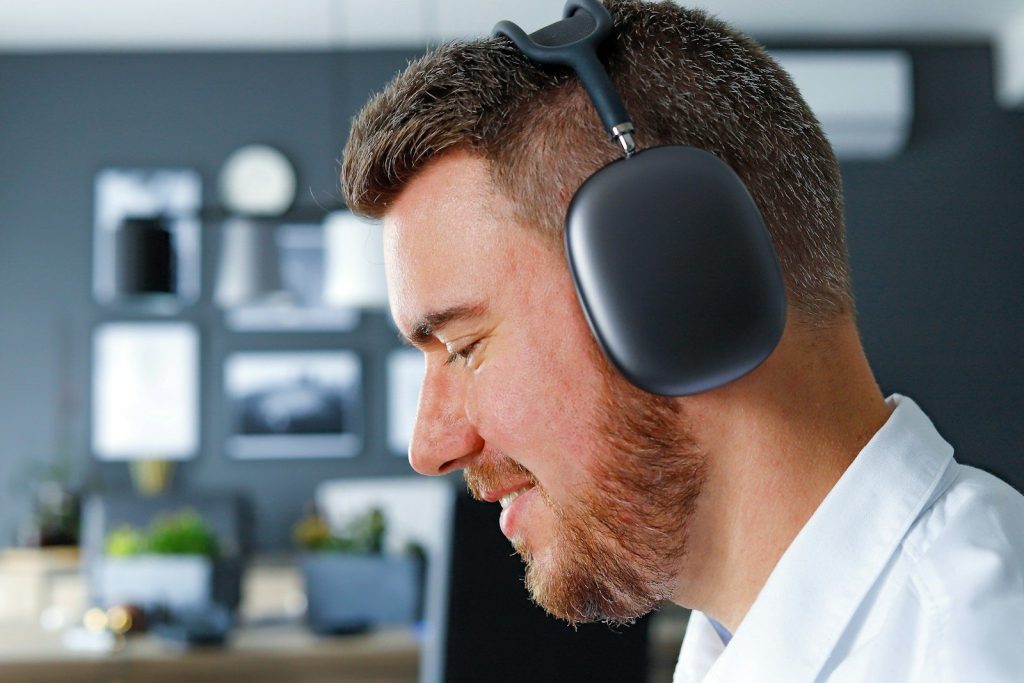
    Premium headphones are no longer judged by sound alone. Shoppers also look at color, shape, finish, and how natural the headphones feel with daily outfits.

    That shift makes design a bigger part of the purchase. A clean pair of headphones can feel like sneakers, a watch, or a bag: useful, visible, and part of someone’s personal look.

    Over-ear designs stand out

    woman wearing gray and silver headphones
    Photo by Mika Baumeister on Unsplash

    Small earbuds almost disappear, but over-ear headphones are easy to notice. Their size gives brands more room to use bold shapes, soft curves, metal accents, and standout colors.

    That visibility is part of the appeal. When headphones sit around the head or neck, they become part of the full outfit instead of just another device in a pocket.

    Colors feel more personal

    White and silver headphones resting on a wooden table
    Photo by Georgiy Lyamin on Unsplash

    Color choices help headphones feel less one-size-fits-all. Apple’s AirPods Max launched in space gray, silver, sky blue, green, and pink, showing how color can turn tech into a style choice.

    Dyson’s OnTrac also leans into personalization with several color combinations and customizable parts. That gives buyers more ways to match their headphones to their taste.

    Materials send a message

    Marshall headphones, a dark shirt, and brown shoes.
    Photo by N1CE on Unsplash

    Premium materials can make headphones feel closer to fashion goods. Bowers & Wilkins says its Px8 uses aluminum arms, Nappa leather, memory foam, and metal detailing for a more polished look.

    Those touches help explain why some headphones cost more. Buyers are not only paying for audio parts; they are also paying for comfort, durability, and a more refined finish.

    Comfort became part of style

    Sculpture of a head wearing headphones on a stand.
    Photo by Georgiy Lyamin on Unsplash

    Headphones may look great, but they still need to feel good. A pair that pinches, slides, or feels heavy will not become someone’s daily favorite for long.

    That is why brands now promote plush cushions, lighter frames, and long-wear comfort. Bose, for example, highlights plush comfort and up to 30 hours of battery life on its newer QuietComfort Ultra model.

    Noise control adds lifestyle value

    White headphones with two small microphones and transmitter.
    Photo by JJ ROCHA on Unsplash

    Noise canceling has become part of the premium image. It helps people focus during travel, schoolwork, office tasks, or quiet time at home.

    That feature also adds to the “designed life” feeling. A stylish pair of headphones does not just complete a look; it can also create a calmer space in a busy day.

    Social media boosts the look

    Black headphones hanging from a stand
    Photo by Kyle Mesdag on Unsplash

    Headphones show up clearly in mirror photos, travel clips, study posts, and street-style videos. That makes their design more visible than many other tech accessories.

    When people see headphones as part of a full look, brands have more reason to make them camera-ready. Smooth finishes, simple logos, and special colors all help online.

    Brands are chasing identity

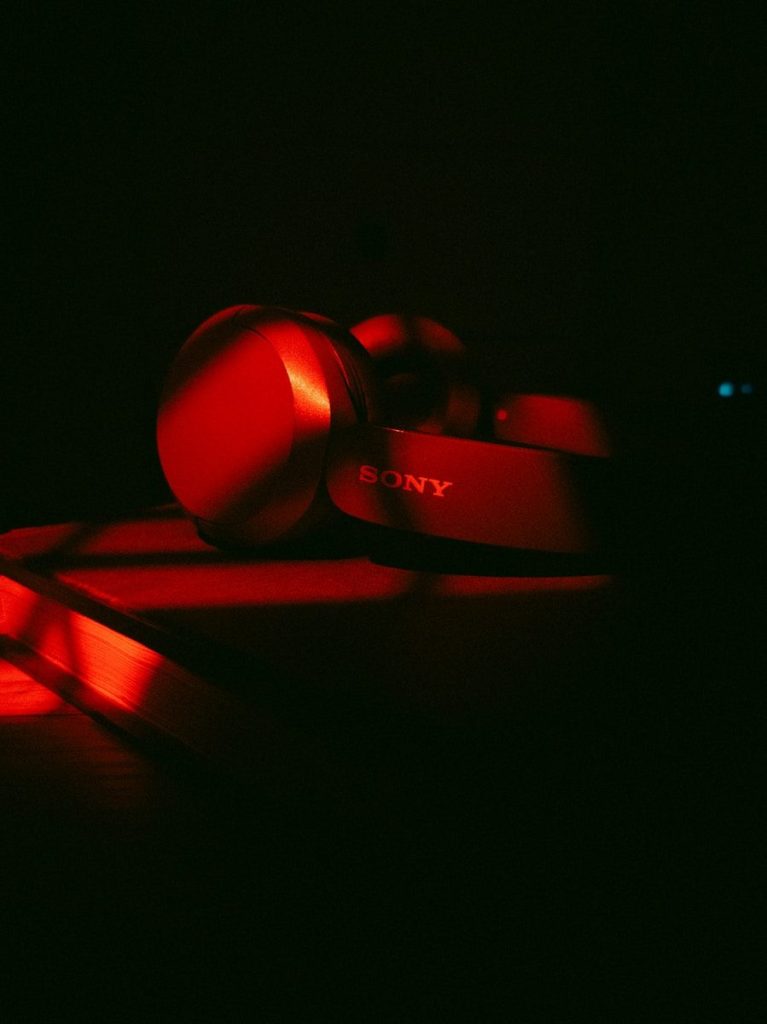
    Red sony headphones illuminated in darkness
    Photo by Mustafi Numann on Unsplash

    Premium headphone brands are building stronger design identities. Some lean clean and minimal, while others go bold, sporty, retro, or luxury-inspired.

    Beats has also used collaborations as part of its style image. Its official collaboration page lists special-edition models, including Beats Solo 4 designs tied to artist and fashion culture.

    Tech is becoming wearable

    Young woman in leather jacket near record player
    Photo by maks_d on Unsplash

    Phones and laptops are carried, but headphones are worn. That makes them closer to clothing than many other gadgets.

    As more people wear headphones for long stretches, design becomes more important. A pair needs to sound good, feel good, and look like it belongs with someone’s everyday routine.

    The trend keeps growing

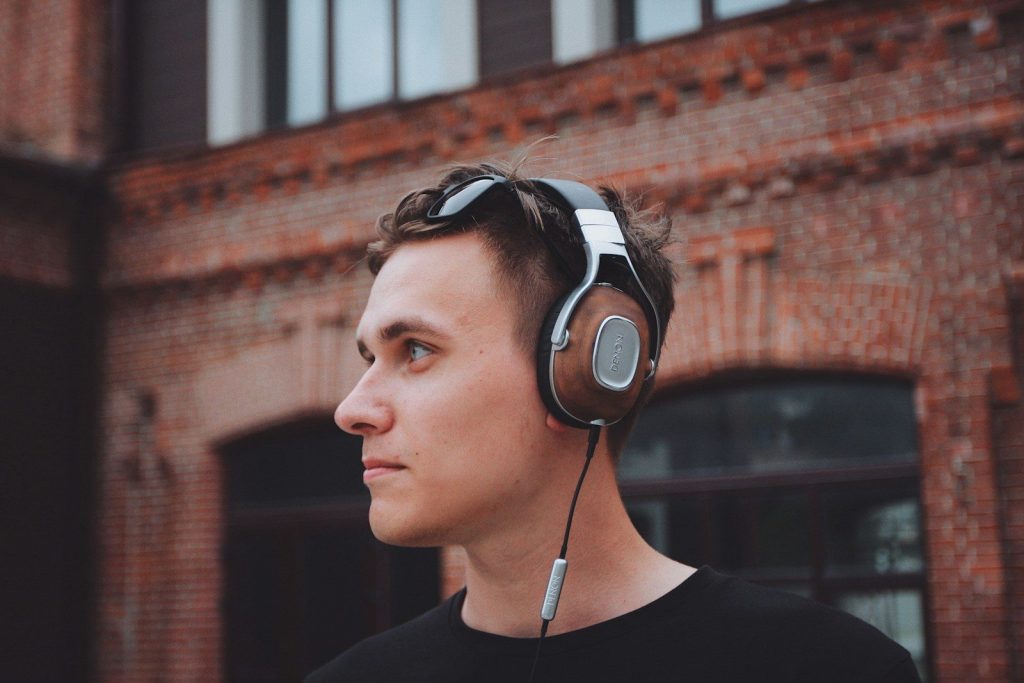
    man using black and gray corded headphones
    Photo by Pacha パチャ Shot’s on Unsplash

    Premium headphones are becoming design statements because they sit at the meeting point of sound, comfort, color, and identity. They are practical but also easy to notice.

  • Why wireless TVs are really about hiding cables

    Why wireless TVs are really about hiding cables

    A “wireless TV” sounds like a screen that needs no cables at all, but that is not quite where most models are today. The bigger goal is usually cleaner design. Instead of having several HDMI cords, streaming boxes, consoles, and soundbar cables hanging behind the screen, newer systems try to move those connections away from the wall-mounted TV.

    LG’s wireless OLED models use a Zero Connect Box to send audio and video to the screen, while the TV still needs power. Samsung’s One Connect approach also focuses on reducing visible cable clutter by routing connections through a slimmer, more hidden setup.

    The screen looks cleaner

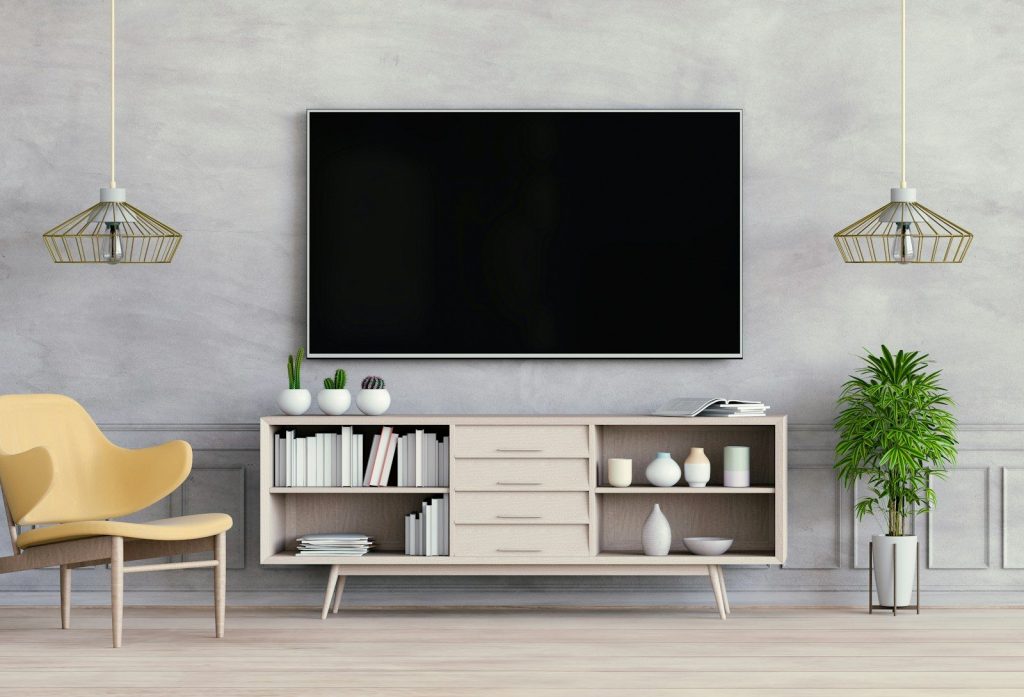
    a room with a tv and shelves
    Photo by Wemax Projectors on Unsplash

    The main appeal of a wireless TV is not magic. It is the clean look. A wall-mounted screen can look much better when there are fewer cords hanging under it.

    That matters because TVs are now part of home design. People want the screen to blend into the room, not show a messy bundle of wires, adapters, boxes, and power strips.

    The box does the work

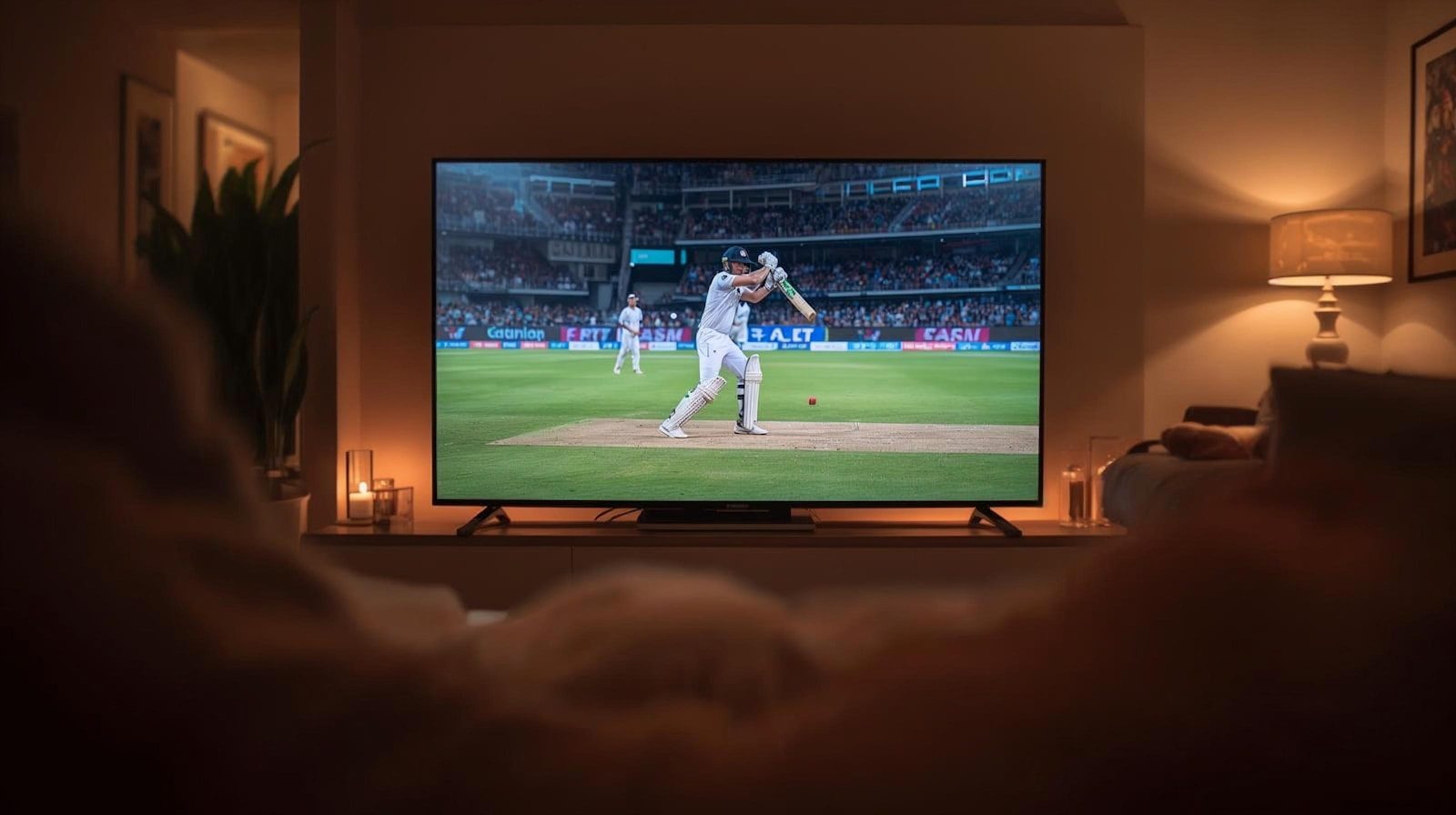
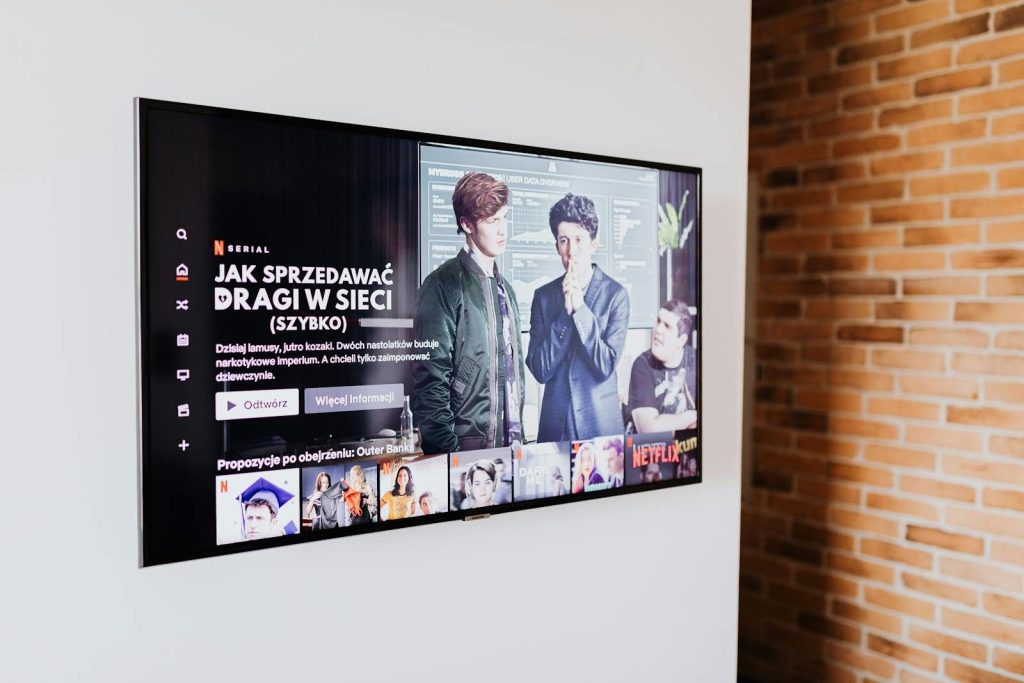
    Smart TV displaying streaming content in modern living room setting with exposed brick wall.
    Photo by www.kaboompics.com on Pexels

    Many wireless-style TVs still use a separate box. Game consoles, streaming devices, cable boxes, and other gadgets plug into that box instead of the back of the TV.

    LG’s Zero Connect Box, for example, sends video and audio signals wirelessly to the screen, while the TV still needs a power cable. That makes the setup look simpler from the front.

    Power still needs a cord

    LG TV, ‘2014 CES’ 어워드 휩쓸어” by LGEPR is licensed under CC BY 2.0

    The word “wireless” can be a little confusing. Most wireless TVs are not fully cable-free because the screen still needs electricity.

    That means one cord usually remains, even if the other connections are hidden or moved away. For many homes, that is still a big improvement because one neat power line is easier to manage than several messy cables.

    Wall mounting gets easier

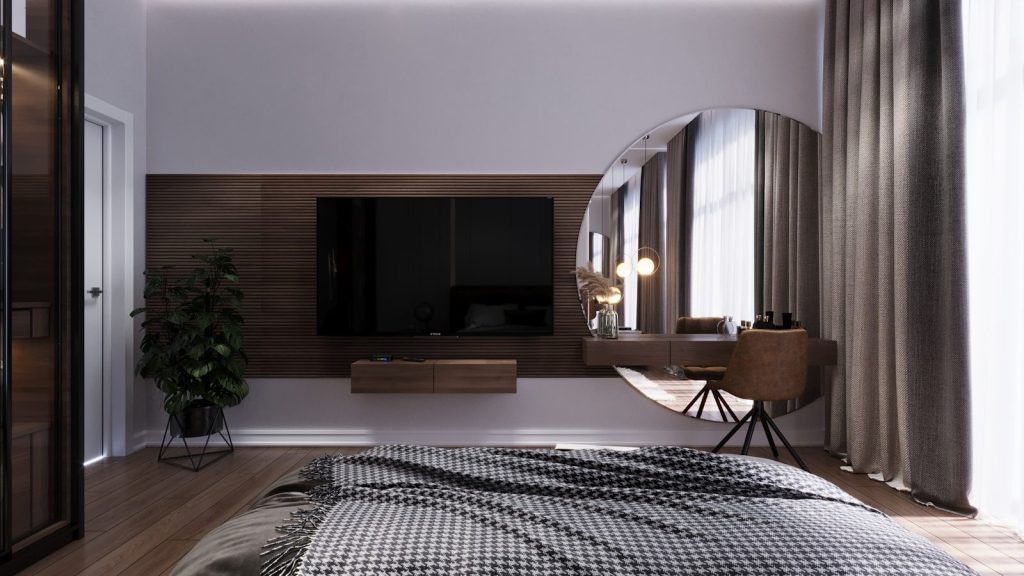
    a bedroom with a large mirror and a bed
    Photo by Medea Dzagnidze on Unsplash

    Wall-mounted TVs can look great, but the cables often ruin the effect. A wireless-style setup can make the screen feel more like a framed display than a pile of electronics.

    This is especially helpful in living rooms, bedrooms, and open spaces where the back of the TV area is visible. Fewer cables can make the whole room feel cleaner and more planned.

    Cable clutter moves away

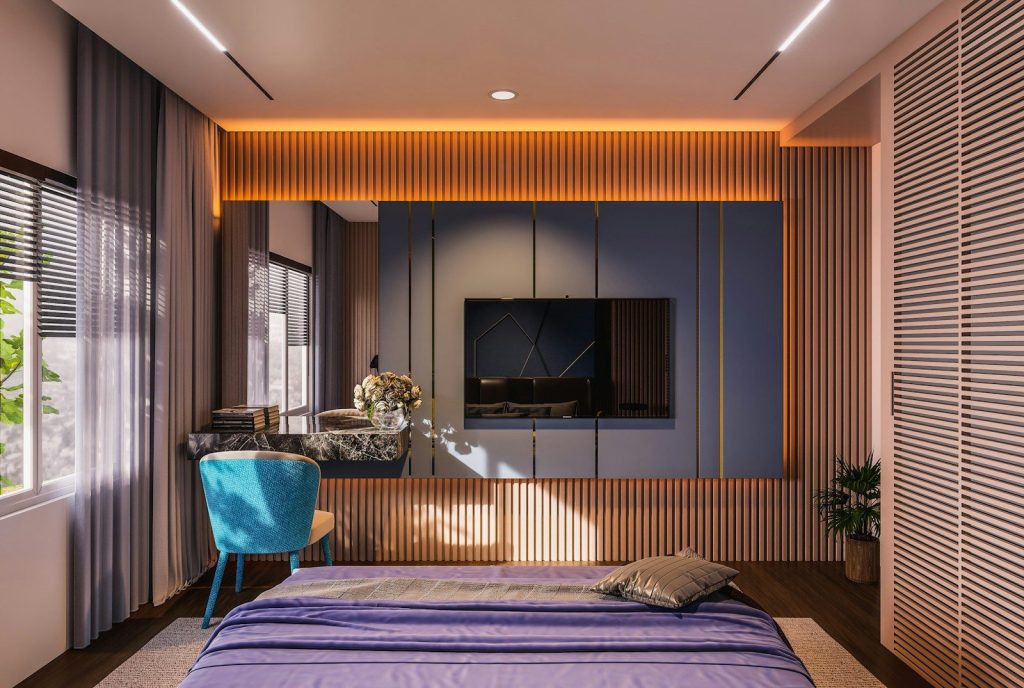
    A stylish bedroom with modern design and comfort.
    Photo by POOJAN THANEKAR on Unsplash

    Wireless TVs do not always remove the clutter. Sometimes they simply move it. The wires may still exist, but they are connected to a box placed inside a cabinet, on a shelf, or near the entertainment stand.

    That can still be useful. It keeps the messy part away from the screen and gives people more freedom to arrange devices without reaching behind a mounted TV.

    The real goal is design

    Luxurious hotel room featuring elegant furniture and a large mirror reflecting a chandelier.
    Photo by Rahib Yaqubov on Pexels

    Wireless TV technology is exciting, but the everyday benefit is simple: a nicer-looking setup. Most people are not buying the idea because they hate HDMI cables. They want the room to look cleaner.

    That is why cable-hiding systems are getting attention. Whether the signal is wireless or routed through one slim cable, the promise is the same: less visual mess and a screen that feels easier to live with.

  • How giant monitors are replacing multi-screen setups

    How giant monitors are replacing multi-screen setups

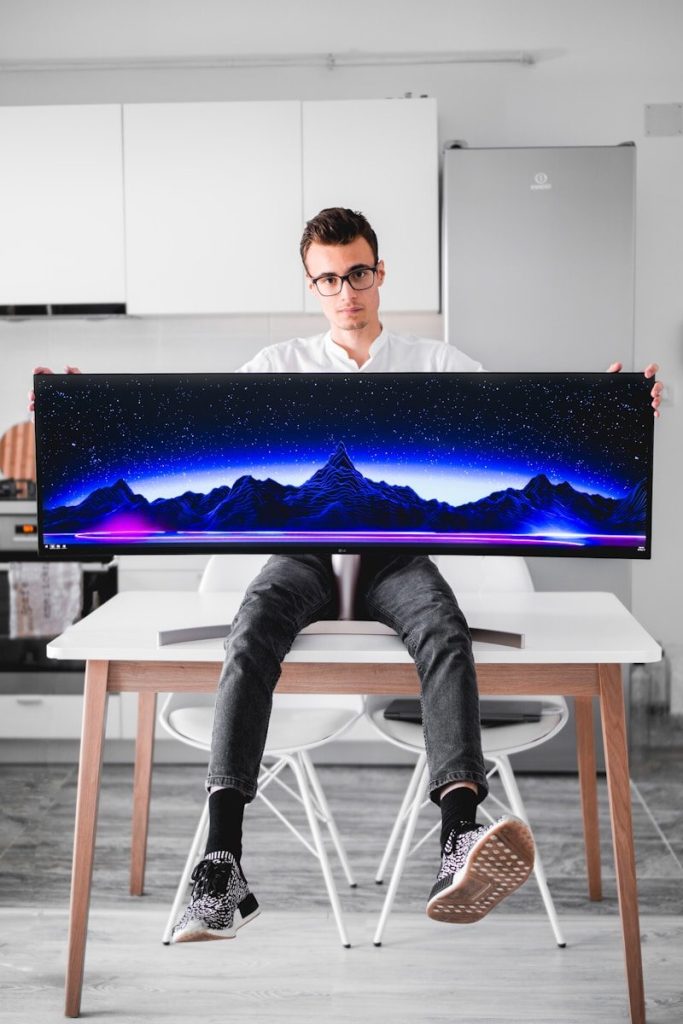
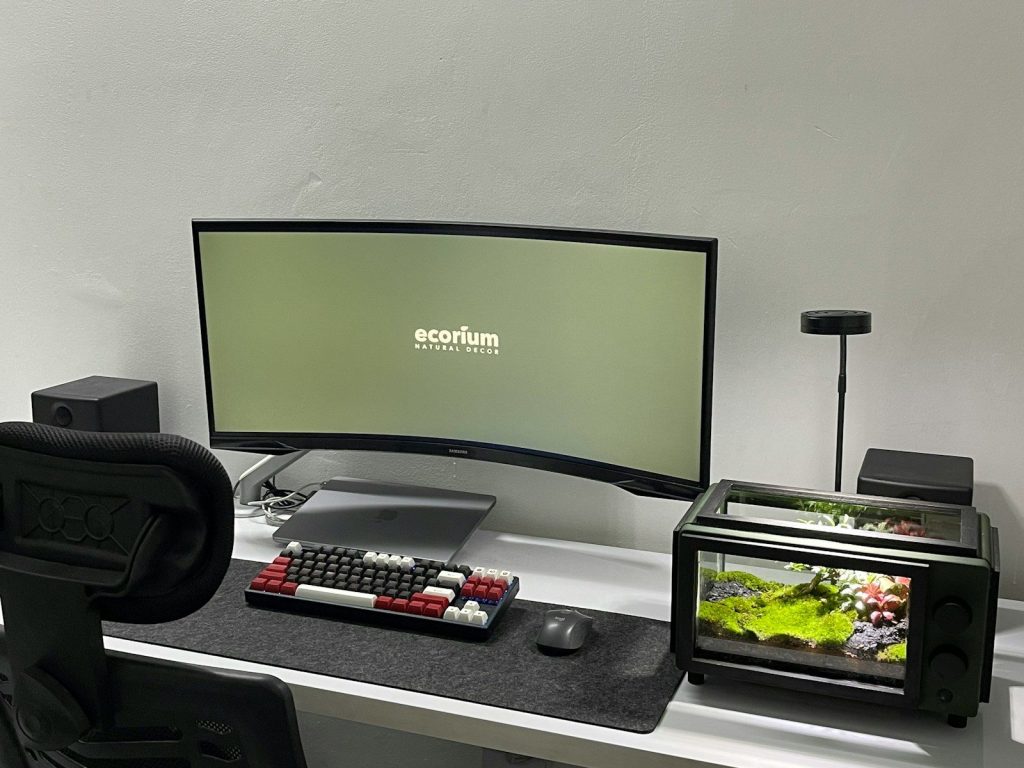
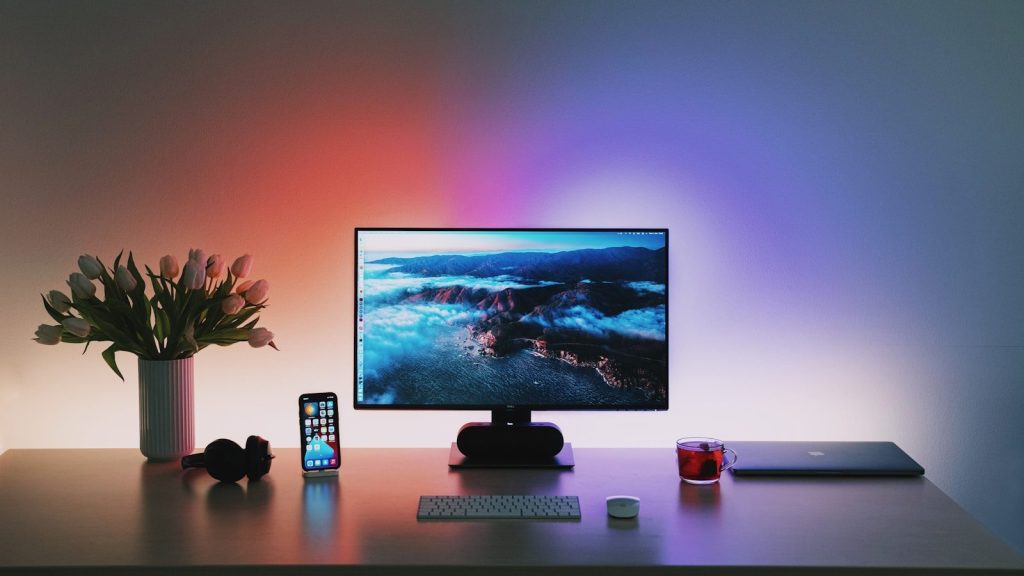
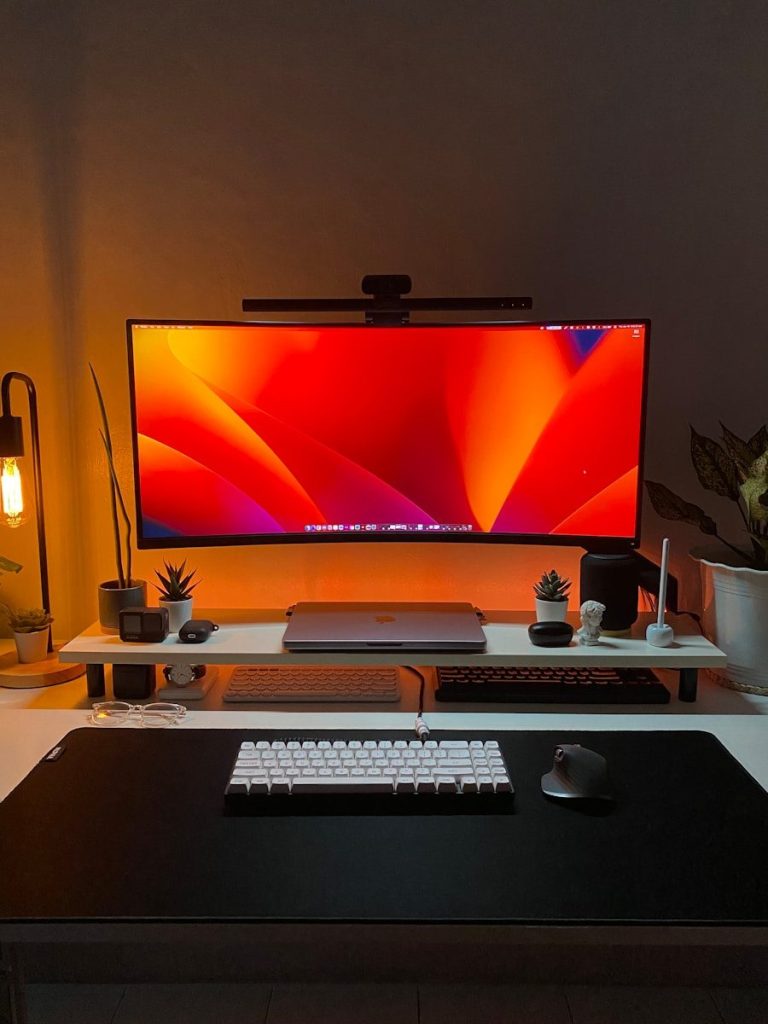
    A desk with two or three monitors used to feel like the ultimate productivity setup. You could keep email on one screen, a browser on another, and your main project in the middle. Now, many people are looking at giant ultrawide and super-ultrawide monitors as a cleaner way to do the same thing. Some large displays offer the space of two screens in one panel, with fewer bezels, fewer stands, and fewer cables.

    Samsung’s 57-inch Odyssey Neo G9, for example, uses Dual UHD resolution that Samsung describes as a display as wide as two UHD monitors. Dell’s 49-inch UltraSharp model also supports multitasking tools like Picture-by-Picture and KVM switching. For home offices, gaming rooms, and creative setups, one huge screen can now feel simpler than several smaller ones.

    One screen feels cleaner

    man sitting on table holding flat screen computer monitor
    Photo by Alexandru Acea on Unsplash

    A giant monitor can reduce the visual clutter that comes with multiple screens. Instead of separate stands, different bezels, and extra cables, users get one large display across the desk.

    That cleaner setup can make a workspace feel calmer. It also helps when people want a modern home office that looks organized without losing screen space for daily work, browsing, video calls, or creative tools.

    Fewer bezels help focus

    a computer monitor sitting on top of a desk
    Photo by Trần Quang Phú on Unsplash

    One of the biggest complaints with multi-screen setups is the line between displays. A bezel can cut through spreadsheets, timelines, games, or wide editing windows.

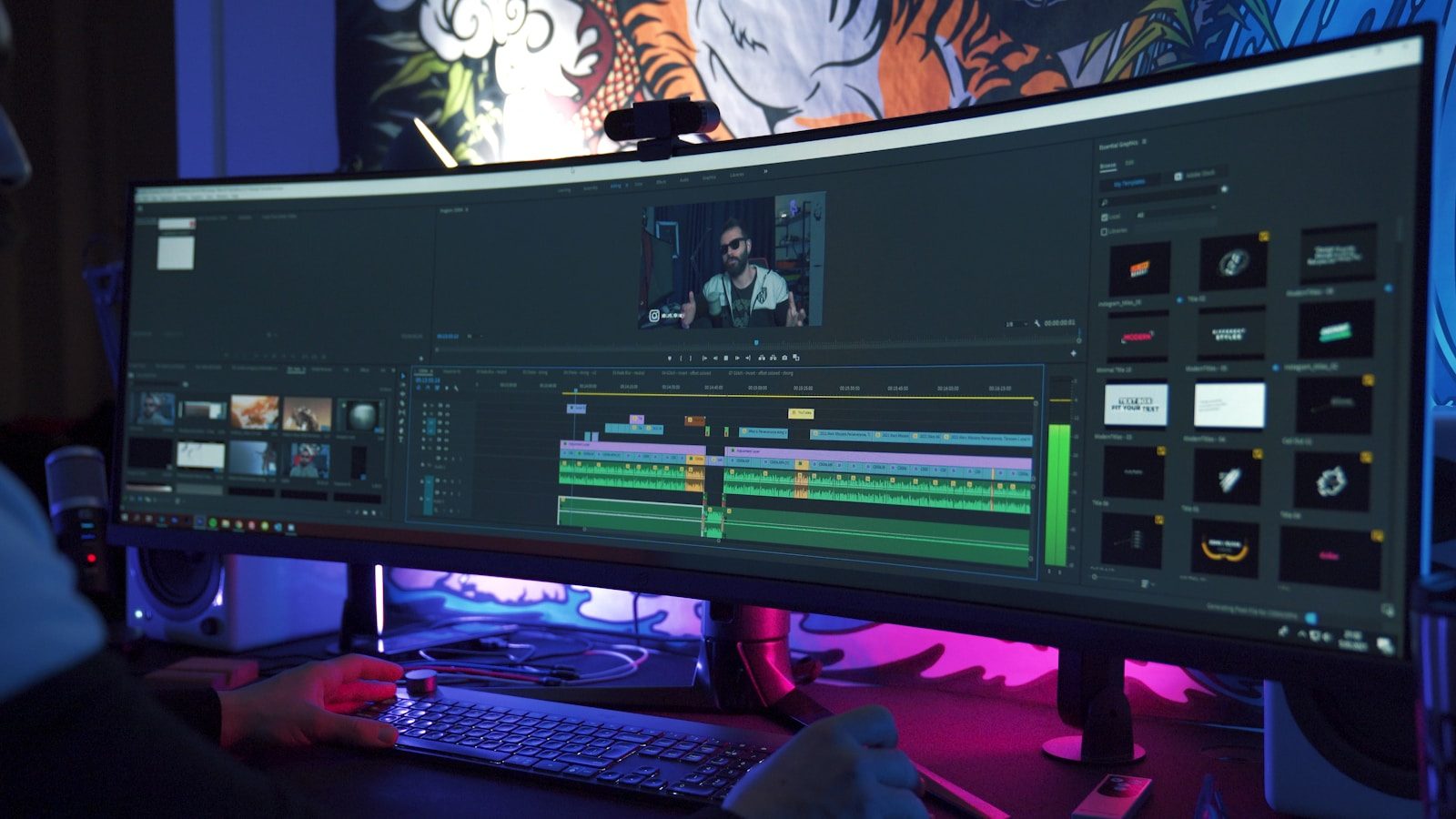
    A giant monitor removes that break. The result feels smoother because the workspace stretches across one continuous panel. That can be especially helpful for video editors, designers, gamers, and anyone who likes wide layouts.

    Multitasking stays simple

    Curved screen displaying a blue planet in space.
    Photo by Gavin Phillips on Unsplash

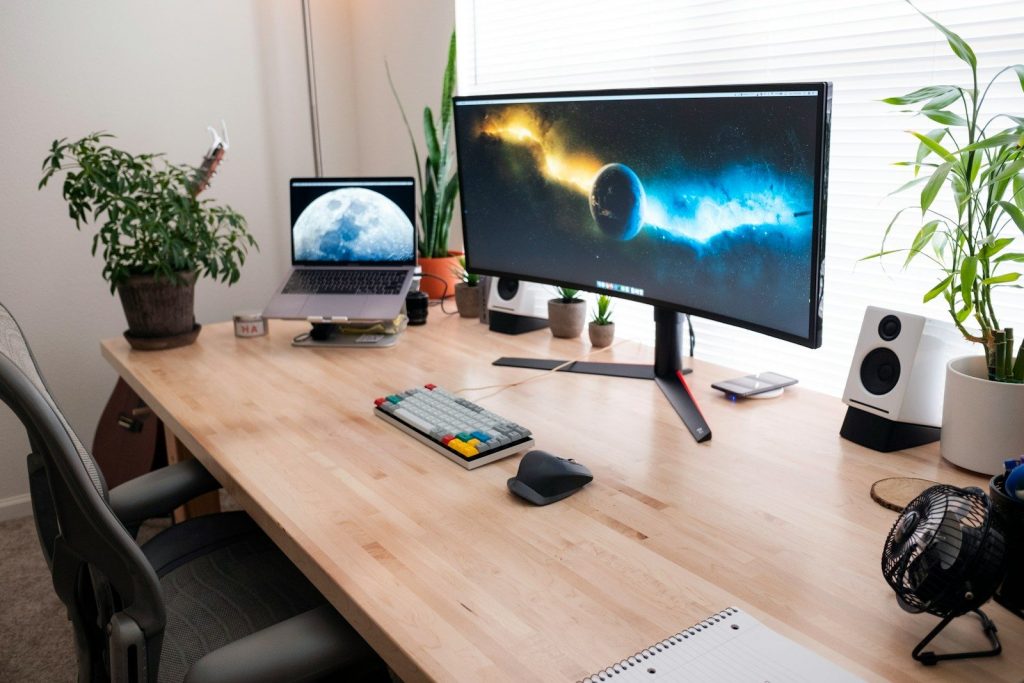
    Large ultrawide monitors still let people keep several windows open at once. A user can place a document, browser, chat, and file window side by side without needing separate screens.

    Windows 11 Snap layouts also help organize open apps on large displays. Microsoft says Snap can arrange apps into layouts, making big screens easier to manage for everyday multitasking.

    Picture modes add flexibility

    black flat screen computer monitor on brown wooden desk
    Photo by Luke Peters on Unsplash

    Some giant monitors can act like more than one screen when needed. Samsung lists Picture-by-Picture support on its 57-inch Odyssey Neo G9, allowing video from two sources to appear at the same time.

    That is useful for people who switch between a work laptop and personal computer. Instead of using two physical monitors, one wide display can show both systems in a cleaner layout.

    KVM tools reduce desk gear

    black flat screen computer monitor on brown wooden desk
    Photo by Linus Mimietz on Unsplash

    A built-in KVM switch can make a large monitor even more useful. Dell says its UltraSharp U4924DW can control two PCs with one keyboard and mouse through its KVM feature.

    That saves space and reduces cable clutter. It also makes switching between devices feel easier, especially for people who use one desk for work during the day and personal projects later.

    Gaming gets more immersive

    a computer screen with a video game on it
    Photo by Fábio Magalhães on Unsplash

    Giant monitors are not just for work. Wide screens can make games feel more immersive by showing more of the world across the player’s view.
    Samsung’s 57-inch Odyssey Neo G9 uses a 32:9 shape and Dual UHD resolution, which Samsung describes as as wide as two UHD monitors. That kind of scale can make racing, flight, simulation, and open-world games feel much larger.
    One monitor is not perfect

    a desk with a monitor, keyboard and mouse
    Photo by EJ Aquino on Unsplash

    A giant monitor can solve many desk problems, but it is not right for everyone. These displays can be expensive, heavy, and large enough to need a deep desk.

    Some people may still prefer separate monitors because they can angle each screen differently or replace one display at a time. Still, for many users, one big panel offers a cleaner, smoother way to work and play.

  • Why portable projectors are becoming serious screens

    Why portable projectors are becoming serious screens

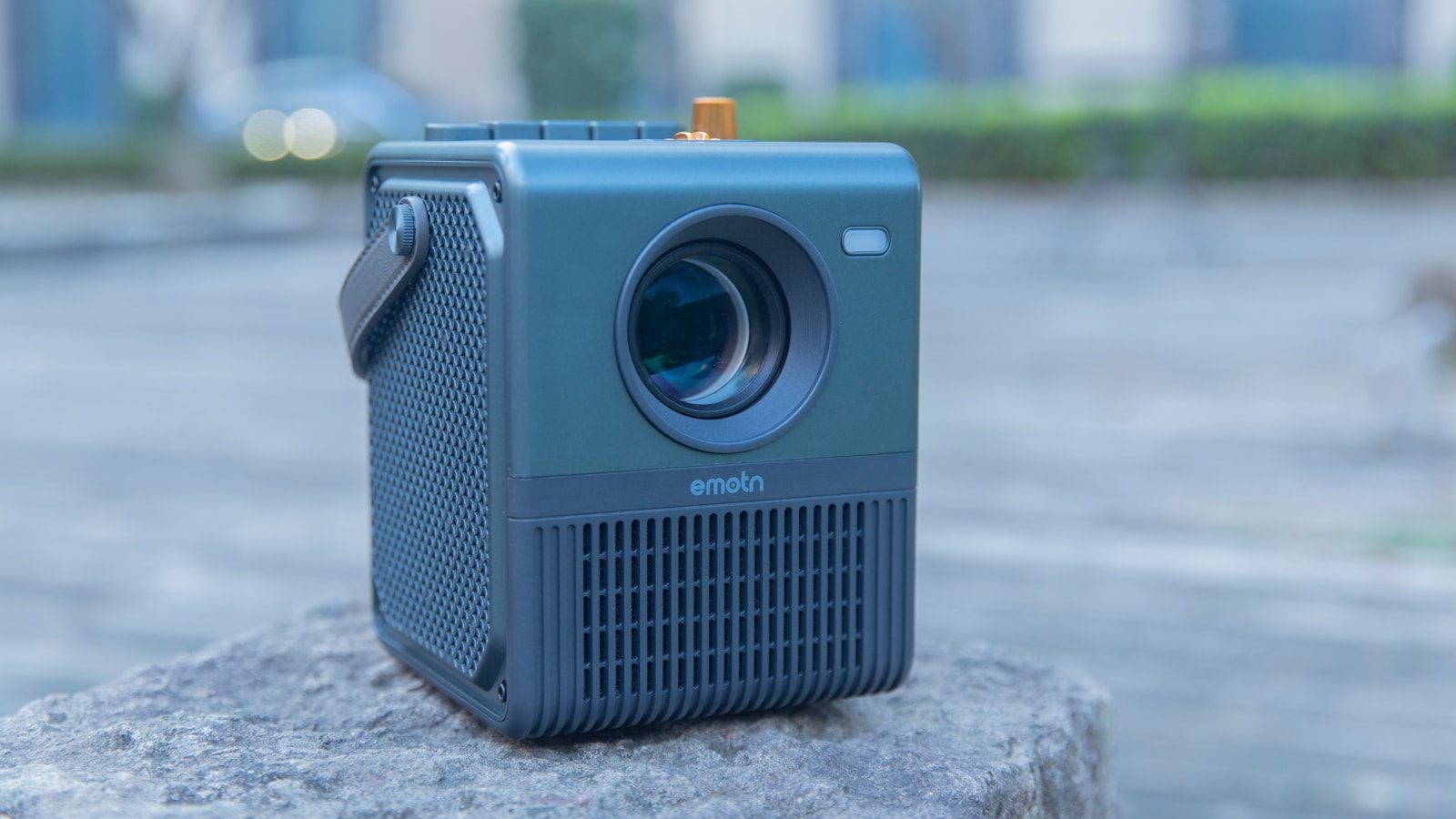
    Portable projectors used to feel like fun backup gadgets, not real screen replacements. They were handy for trips, quick presentations, or backyard movie nights, but many struggled with weak brightness, low resolution, poor speakers, and awkward setup. That picture is changing. Newer models are bringing sharper images, brighter LED or laser light sources, built-in streaming systems, automatic focus, auto keystone correction, better speakers, and easier wireless connections.

    Some compact projectors now offer 1080p pictures, Google TV, battery options, and screen sizes that can stretch far beyond a typical TV. Epson’s projector guide notes that 500 to 1,500 lumens can work well for portable projectors used indoors or in controlled lighting, while newer portable models are clearly pushing convenience and quality together.

    Small size feels useful

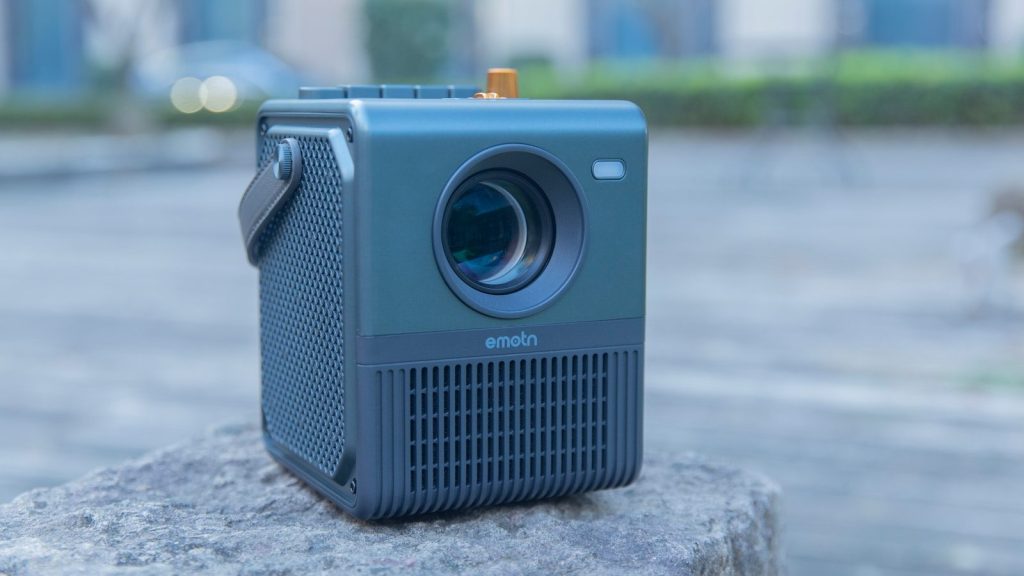
    a small camera sitting on top of a rock
    Photo by Projector1 on Unsplash

    Portable projectors are getting easier to carry from room to room. That makes them feel less like fixed home theater gear and more like flexible everyday screens.

    A compact design matters because people do not always want another large TV. A projector can move from a bedroom to a living room, guest room, garage, or backyard with less effort.

    Setup is getting easier

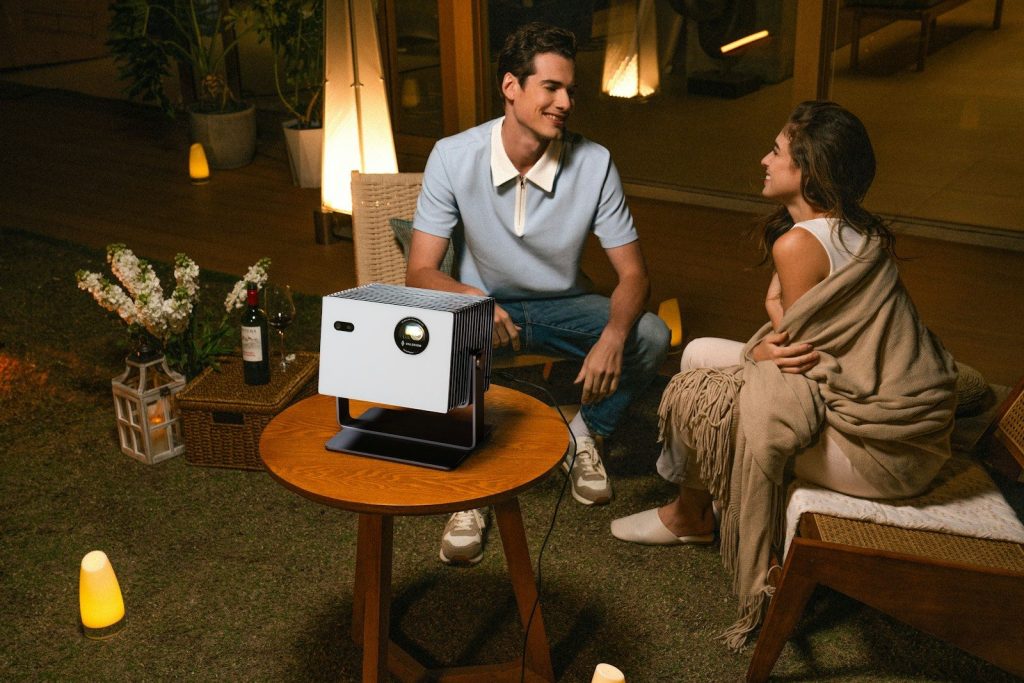
    A couple enjoys a movie night outdoors with a projector.
    Photo by Valerion 4K Projector on Unsplash

    Older projectors often needed careful placement, manual focusing, and plenty of patience. That could make a quick movie night feel like a small project.

    Newer portable models often include autofocus and auto keystone tools. These features help straighten and sharpen the picture faster, so users can spend less time adjusting and more time watching.

    Streaming is built in

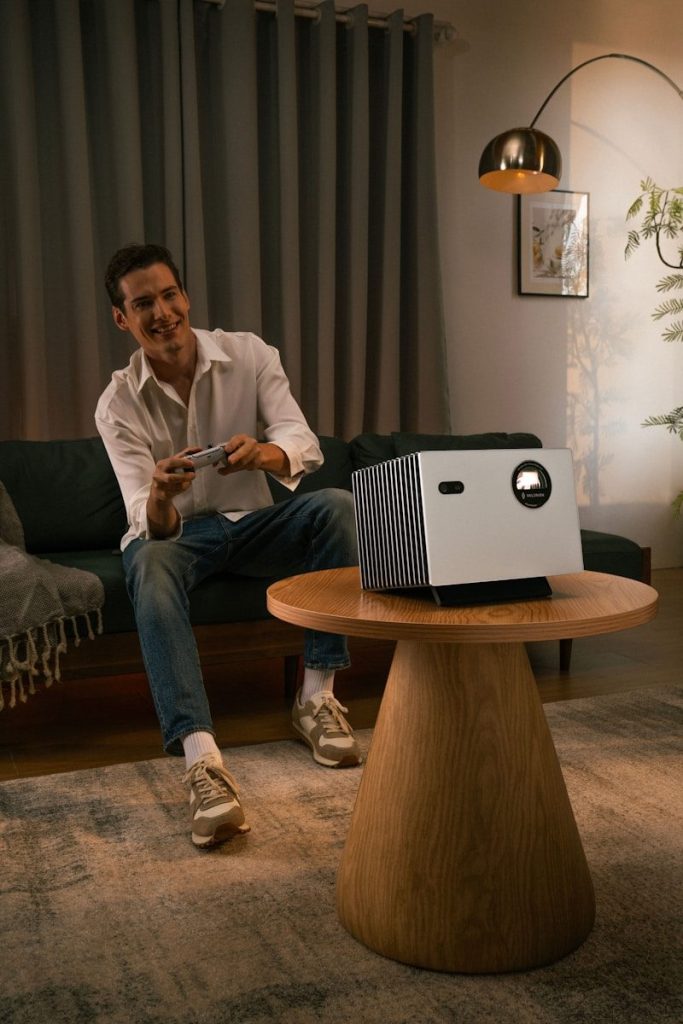
    Man playing video games with projector in living room
    Photo by Valerion 4K Projector on Unsplash

    A portable projector becomes more useful when it does not need extra boxes or cables. Built-in streaming software can make it feel closer to a smart TV.

    Some newer models include Google TV or similar platforms, which helps users open streaming apps directly. That makes the projector easier to use in different rooms or on casual weekend nights.

    Bigger screens feel simple

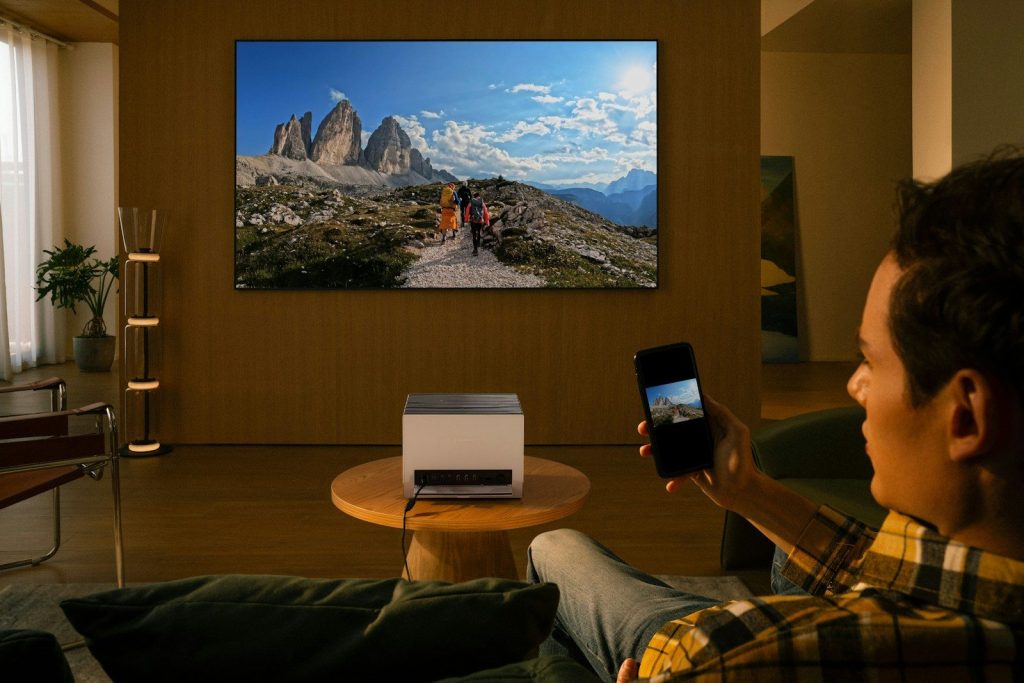
    Man uses projector to display mountain landscape on wall.
    Photo by Valerion 4K Projector on Unsplash

    One reason portable projectors are getting attention is screen size. Even a small device can create a picture much larger than many TVs, depending on the room and wall space.

    That makes them appealing for movies, sports, family photos, and casual gaming. The screen can feel special without needing a huge permanent display on the wall.

    Brightness is improving

    Couple enjoys a movie night outdoors.
    Photo by Valerion 4K Projector on Unsplash

    Brightness is still one of the biggest limits for portable projectors. A dim room usually gives the best results, especially with smaller battery-powered models.

    Still, the category is improving. Epson’s guide says brightness needs depend on the viewing space, and portable projectors can work well indoors when lighting is controlled.

    Speakers are more important

    People watch a movie outdoors at night.
    Photo by Valerion 4K Projector on Unsplash

    A portable screen needs sound that travels with it. That is why built-in speakers are becoming a bigger part of the package, not just a small extra.

    Some portable projectors now promote tuned audio systems or stronger built-in speakers. That can make casual viewing easier because users may not need to connect a separate speaker every time.

    Battery power adds freedom

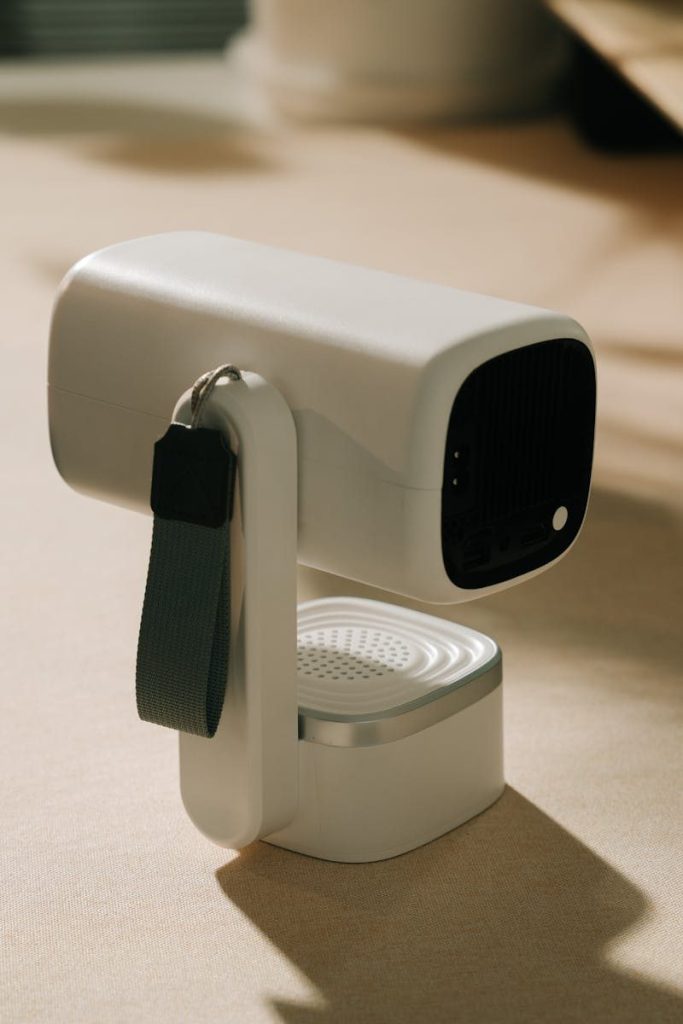
    Sleek white portable projector with a strap, perfect for home or travel use.
    Photo by Alpha En on Pexels

    Battery-powered models can make projectors feel more flexible. They can be used where an outlet is not nearby, as long as the battery lasts long enough for the plan.

    This is especially useful for short movies, kids’ rooms, travel, or outdoor evenings. Still, buyers should remember that brighter settings can drain battery life faster.

    They fit modern homes

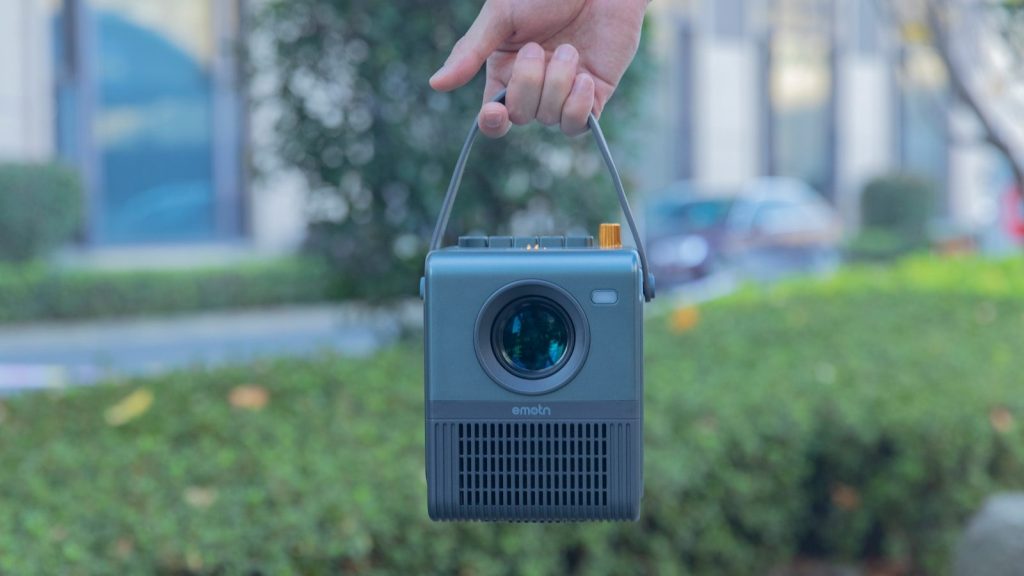
    a hand holding a small camera in front of a building
    Photo by Projector1 on Unsplash

    Many homes are now built around flexible spaces. A living room may also be a work area, a playroom, or a place for weekend entertainment.

    Portable projectors fit that lifestyle well. They do not need to stay in one place, and they can create a big-screen moment only when people actually want one.

    They still need limits

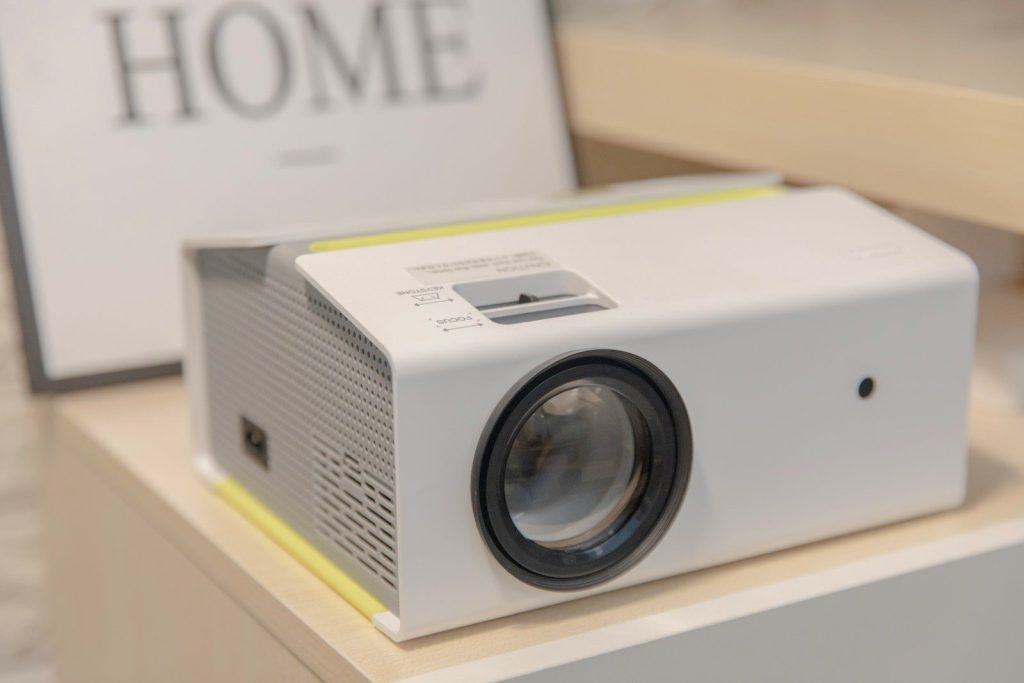
    a white projector sitting on top of a table
    Photo by Projector1 on Unsplash

    Portable projectors are better than before, but they are not perfect for every room. Bright sunlight, textured walls, weak Wi-Fi, or low battery power can still affect the experience.

    That is why they work best as flexible screens, not always as full TV replacements. For many households, that balance is exactly what makes them interesting.

    Serious screens are shrinking

    man in black t-shirt and gray pants sitting on chair
    Photo by Li Yang on Unsplash

    The big shift is that portable projectors no longer feel like simple novelty devices. Better setup tools, smarter software, stronger brightness, and improved sound are making them more practical.

    They may not replace every TV, but they can change how people think about screens. A serious viewing setup can now fit in a bag, on a shelf, or on a small side table.

  • Why companies want AI tools that are useful, not flashy

    Why companies want AI tools that are useful, not flashy

    AI used to sound like a race for the biggest demo, the wildest chatbot, or the most futuristic promise. Now, many companies are asking a simpler question: Does this tool actually make work easier? That shift matters because business leaders are no longer impressed by AI that only looks clever. They want tools that save time, reduce busywork, help teams make better choices, and integrate with the systems they already use.

    The pressure is real. McKinsey reported that 78% of surveyed organizations use AI in at least one business function, while 71% regularly use generative AI in at least one business function. But more than 80% still were not seeing a clear companywide earnings impact from generative AI, which explains why practical results matter more than hype.

    The hype phase is fading

    Woman holding smartphone with ai workspace logo.
    Photo by Jo Lin on Unsplash

    Companies have tested plenty of shiny AI tools, but testing is not the same as real value. A fun demo can win attention for a day, yet business teams need tools that help them finish work faster and with fewer mistakes.

    That is why the mood around AI is changing. Leaders are asking for clear use cases, reliable output, and results they can measure. Flashy features may get noticed, but useful features earn a place in daily work.

    Workflows matter most

    Man working on computer and large monitor
    Photo by litoon dev on Unsplash

    A good AI tool should not feel like another chore. It should fit into the way people already handle emails, reports, customer questions, coding, planning, or research.

    Microsoft describes the first stage of workplace AI as an assistant that removes routine work and helps people do the same work better and faster. That is the kind of value companies can understand because it connects directly to daily tasks.

    Leaders want clear savings

    three men sitting while using laptops and watching man beside whiteboard
    Photo by Austin Distel on Unsplash

    Business leaders do not only want AI that sounds smart. They want to know whether it saves hours, cuts costs, or helps teams move faster without lowering quality.

    McKinsey found that more organizations are reporting cost reductions in business units using generative AI. Still, companywide impact remains harder to prove. That gap is pushing companies to focus on tools that can show results in specific departments first.

    Workers need trust

    people sitting on chair in front of computer
    Photo by Israel Andrade on Unsplash

    Employees are more likely to use AI when they understand what it does and when they can check its work. A tool that gives unclear answers or adds extra review time can slow people down instead of helping.

    That is why useful AI is not just about speed. It also needs clear sources, strong guardrails, and simple ways for workers to correct mistakes. Trust turns AI from a novelty into a real helper.

    Simple beats impressive

    unknown persons using computer indoors
    Photo by Arlington Research on Unsplash

    The most valuable AI tools often do quiet jobs. They summarize long notes, organize information, draft first versions, search company knowledge, or highlight patterns that people may miss.

    Those tasks may not look dramatic, but they remove friction from the workday. For many companies, that is more important than a tool that creates a surprising demo but does not solve a real problem.

    Teams need better training

    people doing office works
    Photo by Alex Kotliarskyi on Unsplash

    AI works best when people know how to use it well. Many companies are learning that buying software is only the first step. Training, support, and clear rules matter just as much.

    McKinsey lists role-based training, feedback systems, trust-building, and clear performance tracking among the practices tied to scaling generative AI. That shows why companies want tools that come with a practical plan, not just a bold promise.

    AI should support people

    city buildings during night time
    Photo by Miquel Parera on Unsplash

    Many companies are not looking for AI to replace entire teams overnight. They are looking for ways to help workers handle repetitive tasks, make faster decisions, and focus on higher-value work.

    Reuters reported that the Bank of Canada saw no signs so far that AI was causing widespread job losses, while noting that AI may transform tasks rather than erase them. That view fits the business focus on support, not spectacle.

    Integration is the real test

    low angle photo of city high rise buildings during daytime
    Photo by Sean Pollock on Unsplash

    A tool can be powerful and still fail if it does not connect with existing systems. Companies need AI that works with their data, software, approval steps, and security rules.

    That is why practical AI often looks less exciting from the outside. The real win is when it quietly helps finance, customer service, sales, engineering, or operations do their jobs with fewer delays.

    Agents need direction

    car parked in front of building
    Photo by Matthew Manuel on Unsplash

    AI agents are getting more attention because they can handle tasks with less step-by-step prompting. But companies still need humans to set goals, review results, and make final calls.

    Microsoft says AI agents may take on more execution while people guide the work, make decisions, and own outcomes. That makes usefulness even more important because agents must be dependable, not just impressive.

    The winners will be practical

    Skyscrapers and cloudy sky dominate the city view.
    Photo by Daniel Romero on Unsplash

    The companies that benefit most from AI may not be the ones chasing every new feature. They may be the ones choosing tools that solve real problems, fit into daily work, and improve over time.

    That is the bigger lesson behind the shift from flashy to useful. AI does not need to feel futuristic every second. It needs to help people get better work done today.