Category: Science & History

  • How Ancient Humans Actually Looked Will Shatter Your Assumptions

    How Ancient Humans Actually Looked Will Shatter Your Assumptions

    We often imagine our ancient ancestors as wild and beastly. History textbooks frequently depict them with exaggerated features and blank stares. But a revolution in forensic archaeology is completely shattering these old ideas. Scientists are now using cutting-edge DNA analysis and 3D printing to rebuild ancient faces. The results are absolutely stunning. These reconstructed individuals do not look like aliens or cavemen. They look like people you would easily pass on the street today. This scientific breakthrough bridges a gap of thousands of years. It allows us to look directly into the eyes of individuals who lived long before modern civilization. This process combines rigorous biology with delicate art to reveal our shared humanity. But this incredible journey begins with the work of one master sculptor.

    The Swedish Artist Rebuilding the Past
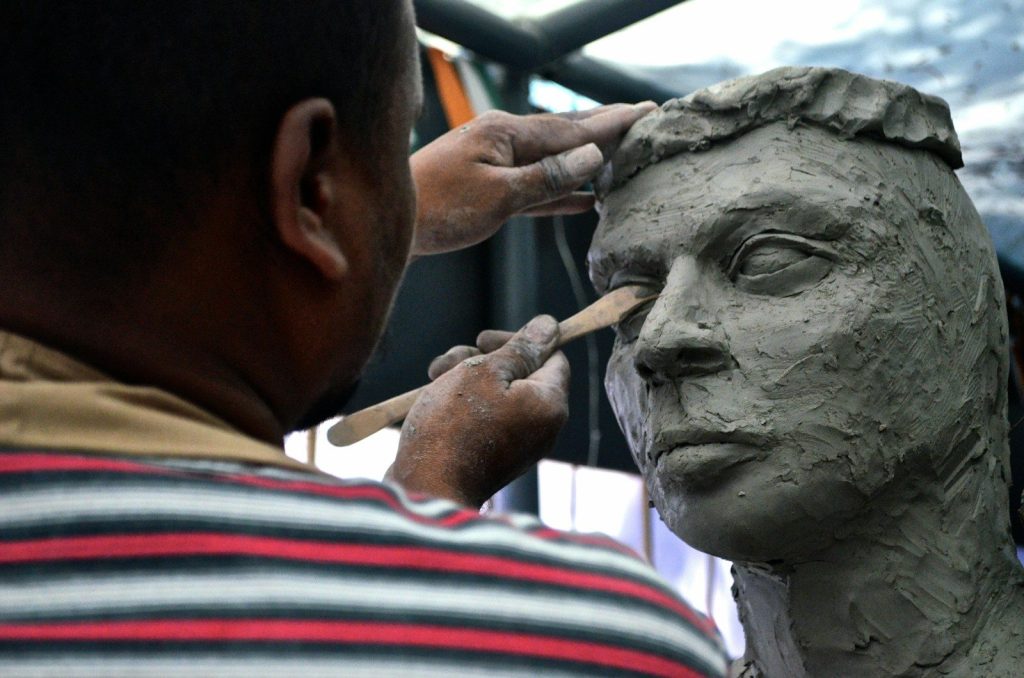
    man sculpting man's eye
    Photo by Palash Jain on Unsplash

    Oscar Nilsson is a forensic artist and archaeologist who has perfected this craft. He works directly with skulls recovered from ancient burial sites. First, he creates an exact 3D-printed replica of the skull to avoid damaging the original bone. He then uses forensic data to determine the thickness of the facial tissue. Nilsson carefully applies clay layer by layer to represent muscles and skin. This tedious process takes hundreds of hours to complete. The first face he brought to life shocked the scientific world.

    Recreating a Teenager From the Stone Age

    Two lifelike stone sculptures of faces against a leafy backdrop, showcasing artistic craftsmanship.
    Photo by Magda Ehlers on Pexels

    One of his most famous projects was a teenager named Avgi. She lived in Greece around seven thousand BCE. This was during a period when humans were transitioning from hunting to farming. Nilsson used her skull to reconstruct her facial features. She had a prominent jaw and a fierce, determined expression. Seeing her face allowed historians to connect with her on a deeply personal level. She was not just a collection of bones anymore. But a different reconstruction from England revealed an even more surprising detail.

    The Surprising Features of a Neolithic Woman

    girl, portrait, smile, hair, model, person, woman, female, long hair, profile, monochrome, black and white, studio photography, smile, smile, smile, smile, smile, hair, hair, hair, profile, profile
    Photo by xusenru on Pixabay

    Nilsson reconstructed the face of a woman who lived in England around thirty-six hundred BCE. She is known as the Whitehawk Woman. DNA analysis of nearby remains revealed fascinating details about her appearance. She had dark skin, dark hair, and striking light eyes. This combination of features challenged the traditional assumptions of what early Europeans looked like. It proved that ancient populations were incredibly diverse. This genetic evidence is reshaping historical narratives. Yet, another face from the Roman era had a tragic story to tell.

    The Troubled Life of a Romano-British Woman

    topless woman with head resting on palm
    Photo by Zulmaury Saavedra on Unsplash

    The Patcham Woman lived in Britain around two hundred and fifty AD. Her skeleton was found with a nail driven into the back of her head, suggesting a violent death. Despite her tragic end, her reconstructed face looks remarkably peaceful. She has soft features and a gaze that feels incredibly modern. Looking at her face makes her struggles feel real and immediate. It reminds us that ancient people experienced the same complex emotions we do. But the next reconstruction showed a different kind of strength.

    A Saxon Warrior With a Familiar Face

    man in white crew neck shirt
    Photo by Mitchell Griest on Unsplash

    A fierce warrior named the Stafford Road Man lived around five hundred AD. He died in his forties and was buried with his favorite weapons. His skull showed signs of severe dental issues and physical stress. Yet, his reconstructed face reveals a rugged, handsome man with a thick beard. He looks like someone you might meet at a local coffee shop today. This striking familiarity makes the distant past feel incredibly close. But the artist did not stop in Europe.

    Bringing a Peruvian Queen Back to Life

    woman in brown shirt painting
    Photo by Raimond Klavins on Unsplash

    Traveling to South America, the artist reconstructed a Wari Queen. She lived in Peru about twelve hundred years ago. Her tomb was found filled with gold, silver, and precious stones. This proved she was a woman of immense power and status. Her face reveals strong, noble features that match her royal standing. Reconstructing her face allowed the local community to connect with their ancestral heritage in a new way. But how can we be sure these faces are accurate?

    The Rigorous Science Behind the Art

    white and black electronic device
    Photo by Tom Claes on Unsplash

    This process is not a matter of artistic guesswork. Nilsson relies on precise scientific charts that detail tissue depth for different demographics. He looks at forensic indicators on the skull to determine muscle attachments. DNA analysis provides clues about eye color, skin tone, and hair texture. This combination of science and art ensures the reconstructions are as accurate as possible. It is a beautiful fusion of disciplines. This high-tech method is changing how we view our place in history.

    Looking Directly Into Our Own History

    a close up of a person's eye with a black background
    Photo by Aliyah Jamous on Unsplash

    Reconstructing these faces does something that skeletons cannot. It forces us to recognize ancient humans as our equals. They had families, worries, and dreams just like us. These lifelike sculptures remove the distance created by thousands of years. They remind us that history is not just about dates and battles. It is a story of real people who built the foundation of our world. When we look at them, we are truly looking at ourselves.
    Featured Image: Photo by Vilkasss on Pixabay

  • Why This 5300-Year-Old Tool Shattered Egyptian History

    Why This 5300-Year-Old Tool Shattered Egyptian History

    A tiny metal object lay in a quiet university museum for nearly a century. Archaeologists in the 1920s dismissed it as a simple copper tool. They described it in a single brief line of a catalog and stored it away. However, a groundbreaking study by Newcastle University has completely shattered this old narrative. Researchers have discovered that this artifact is a highly advanced five thousand three hundred year old rotary tool. This is a bow drill that dates back long before the first pharaohs ruled Egypt. This remarkable find pushes the timeline of advanced engineering back by two thousand years. It proves that prehistoric craftsmen were using sophisticated mechanical concepts much earlier than anyone believed. The tiny object is currently rewriting history textbooks around the world. But the path to this discovery began with a closer look at a very dusty grave.

    A Forgotten Relic From a Predynastic Grave

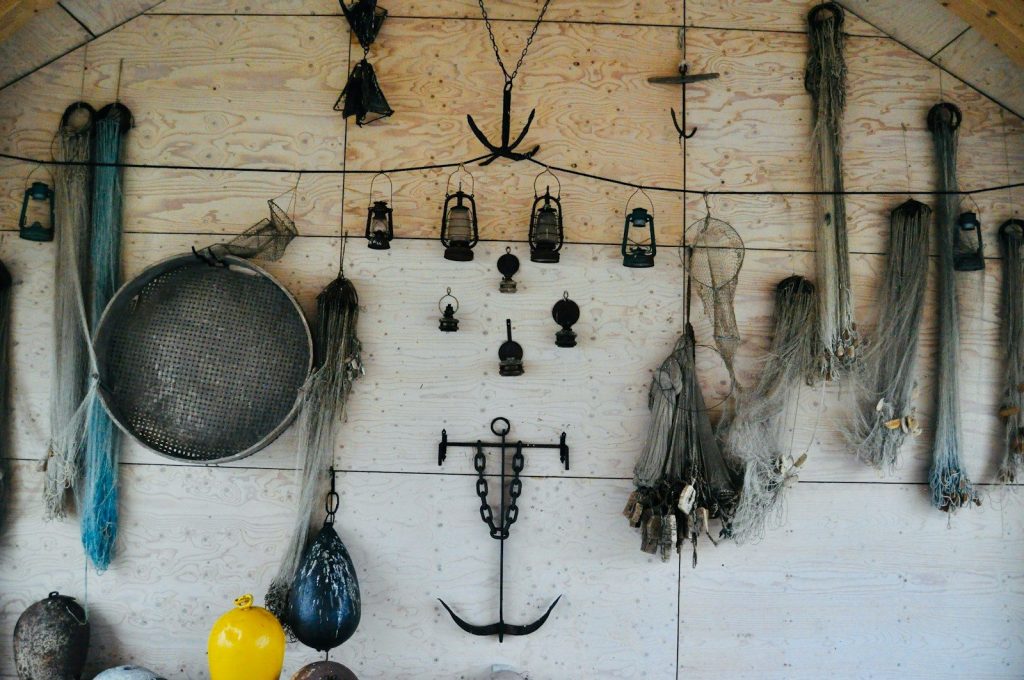
    a wall with pots and pans
    Photo by Artur Alexander Holmski on Unsplash

    Archaeologists excavated the cemetery at Badari in Upper Egypt nearly a century ago. They opened Grave 3932 and found the remains of an adult male. Among his possessions was a short copper rod wrapped in leather. The excavators did not think much of it at the time. They cataloged it as a little hand awl and moved on. The object sat in a storage drawer at the University of Cambridge for decades. But modern technology was about to expose a massive secret.

    Microscopic Lines Reveal a Spinning Motion

    microscope, medical, lab, science, research, biotechnology, microbiology, laboratory, equipment, analysis, microscope, microscope, microscope, microscope, microscope, lab, biotechnology, biotechnology, biotechnology, microbiology, microbiology, microbiology, microbiology, laboratory
    Photo by OsloMetX on Pixabay

    A team of European researchers decided to re-examine the tiny object. They placed the metal rod under high magnification. The results shocked them. The tip of the tool did not show the typical wear of a simple pushing instrument. Instead, they spotted fine parallel lines and rounded edges. This wear pattern could only be caused by a rapid spinning motion. This meant they were looking at the earliest known rotary metal drill in Egyptian history. But how did the ancient craftsmen make it spin so fast?

    The Fragile Clues of an Ancient Bowstring

    gray surface
    Photo by JF Martin on Unsplash

    The answer lay in the fragile material wrapped around the metal shaft. Six small coils of dried leather still cling to the copper. Scholars previously ignored these fibers. The new study suggests these coils are actually the remains of a bowstring. A craftsman would wrap a flexible cord around the shaft and attach it to a wooden bow. Moving the bow back and forth caused the drill to spin at high speeds. This simple mechanism was incredibly powerful. But why did the metal itself puzzle the research team?

    An Advanced Chemical Recipe for Metal

    an abstract orange and purple background with lots of smaller orange shapes
    Photo by Rick Rothenberg on Unsplash

    Highly unusual metal recipes were used instead of standard copper. Researchers analyzed the tool using portable X-ray technology to find its composition. They discovered a highly unusual mixture. The drill contains copper blended with arsenic and nickel. It also features notable amounts of silver and lead. This advanced alloy created a much harder metal than pure copper. It was perfect for boring through tough wood and stone. The origin of these metals points to something even more surprising.

    Prehistoric Networks Reaching Beyond the Nile

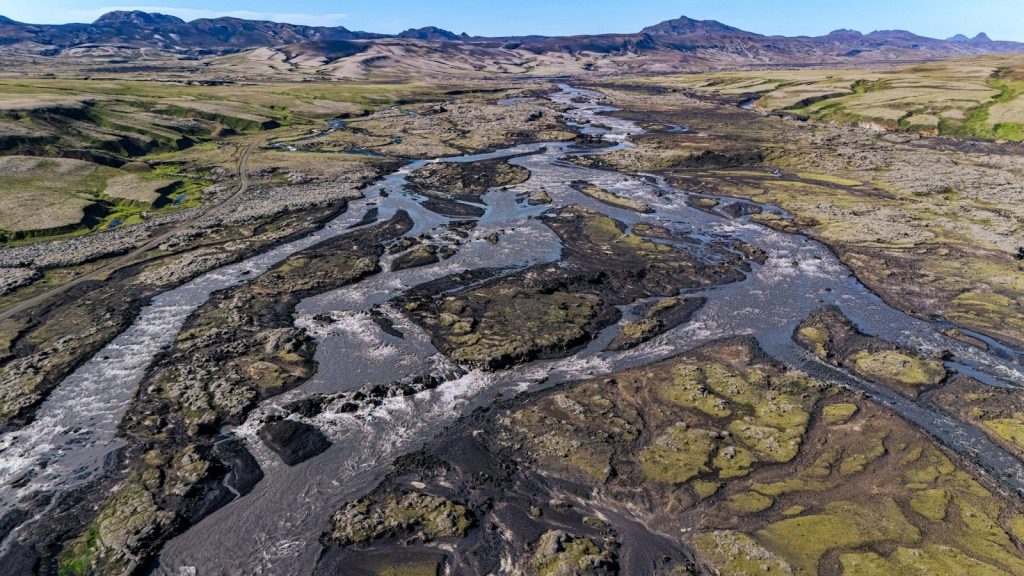
    An aerial view of a river running through a valley
    Photo by Himmel S on Unsplash

    These unique materials did not come from their backyard. The presence of silver and lead suggests access to distant trade routes. These materials likely came from the Eastern Desert or across the Mediterranean Sea. This shows that predynastic Egyptians were not isolated. They participated in complex networks of trade and resource gathering. This allowed them to gather the ingredients needed for high-quality tools. But how did they use this drilling power in their daily lives?

    Building Masterpieces Long Before the Pharaohs

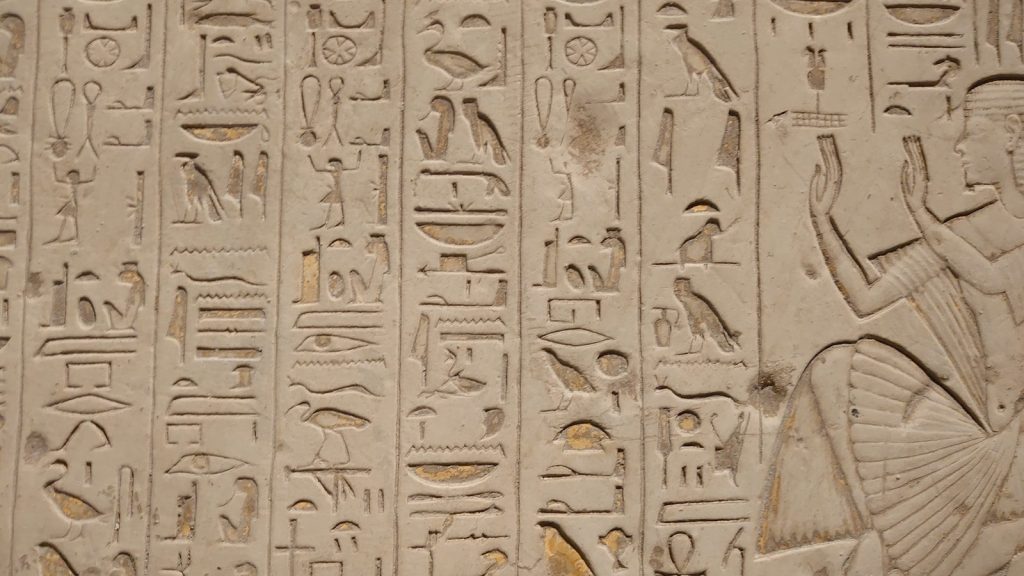
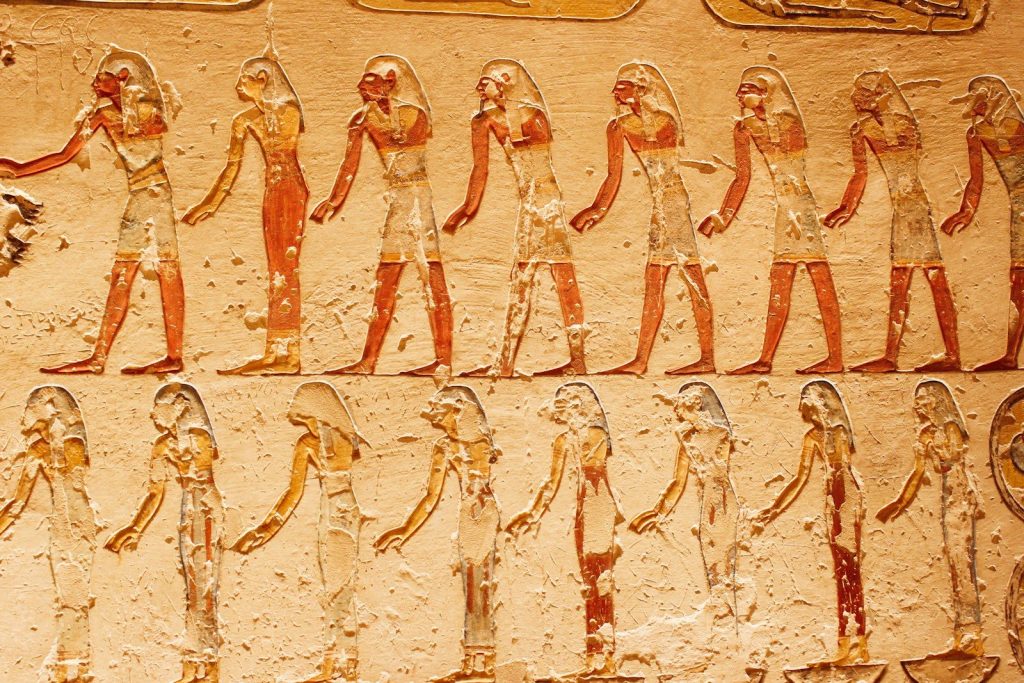
    a close up of a wall with egyptian writing on it
    Photo by Amador Loureiro on Unsplash

    A rapid rotary drill changed everything for ancient workers. They could easily drill precise holes in delicate beads and stone vessels. This technology also made complex woodworking and furniture making possible. Beautiful artwork and structures from later Egyptian dynasties relied heavily on this exact tool. But this recent discovery shows the technology did not start with the grand kingdoms. It was already fully mature during prehistoric times. This realization forces us to ask a big question about ancient history.

    Rewriting the Timeline of Human Innovation

    clear hour glass on white and brown textile
    Photo by ROCCO STOPPOLONI on Unsplash

    Prior to this study, the earliest evidence of Egyptian bow drills came from later paintings. These images date to the New Kingdom, which was thousands of years later. Historians assumed that rotary drilling was a relatively late invention. This single tiny tool proves that theory wrong. It pushes the history of advanced mechanical tools back by two thousand years. The continuity of this design shows that the bow drill was a massive success. But this discovery also highlights a major issue in modern archaeology.

    The Hidden Treasures Waiting in Modern Museums

    a couple of people sitting on a bench in a room
    Photo by Konstantin Ignatovich on Unsplash

    We do not always need to dig up new sites to find history. Millions of artifacts sit in museum storage drawers without being properly analyzed. This five thousand three hundred year old drill is a perfect example. A single line in a century-old catalog completely missed its true significance. Modern science is giving us the tools to look closer at what we already have. The next major historical breakthrough might be waiting in a quiet museum basement down the street.

    Featured Image: Photo by Tomasz Zielonka on Unsplash

  • Ancient Lake Fleet Reveals Prehistoric Bioengineering Secrets

    Ancient Lake Fleet Reveals Prehistoric Bioengineering Secrets

    Deep beneath the cold waters of Lake Mendota, a stunning historical treasure has emerged. It changes everything. Archaeologists have discovered an entire fleet of ancient dugout canoes buried in the silt. These vessels are old. Some were built before the Great Pyramid of Giza was constructed in Egypt. They reveal a highly sophisticated civilization. These ancient builders possessed advanced knowledge of forestry and materials science. It looks like prehistoric bioengineering. The scale of this discovery is actively rewriting American history. It proves native communities were highly skilled travel networks. The story of this find began with an unexpected dive. A single researcher spotted a strange shape in the deep water.

    A Diver Spots Something Strange Underwater

    Divers explore a coral reef underwater with bubbles rising.
    Photo by Ekaterina Zlotnikova on Unsplash

    Tamara Thomsen went for a dive in 2021. She is a maritime archaeologist with the Wisconsin Historical Society. Suddenly, she spotted wood. It did not look like a fallen tree trunk. Closer inspection revealed a carefully hand-carved dugout canoe. This initial find was twelve hundred years old. It was a major discovery. However, nobody realized that this single vessel was just the tip of an ancient iceberg. An even older craft was waiting nearby.

    Carbon Dating Reveals a Prehistoric Timeline

    grayscale photography of scientist using microscope in the zoological division
    Photo by The New York Public Library on Unsplash

    Researchers returned to the lake. They quickly uncovered a second canoe. This one was three thousand years old. By 2025, the team had identified sixteen ancient canoes in the exact same waters. Carbon dating provided a shocking timeline. The oldest canoe was crafted around five thousand two hundred years ago. This puts its creation in 3000 BCE. That is the exact era when writing was first invented in ancient Sumer. This prehistoric boat building required incredible skills. But the real surprise was the wood they used. The builders intentionally manipulated living trees to make their boats water-resistant.

    Wounded Oak Trees Created Waterproof Vessels

    brown and black tree trunk
    Photo by omid armin on Unsplash

    Half of the canoes were made of oak. Red oak is usually a terrible choice for watercraft because it absorbs water and rots quickly. But these ancient builders knew a natural secret. When an oak tree is wounded, it produces tyloses. This cellular outgrowth blocks the movement of water inside the wood. It acts like a natural sealant. The ancient builders were bioengineering their timber. This was not a coincidence. They purposefully damaged trees to trigger this response. The evidence of this intentional wounding is still visible in the wood fibers today.

    Ancient Builders Used Clever Wood Selection Methods

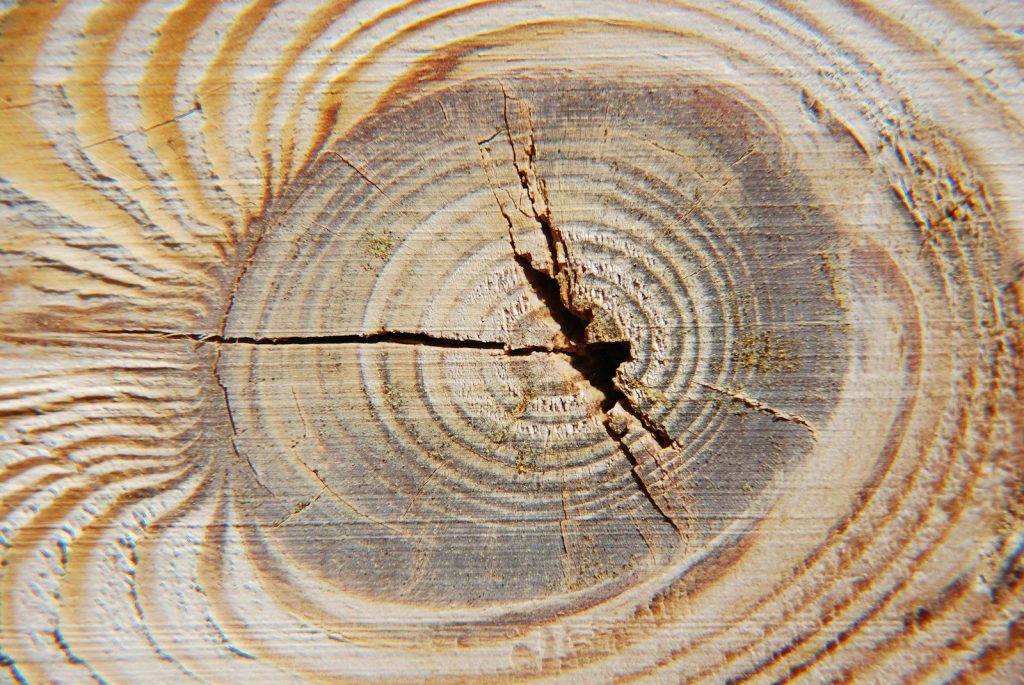
    a close-up of a tree stump
    Photo by Olga Kovalski on Unsplash

    Scientists analyzed the wood growth rings. They found clear signs of controlled wounding. Builders cut into living trees during their active growth cycles. This forced the oaks to produce protective tyloses. They harvested them years later. This shows an incredibly deep understanding of forest biology. These people worked with nature across generations. It was a highly organized system. This planning extended far beyond just preparing the wood. The canoes were placed in very specific patterns across the lake floor.

    Lake Mendota Served as a Sophisticated Highway

    a group of boats in a lake
    Photo by Jay Alexander on Unsplash

    The canoes were found in two distinct groupings. They were not scattered randomly. Archaeologists believe these locations were strategic landing points. Lake Mendota acted as a busy regional highway. It connected different communities. The canoes allowed people to travel easily between points of interest. This was a sophisticated transport network. It was much faster than walking through dense prehistoric forests. But who actually owned these valuable boats? The answer reveals a beautiful community culture.

    A Prehistoric Bike Share in the Lakes

    Green rowboat rests on a sandy shore near lake.
    Photo by Guillaume Didelet on Unsplash

    These boats did not belong to single individuals. Archaeologists believe they were shared community assets. They were stored at designated public points. This functioned exactly like a modern community bike-share program. Anyone could use a canoe to travel. When they finished, they returned it to the landing. This communal system required high levels of social trust. It made travel highly accessible. These trips were not just for fun. They were essential for survival. The artifacts found inside the canoes prove exactly what they were catching.

    Net Sinkers Prove Thriving Fishing Traditions

    fishing, nets, rope, fish, catch, sea, fisherman, fishnet, equipment, fishing-net, nature, ocean
    Photo by LunarSeaArt on Pixabay

    Researchers found stone net sinkers inside some dugouts. These heavy stones weighted down fishing nets. This proves that the ancient lake dwellers harvested fish on a massive scale. They fed large populations. The lake was a rich pantry. Canoes made it possible to access the deepest, most productive waters. This sustained communities for thousands of years. Today, this heritage is finally being rescued. Scientists are working directly with the descendants of these ancient boat builders.

    Working Hand in Hand with First Nations

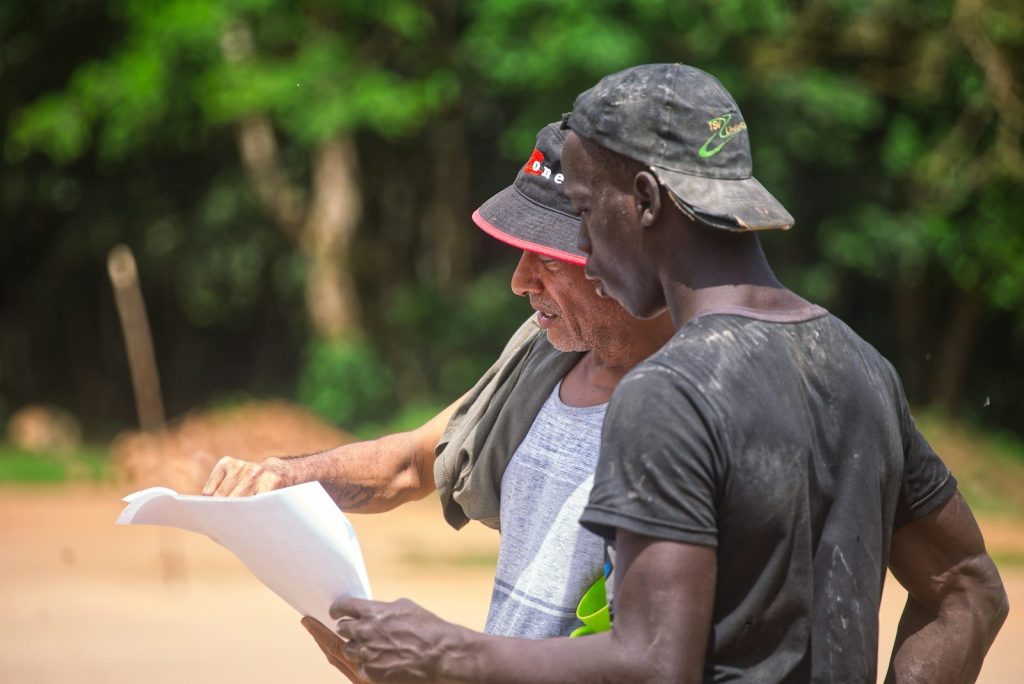
    Two men looking at a document outdoors
    Photo by Mugabi Owen on Unsplash

    The Wisconsin Historical Society is collaborating with local tribes. This includes the Bad River Band of Lake Superior Chippewa. Tribal preservation officers are helping retrieve the wood. They ensure the canoes are treated with respect. This partnership blends modern science with ancestral knowledge. The recovered canoes are currently being chemically preserved. This prevents rotting. It will take several years to complete the preservation process. But it ensures that this incredible story of ancient engineering will live on forever.

    Featured Image: Photo by Batuhan Kocabaş on Pexels

  • New DNA Analysis Reveals the Shocking Truth About Ötzi’s Origin

    New DNA Analysis Reveals the Shocking Truth About Ötzi’s Origin

    Ötzi the Iceman is the most famous mummy in the world. Found frozen in the Alps in 1991, he has been poked and prodded by scientists for over 30 years. We thought we knew everything about him: his age, his diet, and even his last words. But a revolutionary new DNA analysis has just pulled the rug out from under everything we believed. The “shocking truth” is that Ötzi’s ancestry is nothing like that of the modern Europeans who live near where he was found. In fact, he is a genetic time capsule from a group that has almost completely disappeared.

    The latest study has revealed that Ötzi had much darker skin and a much more significant degree of baldness than previously thought. The earlier artistic reconstructions showed him as a light-skinned, hairy mountain man, but the DNA proves those were wrong. He wasn’t a “local” in the way we understood. He belonged to a lineage of early farmers who migrated from Anatolia, which is modern-day Turkey. This discovery is changing the face of European history. But why did his DNA stay so pure for so long?

    The Mystery of the Isolated Bloodline

    A wall with a bunch of pictures on it
    Photo by Jametlene Reskp on Unsplash

    Ötzi lived about 5,300 years ago, a time when Europe was a melting pot of different cultures. However, his DNA shows that his ancestors didn’t mix much with the local hunter-gatherers. He belonged to a very isolated community that kept its Anatolian roots alive for thousands of years. This genetic isolation is incredibly rare. It suggests that Ötzi’s people lived in a secluded valley, perhaps protecting their own traditions and trade secrets. They were the “outsiders” of the Copper Age. But his DNA revealed more than just his family tree; it showed his health secrets, too.

    The First Record of a Heart Condition

    heart, organ, human, beat, life
    Photo by 3530416 on Pixabay

    You might think heart disease is a modern problem caused by fast food, but Ötzi’s DNA says otherwise. He had a strong genetic predisposition for cardiovascular disease. Despite his active lifestyle and lack of processed sugar, his arteries were already starting to harden. He is now the oldest known case of someone with these genetic markers. It proves that our “modern” health struggles have been with us for thousands of years. But his DNA also carried a much more immediate threat.

    A Hidden Infection in the Iceman’s Gut

    a cell with two yellow cells inside of it
    Photo by National Institute of Allergy and Infectious Diseases on Unsplash

    Inside Ötzi’s stomach, researchers found the DNA of H. pylori, a bacterium that causes ulcers. This specific strain is also helping scientists track how humans moved across the globe. By studying the “stomach bugs” of the Iceman, we are learning about the migration patterns of ancient people. It’s a biological map of the world before the first cities were even built. Ötzi was likely in a lot of pain during his final journey. But his stomach also contained the secret of his very last meal.

    The High-Fat Diet of a Copper Age Hunter

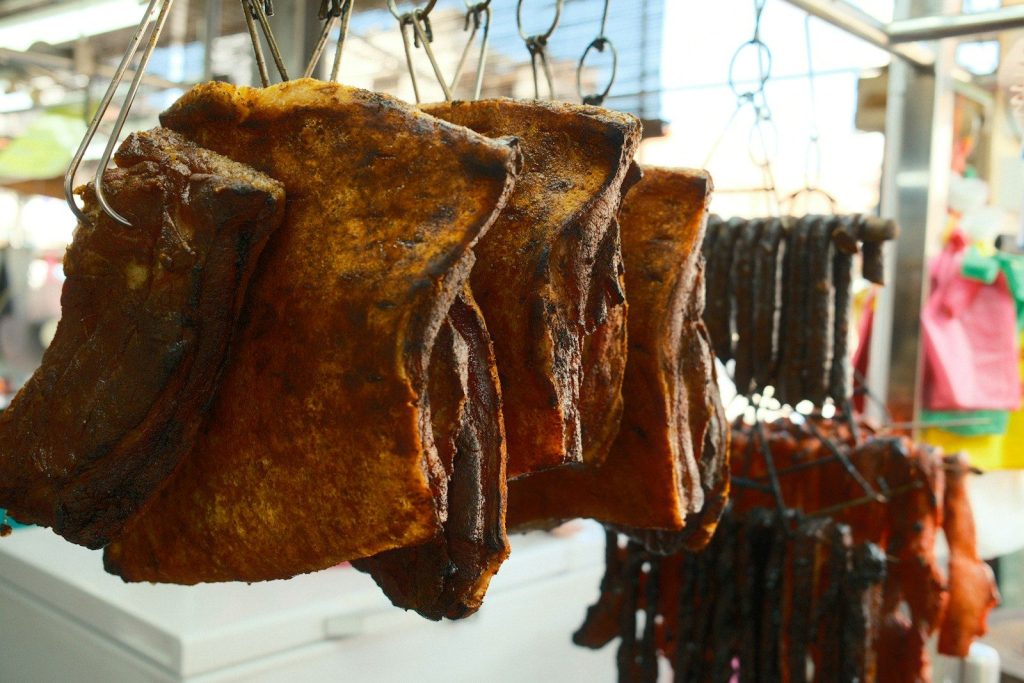
    Several pieces of meat hanging from hooks in a market
    Photo by Kelvin Zyteng on Unsplash

    Ötzi wasn’t eating light. His last meal consisted of dried ibex meat, deer, and ancient grains. It was a meal designed for survival in the brutal cold of the high Alps. The high-fat content provided the energy he needed to climb through the snow. This diet is a stark contrast to what we see in modern agricultural societies. He was a man of the wild, relying on the animals he hunted. This meal was eaten just hours before his violent end. But wait until you see the weapon that was used to stop him.

    The Arrowhead That Solved a Murder

    gray metal frame
    Photo by Markus Spiske on Unsplash

    For years, people thought Ötzi simply froze to death. But X-rays revealed a stone arrowhead lodged in his shoulder. He was shot from behind. The DNA on his clothes also shows the blood of four other people. He was likely involved in a high-stakes battle or a long-distance pursuit. He died as a warrior, defending his territory or perhaps his treasure. The “murder mystery” of the Iceman is one of the oldest cold cases in history. But his belongings reveal he was much more than just a fighter.

    The Fashion Secrets of the High Alps

    brown and black metal pipe
    Photo by Jonathan Kemper on Unsplash

    Ötzi was wearing a sophisticated outfit made of leather from five different animal species. His shoes were stuffed with grass for insulation, and he carried a high-tech (for the time) copper axe. This axe was a symbol of immense wealth and power. The DNA analysis of his clothing shows he was part of a society that had a deep understanding of tailoring and animal husbandry. He wasn’t a “primitive” man; he was a highly skilled professional. But where are the rest of his people hiding?

    The Search for Ötzi’s Lost Village

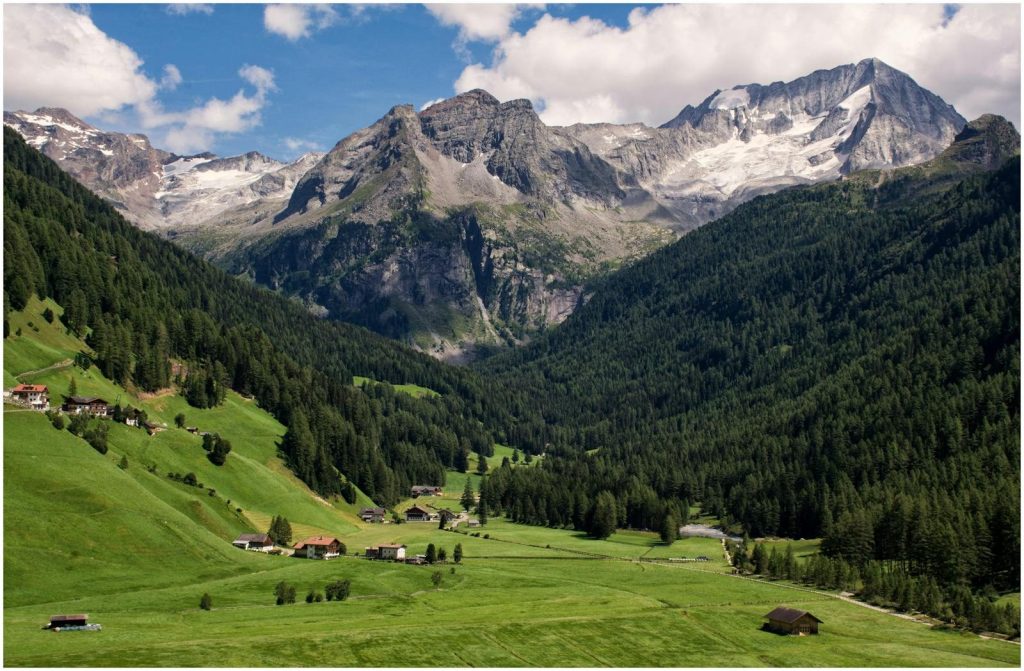
    Breathtaking view of a lush green valley surrounded by majestic rocky mountains.
    Photo by Eric Huybrechts on Pexels

    Now that we have his DNA map, scientists are searching for his descendants. They are looking at the modern populations of Sardinia and Corsica, where his genetic signature is most common. We are trying to find the “lost village” where Ötzi might have grown up. This search is taking archaeologists into remote valleys that haven’t been explored in decades. We are tracing the path of his people across the continent. But wait until you see what we found hidden behind a wall in an ancient temple.

    The Future of the Iceman’s Legacy

    white angel figurine on white surface
    Photo by Олег Мороз on Unsplash

    Ötzi is no longer just a mummy; he is a bridge to our past. Every new technology we invent gives him a new voice. As we move into 2026, we are using AI to reconstruct his exact vocal cords to hear what he might have sounded like. The “Iceman” continues to surprise us, proving that the more we look, the more we find. He is a reminder that our history is written in our blood. Are you ready for the secret rooms that were just found by a laser in the jungle?

    Featured Image: Photo by Tatyana Dobreva on Unsplash

  • The Secret “Second Killer” of the Dinosaurs

    The Secret “Second Killer” of the Dinosaurs

    For decades, we have blamed a single giant asteroid for the death of the dinosaurs. We were taught that one rock hit Mexico 66 million years ago and ended the age of giants. But a shocking new discovery on the other side of the Atlantic is rewriting that story. Scientists have found a second, massive impact crater off the coast of West Africa. Known as the Nadir Crater, it dates back to the exact same time as the famous Chicxulub impact. It turns out the dinosaurs weren’t hit by a single bullet; they were caught in a cosmic crossfire.

    This “Second Killer” was nearly five miles wide and slammed into the ocean with the force of thousands of nuclear bombs. It would have triggered tsunamis over 2,600 feet high that raced across the Atlantic. While the Mexico impact was the main event, this African strike ensured that any survivors had nowhere to hide. We are now looking at a “double-whammy” extinction event that makes the end of the Cretaceous period look even more violent than we imagined. But how did this second rock hide from us for so long?

    The Crater Hiding Under the Sea Floor

    underwater, top view, water surface, seaweed, water grass, nature, danube, underwater world, aerial view, water, water level, flow
    Photo by Schäferle on Pixabay

    The Nadir Crater is buried under 1,000 feet of water and hundreds of feet of sediment. It was only discovered when researchers were scanning the seafloor for oil and gas. They saw a perfect circular shape that didn’t belong in the natural geology of the area. Using seismic waves, they mapped the structure and found the signature “ring” of an asteroid strike. It is a time capsule of a disaster that has been hidden by the ocean for millions of years. This discovery proves that we are still missing major pieces of our planet’s history. But what was this second rock made of?

    A Broken Piece of a Giant Comet

    A vibrant comet with a glowing tail traversing the starry night sky, showcasing the wonders of the universe.
    Photo by Alex Andrews on Pexels

    Scientists believe that the two killers might have been part of the same parent body. It is possible that a massive asteroid or comet broke apart as it approached Earth. This created a “cluster” of rocks that hit different parts of the planet within days or even hours of each other. This theory changes how we think about “Impact Winters.” Instead of one dust cloud, the Earth was choked by multiple layers of soot and debris. It was a global shutdown that lasted for years. But the “Second Killer” did more than just kick up dust.

    The Tsunami That Flattened Continents

    time lapse photography of ocean waves
    Photo by Tim Marshall on Unsplash

    When the Nadir asteroid hit the Atlantic, it didn’t just make a splash. It displaced so much water that it created a “mega-tsunami.” These waves weren’t just big; they were high enough to wash over mountains. They would have traveled thousands of miles inland, drowning entire ecosystems in minutes. The evidence of these waves is still etched into the rocks of South America and Africa. It was a watery grave for millions of creatures. But as the water receded, the air became the next weapon of destruction.

    Living in a Global Pressure Cooker

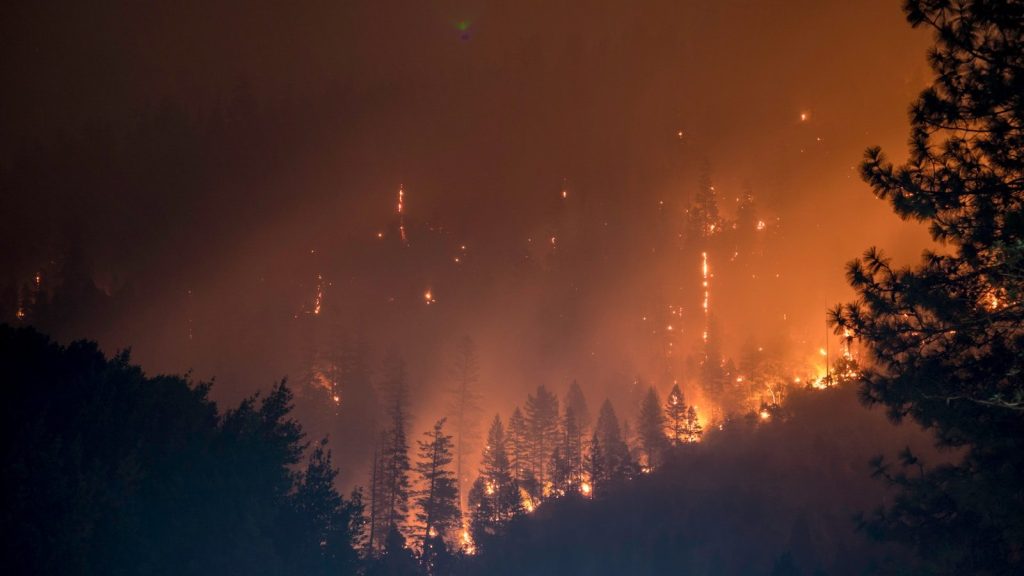
    trees on fire
    Photo by Matt Howard on Unsplash

    The friction of the asteroid entering the atmosphere turned the air into an oven. For a few hours after the impact, the surface of the Earth was likely as hot as a pizza oven. This “thermal pulse” would have ignited forests instantly across entire continents. Dinosaurs that weren’t killed by the blast or the floods were likely caught in a global firestorm. The “Second Killer” added a massive amount of heat to an already dying world. It was a nightmare scenario that no species could prepare for. But some animals found a way to survive the heat.

    The Survivors Who Hid Underground

    fox, puppy, evening atmosphere, curious, hello, cave, burrow, cute, forest animal, small, snub nose, redhead, fluffy, rare, careful, mammal, grass, nature, animal, wildlife, fox, fox, hello, burrow, burrow, burrow, burrow, burrow
    Photo by tommileew on Pixabay

    While the giants died, our ancestors were hiding. Small mammals, reptiles, and birds that could burrow into the ground or hide in deep caves were the only ones that made it. The soil acted as an insulator against the heat and the radiation. These “underground refugees” waited out the worst of the disaster. When they finally emerged, the world was empty and silent. The “Second Killer” had cleared the stage for a new era of life. We are only here today because our ancestors were the ultimate hide-and-seek champions. But the mystery of the “Second Killer” isn’t fully solved yet.

    Searching for the Third Impact Site

    A close-up vintage map showing East Asia with sepia tones, highlighting China, Japan, and Korea.
    Photo by Nothing Ahead on Pexels

    If the parent asteroid broke into two pieces, why not three or four? Geologists are now scouring the globe for more hidden craters from the same time period. There are suspicious structures in India and the Pacific that are being re-examined. We might find that the end of the dinosaurs was caused by a “meteor shower” of massive proportions. Every new crater we find is a piece of the puzzle that explains why life on Earth changed so drastically. It’s a detective story that is 66 million years old. But wait until you see the technology we are using to find them.

    Using Satellites to Map Ancient Deaths

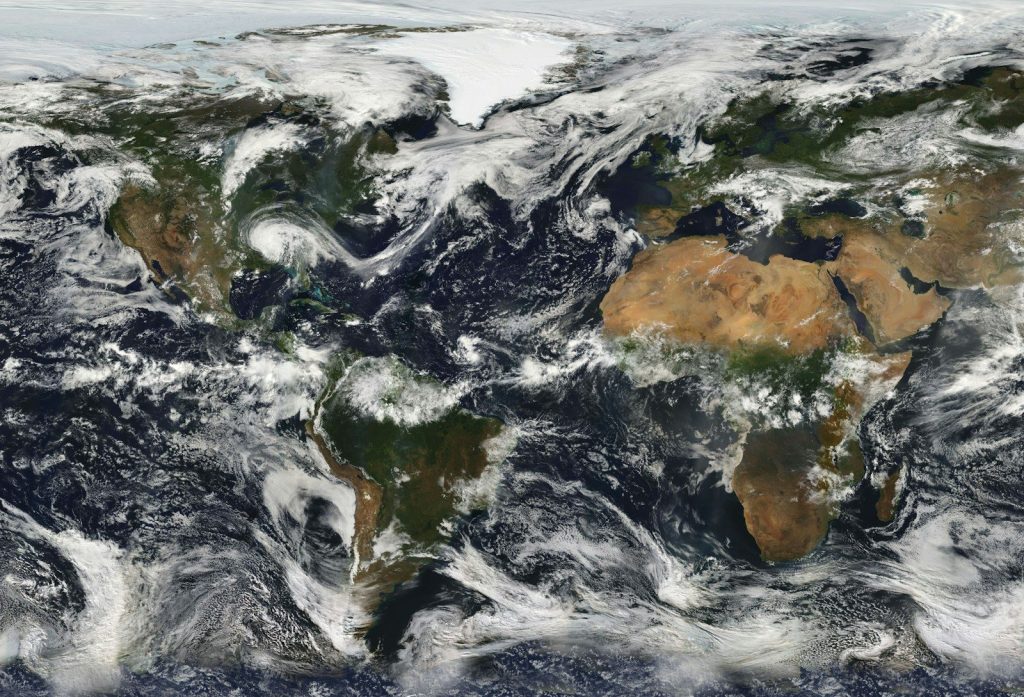
    The continents and oceans with clouds
    Photo by NASA on Unsplash

    We no longer need to walk every inch of the planet to find craters. High-resolution gravity maps from space allow us to see through the Earth’s crust. These satellites can detect “dents” in the planet’s gravity caused by buried impact sites. It is how we found the Nadir Crater, and it is how we will find the next one. We are using 21st-century tech to look back at the beginning of our world. As the map becomes clearer, the story of the “Second Killer” is just the beginning. But the most shocking truth about our origins was found in the ice.

    The Final Verdict on the Asteroid Duo

    a very large object in the middle of the night sky
    Photo by NASA Hubble Space Telescope on Unsplash

    The discovery of the Nadir Crater has changed paleontology forever. We can no longer talk about a single asteroid in isolation. The death of the dinosaurs was a complex, multi-stage disaster that happened at a global scale. It teaches us that the Earth is a target in a very crowded solar system. We are living on a planet that has been hit before and will likely be hit again. The “Second Killer” is a warning from the past that we need to keep our eyes on the sky. Are you ready for the shocking truth about the world’s most famous mummy?

    Featured Image: Photo by NASA Hubble Space Telescope on Unsplash

  • Why the Arrival of Agriculture Didn’t Actually Stop Ancient Humans From Fishing

    Why the Arrival of Agriculture Didn’t Actually Stop Ancient Humans From Fishing

    We have always been told a very simple story about human history. First, we were hunter-gatherers, and then we “invented” agriculture, settled down, and stopped looking for wild food. It was portrayed as a clean break—the “Agricultural Revolution.” But a massive new archaeological survey has just proven that this story is a lie. New evidence shows that even after humans mastered wheat and cattle, they continued to fish at an “industrial” scale.

    Researchers found that ancient farming villages were often built right next to the most productive fishing spots. Instead of giving up the old ways, they combined them. Agriculture wasn’t a replacement; it was a “side hustle.” This discovery is hitting the news as the “Hybrid Survival” model. It turns out that ancient humans were much better at managing their risks than we ever suspected. But why would a farmer spend all day at sea when he has a field full of food?

    The “Safety Net” of the Sea

    fishing, nature, fisherman, sunset, sea, ocean, silhouette, vietnam, traditional
    Photo by Quangpraha on Pixabay

    Farming is a high-risk gamble. A single drought or a swarm of locusts can wipe out a year’s worth of work. The ocean, however, is a much more reliable resource. By continuing to fish, ancient farmers created a “biological safety net.” If the crops failed, they could always turn back to the water. This dual strategy is likely the only reason many of the world’s first civilizations survived their first major climate shifts. But the tools they used are what really shocked the researchers.

    High-Tech Hooks from the Stone Age

    A bunch of dead animals that are laying on the ground
    Photo by Francesco Ungaro on Unsplash

    Archaeologists have uncovered thousands of bone and shell fishhooks in early farming sites. These hooks were designed with sophisticated barbs and eyelets that match modern designs. They even found “lures” made of shiny mother-of-pearl. This proves that fishing wasn’t just a backup plan; it was a highly skilled craft that humans continued to perfect even while they were breeding cows. They were “multi-skilled” professionals. But wait until you see the size of the fish they were catching.

    Monsters of the Deep in the Village Pot

    Close-up of a fish skeleton displayed against a black backdrop.
    Photo by ClickerHappy on Pexels

    The bone fragments found in these ancient kitchen pits don’t belong to small pond fish. They belong to giant deep-sea species like tuna and sturgeon. This means that “farmers” were actually building sturdy boats and sailing miles out into the open ocean. They were braving the waves to bring back hundreds of pounds of protein to their villages. This changes our entire view of how “settled” these people really were. They were still explorers at heart. But did they prefer fish over beef?

    The Health Secret of the Ancient Diet

    Close-up of assorted nuts and berries on a wooden tray highlighting healthy eating.
    Photo by atelierbyvineeth . . . on Pexels

    New analysis of human tooth enamel from 7,000 years ago shows that many early farmers got up to 50% of their protein from the sea. This “Omega-rich” diet kept them much healthier than if they had lived on grain alone. They had stronger bones and better eyesight than later generations who relied purely on farming. The “Hybrid Diet” was the secret to the human population explosion. But the next discovery shows that fishing also shaped their social life.

    Fishing as a Team Sport

    A group of people standing on a beach next to a net
    Photo by Sohan Rahat on Unsplash

    You can’t catch a six-foot sturgeon alone. Fishing encouraged large-scale cooperation between different families in the village. They had to build nets together and maintain the boats as a community. This social bonding is what eventually led to the creation of the first real laws and governments. The “rules of the sea” were likely the first rules humans ever wrote down. But what happens when the fish start to disappear?

    The First Environmental Regulations

    brown fish on blue table
    Photo by Andy Tang on Unsplash

    In later agricultural sites, archaeologists found evidence of the first “closed seasons” for fishing. They found piles of fish bones that only belonged to certain sizes of fish, suggesting the ancients were throwing the small ones back to keep the population healthy. They were the world’s first conservationists. They knew that if they overfished, their “safety net” would break. But the arrival of giant cities changed the balance forever.

    The End of the Hybrid Era

    houses near sea during sunset
    Photo by Janosch Diggelmann on Unsplash

    As cities grew into empires, the connection to the sea began to fade for the average person. Farming became the only way to feed millions, and fishing became a specialized industry for a few. We lost the “Hybrid Survival” skills that kept us healthy for millennia. Today, we are trying to rediscover those ancient secrets to save our own food supply. The past is a blueprint for a more resilient future.

    The Final Lesson from the Ancient Coast

    a group of people walking on a beach
    Photo by Shiva Mardahi on Unsplash

    The discovery that agriculture and fishing worked together for centuries is a wake-up call. It proves that there is no single “right way” for humans to live. We have always been a species that adapts and combines the best of all worlds. As we face our own climate crisis, we can look back at these ancient villagers for inspiration. They knew that diversity is the key to survival. Are you ready for the next breakthrough in our understanding of human history?

    Featured Image: Photo by Fahim on Unsplash

  • Don’t Believe the Old History Books: New Proof Shows Horse Riding Began Centuries Earlier Than We Thought

    Don’t Believe the Old History Books: New Proof Shows Horse Riding Began Centuries Earlier Than We Thought

    For decades, historians have argued about exactly when humans first climbed onto a horse’s back. Most textbooks claim it happened around 3,500 years ago with the rise of the great chariots. But a massive new study of ancient skeletons has just moved that date back by nearly a thousand years. This isn’t just a small correction; it is a total transformation of our understanding of human migration.

    Researchers analyzed the bones of the Yamnaya people, a group of nomads who lived 5,000 years ago in what is now Eastern Europe. They found specific patterns of wear on their hips and spines that can only be caused by long hours in a saddle. It turns out that humans were mastering the horse while the pyramids were still being built. This early “speed” is what allowed our ancestors to conquer entire continents in record time. But the secret wasn’t found in a museum—it was hidden in the “grooves” of human bone.

    The Bio-Markers of a Rider

    Four views of a human skeleton.
    Photo by Aakash Dhage on Unsplash

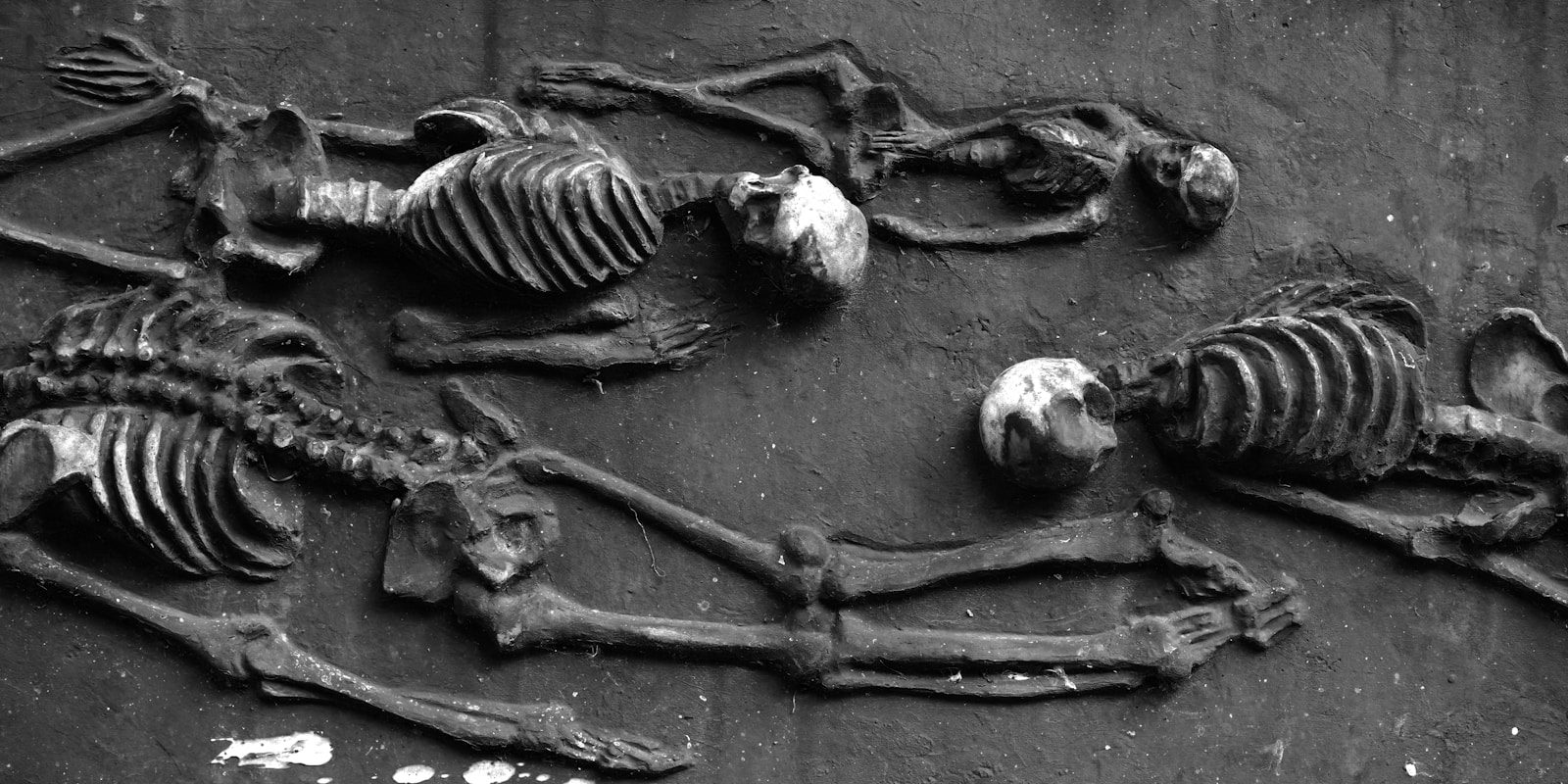
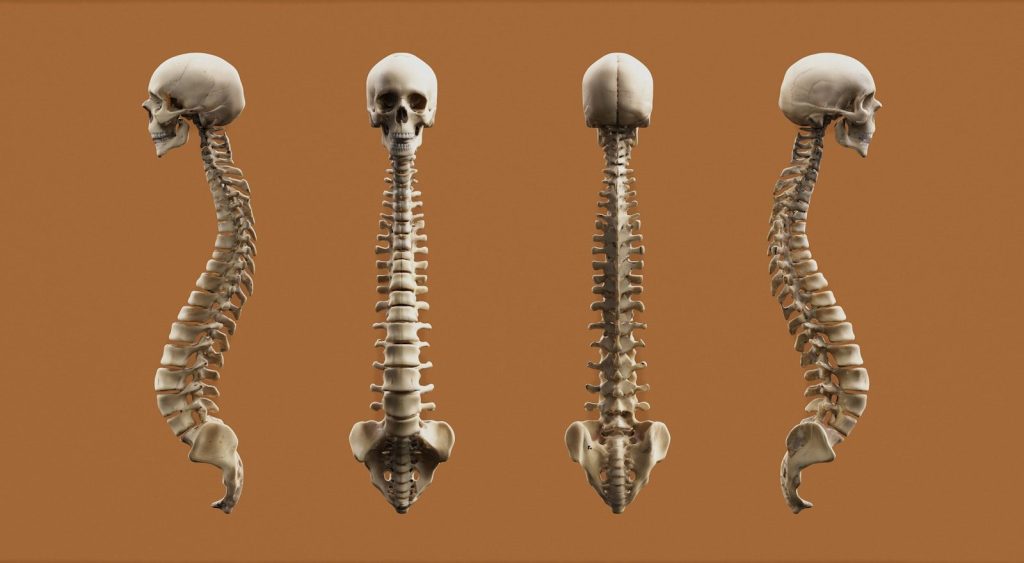
    You can’t hide a life on horseback from your own skeleton. Riding a horse without modern stirrups requires intense muscle work and puts unique pressure on the pelvis and lower back. Scientists identified “horsemanship syndrome” in five Yamnaya skeletons. The bones had thickened in response to the constant bouncing and gripping. It is a physical “memory” of a rider that has lasted 5,000 years. But why were these people moving so fast across the world?

    The Speed of the Steppe

    Serene view of a vast grass plain under a bright blue sky in rural Russia. Ideal for nature and travel themes.
    Photo by Михаил Крамор on Pexels

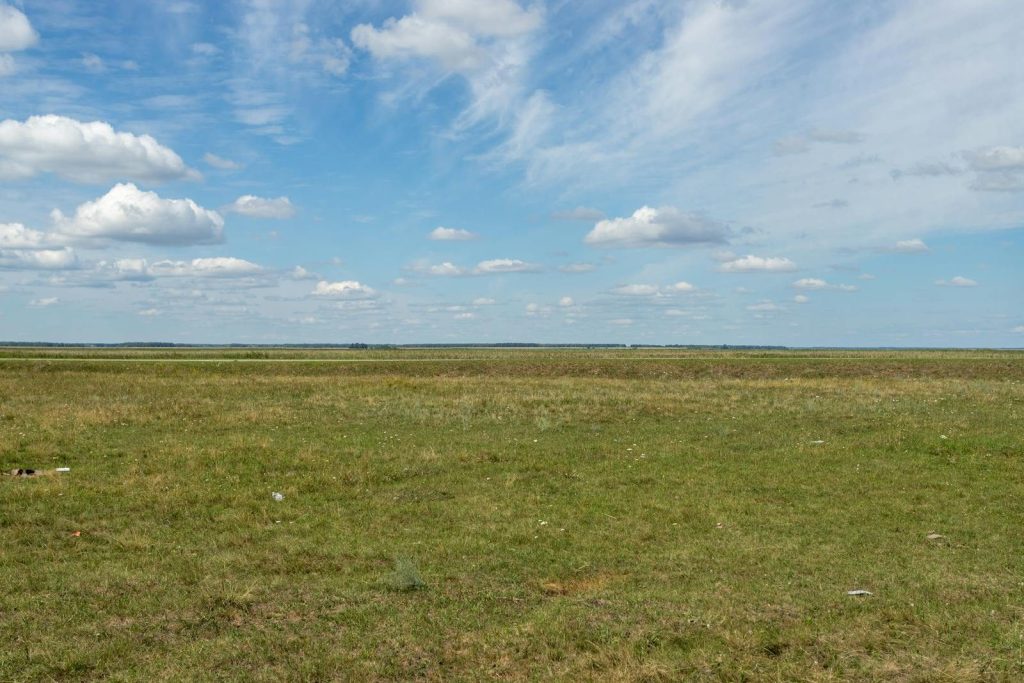
    The Yamnaya were the first to move out of their local valleys and into the vast, open grasslands. Before horses, traveling across the steppe was a slow and dangerous walk. With horses, they could cover fifty miles in a day. This mobility changed everything. They could manage larger herds of cattle and move their families to better land before anyone else. This “horse advantage” is why Yamnaya DNA is now found in almost every modern European. But did they have saddles or bridles back then?

    Bridles Made of Bone and Rope

    Two horses in harnesses ready for a carriage ride, showcasing equine teamwork.
    Photo by Gavin Young on Pexels

    One reason we missed the date for so long is that ancient tack doesn’t last. Leather and rope rot away in the dirt. However, archaeologists have recently found bit-wear on horse teeth from the same period. This means the Yamnaya were using bits made of bone or hard rope to control their mounts. They weren’t just “hanging on”; they were steering with precision. It was the first “high-tech” transportation system in history. But wait until you see how this changed the way they fought.

    The Invention of the Warrior Class

    A historical Turkish warrior in armor on horseback in Konya, Türkiye, captured outdoors.
    Photo by Necati Ömer Karpuzoğlu on Pexels

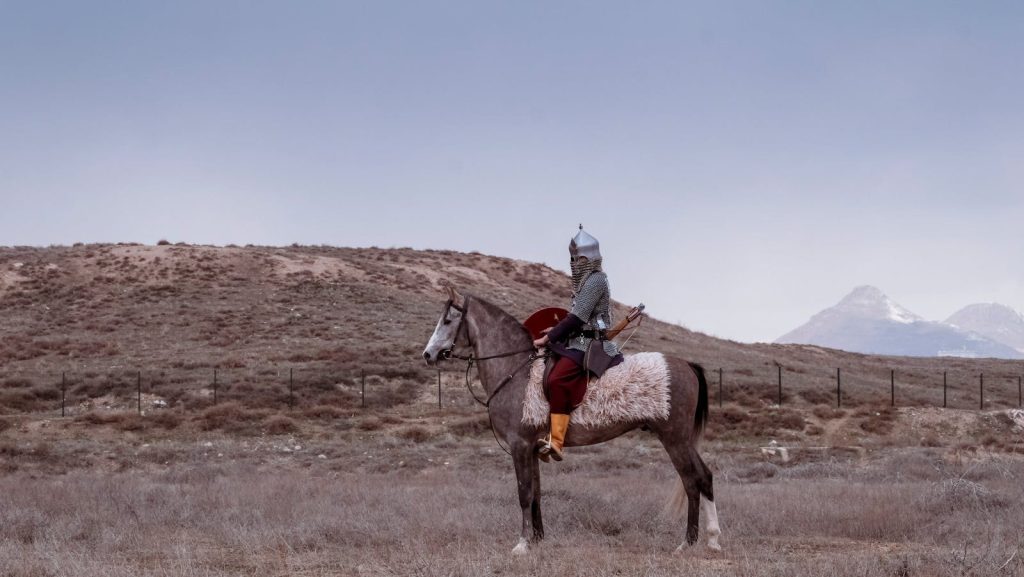
    Being able to ride a horse turned a simple farmer into a powerful warrior. A rider with a spear is much more dangerous than a man on foot. The new proof suggests that the first “cavalry” emerged centuries before we thought. This led to a new type of social hierarchy where the best riders became the leaders. The horse wasn’t just a tool; it was a symbol of wealth and power. But what kind of horses were they actually riding?

    Finding the DNA of the First Mounts

    dna, analysis, research, genetic material, spiral, biology, chemistry, medical, science, genetically, discovery, development, biological, dna, dna, dna, dna, dna
    Photo by geralt on Pixabay

    Geneticists have been tracking the DNA of ancient horses to find the “Founder” breed. They discovered that around 5,000 years ago, one specific type of horse from the Volga-Don region suddenly replaced all others. This was the “modern” horse—the one that was easy to train and strong enough to carry a human. Humans didn’t just find horses; they selectively bred them for speed and loyalty. This biological partnership is what built our world. But could a horse also be a companion in the afterlife?

    Buried with Their Best Friend

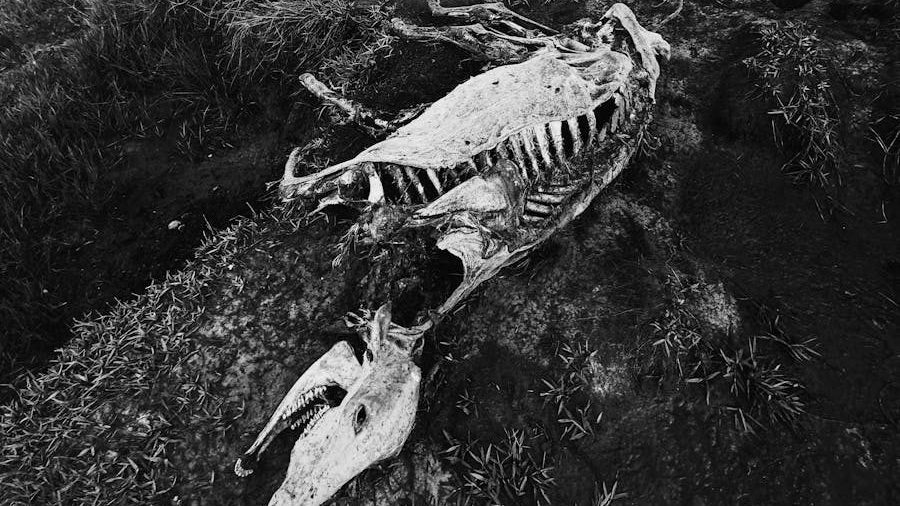
    A haunting black and white photo of a horse skeleton in a natural wilderness setting.
    Photo by Matheus Bertelli on Pexels

    In some Yamnaya graves, horses were buried alongside their owners. This shows an emotional bond that goes beyond just using an animal for work. They believed the horse would help them navigate the world of the dead. This spiritual connection is the foundation of the “horse culture” that dominated human history until the car was invented. But wait until you see the eerie gold relics found in a different kind of tomb in the mountains.

    Rewriting the Ancient Map

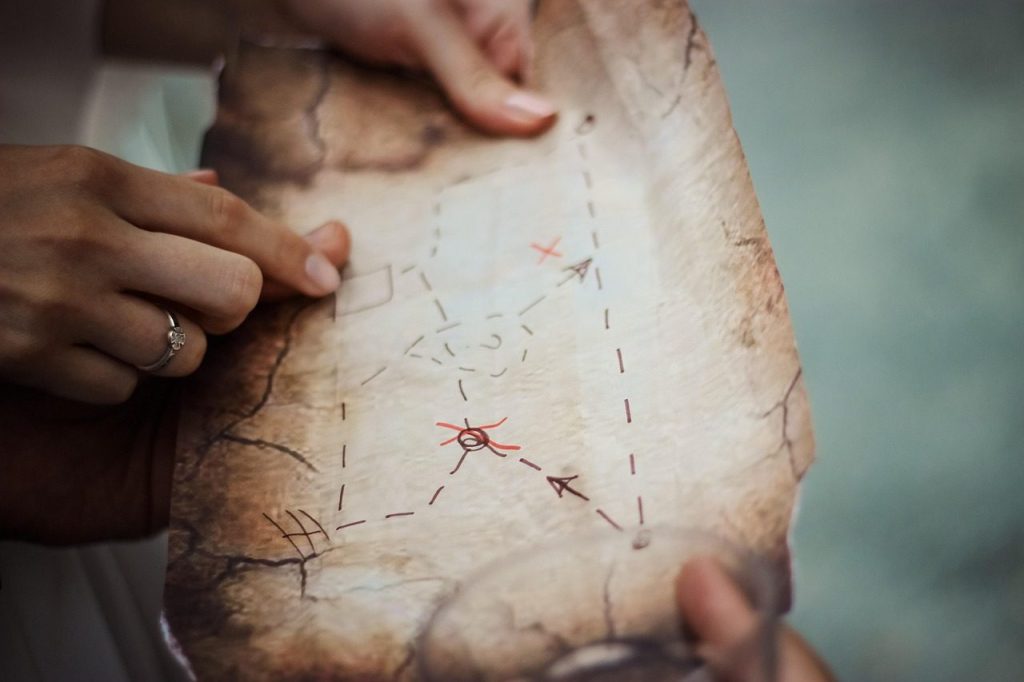
    treasure map, navigation, map, exploration, hands, directions, navigate, treasure hunt, brown map, hunting, treasure hunting, adventure, treasure map, treasure map, map, map, map, map, map, treasure hunt
    Photo by Pexels on Pixabay

    This new timeline forces us to redraw the map of ancient human movement. The Yamnaya weren’t just slow-moving nomads; they were a high-speed expansion. They brought their language, their technology, and their horses to every corner of Eurasia. We are living in a world that was shaped by these early riders. But while the riders were conquering the plains, a group of mysterious nomads was building hidden cities of gold in the mountains.

    The Final Verdict on the History Books

    man with steel and chainmail armor holding sword
    Photo by Henry Hustava on Unsplash

    The discovery of 5,000-year-old riders is a reminder that we are still uncovering the truth about our past. Our ancestors were smarter, faster, and more adventurous than we gave them credit for. The horse was the first thing that truly made the world feel small. As we update our books, we have to stay curious. But are you ready for the terrifying secrets waiting inside a 2,300-year-old tomb in Siberia?

    Featured Image: Photo by Jens Aber on Unsplash

  • Why This New Wall-Dweller is Actually Your Best Friend

    Why This New Wall-Dweller is Actually Your Best Friend

    Most people scream when they see a small, scaly creature dart across their living room wall. We have been taught to fear anything that crawls, but it is time for a change of heart. Scientists are discovering that the common House Gecko is one of the most beneficial roommates you can have. These “wall-dwellers” are actually highly efficient, natural pest control systems that work for free.

    Instead of reaching for a can of toxic bug spray, you might want to thank the gecko for its service. They are moving into urban areas in record numbers, adapting to our brightly lit homes. They are not just “uninvited guests”—they are your first line of defense against much scarier things. But what exactly are they hunting while you are asleep?

    The Tiny Predator That Eats Your Biggest Nightmares

    Close-up view of a mosquito feeding on human skin in a detailed macro shot.
    Photo by Jimmy Chan on Pexels

    While you are sleeping, your gecko is on a mission. A single house gecko can eat dozens of insects in a single night. Their favorite snacks include mosquitoes, houseflies, and even young cockroaches. These are the same pests that carry diseases and cause allergies in humans.

    Geckos are the “silent ninjas” of the animal kingdom. They use their specialized toe pads to walk on ceilings and glass, allowing them to hunt in places other predators can’t reach. Having a gecko is like having a non-toxic, self-cleaning insect trap. But how do they manage to stay on the ceiling without falling on your head?

    The Science Of The World’s Stickiest Feet

    bacteria, microbiology, organism, biology, science, medicine, healthcare, microscopic, disease, genetic, bacteria, bacteria, bacteria, bacteria, bacteria
    Photo by qimono on Pixabay

    The gecko’s ability to walk on walls is so incredible that NASA and medical researchers are studying it. They don’t use glue or suction. Instead, their feet are covered in millions of microscopic hairs that use “Van der Waals forces” to stick to surfaces at an atomic level.

    This means they can hold their entire body weight with just one toe. Scientists are now trying to copy this “gecko-grip” to create better bandages and climbing gear for humans. Your wall-dweller is a living piece of high-tech engineering. But if they are so great, why do they make those strange clicking sounds at night?

    They Are One Of The Only Lizards That Can Talk

    microphone, music, speech, concert, studio, sound, mic, equipment, karaoke, broadcasting, communication, record, radio, live, audio, voice, vocal, musical, party, gray music, gray community, gray party, gray communication, gray microphone, gray radio, gray concert, microphone, microphone, mic, mic, mic, mic, mic, karaoke, radio, radio
    Photo by lincerta on Pixabay

    Unlike most reptiles that are completely silent, geckos are very vocal. If you hear a series of “chik-chik-chik” sounds coming from your walls, it’s not a ghost—it’s your gecko talking to its friends. They use these sounds to defend their territory and find mates.

    In many cultures, hearing a gecko is considered a sign of good luck. They are social creatures that have learned to live alongside humans without causing any trouble. They don’t bite, they aren’t poisonous, and they don’t eat your food. They just want your bugs. But there is a secret reason why they love your LED lights so much.

    Why Urban Geckos Are Actually Getting Smarter

    buttlefly, light, blue, luz, naturaleza, belleza, luz, luz, luz, luz, luz
    Photo by santiagopazan032 on Pixabay

    Geckos that live in cities have adapted in a fascinating way. They have learned that outdoor porch lights and indoor lamps are “buffets” for bugs. They will wait patiently near a light source for hours, knowing that their dinner will eventually fly right to them.

    Studies show that city geckos are more aggressive and better hunters than their forest cousins. They have hacked our lifestyle to make their own lives easier. They are even beginning to recognize the humans who live in the house. But is it true that they can grow their tails back like a magic trick?

    The Miracle Of The Regenerating Tail

    lizard, reptile, nature, wildlife, plant, garden
    Photo by anselmo7511 on Pixabay

    If a predator (or a scared human) tries to grab a gecko, the gecko can instantly drop its tail. The tail keeps wiggling on the floor to distract the enemy while the gecko makes a clean escape. Within a few weeks, a brand-new tail grows back, complete with new bones and nerves.

    Doctors are studying this regeneration to see if we can eventually help humans regrow damaged tissue or even limbs. Every time you see a gecko with a short, stubby tail, you are looking at a survivor. They are tough, smart, and essential to our ecosystem. But what happens if you have too many of them in one room?

    How To Be A Good Roommate To Your Gecko

    person holding green leaf plant
    Photo by Kasturi Laxmi Mohit on Unsplash

    If you want to keep your “pest control team” happy, the best thing you can do is leave them alone. Avoid using heavy pesticides, as these can poison the geckos when they eat the bugs. Make sure they have a small gap or crack where they can hide during the day.

    Once they know your home is safe, they will stick around for years. You’ll notice fewer spiders in the corners and fewer flies in the kitchen. It’s a win-win situation for everyone. But while geckos are climbing our walls, something much larger is moving upward in Australia.

    Why We Need To Protect Our Scaly Neighbors

    gecko, reptile, terrarium, lizard, scales, macro, worm, animal, wild animal, wildlife, nature, animal world, wildlife photography, close up, portrait
    Photo by torstensimon on Pixabay

    As we build more cities, we are destroying the natural habitats of many animals. Geckos are one of the few species that are actually helping us bridge that gap. They show us that nature can thrive even in a concrete jungle.

    Next time you see a “wall-dweller,” don’t reach for the broom. Give them a nod of respect. They are keeping your home healthy, one bug at a time. They are the best friends you never knew you had. But why are Australia’s giant stone pillars starting to rise out of the sand?

    Featured Image: Photo by Pierre Bamin on Unsplash

  • New Soil Samples Prove This Ancient Civilization Did Not Die From Drought

    New Soil Samples Prove This Ancient Civilization Did Not Die From Drought

    For decades, the collapse of the Mayan Empire has been one of history’s greatest “whodunnits.” The standard theory taught in schools is that a massive, prolonged drought dried up their reservoirs and killed their crops. It was a story of environmental failure that served as a warning for our modern world. But a team of scientists digging deep into the mud of ancient lake beds has just found evidence that completely debunks the drought theory. By analyzing “fossilized” soil samples, they have discovered that the water levels during the collapse were actually quite high.

    The dirt doesn’t lie. These new samples show that the Maya were actually surrounded by lush vegetation and plenty of rainfall right up until their cities were abandoned. If it wasn’t thirst that killed them, then what caused millions of people to walk away from their homes? The answer was hidden inside the chemical composition of the soil itself. It reveals a much more complex and tragic story than we ever imagined.

    The Old Theory That Was Just Blown To Pieces

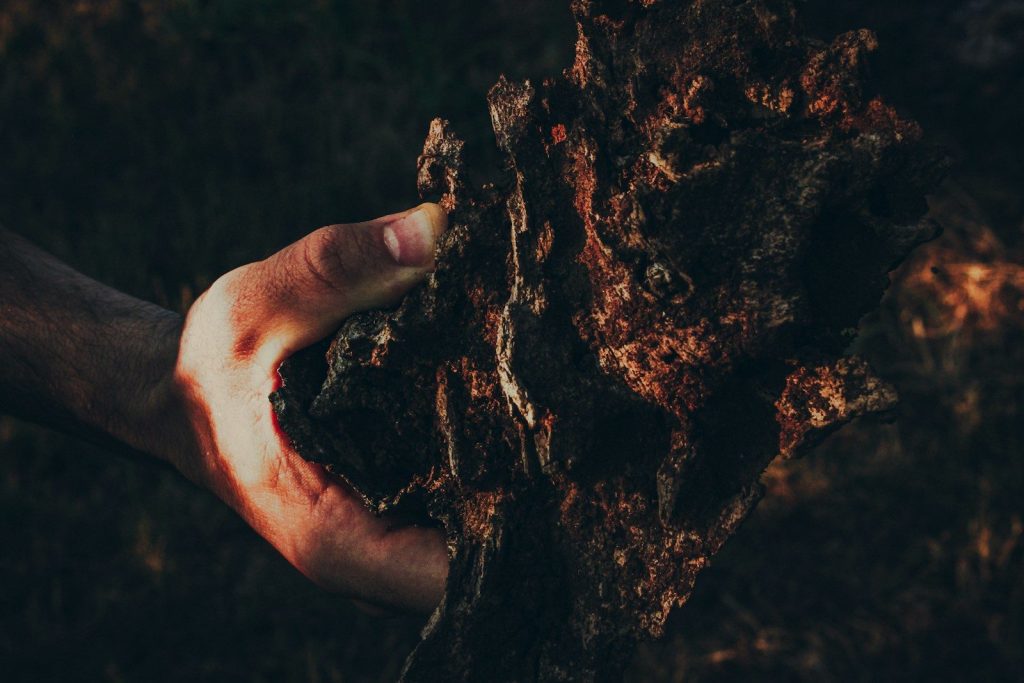
    a person holding a piece of wood in their hand
    Photo by Botond Czapp on Unsplash

    The “drought theory” was based on tree ring data from hundreds of miles away. It was a guess that seemed to make sense. But when scientists took core samples from the actual earth where the Maya lived, they found a different story. The layers of mud from the 9th century are packed with pollen from water-loving plants.

    This proves that the wetlands were thriving during the supposed “dry” period. The Maya didn’t run out of water; they were actually living in a tropical paradise. So, why did they stop building their giant pyramids? The secret wasn’t in the sky, but in the ground they were walking on.

    Why The Dirt Samples Reveal A Toxic Secret

    sulfur, crystals, yellow, geology, mineral, sulfur, sulfur, sulfur, sulfur, sulfur
    Photo by jhenning on Pixabay

    When researchers looked closer at the soil chemistry, they found something alarming: mercury. High levels of this toxic metal were found in the ground surrounding almost every major Mayan city. This wasn’t a natural occurrence. The Maya used cinnabar, a bright red mineral containing mercury, to paint their buildings and their own bodies.

    Over centuries, this poison washed into their water systems and soaked into their farmland. They were essentially living in a toxic waste dump of their own making. The soil samples show that the ground was becoming deadlier every year. But mercury poisoning was only part of the problem.

    The “Perfect Storm” Found Inside The Core Samples

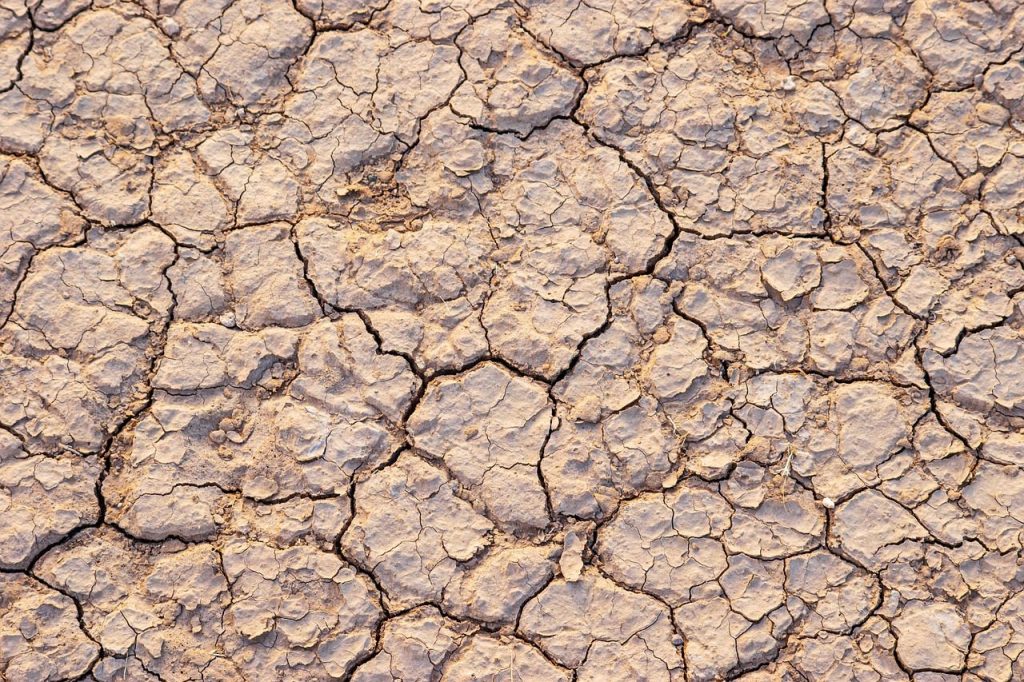
    desert, soil, dry, dirt, land, earth, crack, ground, nature, terrain, arid, cracked, crack, crack, crack, crack, crack, ground, arid
    Photo by RamsayMedia on Pixabay

    The soil didn’t just show poison; it showed a massive increase in salt levels. The Maya used an intensive farming method called “slash and burn.” While this worked for a while, the soil samples reveal that it eventually destroyed the nutrients in the earth. To keep the crops growing, they had to use more and more fertilizers that eventually turned the soil salty and useless.

    It was a slow-motion disaster. Their “super-farms” were failing even though it was raining every day. The population was growing, but the land was dying. This created a crisis that no amount of prayer to the gods could fix. But there is one more detail in the mud that changed everything.

    The Hidden Evidence Of A Social Revolution

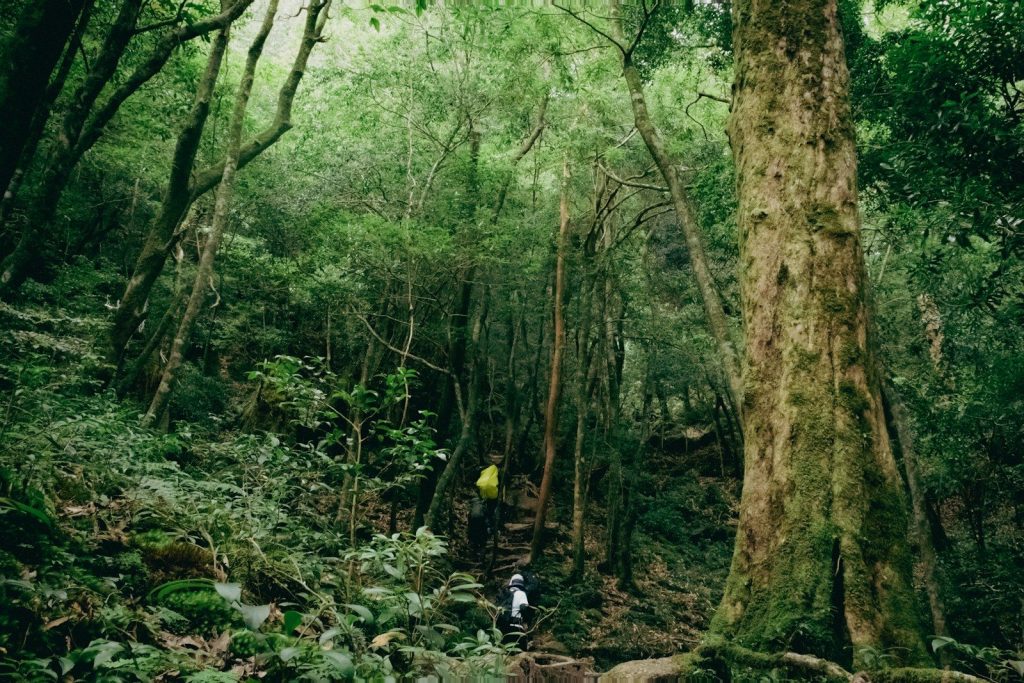
    Hikers ascend a lush, dense forest trail.
    Photo by Jayant on Unsplash

    In the final layers of soil from the “collapse” era, scientists found a sharp drop in luxury goods and a surge in common tools. This suggests that the people didn’t just die off—they revolted. The soil around the palaces shows signs of intentional burning and destruction.

    The regular citizens were likely fed up with their leaders, who kept demanding more food from failing farms. They didn’t starve to death in their beds; they fought back and then moved away to find better land. The “collapse” wasn’t an ending, but a mass migration. But where did millions of people go?

    Why Modern Farmers Are Studying Ancient Mud

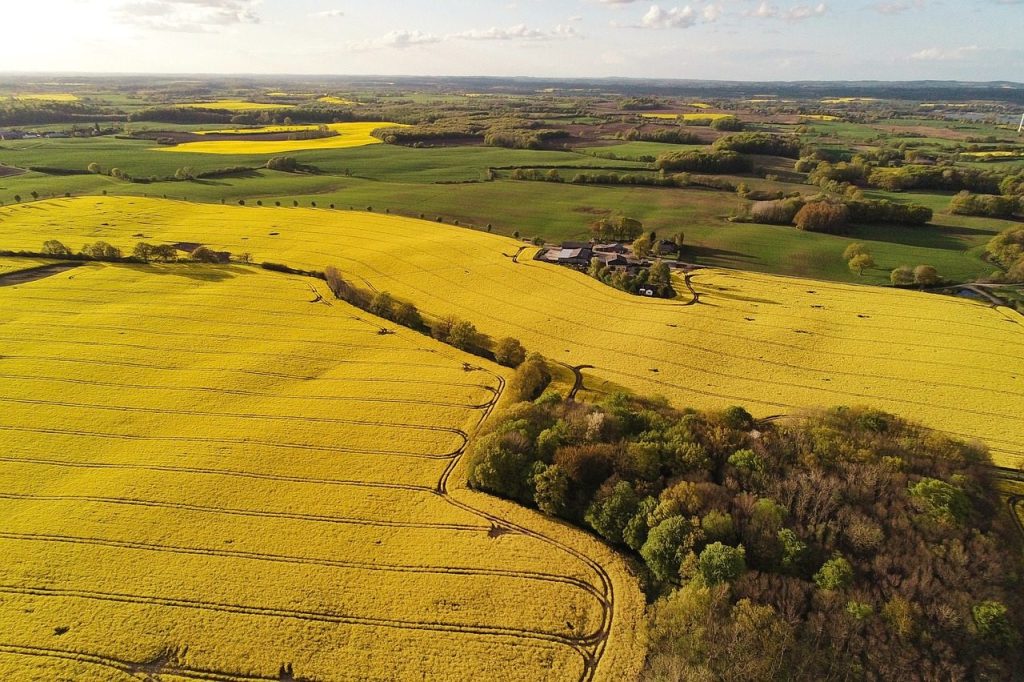
    oilseed rape, fields, drone, aerial view, eve, forest, holstein, nature, agriculture, farm yard, yellow, green, flight, quadcopter, country life, ripe blossom
    Photo by Rainerh11 on Pixabay

    The story of the Maya is being used today to save our own farms. We are currently using the same “intensive” methods that ruined the Mayan soil. By studying these ancient samples, modern agriculturalists are learning how to prevent “soil exhaustion.”

    We have found that the Maya eventually learned to fix their soil in smaller villages, away from the big cities. These “survivor farms” used a mix of different crops that kept the earth healthy. It turns out that the small-scale farmers were the ones who truly knew how to survive. Is our modern food system making the same mistakes?

    The Maya Never Actually Disappeared

    woman sitting near vegetable stand
    Photo by Jeison Higuita on Unsplash

    One of the biggest myths is that the Maya “vanished.” In reality, millions of Maya descendants still live in Central America today. The soil samples prove that they simply changed their way of life. They moved from giant, toxic cities to sustainable forest gardens.

    They gave up their kings and their pyramids for a life that was better for the planet. The “mystery” of their collapse is only a mystery because we were looking at it from the wrong perspective. We thought they failed because their cities died, but they actually succeeded by leaving them behind. But what about the other civilizations that didn’t make it?

    What The Next Dig Might Reveal About Our Future

    Tiny green sprouts emerging from dark soil
    Photo by sourmarb on Unsplash

    Scientists are now taking soil samples from ancient cities all over the world. From the Indus Valley to Angkor Wat, the story is the same. It is rarely just one thing, like a drought or a war. It is almost always a slow decay of the ground beneath their feet.

    As we look at our own changing climate, these dirt samples are a crystal ball. They tell us that as long as the soil is healthy, civilization can survive anything. Aber if we lose the earth, we lose everything. Are we set to listen to what the mud tells us?

    Featured Image: Photo by Florian Delée on Unsplash

  • New Metal Makes Green Hydrogen Cheaper Than Fossil Fuels

    New Metal Makes Green Hydrogen Cheaper Than Fossil Fuels

    For decades, the dream of a world powered by water has felt like a distant fantasy. Green hydrogen is the ultimate fuel because it produces zero emissions, but it has always had one massive flaw. It is simply too expensive to make. To pull hydrogen from water, scientists usually need precious metals like platinum or iridium. These materials cost a fortune and keep green energy out of reach for the average person. However, a group of researchers just announced a discovery that changes the math forever. They have developed a new metal alloy that can split water molecules without the high price tag. This “miracle metal” is made from common materials you can find almost anywhere. It performs just as well as platinum but at a fraction of the cost. If this technology scales up, the era of gasoline might end much sooner than we thought. But what exactly is this mystery material made of?

    The Hidden Cost Holding Back A Clean Energy Revolution

    dollar, cost, finance, calculator, question of cost, climate costs, thermometer, global warming, temperature, impact, climate change, climate, national economy, climate protection, business, cost, cost, cost, cost, cost, thermometer, global warming, global warming, climate change, climate
    Photo by geralt on Pixabay

    To understand why this is a big deal, you have to look at the current price of “green” hydrogen. Right now, it is roughly three times more expensive than natural gas. The main reason is the equipment used to create it. Electrolyzers act like giant batteries that separate hydrogen from oxygen. Inside these machines, the most critical components are coated in rare metals. Iridium is one of the rarest elements on Earth, and its price fluctuates wildly. As long as we rely on these “royal metals,” green hydrogen will stay a luxury item. Scientists knew they had to find a cheaper alternative, or the planet would stay hooked on oil. They spent years testing different combinations, but most cheap metals would simply dissolve or rust during the process. That was until they tried a very unusual recipe.

    Why Common Metals Failed To Solve The Hydrogen Puzzle

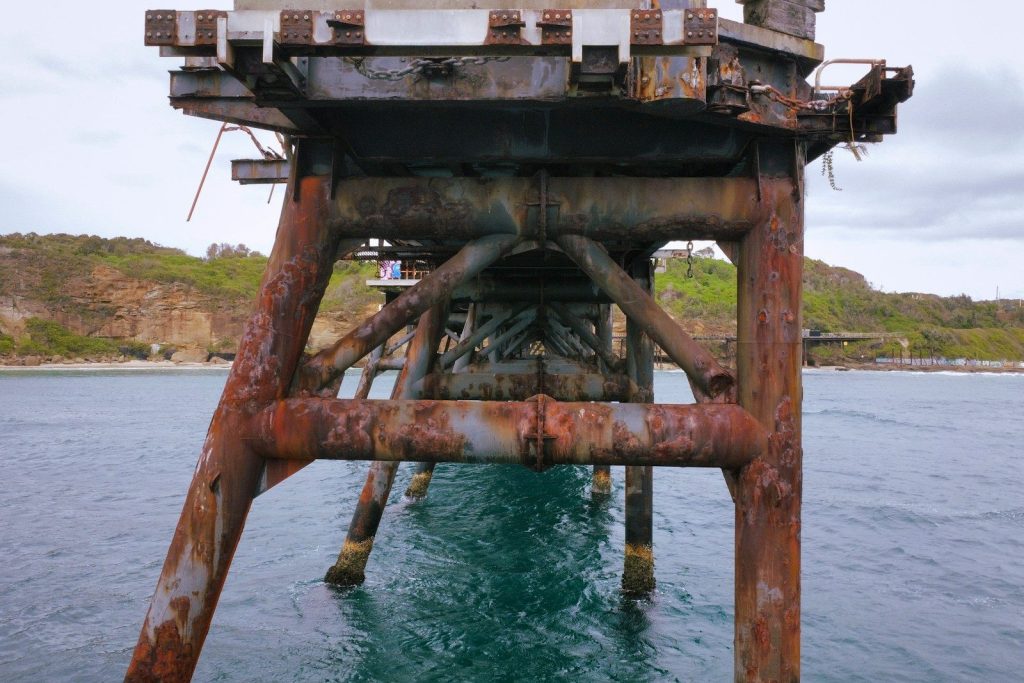
    a rusted metal structure in the middle of a body of water
    Photo by Josh Bradshaw on Unsplash

    It seems like an easy fix to just use iron or nickel instead of platinum. After all, these metals conduct electricity and are very cheap. The problem is the harsh environment inside an electrolyzer. The process of splitting water creates a highly acidic and corrosive atmosphere. Most common metals fall apart within minutes of being turned on. It is like trying to build a bridge out of sugar while it is raining. Researchers were stuck in a loop of finding metals that were either cheap but fragile or strong but unaffordable. They needed something that could survive the “acid bath” while remaining active enough to trigger the chemical reaction. The breakthrough didn’t come from a single metal but from a chaotic mixture that defies logic.

    A Secret Discovery Found In A High Entropy Alloy

    texture, metal, pyramids, old, rust, material, iron, metallic, pattern, steel, surface, structure, rough, antique, vintage, rusty, craft, wrought
    Photo by marijana1 on Pixabay

    How This Cheap Alloy Smashes Through The Efficiency Barrier

    a group of people standing next to each other
    Photo by Robynne O on Unsplash

    Efficiency is the name of the game in the energy world. In the past, cheap catalysts were not only fragile but also slow. They required a lot of electricity to produce just a little bit of hydrogen. This meant you were spending more on power than the fuel was worth. The new high-entropy alloy changes that. It has a unique atomic structure that allows hydrogen atoms to pop off the surface with almost zero resistance. It is like turning a gravel road into a high-speed glass highway. Tests show that this metal can run for thousands of hours without losing its edge. This means factories can produce massive amounts of fuel 24 hours a day with very little maintenance. The result is a flood of cheap energy that could make fossil fuels obsolete. But is the world ready for a fuel that is cheaper than gas?

    Why Oil Companies Are Watching This Simple Molecule

    oil refinery, petroleum, industrial, buildings, architecture, landscape, silhouette, oil refinery, oil refinery, oil refinery, petroleum, petroleum, petroleum, petroleum, industrial, industrial, industrial, industrial, industrial
    Photo by GDJ on Pixabay

    The global energy market is worth trillions of dollars, and hydrogen is the biggest threat to the status quo. Unlike electricity stored in batteries, hydrogen can be shipped in tankers and stored in giant tanks just like oil. This means we can use it to power massive cargo ships, airplanes, and heavy trucks that batteries can’t handle. Up until now, oil companies haven’t been worried because the costs were too high. This new metal changes the timeline completely. If hydrogen becomes cheaper than diesel, every shipping company on Earth will switch overnight to save money. We are looking at a future where the world’s most powerful industries have to adapt or disappear. However, some people are asking if we can actually build enough of these machines to make a difference.

    The Real Reason Your Future Car Might Run On Water

    man in black suit standing beside silver mercedes benz coupe
    Photo by Mohd Hammad on Unsplash

    While electric cars are popular, they have some downsides, like long charging times and heavy batteries. Hydrogen cars can be refilled at a pump in less than five minutes. They have the same range as a gas car but only emit pure water vapor from the tailpipe. The only thing stopping them was the lack of cheap hydrogen. With this new metal discovery, “water-fueled” cars become a financial win for the driver. You could potentially fill your tank for half the price of gasoline. This isn’t just about being green; it’s about being smart with your wallet. Major car manufacturers are already pivoting their designs to take advantage of this breakthrough. But there is one final question about how safe this new fuel really is for the average person.

    Can This New Metal Save The Planet In Time?

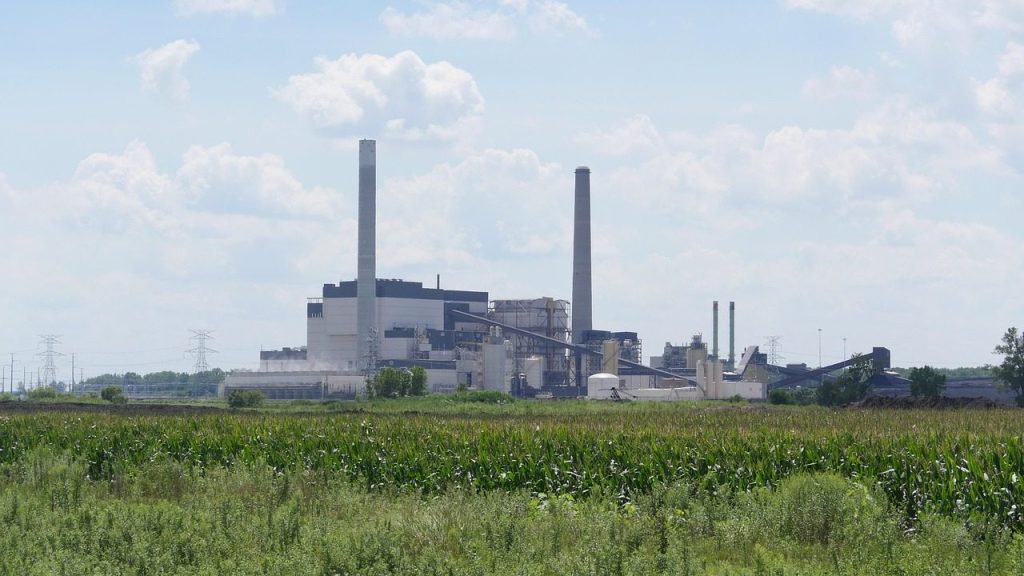
    omaha, nebraska, electric, power, planet, coal, generating, electricity, clean, burning, industrial, industry, pollution, blue pollution, blue planet, blue clean, blue industry, omaha, omaha, omaha, omaha, omaha, nebraska, nebraska
    Photo by dnavarrojr on Pixabay

    The race against climate change is a race against the clock. We need solutions that work now, not in fifty years. The beauty of this new alloy is that it uses existing manufacturing techniques. We don’t need to invent new factories to make it; we just need to change the recipe of the metals we are already melting. This means we could see large-scale hydrogen plants popping up within the next few years. It provides a path to decarbonize the “un-fixable” parts of our economy, like steel making and heavy shipping. The transition from oil to water is no longer a matter of “if” but “when.” We are standing on the edge of the biggest energy shift since the Industrial Revolution. But what happens to the global economy when energy suddenly becomes almost free?

    Featured Image: Photo by Vincent Botta on Unsplash