Category: Science & History

  • The Ancient Sunken Computer That Shattered Modern Historical Timelines

    The Ancient Sunken Computer That Shattered Modern Historical Timelines

    Most history buffs believe that complex mechanical computers are a product of the industrial age. We assume that ancient civilizations only possessed simple gears and basic water clocks.

    But a bizarre bronze relic recovered from a deep shipwreck has shattered this narrative. Scientists have spent decades decoding a complex two-thousand-year-old machine that behaves like an analog computer.

    Tragedy In The Deep

    A couple of people that are in the water
    Photo by Karl Callwood on Unsplash

    Divers exploring a Roman shipwreck near a Greek island made a stunning discovery. According to historical records, the vessel sank around seventy years before the Common Era. The cargo was priceless. Amidst ancient statues and pottery, researchers found a corroded green lump of bronze. But they had no idea that this single lump of metal would rewrite engineering history.

    The Hidden Gears
    a close up view of a clock face
    Photo by Matias Luge on Unsplash

    As the metal dried, it split open to reveal a highly intricate system of interlocking gear wheels. According to early archaeological reports, the complexity of the mechanism matched technology from the eighteenth century. They were stunned. Finding such advanced engineering in an ancient relic seemed completely impossible. But decades would pass before science could peer inside the device.

    X-Raying The Past

    Internal view of a jet engine's turbine and compressor.
    Photo by ObjectType RAW on Unsplash

    Modern researchers used high-tech 3D X-ray imaging to see through the thick layers of corrosion. According to a study from University College London, the scans revealed dozens of tiny brass gears hidden inside the main block. The precision was breathtaking. The mechanism was designed to track the movements of the sun and moon. But this cosmic calendar had an even deeper purpose.

    Predicting The Future

    Abstract atom model with orbiting rings and energetic background.
    Photo by Brecht Corbeel on Unsplash

    The ancient machine could calculate astronomical eclipses with absolute accuracy years in advance. According to mechanical models, the user could turn a small hand crank to view planetary positions. It was a simulation. This device allowed ancient astronomers to plan for major cultural events and athletic games. But the identity of the brilliant designer remains a mystery.

    The Lost Inventor
    A wooden table topped with a piece of paper and a pair of scissors
    Photo by Declan Sun on Unsplash

    Creating such a precise device required an elite understanding of mathematics and engineering. According to historical scholars, the legendary mathematician Archimedes might have created the original designs for this technology. He was a genius. While the inventor is gone, the device proving his theories survived the deep ocean. But how did this advanced technology disappear from history?

    A Sudden Blackout
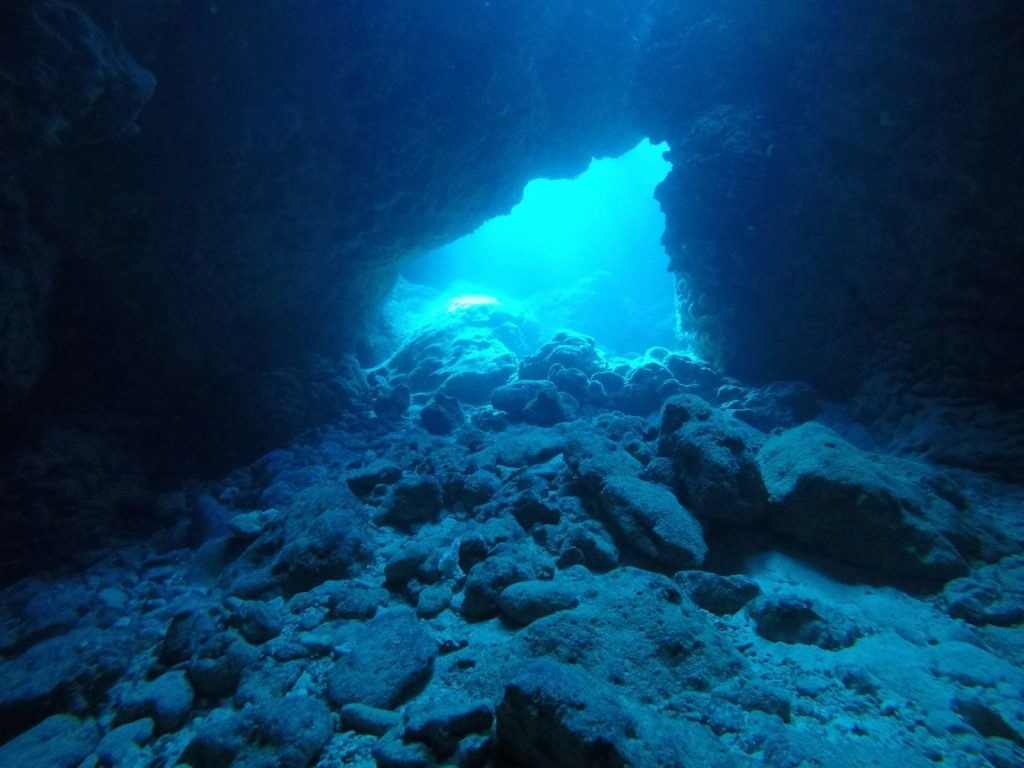
    a large underwater cave
    Photo by Shino Nakamura on Unsplash

    After the ship sank, the knowledge required to build these machines vanished for over a thousand years. According to evolutionary history, the collapse of ancient societies caused a massive technological dark age. The craft was lost. No other mechanism of this complexity would appear until the Renaissance. But the secrets of this device are still being decoded today.

    Rebuilding The Machine
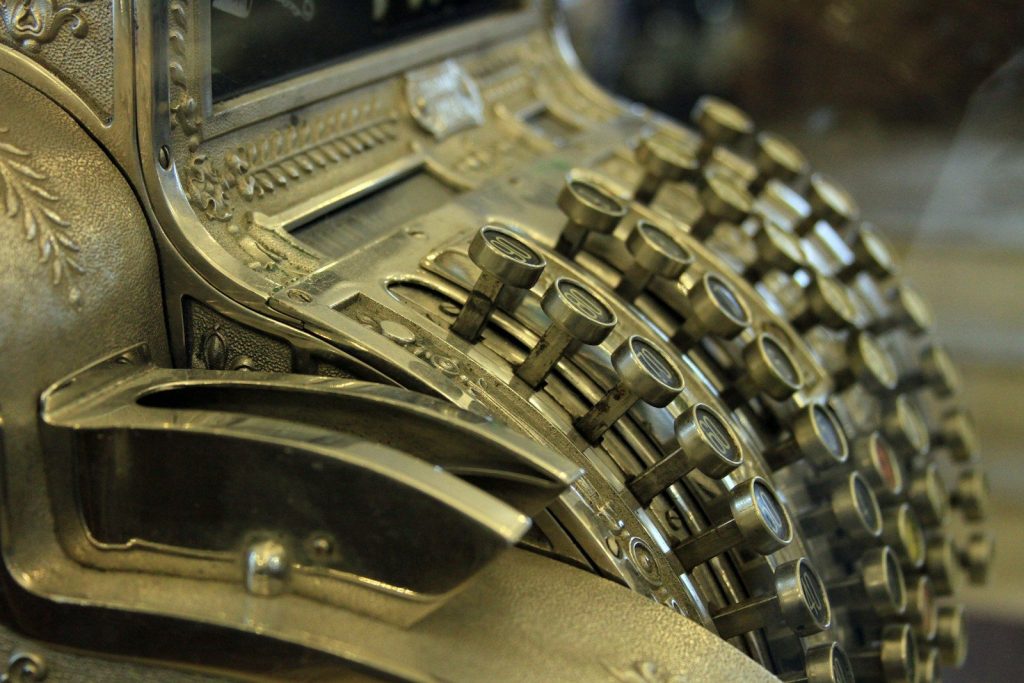
    gray typewriter
    Photo by Lydia Gulinkina on Unsplash

    Engineers are now using the detailed scans to build fully functional replicas of the computer. According to workshop reports, the reconstructed models work perfectly using ancient bronze-casting techniques. It is beautiful. These modern replicas prove that the ancient designs were completely authentic and highly practical. But researchers believe more relics are still waiting in the ocean depths.

    Engineering Our Roots
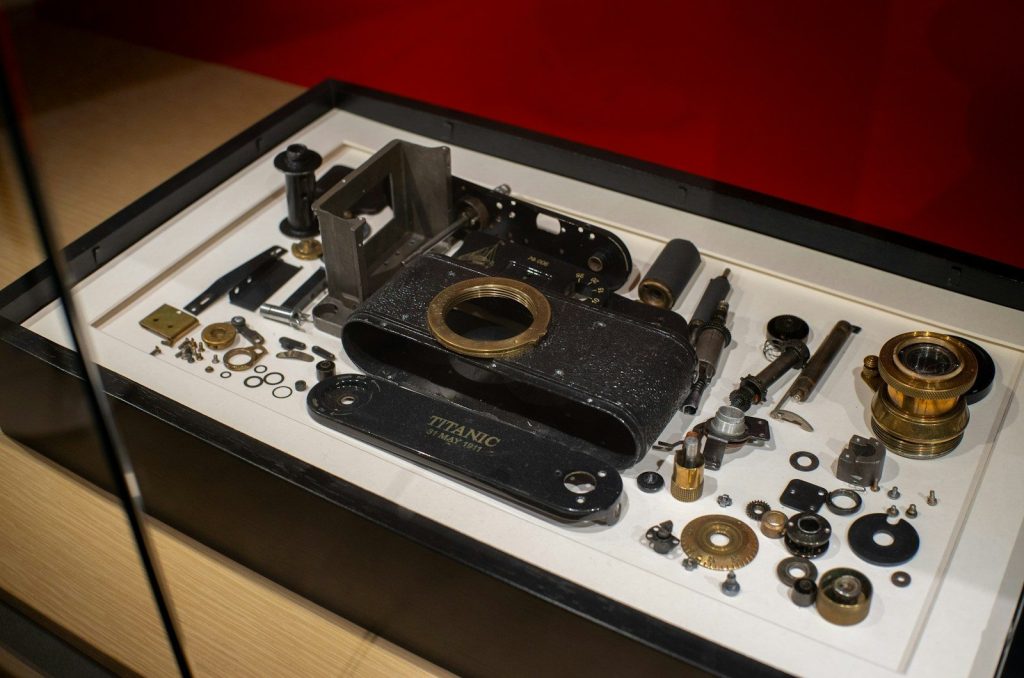
    Disassembled vintage camera and its parts arranged components
    Photo by F aint on Unsplash

    This ancient analog computer proves that human innovation is far older than our textbooks suggest. According to historians, the past was filled with brilliant minds who mastered complex mechanics. The sea still hides our history. This article is for informational purposes only.

    Featured Image: Photo by Nicolas Foster on Pexels
  • The Ancient Egyptian Elevator Shaft Shattering History

    The Ancient Egyptian Elevator Shaft Shattering History

    Most history lovers assume that ancient Egyptians raised their massive monuments using only simple wooden rollers. We believe that thousands of slaves dragged heavy stones up steep dirt slopes using raw muscle.

    But a spectacular discovery inside a deep limestone shaft has challenged this narrative. Researchers have identified a highly advanced hydraulic network that acted like an elevator.

    The Deep Limestone Chasm

    timelapse photo of body of water during daytime
    Photo by Ricardo Gomez Angel on Unsplash

    Excavators working near the oldest pyramid structures made the discovery of a lifetime. According to reports from the Land Decompression Institute, a vertical shaft drops straight down through the solid rock floor. The drop is terrifying. This narrow passage descended over thirty feet into the pitch-black earth. But this deep hole was hiding a highly surprising mechanical purpose.

    Floating The Heavy Stones

    a bird sitting on top of a stone fence
    Photo by 5010 on Unsplash

    Engineers suggest that the ancient builders used water pressure to lift massive materials upward. According to hydraulic modeling software, filling the central shaft with water would float a heavy wooden raft. The lift was effortless. This simple mechanism allowed workers to elevate giant granite blocks without dragging them up steep ramps. But controlling this water flow required a very specific design.

    The Sliding Stone Valves

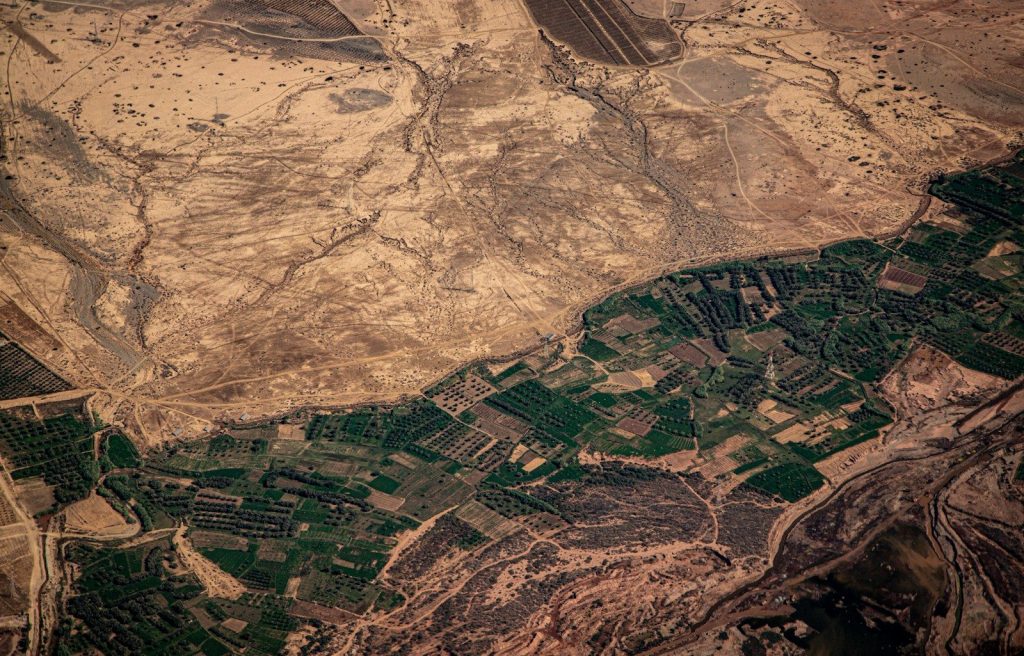
    Aerial view of cultivated fields next to arid land.
    Photo by Bernd 📷 Dittrich on Unsplash

    A close inspection of the underground channels revealed several large stone blocks that operated as sliding gates. According to structural analysts, workers could raise or lower these gates to regulate the water pressure. The seal was tight. This precise pressure control is what kept the hydraulic elevator moving in a highly predictable manner. But finding the ultimate source of this water network required satellite scans.

    Mapping Ancient Riverbeds

    Hands examining a printed report with population and timeline chart during a business meeting.
    Photo by RDNE Stock project on Pexels

    Modern radar imagery helped researchers map the prehistoric water flows across the dry desert. According to NASA geologists, a massive ancient river system once flowed directly through the region thousands of years ago. The landscape was green. This abundant water source provided the constant flow required to run the heavy hydraulic elevators. But some traditional historians still reject this complex mechanical view.

    The Great Academic Divide

    a man standing on top of a large rock formation
    Photo by Yudiono Putranto on Unsplash

    Mainstream academics argue that there is no written record of hydraulic machinery in ancient texts. According to traditional archaeologists, the Egyptians relied strictly on massive labor forces and simple wooden sleds. They are highly cautious. They believe that introducing complex water elevators overcomplicates what was achieved through sheer human strength. But the physical presence of the underground channels still puzzles researchers.

    Massive Overflow Settling Pools

    Sunlight bursts through the rocks.
    Photo by Falco Negenman on Unsplash

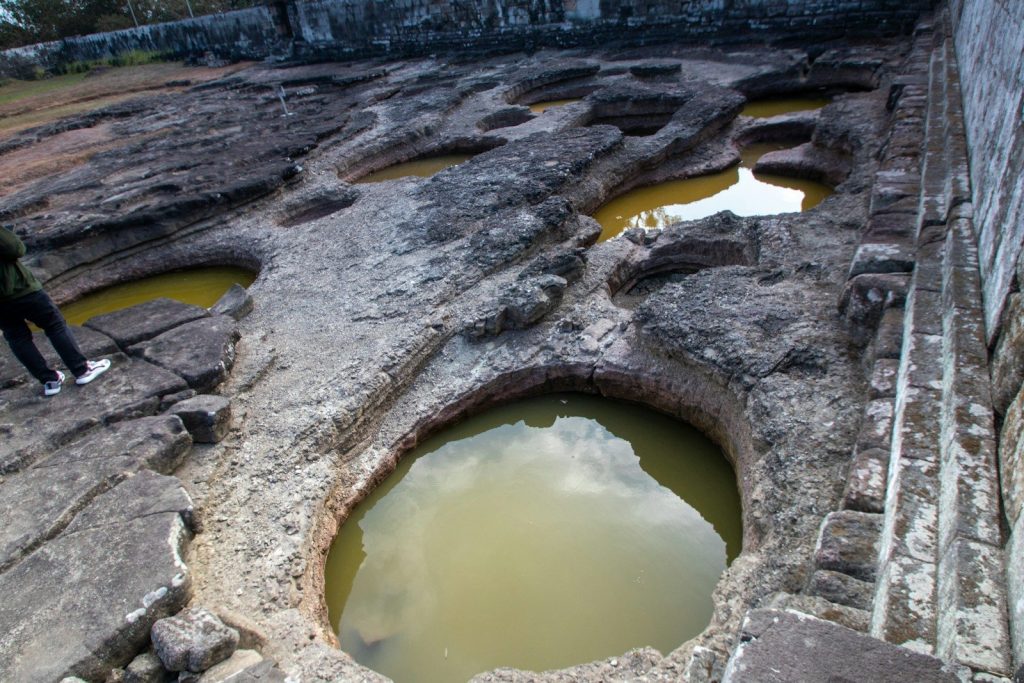
    A series of deep basins surrounding the ancient monuments functioned as settling pools for the water system. According to a study published in PLOS One, these reservoirs collected sand and sediment before they could clog the valves. They were massive. This advanced filtration system kept the entire hydraulic network running smoothly during construction. But the ultimate legacy of these stone channels continues to puzzle engineers.

    Unlocking Subsurface Engineering

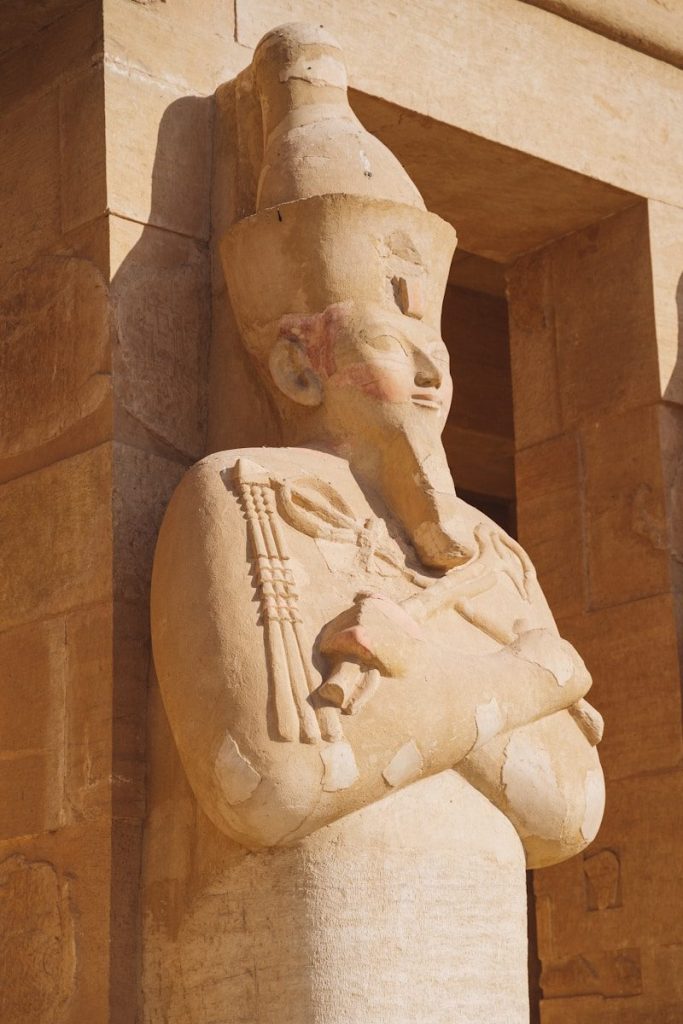
    Egyptian Pharaoh statue
    Photo by Alex Azabache on Unsplash

    The hydraulic elevator theory proves that ancient builders possessed a master grasp of physics and fluid mechanics. According to researchers, studying these forgotten stone relics helps us appreciate the true scale of early human intelligence. Nature always surprises us. This article is for informational purposes only.

    Featured Image: Photo by Datingjungle on Unsplash

  • How Hidden Water Channels Raised the Great Pyramid

    How Hidden Water Channels Raised the Great Pyramid

    Most history lovers assume that ancient Egyptian builders raised their massive monuments using only simple dirt ramps. We believe that thousands of workers dragged heavy stones up long slopes using raw muscle.

    But a ground-breaking engineering study has challenged this traditional narrative. Researchers have identified a highly advanced system of water channels and cargo lifts that did the heavy lifting.

    Reimagining Primitive Labor

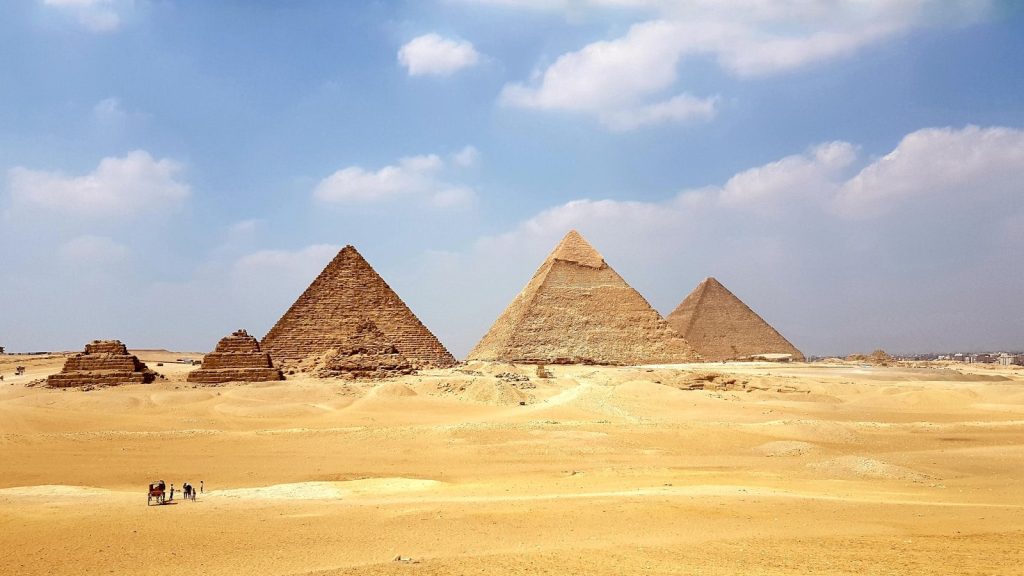
    brown pyramid under blue sky during daytime
    Photo by Osama Elsayed on Unsplash

    For centuries, scholars assumed that building the Giza monuments required an almost impossible amount of manual labor. According to reports from the Land Decompression Institute, building traditional sand ramps would require more material than the pyramid itself. The math fails. This physical limitation has forced modern engineers to search for a more logical building method. But the answer lay hidden inside the local geology.

    The Ancient Water Network

    people riding on boat on river during daytime
    Photo by Ruben Hanssen on Unsplash

    A team of civil engineers mapped a massive network of dry channels surrounding the pyramid site. According to geological surveys, these canals once connected the Nile River directly to the construction area. The water was abundant. This fluid network could have played a vital role in transporting heavy limestone blocks over vast distances. But this river flow was about to reveal a much larger engineering secret.

    The Central Shaft System

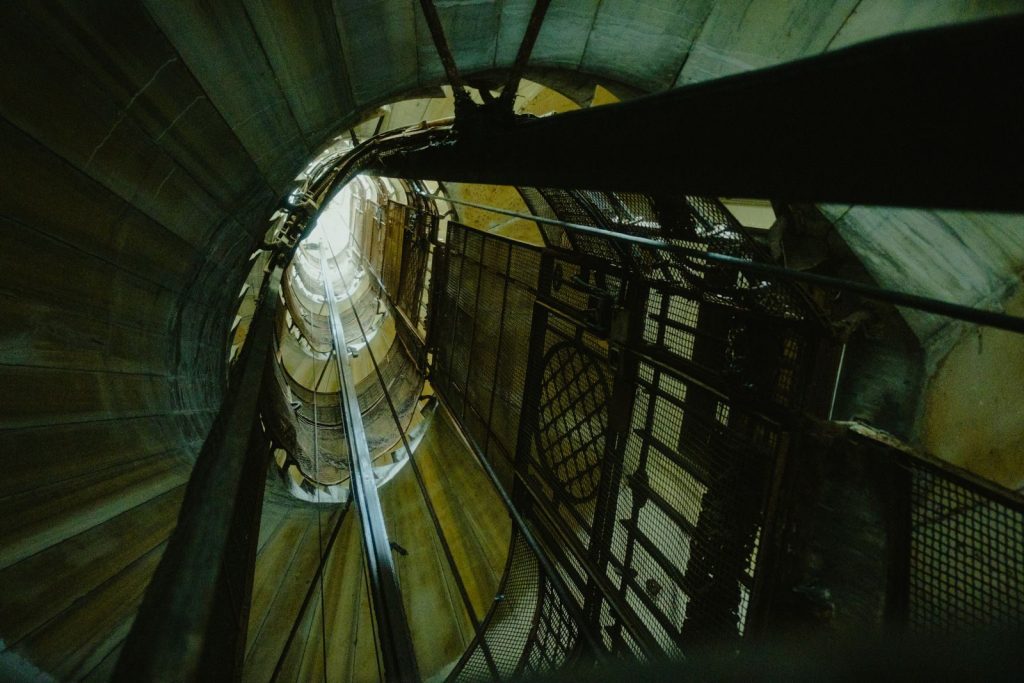
    A striking view looking up a spiral elevator shaft with metal structures and wires.
    Photo by Faruk Tokluoğlu on Pexels

    Excavating the vertical chambers inside the Step Pyramid of Djoser revealed a highly unusual design. According to archaeological geologists, the main shaft drops straight down to link with the underground water tables. It was a well. This direct connection allowed water pressure to rise naturally from the deep subterranean channels. But how the builders managed to control this hydraulic pressure remained a mystery.

    Floating The Limestone Blocks

    a walkway made out of cement blocks next to a body of water
    Photo by hyun-su Jung on Unsplash

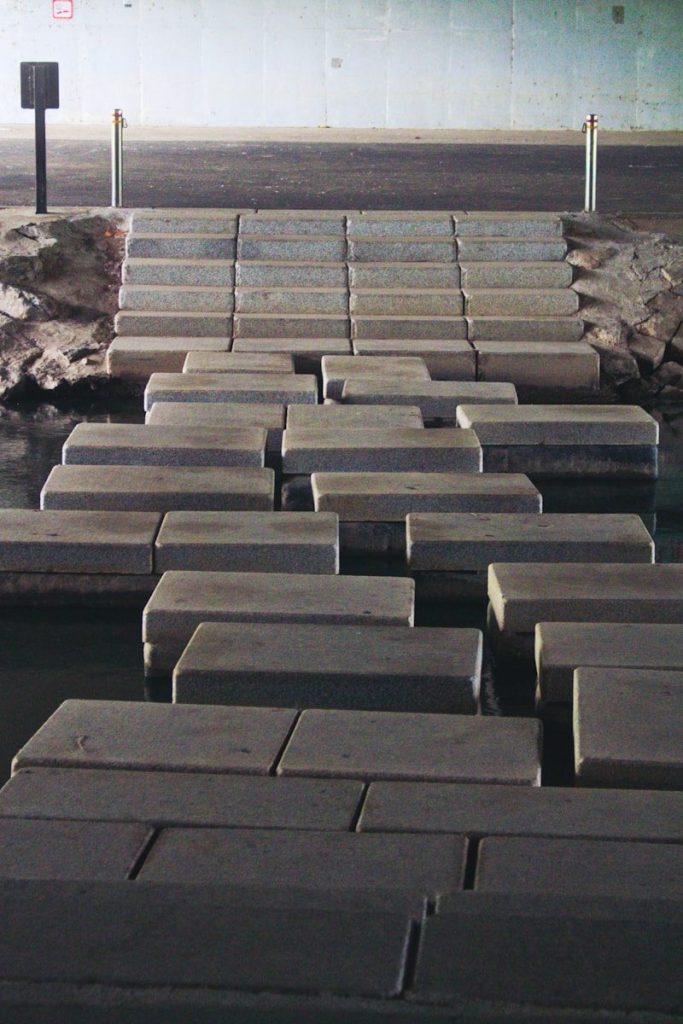
    Engineers suggest that the ancient builders used a series of floating platforms to move the heavy stones. According to hydraulic modeling software, filling the central shaft with water would float a heavy wooden raft upward. The mechanics were simple. This upward lift allowed workers to elevate massive granite blocks without dragging them up steep ramps. But this fluid system required a highly complex valve mechanism to function.

    The Sliding Stone Valves

    a water fall in the middle of a stone wall
    Photo by Yuri Rodríguez Rodríguez on Unsplash

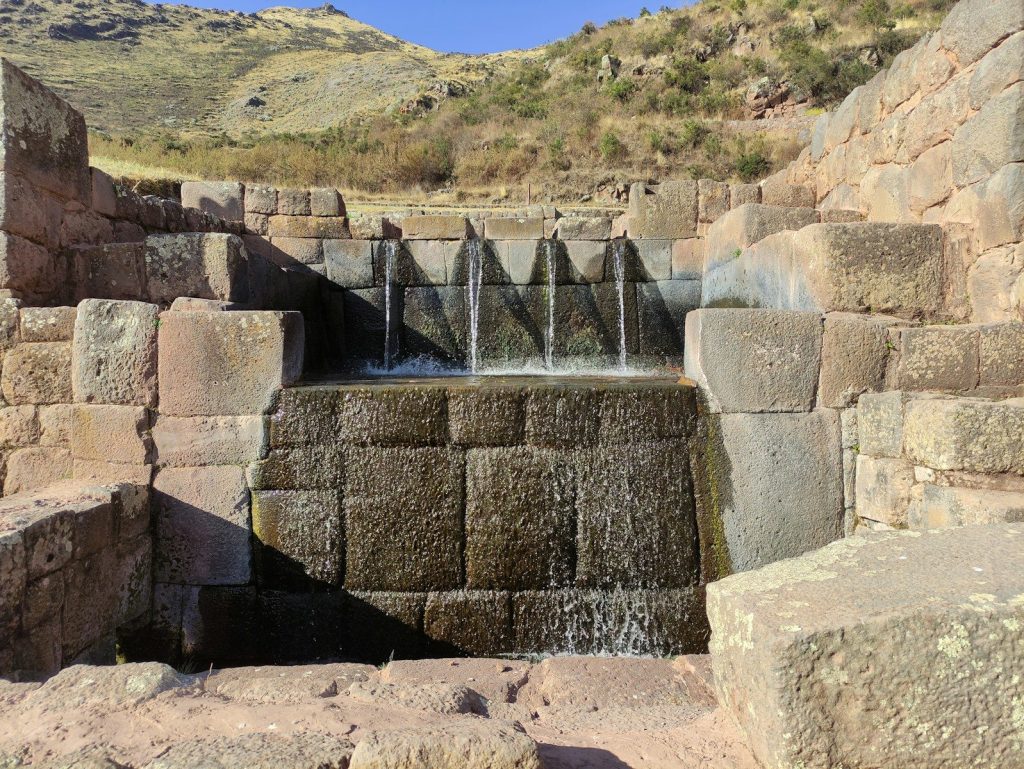
    A close inspection of the underground channels revealed several large stone blocks that operated as sliding gates. According to structural analysts, these blocks could be raised or lowered to regulate the water pressure. The seal was tight. This precise pressure control is what allowed the hydraulic elevators to move predictably. But finding where the water eventually escaped led to a surprising discovery.

    Massive Silt Settling Pools

    Step Pyramid of Djoser in Saqqara under restoration with clear blue sky.
    Photo by Tamer Soliman on Pexels

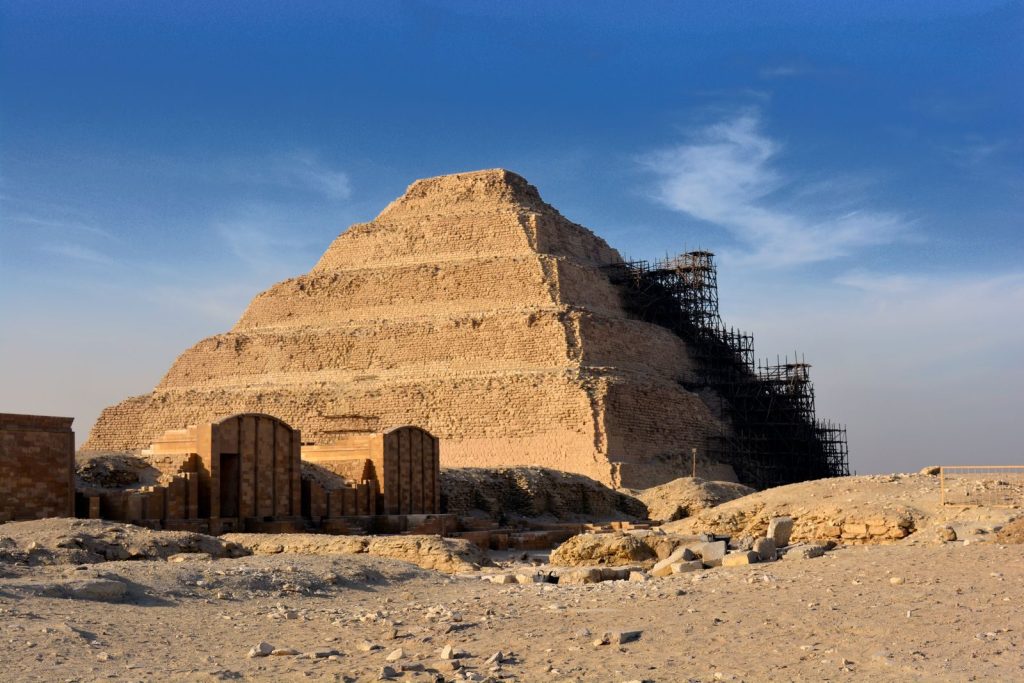
    A series of large rectangular depressions surrounds the ancient temple complex of Saqqara. According to a study published in PLOS One, these deep basins functioned as massive settling pools for the water system. They held sediment. This advanced filtration system prevented sand from clogging the delicate underground channels and valves. But tracing the ultimate source of this water network required satellite mapping.

    Mapping Prehistoric Desert Rivers

    Sand dunes with rows of planted vegetation and irrigation channels.
    Photo by Lok Kwan on Unsplash

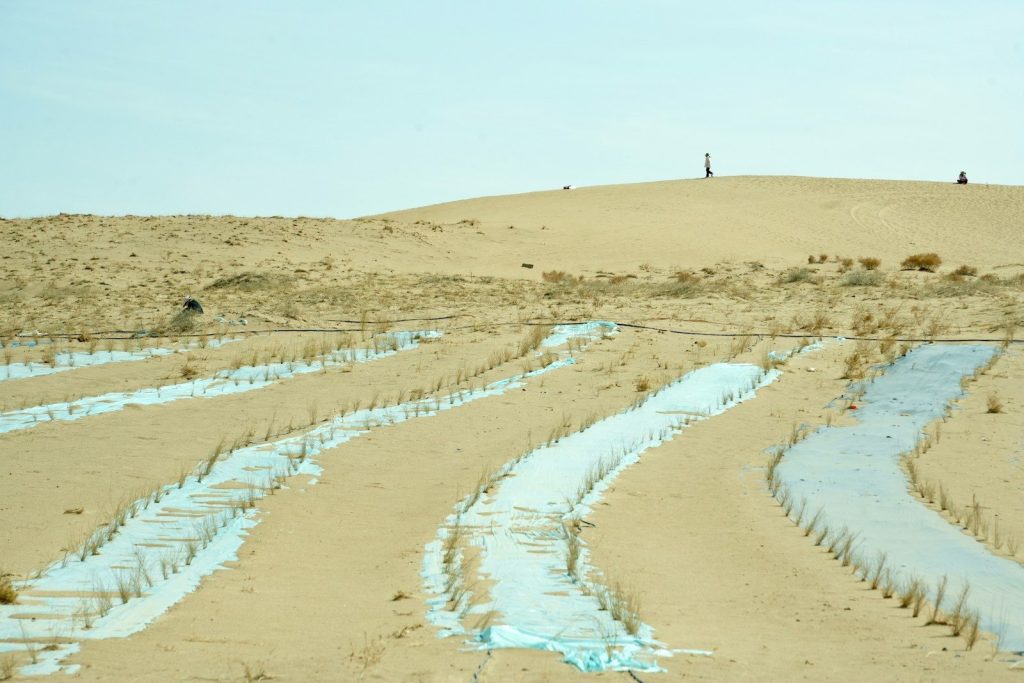
    Modern radar imagery helped researchers map the prehistoric water flows across the desert. According to NASA geologists, a massive ancient river system once flowed directly through the region thousands of years ago. The desert was green. This abundant water source provided the constant flow required to run the heavy hydraulic elevators. But some traditional Egyptologists remain highly skeptical of these findings.

    A Masterful Engineering Legacy

    Sunlight streams into ancient stone temple corridor
    Photo by Tilak Teja on Unsplash

    The hydraulic elevator theory proves that ancient builders possessed a master grasp of physics and fluid mechanics. According to researchers, studying these forgotten water channels helps us appreciate the true scale of early human intelligence. Nature always surprises us. This article is for informational purposes only.

    Featured Image: Photo by Dario Morandotti on Unsplash

  • The Hidden American Cave Rewriting Modern Human Timelines

    The Hidden American Cave Rewriting Modern Human Timelines

    Most history textbooks state that early humans arrived in the Americas fifteen thousand years ago. We believe that ice age hunters were the very first pioneers to explore the continent.

    But a spectacular discovery inside a dusty Oregon cave is completely breaking this historical timeline. Newly uncovered evidence suggests that humans occupied the continent far earlier than believed.

    Reaching Into The Past

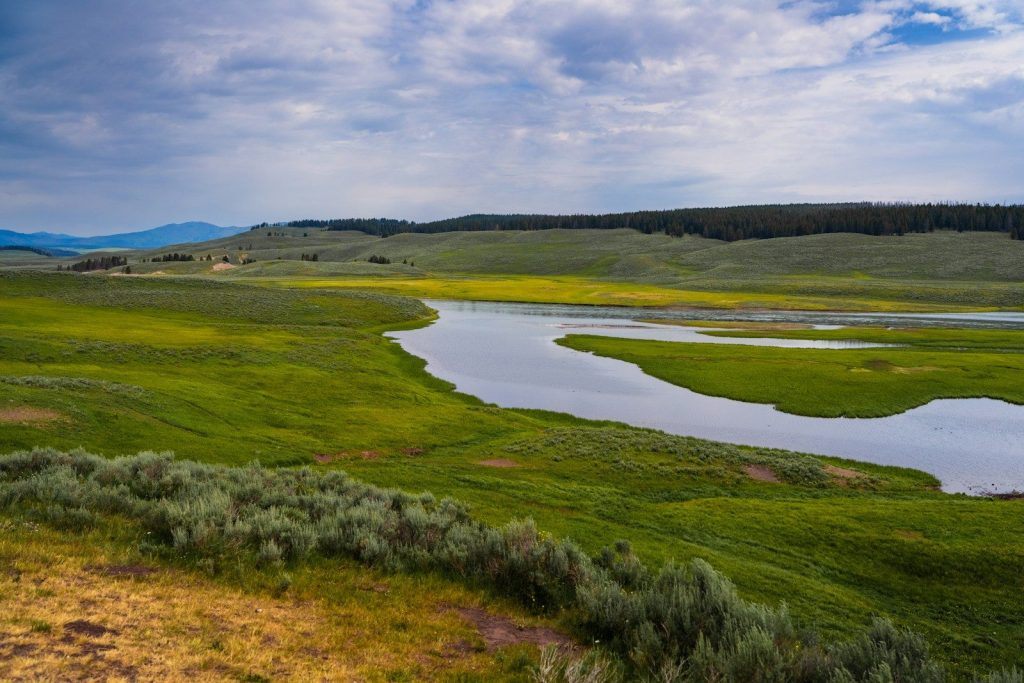
    A winding river flows through a lush green valley.
    Photo by Dennis Zhang on Unsplash

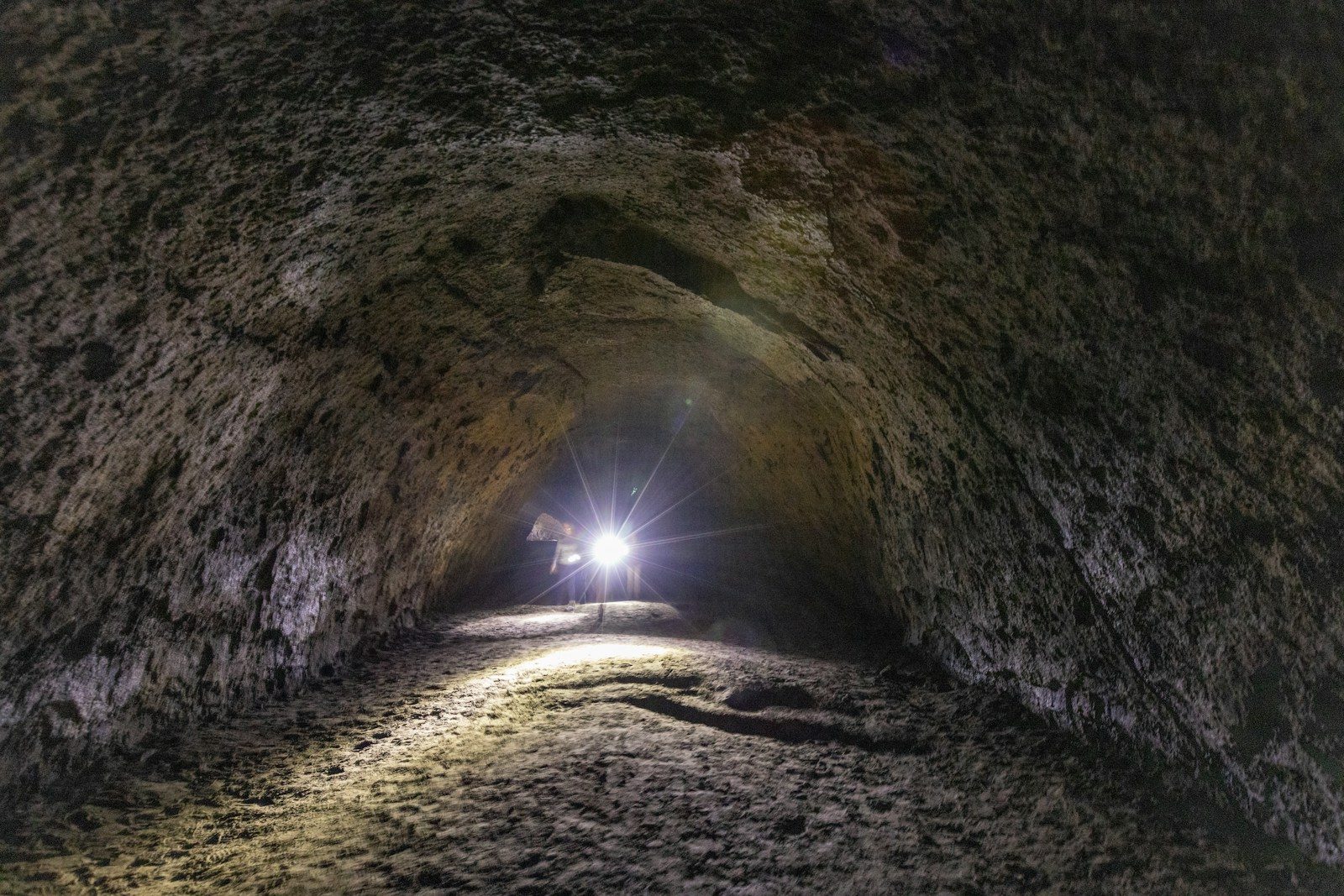
    Deep in the dry hills of southern Oregon lies a monumental archaeological treasure. According to the Bureau of Land Management, this massive system of caves dates back over twelve thousand years. It is incredibly old. The raw data stunned researchers when they first analyzed the ancient sediment layers. But the real mystery centers on how primitive groups settled this rugged territory.

    The Ancient Biological Proof

    water droplets on black wooden surface
    Photo by Mason on Unsplash

    Excavators recovered fossilized organic material that turned out to be ancient human waste. According to a study published in Science, advanced radiocarbon tests dated these organic samples to over fourteen thousand years old. They were incredibly ancient. This dating proved that humans were living in the region long before the famous Clovis hunters arrived. But the team also needed to find the tools they used.

    Missing Stone Projectiles Found

    a bunch of knives are on display in a glass case
    Photo by Eyforis Lurt on Unsplash

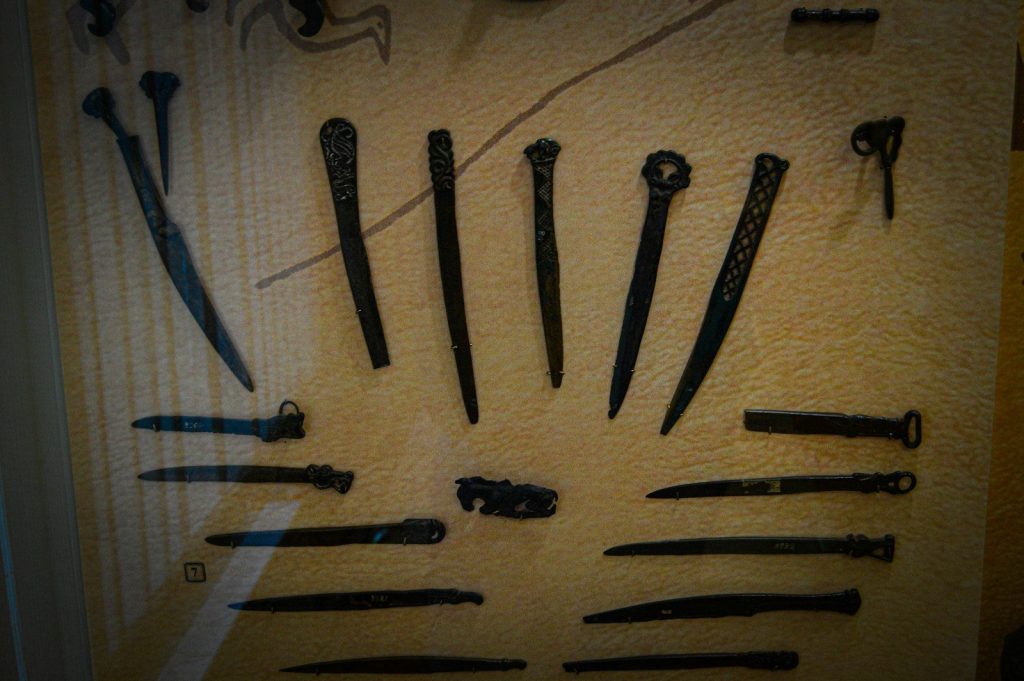
    Sifting through the cave floor revealed highly unique stone weapon tips called Western Stemmed points. According to archaeological surveys, these hand-carved stone projectiles are completely different from the standard spears found across North America. They were highly lethal. This tool style suggests that a totally separate human culture was thriving in the region at the same time. But how these early travelers arrived is another puzzle.

    Traveling Along The Coast

    a rusted boat sitting on top of a rocky beach
    Photo by Bethany Reeves on Unsplash

    Traditional migration models suggest that ice age travelers walked through a narrow inland glacier corridor. According to coastal migration theories, early groups likely used simple wooden boats to navigate the Pacific shorelines instead. They were skilled sailors. This water route allowed them to settle in places like Oregon much faster than walking across the ice. But proving this sea route required checking the local climate.

    Surviving The Green Wetland

    Aerial view of a sheep herd grazing near a winding river in lush green fields of Ordu, Turkey.
    Photo by EYÜP BELEN on Pexels

    The dry Oregon desert was once a lush basin filled with deep lakes and grassy plains. According to geological climate models, these ancient wetlands supported massive herds of camels, horses, and mammoths. The food was abundant. This rich environment provided everything the early pioneers needed to survive and multiply. But this prehistoric paradise began to shift rapidly.

    The Vanishing Ice Age

    Abstract marbling pattern with green, purple, and beige hues.
    Photo by Logan Voss on Unsplash

    Dramatic shifts in global temperatures slowly turned the green wetlands into dry sagebrush plains. According to paleoclimatologists, the rapid drying forced many large animal species into extinction over several centuries. The lakes shrank. Human populations had to adapt their hunting tools and lifestyle to survive the new environment. But the physical traces they left behind survived the dry heat.

    Unlocking Pre-Clovis DNA

    Close-up of a sepia toned vintage map highlighting Russia and Siberia.
    Photo by Nothing Ahead on Pexels

    Modern genetic mapping of the cave samples has confirmed a direct connection to early Siberian populations. According to DNA studies, these genetic markers match some of the oldest human lineages in the Americas. The link is undeniable. This biological evidence successfully bridges the gap between Asian roots and early American history. But this discovery is also changing how we search for other ancient sites.

    A Redefined Historical Journey

    Bryce Canyon, Utah
    Photo by Matthias Cooper on Unsplash

    The discoveries inside the Oregon caves prove that early human history is far more complex than textbooks show. According to archaeologists, our ancestors were brave explorers who conquered a dynamic, changing world. They were highly adaptive. This article is for informational purposes only.

    Featured Image: Photo by Mick Haupt on Unsplash

  • The Space Metal Weapon Hidden Inside King Tut’s Tomb

    The Space Metal Weapon Hidden Inside King Tut’s Tomb

    Most history lovers assume that ancient Egyptian craftsmen only worked with basic metals like copper and bronze. We believe that advanced iron metallurgy was entirely unknown until the rise of later empires.

    But a spectacular dagger discovered inside the tomb of King Tut has completely shattered this timeline. Modern scientific scans have proved that this royal weapon originated from deep space.

    The Lucky Tomb Discovery

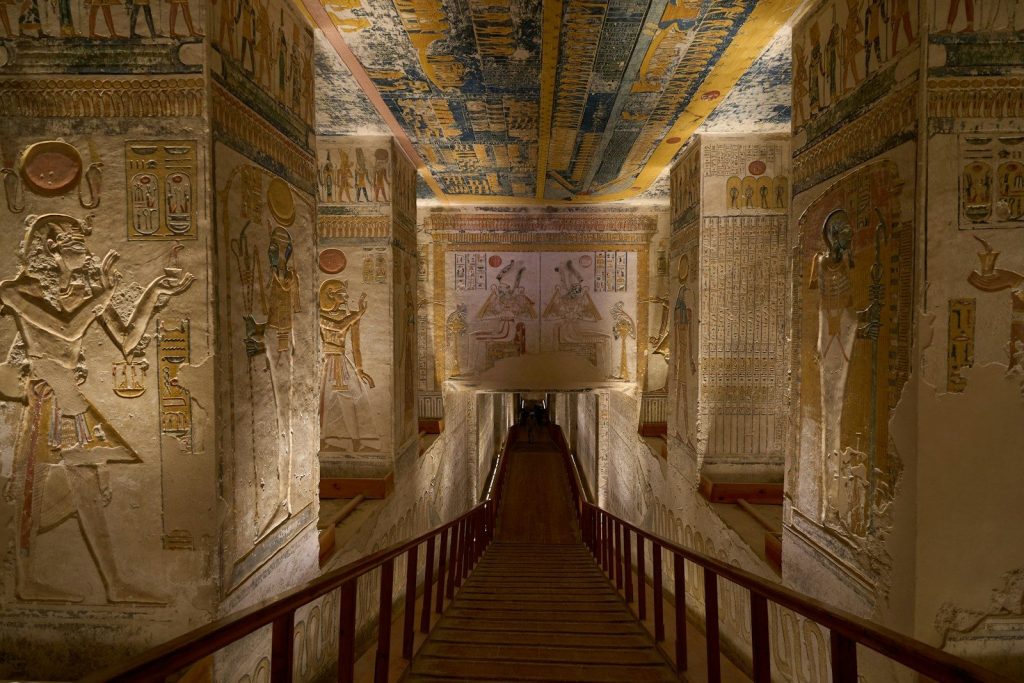
    a long hallway with paintings on the walls
    Photo by Dmitrii Zhodzishskii on Unsplash

    An elite excavation team exploring the Valley of the Kings uncovered a wealthy burial vault in 1922. According to historical archives, archaeologist Howard Carter spent years cataloging the pristine treasures. The wealth was staggering. Among the golden artifacts lay an ornate iron dagger that showed absolutely zero signs of rust. But this clean metal surface hid a highly bizarre molecular secret.

    ifting Through Iron Crystals

    a woman sitting in front of a computer monitor
    Photo by CDC on Unsplash

    The preservation of the iron blade baffled researchers who expected to find crumbling orange rust. According to a study published in Meteoritics and Planetary Science, scientists used X-ray scanners to analyze the metal. The results were shocking. The blade contained high levels of nickel and cobalt. But this specific chemical blend does not occur in standard Earth iron ores.

    Sourcing From Fallen Stars

    a large desert landscape
    Photo by Joshua Kettle on Unsplash

    The unique ratio of nickel and cobalt is a definitive fingerprint of iron meteorites. According to planetary geologists, the royal dagger was forged from a space rock that crashed into the desert. The metal fell from above. This discovery proved that ancient blacksmiths were actively harvesting meteors to create precious weapons. But how they managed to shape this hard metal remains a puzzle.

    Impossible Bronze Age Heat

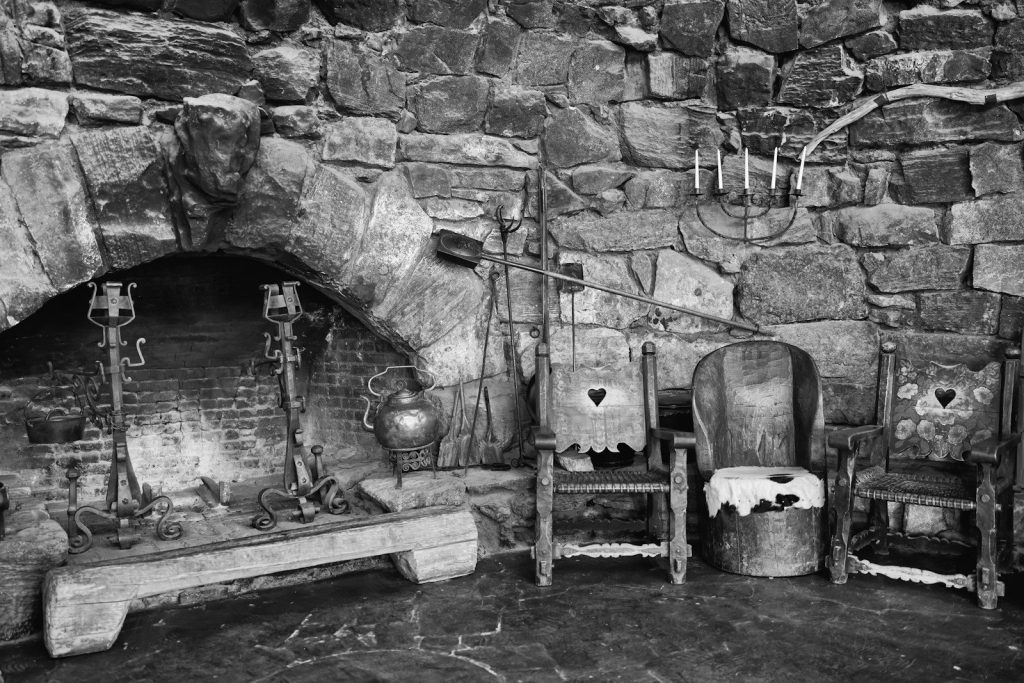
    a black and white photo of a stone fireplace
    Photo by Keith Jonson on Unsplash

    Forging iron requires temperatures exceeding 1500 degrees Celsius, which bronze age furnaces could not reach. According to structural engineers, early artisans likely used a cold-working technique to hammer the meteorite metal. The work was intense. This delicate process required extreme skill to prevent the rare space metal from cracking. But the Egyptians had a highly specific name for this iron.

    Iron From The Sky

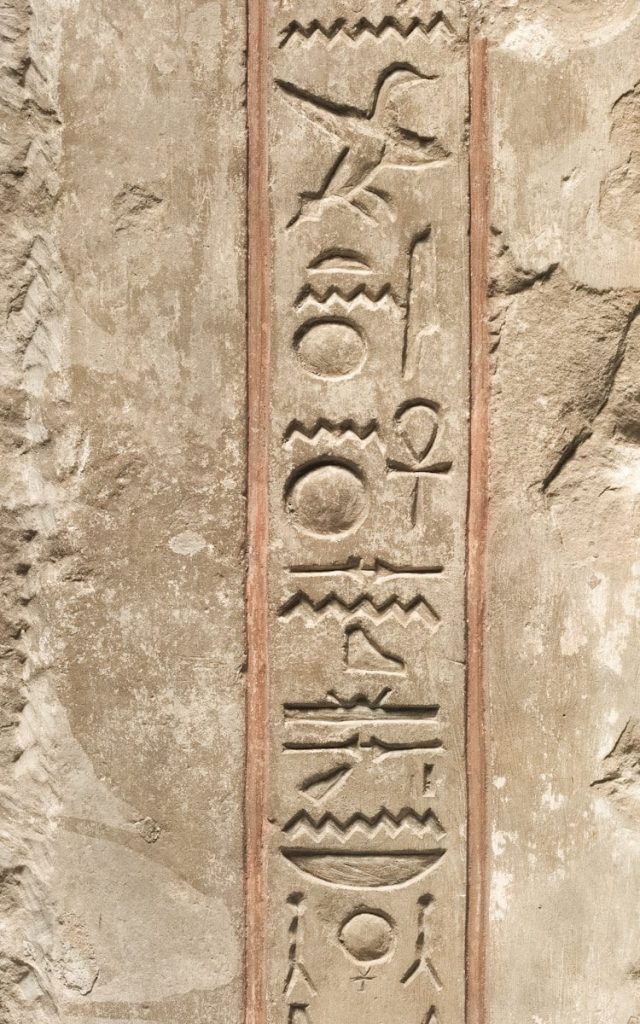
    Ancient egyptian hieroglyphs carved into stone
    Photo by The Cleveland Museum of Art on Unsplash

    Ancient hieroglyphic texts from the era begin using a new term that translates directly to iron from the sky. According to classical historians, the Egyptians believed that these fallen stones were literal gifts from the gods. The connection was sacred. This explains why the space dagger was placed directly next to the mummified king. But this royal weapon was not the only space artifact.

    The Cosmic Scarab Amulet

    Detailed view of a necklace featuring raw gemstone beads with a natural aesthetic.
    Photo by Alexey Demidov on Pexels

    A beautiful yellow gemstone set in the king’s pectoral jewelry also had a cosmic origin. According to mineral analysts, the translucent scarab was carved from Libyan desert glass. The glass is ancient. This rare silica formed when a massive meteorite exploded over the sand dunes millions of years ago. But tracing these cosmic items is rewriting our view of ancient trade.

    Mapping Prehistoric Trade Networks

    Close-up of a vintage map showing the Indian Ocean with detailed geographic features.
    Photo by Nothing Ahead on Pexels

    The specific meteorite used for the dagger blade matches a fallen rock located hundreds of miles away. According to archaeological surveys, the space iron was likely traded across vast distances before reaching the royal court. The routes were active. This proves that early empires possessed incredibly complex supply channels. But the ultimate legacy of these cosmic treasures continues to inspire.

    Decoding Our Ancient Past

    the sun shines brightly through the columns of a building
    Photo by Jeison Higuita on Unsplash

    The space dagger of King Tut proves that ancient societies were highly resourceful and technologically adaptive. According to researchers, studying these space metal artifacts helps us understand the true limits of early human engineering. The soil holds secrets. This article is for informational purposes only.

    Featured Image: Photo by Vlad Markov on Unsplash

  • The Secret Underground Tunnels Beneath Abydos Temple Ruins

    The Secret Underground Tunnels Beneath Abydos Temple Ruins

    Archaeology lovers assume that centuries of heavy digging have mapped every single corner of the Abydos Temple. We believe that the dusty stone walls hold no more architectural surprises.

    But a spectacular excavation has revealed a sprawling subterranean structure hidden beneath the sand. This ancient underworld chamber matches high-tech scans with absolute physical precision.

    The Lost Abydos Sanctuary

    Workers are laboring, likely mixing mud or clay.
    Photo by Avinash Narnaware on Unsplash

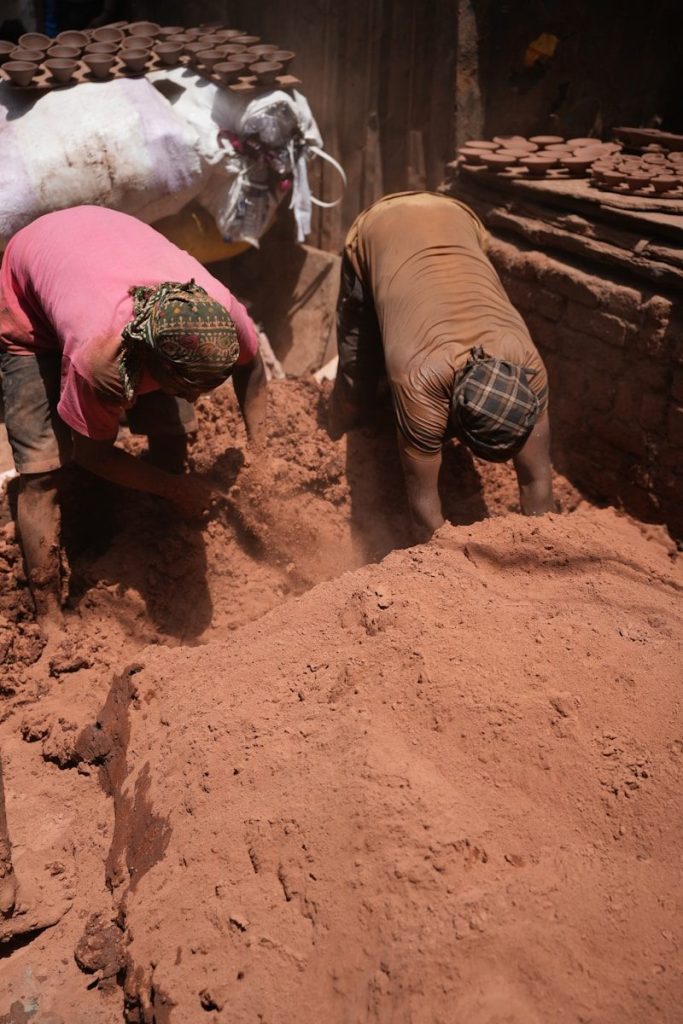
    Operating near the oldest step pyramid structures reveals a highly complex ancient layout. According to reports from the Egyptian Ministry of Antiquities, archaeologists uncovered a massive foundation buried under the sand. The site was sacred. This forgotten construction belonged to a lost sun temple from the early dynasties. But this stone floor was hiding a much older structural secret.

    Discovering Hidden Chambers

    bottom view of deep well during daytime
    Photo by hajperlink on Unsplash

    Excavators carefully clearing away the heavy dirt layers hit solid limestone structures. According to archaeological researchers, the team uncovered a deep shaft dropping straight down into the pitch-black earth. It was terrifying. This vertical passage descended over thirty feet below the main temple floor. But what lay waiting at the bottom would reward their dangerous descent.

    Untouched For Millennia

    Ornate arched hallway with statues and painted ceilings.
    Photo by Bai on Unsplash

    Peering into the dusty subterranean vaults revealed a breathtaking historical scene. According to museum curators, they discovered stacked wooden coffins and royal pottery in pristine condition. They were incredibly colorful. The brilliant paint and detailed glyphs remained bright despite the passage of three thousand years. But these elaborate coffin designs suggested the occupants held high status in ancient society.

    The Sealed Sarcophagi

    brown and gray concrete brick
    Photo by Ruben Hanssen on Unsplash

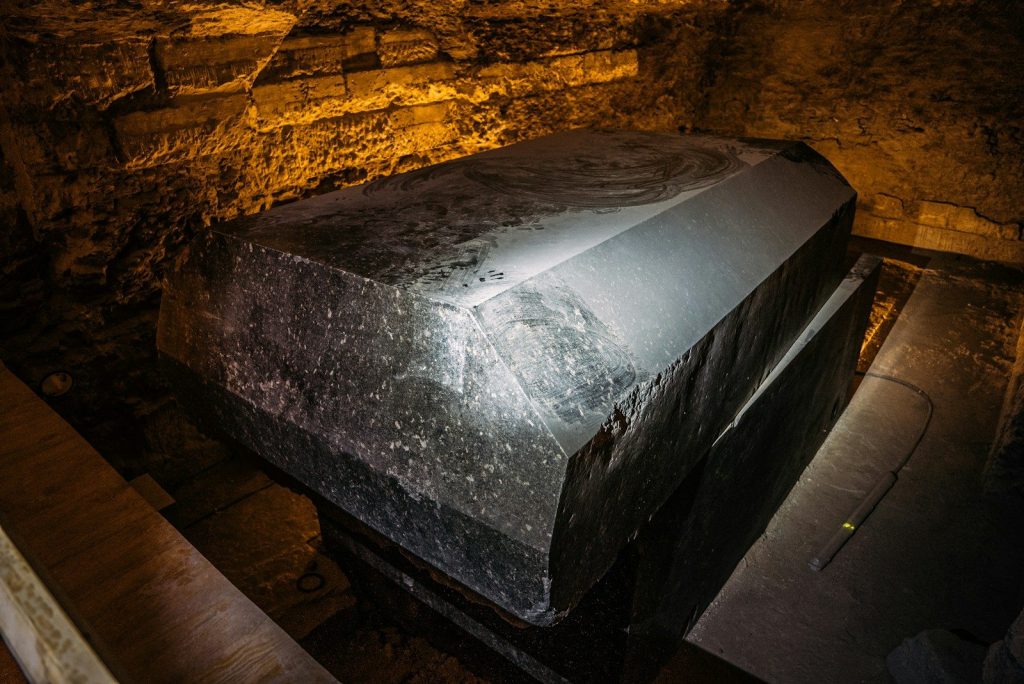
    Lifting the heavy stone lids required extreme care and modern engineering tools. According to excavation files, several large limestone sarcophagi remained completely sealed since the day of burial. The seal was perfect. Researchers realized they were looking at an undisturbed cemetery of ancient elites. But opening these ancient tombs required a delicate touch to prevent immediate decay.

    Guardians Of The Dead

    brown concrete blocks on brown sand
    Photo by Saj Shafique on Unsplash

    Ancient priests went to extreme lengths to protect these burials from tomb raiders. According to classical historians, the deep shafts were packed with heavy sand and massive stone blocks. It was a fortress. This clever engineering successfully kept the precious gold artifacts safe from thieves for centuries. But the burial chambers held more than just valuable treasures.

    Mummies In The Shadows

    gold buddha statue on black and gold wall
    Photo by I Do Nothing But Love on Unsplash

    Inside the coffins lay the mummified remains of powerful priests and royal officials. According to CT scanning results, these ancient individuals received elaborate mummification treatments to preserve their bodies. The results were stunning. The scans revealed intricate amulets made of gold and precious stones hidden within the linen wrappings. But the identity of one specific mummy caught researchers off guard.

    A Lost Dynasty Revealed

    Ancient hieroglyphs carved into stone wall
    Photo by Dave Meckler on Unsplash

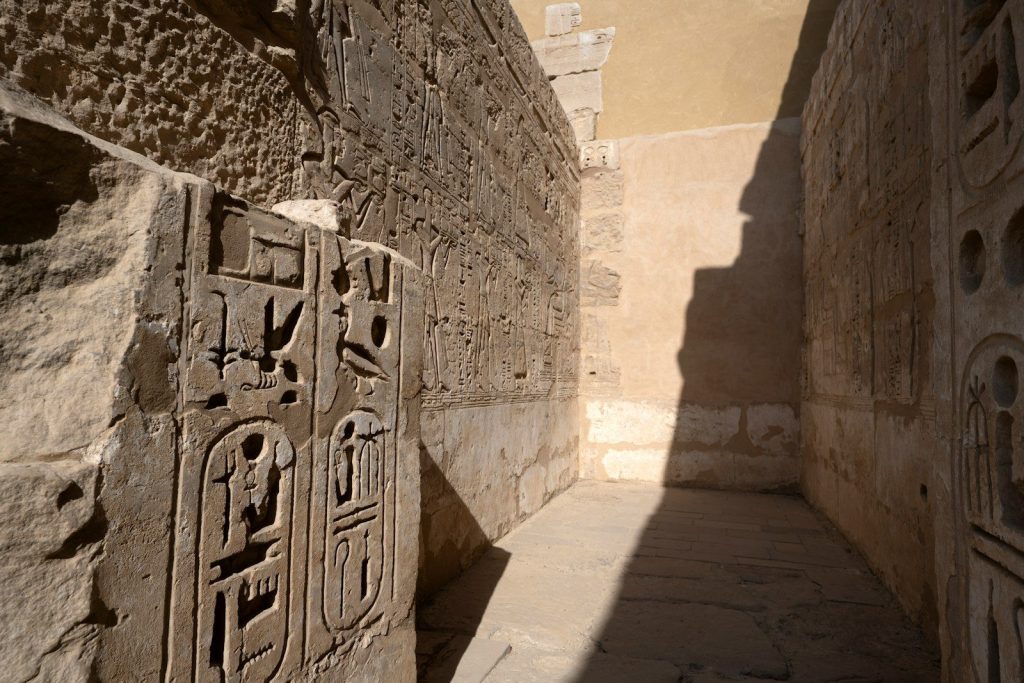
    Hieroglyphs carved on the coffin walls began to tell a lost historical story. According to reports from the Cairo Research Institute, the names and titles point to a wealthy elite class during a turbulent transition era. The history was forgotten. This discovery is helping scholars piece together the political shifts of ancient Egypt. But many unexplored shafts still run deep beneath the desert sand.

    Secrets Of The Sands

    Stunning capture of rippled sand dunes under soft evening light in a vast desert.
    Photo by Francesco Ungaro on Pexels

    The discoveries at Abydos prove that Egypt still holds boundless mysteries beneath the surface. According to modern Egyptologists, only a fraction of the ancient necropolis has been mapped. The desert hides secrets. This article is for informational purposes only.

    Featured Image: Photo by Karsten Winegeart on Unsplash

  • How Science Quietly Proved Famous Historical Myths Wrong

    How Science Quietly Proved Famous Historical Myths Wrong

    Most history students believe that famous stories about the ancient world are absolute facts. We assume that popular legends handed down through generations must be true.

    But modern forensic science is quietly dismantling some of our most cherished historical narratives. Researchers are using advanced technology to uncover the real truth behind these myths.

    Exposing The Trojan Horse

    a very tall metal structure with a clock on it's side
    Photo by Alexandr Istomin on Unsplash

    The legendary story of the giant wooden horse used to conquer Troy is famous worldwide. According to reports from Oxford University, no physical evidence of this massive wooden structure has ever been found. It was a myth. Most classicists now believe the horse was a poetic metaphor for a battering ram. But this is not the only ancient military tale to fall apart.

    The Horned Viking Lie

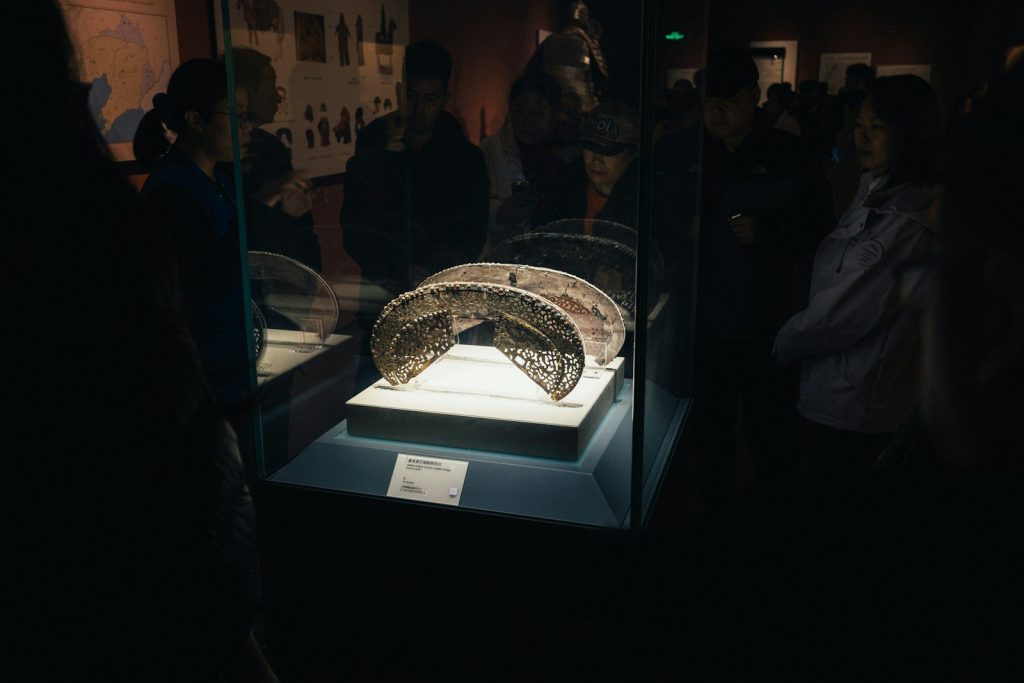
    People looking at an artifact in a museum exhibit.
    Photo by LISK OBE on Unsplash

    Popular media always depict brutal Viking warriors wearing heavy horned helmets in battle. According to museum curators, these famous helmets were actually created by nineteenth-century costume designers. They were theatrical. Real Viking headgear was simple, rounded iron designed purely for protection. But another massive historical misconception involves the builders of the pyramids.

    Unshackling The Pyramid Builders

    A group of men kneeling down next to each other
    Photo by Aleksander Stypczynski on Unsplash

    Many people still believe that cruel slave labor constructed the colossal pyramids of Egypt. According to official tomb excavations, the workers were actually well-paid laborers who ate premium meat. They were proud. The discoveries of worker villages prove they received medical care and honorable burials near the pharaohs. But science is also changing how we see famous rulers.

    The Real Cleopatra Identity

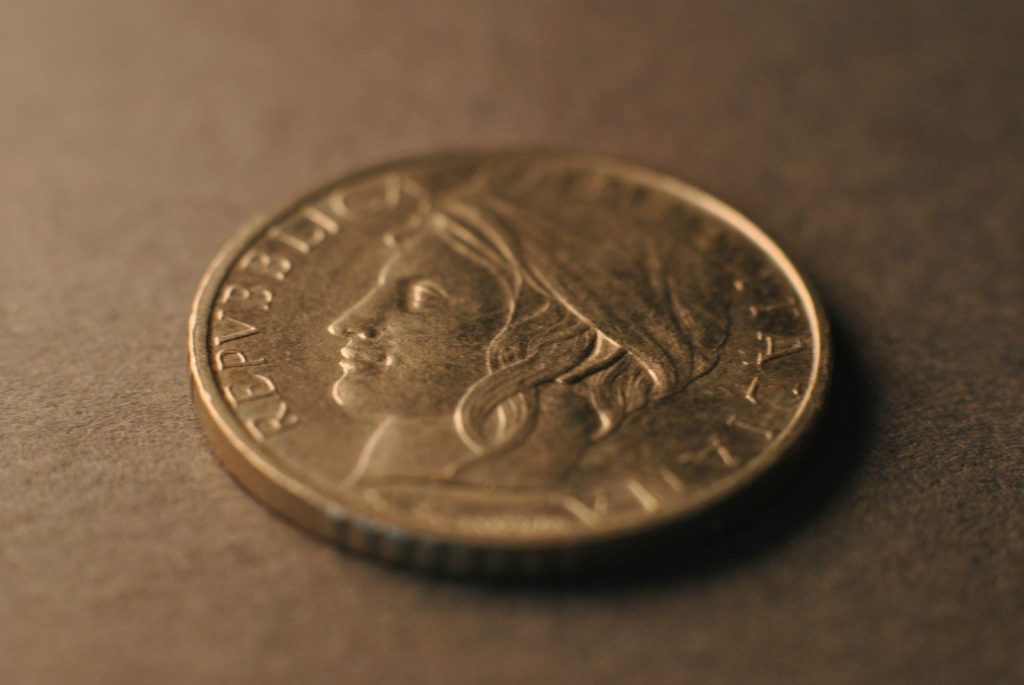
    A close up of a coin on a table
    Photo by Roman Manshin on Unsplash

    Hollywood has long portrayed Cleopatra as a legendary beauty who used seduction to rule. According to ancient coin portraits, she possessed conventional features and focused heavily on politics. She was brilliant. Historical records show she spoke nine languages and studied advanced mathematics. But even famous events from American history are being corrected by researchers.

    The True Salem Story

    a close up of a pile of paper on a table
    Photo by Towfiqu barbhuiya on Unsplash

    Popular folklore suggests that the Salem witch trials involved burning accused women at the stake. According to court records from the seventeenth century, none of the victims was actually burned. They were hanged. English law at the time did not permit burning for the crime of witchcraft. But modern technology is digging even deeper into the distant past.

    Tracing The Real Pirates

    A detailed view inside a ship's corridor, showcasing nautical architecture and design.
    Photo by Erik Mclean on Pexels

    Swashbuckling stories of pirates burying giant chests of gold on remote islands are mostly fiction. According to maritime historians, real pirates spent their stolen wealth immediately on food and supplies. They were desperate. Only one documented pirate ever buried treasure, and it was quickly recovered. But these corrected myths show why we must keep questioning the past.

    Reclaiming True History

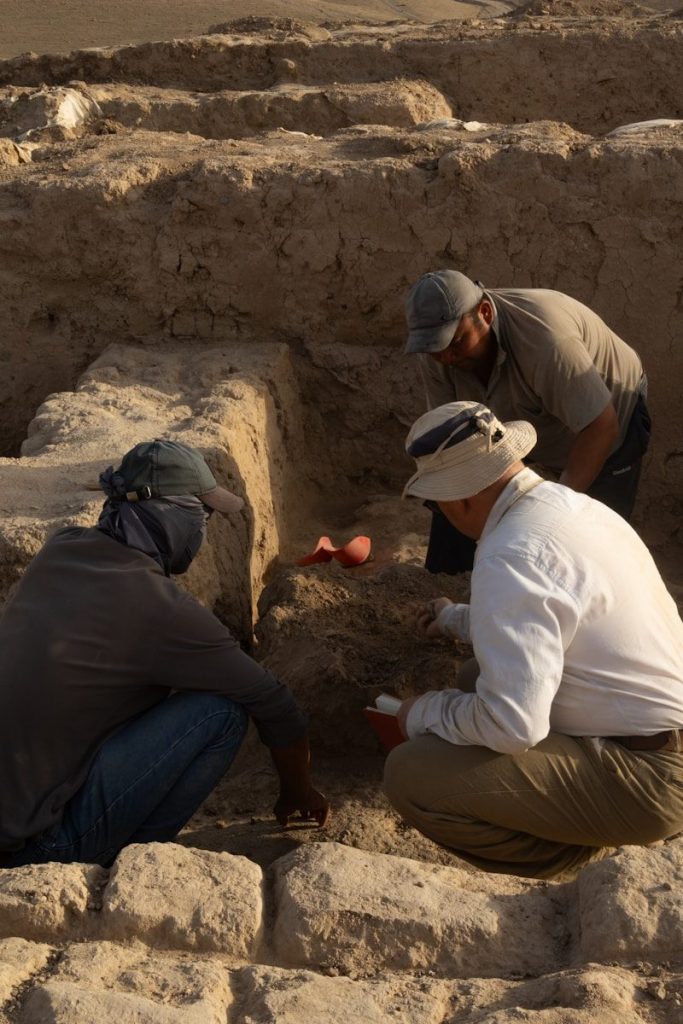
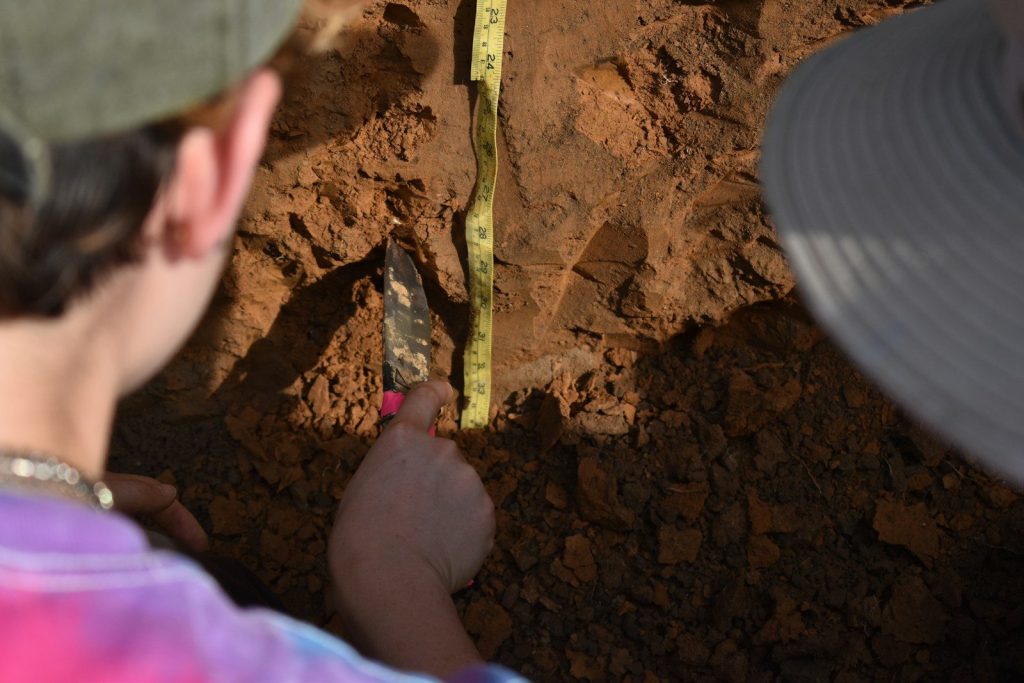
    People are examining the soil with a measuring tape.
    Photo by Clare Tallamy on Unsplash

    Separating romantic myths from historical reality allows us to appreciate the true complexity of human life. According to researchers, forensic tools are helpfully stripping away centuries of fictional embellishments. The truth is better. This article is for informational purposes only.

    Featured Image: Photo by Edward Jenner on Pexels
  • How Overlooked Stone Relics Hidden In Plain Sight Built The Pyramids

    How Overlooked Stone Relics Hidden In Plain Sight Built The Pyramids

    Most people assume that ancient Egyptians raised their massive monuments using only simple dirt ramps and sheer human muscle. We believe that the builders lacked any form of advanced mechanical technology.

    But a groundbreaking engineering study has challenged this traditional narrative. Researchers have identified strange stone artifacts that functioned as highly complex machinery.

    Reimagining Primitive Labor

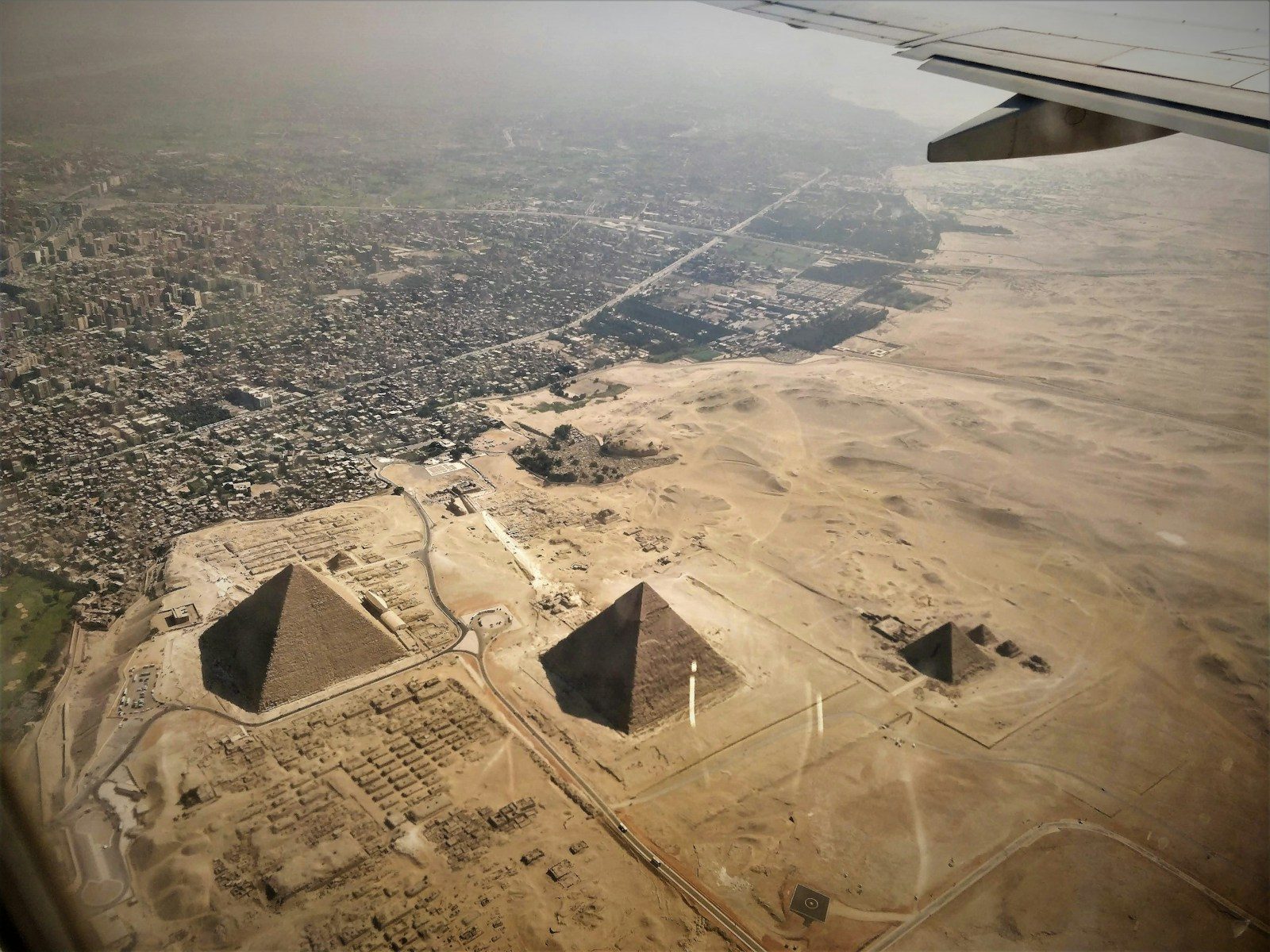
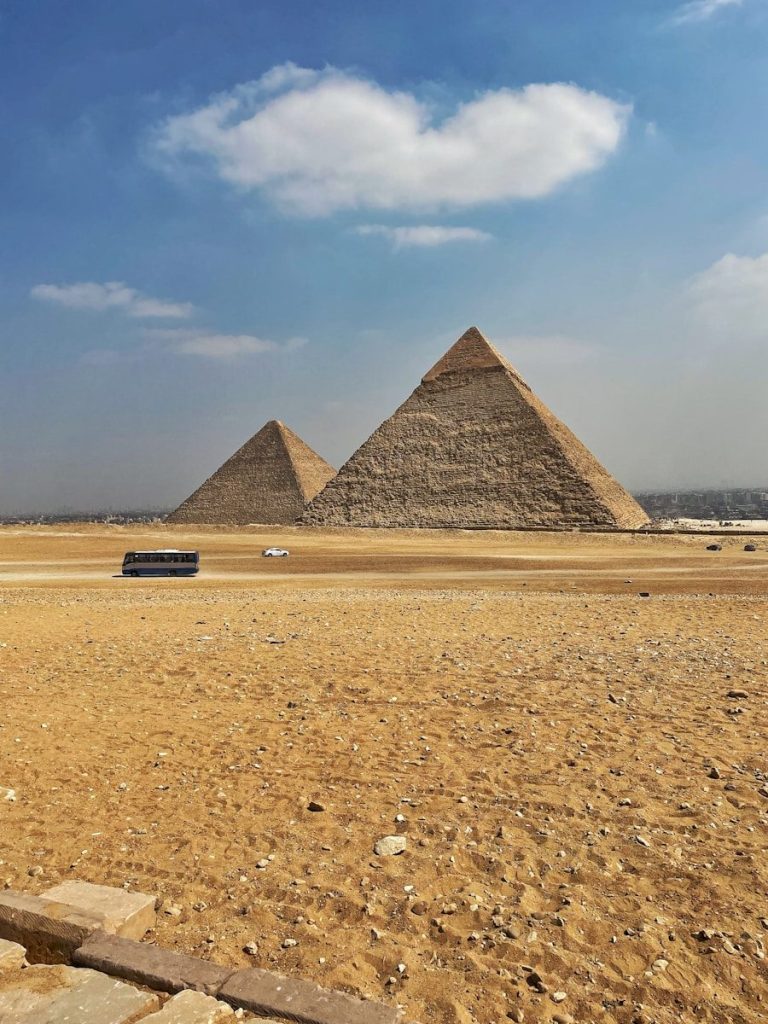
    the pyramids of giza are in the desert
    Photo by Youssef Ragab on Unsplash

    For centuries, scholars assumed that thousands of workers dragged heavy limestone blocks up incredibly long ramps. According to reports from the Land Decompression Institute, building such massive sand slopes would require more material than the pyramids themselves. The math fails. This physical limitation has forced modern engineers to search for a more logical building method. But the answer was already resting in museum collections.

    Bizarre Stone Grooves

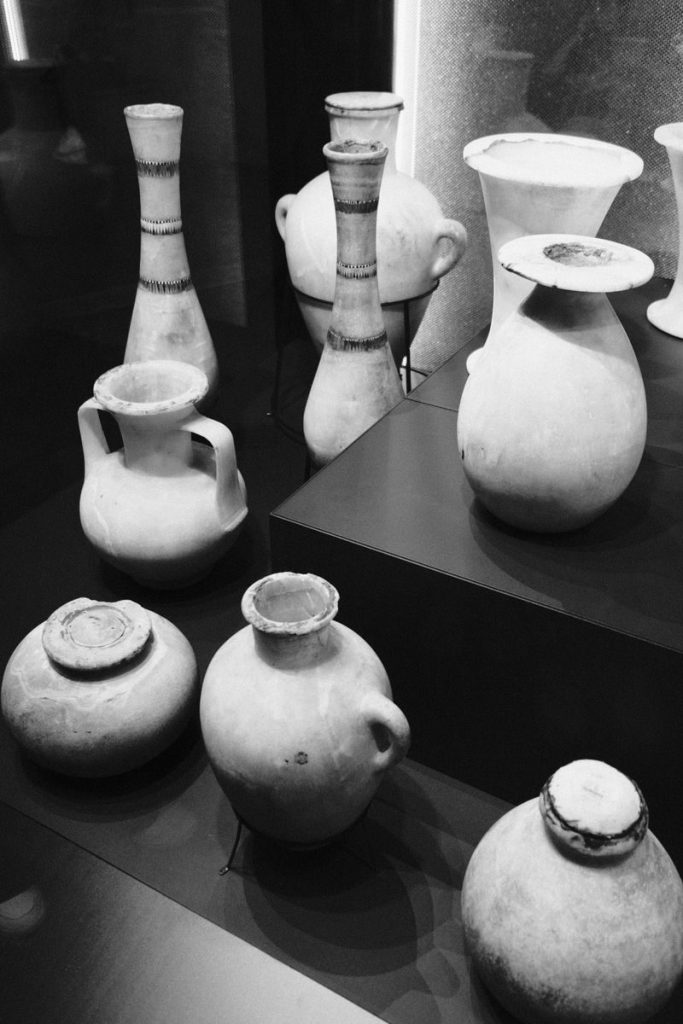
    A display of ancient ceramic vessels in a museum setting, captured in black and white.
    Photo by Agung Pandit Wiguna on Pexels

    A close inspection of several ancient granite blocks revealed highly unusual structural patterns. According to mechanical engineers, these polished stones feature deep parallel channels and precise circular holes. The details are perfect. For generations, curators classified these items as simple religious altars or decorative vases. But these stones actually served a highly active mechanical purpose during construction.

    The Counterweight Principle

    a close up of a metal object with a tree in the background
    Photo by Brett Jordan on Unsplash

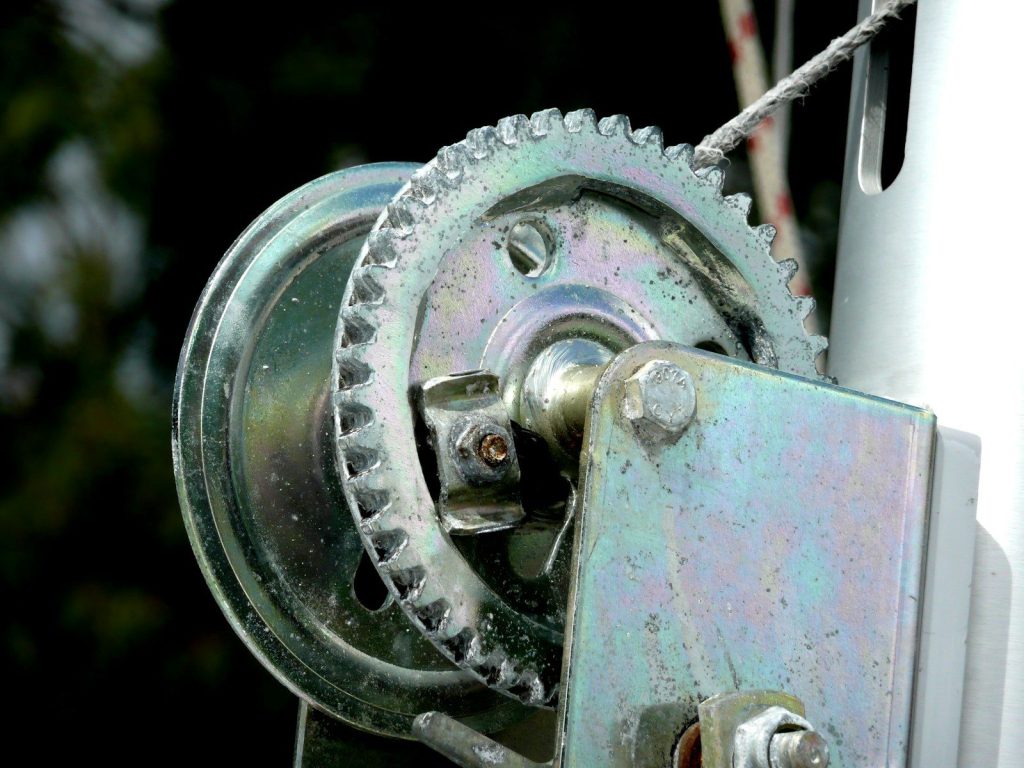
    The strange stone relics likely operated as heavy pulley wheels and sliding counterweights. According to hydraulic modeling software, ancient builders used water channels and weighted blocks to lift massive materials. The lift was effortless. This mechanical setup allowed workers to elevate giant stones by letting a heavier weight slide downward. But managing this fluid pressure required a very specific design.

    Hidden Water Shafts

    Industrial interior with lights and circular structures
    Photo by Christopher Politano on Unsplash

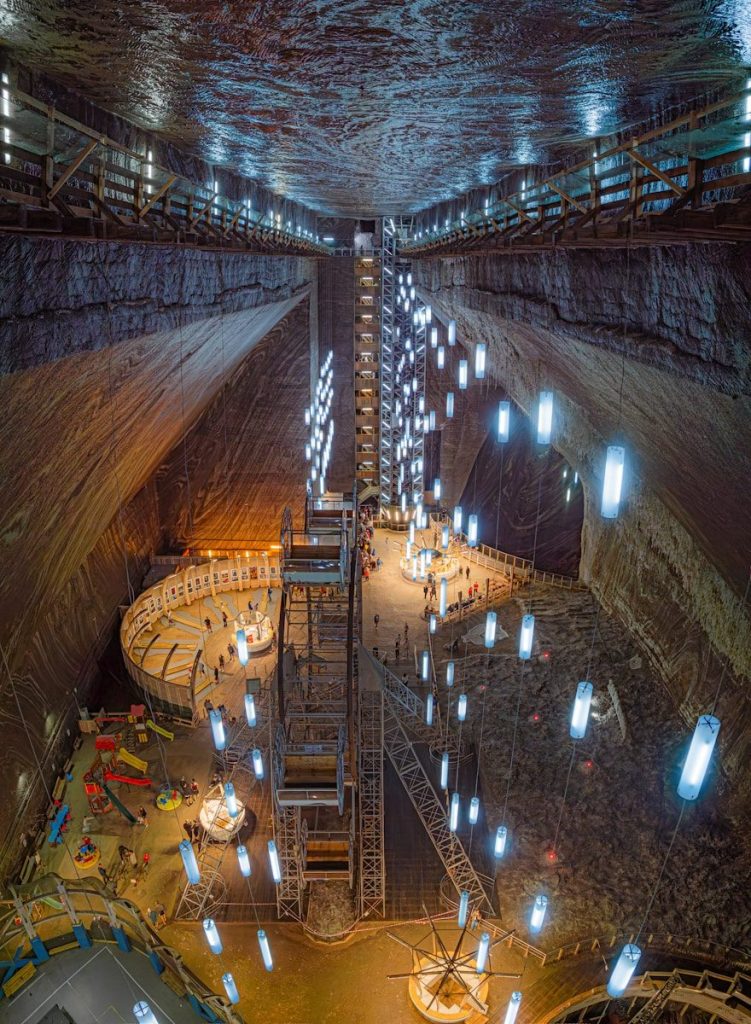
    Excavating the vertical chambers inside the oldest pyramids revealed a direct connection to underground aquifers. According to archaeological geologists, these deep shafts could be filled with water to float heavy wooden platforms. The well was deep. This hydraulic lift allowed workers to move granite blocks up without dragging them. But controlling this water flow required a series of sliding gates.

    Sliding Stone Valves

    Rough stone wall with a dark, triangular opening.
    Photo by Roger Starnes Sr on Unsplash

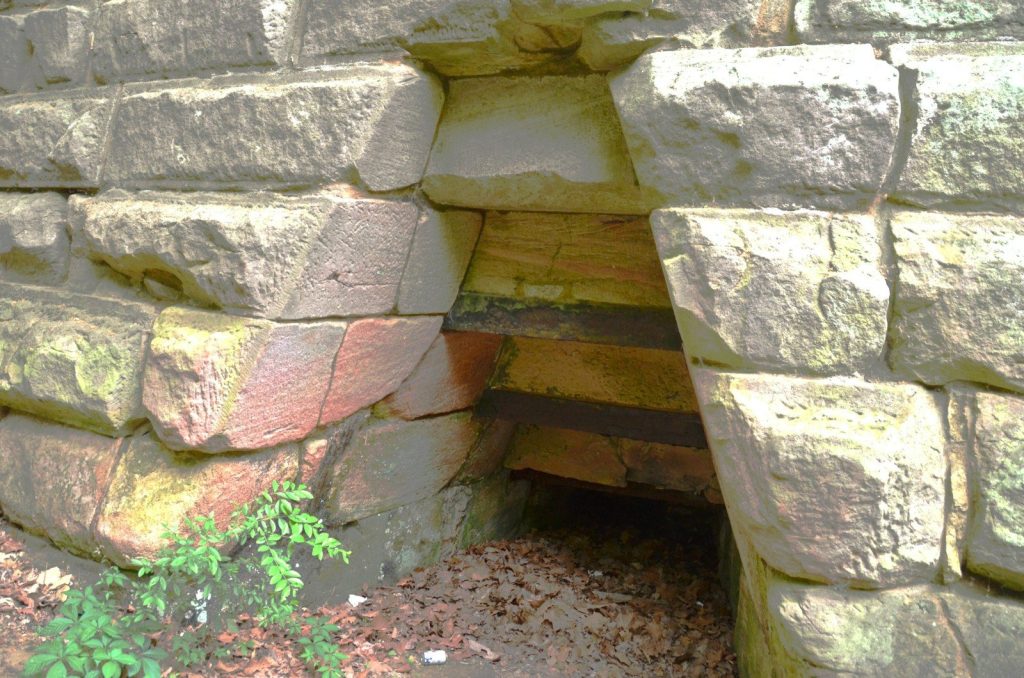
    Several large rectangular blocks found inside the subterranean channels operated as primitive valves. According to structural analysts, workers could raise or lower these stone gates to regulate the internal water pressure. The seal was tight. This precise pressure control kept the hydraulic platforms moving in a highly predictable manner. But proving this theory requires looking at the surrounding landscape.

    Massive Overflow Pools

    a large pile of rocks sitting in the middle of a desert
    Photo by oCDr on Unsplash

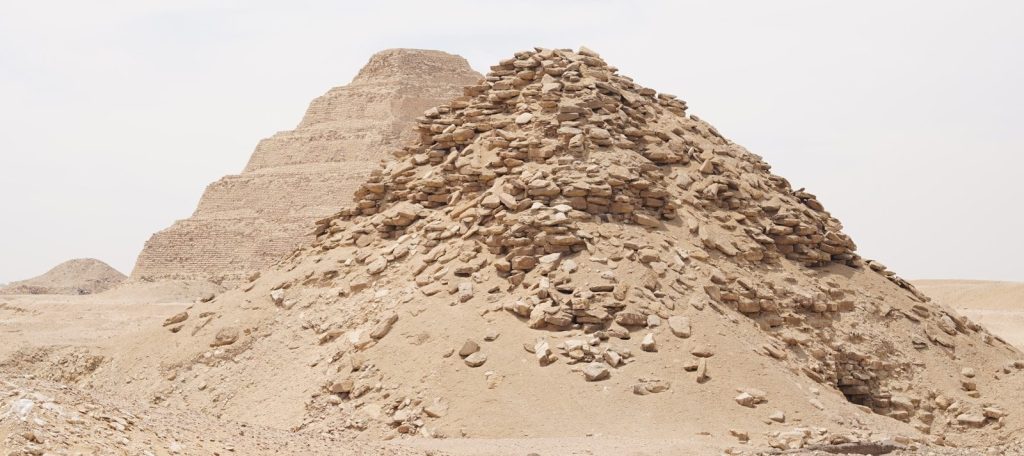
    A series of deep basins surrounding the ancient monuments functioned as settling pools for the water system. According to a study published in PLOS One, these reservoirs collected sand and sediment before they could clog the valves. They were massive. This advanced filtration system kept the entire hydraulic network running smoothly during construction. But some traditional historians still reject this complex mechanical view.

    Legacy Of Geniuses

    people walking on concrete building during daytime
    Photo by CALIN STAN on Unsplash

    This hydraulic elevator theory proves that ancient builders possessed a master grasp of physics and fluid mechanics. According to researchers, studying these forgotten stone relics helps us appreciate the true scale of early human intelligence. Nature always surprises us. This article is for informational purposes only.

    Featured Image: Photo by Brett A on Pexels
  • How Ancient Dirt Uncovered Real Biblical History

    How Ancient Dirt Uncovered Real Biblical History

    Most history students assume that biblical figures are simply legendary characters found only in ancient religious scrolls. We believe that we will never find hard archaeological evidence validating their real lives.

    But modern researchers digging in the Middle East are discovering stunning physical artifacts. Their scientific excavations are turning ancient dust into definitive historical proof of forgotten kingdoms.

    The Clay Seal Discovery

    a close up of a leaf
    Photo by Ian Talmacs on Unsplash

    Archaeologists sifting through ancient dirt near historic ruins recovered a collection of tiny clay seals. According to reports from Hebrew University, these small artifacts were used to stamp official royal documents during the Iron Age. They were tiny. The clear inscriptions featured the exact names of kings who were previously considered purely mythical. But this discovery was only the first breakthrough in the soil.

    The Secret Royal Inscriptions

    A close up of a carving of a man's face
    Photo by Valdhy Mbemba on Unsplash

    Digging deeper into old city ruins revealed massive stone tablets displaying complex official announcements. According to ancient language experts, these monument carvings describe political alliances that match biblical records in perfect detail. The stone speaks. This physical writing provides an independent record of historical events from outside religious texts. But some excavations have revealed the actual physical properties of legendary structures.

    Rebuilding Solomon’s Gateways

    a black and white photo of a stone archway
    Photo by Norma on Unsplash

    Excavations at multiple distinct ruins uncovered identical massive defensive gates built with highly precise planning. According to architectural researchers, the matching designs of these structures point to a centralized royal building program. The structures were grand. Finding these gates proves that a highly organized kingdom existed during this contested archaeological timeline. But the contents of ancient trash heaps hold even more intimate details.

    Decoding Ancient Food Scraps

    man in gray jacket and brown pants sitting on brown rock during daytime
    Photo by JR Harris on Unsplash

    Analyzing the physical remains of household waste piles reveals what ancient populations actually ate. According to chemical analysis reports, organic traces show a sudden shift in local diets that matches historical migrations. The truth is hidden. This dietary analysis helps trace the movement of specific cultures across borders during times of intense conflict. But mapping these ancient borders requires examining royal military fortresses.

    Border Forts Unlocking Trade

    green mountain under white clouds during daytime
    Photo by Anton Maksimov 5642.su on Unsplash

    Geologists mapping remote mountain paths discovered fortified outposts designed to monitor old trade routes. According to desert archaeology teams, these high-altitude outposts protected vital copper mines and trade caravans. The desert was harsh. The sheer scale of these operations confirms the economic power of the early rulers in this region. But a unique pottery discovery would soon tie these sites directly to the kings.

    The King Signature Pots

    Rows of white archive boxes on wooden shelves
    Photo by Luke Caunt on Unsplash

    Excavating royal storehouses revealed thousands of massive storage jars marked with official government stamps. According to artifact analysts, these jars were used to collect taxes in the form of oil and grain. This system was smart. It proves that the early administration possessed an incredibly complex economy and bureaucracy. But researchers believe the surrounding hills are hiding far older secrets.

    Unearthing Our Common Roots

    Person on a rocky ledge overlooking a vast desert canyon.
    Photo by SALEH on Unsplash

    Modern science is slowly bridging the gap between ancient written legends and the physical reality of the past. According to historians, every physical discovery helps paint a much clearer picture of human civilization. The soil remembers. This article is for informational purposes only.

    Featured Image: Photo by mostafa tabatabaei on Unsplash

  • The Impossible Ancient Metallic Treasure Defying Modern Archaeological Timelines

    The Impossible Ancient Metallic Treasure Defying Modern Archaeological Timelines

    Most history lovers assume that ancient cultures only possessed basic metalworking skills like simple copper smelting. We believe that advanced metal alloys were entirely unknown until the rise of modern industrial factories.

    But a stunning archaeological find has completely shattered this clean historical timeline. A massive cache of ancient treasure has revealed complex manufacturing techniques that seem impossible for its age.

    A Lucky Discovery

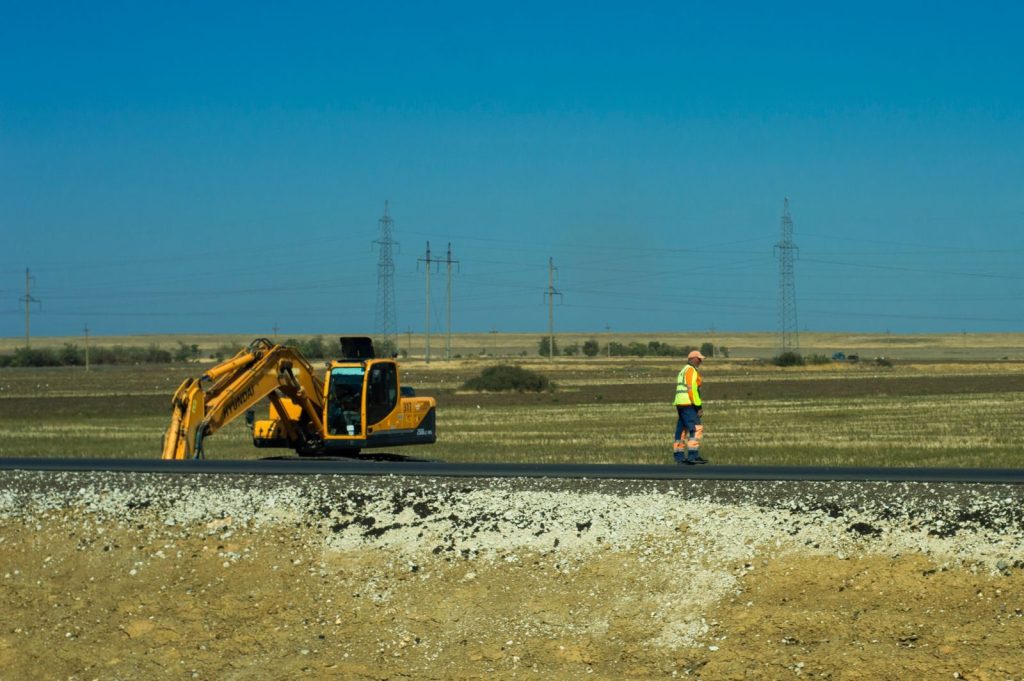
    Man working on a road construction site with an excavator outdoors.
    Photo by Павел Хлыстунов on Pexels
    An amateur explorer searching a remote European field recovered a heavy collection of ancient metallic objects. According to archaeological reports, the treasure weighed over twenty pounds and was buried inside a clay vessel. It was bright. The finder immediately realized that the unique designs did not match any local historical styles. But the physical age of the metal would soon shock the scientific community.

    Reaching Back Millennia

    a couple of machines sitting on top of a table
    Photo by Guille B on Unsplash

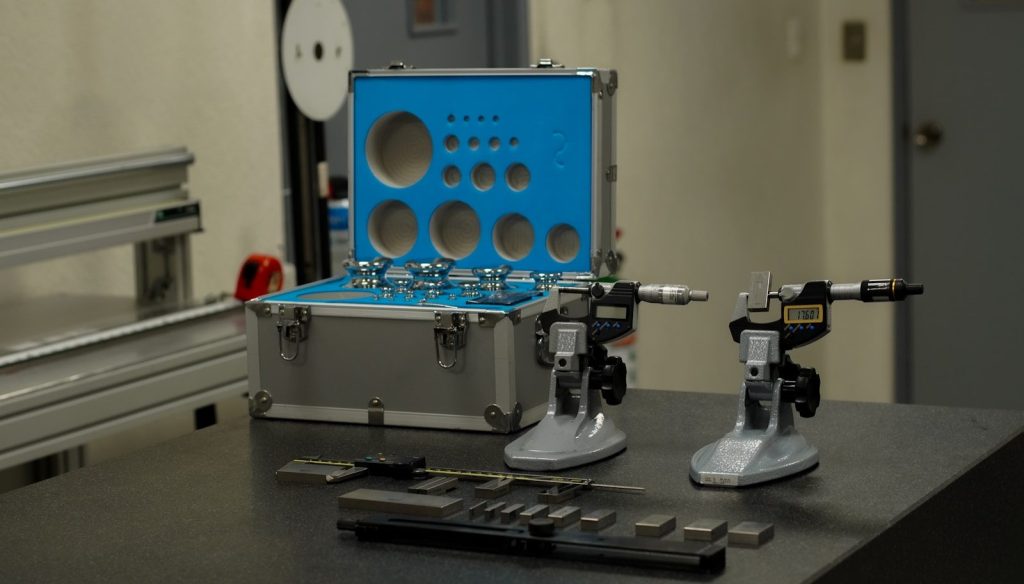
    Advanced laboratory testing confirmed that the metallic hoard was crafted thousands of years ago. According to radiocarbon dating tests, the objects were buried during the early Bronze Age. The dates shocked me. This extreme age means the creators were using highly sophisticated metallurgy techniques long before traditional civilizations arose. But analyzing the molecular structure of the metal would reveal an even greater puzzle.

    The Impossible Alloy

    a bunch of metal objects hanging from a wire fence
    Photo by Nigel Hoare on Unsplash

    Chemical analysis of the artifacts revealed a highly precise blend of rare metallic elements. According to material science researchers, the alloy contained specific structural components that require extreme heat to fuse properly. It was flawless. No known ancient furnace possessed the capability to reach the temperatures required to melt these metals. But scientists still had to determine where the raw materials originated.
    Sourcing From Space

    A close up of a metal object on a wooden surface
    Photo by Trnava University on Unsplash

    Spectral scanning of the metal showed high concentrations of nickel and cobalt. According to planetary geologists, this specific chemical signature is highly characteristic of iron meteorite fragments. The metal fell. Prehistoric craftsmen were actively harvesting fallen space rocks to forge their most precious symbolic weapons. But the sheer precision of the final shapes suggested they used highly advanced tools.

    The Intricate Carvings

    black and silver metal tool
    Photo by Apex 360 on Unsplash

    High-powered microscopes showed that the metallic surface was covered in microscopic geometric engravings. According to conservation studies, the lines are so perfectly aligned that they appear mechanically carved. They were precise. Standard hand tools should have left behind erratic slip marks and uneven groove depths on hard metal. But this clean surface suggests the use of a highly sophisticated manufacturing method.

    Rewriting Ancient History

    Grand interior of a library with bookshelves and people
    Photo by niko n on Unsplash

    Finding such an advanced artifact forces us to completely reconsider the capabilities of prehistoric societies. According to historical scholars, early humans were far more technologically capable than modern textbooks suggest. They were pioneers. This realization is pushing research teams to search for other lost industrial sites across the region. But some skeptics remain entirely unconvinced by the early dates.

    Deciphering Our Past

    sun rays coming through the cave
    Photo by visualsofdana on Unsplash

    This impossible ancient treasure proves that human history is filled with sudden leaps in technology. According to archaeologists, mapping these ancient metals helps us understand the true limits of early human engineering. The story is evolving. This article is for informational purposes only.

    Featured Image: Photo by Grianghraf on Unsplash