Category: Science & History

  • The Overlooked Physical Blind Spots That Ruined Massive Projects

    The Overlooked Physical Blind Spots That Ruined Massive Projects

    Most taxpayers assume that large building projects are always designed with flawless structural calculations. We believe that professional architects never overlook simple environmental forces.

    But spectacular engineering failures have repeatedly proved how easily a tiny blind spot can ruin a project. These structural errors reveal highly surprising lessons about material science.

    The Wobbling Bridge Disaster

    a large bridge over a body of water
    Photo by Julian Hochgesang on Unsplash

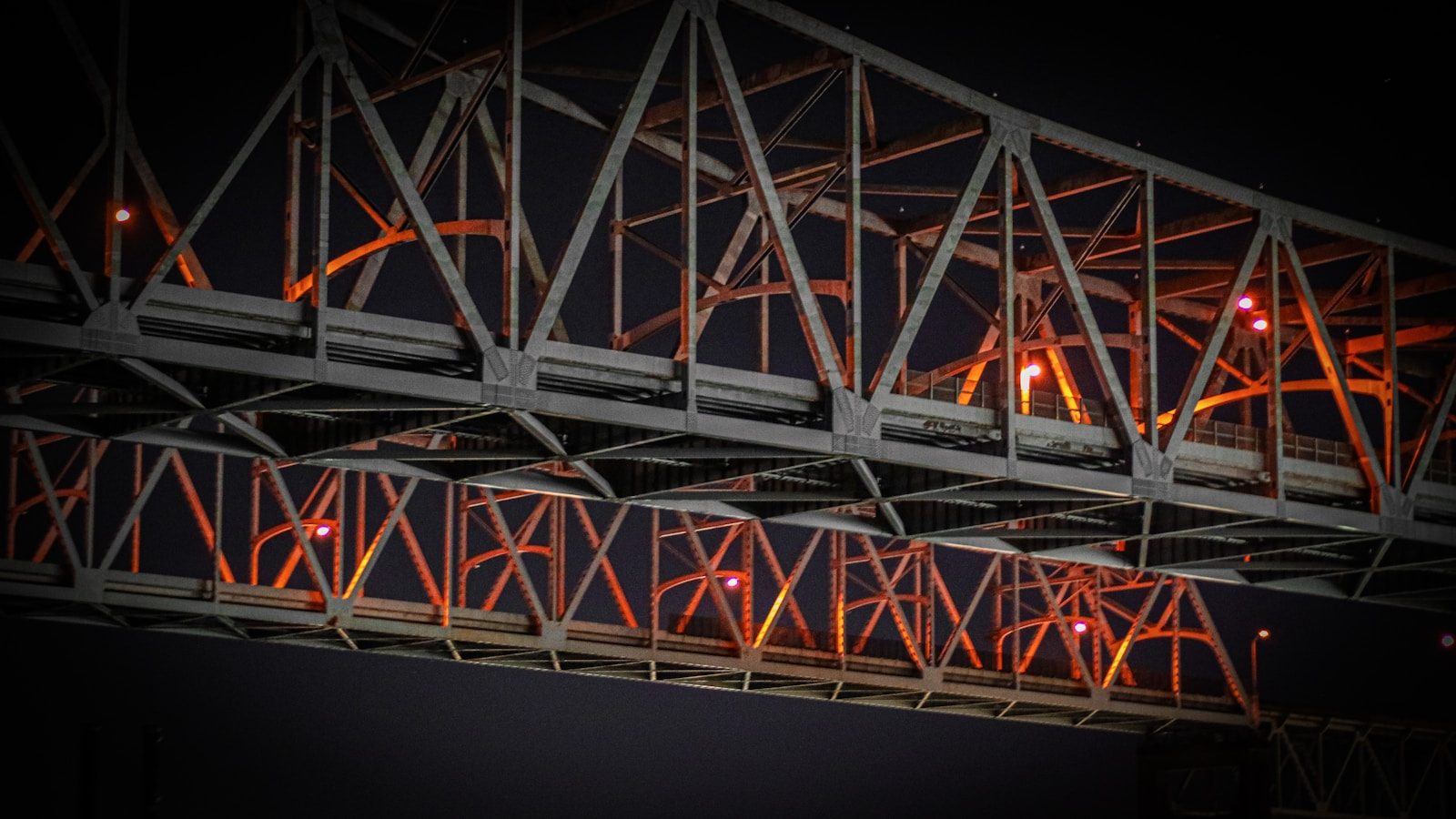
    A famous suspension bridge in Washington collapsed into the river after experiencing moderate wind currents. According to civil engineering reports, the structure lacked aerodynamic vents to let the wind pass through safely. It twisted violently. This physical phenomenon caused the bridge to wobble like a giant ribbon before snapping entirely. But another design flaw was actually caused by a simple shadow.

    The Melting Building Ray
    cars parked on side of the road in between high rise buildings during daytime
    Photo by Flow Clark on Unsplash

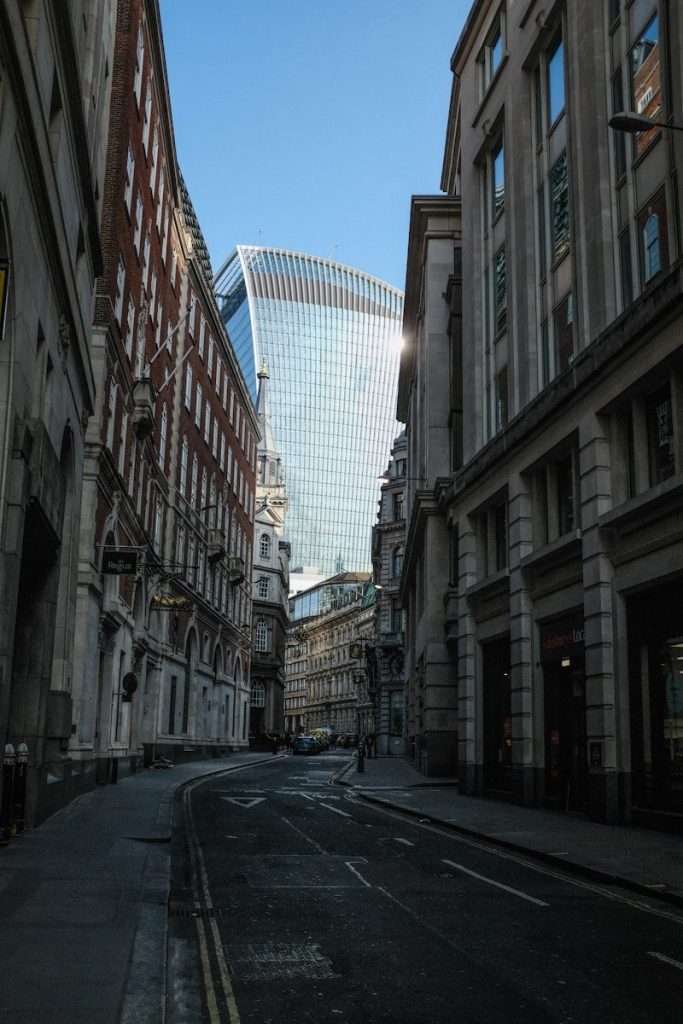
    A curved glass skyscraper in London focused sunlight directly onto the streets like a massive mirror. According to optical physics reports, this concentrated beam was hot enough to melt plastic car parts parked below. The light was intense. This architectural mistake forced the builders to install specialized non-reflective screens across the glass facade. But some structural errors happen deep underground.

    Sinking Cities In Mud
    an aerial view of a construction site in the desert
    Photo by Iain on Unsplash

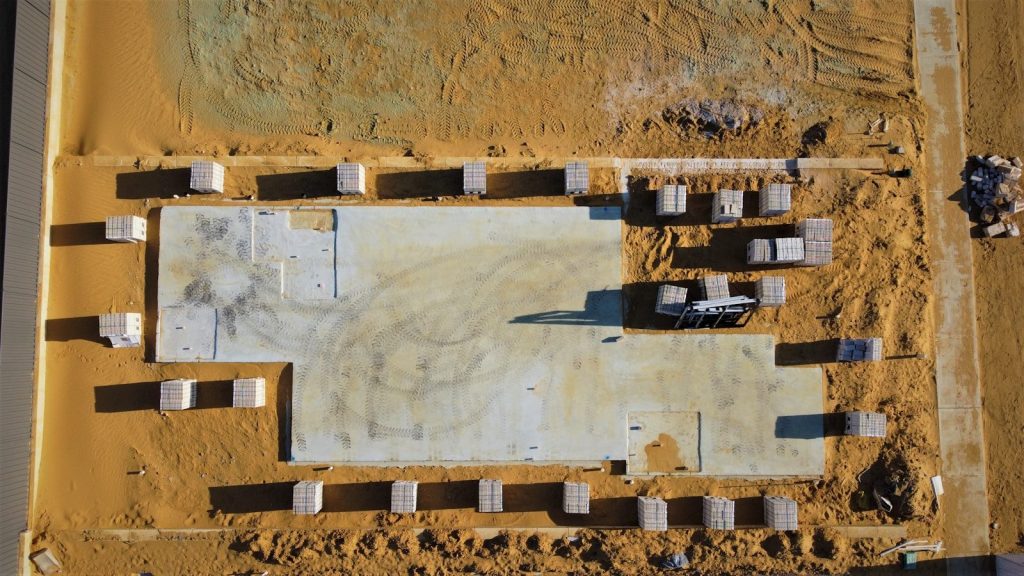
    Building a massive airport on a soft mud island in Japan led to severe structural settling. According to geological survey logs, the heavy concrete buildings began sinking faster than engineers calculated. The ground gave way. This constant shift forced builders to install massive adjustable jacks beneath the support pillars to level the structures. But managing this heavy load is only the first challenge.

    Slicing Metal With Rust
    a close up of a rusted metal pole
    Photo by Vadym Alyekseyenko on Unsplash

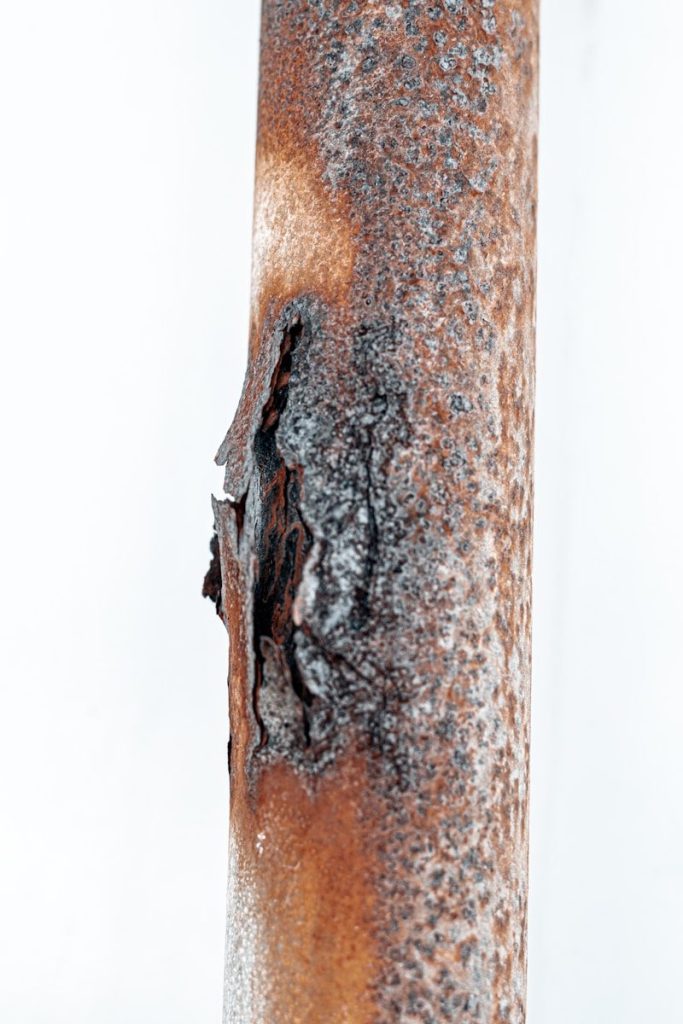
    Choosing the wrong metal alloys to build a massive bridge can cause rapid chemical decay. According to metallurgical reports, combining separate metals without protective seals triggers an aggressive process called galvanic corrosion. The joints crumble. This silent chemical reaction can weaken thick steel cables in a few short years. But some failures are driven by simple wind rhythms.

    The Rhythmic Sway Danger
    A rustic footbridge crosses railway tracks amidst lush greenery during a summer day.
    Photo by Magda Ehlers on Pexels

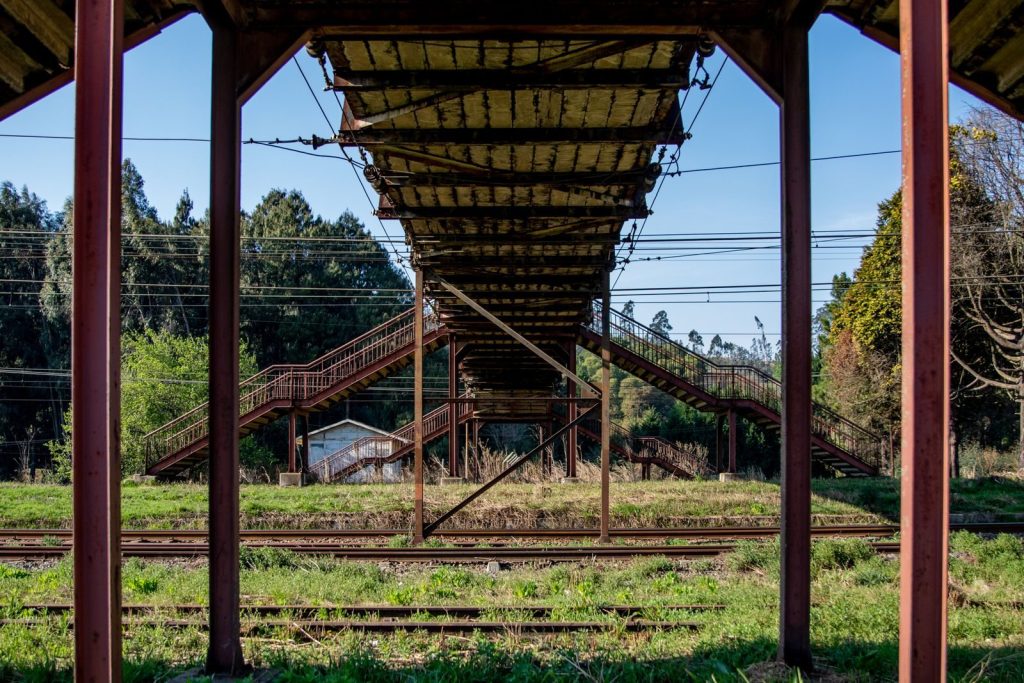
    A modern footbridge in London began swaying violently when thousands of pedestrians walked across it in unison. According to structural engineers, the footsteps matched the natural frequency of the bridge frame. The sway was alarming. This resonance effect forced officials to shut down the bridge and install heavy dampeners to absorb the vibrations. But some design flaws are completely invisible.

    Microscopic Glass Impurities Bursting
    a view of a snowy mountain through a window
    Photo by kimny on Unsplash

    Tempered glass panels on high-rise buildings can suddenly explode without warning due to tiny chemical faults. According to materials science studies, nickel sulfide impurities can expand slowly under solar heat. The glass shatters. This spontaneous breakage has forced developers to replace thousands of expensive windows on modern skyscrapers. But keeping these massive structures safe requires running constant audits.

    Checking Structural Stress Points
    A solitary figure explores a maze of concrete slabs.
    Photo by Mirco Colosi on Unsplash

    Modern safety inspectors use highly sensitive acoustic sensors to detect microscopic cracks inside concrete pillars. According to public safety logs, these advanced tools can hear the silent groaning of a weak frame. Action is critical. Finding these early signs of fatigue allows teams to repair the damage before a catastrophic collapse occurs. But the legacy of these structural failures continues to change engineering.

    Learning From Structural Failure

    An aerial view of a city at sunset
    Photo by Qi Li on Unsplash

    The history of these engineering mistakes reminds us that natural forces must always be respected. According to historians, analyzing these design blind spots is what allows us to build safer and more resilient cities for tomorrow. Balance is essential. This article is for informational purposes only.
    Featured Image: Photo by iSawRed on Unsplash

  • How Smart Tech Unlocked Secrets of Burnt Roman Scrolls

    How Smart Tech Unlocked Secrets of Burnt Roman Scrolls

    History lovers assume that ancient scrolls carbonized by volcanic eruptions are permanently lost to time. We believe these fragile rolls are far too delicate to ever be read.

    But advanced digital imaging is completely changing what is possible. Scientists have successfully read the hidden text inside these charred ruins without opening them.

    The Ruined Library of Vesuvius

    the inside of a space station with a large screen
    Photo by Hermeus on Unsplash

    A catastrophic volcanic blast buried a wealthy Roman villa filled with priceless library scrolls. According to the Herculaneum Society, the extreme heat carbonized the papyri instantly into fragile lumps of charcoal. They were incredibly delicate. Trying to physically unroll these charred scrolls would only crumble them to dust. But computer scientists designed a brilliant digital alternative.

    Reading Paper With Particle Accelerators

    opened black laptop computer
    Photo by AltumCode on Unsplash

    Researchers transported the fragile scrolls to a specialized particle accelerator facility. According to researchers at the University of Kentucky, high-energy X-rays scanned the internal layers of the rolls without touching them. The scans were massive. This virtual model allowed a custom program to map the shape of the paper. But separating the carbon ink from the burnt paper was another challenge.

    Spotting The Invisible Carbon Ink

    person holding magnifying glass
    Photo by Mick Haupt on Unsplash

    The ancient ink was made of soot, which has almost the same density as the charred paper. According to computer science reports, developers trained neural networks to detect microscopic shifts in the papyrus texture. It was brilliant. The algorithm successfully highlighted letters that are completely invisible to standard human eyes. But the first translated words would shock the team.

    Unlocking Lost Ancient Philosophy Lessons

    Baskets are stacked up against a wall.
    Photo by Tanya Barrow on Unsplash

    The first recovered text revealed a long-lost work from an Epicurean philosopher. According to classical historians, the scroll contains detailed thoughts on pleasure, music, and how to live a peaceful life. The discovery was real. This breakthrough proves that we can retrieve lost texts with absolute precision. But this automated tool is already being used on other historical mysteries.

    Automated Cuneiform Translation Systems

    woman sitting at desk with desktop computer
    Photo by National Cancer Institute on Unsplash

    Thousands of clay tablets from ancient Mesopotamia remain unread because we lack expert translators. According to museum curators, new translation models can now process cuneiform text in a matter of seconds. The speed is unbelievable. This software allows researchers to study the daily lives of regular citizens from thousands of years ago. But some scholars argue that technology has its limits.

    Retaining The Human Cultural Context

    The sun shines through the clouds over a stone bridge
    Photo by zhang kaiyv on Unsplash

    Artificial intelligence still struggles to grasp complex cultural jokes and local idioms in old scripts. According to linguistic experts, automated programs can easily mistranslate regional slang without human guidance. The human touch is vital. Historians must carefully review each digital output to ensure the text makes logical sense. But this partnership is already accelerating new historical discoveries.

    Reclaiming Voices Of The Past

    green and white led light signage
    Photo by Alessandro Venturi on Unsplash

    We are entering a bold new era where lost history is actively being brought back to life. According to researchers, combining advanced imaging with smart software will continue to unlock secret vaults across the globe. The old world is awake. This article is for informational purposes only.

    Featured Image: Photo by Buddha Elemental 3D on Unsplash

  • How a Rejected Scientific Theory Completely Rewrote Earth History

    How a Rejected Scientific Theory Completely Rewrote Earth History

    Most students assume that major scientific discoveries are immediately accepted by the academic community. We believe that logical evidence always wins over old beliefs without any struggle.

    But the theory of continental drift faced decades of absolute mockery before proving to be entirely correct. This historic scientific battle forever changed how we see the ground beneath our feet.

    The Puzzle Of Continents

    The continents and oceans with clouds
    Photo by NASA on Unsplash

    A German meteorologist noticed a highly unusual pattern while studying world maps in nineteen twelve. According to historical records, Alfred Wegener realized that the coastlines of South America and Africa fit together perfectly. They were like puzzle pieces. This visual link suggested that the continents were once joined as a single massive landmass. But explaining how these giant landmasses moved was incredibly difficult.

    Matching Ancient Fossils

    A skeleton of a dinosaur is shown in a museum
    Photo by David Clode on Unsplash

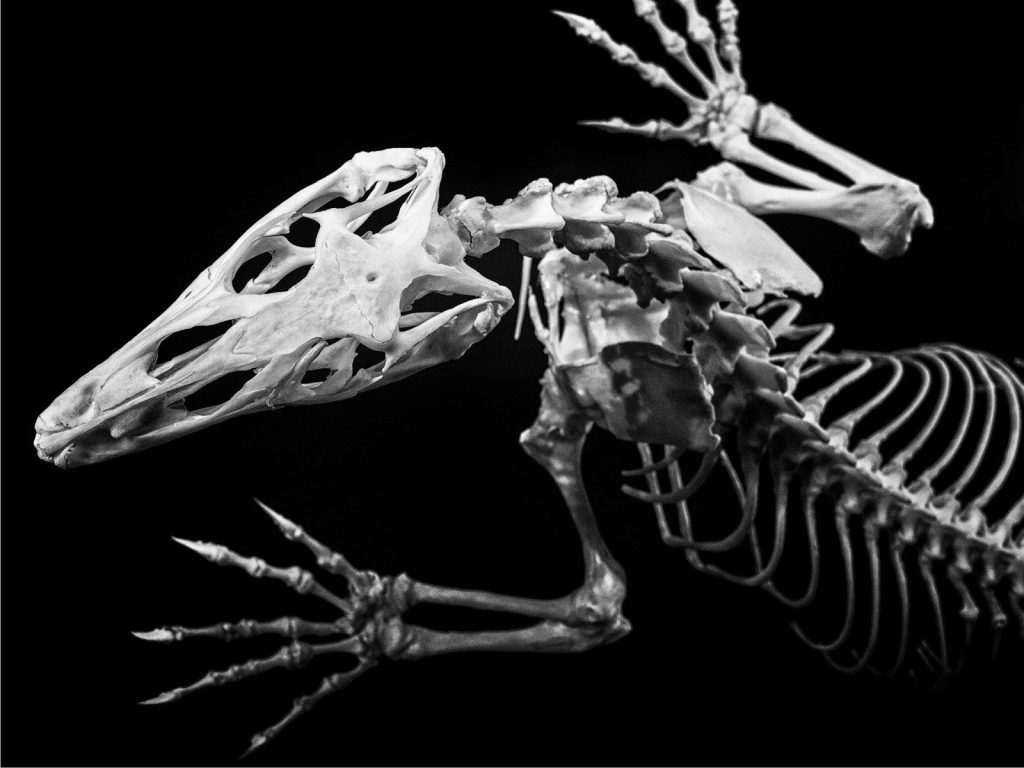
    Wegener began searching for physical evidence to support his controversial continental puzzle theory. According to paleontological reports, identical fossilized remains of ancient reptiles were discovered in both Brazil and South Africa. This was stunning proof. These small land creatures could not have swum across thousands of miles of open ocean. But mainstream scientists rejected the biological evidence immediately.

    Absolute Academic Mockery

    A black and white photo of a rock formation
    Photo by liang zi on Unsplash

    Many members of the global scientific community refused to believe that solid granite continents could slide across the ocean floor. According to historical archives, elite geologists publicly called the theory a wild fairy tale. They were highly hostile. They argued that Wegener lacked a physical mechanism to explain what could push entire continents. But the truth was waiting deep on the ocean floor.

    Mapping The Seafloor Mountains

    man in black jacket standing in front of black and gray industrial machine
    Photo by NOAA on Unsplash

    A pioneering female geologist began mapping the Atlantic Ocean floor during the nineteen fifties. According to geological survey logs, Marie Tharp used sonar data to discover a massive mountain range running down the center of the ocean. It was a giant rift. This discovery proved that the seabed was actively tearing itself apart. But confirming this underwater movement required studying Earth’s magnetic fields.

    The Magnetic Stripe Evidence

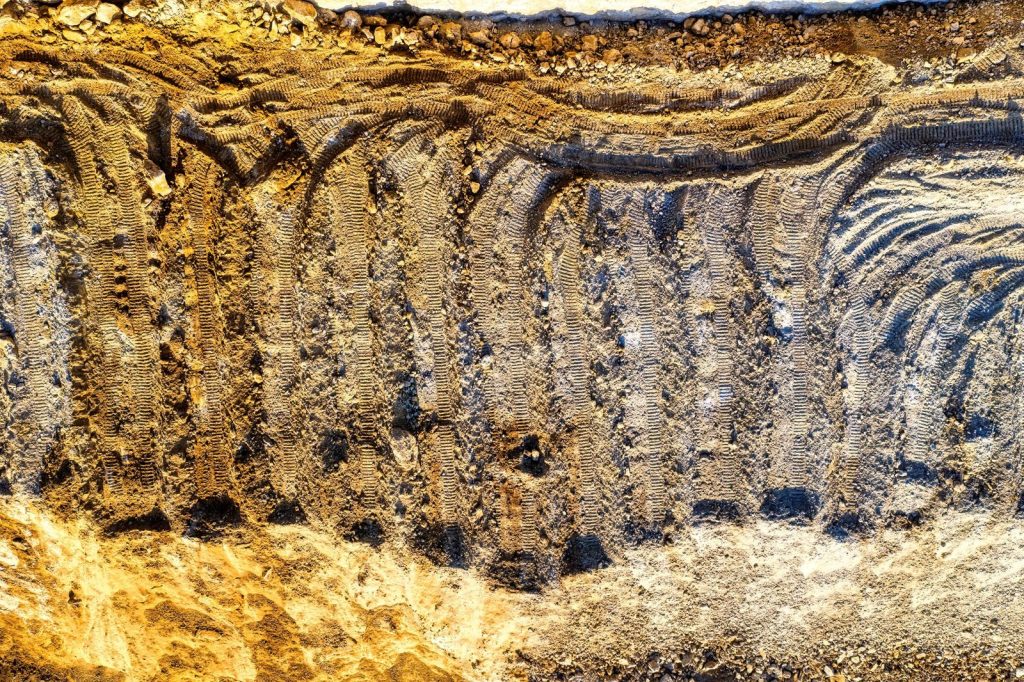
    Aerial view of construction site showing machinery tracks and soil patterns in Rochester, MN.
    Photo by Tom Fisk on Pexels

    Analyzing the ocean floor revealed a symmetrical pattern of magnetic stripes on both sides of the ridge. According to geophysics reports, these stripes prove that new crust is constantly forming and spreading outward. The sea is widening. This discovery finally provided the exact physical mechanism that Wegener was missing decades earlier. But this realization came too late for the original creator.

    Vindicated Long After Death

    Serene frozen lake landscape surrounded by snow-covered mountains and icy waters at sunset.
    Photo by Yaroslav Shuraev on Pexels

    Alfred Wegener perished in the freezing wilderness of Greenland before his theory was officially accepted. According to historical biographies, he died during an expedition in nineteen thirty without ever knowing he won the debate. He was a pioneer. Today, the theory of plate tectonics is the absolute foundation of modern Earth science. But these moving plates are still shaping our global future.

    Lessons From The Past

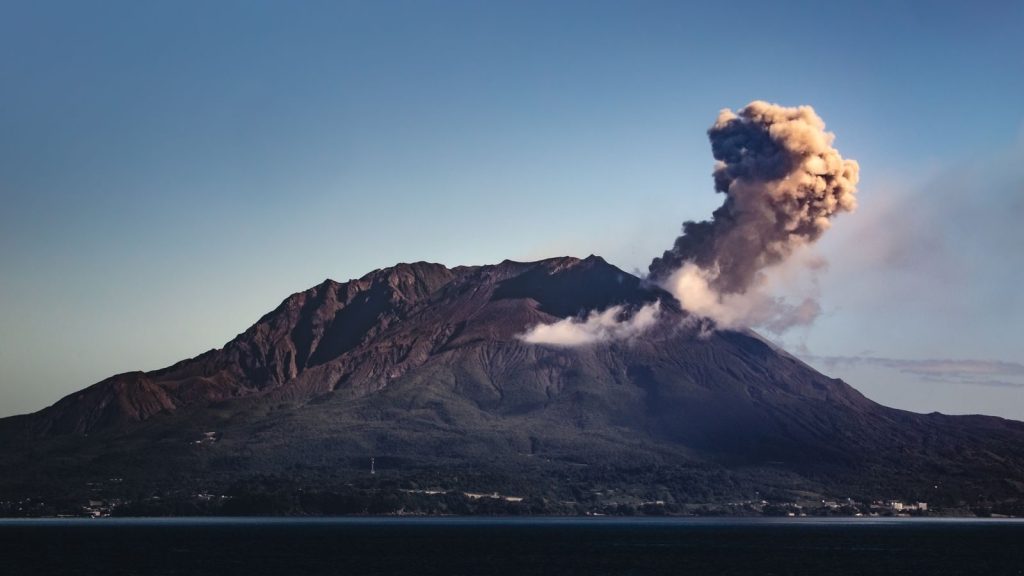
    Spectacular eruption of Sakurajima Volcano with ash plume rising above Kagoshima Bay at dawn.
    Photo by Marek Piwnicki on Pexels

    The struggle of continental drift reminds us that established science must always remain open to radical new ideas. According to modern geologists, understanding plate tectonics helps us predict volcanic eruptions and protect coastal cities from earthquakes. Balance is vital. This article is for informational purposes only.

    Featured Image: Photo by Aaditya Arora on Pexels

  • The Ancient Rock Paintings Hiding Impossible Mechanical Designs

    The Ancient Rock Paintings Hiding Impossible Mechanical Designs

    Most historians assume that early artists only painted the natural world around them. We believe prehistoric drawings only record simple hunting scenes and basic native wildlife.

    But several bizarre stone carvings seem to show highly advanced tools. These strange artifacts depict technology that should not exist in our past.

    The Bizarre Mayan Artifacts

    Ancient stone temple nestled in a lush green jungle.
    Photo by Angel Maldonado on Unsplash

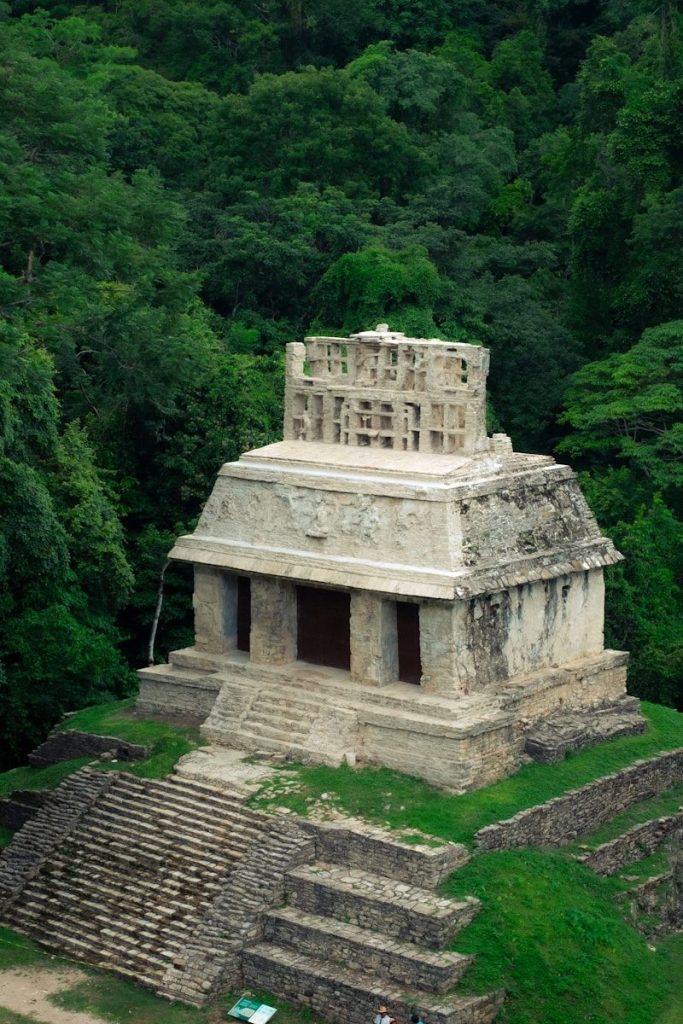
    Deep in the Mexican jungle, archaeologists have uncovered ancient carvings containing highly unusual details. According to the National Institute of Anthropology and History, one famous stone slab shows a king surrounded by complex mechanical parts. The design is complicated. Some observers claim the relief looks like a pilot inside a modern space capsule. But mainstream scholars argue there is a far more symbolic explanation.

    Tracking Sacred Cosmic Symbols

    brown and blue desk globe in library
    Photo by Jonathan Francisca on Unsplash

    Classical scholars suggest the strange machinery is actually highly symbolic religious art. According to Mayan cultural experts, the carvings show a ruler traveling through the underworld on a sacred tree. It was a myth. The apparent buttons and tubes actually represent life and death cycles in their culture. But another discovery in Asia would challenge this symbolic view.

    Interlocking Stone Temple Gears

    a large wheel on the side of a building
    Photo by Dhiraj Raj Singh on Unsplash

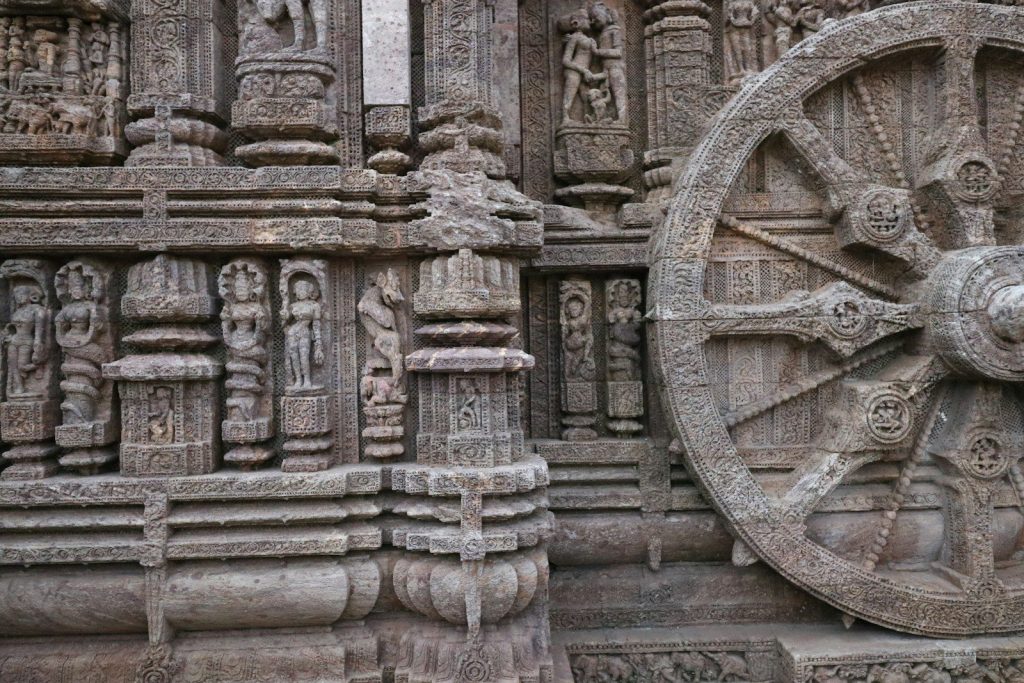
    Intricate stone reliefs inside ancient Indian temples seem to show precise gear systems. According to architectural surveys in Karnataka, these detailed designs predate modern industrial machinery by hundreds of years. The carvings are perfect. Skeptics struggle to explain how ancient artists could imagine such precise mechanical configurations. But the mystery deepens when looking at the metal chisels they used.

    Sourcing Advanced Steel Alloys

    black and white digital device
    Photo by Dmitry on Unsplash

    Carving these detailed patterns on hard stone required highly advanced tools. According to metallurgical reports, the creators possessed sophisticated steel alloys that traditional history says had not been invented yet. They were pioneers. Without these advanced metal tools, carving such deep details would have taken lifetimes. But some carvings seem to show the tools themselves.

    Strange Glowing Tube Reliefs

    low angle photography of brown statues
    Photo by AussieActive on Unsplash

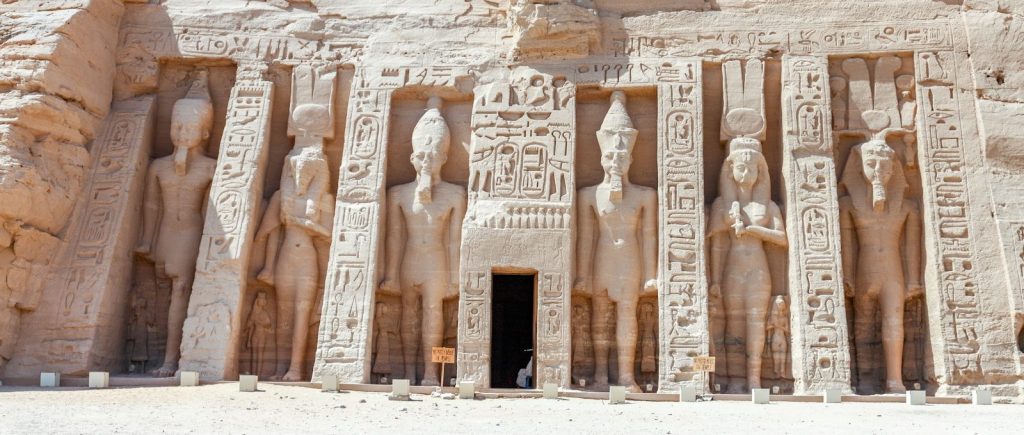
    Ancient Egyptian carvings depict figures holding long tubes that resemble modern light bulbs. According to historical researchers, these images in the temple of Dendera have sparked intense public debates. The shapes are striking. Many alternative theorists believe the carvings show an early form of electrical lighting inside dark tombs. But traditional Egyptologists offer a very different view of the scene.

    Sacred Lotus Flower Imagery

    red petaled flower
    Photo by Jon Geng on Unsplash

    Classical scholars state that the electrical tubes are actually symbolic lotus flowers holding sacred snakes. According to Egyptian mythological texts, these carvings represent the birth of the universe from a water lily. The explanation is poetic. Yet this artistic style is so precise that many people still see machinery. But the final answer might rewrite human engineering entirely.

    Rethinking Ancient Human Craft

    brown concrete pillars on body of water during daytime
    Photo by @charlybron on Unsplash

    These mysterious carvings prove that ancient builders possessed incredible engineering skills that we are still trying to understand. According to historians, our ancestors were far more technologically capable than modern textbooks suggest. They were highly advanced. This article is for informational purposes only.
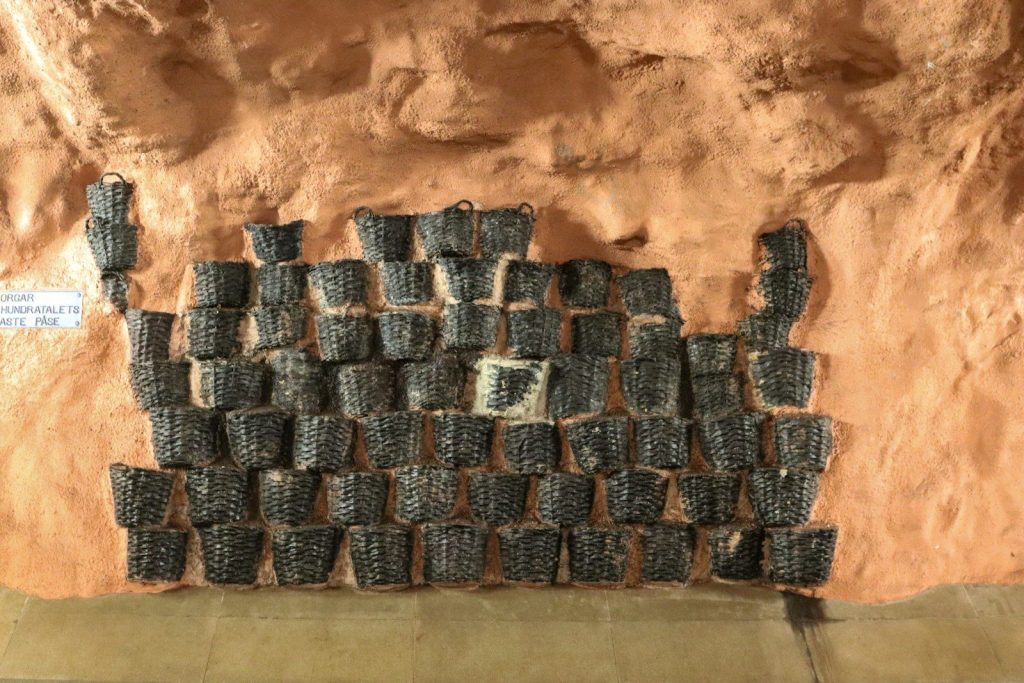
    Featured Image: Photo by Benedict Buston on Pexels

  • The Ancient Coffin That Fell From A Seaside Cliff

    The Ancient Coffin That Fell From A Seaside Cliff

    Most people assume that archaeological treasures are only uncovered through systematic scientific digging. We believe that ancient tombs remain safely locked beneath the earth until researchers deliberately excavate them.

    But a spectacular Baltic Sea storm in 1899 completely shattered this expectation. A massive cliff collapse sent a two-thousand-year-old hollowed oak coffin tumbling directly onto a sandy beach below.

    The Beach Discovery

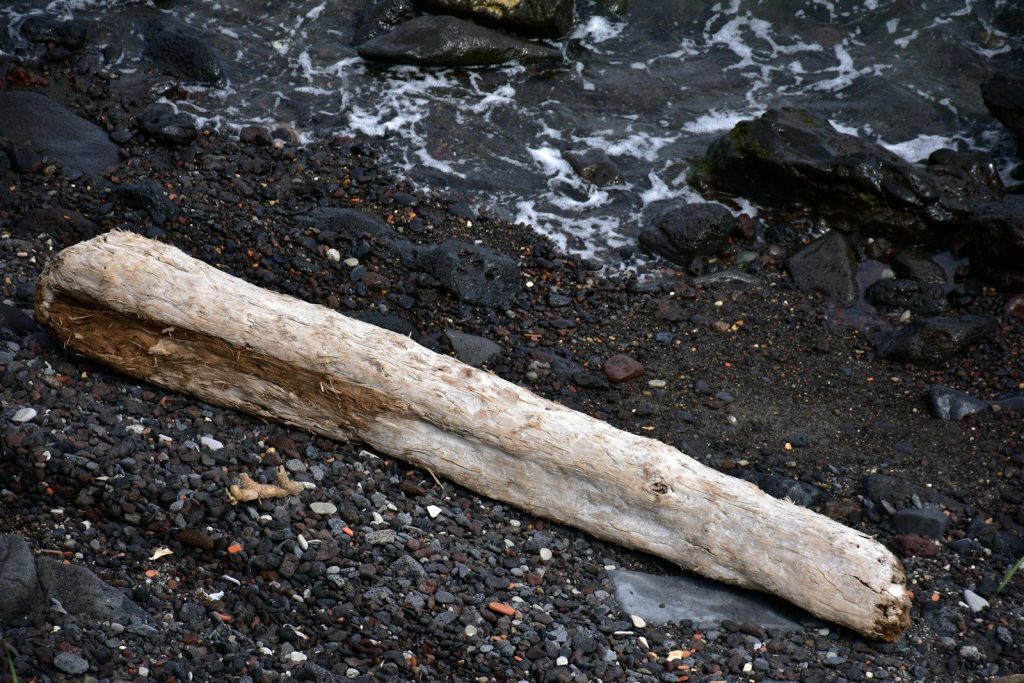
    A weathered log rests on a dark, pebbly shore.
    Photo by Ries Bosch on Unsplash

    A powerful storm battered the coastline of Bagicz in northwestern Poland. According to historical records, the intense ocean waves eroded a massive section of a seaside cliff. The earth gave way. From the newly opened cliffside, an enormous hollowed oak log slid out and crashed onto the sand. Beachcombers who first approached the fallen object realized it was actually a grave. But what lay inside would completely shock local researchers.

    Remarkable Preservation Secrets

    a bird perched on top of a tree stump
    Photo by Antonia Glaskova on Unsplash

    Opening the fallen log revealed a skeleton in a highly unusual state of preservation. According to a study published in the journal Archaeometry, the bones and surrounding organic materials had turned a deep black color. They looked almost charred. However, scientists discovered that the organic tissue had undergone a natural chemical tanning process from the high tannins in the wet oak log. But this chemical preservation was only part of the puzzle.

    The Princess Shroud

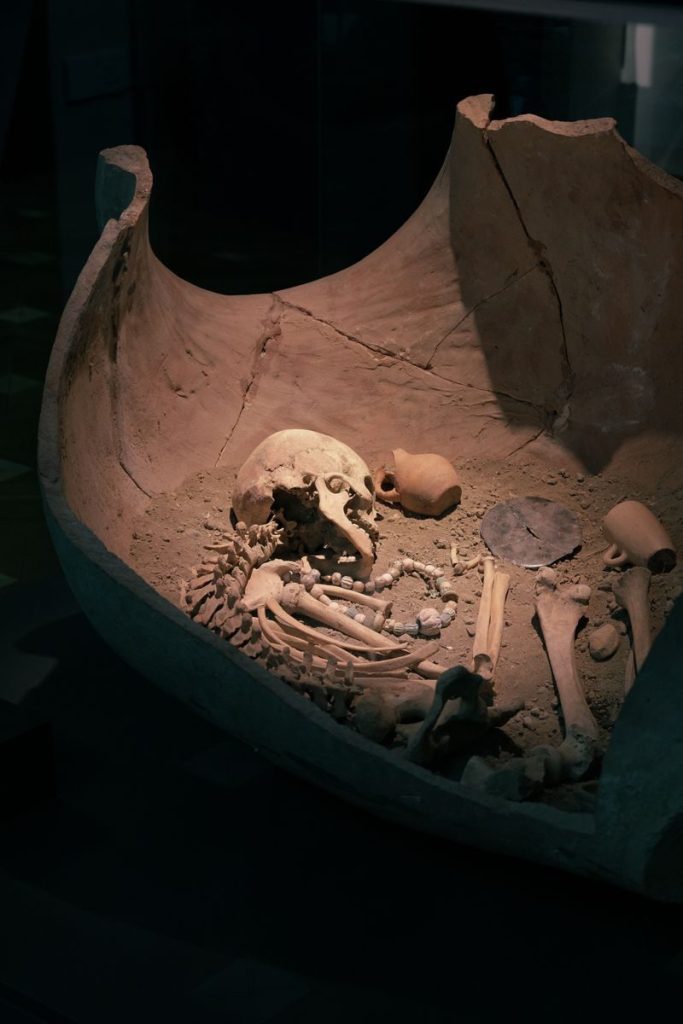
    Artifact-laden burial site with human skeleton in clay chamber, showcasing history.
    Photo by Yaşar Başkurt on Pexels

    The mysterious woman inside was laid to rest with incredible care. According to research from the University of Szczecin, her body was wrapped in a thick cowhide shroud and rested on a wooden stool. The layout was exquisite. This highly unique arrangement indicated that she belonged to an elite social class. But discovering her exact origins required looking closely at her buried wealth.

    Ornaments Of Wealth

    Antique wooden filing cabinets in a dimly lit room.
    Photo by Yunshuo Qu on Unsplash

    Excavators recovered a stunning collection of jewelry from within the hollowed oak log. According to report summaries in Archaeometry, the grave goods included bronze bracelets, ornamental clasps, and a beautiful necklace of glass and amber beads. This treasure was valuable. These rich items helped link her to the ancient Wielbark Culture, which was closely related to the Goths. But determining exactly when she lived would spark a major scientific debate.

    The Diet Paradox

    man in white dress shirt using white and black machine
    Photo by National Cancer Institute on Unsplash

    Initial attempts to date her remains led to highly confusing results. According to researchers led by Marta Chmiel-Chrzanowska, early carbon-dating of her teeth suggested she was centuries older than her buried bronze jewelry. The math was wrong. Experts eventually realized her heavy fish diet had distorted the carbon levels in her bones during her lifetime. But solving this timeline conflict required measuring the rings of her wooden resting place.

    Decoding Tree Rings

    Close-up of a tree trunk cross-section with rings.
    Photo by Diego Romeo on Unsplash

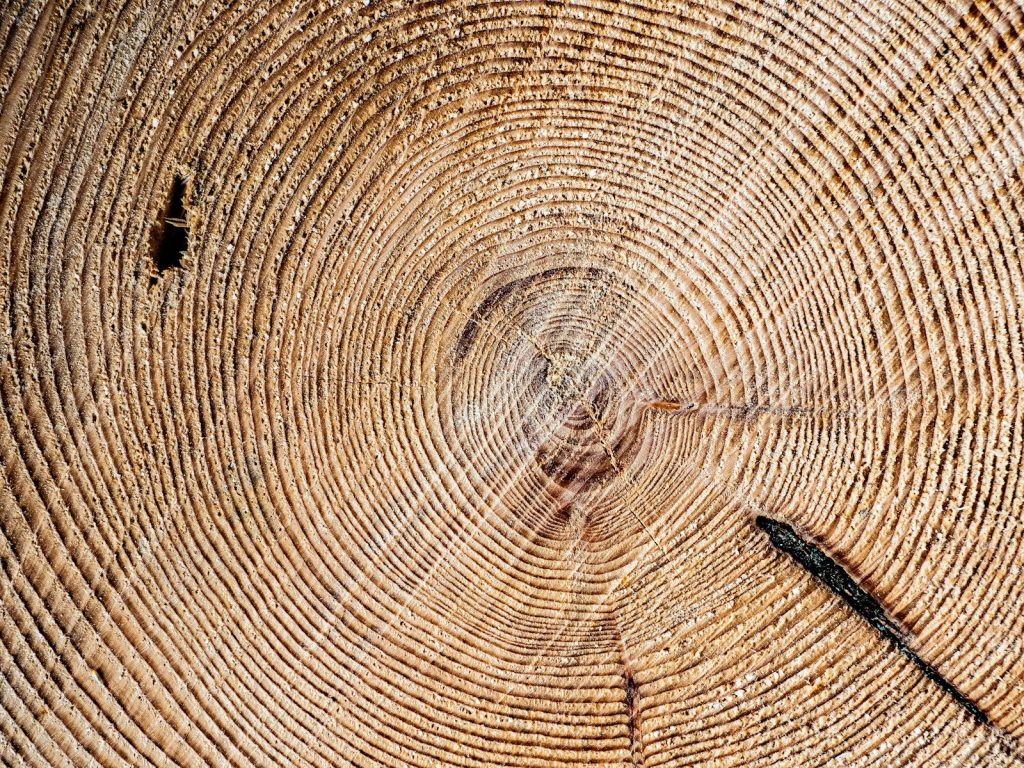
    Scientists decided to study the oak coffin itself using a process called dendrochronology. According to the published study, researchers counted the rings of the hollowed oak trunk to determine when it was cut down. The results were clear. The tree was felled around one hundred and twenty AD, proving she lived during the Roman Iron Age. But her bones held one final surprise about her travels.

    An Interstellar Goth

    brown wooden handle on white and brown textile
    Photo by Suhash Villuri on Unsplash

    Chemical markers in her teeth suggest that this ancient princess was actually a seasoned traveler. According to the National Museum in Szczecin, she likely migrated across great distances before her symbolic burial on the Baltic coast. She was highly adventurous. Today, her preserved log coffin remains on display as a window into the complex trade routes of ancient Europe. This article is for informational purposes only.

    Featured Image: Photo by Sydney Moore on Unsplash

  • The Rare Armor-Plated Dinosaur Discovered In Thailand

    The Rare Armor-Plated Dinosaur Discovered In Thailand

    Most paleontologists assume that the famous fossil beds of North America hold all the major dinosaur species. We believe that we must look to the West to find spectacular prehistoric monsters.

    But an incredible fossil discovery in a Thai valley has challenged this geological timeline. Scientists have unburied a previously unknown species of armored dinosaur.

    Sifting Through Ancient Clay

    Person arranging stones in a rocky landscape
    Photo by Edge Tung on Unsplash

    A team of paleontologists exploring a remote rock formation made the discovery of a lifetime in the shale. According to reports from the Department of Mineral Resources, they recovered well-preserved skeletal remains. The site was old. The fossils dated back over one hundred million years to the Cretaceous period. But what lay waiting in the rock would shock local researchers.

    The Armor-Plated Beast

    an aerial view of a sandy beach with waves
    Photo by Zach Lucero on Unsplash

    The unique structure of the bones revealed a dinosaur with highly specific defensive features. According to a study published in the journal Diversity, the newly discovered species was an ankylosaur. It was truly magnificent. This creature possessed thick bony plates embedded directly into its tough skin for protection. But explaining how this heavy herbivore moved requires looking at its tail.

    Weapon Of Real Defense

    Two fencers in white uniforms engaged in a fencing match.
    Photo by Omar Abozeid on Unsplash

    The prehistoric giant used a heavy club-like tail to defend itself from large predators. According to biomechanics studies, a single strike from this bony tail could shatter the bones of an attacker instantly. The power was immense. This extreme defense allowed the slow-moving herbivore to survive alongside fierce meat-eaters. But tracking their ancient diet led to a highly surprising realization.

    Feasting In Lush Forests

    area covered with green leafed plants
    Photo by Chris Abney on Unsplash

    The hot and humid Cretaceous landscape of Thailand was once filled with dense tropical forests. According to paleobotanical reports, the armored dinosaur fed entirely on low-lying ferns and soft leaves. They were highly peaceful. This rich vegetation provided all the energy the giant needed to grow its massive armor plates. But a sudden environmental shift would bring a tragic end.

    The Slow Preservation Miracle

    a bird is sitting on a rock formation
    Photo by Jason Leung on Unsplash

    Mud from prehistoric river floods quickly covered the bones of the dead dinosaurs. According to geological survey reports, this rapid burial prevented the skeleton from being scattered by scavengers. The preservation was perfect. Over millions of years, the minerals in the water slowly turned the bone layers to solid stone. But modern scanners are helping us read these ancient stories.

    Reconstruction With Digital Scans

    a skeleton of a bird is shown in black and white
    Photo by Christian Keybets on Unsplash

    Scientists are using three-dimensional scanning technology to reconstruct the dinosaur body in detail. According to computer software analyses, these virtual models show exactly how the muscles and armor plates fit together. Precision was vital. This high-tech reconstruction allows researchers to study how these ancient beasts behaved. But the legacy of this discovery continues to change history.

    Rewriting Prehistoric Asian History

    Grand Canyon landmark
    Photo by Kevin Crosby on Unsplash

    Finding this armored species proves that diverse dinosaur lineages were thriving in Southeast Asia long ago. According to paleontologists, this Thai discovery helps us map the global migration routes of prehistoric life. The past is active. This article is for informational purposes only.
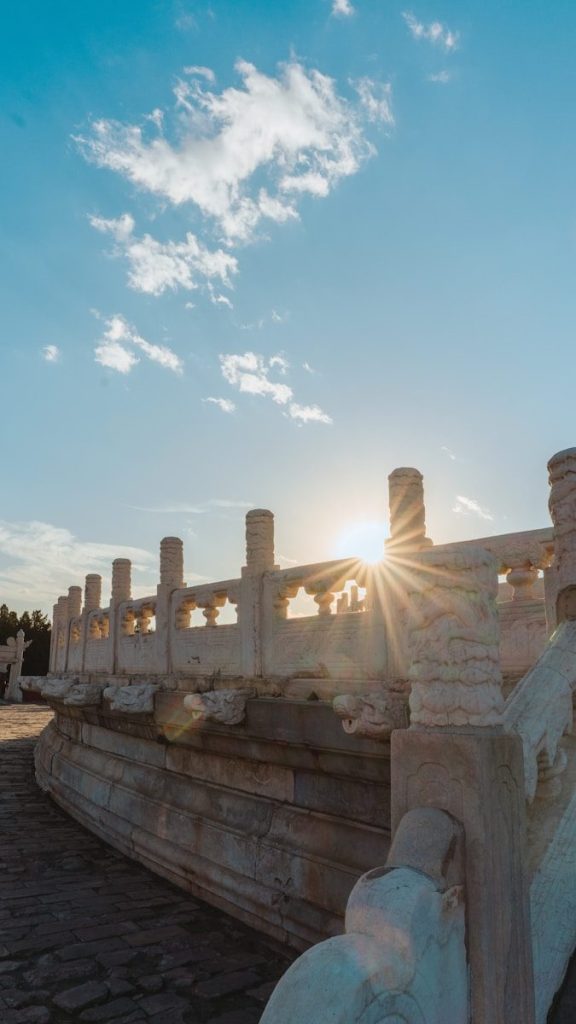
    Featured Image: Photo by David Clode on Unsplash

  • The Hidden Hydraulic Systems That Raised The Great Pyramid

    The Hidden Hydraulic Systems That Raised The Great Pyramid

    Most archaeology enthusiasts believe that the Great Pyramid was built using massive dirt ramps. We assume that thousands of workers dragged the heavy stone blocks up steep sand slopes.

    But a groundbreaking engineering study has shattered this traditional construction theory. Researchers have discovered evidence of a sophisticated water system that lifted the massive blocks from within.

    Water In The Sand

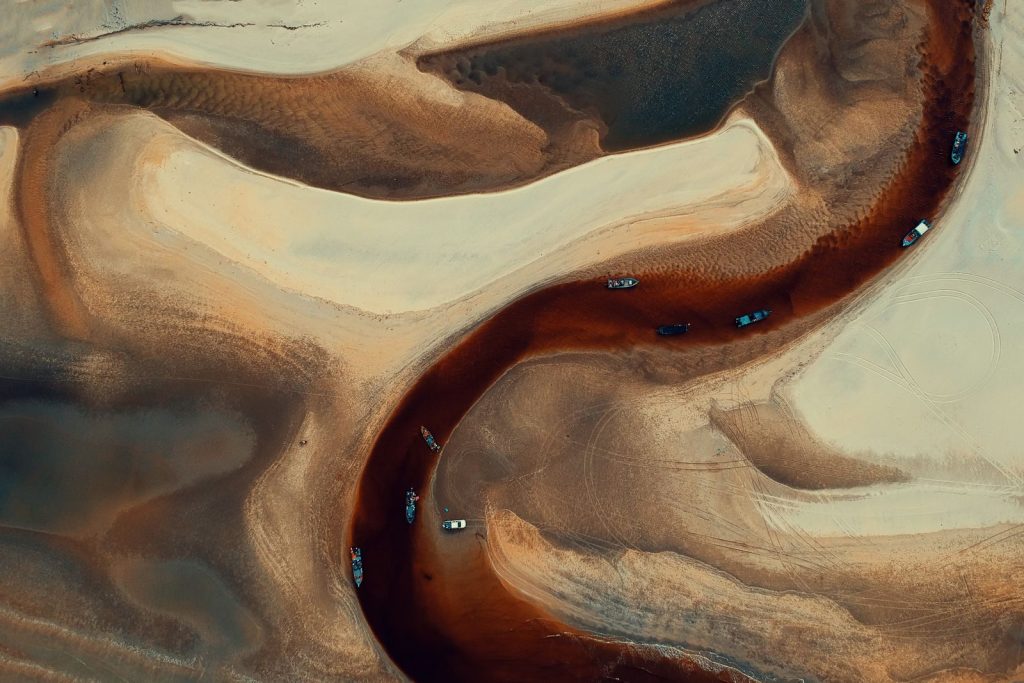
    Stunning aerial view of winding river and boats in desert-like terrain, highlighting natural patterns.
    Photo by Pok Rie on Pexels

    A team of civil engineers decided to analyze the local geography surrounding the ancient Giza plateau. They wanted to understand how water flowed here. According to reports from the Land Decompression Institute, a massive network of dry channels once connected the Nile River to the pyramid site. The canals were deep. This ancient water system could have played a vital role in transporting materials. But this water flow was about to reveal a much larger engineering secret.

    The Central Shaft

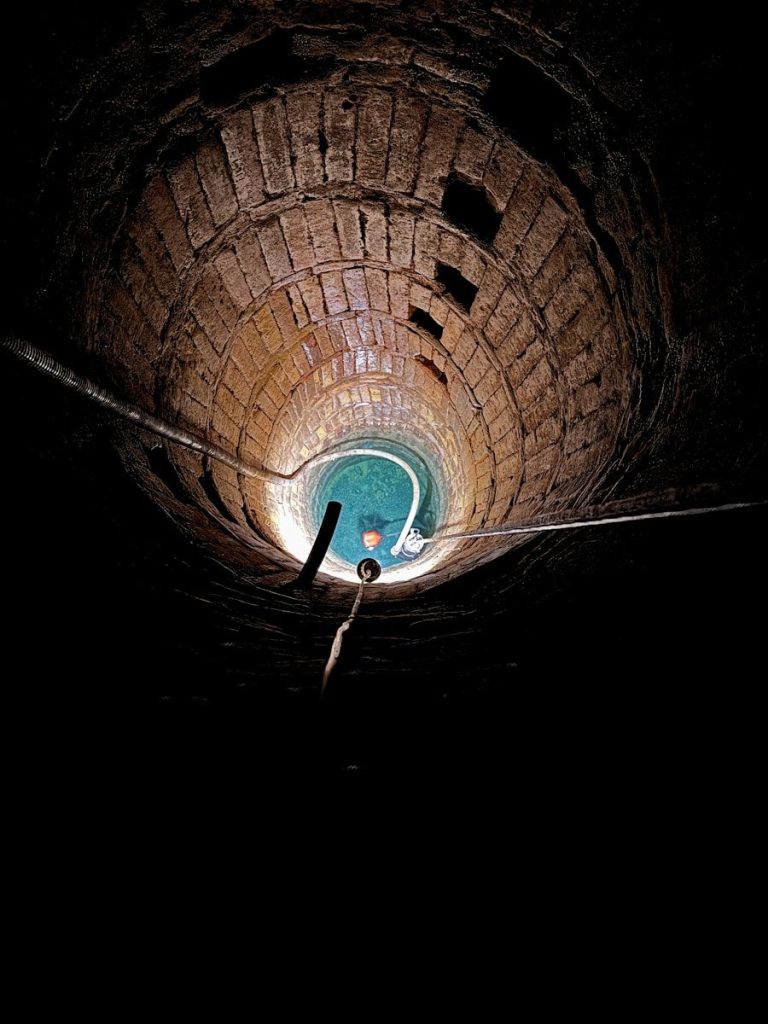
    a man standing in the middle of a tunnel
    Photo by Raymond Setzer on Unsplash

    Excavating the vertical chambers inside the Step Pyramid of Djoser revealed a highly unusual design. According to archaeological geologists, the main shaft drops straight down to link with the underground water tables. It was a well. This direct connection allowed water pressure to rise naturally from the deep subterranean channels. But how the builders managed to control this hydraulic pressure remained a mystery.

    Floating The Blocks

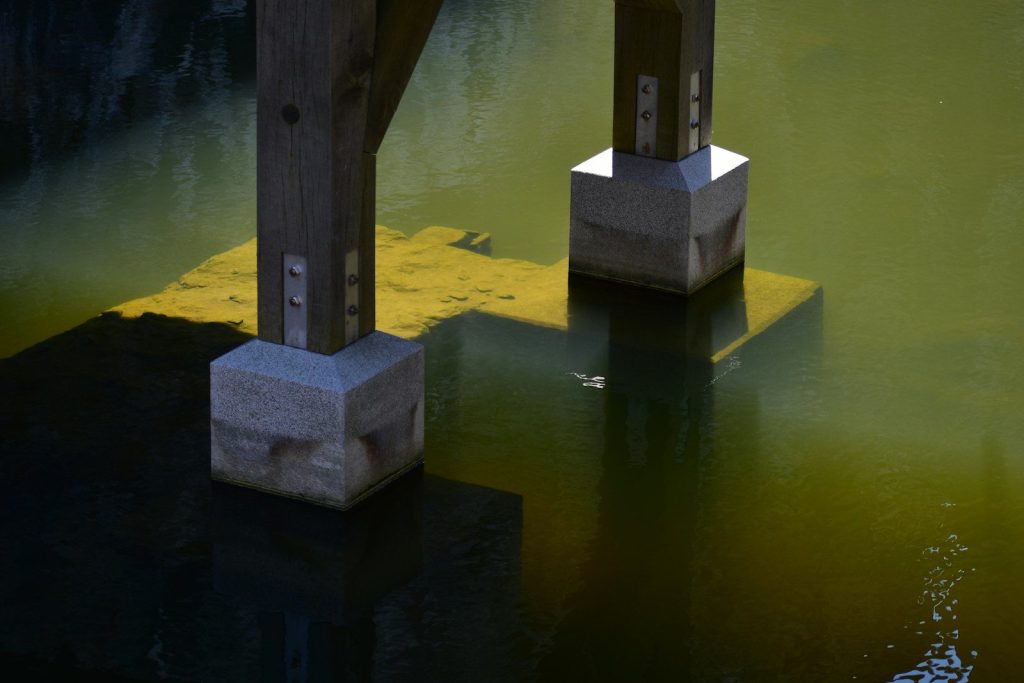
    a couple of concrete pillars sitting in the middle of a body of water
    Photo by Ivan Oleynikov on Unsplash

    Engineers suggest that the ancient builders used a series of floating platforms to move the heavy stones. According to hydraulic modeling software, filling the central shaft with water would float a heavy wooden raft upward. The mechanics were simple. This upward lift allowed workers to elevate massive granite blocks without dragging them up steep ramps. But this fluid system required a highly complex valve mechanism to function.

    The Limestone Valves

    a black and white photo of pipes on a brick wall
    Photo by Andreas Dick on Unsplash

    A close inspection of the underground channels revealed several large stone blocks that operated as sliding gates. According to structural analysts, these blocks could be raised or lowered to regulate the water pressure. The seal was tight. This precise pressure control is what allowed the hydraulic elevators to move predictably. But finding where the water eventually escaped led to a surprising discovery.

    Massive Overflow Pools

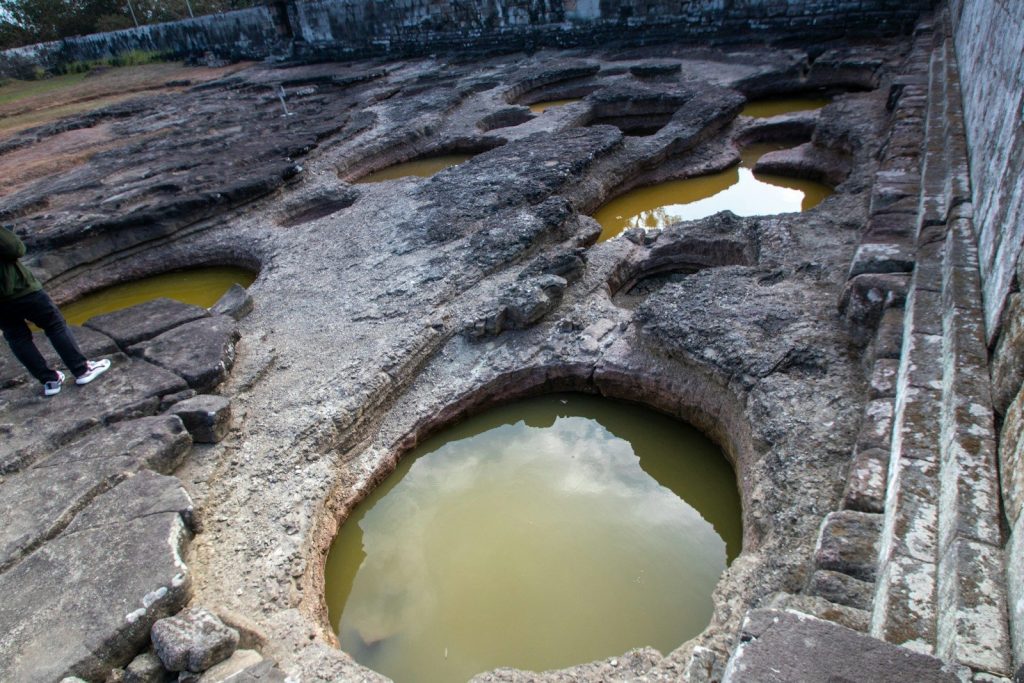
    a man standing on top of a large rock formation
    Photo by Yudiono Putranto on Unsplash

    A series of large rectangular depressions surrounds the ancient temple complex of Saqqara. According to a study published in PLOS One, these deep basins functioned as massive settling pools for the water system. They held sediment. This advanced filtration system prevented sand from clogging the delicate underground channels and valves. But tracing the ultimate source of this water network required satellite mapping.

    Mapping Ancient Rivers

    an aerial view of a river running through a desert
    Photo by Alex Moliski on Unsplash

    Modern radar imagery helped researchers map the prehistoric water flows across the desert. According to NASA geologists, a massive ancient river system once flowed directly through the region thousands of years ago. The desert was green. This abundant water source provided the constant flow required to run the heavy hydraulic elevators. But some traditional Egyptologists remain highly skeptical of these findings.

    The Academic Divide

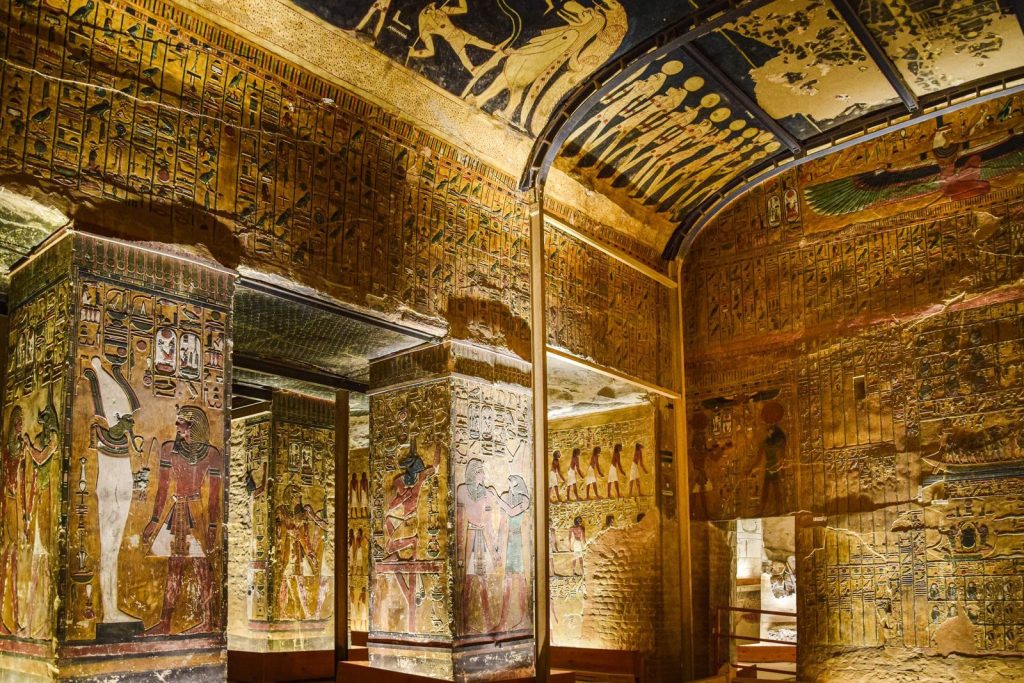
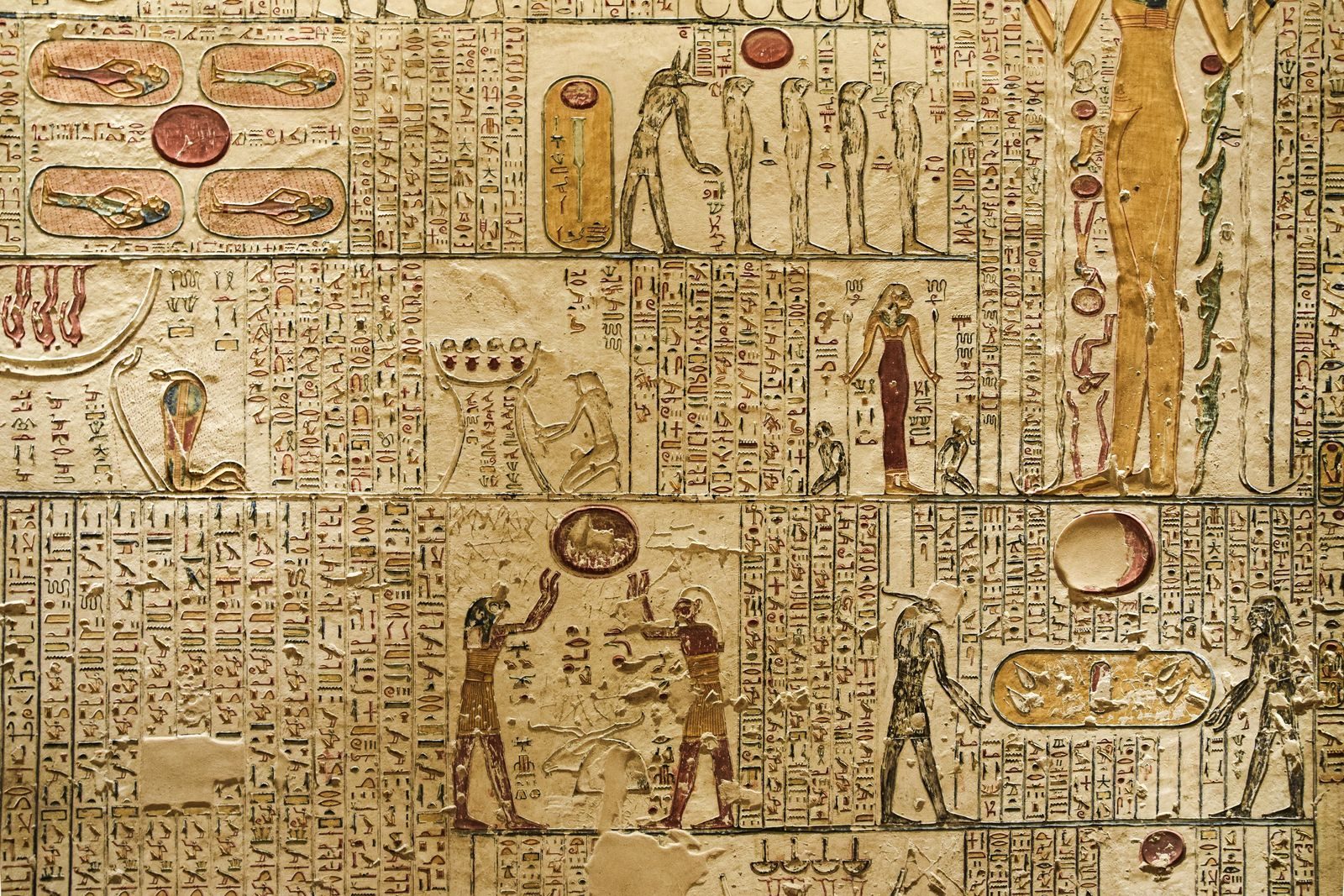
    Explore the rich hieroglyphics and art inside an ancient Egyptian tomb, a testament to historic grandeur.
    Photo by AXP Photography on Pexels

    Mainstream academics argue that there is no written record of hydraulic machinery in ancient texts. According to traditional archaeologists, the Egyptians relied strictly on massive labor forces and simple wooden rollers. They were patient. They believe that introducing complex water elevators overcomplicates what was achieved through sheer human strength. But the physical presence of the underground channels still puzzles researchers.

    Unlocking Subsurface Engineering

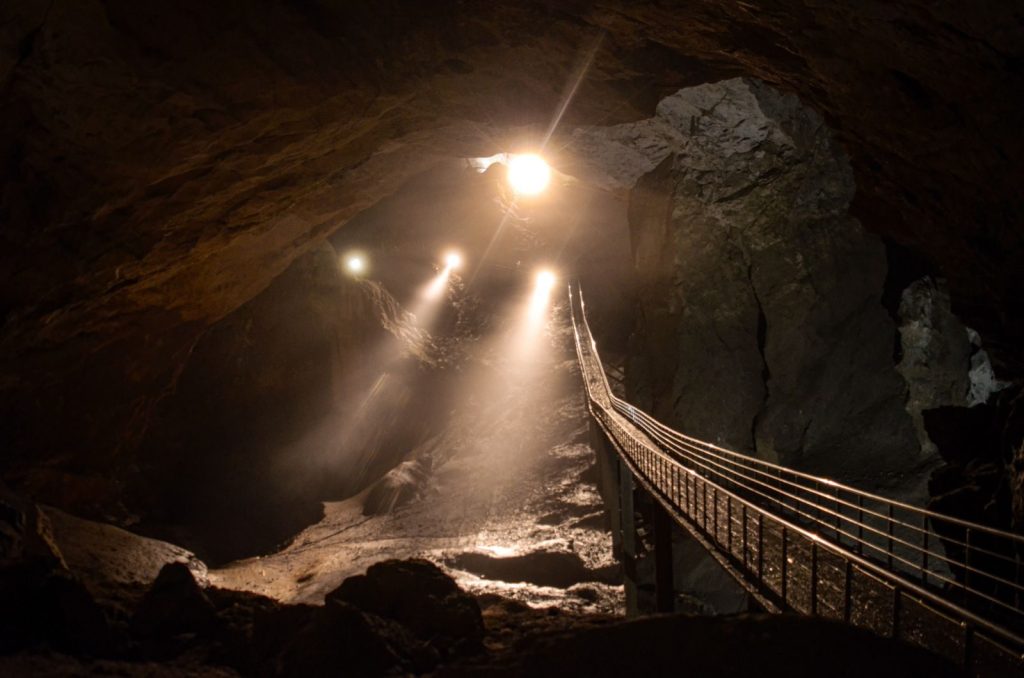
    A dramatic view of sunlight illuminating a cave with a wooden bridge. Captivating geological wonder.
    Photo by Arina Dmitrieva on Pexels

    This hydraulic theory proves that ancient societies were highly organized long before the rise of modern machinery. According to researchers, studying these hidden channels helps us appreciate the true genius of early human engineering. Nature always surprises us. This article is for informational purposes only.

    Featured Image: Photo by Kévin et Laurianne Langlais on Unsplash

  • The Wild Physics of Supersonic Flights Across America

    The Wild Physics of Supersonic Flights Across America

    Most travelers assume that traveling across the American continent always requires a long six-hour flight. We believe that commercial jet speeds represent the absolute limit of transcontinental travel.

    But legendary military aircraft have shattered this geographic journey in a fraction of that time. These supersonic speed runs pushed the physical limits of both machine and atmosphere.

    The Record Shattered

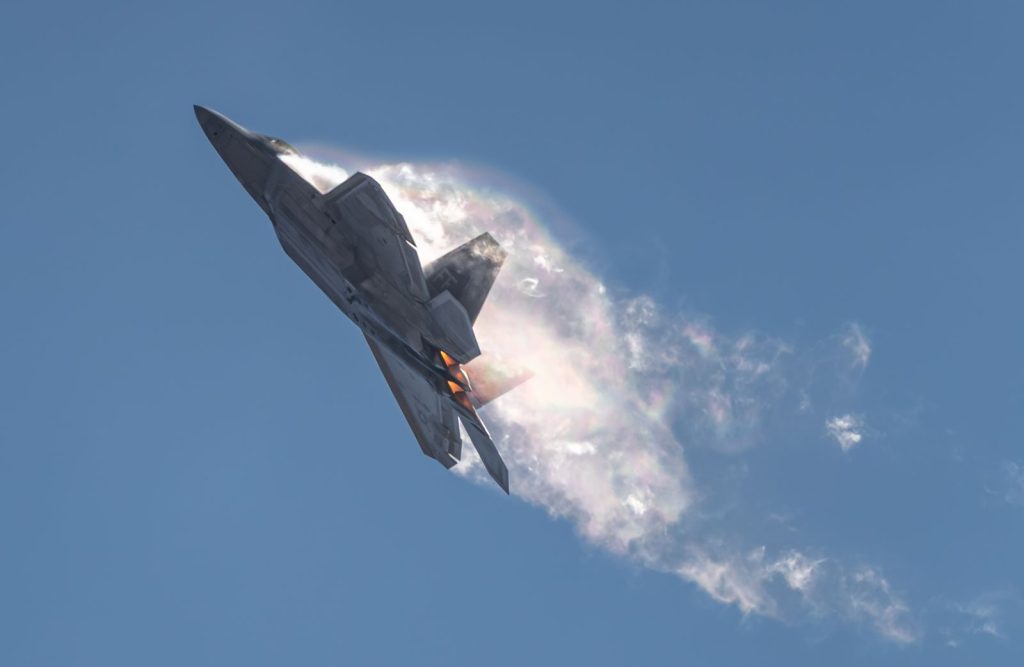
    F-22 Raptor performing a dramatic airshow maneuver in San Diego skies.
    Photo by Soly Moses on Pexels

    A legendary spy plane once crossed the entire United States in just over one hour. According to official flight records from the Smithsonian Institution, the SR-71 Blackbird averaged over two thousand miles per hour during its historic journey. It was blindingly fast. This incredible speed run remains unbeaten by any piloted aircraft in aviation history. But achieving this extreme speed required surviving a massive thermal barrier.

    Burning Atmospheric Friction

    A fighter jet performs a stunning aerobatic maneuver against a clear sky.
    Photo by selo on Pexels

    Flying at three times the speed of sound forces air molecules to compress violently against the jet frame. According to thermodynamic studies, this intense friction generates temperatures exceeding six hundred degrees on the metallic surface. The metal actually glows. This extreme heat would melt standard aluminum aircraft in a matter of minutes. But engineers solved this issue by using a highly unusual material.

    The Titanium Shield

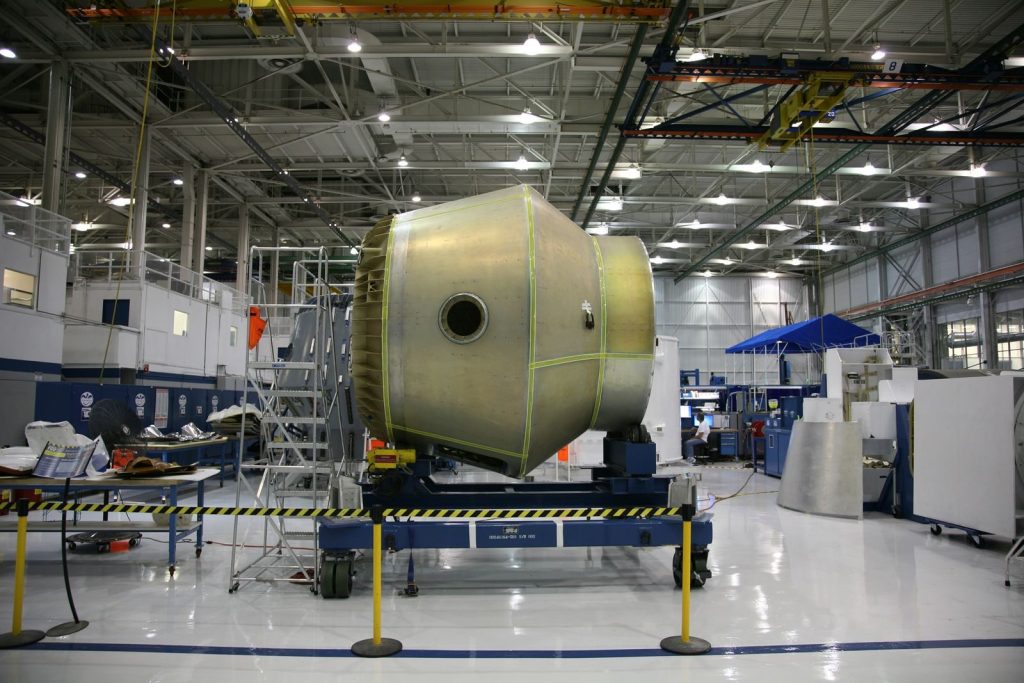
    Heavy detail of spacecraft placed on rolling platform under construction at futuristic rocket factory
    Photo by SpaceX on Pexels

    Designers had to build the entire high-speed aircraft out of a highly durable titanium alloy. According to manufacturing archives, this rare metal actually grows stronger when exposed to the intense heat of supersonic flight. It is incredibly tough. But sourcing enough titanium during the Cold War required using secret shell companies to buy the metal. But managing this expanding metal in flight introduced a highly strange problem.

    Leaking Fuel Tanks

    A female pilot operates a flight simulator in an advanced training facility.
    Photo by ThisIsEngineering on Pexels

    The titanium plates of the spy jet were designed to fit loosely on the ground to allow for heat expansion. According to mechanic reports, the fuel tanks actually leaked raw fuel onto the runway before takeoff. The gaps were visible. Once the jet reached high speeds, the thermal expansion sealed the metal joints perfectly shut. But keeping these hungry engines fed required a highly complex refueling process.

    Aerial Refueling Ballet

    A stealth bomber aircraft receives aerial refueling mid-flight over clouds.
    Photo by Pixabay on Pexels

    Supersonic speed runs drain massive fuel reserves in a highly rapid manner. According to military operation files, the record-breaking jets had to refuel in midair from specialized tanker planes right before accelerating to maximum speed. Precision was absolutely vital. A single mistake during this high-speed connection could result in a catastrophic midair collision. But the physical impact of the sonic boom created another massive problem.

    The Shockwave Trail

    A jet fighter flies at high speed breaking the sound barrier under a clear blue sky.
    Photo by I Bautista on Pexels

    Breaking the sound barrier releases a massive shockwave of compressed air that travels to the ground. According to environmental surveys, these intense sonic booms can shatter glass windows and terrify local wildlife below. The noise was deafening. This severe environmental impact eventually led to a strict government ban on supersonic flights over dry land. But scientists are now working on a clever solution to this noise.

    Silencing The Boom

    Close-up of a J 35 Draken fighter jet, showcasing its sleek design and parked under a SAAB logo.
    Photo by Tommy Olsson on Pexels

    Aerospace engineers are designing specialized nose cones to disperse the compressed air shockwaves quietly. According to NASA research, new aerodynamic shapes can reduce the loud sonic boom to a quiet thump. The future is silent. This breakthrough could soon allow passenger jets to fly supersonic across land once again. But the ultimate limits of high-speed travel will soon belong to pilotless craft.

    Hypersonic Travel Frontiers

    A rocket ascends into the sky, leaving a trail of smoke against the clear blue sky.
    Photo by Dirk Schuneman on Pexels

    Modern researchers are already testing unmanned scramjet vehicles that can fly five times the speed of sound. According to defense science agencies, these hypersonic machines will soon cross continents in a matter of minutes. Speed has no limits. This article is for informational purposes only.

    Featured Image: Photo by Pixabay on Pexels

  • The Shocking Theory of Prehistoric Civilizations Before Humans

    The Shocking Theory of Prehistoric Civilizations Before Humans

    Most history lovers assume that humans are the first intelligent species on Earth. We believe that our industrial age represents the absolute peak of terrestrial evolution.

    But a compelling geological hypothesis suggests we might have been preceded. Strange planetary anomalies suggest that an advanced industrial civilization could have existed millions of years ago.

    The Silurian Hypothesis

    brown rock formation under blue sky during daytime
    Photo by Jose Hernandez-Uribe on Unsplash

    A strange thought experiment challenges our understanding of deep geological time. According to research from the NASA Goddard Institute, an industrial society from millions of years ago would be nearly impossible to spot today. Nature is highly destructive. Physical ruins simply crumble into dust. Yet certain chemical signatures could endure this massive passage.

    Tracking Ancient Carbon

    Close-up of a scientist operating lab equipment with a flask in hand.
    Photo by Yuri Shkoda on Pexels

    An industrial society would leave unique chemical footprints in the soil. According to planetary geologists, heavy fossil fuel consumption alters carbon isotope ratios in global sediment layers. These markers are permanent. Similar rapid carbon spikes have already been found in the deep rock record. But identifying the true cause of these ancient warming events remains a massive scientific challenge.

    The Deep Time Recycle

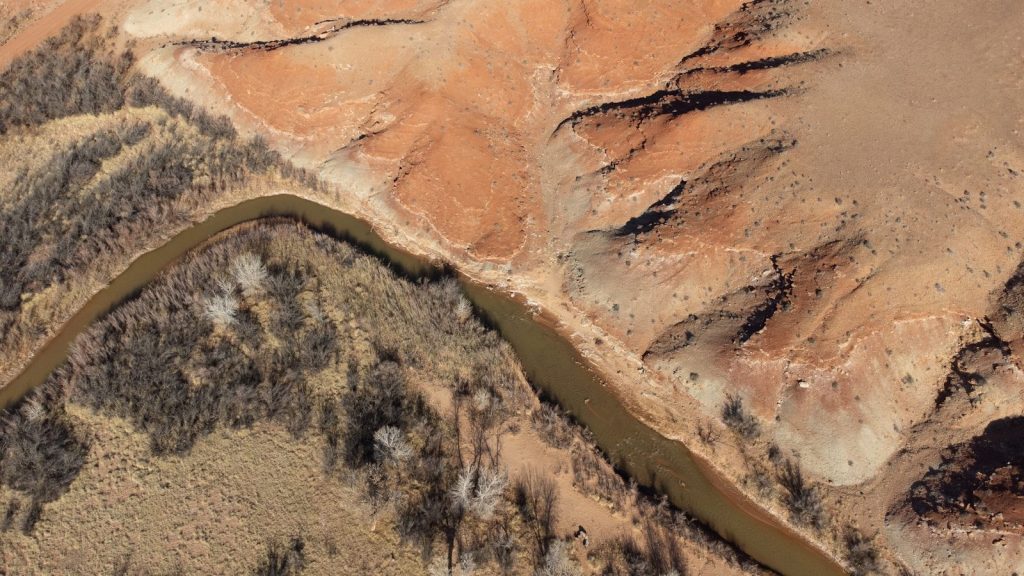
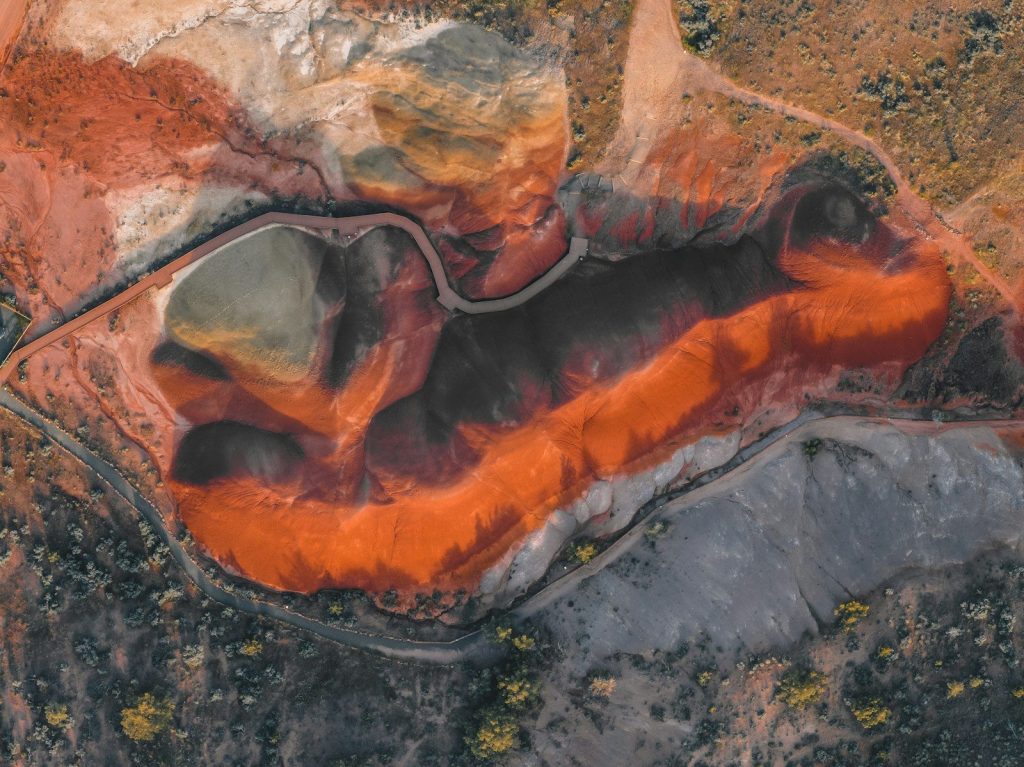
    an aerial view of an orange and black area
    Photo by Dan Meyers on Unsplash

    The natural rock cycle actively destroys physical evidence of ancient civilizations over millions of years. According to geological surveys, tectonic plates constantly pull the surface of the Earth back into the molten mantle. The crust melts. This continuous recycling process erases entire continents and any structures built upon them. But some rare planetary elements might bypass this geological destruction.

    Plastic In The Fossil Record

    gray stone with water droplets
    Photo by Nareeta Martin on Unsplash

    Synthetic compounds like plastics might serve as the ultimate calling card of an advanced society. According to materials science researchers, artificial polymers do not easily break down under normal environmental conditions. They last forever. These synthetic molecules could eventually settle into sediment layers to form unique marker horizons. But scientists are looking for even more complex physical evidence.

    Rare Metal Spikes

    Top view of a scientist using a dropper with blue chemicals surrounded by laboratory equipment.
    Photo by Mikhail Nilov on Pexels

    Advanced technology relies on rare earth elements that do not occur naturally in concentrated amounts. According to chemical analyses, mining and refining these metals leave a highly unusual spike in global soil records. The metals linger. These specific chemical anomalies would survive long after concrete buildings decayed. But geological history holds another mysterious warming event that matches these patterns.

    The Ancient Thermal Spike

    A close up of a planet with a black background
    Photo by Bhautik Patel on Unsplash

    A dramatic warming event that occurred fifty-six million years ago continues to puzzle modern climate experts. According to paleoclimatology reports, temperatures spiked rapidly during this period. The planet baked. This mysterious event released massive amounts of carbon that match the footprint of an industrial society. But proving an intelligent source for this ancient spike remains a massive scientific challenge.

    Rethinking Our Legacy

    a view of the earth from space
    Photo by dlovan 666 on Unsplash

    The idea of a pre-human society reminds us how quickly our own civilization could vanish from the Earth. According to historians, understanding the limits of deep geological time helps us appreciate our fragile place in the universe. We are just visitors. This article is for informational purposes only.
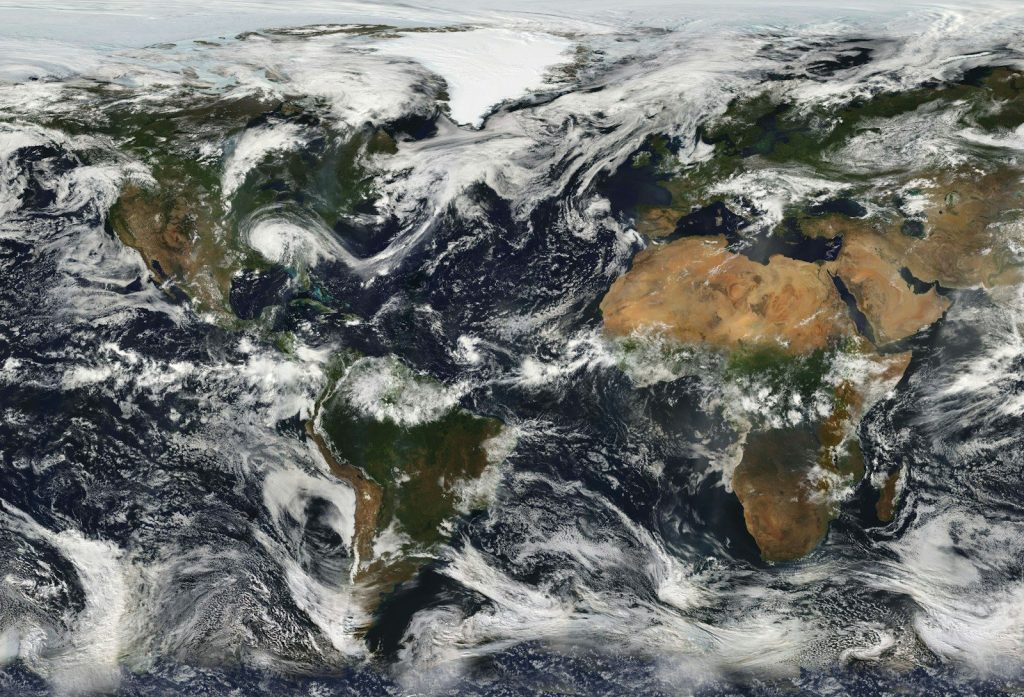
    Featured Image: Photo by Buddha Elemental 3D on Unsplash

  • The Ice Age Code Decoded Across Five Continents

    The Ice Age Code Decoded Across Five Continents

    Most people believe ancient tribes lived in total isolation. We assume prehistoric humans only cared about basic daily survival.

    But matching cave markings suggest a global communication network existed. This shared code could completely rewrite early human history.

    Hidden Markings Deep Underground

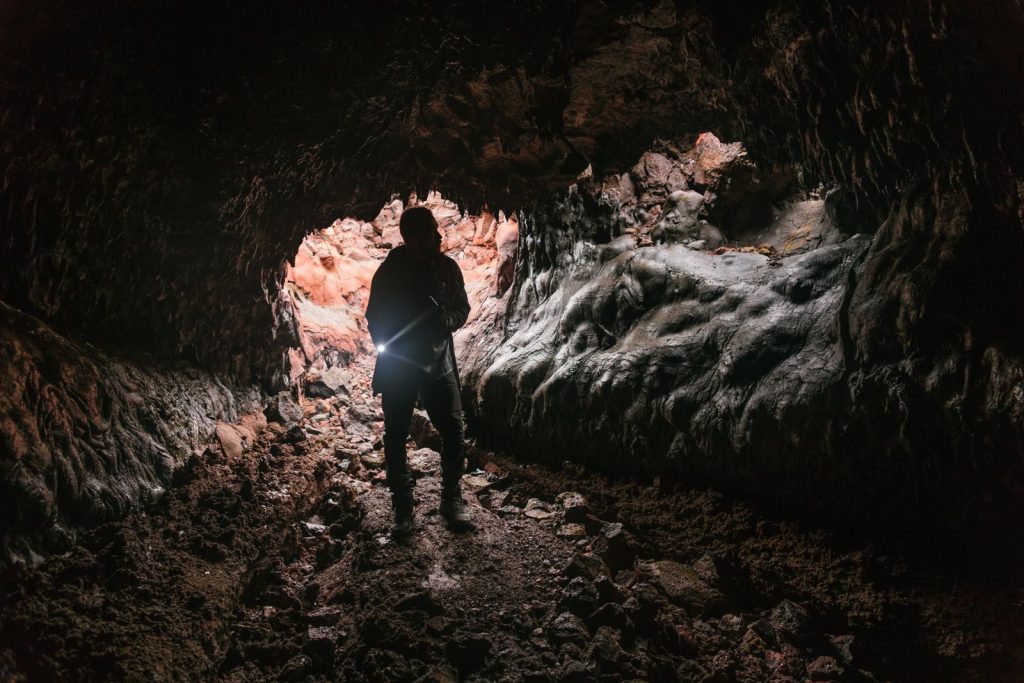
    Silhouette of a person exploring a dimly lit cave with a flashlight, emphasizing adventure.
    Photo by ArtHouse Studio on Pexels

    Archeologists exploring remote caves discovered a highly unusual pattern of geometric shapes on stone walls. According to a study by the University of Victoria, exactly thirty-two specific symbols appear repeatedly across the globe. They are completely identical. This consistent layout suggests that prehistoric artists were sharing a unified visual language. But researchers still needed to determine when this mysterious code first appeared.

    Reaching Back In Time

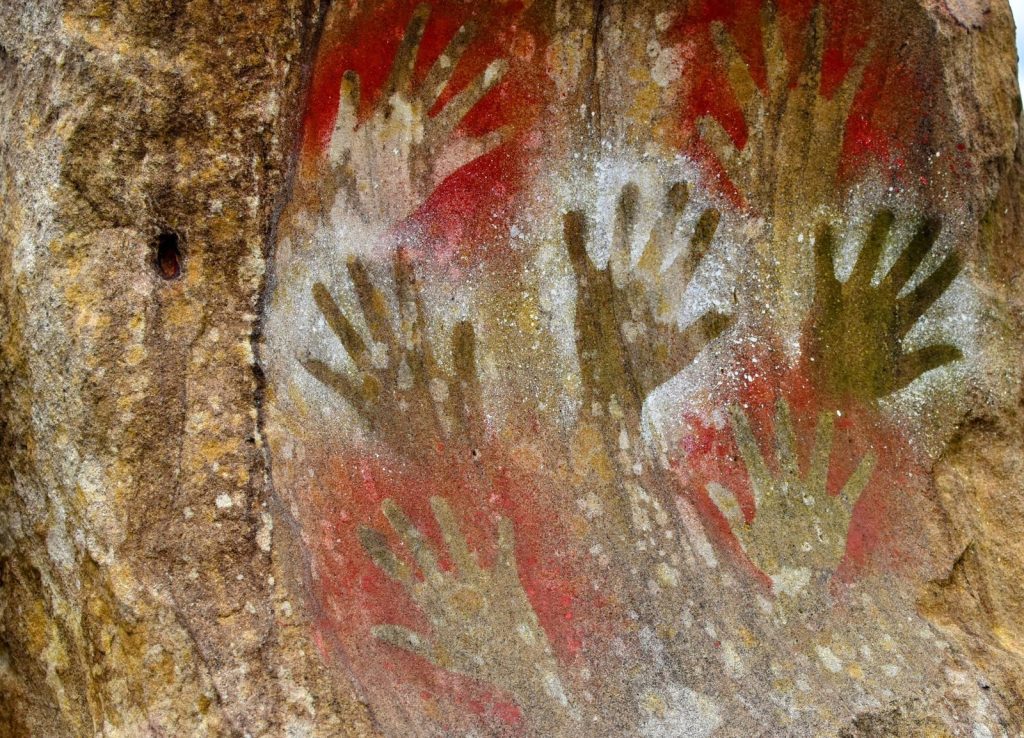
    Neolithic hand print art painted on cave wall illustrates ancient history.
    Photo by Onin on Pexels

    Advanced dating methods reveal that these markings are incredibly ancient. According to research published in Nature, some of the symbols were painted over thirty thousand years ago. The timeline is shocking. This age means that early humans were communicating across vast distances long before traditional writing systems emerged. Yet the discovery of how these symbols traveled would puzzle scientists even more.

    Traveling Across Wild Oceans

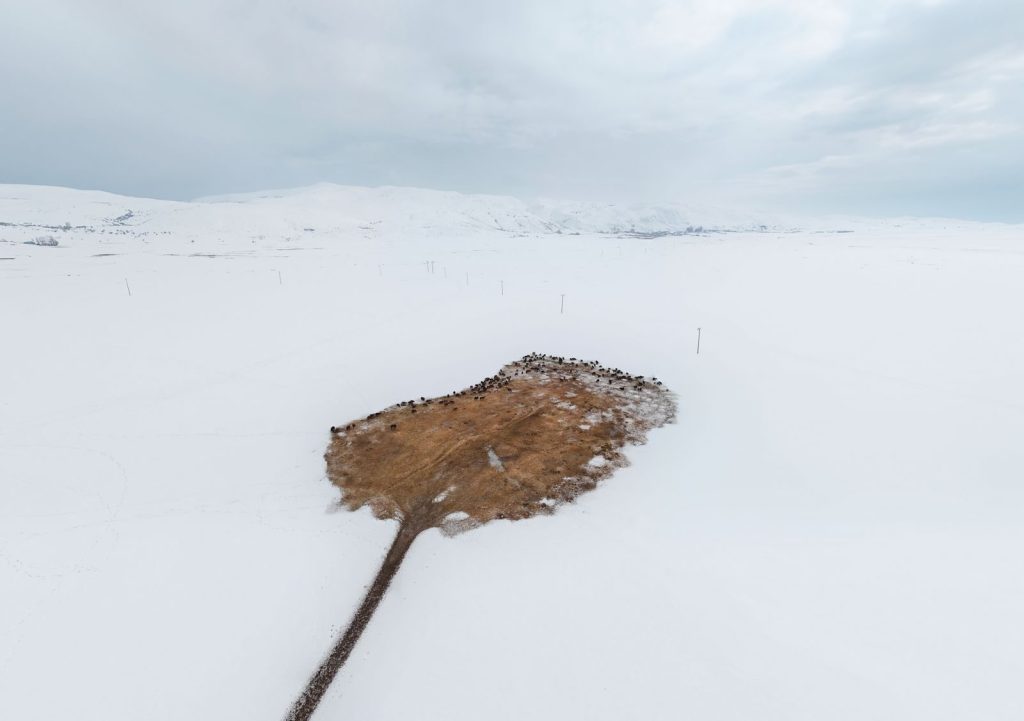
    A birds-eye view of a herd gathered on a snowy pasture, showcasing winter wildlife behavior.
    Photo by Mehmet Sümer on Pexels

    Finding identical shapes in Europe and Australia seems impossible without global travel. According to migration reports from the Smithsonian Institution, early groups likely carried these graphic traditions during their massive ice age migrations. They were highly organized. This shared knowledge acted as a cultural anchor as humans populated new lands. But one specific cave system held the absolute key to the code.

    Secrets of the Lascaux Cave

    Çumra cave art showcasing ancient human and animal figures on a wall in Konya, Türkiye.
    Photo by Talha Aytan on Pexels

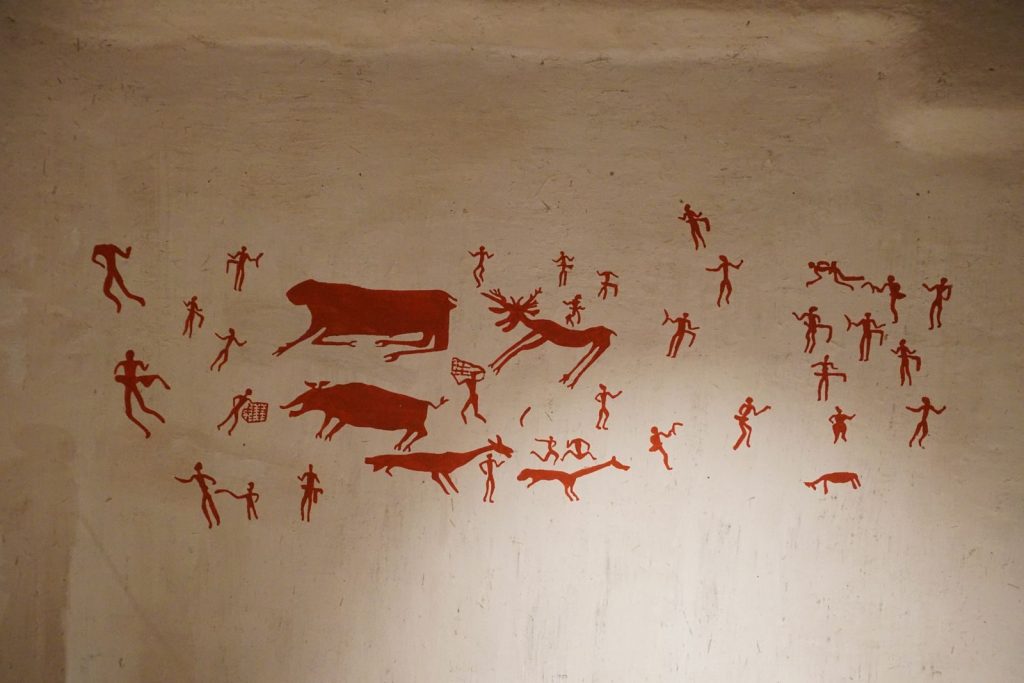
    Famous French caves contain more than just paintings of running horses and massive bulls. According to the French Ministry of Culture, abstract geometric signs are scattered all over the walls. Nobody noticed them initially. For decades, experts focused only on the animal art while ignoring these simple geometric patterns. But these forgotten lines may have actually saved our ancestors from extinction.

    A Tool For Survival

    Close-up of icicles forming on a snow-covered rocky arch, showcasing winter's cold beauty.
    Photo by K on Pexels

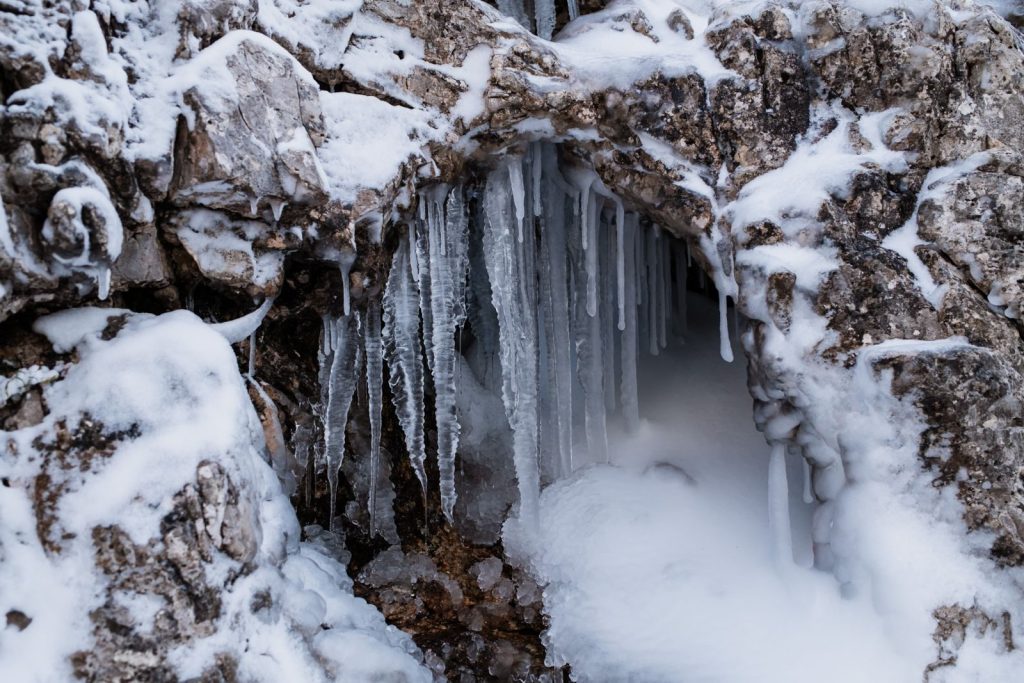
    The abstract shapes likely served a highly practical purpose during times of extreme weather. According to anthropological studies, prehistoric hunters used the symbols to mark territory and share navigation routes. This was critical. The code allowed different clans to cooperate and survive a freezing planet. But this grand global network eventually began to fade away.

    The Code Slowly Vanishes

    a large iceberg floating on top of a body of water
    Photo by Melissa Bradley on Unsplash

    As the great glaciers melted, the ancient connections between these groups began to dissolve. According to climate history reports, rising sea levels isolated different populations and forced them to develop separate languages. The system fractured. The global code slowly disappeared into history, leaving behind only these silent stone whispers. But modern technology is finally helping us read the patterns again.

    Reconnecting With Our Ancestors

    Professionals conducting an archaeological survey at historic ruins in Périgueux, France.
    Photo by Didier VEILLON on Pexels

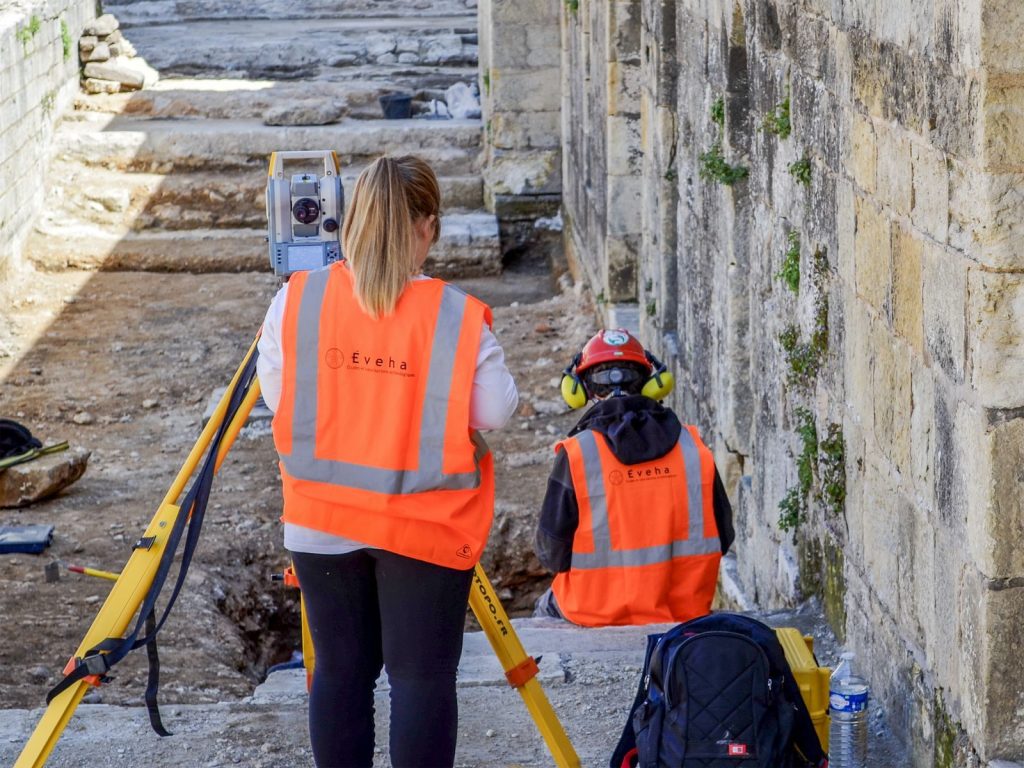
    Laser scanning technology is now uncovering hidden layers of cave art previously invisible to the human eye. According to archeologists, these geometric symbols prove that early humans possessed high levels of intelligence. They were brilliant. This article is for informational purposes only.
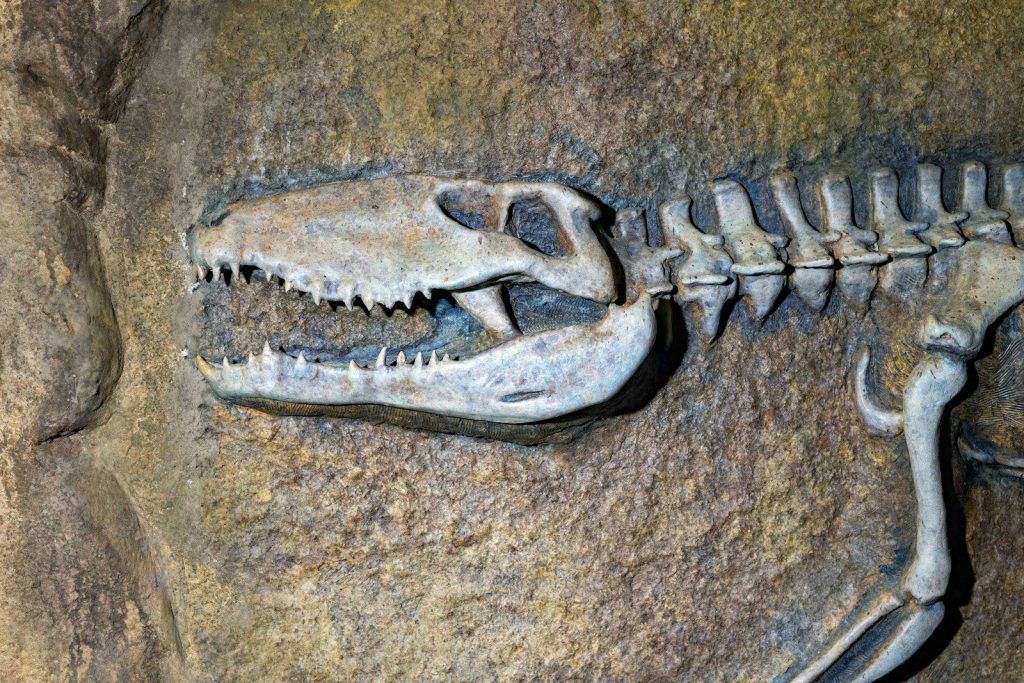
    Featured Image: Photo by AXP Photography on Pexels