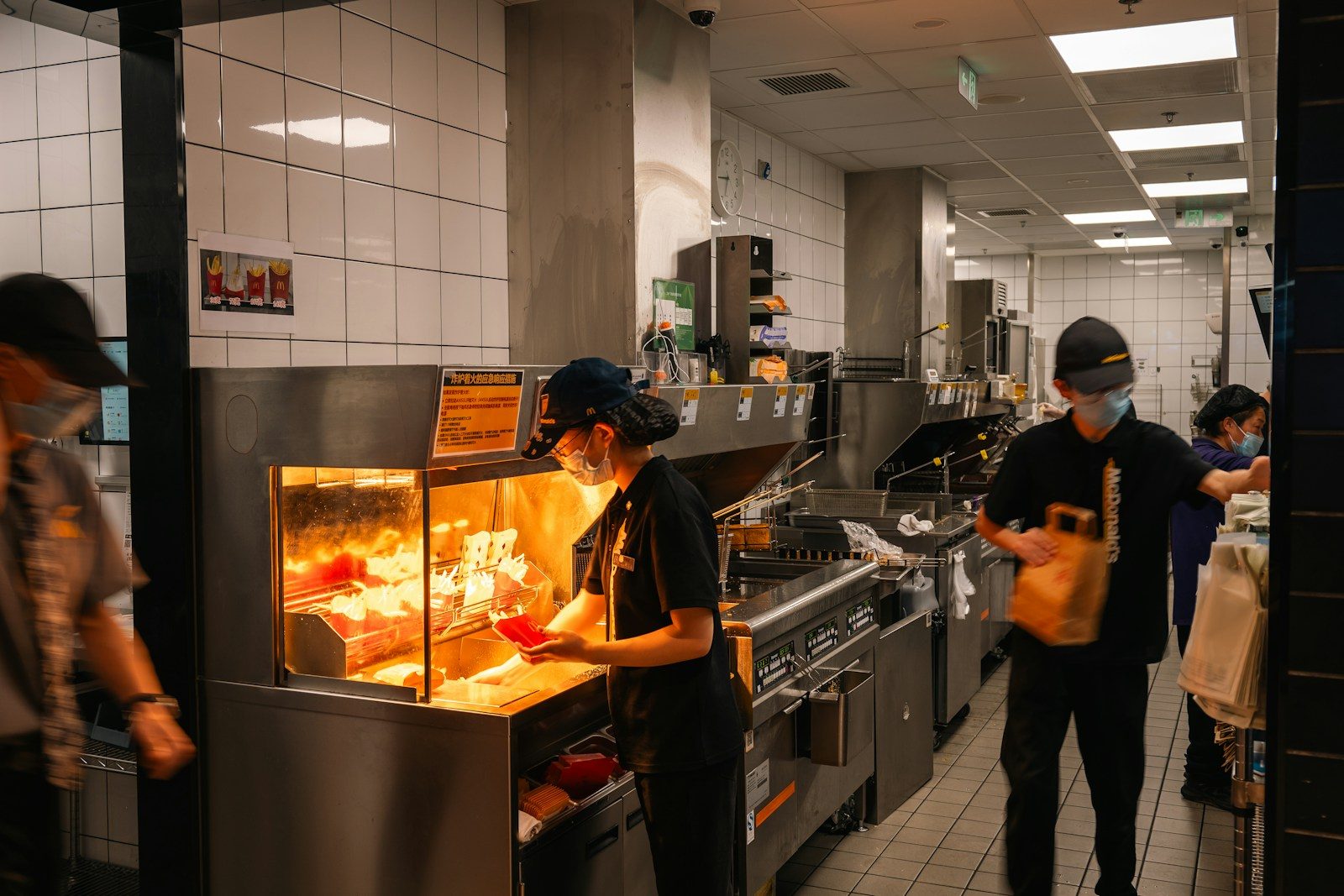
Most people assume that preparing restaurant meals requires human culinary artistry. We believe that machines can never duplicate the complex flavor palates of professional chefs.
But a fully automated kitchen in Croatia prepares hundreds of dishes with zero human help. This robotic restaurant is proving that mechanical hands cook food with absolute precision.
The Robotic Chef Appears
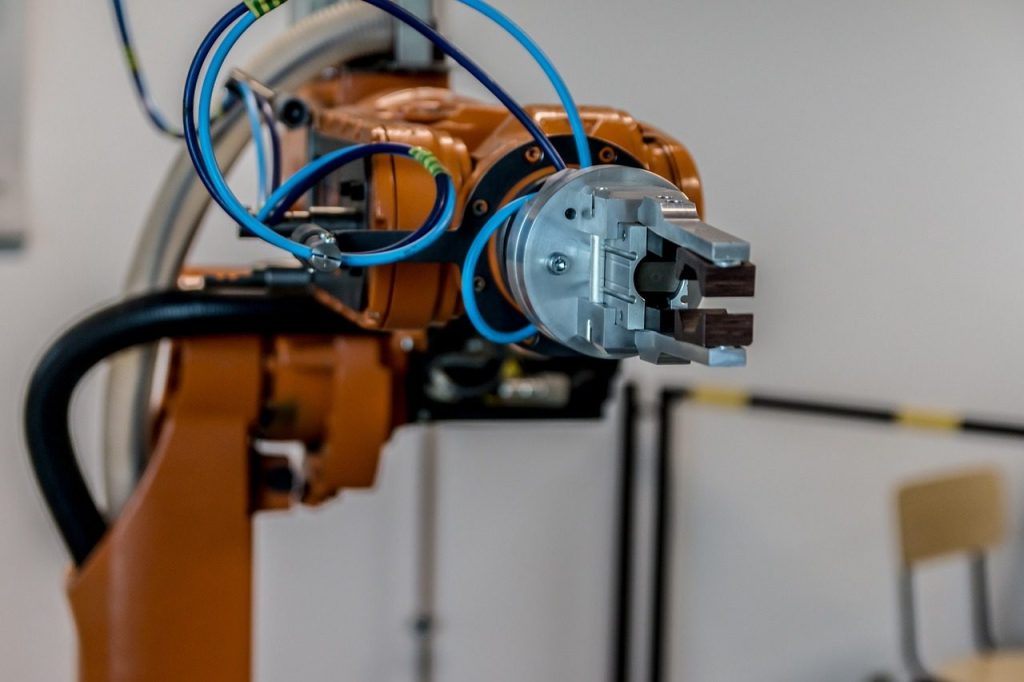
A busy bistro in Zagreb uses an advanced robotic cooking array called GammaChef to prepare hot stews. This multi-pot machine controls heat and seasons food without human intervention. According to business reports in Bloomberg, the automated system operates entirely on pre-programmed digital recipes. It never makes mistakes. But this culinary machine requires some highly complex engineering to run smoothly.
Pumping Ingredients With Precision
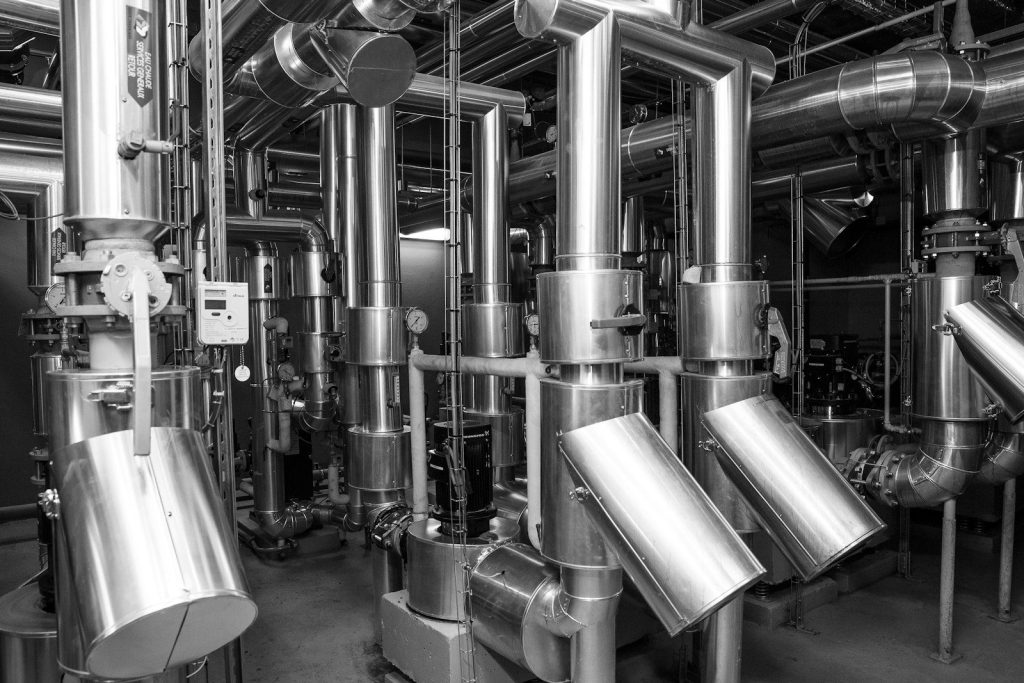
The kitchen uses a pressurized tube system to feed exact amounts of water and oil into pots. It dispenses spices down to the microgram to ensure consistent taste. According to mechanical designers, the machinery cleans itself between orders to prevent cross-contamination. The process is flawless. Yet, handling fresh ingredients presents a massive physical challenge for automated arms.
The Challenge Of Texture
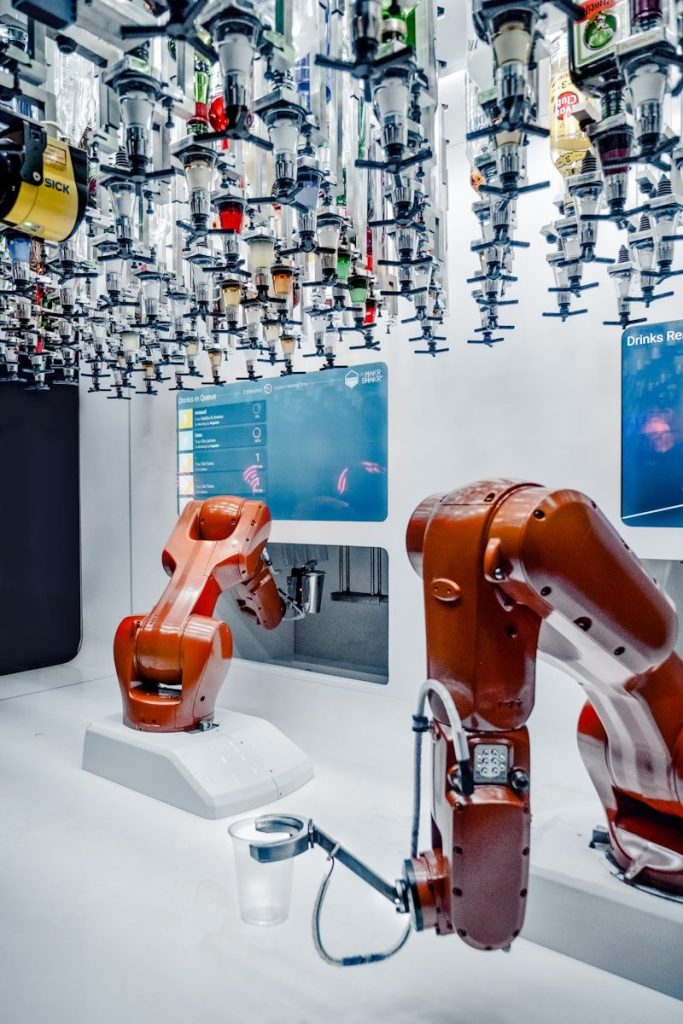
While liquids flow easily, fresh meat and soft vegetables often stick to metal dispensers. Engineers had to build vibrating plates to guide solid food into the pans. According to a study in Food Engineering, matching human hand coordination remains the hardest task in food tech. Science is catching up. And this mechanical evolution is drastically dropping the cost of running a business.
Cutting Down Overhead Costs
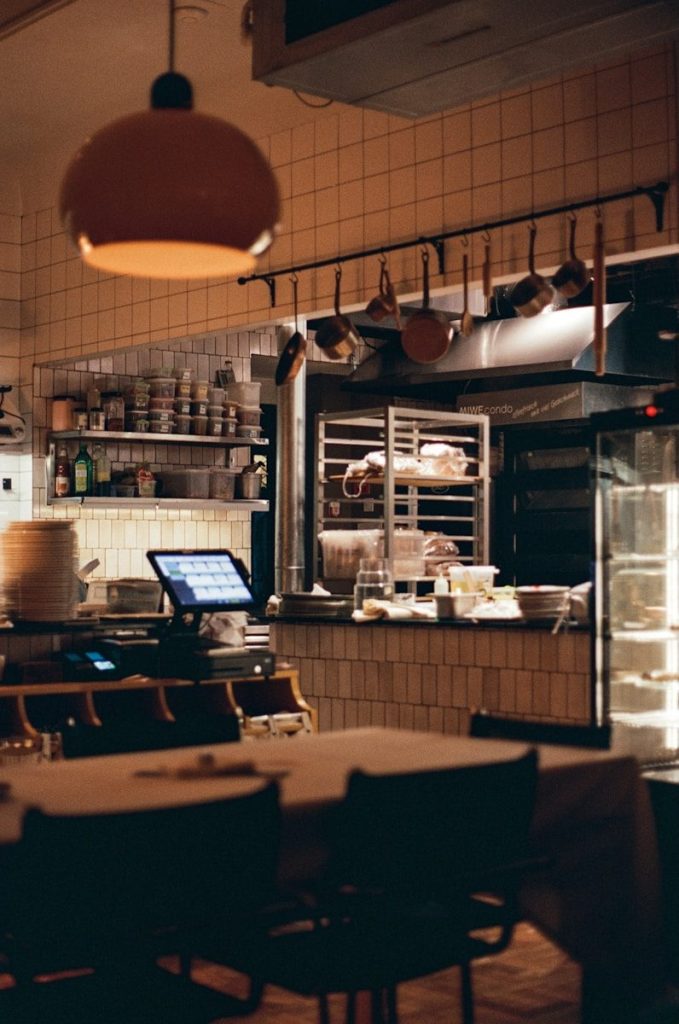
Restaurant owners typically spend nearly thirty percent of their revenue on kitchen labor. Automated systems eliminate these recurring wages and keep kitchens running continuously. According to financial analysts, robots can pay for themselves in under eighteen months of full operation. Savings are immediate. However, this massive efficiency is sparking a fierce debate among traditional restaurant workers.
Protecting Culinary Heritage
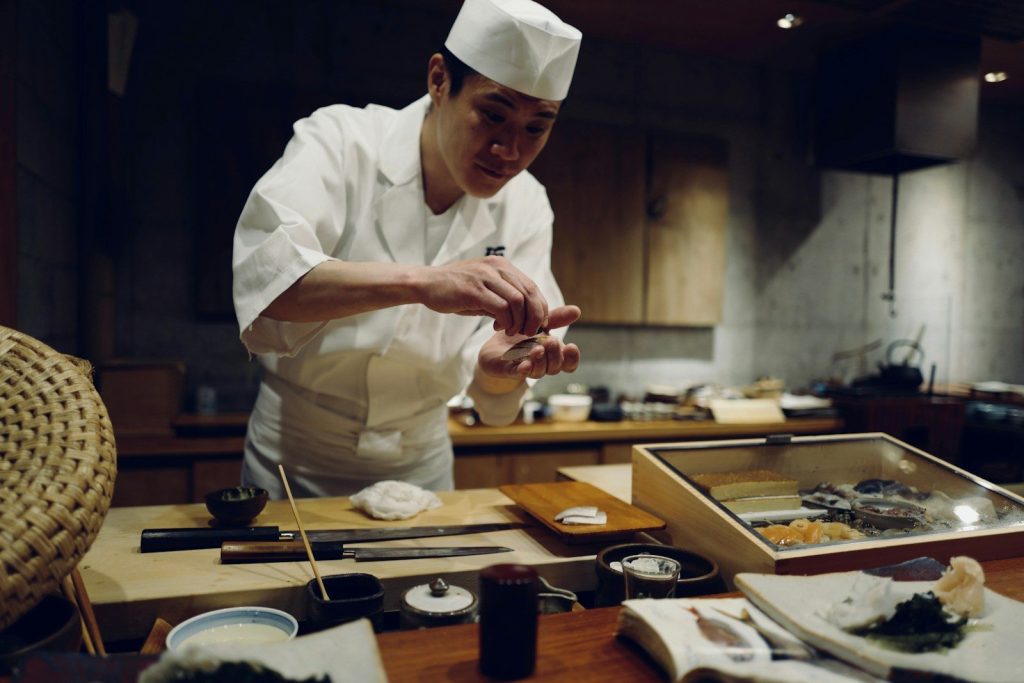
Critics worry that automated cooking will ruin the traditional dining experience. They argue that food loses its soul when prepared by cold metal parts. According to cultural historians, food prep has always served as a vital human bonding ritual. Art is at risk. But automated developers are aiming at a completely different market segment.
Fast Food Automation First
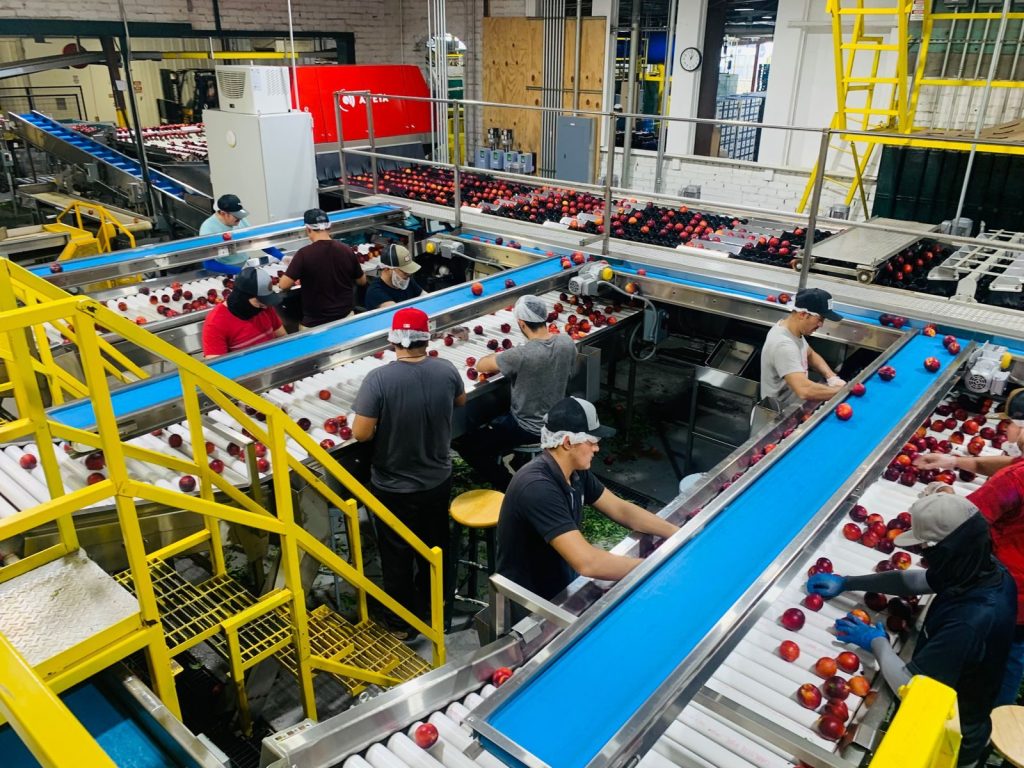
Chain restaurants and high-volume dining halls are adopting this technology first to handle rush hour crowds. These venues prioritize speed and consistency over artistic flair. According to industry reports, major fast food giants are actively testing automated fryers and assembly lines. The future is fast. And this shift is driving massive investments into heavy food tech.
The Global Kitchen Network
Developers want to link automated kitchens to the cloud to download new recipes instantly. A chef in Paris could program a dish and send it to machines worldwide. According to software engineers, this global network could standardize hospitality across different continents. Distance will vanish. But this connected future faces one final barrier.
The Consumer Choice

Customers must ultimately decide if they prefer the human touch or automated consistency. While machines offer cheaper meals, human chefs provide warmth and community. According to consumer surveys, most diners still value personal interaction during their meals. This article is for informational purposes only.
Featured Image: Photo by Cheng Shi Song on Unsplash
Leave a Reply