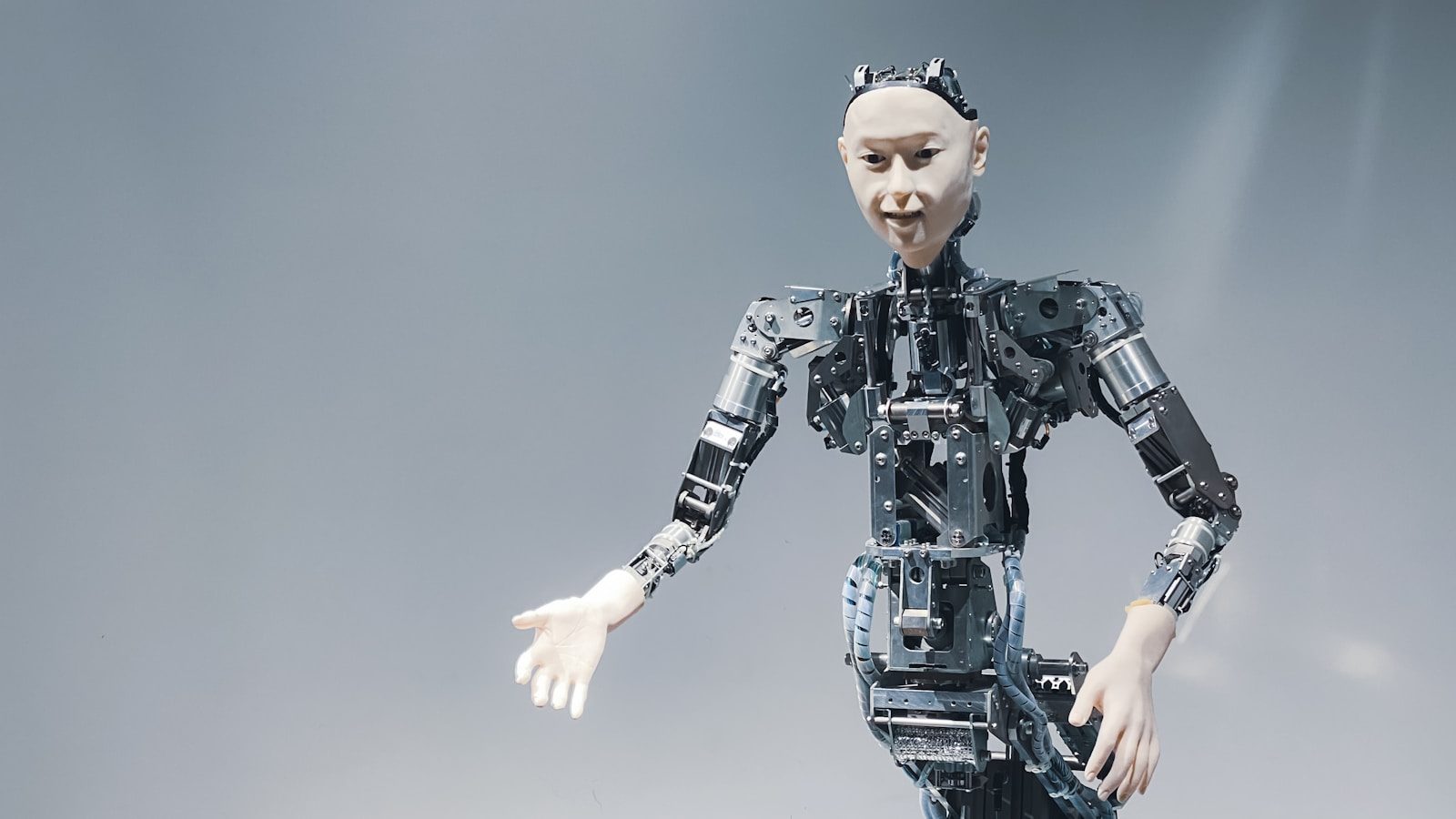
Most people assume that human expressions remain completely unique to biological creatures. We believe that mechanical hardware can never replicate the warmth of human skin.
But engineers are crafting synthetic materials that behave exactly like real tissue. These strange humanoids use complex muscle systems to mimic our emotions.
Inside The Artificial Skin

Scientists are developing advanced polymers that heal themselves when cut or torn. This soft material contains built-in touch sensors to feel temperature changes. According to researchers at Stanford University, these artificial layers can mimic the exact elasticity of human flesh. It feels shockingly warm. However, copying our expressions requires a much deeper level of muscle coordination.
Mimicking Real Human Faces
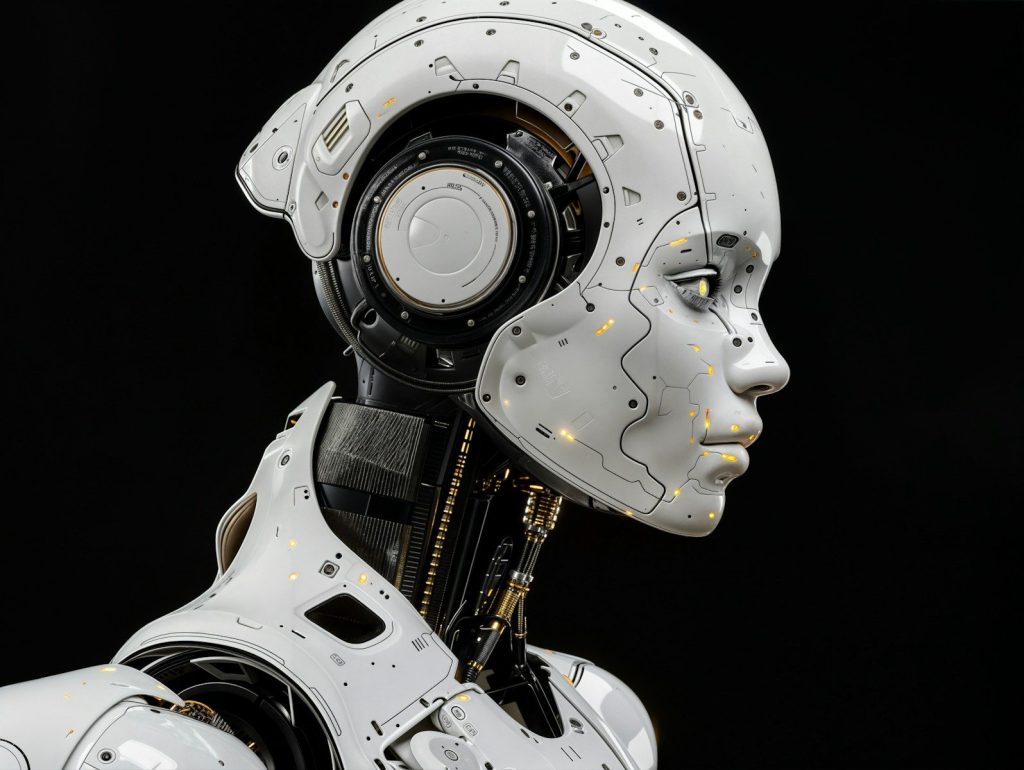
Designers now use hundreds of tiny actuators behind the synthetic flesh to trigger realistic smiles. These small motors pull the fake skin in highly precise directions. According to reports from Tokyo University, modern humanoids can actively track eye contact and adjust their expressions in real time. They look almost alive. Yet, this realistic behavior is causing some major psychological issues for observers.
The Dread Of Realism
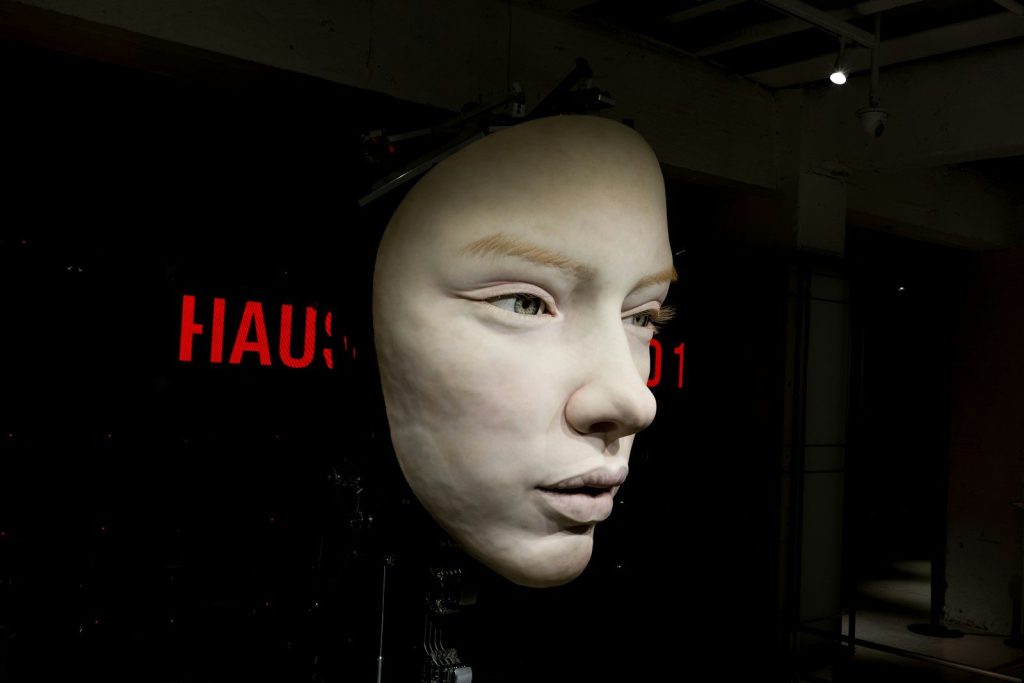
When a machine looks almost human, observers often feel a deep wave of unease. This psychological reaction occurs because the brain spots tiny mechanical errors in the face. According to cognitive studies in Nature, the human mind naturally rejects objects that mimic life imperfectly. The fear is real. And this biological rejection is forcing developers to change their approach entirely.
Replicating Everyday Touch
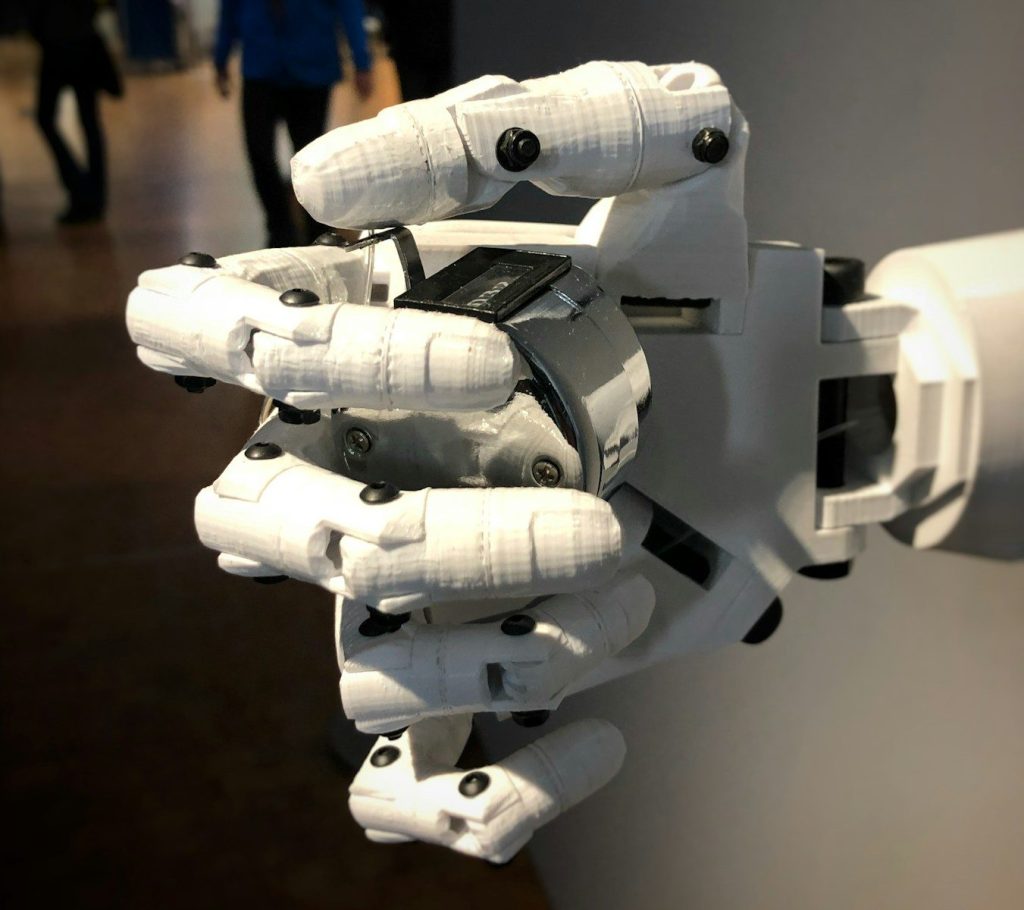
To build trust, designers are working on robotic hands that grip delicate objects safely. These hands use sensory feedback to hold eggs without crushing them. According to robotics engineers at MIT, these artificial limbs can match the dexterity of human fingers. They are incredibly soft. But building these advanced structures requires a massive amount of computational power.
Thinking Like A Human
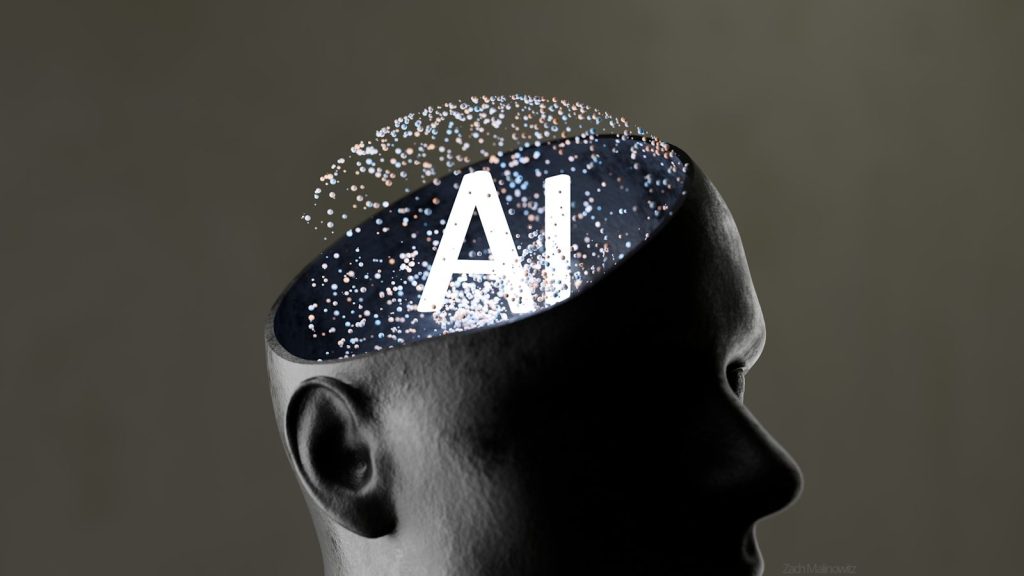
Humanoids must process raw visual data instantly to navigate complex physical spaces. They use neural networks to recognize faces and predict human movements. According to computer scientists at Google, these machines can learn new gestures simply by watching people. They adapt very quickly. However, this high level of mental mimicry brings major ethical concerns.
The Fight For Control

As humanoids get smarter, lawmakers are worrying about safety guidelines in public areas. They want to ensure these machines always remain under human supervision. According to policy experts at Harvard University, unregulated robotics could cause massive displacement in several industries. Society must prepare. And this urgent transition is already taking place in local services.
A New Shared World
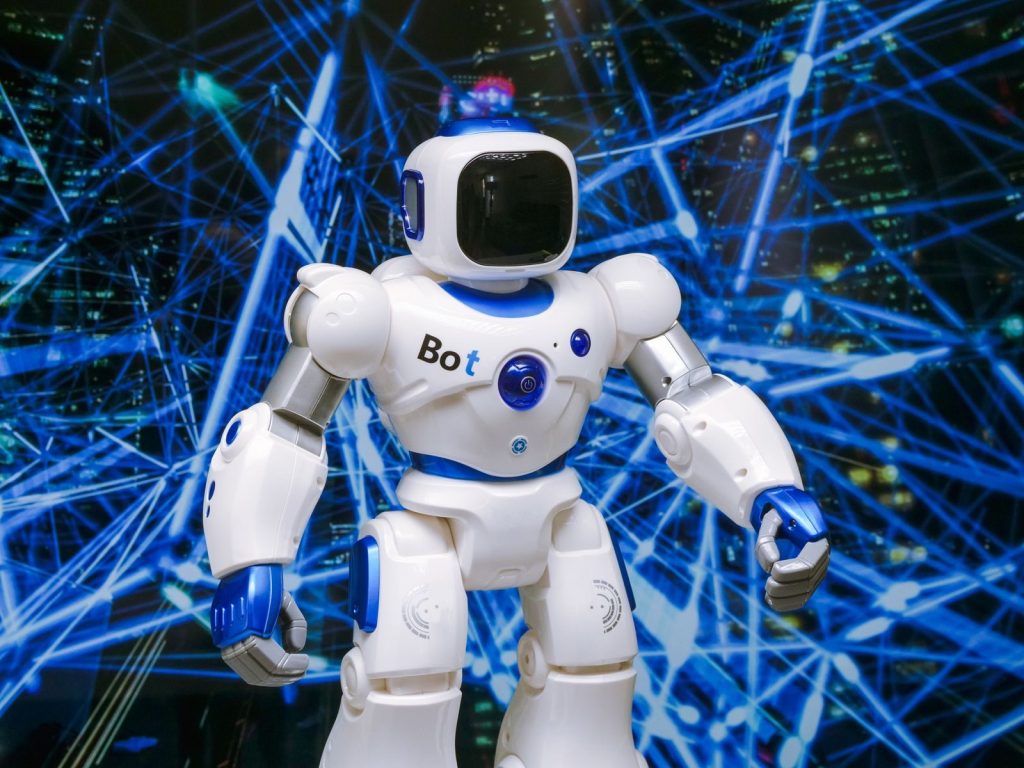
Humanoid machines will soon walk among us in schools, hospitals, and offices. This technological shift will challenge how we define biological life itself. According to leading futurists, we must adapt to sharing our daily spaces with artificial minds. This article is for informational purposes only.
Featured Image: Photo by Taiki Ishikawa on Unsplash
Leave a Reply