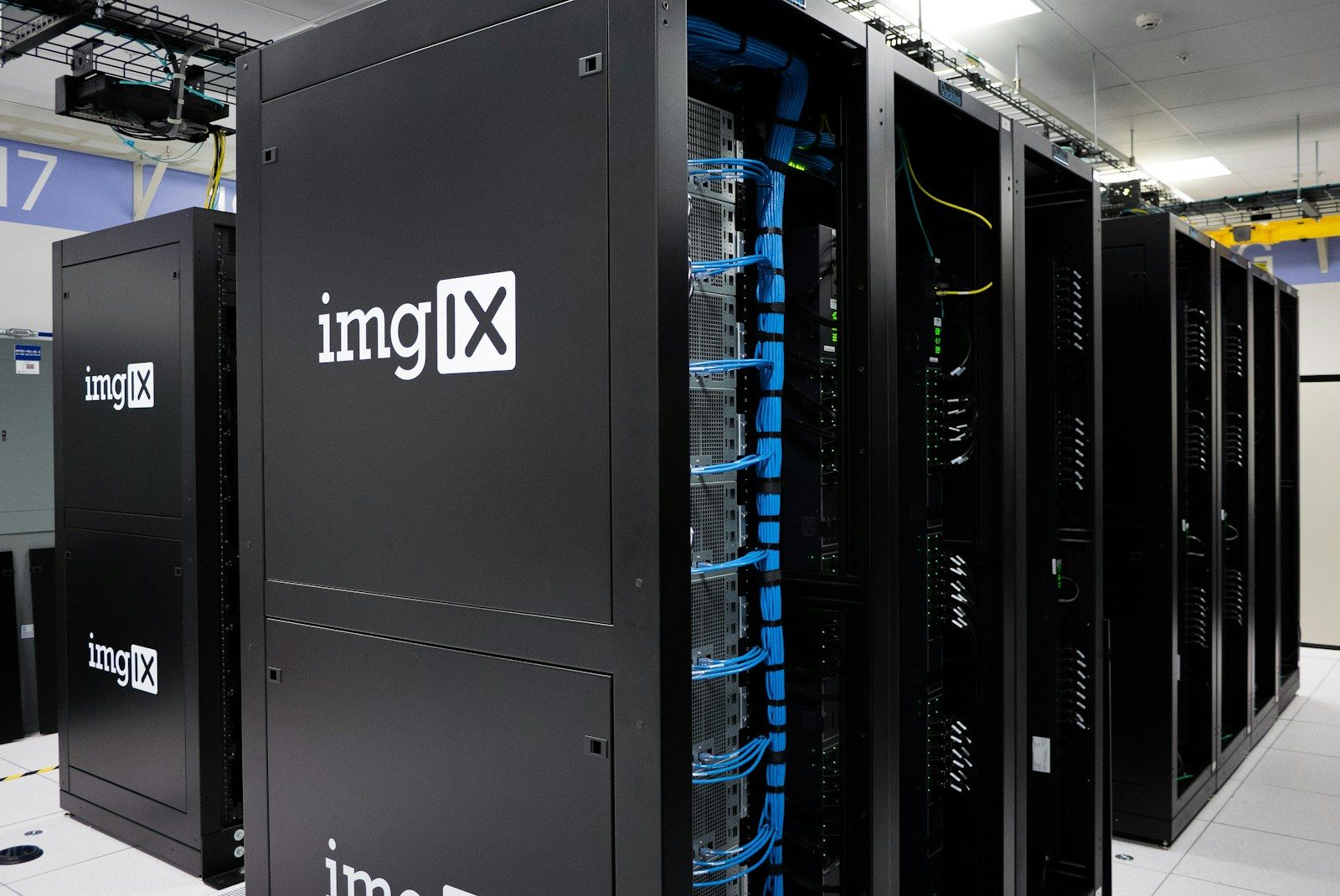
Most people assume that computer software only consumes digital energy inside computer servers. We believe that surfing the web leaves no physical footprint on our natural world.
But the servers running artificial intelligence require billions of gallons of clean water to avoid overheating. This shocking resource consumption is triggering a major environmental crisis in dry regions.
The Thirsty Processing Plants
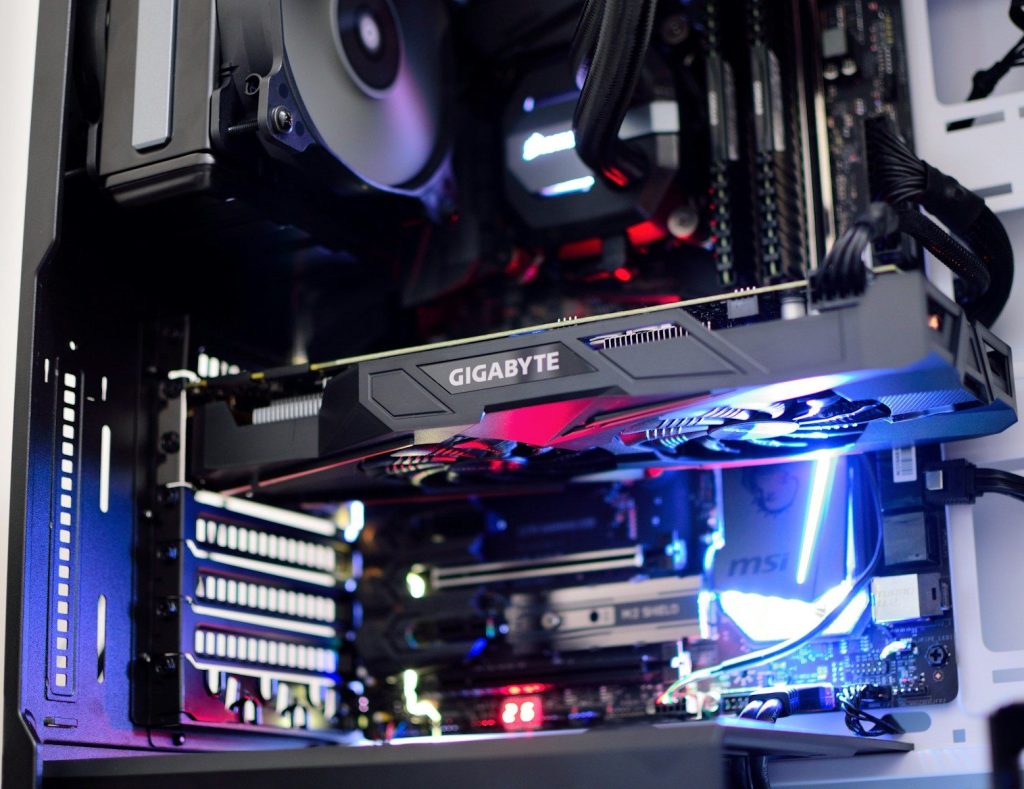
Large language models run on thousands of high-power graphics chips clustered in massive buildings. These chips generate extreme heat while processing millions of complex calculations. According to reports from the World Resources Institute, cooling these data centers requires enormous quantities of fresh water. The heat is intense. But this is not just about keeping the chips from melting.
Cooling Towers At Work
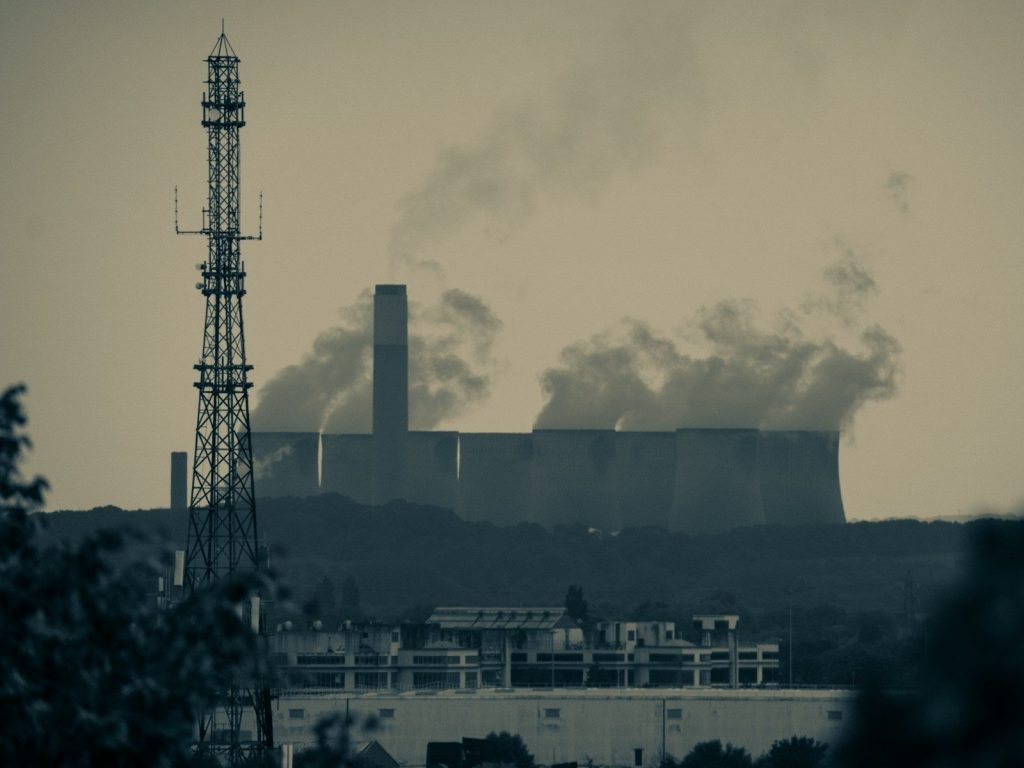
Data centers use giant cooling towers that evaporate water to lower air temperatures. This process releases massive white plumes of steam into the sky. According to environmental researchers, a single large data center can consume several million gallons of water every day. Evaporation is rapid. And this water loss is directly threatening local municipal supplies.
Drying Up Local Communities
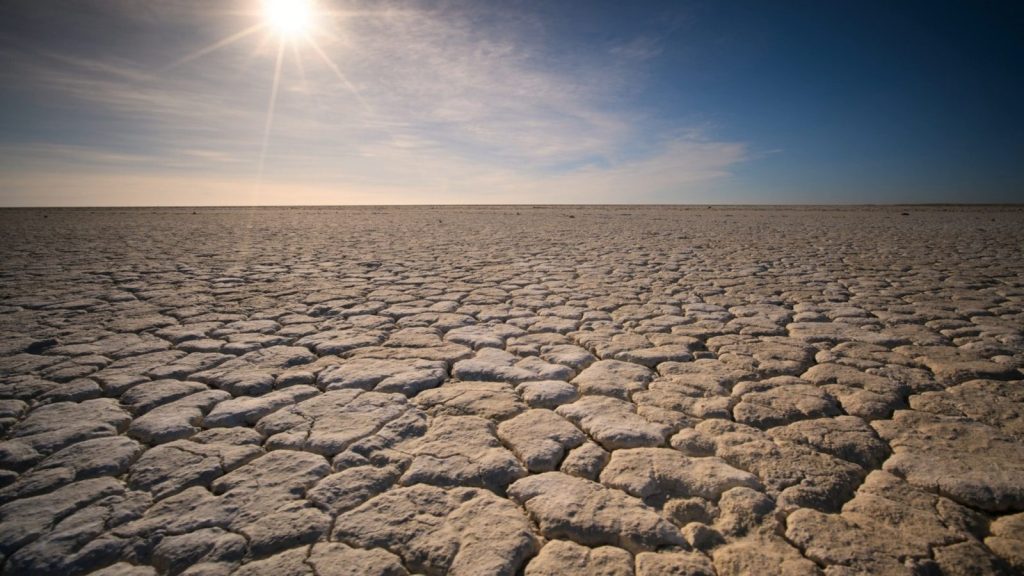
Many massive processing plants sit in warm areas where water is already scarce. Local citizens are starting to protest as companies buy up precious water rights. According to public utility documents, data centers often compete directly with agricultural irrigation systems. Farms are drying up. This mounting tension is forcing tech giants to rethink their cooling systems.
Closed Loop Solutions
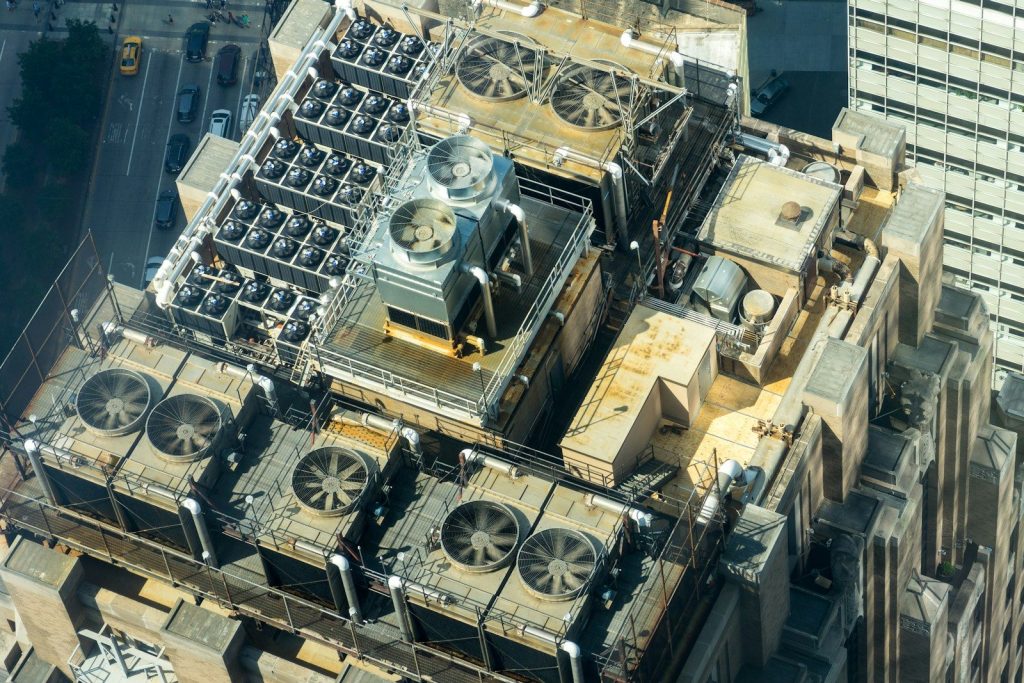
Some forward-thinking developers are building closed-loop systems that recycle cooling water instead of evaporating it. This process uses air-cooled radiators to dissipate heat without consuming fresh resources. According to engineering trials, these systems can cut site water usage by up to ninety percent. Progress is slow. However, these systems require far more electricity to run the heavy fans.
The Power Grid Strain
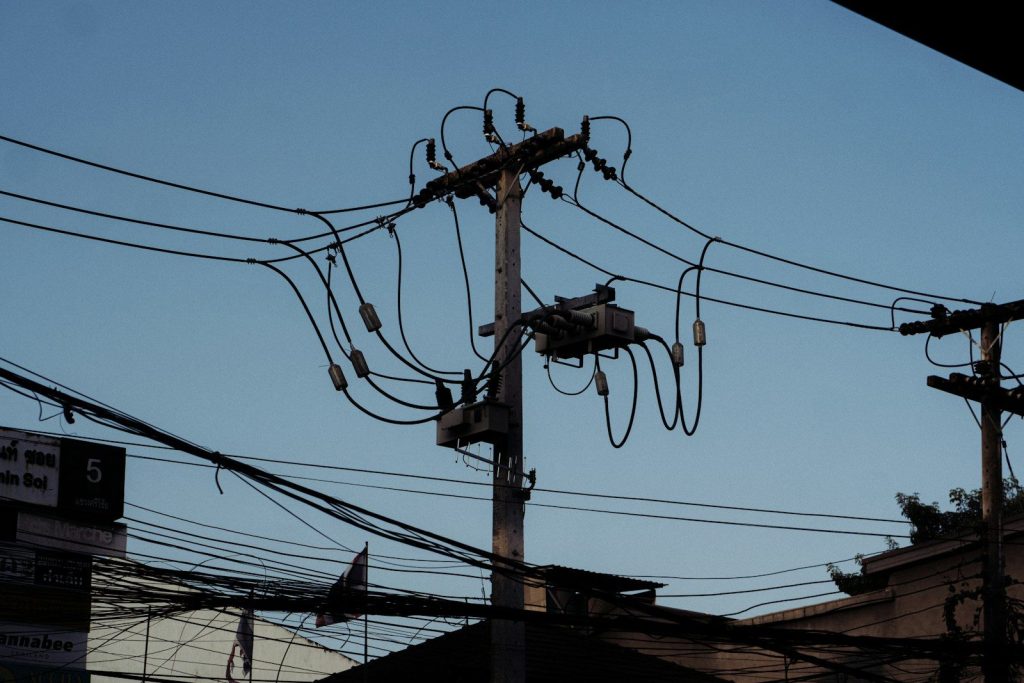
Swapping water cooling for air cooling increases the energy demand of data plants. This shift places a massive strain on local electrical grids. According to energy market experts, artificial intelligence data centers could consume ten times more power by the end of the decade. Grids are struggling. This double crisis is pushing researchers toward radical geographic solutions.
Moving To Ice Fields

Tech companies are now building massive server farms in freezing northern countries. They use the natural cold air and glacial water to keep the chips safe. According to reports from the Icelandic Energy Agency, this method eliminates the need for active cooling towers. Nature does the work. But this migration is creating a new geopolitical battle over digital infrastructure.
Balancing Tech And Nature

The rapid growth of artificial intelligence reveals the high physical costs of our digital world. We must balance our thirst for processing power with our need for actual water. According to environmental scientists, sustainable data center designs will define the next phase of tech development. This article is for informational purposes only.
Leave a Reply