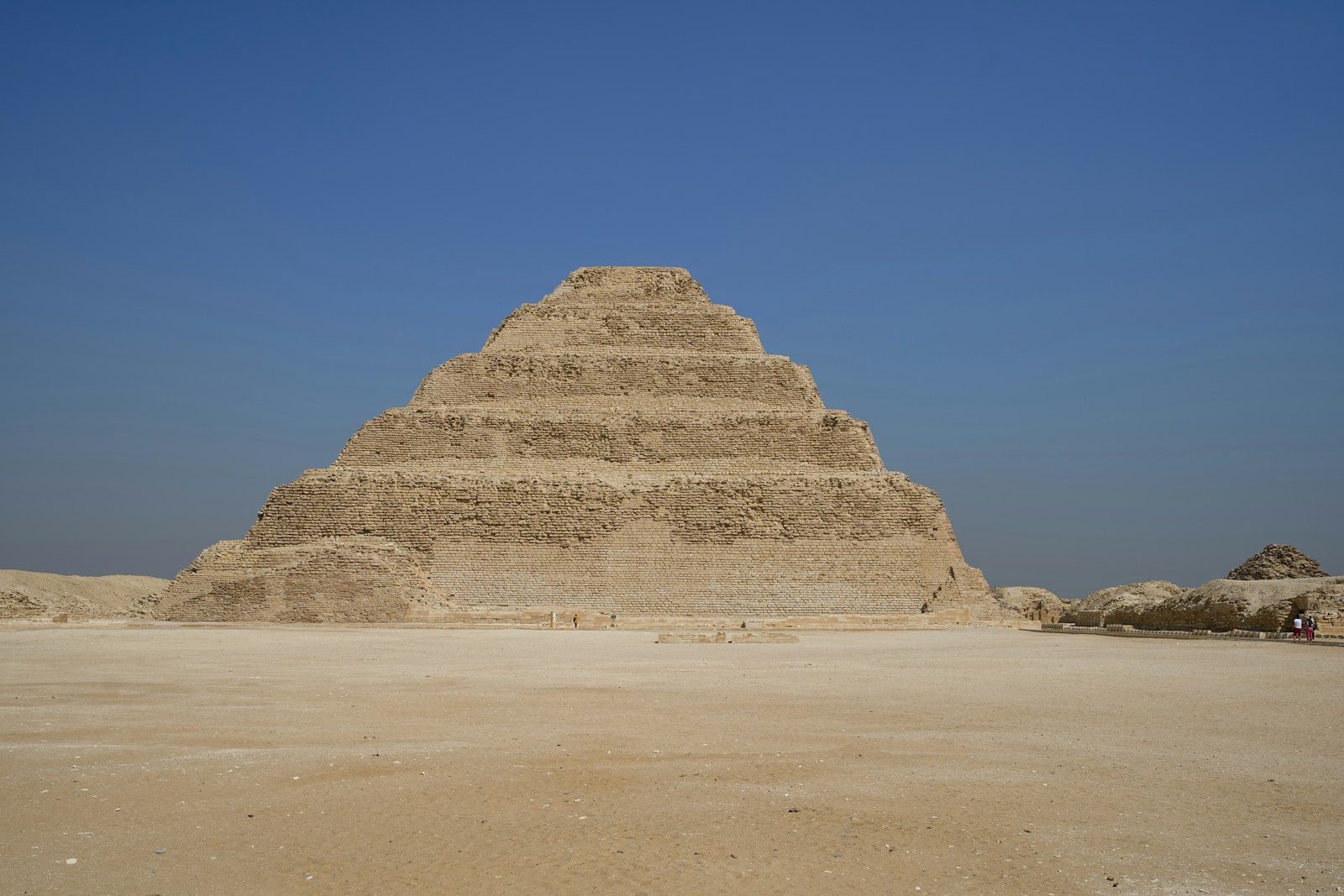
We assume that the ancient Egyptians built their massive stone monuments using only simple wooden ramps and thousands of slaves. We believe their engineering relied entirely on raw muscle power and copper tools.
But a groundbreaking study of the oldest pyramid reveals a highly sophisticated water-powered system. This ancient hydraulic elevator could lift giant limestone blocks without requiring human strain.
The Oldest Stone Giant
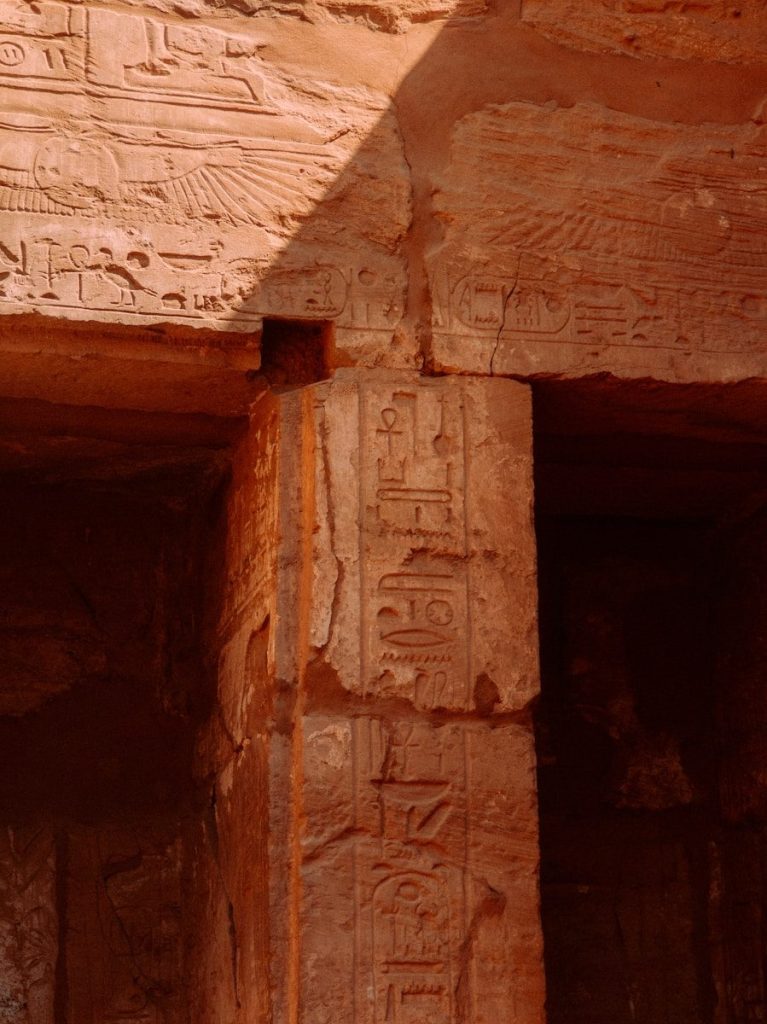
The Step Pyramid of Djoser stands as a massive monument in the desert of Saqqara. This ancient structure contains a maze of deep underground shafts that puzzled historians for centuries. According to researchers at Paleotechnic, these shafts did not serve as simple burial tombs. They were functional. Modern scans suggest the builders designed this stone complex to manage a high volume of water.
The Hidden Dam
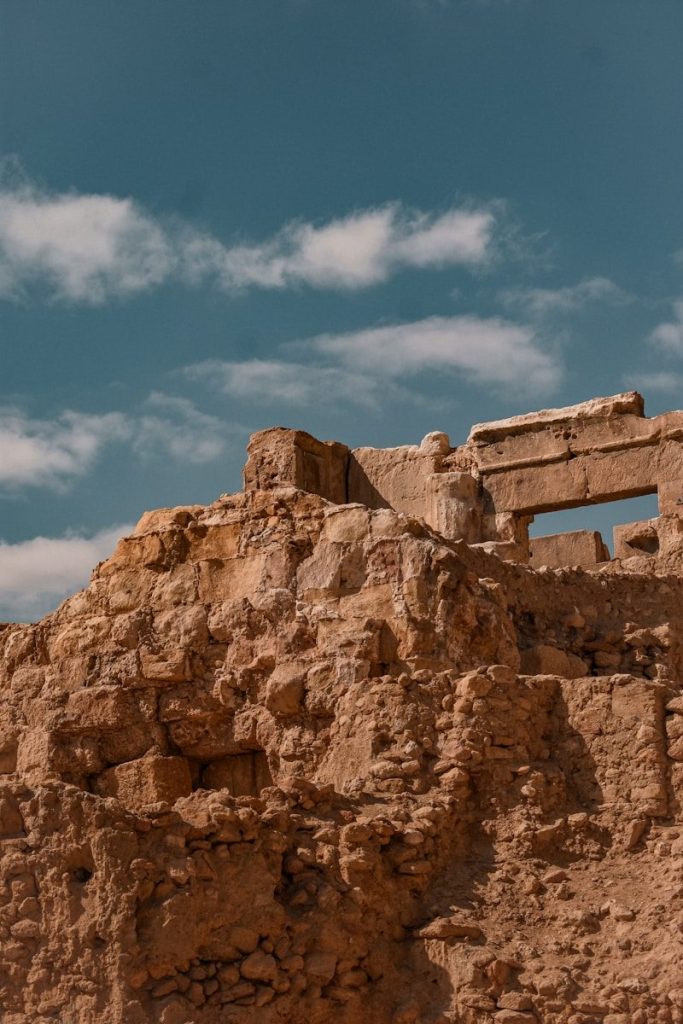
Near the pyramid complex, a massive stone wall known as the Gisr el-Mudir stretches across the dry landscape. Archaeologists previously assumed this structure was a simple defensive fortress or sacred enclosure. According to hydrological analysis, this wall actually operated as a massive sediment dam. It was giant. The dam captured muddy floodwaters and purified the liquid before it reached the pyramid.
The Hydraulic Lift
Inside the center of the pyramid, a deep vertical shaft descends over ninety feet into the solid bedrock. This shaft connected to underground water tunnels that ran beneath the desert sand. According to mechanical engineering reports, this system operated like a giant hydraulic piston. Pressure was immense. Water flowing into the chamber could lift a heavy wooden float carrying massive stone blocks.
Lifting With Water

Ancient engineers likely placed a tight-fitting wooden platform inside the vertical shaft to act as an elevator. By filling and draining the shaft, they could control the height of the stone carrier. According to the research paper, this method allowed builders to lift multi-ton blocks with perfect precision. It was effortless. This clever design eliminated the need for steep, dangerous dirt ramps.
A Lost River
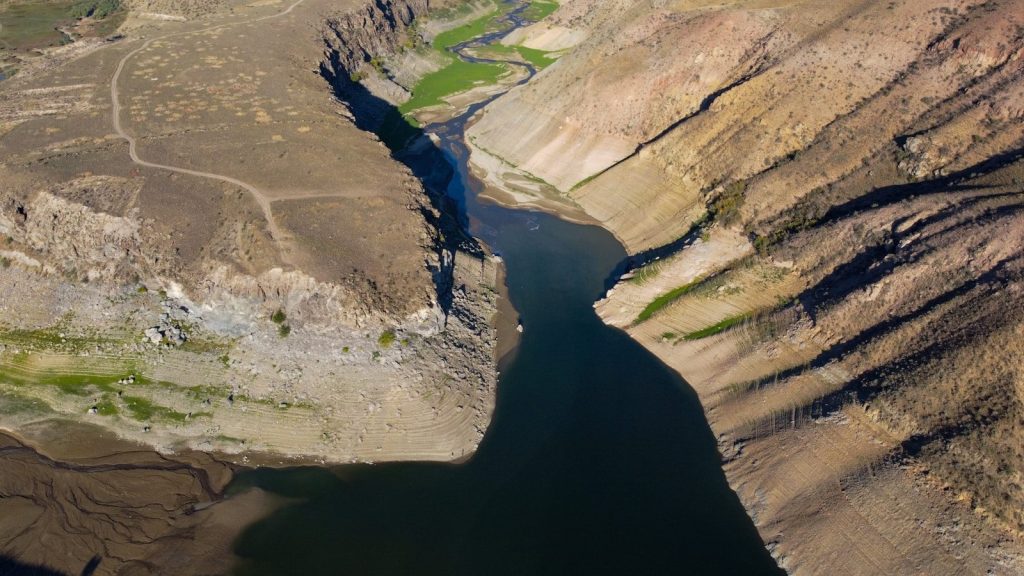
Operating a massive hydraulic elevator in the middle of a dry desert requires a reliable water supply. Thousands of years ago, the Egyptian climate was far wetter than it is today. According to geological surveys, ancient rainy seasons filled seasonal rivers that flowed directly toward Saqqara. Channels were active. This water network fed the complex filtration systems located near the pyramid.
The Deep Filter
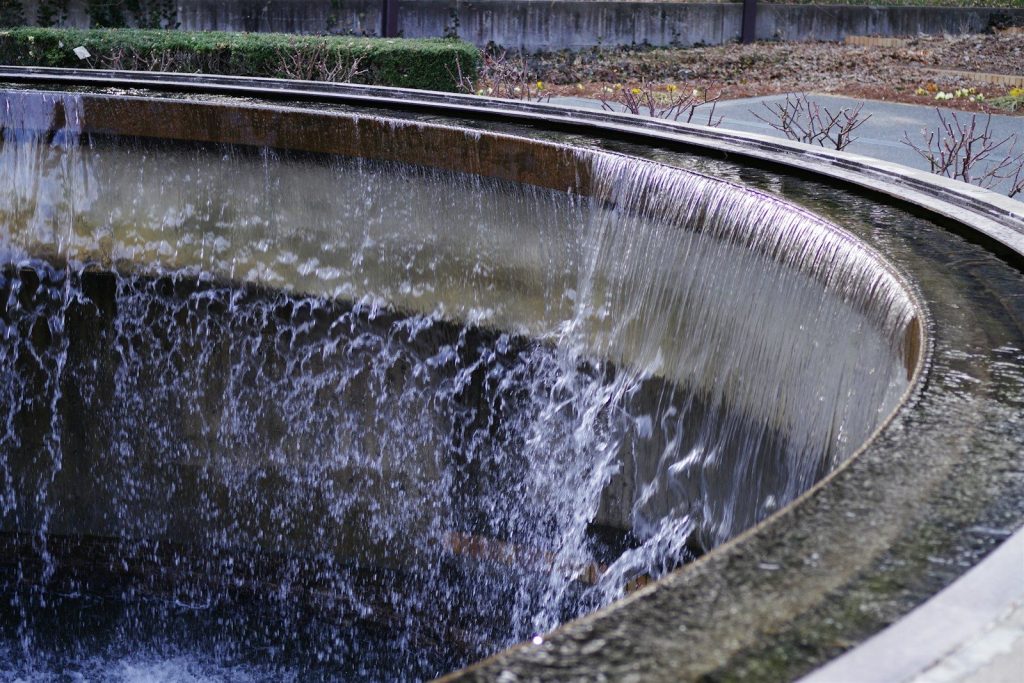
Before entering the hydraulic shaft, the water passed through a deep, rock-cut trench called the Great Dry Moat. This massive trench contained several separate chambers designed to catch sand and floating debris. According to archaeological excavation reports, this acted as an advanced physical water treatment facility. Cleansing was vital. Clean water prevented the internal wooden elevator valves from clogging.
A Drying World
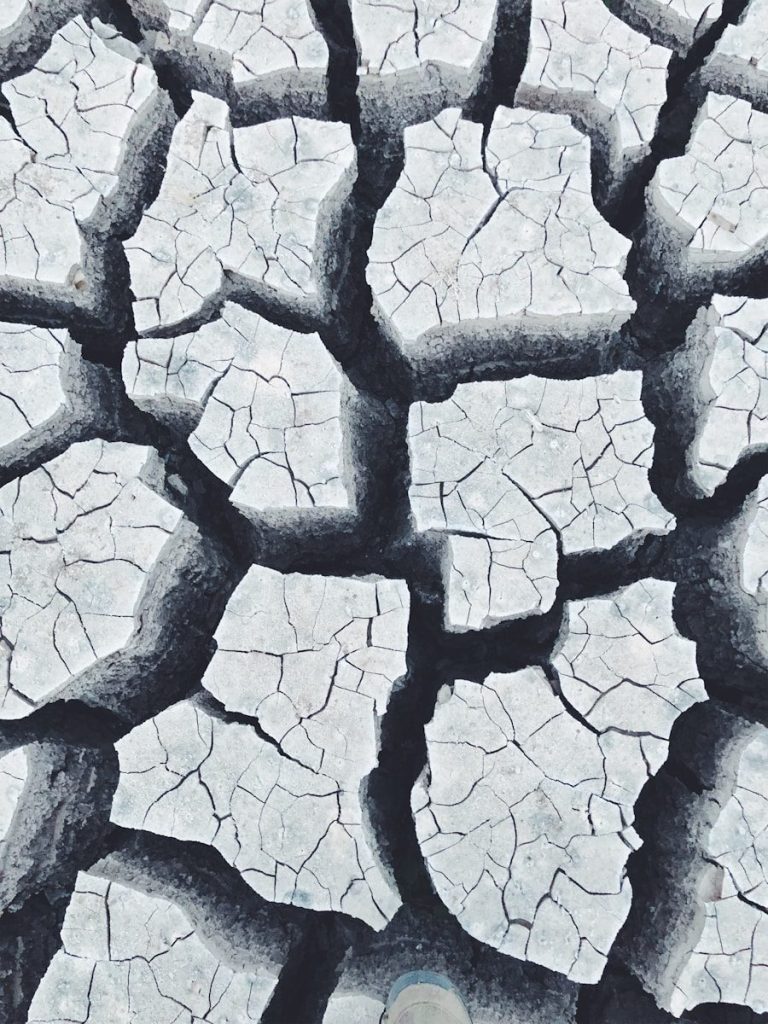
Despite the success of this hydraulic system, later pyramids did not use this specific technology. The regional climate began to dry up rapidly, turning fertile plains into barren desert. According to historical journals, this environmental shift forced builders to abandon water power and return to traditional ramps. Ramps were simple. This transition explains why this advanced machine was forgotten for thousands of years.
Rewriting Ancient Tech

The discovery of this hydraulic elevator proves that ancient Egyptians possessed a deep understanding of fluid mechanics long before modern science. Their brilliant engineering went far beyond simple physical labor. According to leading archaeologists, we must look at these monuments with a completely fresh perspective to uncover their remaining secrets. This article is for informational purposes only.
Featured Image: Photo by Dmitrii Zhodzishskii on Unsplash
Leave a Reply