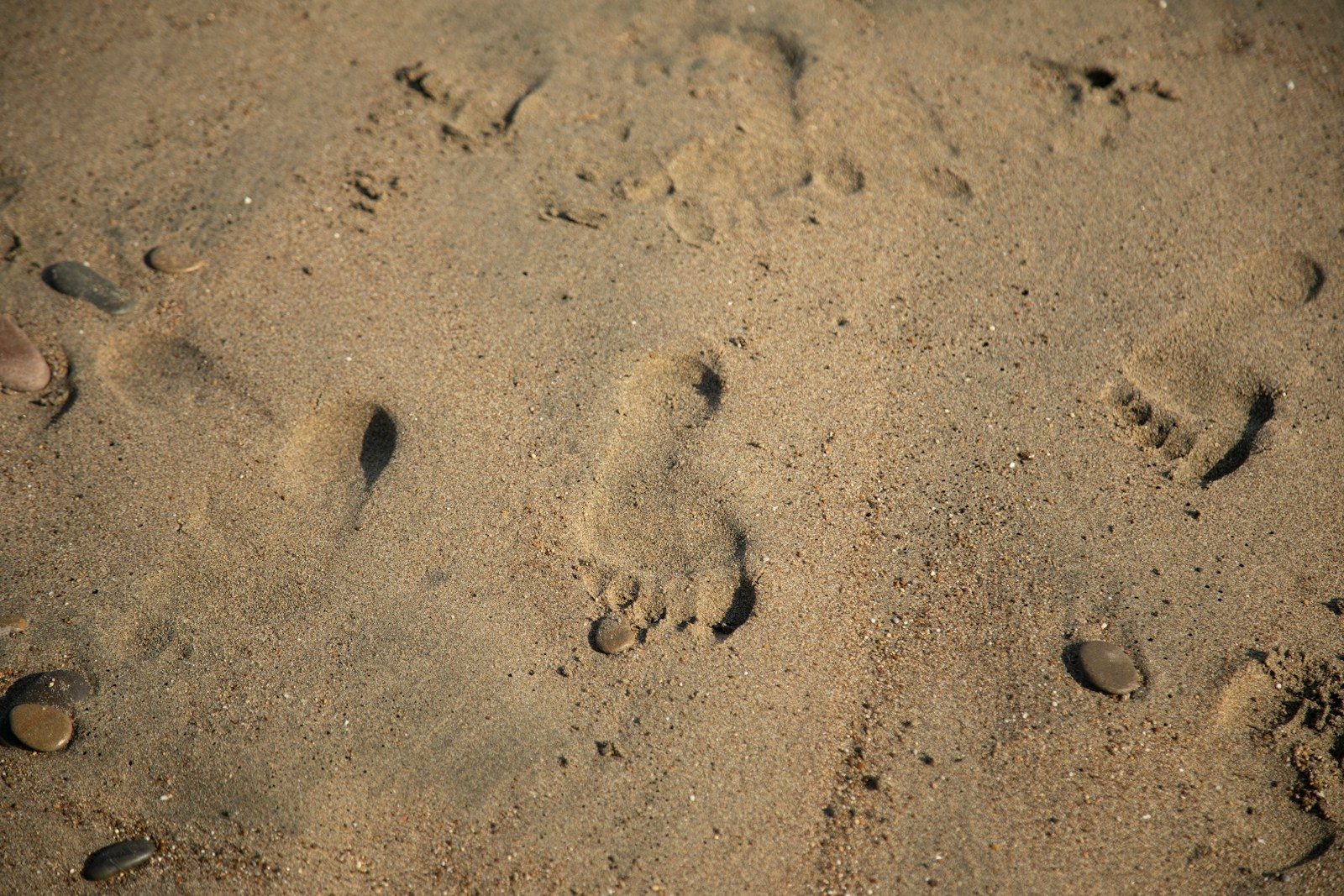
We assume that early humans lived basic lives without complex emotions or advanced tactical planning. We believe they wandered aimlessly through prehistoric landscapes simply searching for food.
But a set of ancient footprints preserved in fossilized mud tells a deeply human story of fear and survival. These remarkable tracks reveal a dramatic journey through a territory ruled by giant predators.
Frozen In Time
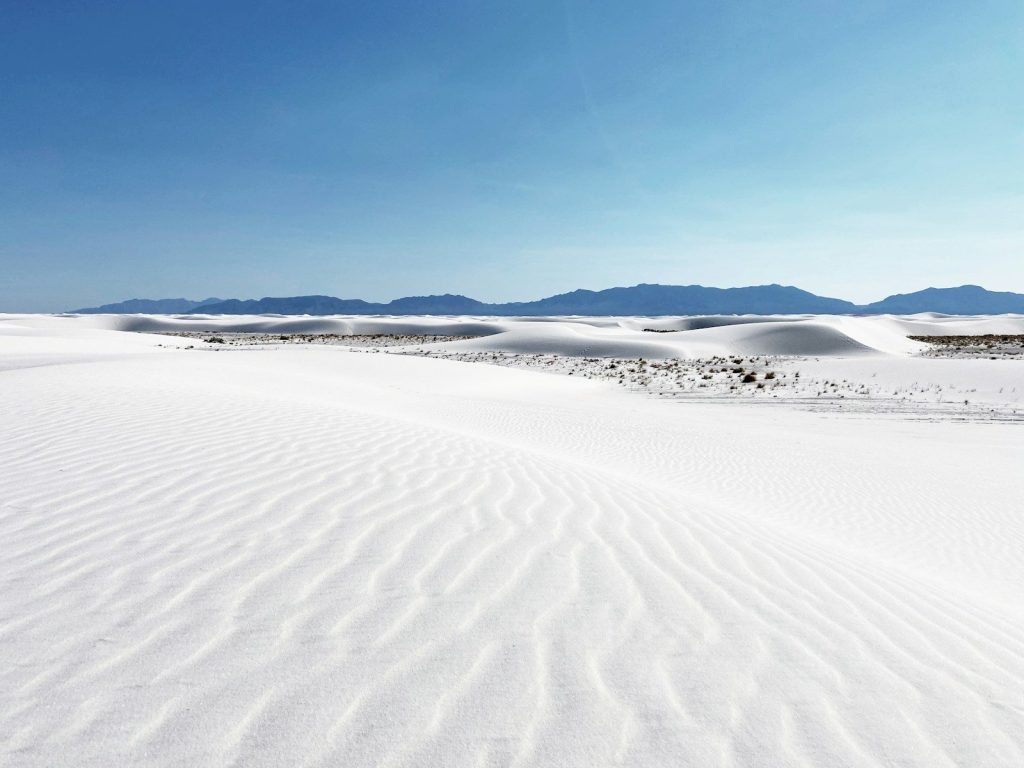
Archaeologists working in New Mexico’s White Sands National Park uncovered a long trail of fossilized tracks. They did not expect to find such a clear story written in the dirt. According to the National Park Service, these human tracks date back over twenty thousand years. They were perfect. The prints showed a single person walking rapidly across a wet lakeshore.
A Hurried Journey
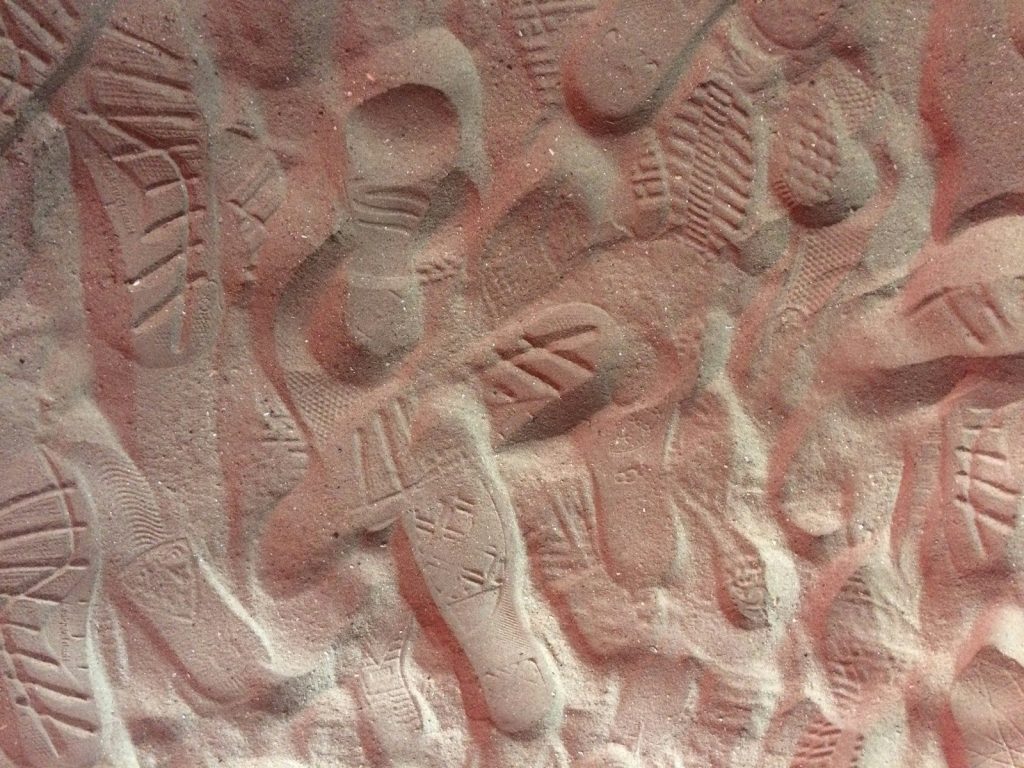
Footprint size and depth reveal that a young woman or teenager was carrying a heavy load. Scientists analyzed the stride and noticed her feet sliding in the slippery mud. According to researchers at Bournemouth University, the trackmaker was carrying a toddler on her hip. She was exhausted. Her hurried pace suggested she was running from a hidden danger.
Shadows In The Mud
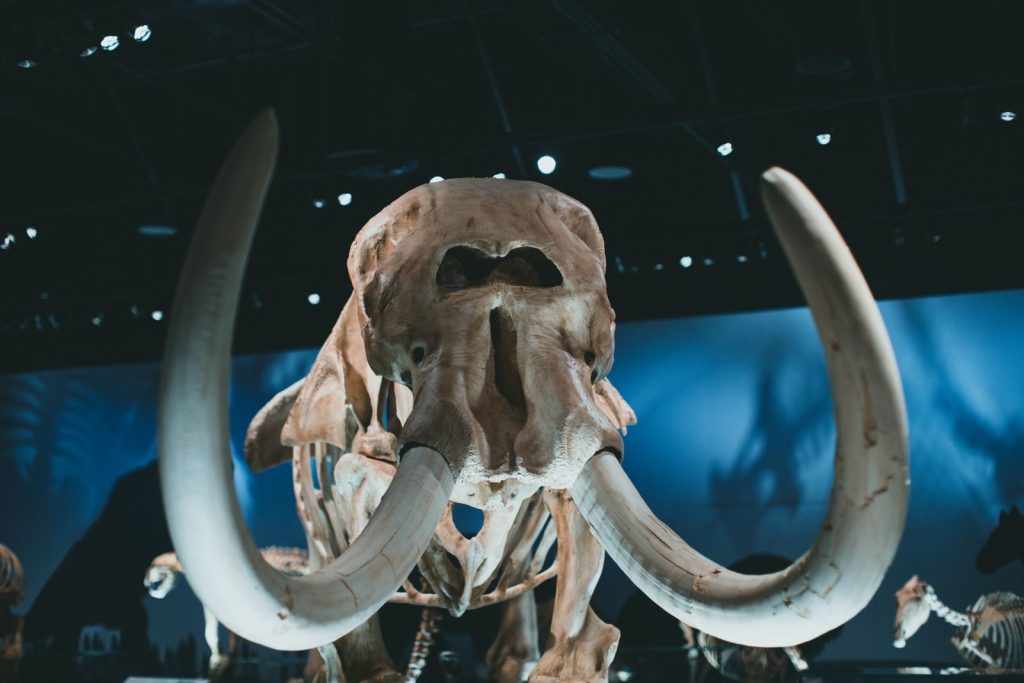
The muddy path was far from safe for a vulnerable young mother and her child. Giant Pleistocene predators roamed the exact same shoreline only moments before her journey. According to geological scans, massive imperial mammoths and giant ground sloths crossed her trackway. The beasts were massive. These giant creatures left deep craters in the soil that she had to avoid.
A Sudden Pause
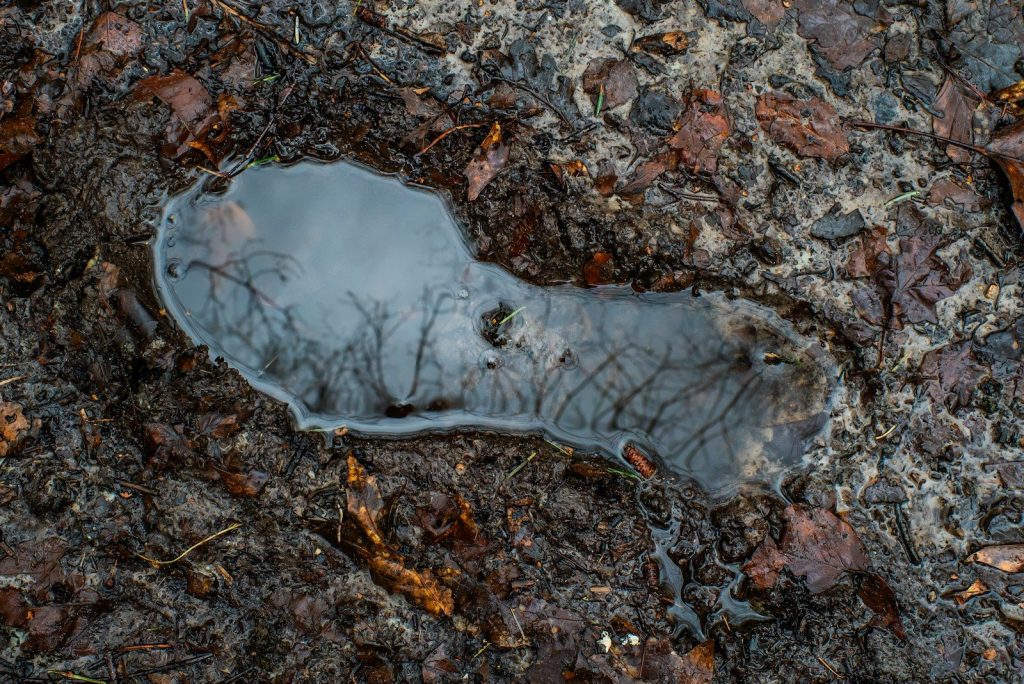
One set of tracks shows a giant ground sloth lumbering toward the human path. The multi-ton beast suddenly reared up on its hind legs to sniff the air. According to paleontological reports, the sloth turned around to avoid the human scent. I was cautious. This behavior proves that ancient animals were highly aware of human hunters.
Walking Back Alone
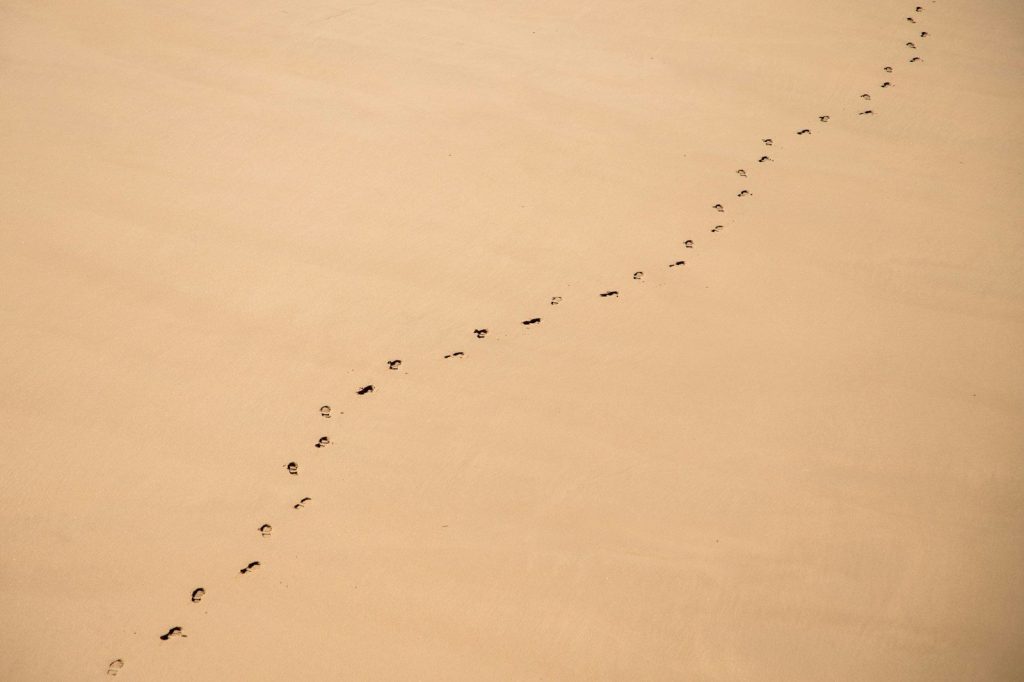
A few hours after the first journey, a second set of tracks appeared going the opposite way. These return prints were much lighter and did not show any sliding from carrying a child. According to archaeological analysis, the young woman walked back through the muddy hazard alone. The child was gone. This suggests she safely dropped her baby off at a secure campsite.
Rewriting The Timeline

For decades, historians believed that humans arrived in North America much later in history. These tracks completely shattered that conservative timeline. According to a study published in Science, ancient seeds found in the footprint layers date back twenty-three thousand years. History was broken. This discovery proves that humans occupied the continent during the height of the ice age.
A Human Touch

These ancient footprints bridge the gap of time and connect us to a real prehistoric life. They show that a mother’s instinct to protect her child remains unchanged across thousands of generations. According to lead researchers, these tracks offer an incredibly rare glimpse into the daily struggles of our ancestors. This article is for informational purposes only.
Featured Image: Photo by engin akyurt on Unsplash
Leave a Reply