Most people assume that electric car batteries have hit a physical storage limit. We believe that driving range cannot increase without making vehicles dangerously heavy.
But a revolutionary battery cell design is quietly disrupting the entire automotive industry. This hardware breakthrough promises to make clean transportation affordable for everyone.
The Giant Battery Battle
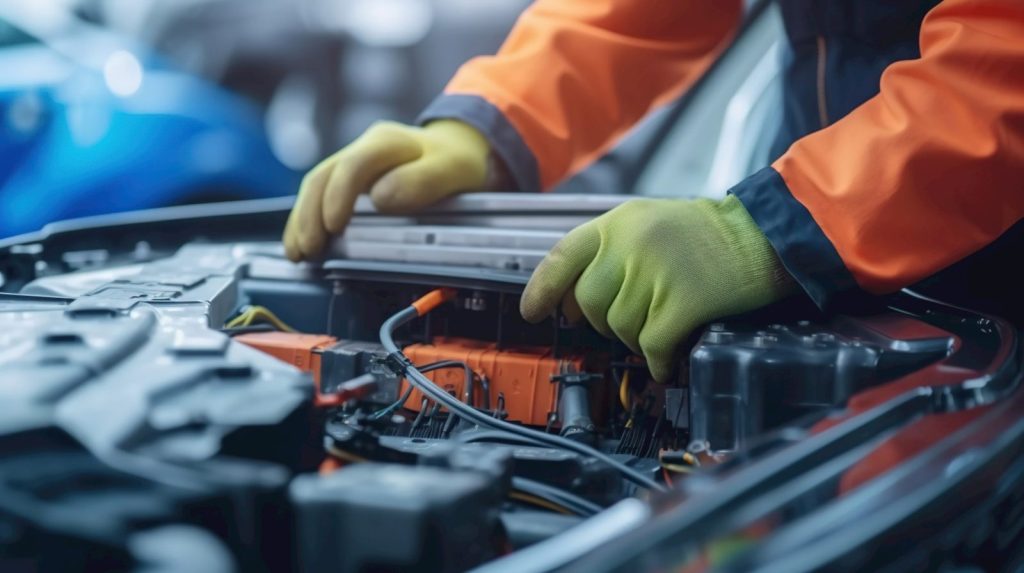
Traditional electric cars use thousands of tiny battery cells wired together in a massive pack. This complex structure adds dead weight and slows down assembly lines. According to automotive industry reports, a new cell design completely bypasses these old structural problems. It is a game-changer. This engineering shift is forcing rival carmakers to rebuild their factories.
The Bigger Cell Secret
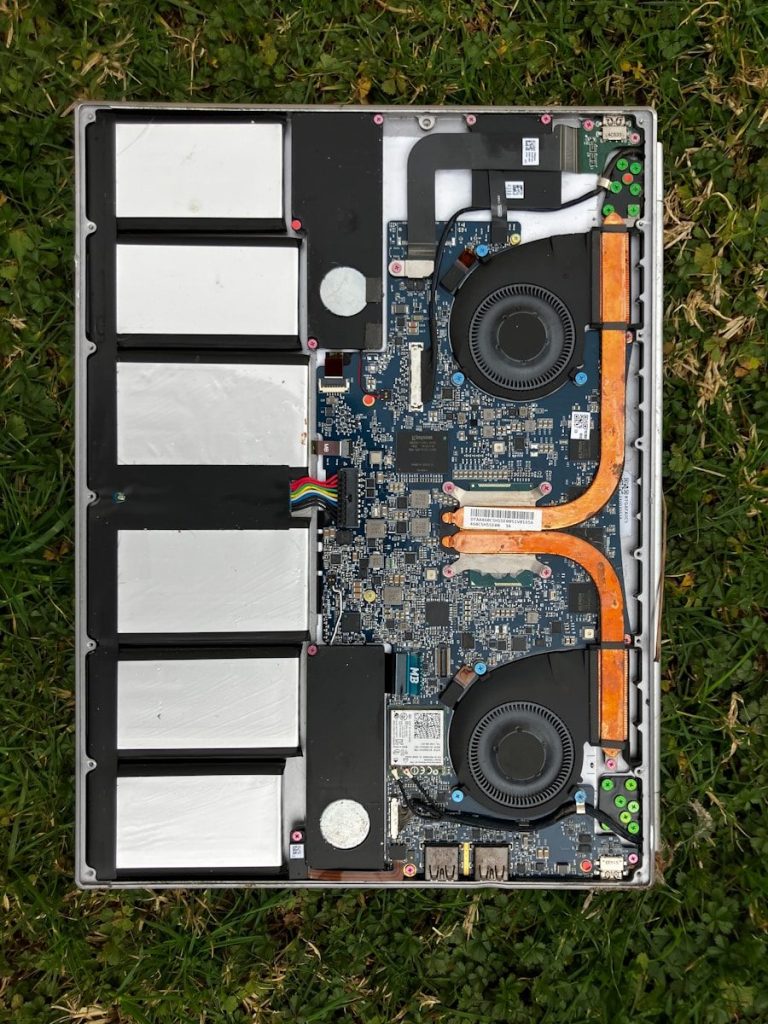
The breakthrough lies in a larger cell format known as the 4680 cylindrical design. By expanding the cell size, engineers packed five times more energy into a single unit. According to technical specifications from Tesla, this larger format simplifies manufacturing while increasing vehicle range. The math is clear. But manufacturing these massive cells required a radical new process.
Dry Coating Breakthrough
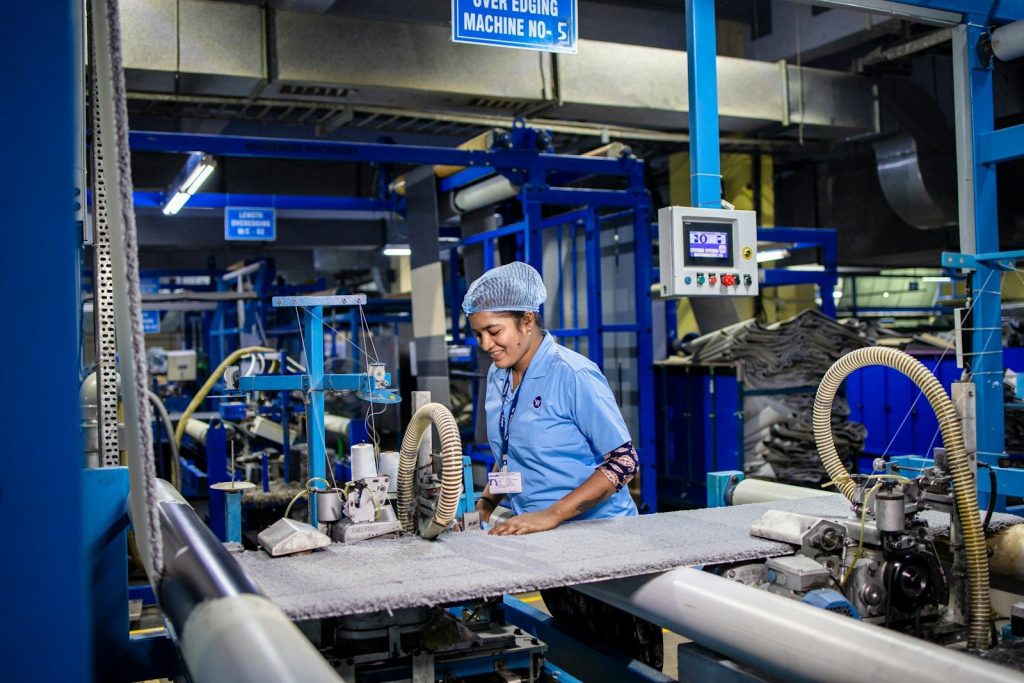
Older factories use wet chemicals that must be dried in massive, energy-intensive ovens. The new method applies dry active materials directly onto the metal foil. According to manufacturing engineers, this dry process cuts factory energy use by up to ten times. It is highly efficient. Yet, mastering this dry manufacturing technique proved to be incredibly difficult.
Structural Pack Integration
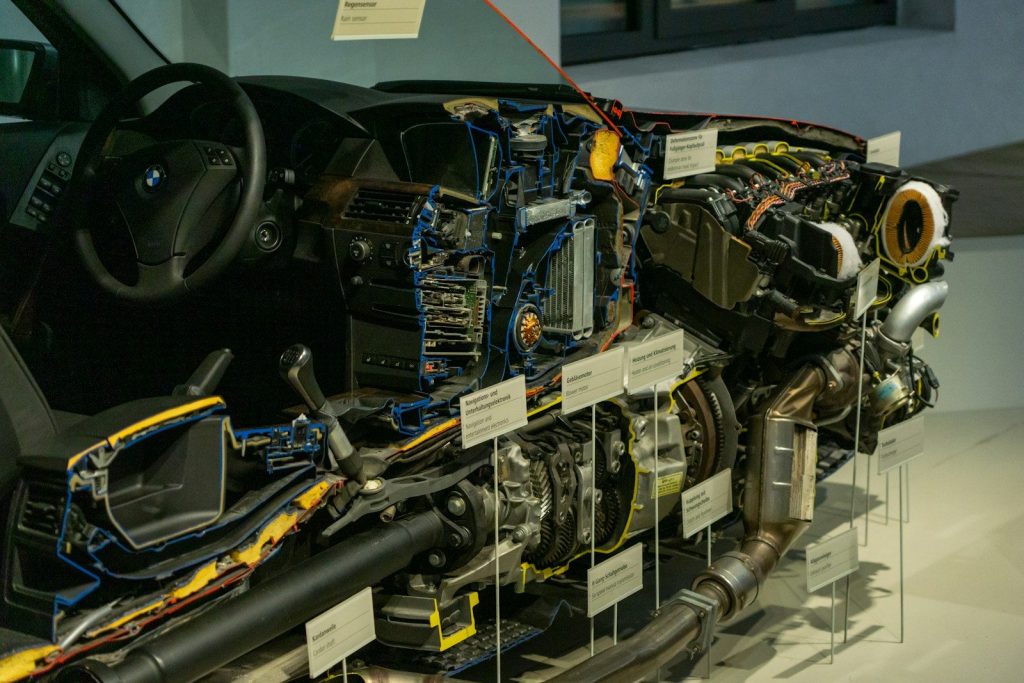
Instead of placing cells inside a heavy protective case, engineers built cells directly into the car frame. The battery pack now acts as a structural part of the vehicle. According to structural safety reports, this integration increases safety while shedding hundreds of pounds. The car is lighter. This physical weight reduction unlocks a massive boost in performance.
Faster Charging Speeds
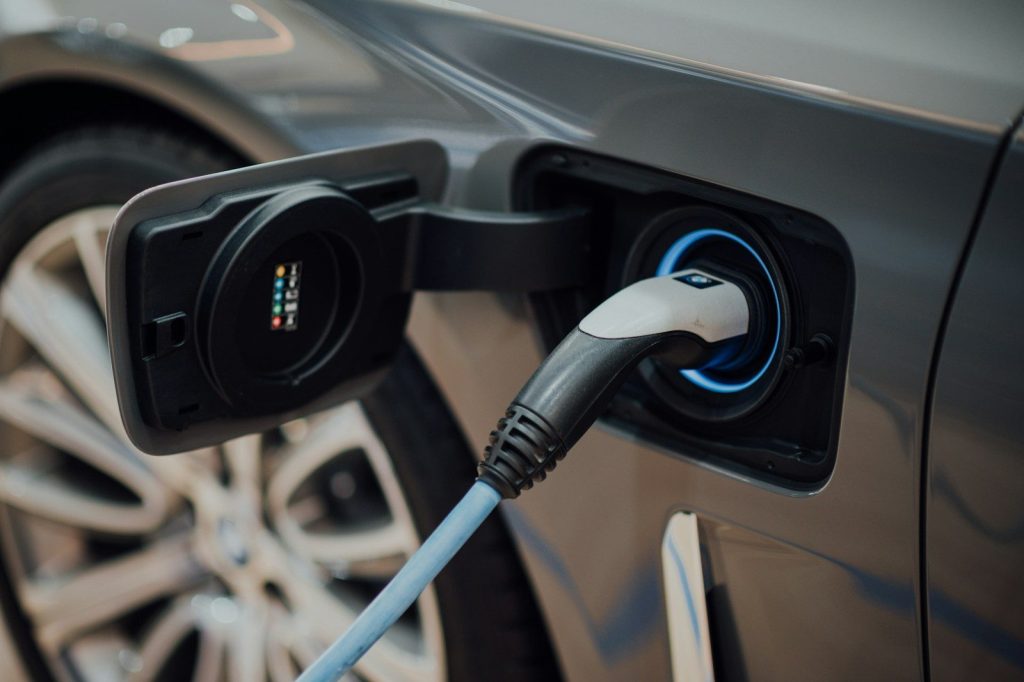
Charging a massive battery pack can often take over an hour at typical public stations. The new cell design features a tableless inner path that reduces internal electrical resistance. According to laboratory testing, this tabless setup allows cars to charge up to eighty percent in fifteen minutes. Charging is incredibly fast. But reducing heat buildup was the real safety victory.
Cooler Running Systems
Standard batteries generate significant heat when charging or discharging rapidly. This thermal stress degrades the delicate battery chemistry over several years. According to thermodynamic studies, tableless cells stay much cooler under heavy electrical loads. They run cold. This thermal stability guarantees that the battery pack will outlast the vehicle itself.
Crashing Battery Costs

By combining dry coating, larger cells, and structural packs, production costs have dropped dramatically. This financial drop will finally make electric vehicles cheaper than gas cars. According to market analysts, these cost savings are starting to disrupt global fossil fuel demand. The change is rapid. This economic shift is driving the largest transformation in modern transit history.
A Clean Grid Future
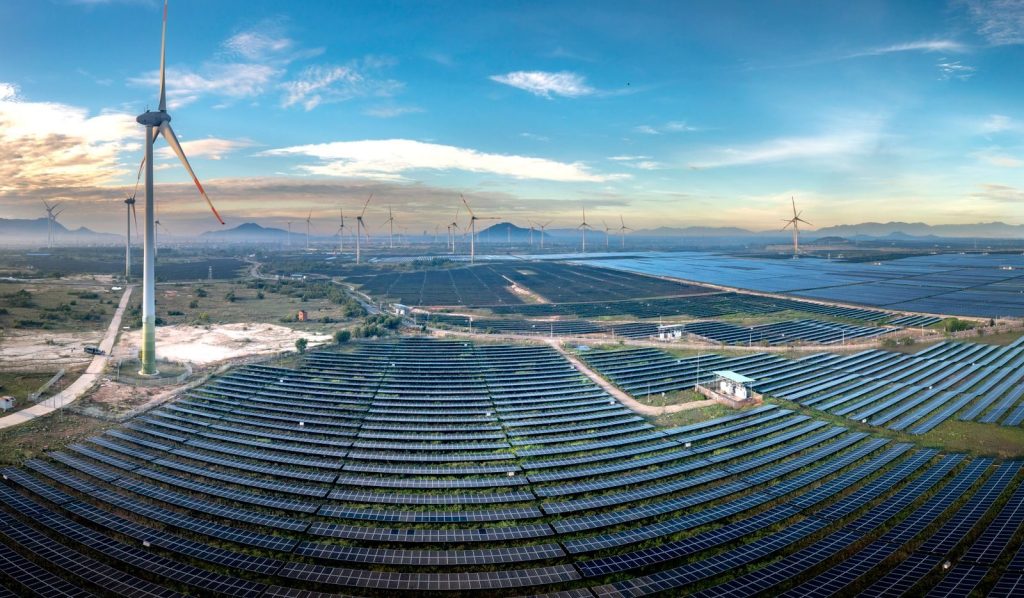
The evolution of battery cell engineering is paving the way for a total green energy transition. By storing excess wind and solar power, these batteries will eventually stabilize global grids. According to energy engineers, these battery innovations are crucial for a fully sustainable future. We are moving fast. This article is for informational purposes only.
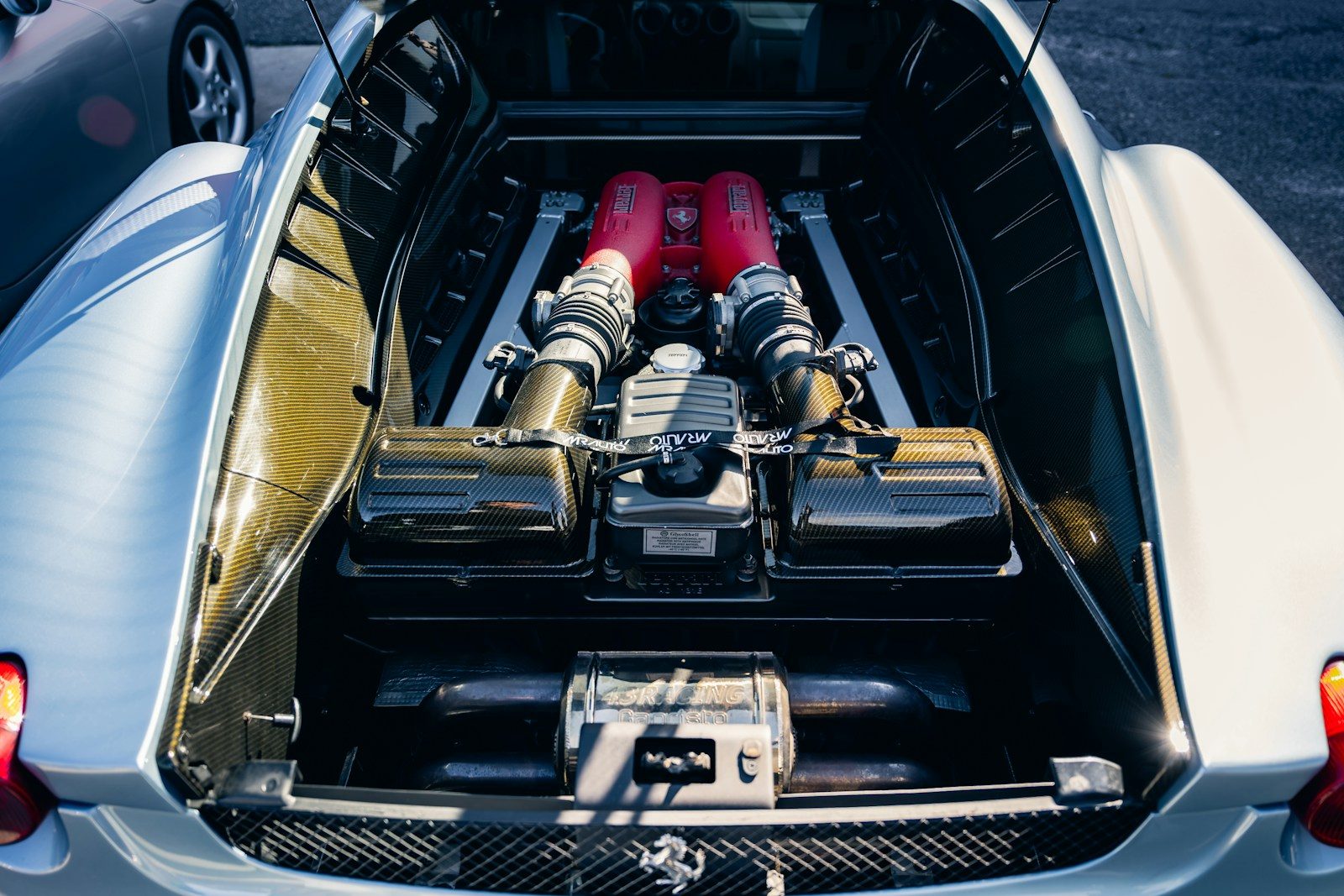
Featured Image: Photo by Tiago Ferreira on Unsplash
Leave a Reply