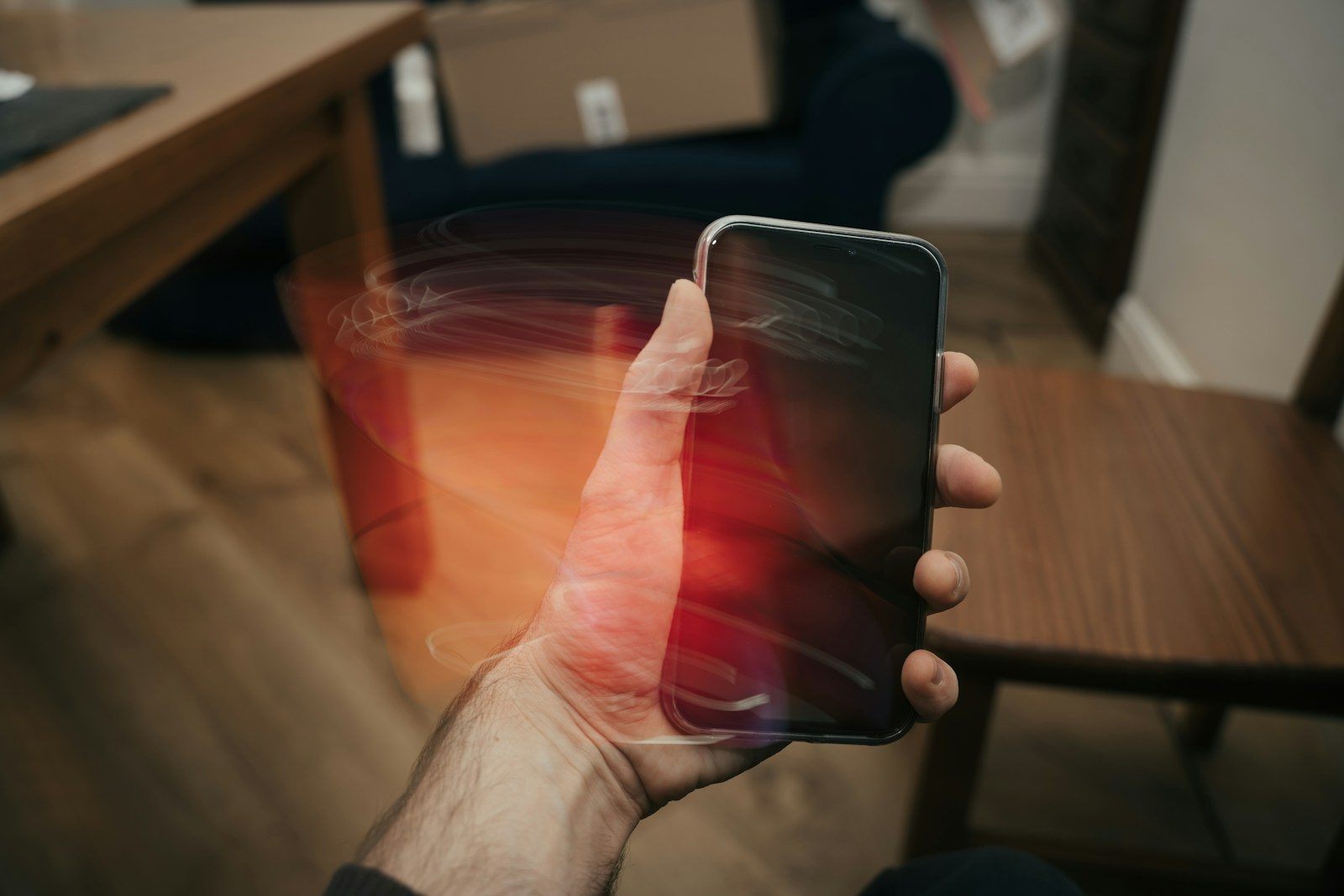
Have you ever thought about a product without saying it out loud and then seen an advert for it minutes later? It feels as if your phone is reading your mind. For years, tech giants have denied listening to our private conversations. But new research into “inner voice” technology indicates that the truth might be even weirder. Scientists are studying how smartphones could pick up sub-vocalizations. These are small muscle movements in your throat and mouth that occur when you think.
If your phone can track these micro-movements, it doesn’t need to hear your spoken words. It can hear your thoughts. This breakthrough in biosensors means your privacy might be disappearing from the inside out. We are looking at a world where our most private reflections are converted into data for advertisers. It sounds like science fiction, but the patents for this technology already exist. But how does the phone actually distinguish between a random thought and a real desire?
The myth of the accidental advertisement
Most experts tell us that these perfectly timed ads are just a coincidence. They say algorithms are so good at predicting our behavior that they know what we want before we do. They track our location, our friends, and our search history. When all this data is combined, it looks like mind-reading. But many users swear that “thinking” about a specific brand was the only trigger. This has led researchers to look deeper into the hardware. Is there a hidden sensor we didn’t know about?
Ultrasonic tracking is already in your room.
Your phone can hear things that you cannot. Many apps use “ultrasonic beacons” to talk to other devices in your home. These high-frequency sounds tell advertisers which TV shows you watch and which stores you visit. This invisible network creates a digital map of your life without ever using a human-audible word. It is a silent conversation happening right under your nose. But can these same sensors pick up the vibrations of your own body?
How sensors capture silent vibrations
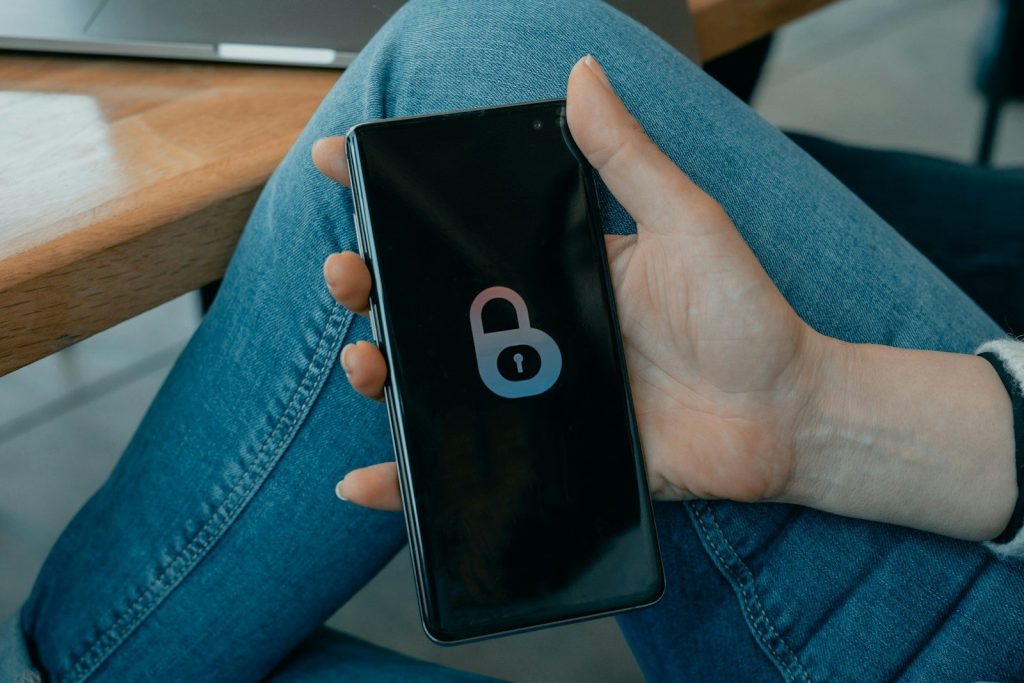
The accelerometers and gyroscopes in your phone are extremely sensitive. They are designed to track movement, but can also act as tiny microphones. They can detect the slight vibrations of your vocal cords, even when you are not speaking. This data can be processed by AI to reconstruct what you thought. It is a backdoor into your mind that does not require “Hey Siri” to be active. What happens when this data is fed into a learning machine?
Artificial intelligence and the art of prediction
AI models are now being trained on vast amounts of sub-vocal data. These machines are becoming experts at guessing human intent. They don’t just see a thought; they see a pattern of behavior. This allows your phone to stay one step ahead of your own consciousness. It creates a “digital twin” of your personality that knows your cravings before you feel them. But there is another way your phone tracks you that doesn’t involve sound at all.
The microphone is not the only spy.
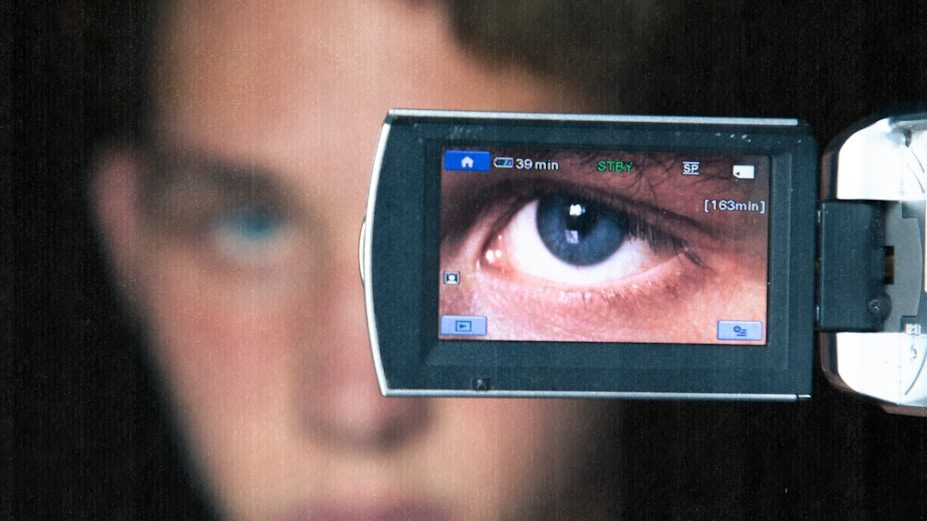
Your front-facing camera might be watching your reactions to every post you see. Eye-tracking software can tell exactly how long you look at an image. It can even detect the tiny dilation of your pupils when you see something you like. This physical response is an honest signal of interest that you cannot fake. It is a direct link to your brain’s reward center. But how much of this data is actually leaving your device?
Why your battery life tells a secret story
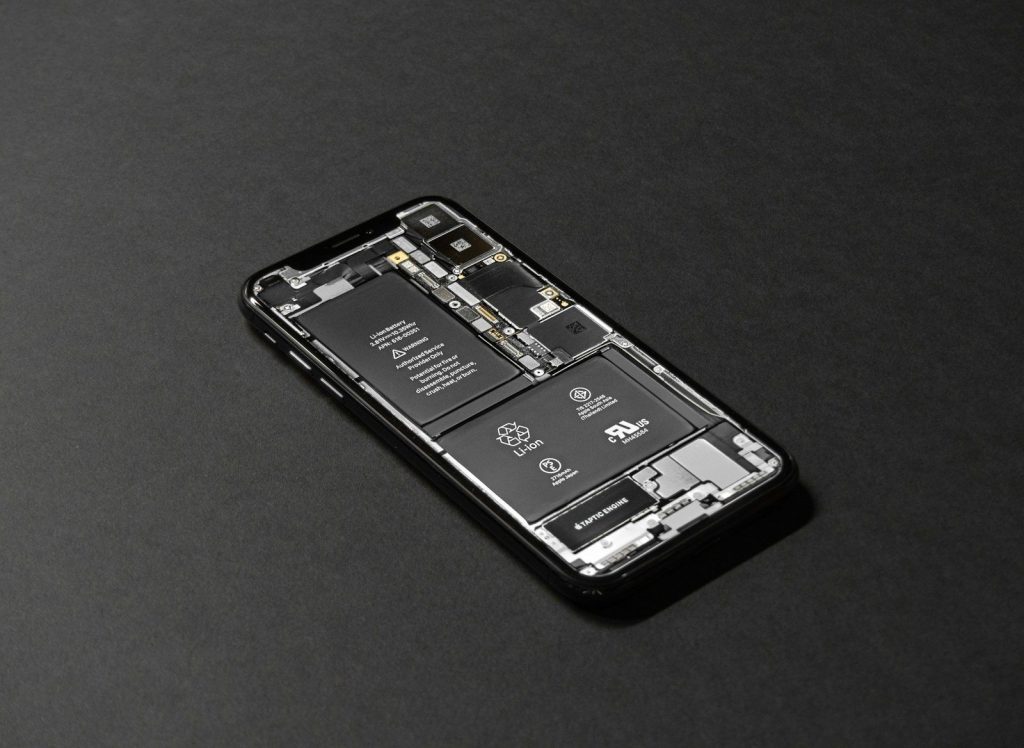
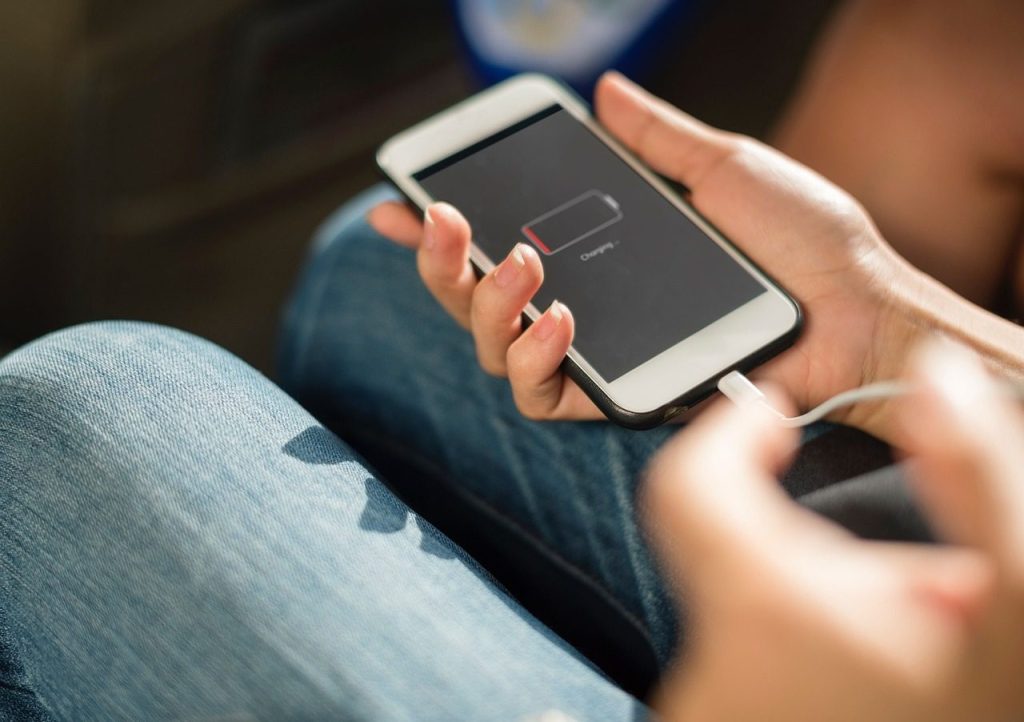
Have you noticed that your battery drains faster for no reason? This often happens when running processes work overtime to crunch data. Your phone is busy analysing your environment and your physical state while it sits in your pocket. This “passive monitoring” is a gold mine for tech companies. They are willing to trade your battery life for a glimpse into your inner world. But is there a way to truly shut out the listener?
Can you truly turn off the listener?
Turning off your microphone and camera permissions is a good start. But as technology evolves, the ways our devices “feel” us are multiplying. We are entering an age where the only way to be private is to be disconnected. The relationship between humans and their phones is becoming more intimate than ever. We have to decide how much of our “inner voice” we are willing to share with the machine. But wait until you see the danger of a face that looks exactly like your boss.
Leave a Reply