
Scammers have found a terrifying new way to steal millions of dollars from companies. They are no longer only sending fake emails. They are using AI to create “Deepfake” video calls that look and sound exactly like your boss. In 2026, this technology has become so real that even a close colleague can be fooled. A single high-speed meeting can lead to an employee transferring massive amounts of money to the account of a criminal.
This isn’t a theoretical threat. Major firms have already lost their fortunes to these virtual phantoms. The AI can mimic facial expressions, tone of voice and even private jokes. It creates a sense of urgency that forces people to take quick, bad decisions. You might think you can spot a fake, but the software gets smarter every day. How do these criminals get enough data to build a perfect copy of a CEO?
The social media gold mine for AI
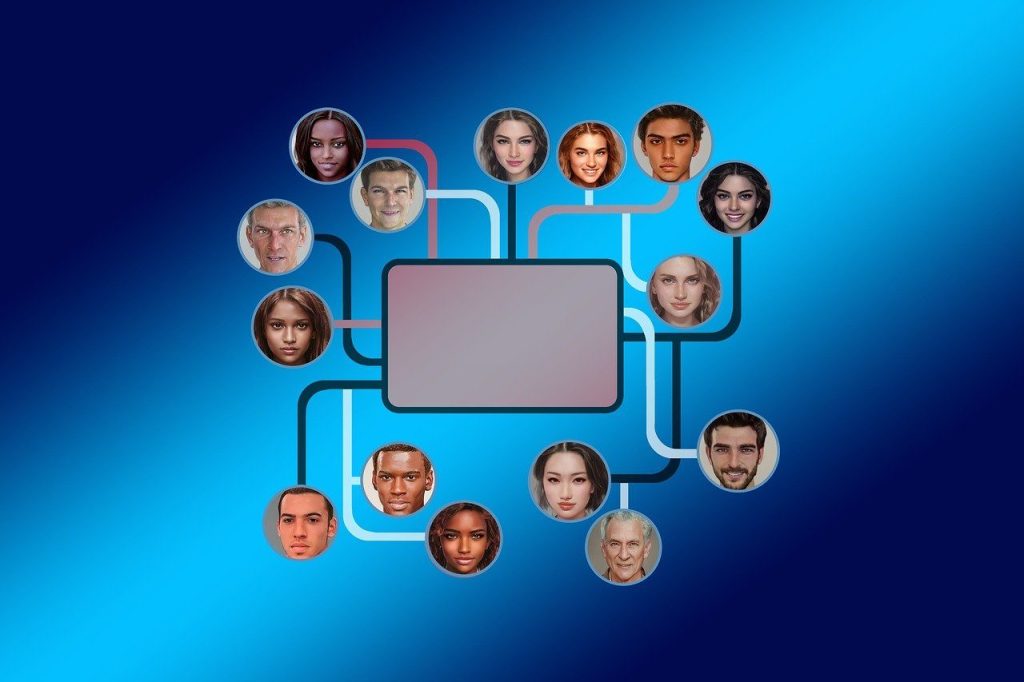
Every time your boss posts a video on LinkedIn or gives an interview on YouTube, they are giving scammers free data. AI only needs a few minutes of high-quality video to learn a person’s face. It maps the way their eyes move and how their mouths shape certain words. This data is used to create a “mask” that the scammer wears during the call. It is a digital costume that is nearly impossible to see through. But the voice is where the real trick happens.
Cloning a voice with just three seconds of audio
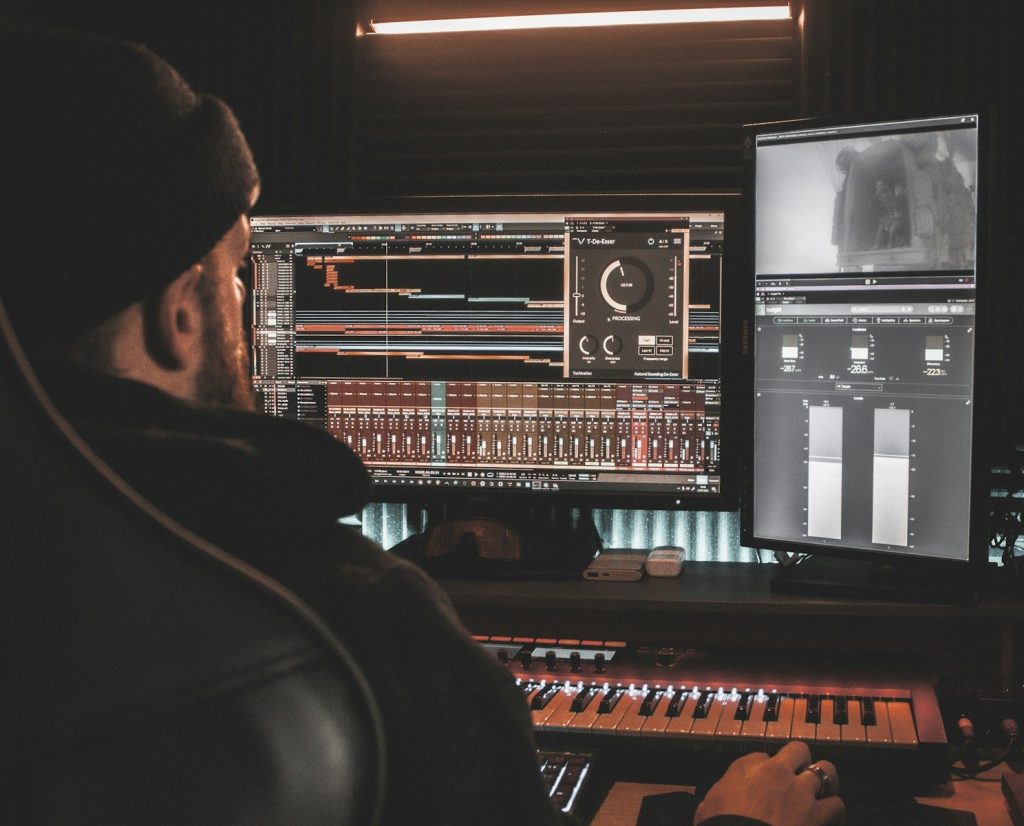
Voice cloning technology has reached a point where it only needs a tiny sample to be perfect. Scammers can take a clip from a public speech and create a tool that can say anything in that person’s voice. They can even add “natural” sounds like breathing or background office noise. When you hear that familiar voice on the phone, your brain automatically trusts it. This biological shortcut is exactly what the criminals are counting on. But what happens when the video starts to glitch?
Why digital artifacts are disappearing
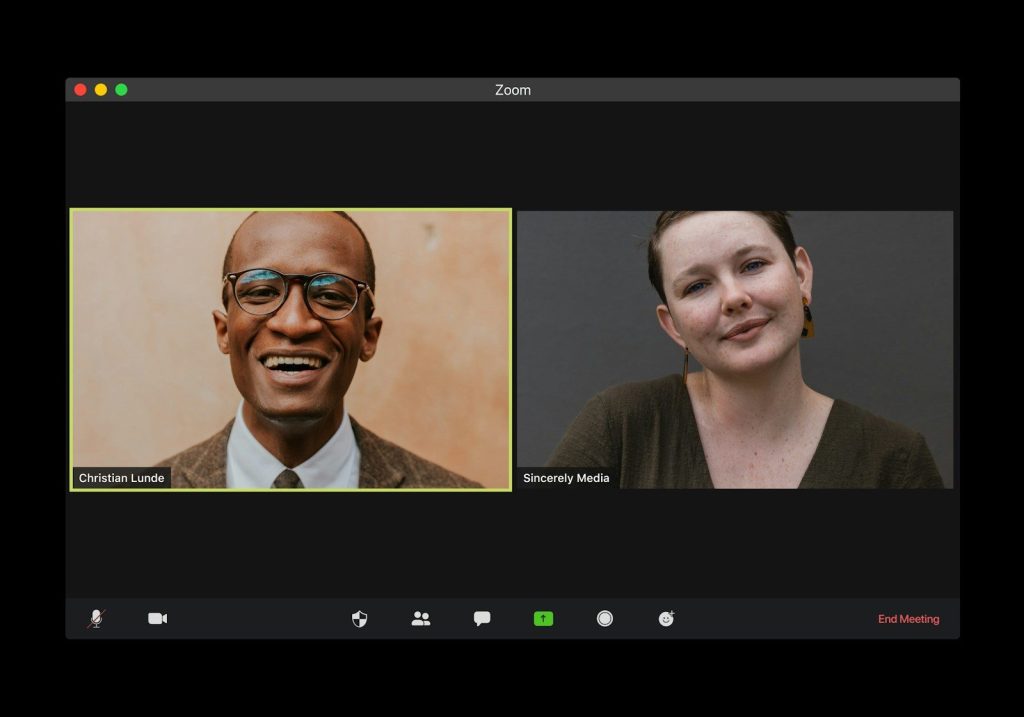
In the past, you could spot a deepfake by looking for weird shadows or strange blinking patterns. These were called “artifacts.” But the latest AI models have fixed these errors. They now include realistic skin textures and natural lighting. They can even simulate the lag of a typical Zoom call to hide any remaining flaws. The fake looks more like your boss than your boss does on a bad day. But there is one thing the AI still struggles to copy.
The mystery of the “safe word” protocol

To fight back, companies are now using “Safe Words.” This is a secret phrase known only to the real team members. If the person on the screen can’t provide the code, the call is shut down instantly. It is an old-fashioned solution to a high-tech problem. But even this can fail if a scammer manages to hack into the company’s private messages. The war between AI and security is heating up. But what if the boss is actually real, but the “orders” are fake?
Manipulating emotions with AI urgency
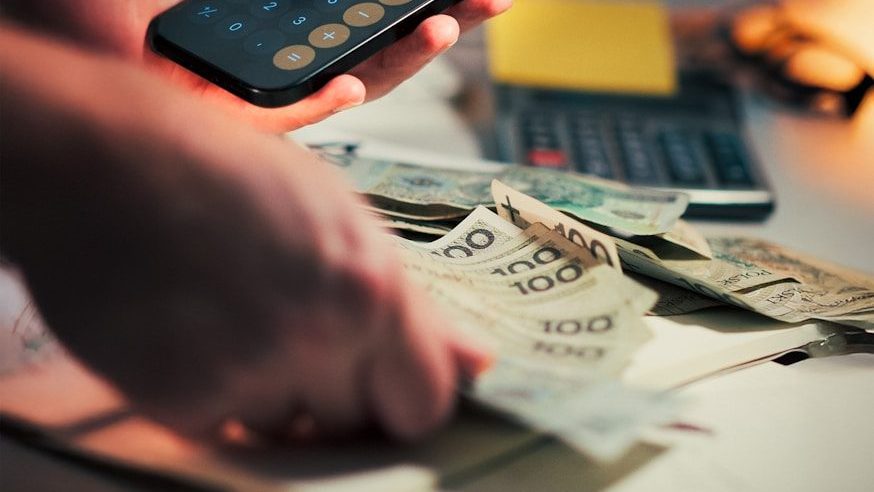
Scammers don’t just copy the face; they copy the pressure. They often schedule these calls for Friday afternoons or right before a holiday. They tell the employee that a major deal will fail if the money isn’t moved in ten minutes. This “emotional hacking” shuts down the logical part of the brain. The employee is so focused on helping the “boss” that they forget to check the facts. But how can you verify a call when you are in a rush?
The multi-channel verification trap
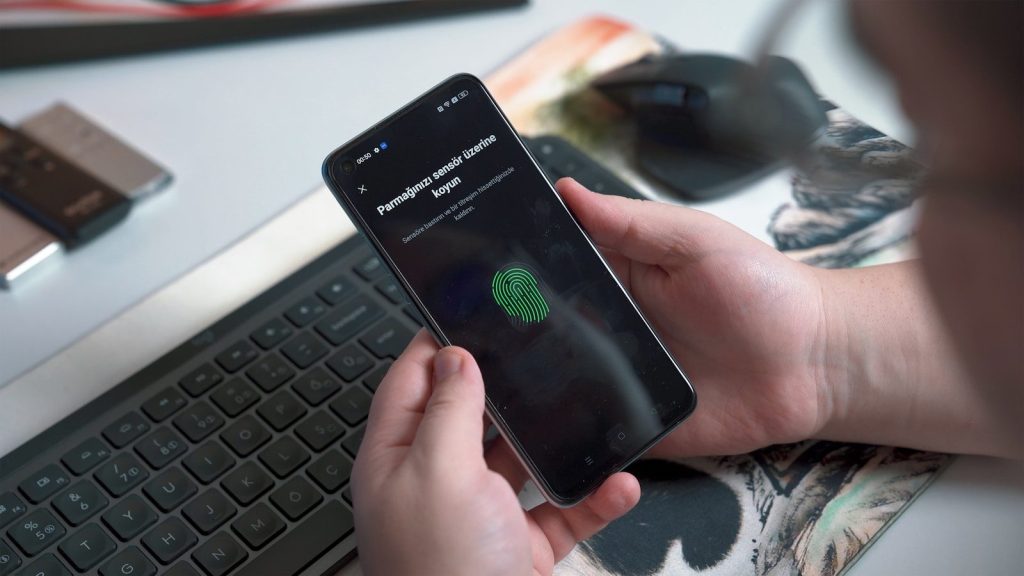
The rule is now simple: never trust a single source. If the boss calls on video, you should send them a separate text or a message on a different app to confirm. Scammers hate this because it forces them to control multiple accounts at once. It breaks the illusion and gives the employee time to think. But many people are still too afraid to “question” their superior. This cultural fear is a gold mine for AI criminals. But what happens if the AI starts making its own decisions?
The rise of the autonomous scammer

We are entering an age where a human scammer doesn’t even need to be present. Autonomous AI bots can now perform these calls from start to finish. They can answer questions and react to your emotions in real-time. They are the perfect, tireless criminals. We are moving toward a world where every digital interaction needs to be questioned. But while we worry about fake bosses, scientists are digging up a real nightmare from the ice.
Protecting your digital identity
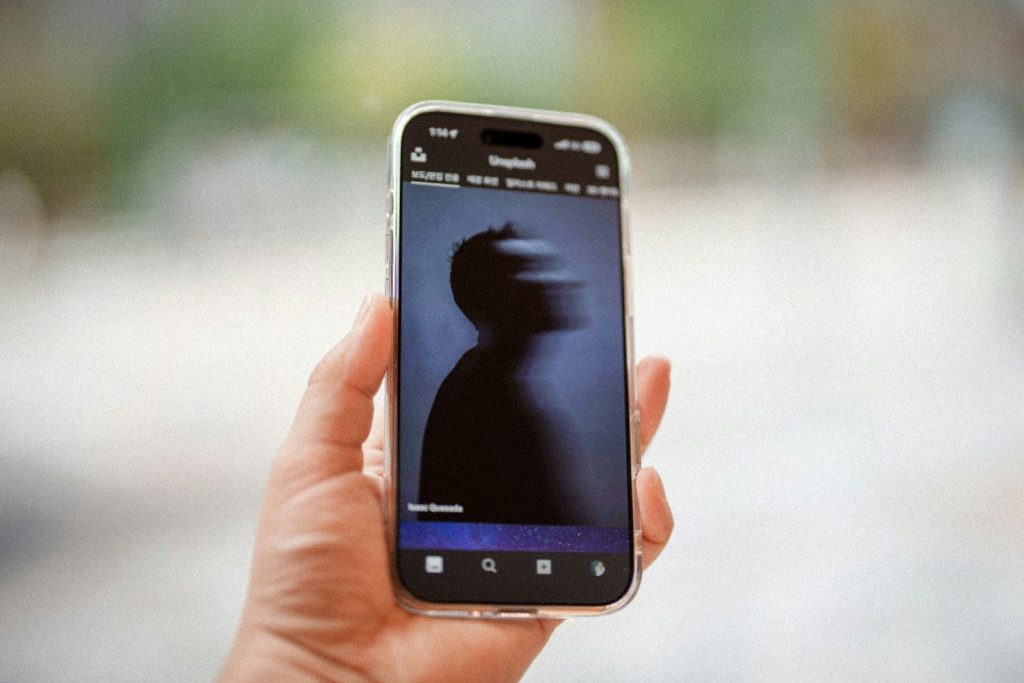
The best defense against a deepfake is awareness. We have to learn to look past the screen and trust our instincts. If a request feels wrong, it probably is. The technology is changing the way we work and the way we trust each other. We are building a new map of the digital world, but the old rules of caution still apply. Are you ready for a virus that hasn’t been seen in 50,000 years?
Featured Image: Photo by Mohamed_hassan on Pixabay
Leave a Reply