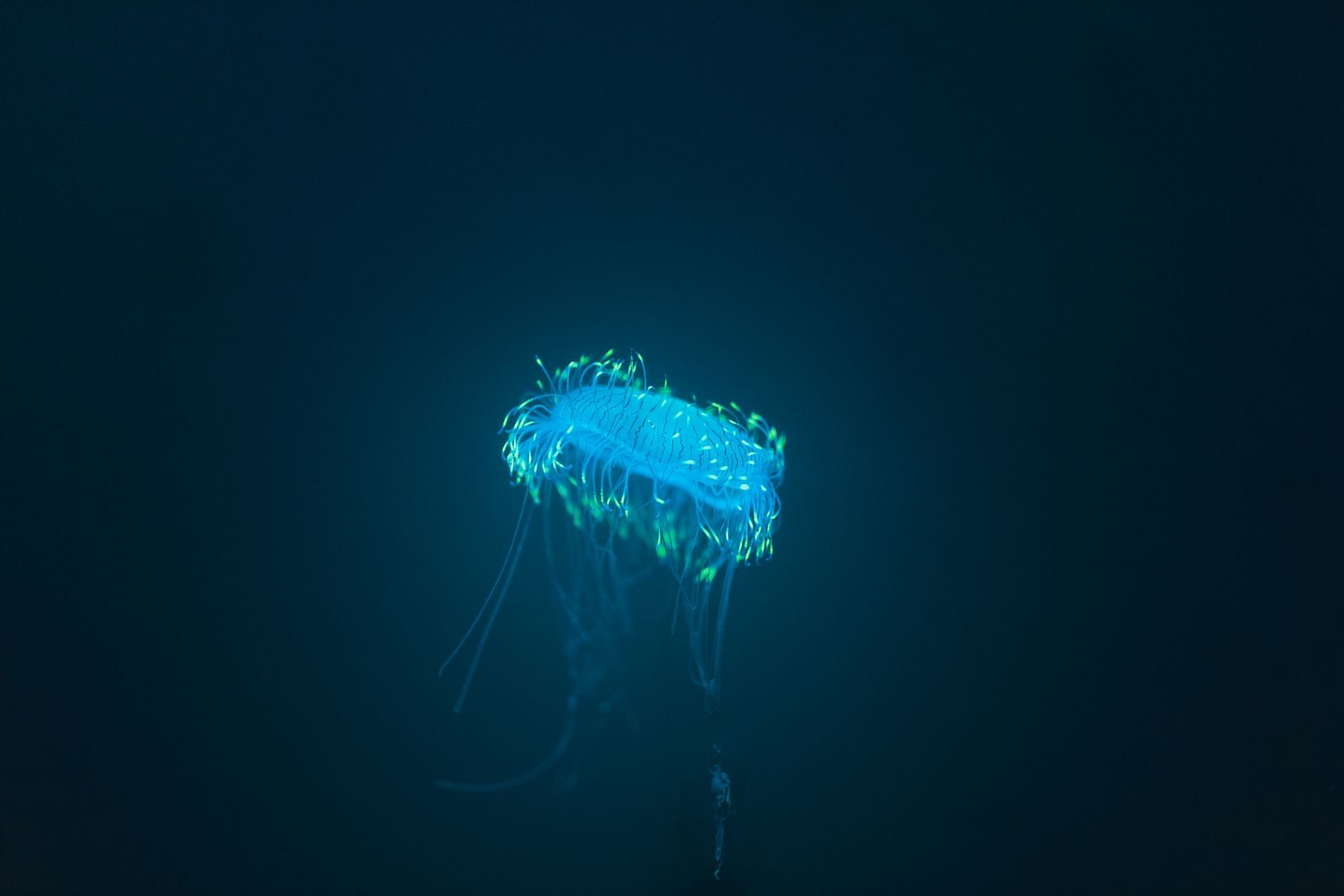
Most people assume that glowing animals are evenly distributed across our entire planet. We believe that bioluminescent bugs are just as common on land as in water.
But a deep evolutionary mystery has locked almost all living light inside the ocean. Scientists have finally discovered why the land remains surprisingly dark at night.
The Oceanic Domain
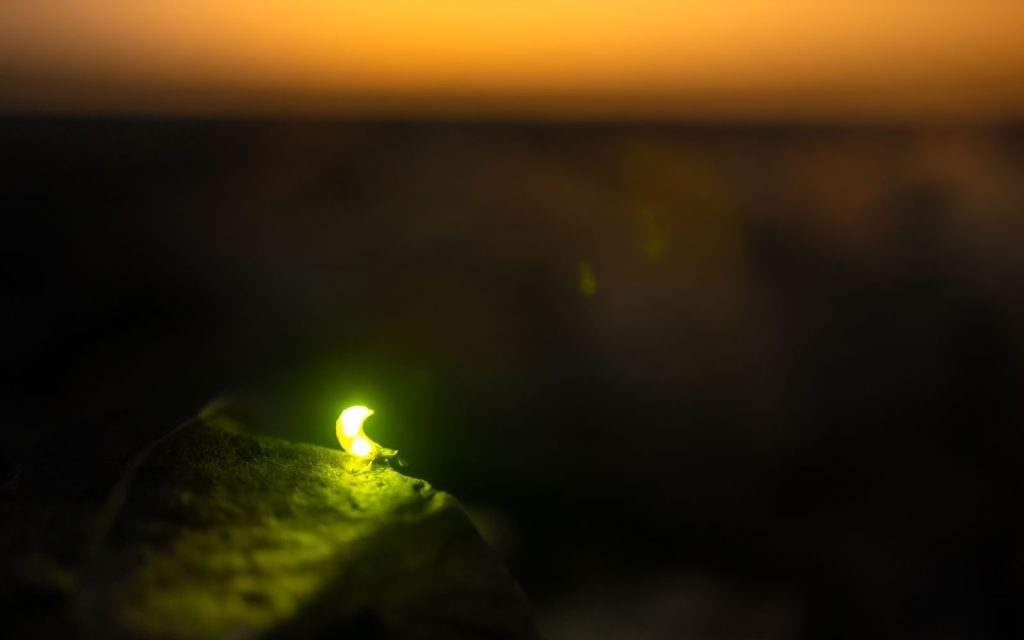
Ninety percent of all glowing organisms live in the deep, dark depths of the ocean. Land ecosystems only feature a tiny handful of glowing creatures like fireflies. According to marine biologists at the Monterey Bay Aquarium, this uneven distribution is a major biological anomaly. The contrast is shocking. But the primary explanation lies in how light travels through different media.
Physical Light Travel
Light behaves completely differently in water compared to the open air. In the dark ocean depths, blue and green light travel much further than any other wavelengths. According to optical physics reports, water acts like a natural filter for other colors. Blue light rules. This transmission advantage makes glowing light a highly effective tool for deep-sea survival.
Deep Sea Camouflage
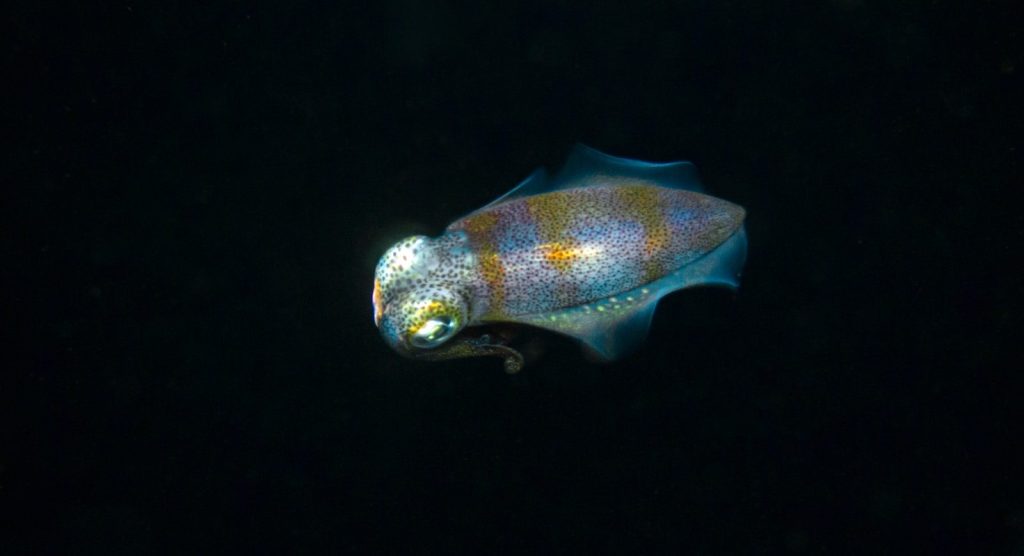
In the open ocean, there are no trees or rocks to hide behind when predators approach. Marine creatures must use their own biological light to blend into the faint sunlight coming from above. According to researchers at the Scripps Institution of Oceanography, this defensive trick is called counterillumination. It is invisible camouflage. But land animals have alternative ways to hide from danger.
The Physical Shelter
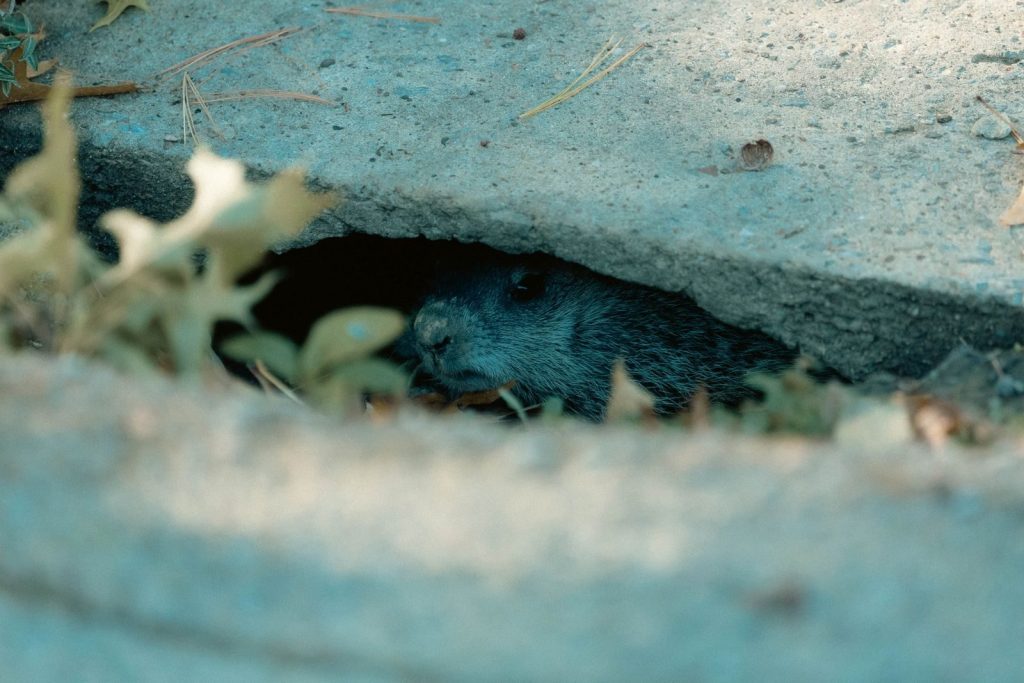
On land, animals can easily hide in bushes, dig underground burrows, or hide inside dark caves. They do not need to produce complex chemical light to camouflage themselves in open terrain. According to evolutionary ecologists at Harvard University, physical shelters are much more energy-efficient than generating bioluminescence. Simple structures work. Yet, the evolutionary history of these genes reveals another major barrier.
Ancient Gene Lines
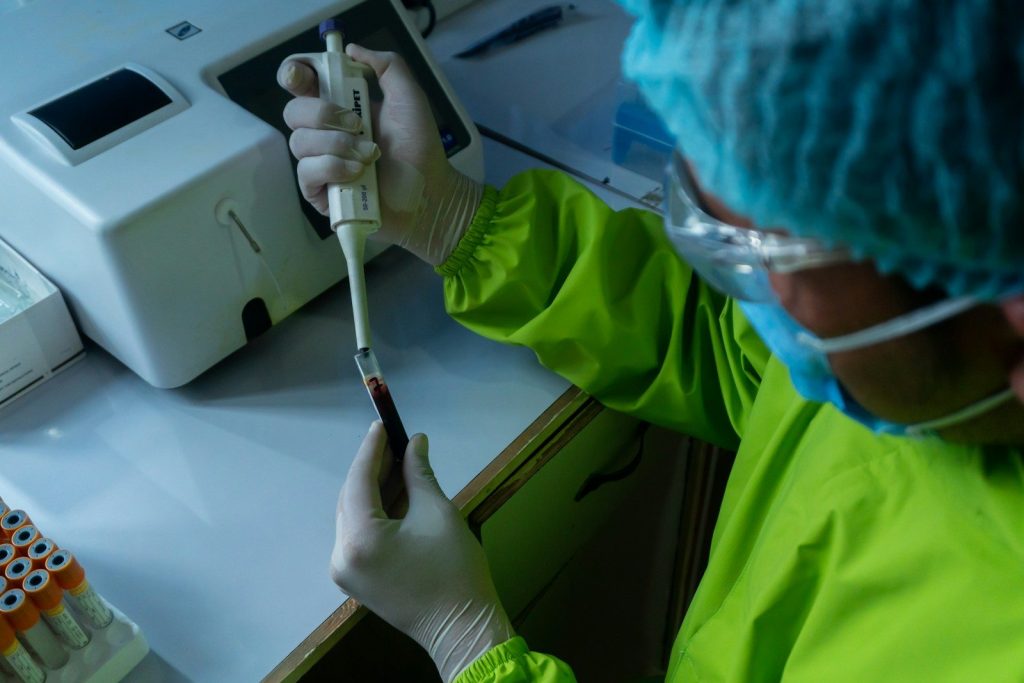
The genetic pathways that produce living light evolved in the ocean millions of years before land life existed. When early creatures crawled onto land, they left these specialized genetic tools behind. According to genomic studies in the journal Science, replicating these complex light-producing genes on land is extremely difficult. The genetic gap is huge. This explains why land animals did not adopt this trait.
Atmospheric Chemistry Barriers
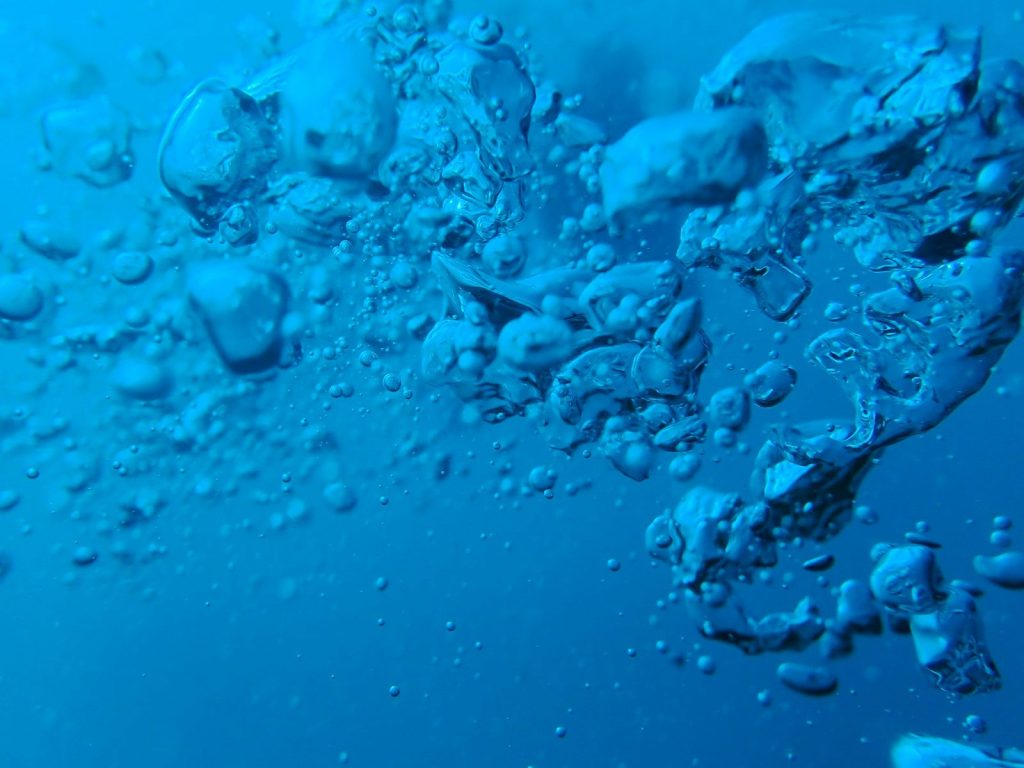
Producing chemical light requires a highly specific mix of oxygen and specialized enzymes. The high oxygen levels in Earth’s atmosphere can actually disrupt this delicate chemical reaction on land. According to biochemists at Yale University, ocean water provides a much more stable environment for these chemical reactions. The water protects. This chemical stability has kept the beautiful gift of light locked under the waves.
The Glowing Deep
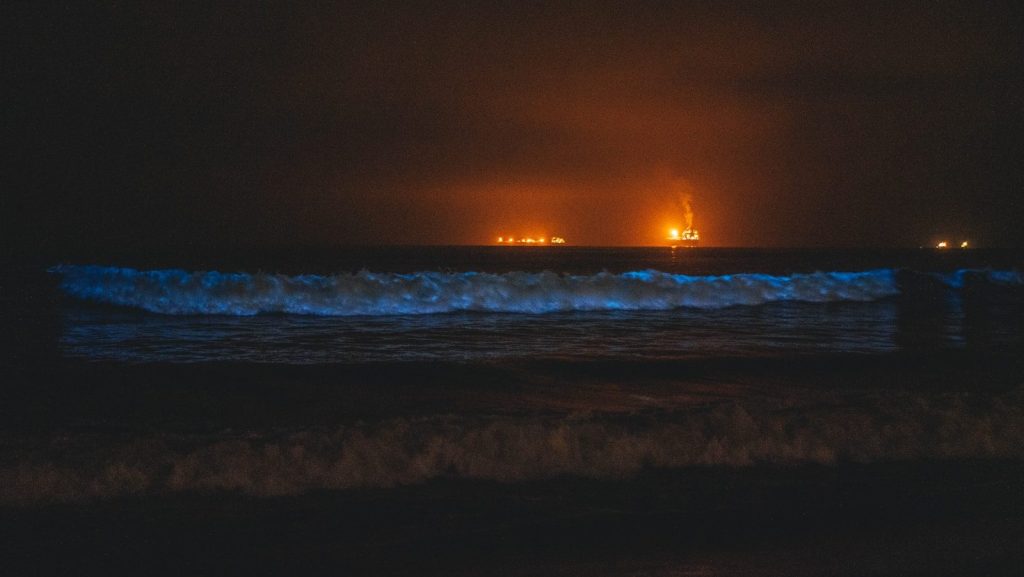
Our deep ocean remains a brilliant, glowing landscape that highlights the absolute wonder of evolutionary science. This silent, underwater light show serves as a critical survival network for millions of unique marine species. According to oceanographers, protecting these dark marine depths is vital for maintaining the balance of Earth’s biosphere. The sea holds the light. This article is for informational purposes only.
Featured Image: Photo by Selvin Esteban on Pexels
Leave a Reply