
Most people assume that ultra-wealthy tech founders buy massive city skyscrapers to secure their long-term fortunes. We believe that luxury penthouses are the ultimate safe assets.
But elite tech pioneers are quietly dumping their high-rise real estate at historic losses. They are shifting their massive fortunes into an entirely different kind of physical asset.
The Great Escape
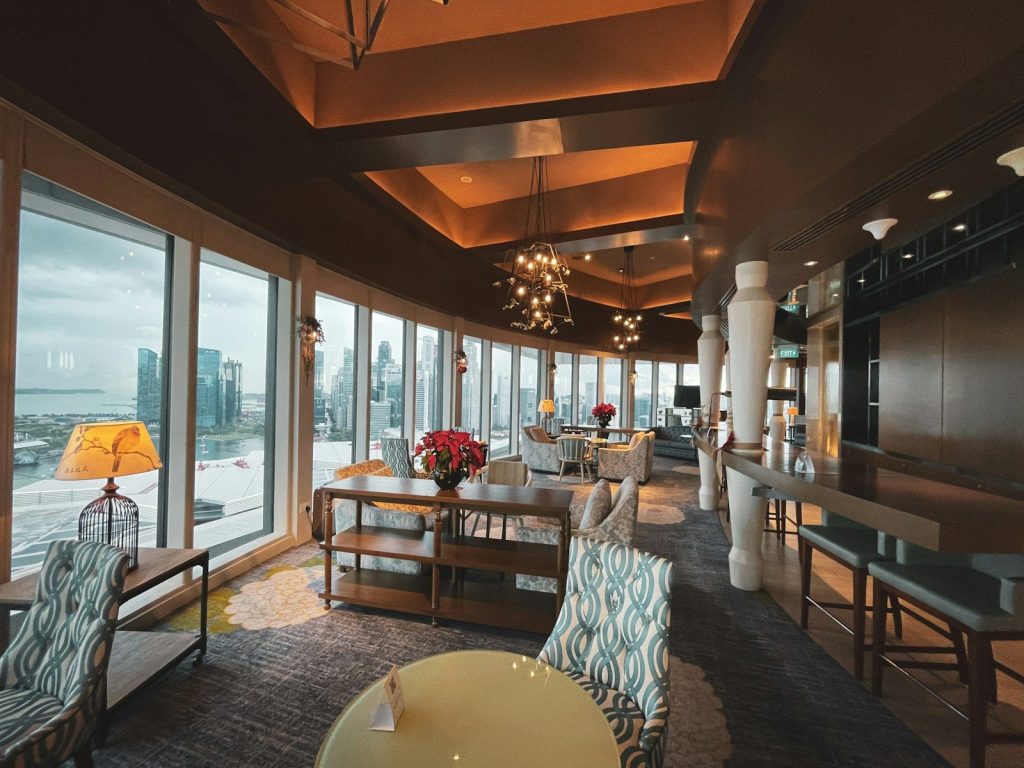
Billionaires are abandoning their prime urban real estate in record numbers. This rapid flight is leaving massive luxury penthouses empty across major global capitals. According to property market reports from Bloomberg, tech elites are taking extreme losses just to unload these heavy buildings. The market is shifting. But this financial exit is driven by a far deeper concern than local taxes.
Vulnerable Urban Hubs

Modern skyscrapers rely on highly centralized electricity, water, and waste grids to function. A single major grid failure instantly turns a high-rise home into a giant concrete trap. According to urban planning studies from Columbia University, skyscrapers are highly vulnerable to prolonged blackouts. Elevators stop completely. This physical dependency is pushing wealthy founders to seek total self-reliance.
Buying Up Wilderness
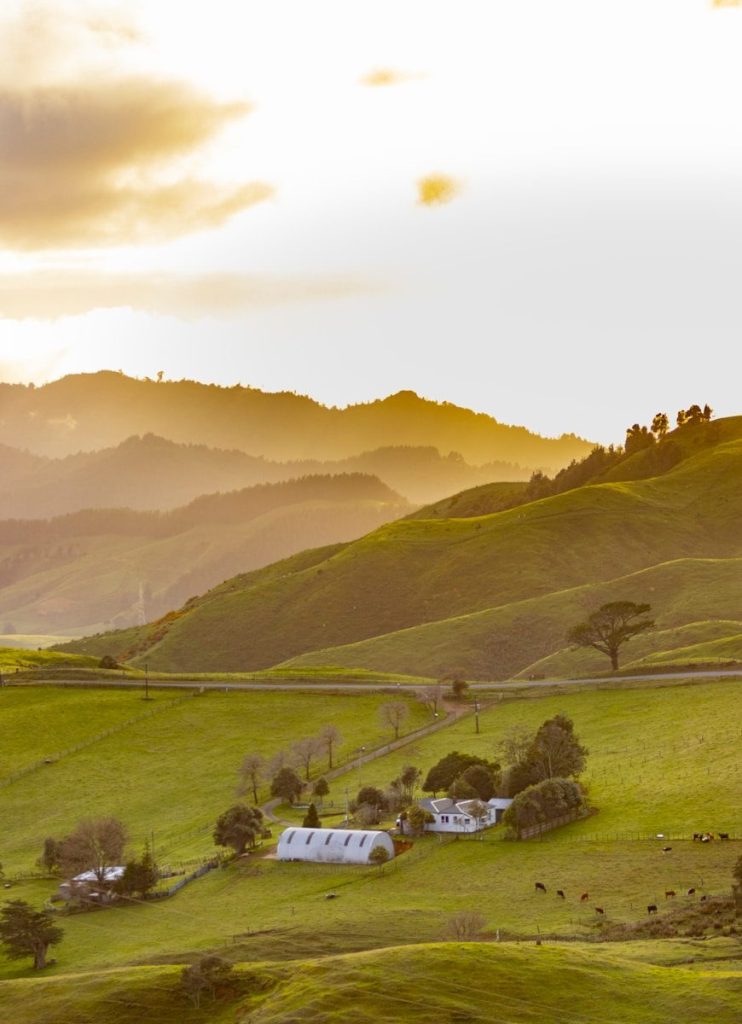
Instead of concrete towers, billionaires are buying vast tracts of remote agricultural land. These isolated estates offer natural resources like freshwater springs and fertile soil. According to real estate registries, tech executives are acquiring thousands of acres in places like New Zealand and Hawaii. They want space. This search for security has triggered a massive boom in high-tech survival architecture.
High Tech Fortresses
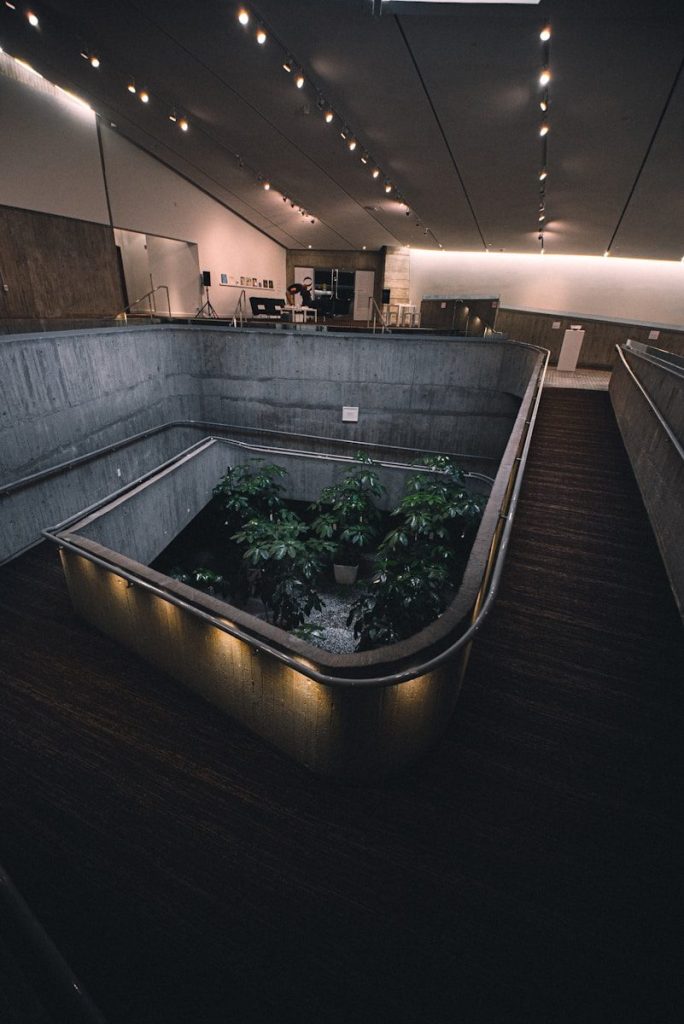
These new wilderness estates are far more than simple remote cabins. They feature advanced underground bunkers equipped with solar microgrids, water filtration, and hydroponic food systems. According to defense architecture reports, these private shelters are engineered to operate independently for several years. Security is high. Yet, the real engineering challenge is building these structures without drawing any attention.
Architects Of Security
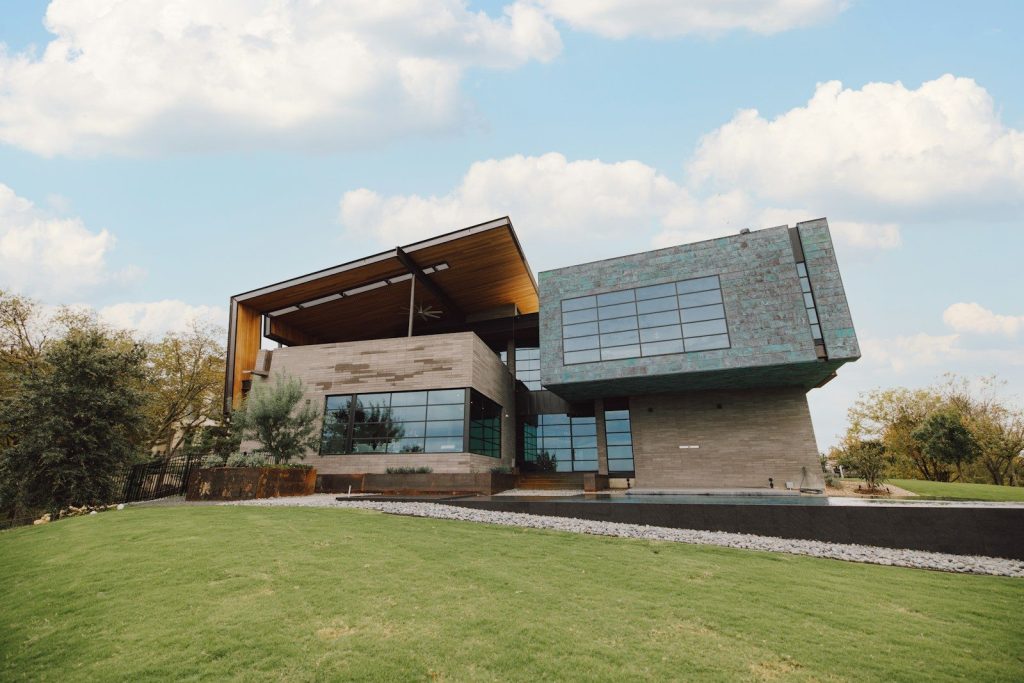
Architects of modern survival compound design these secure bunkers to blend seamlessly into the surrounding natural landscape. Underground entryways are hidden inside normal barns or covered by artificial hills. According to structural engineers, blending into nature is the best defense against unwanted visitors. Camouflage is key. This stealth design approach is changing how luxury architects build high-end properties.
Algorithms Predicting Collapse

The rush to buy survival property is driven by advanced artificial intelligence models. Tech founders run complex simulations to predict political, environmental, and economic crises. According to software engineers, these private models suggest that centralized city life faces a rocky future. The data is clear. This technological foresight explains why tech leaders are acting so quickly to dump city assets.
The Ultimate Asset
Valuable symbols of luxury and wealth are undergoing a permanent transformation. True security is no longer about high-rise penthouses but about controlling essential resources like energy and water. According to real estate economists, the ultimate luxury of the future will be total independence. We must prepare. This article is for informational purposes only.
Leave a Reply