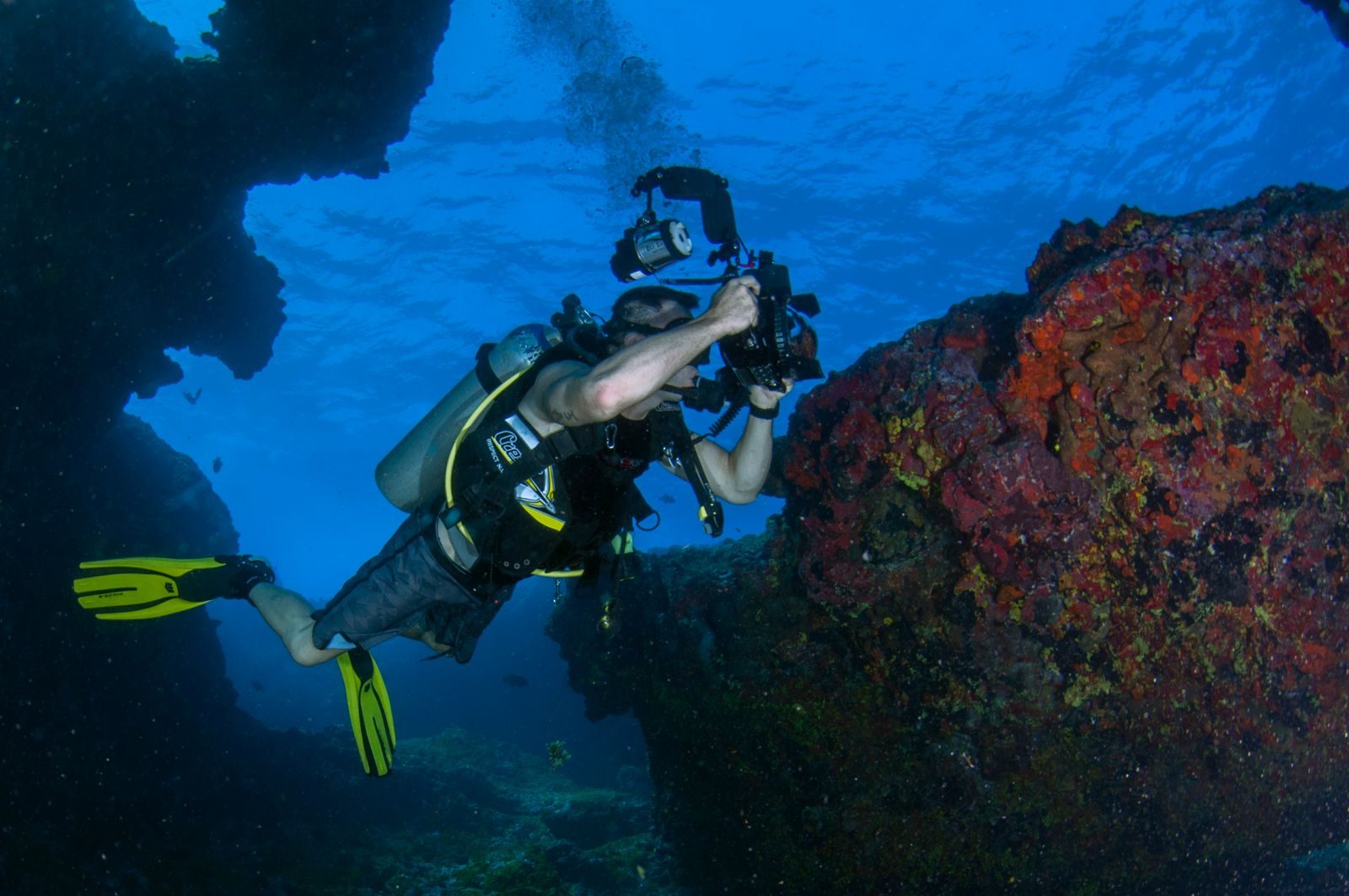
We assume that the deepest parts of our oceans are cold and lifeless deserts. We believe that nothing can survive in the dark, high-pressure abyss.
But deep-sea explorers have recently discovered a mysterious blue substance covering the ocean floor. This bizarre, toxic goo is actually teeming with unexpected life.
The Discovery In Dark Depths
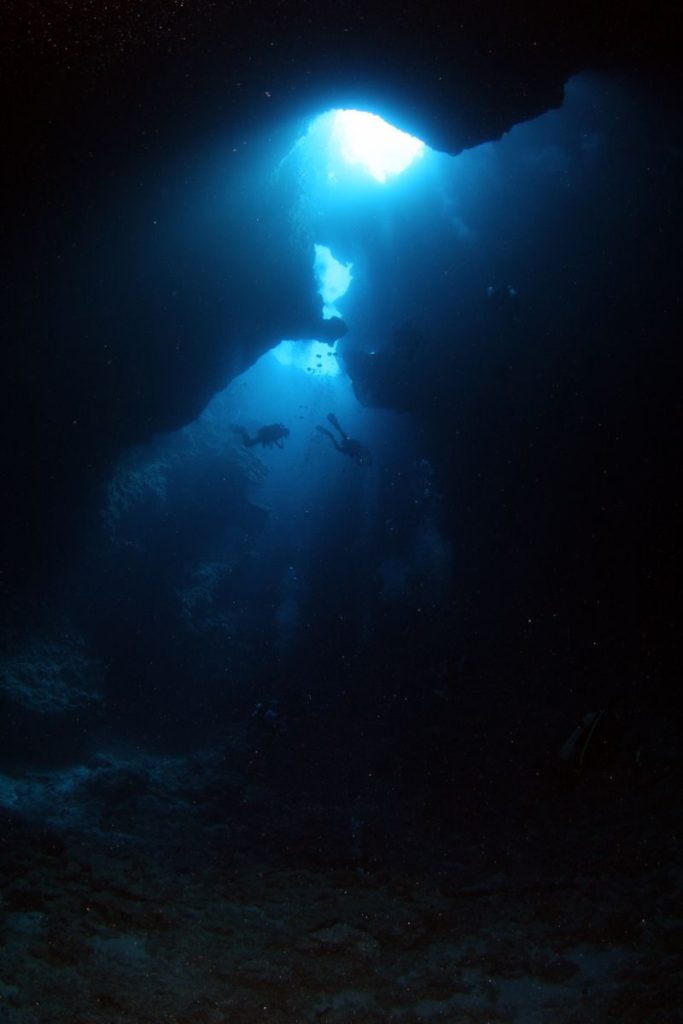
An expedition team exploring the deep Caribbean seafloor spotted a strange blue residue on the rocks. It looked completely alien. According to ocean exploration reports from the National Oceanic and Atmospheric Administration, this blue substance was found thousands of feet below the surface. Researchers had never seen anything like this organic coating before. But analyzing this mysterious slime revealed an even bigger shock.
A Chemical Cocktail For Survival
The blue goo contains a mix of highly toxic compounds that would instantly kill most land creatures. The environment is harsh. According to chemical analysis from the Schmidt Ocean Institute, the substance is rich in heavy metals and acidic sulfur compounds. Yet, microscopic organisms are thriving directly inside this lethal broth. But how these tiny creatures survive in such toxicity remains a puzzle.
Extremophiles Breaking All The Rules
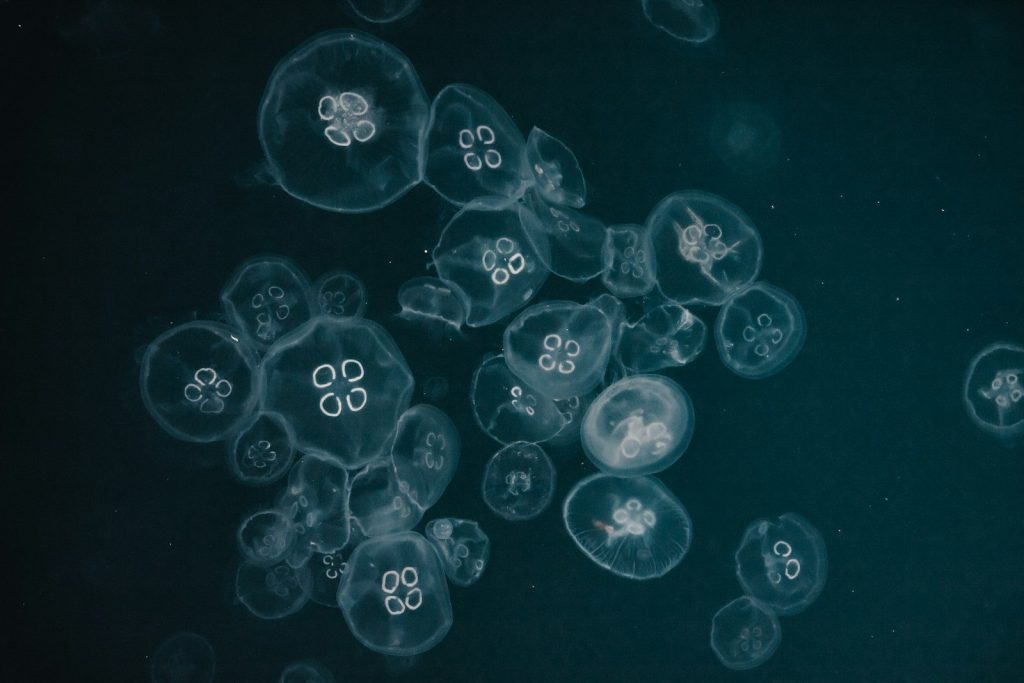
The organisms living inside the goo are specialized microbes called extremophiles. They are incredibly tough. According to microbiological studies from the University of Victoria, these microbes use chemical reactions instead of sunlight to produce energy. This process is called chemosynthesis. It allows them to thrive in complete, freezing darkness. But these strange microbes might hold the key to an ancient cosmic secret.
Clues To The First Life
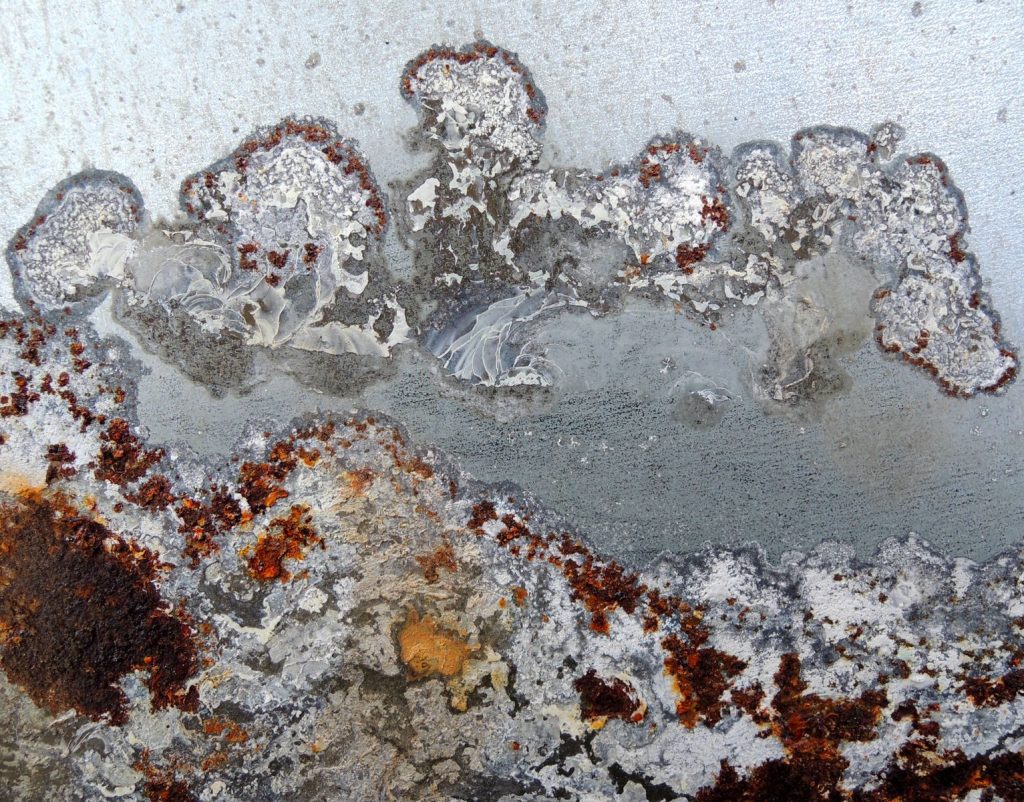
The toxic, high-pressure environment of the deep ocean closely mirrors conditions on Earth billions of years ago. This is a time machine. According to evolutionary research from the NASA Astrobiology Institute, these deep-sea goo microbes are likely living relatives of the very first life forms on our planet. Studying them helps us understand how life began. But this discovery has massive implications far beyond our own planet.
Searching For Aliens In Space
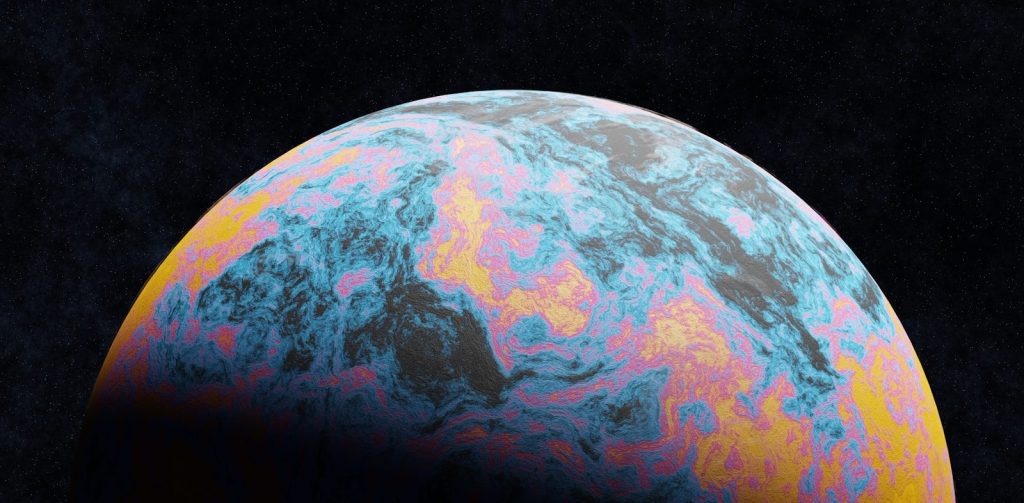
If life can thrive inside toxic ocean goo, it could easily survive on distant icy moons. The search is on. According to planetary science reports from the Jet Propulsion Laboratory, icy worlds like Europa and Enceladus have deep, warm oceans under their frozen crusts. These alien seas might feature the exact same chemical conditions. But finding these deep-sea microbes is also changing modern medicine.
Medical Miracles Hidden In Slime
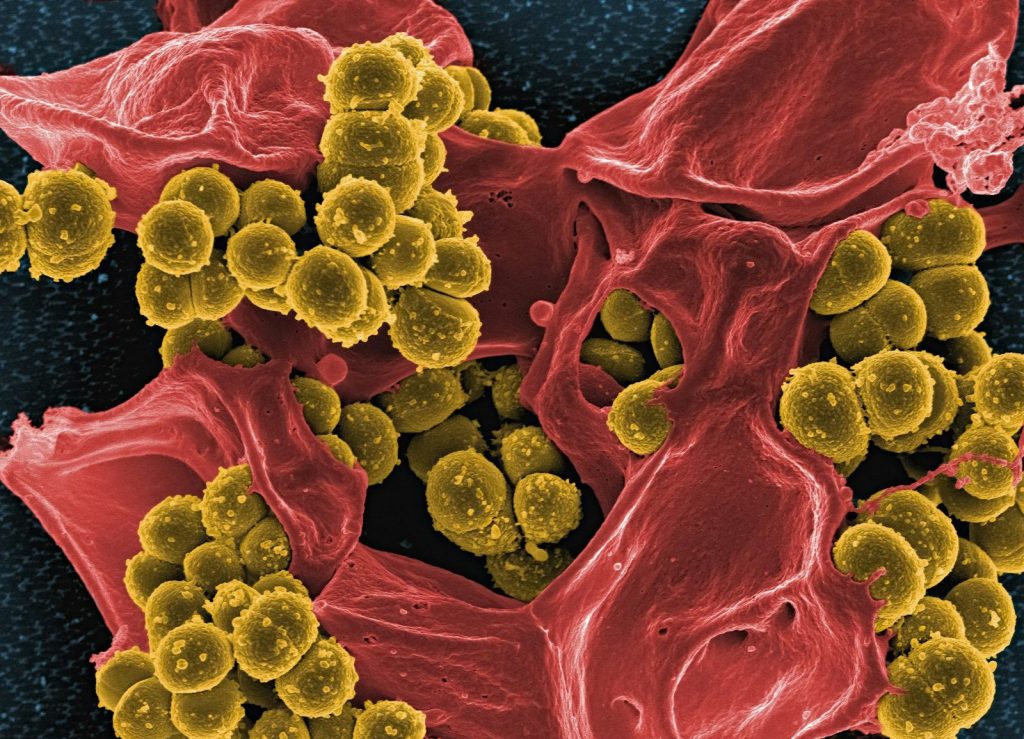
The toxic compounds produced by these unique microbes could lead to powerful new health treatments. Nature is a pharmacy. According to pharmaceutical research from the Scripps Institution of Oceanography, deep-sea organisms produce unique proteins that can help fight antibiotic-resistant infections. These rare molecules cannot be synthesized in normal laboratories. But exploring these extreme depths requires risking advanced equipment and human lives.
Protecting Our Planet’s Secret Depths
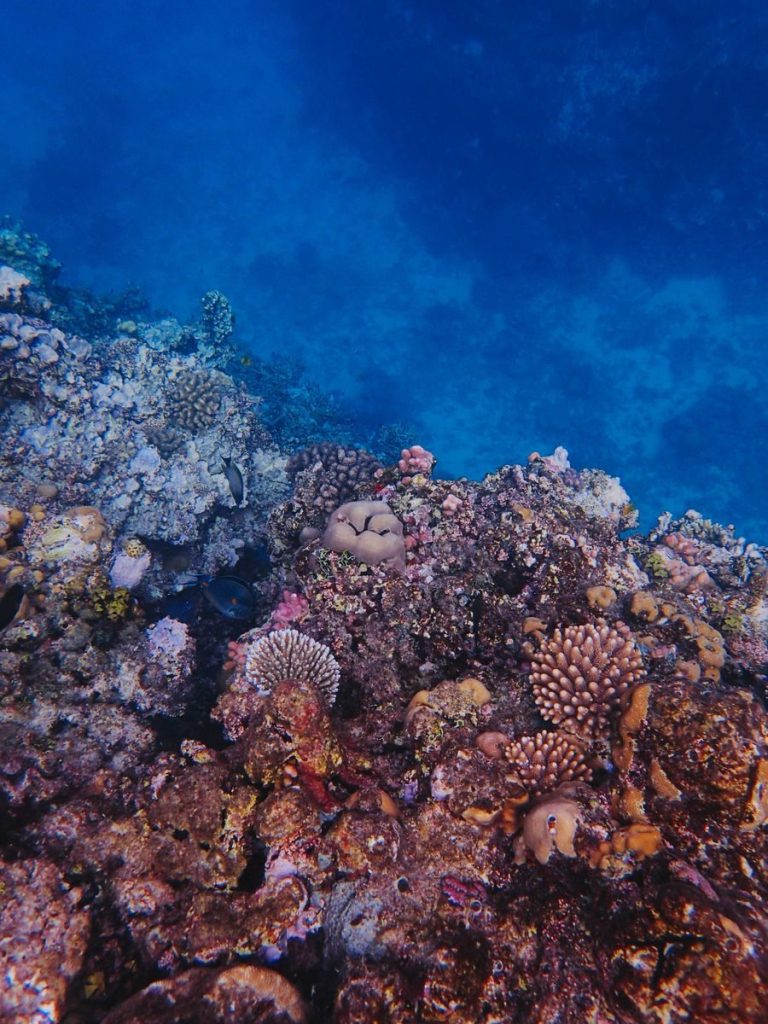
The discovery of this biological marvel reminds us that the deep ocean remains a largely unexplored frontier. We must protect it. According to marine conservation reports, deep-sea mining and industrial runoff threaten these fragile ecosystems before we can even study them. Preserving these dark spaces is essential for our scientific future. This article is for informational purposes only.
Featured Image: Photo by Leonardo Lamas on Pexels
Leave a Reply