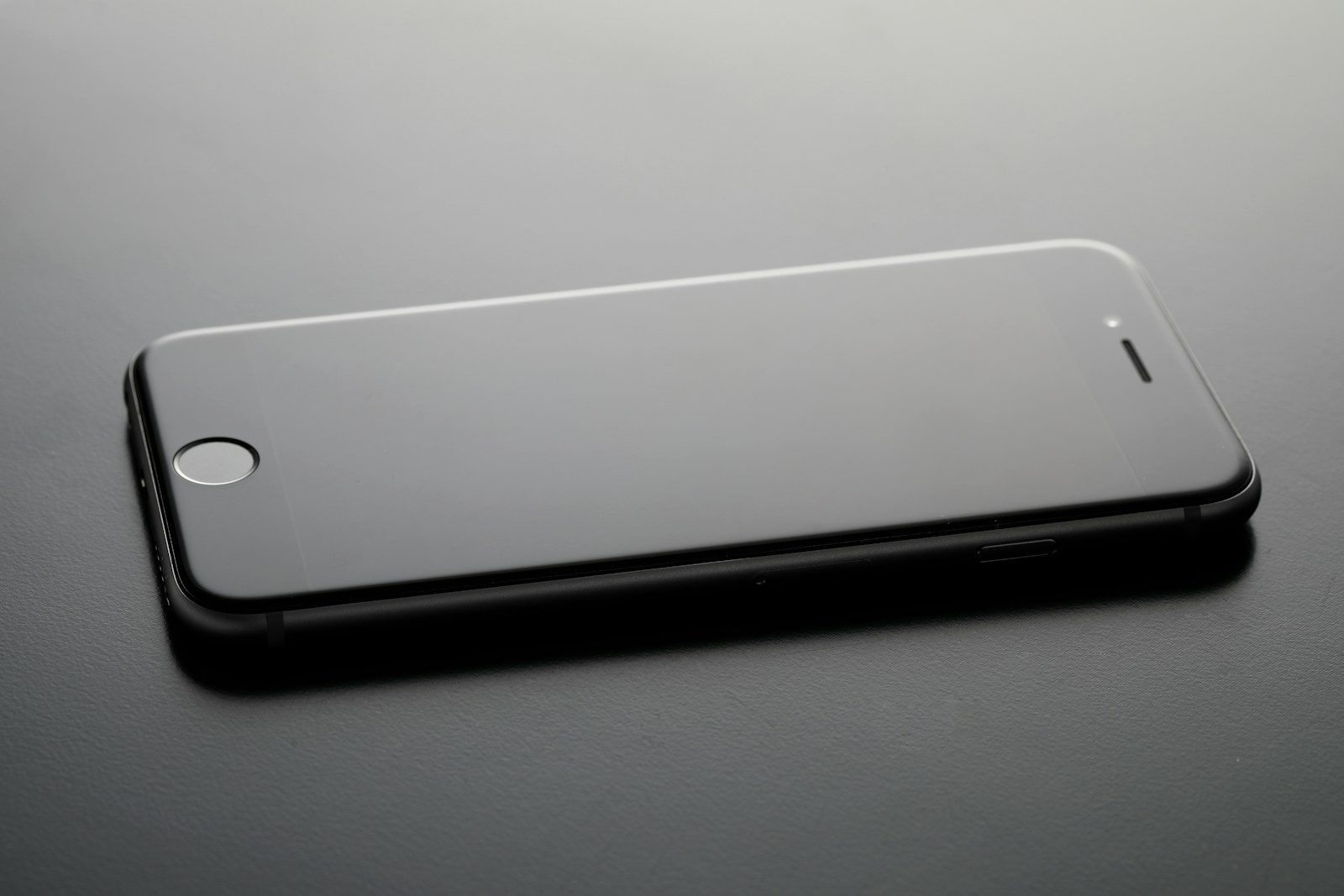
Most people assume that mobile phone screens have reached their ultimate peak of design. We believe that future upgrades will only bring slightly faster speeds or brighter colors.
But a major engineering breakthrough is quietly happening behind closed doors. This radical change will completely transform how we interact with our screens.
The Disappearing Front Camera
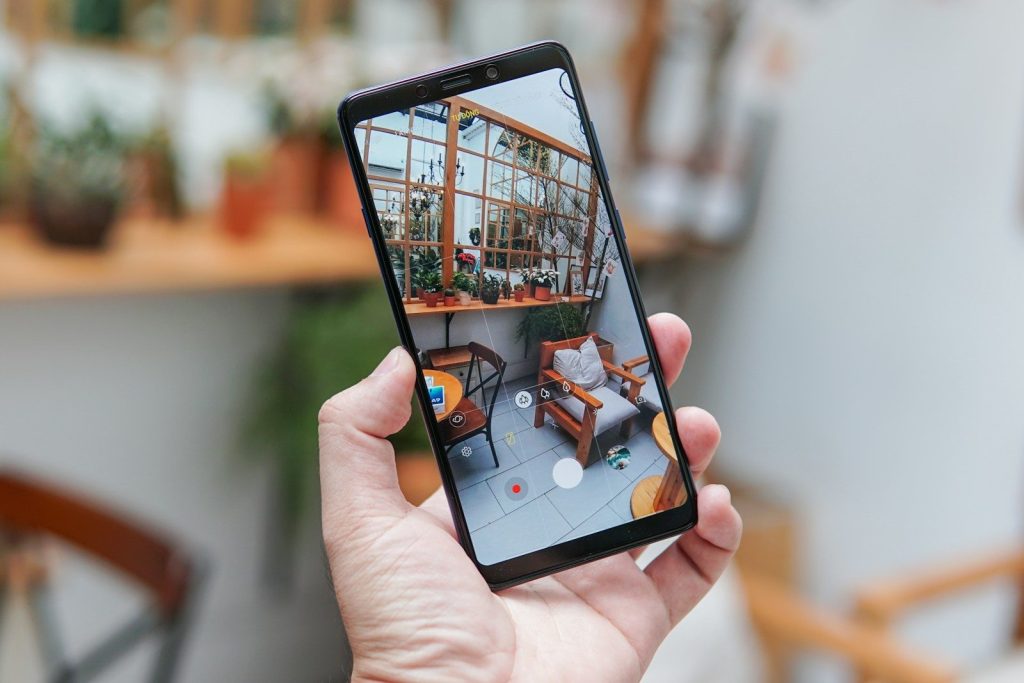
We are used to seeing a small black punch hole or island cutting into our screen space. According to reports from Bloomberg, upcoming designs aim to hide all essential front sensors completely beneath the glass. This is clean engineering. Sophisticated light-bending materials will allow cameras to capture perfect images through active pixels. But this optical vanishing act is only the first stage of the design shift.
Shrinking Down The Brain
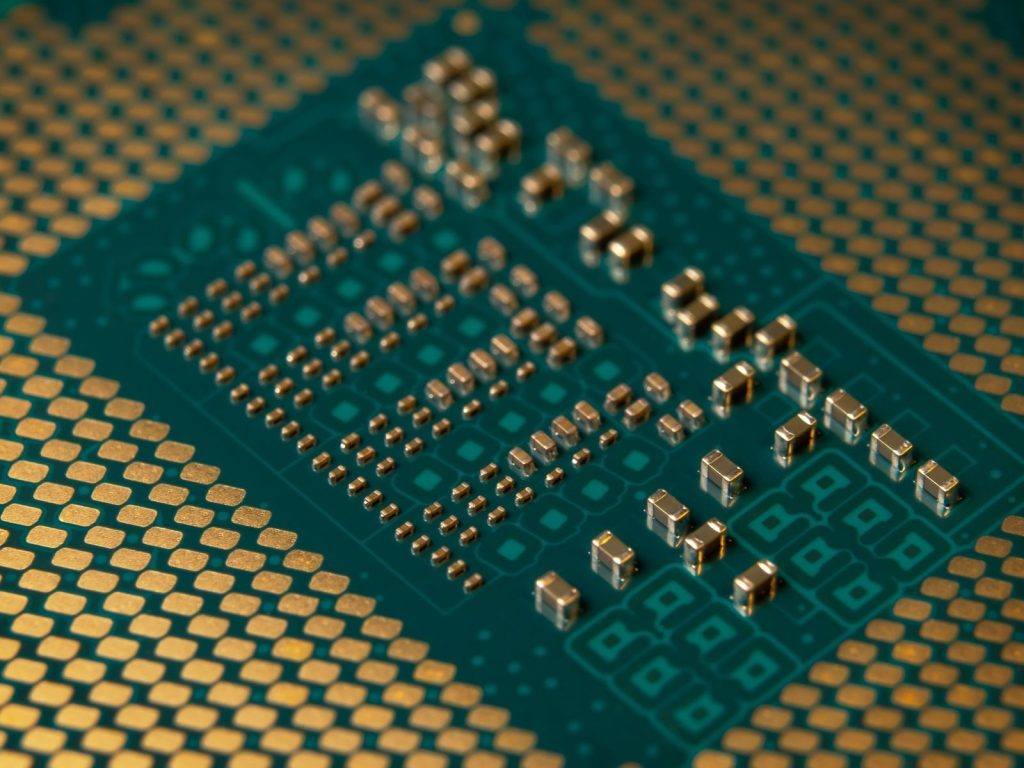
The physical size of internal processing chips is approaching a hard barrier of physics. According to technical reports from TSMC, upcoming microchips will utilize a highly advanced two-nanometer production process. They are incredibly small. Shrinking these components increases processing efficiency while dramatically reducing heat. But packing more power into a smaller space introduces a serious biological challenge.
The Battle Against Thermal Heat
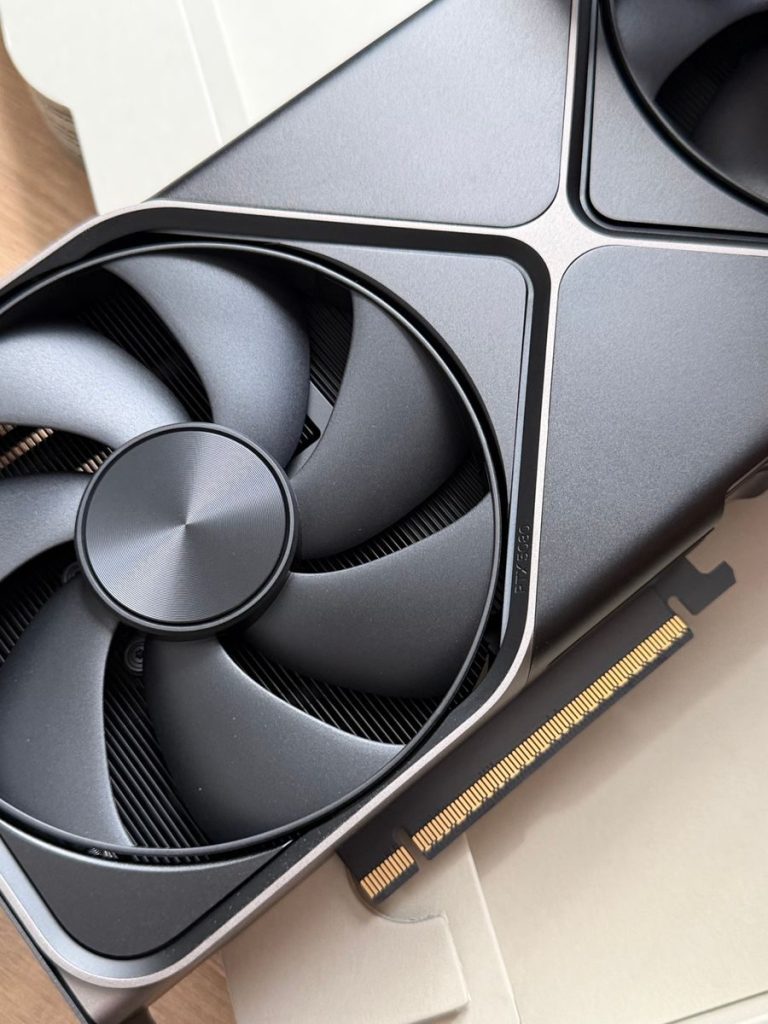
High-performance chips quickly generate extreme heat that can damage delicate pocket devices. According to industry analysis from TechInsights, engineers are developing advanced graphite sheets to pull warmth away from internal cores. Heat is the enemy. This silent cooling network allows heavy programs to run smoothly without draining your daily battery life. But another quiet revolution is taking place on the outside of the device.
Harder Metals For Everyday Use

Phone frames often scratch easily or bend when placed under high pressure. According to materials research from the Massachusetts Institute of Technology, developers are testing next-generation titanium alloys combined with tough ceramics. They are remarkably tough. These futuristic compounds will make our devices almost immune to deep scuffs and structural breaks. But this extreme durability will also serve a surprising functional purpose.
Redefining Interactive Tactile Buttons
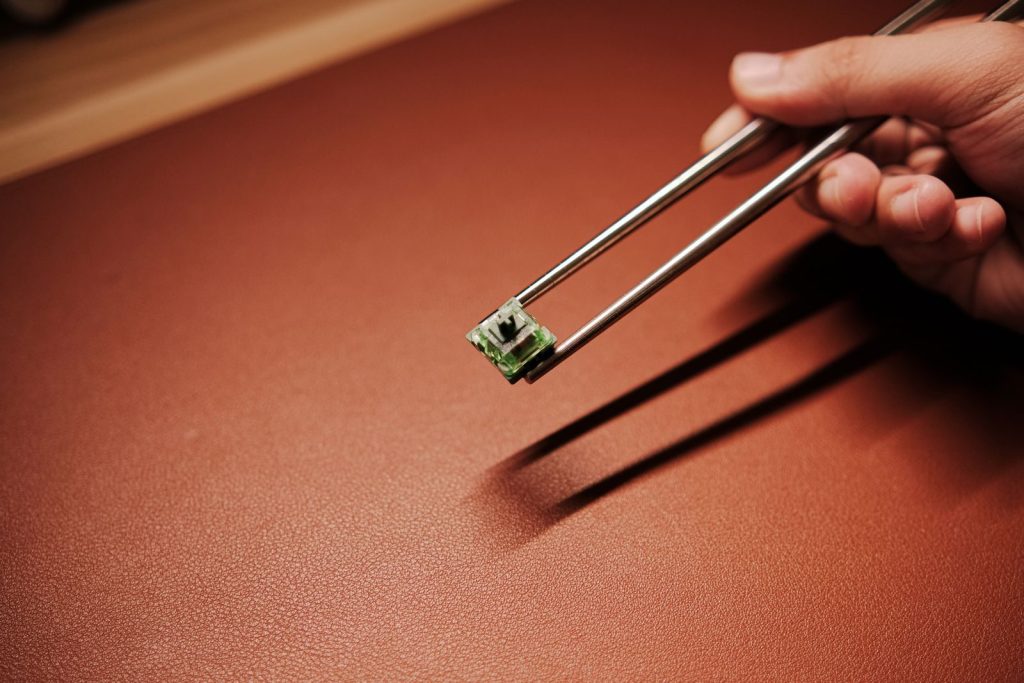
Physical clicking buttons are slowly being phased out to create completely smooth outer frames. According to patent filings from the United States Patent and Trademark Office, solid-state sensors will soon mimic the physical sensation of clicking using localized vibrations. The magic is touch. This seamless design removes mechanical parts that easily collect dust or let water seep inside. But this structural sealing is paving the way for a much larger evolution.
Smarter Logic At The Core
Modern mobile devices rely heavily on external servers to process complex cognitive tasks. According to software engineering reports from Apple, future operating systems will process massive machine-learning models directly on your device. This is private data. Keeping these operations local ensures instant responses and protects sensitive personal information. But this massive technological leap points to a major shift in how we live our lives.
Seamless Integration Into Reality

The physical tool we call a phone is slowly blending into the background of our physical lives. According to tech consumer surveys, hardware is moving toward becoming a quiet, invisible assistant. The future is arriving now. This article is for informational purposes only.
Featured Image: Photo by Lorenzo Rui on Unsplash
Leave a Reply