
Many people believe that severe brain disorders are purely genetic or caused by bad luck. We assume our bodies fall ill due to random biological errors.
But shocking neurological research shows that common chemicals in our daily environment are actually triggering these conditions. A silent hazard is hiding in plain sight.
The Invisible Industrial Culprit
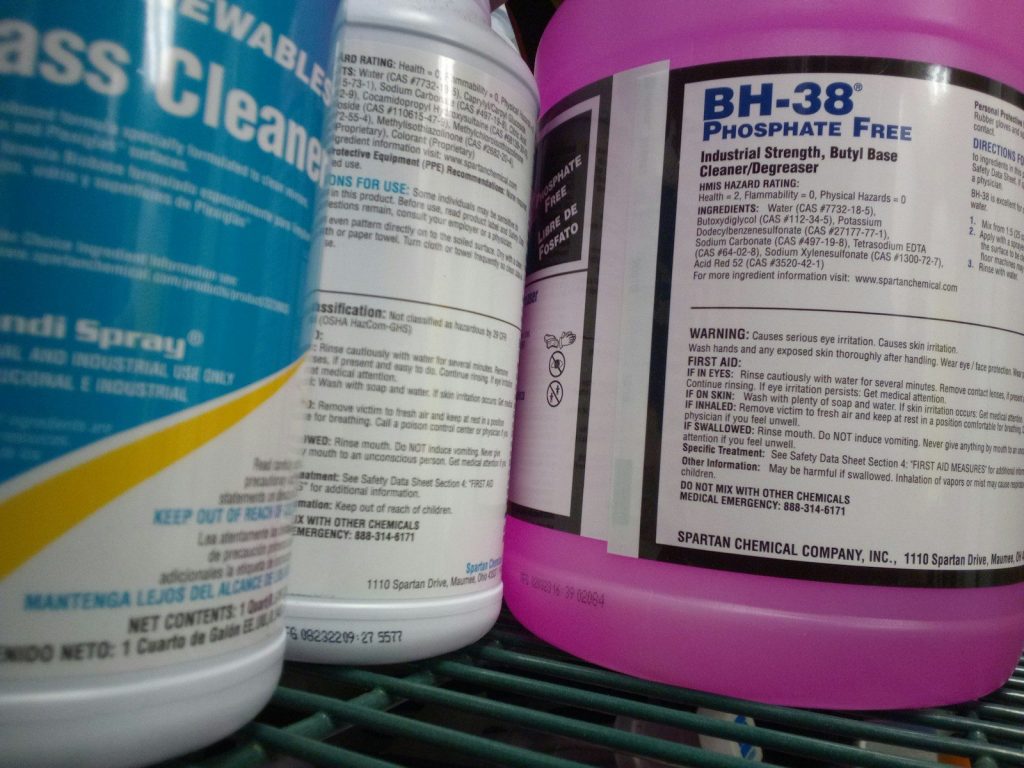
A specific synthetic chemical used in industrial cleaning is being linked to rising brain decay rates. The danger is widespread. According to neurological reports from the University of Rochester, exposure to this common solvent increases the risk of brain damage by over five hundred percent. This clear chemical link has been ignored for decades. But this toxin enters our bodies through a very common route.
Breathing In The Silent Threat

This industrial chemical evaporates easily and contaminates the air we breathe and the water we drink. It is incredibly persistent. According to environmental studies from the Environmental Protection Agency, the solvent can linger underground for years and seep into household wells. Millions of people remain entirely unaware of this toxic threat. But the chemical does its worst damage inside our brain cells.
Destruction Of The Dopamine Center
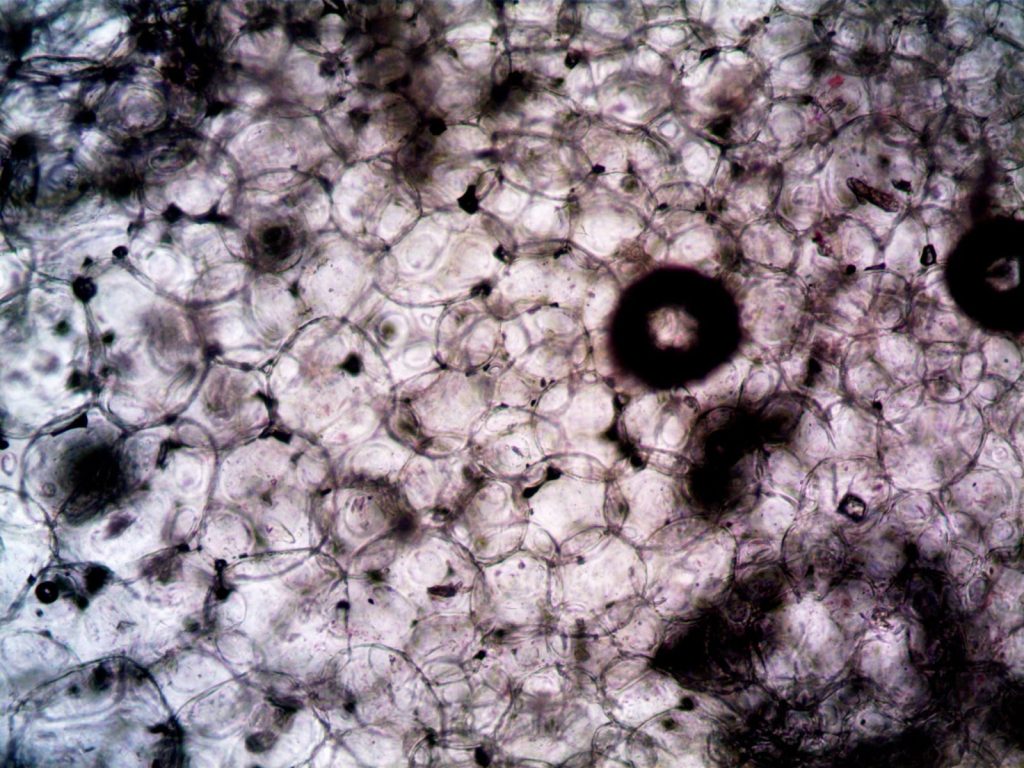
Once inside the body, this toxin selectively attacks the brain cells responsible for smooth movement. The damage is irreversible. According to brain science research from the Parkinson Association, the chemical ruins the mitochondria that power our essential dopamine-producing neurons. Without these specialized cells, the brain slowly loses its ability to coordinate movement. But this is not the only common chemical threat.
Toxins Lurking In Big Agriculture

Common agricultural pesticides are also showing strong links to progressive nerve damage. These formulas are powerful. According to toxicological studies from the National Institutes of Health, farmworkers exposed to certain weedkillers are significantly more likely to develop chronic brain conditions later in life. These chemicals are designed to kill pests but slowly harm humans. But the danger reaches far beyond rural farm fields.
The Danger In Your Tap Water

Rainwater washes these agricultural chemicals into nearby rivers and municipal drinking water systems. Filters often miss them. According to geological surveys from the United States Geological Survey, low levels of these compounds are consistently detected in tap water across suburban areas. This widespread contamination puts millions of unsuspecting citizens at risk. But some countries are taking quick action to stop this.
Global Bans On Chemical Solvents

Many nations are outlawing these toxic compounds to protect public health. Safety is the priority. According to legal updates from the European Chemicals Agency, several common industrial solvents are already banned across Europe due to their neurological risks. However, other major global economies continue to allow their widespread use. But individuals do not have to wait for new laws to protect themselves.
Simple Steps For Brain Safety
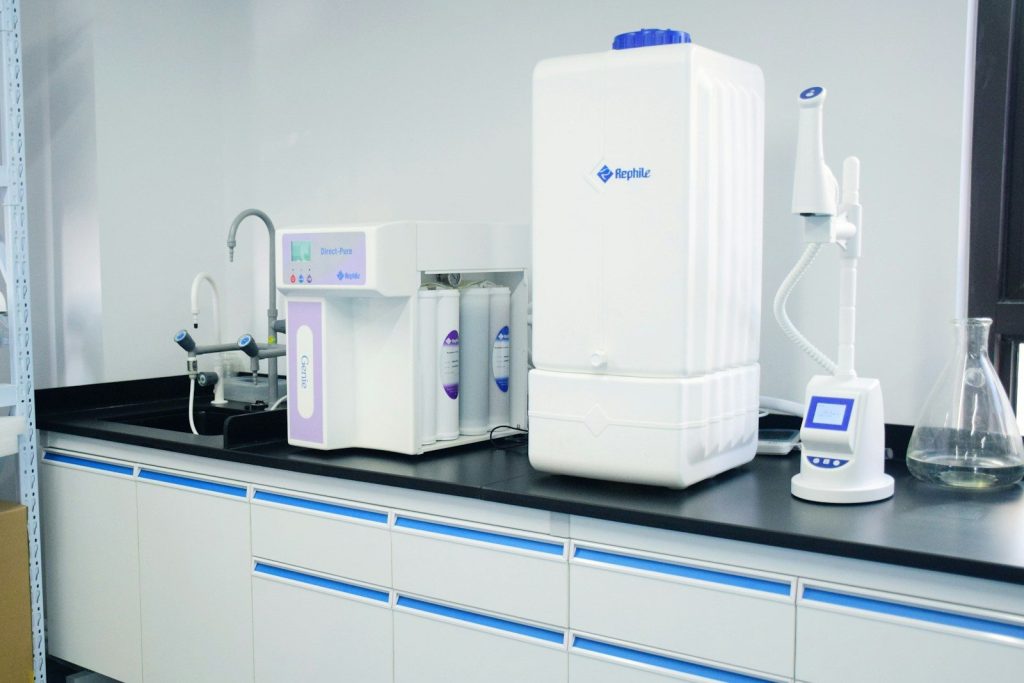
Using advanced water filters and choosing organic produce can dramatically lower your chemical exposure. Small habits save lives. According to health guidelines from the Mayo Clinic, using activated carbon filters can remove most volatile organic compounds from your drinking water. Protecting your home environment is a powerful way to guard your nervous system. But the scientific community is also working on a larger medical solution.
Safeguarding Our Neurobiology

Our understanding of how environmental toxins affect the brain is rapidly transforming modern preventative medicine. We must act now. According to research from the World Health Organization, reducing global exposure to these industrial chemicals could prevent millions of neurological cases worldwide. Protecting our brains begins with cleaning our world. This article is for informational purposes only.
Featured Image: Photo by Tima Miroshnichenko on Pexels
Leave a Reply