Most people believe that eating well and exercising can endlessly extend our lives. We assume that clean living keeps the biological clock ticking forever.
But shocking genetic research reveals a hidden internal countdown that we cannot control. This deep biological limit might override all our healthy choices.
The Hidden Clock Inside Us
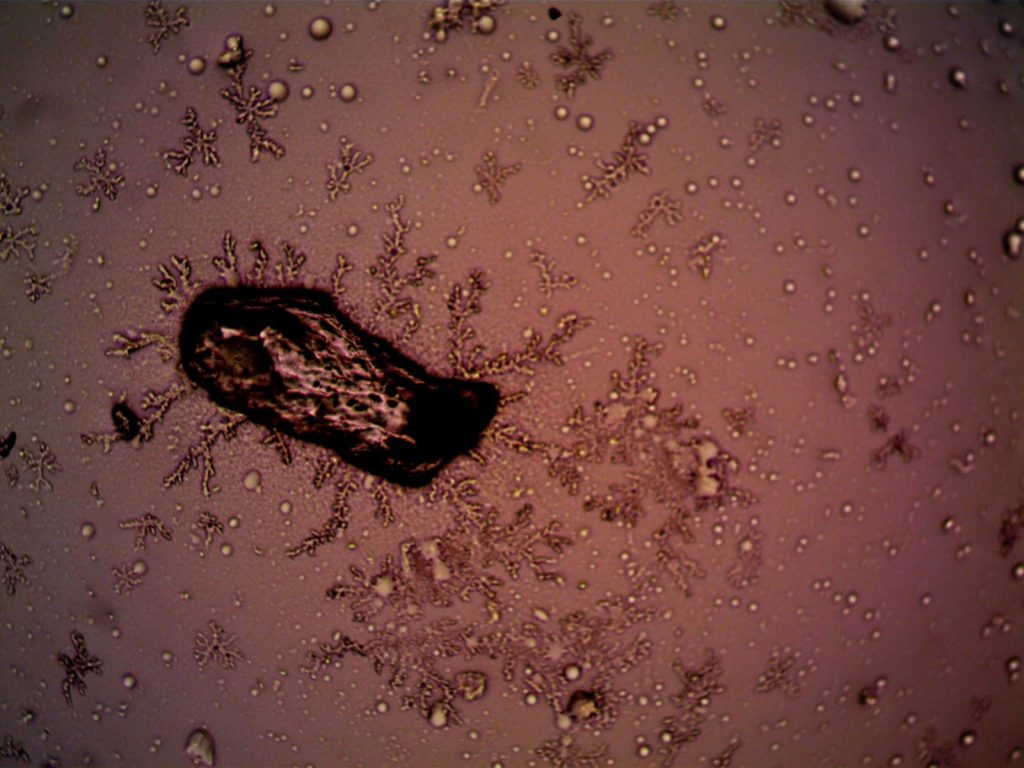
Scientists are discovering that our cells have a pre-programmed expiration date. This mechanism is incredibly ancient. According to research from the Salk Institute, certain genetic markers dictate our baseline lifespan before we even take our first breath. These biological cellular programs seem to run on a strict, unyielding schedule. But this cellular timer is controlled by a specific part of our chromosomes.
The Shrinking Caps On DNA
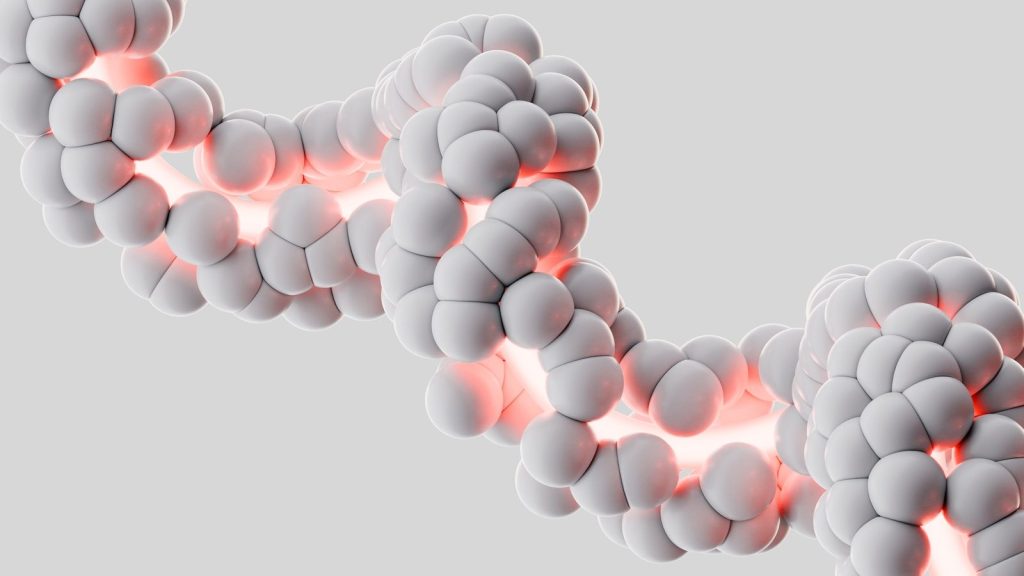
Every time our cells divide, the protective tips of our chromosomes get slightly shorter. These tips are called telomeres. According to studies from Harvard University, these genetic caps act like burning fuses on dynamite. Once they shrink completely, the cell simply stops functioning. This is unavoidable. But researchers recently found a strange exception to this biological law of decay.
Nature’s Secret Weapon For Cells
Some rare organisms can actually rebuild their own genetic caps to live indefinitely. They ignore aging completely. According to molecular biology reports from the University of California, an enzyme called telomerase can theoretically reset the cellular clock. However, activating this biological trick in humans often triggers dangerous cell growths like cancer. But the mystery gets deeper when looking at our direct ancestors.
The Evolutionary Lifespan Trade
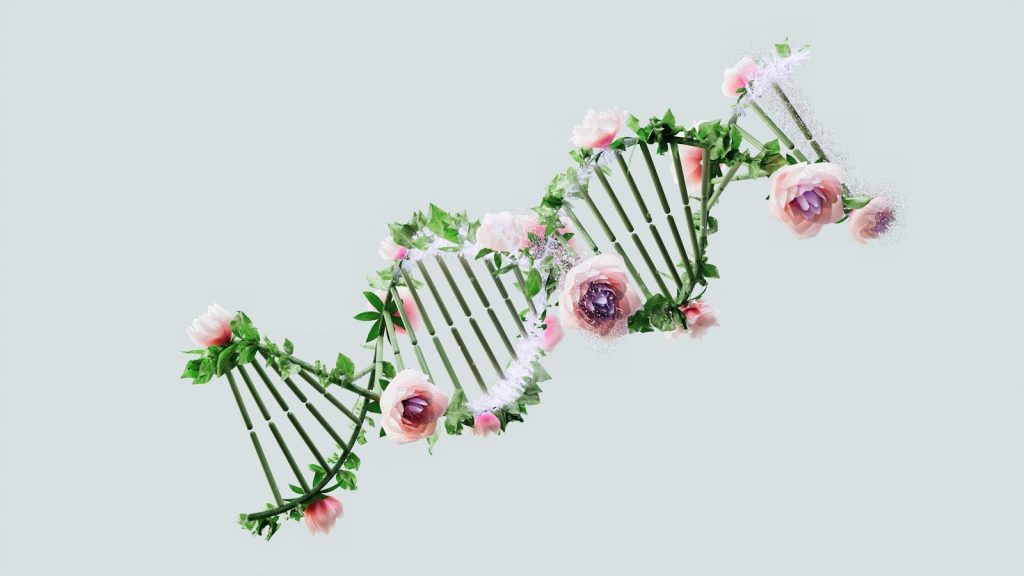
Our modern lifespans might actually be an evolutionary compromise rather than a biological mistake. Evolution values reproduction over longevity. According to evolutionary studies from Oxford University, nature stops protecting our bodies once we pass our prime reproductive years. This genetic neglect is built into our evolutionary design. But this raises a profound question about how our environment affects our destiny.
Limits Of Extreme Healthy Living
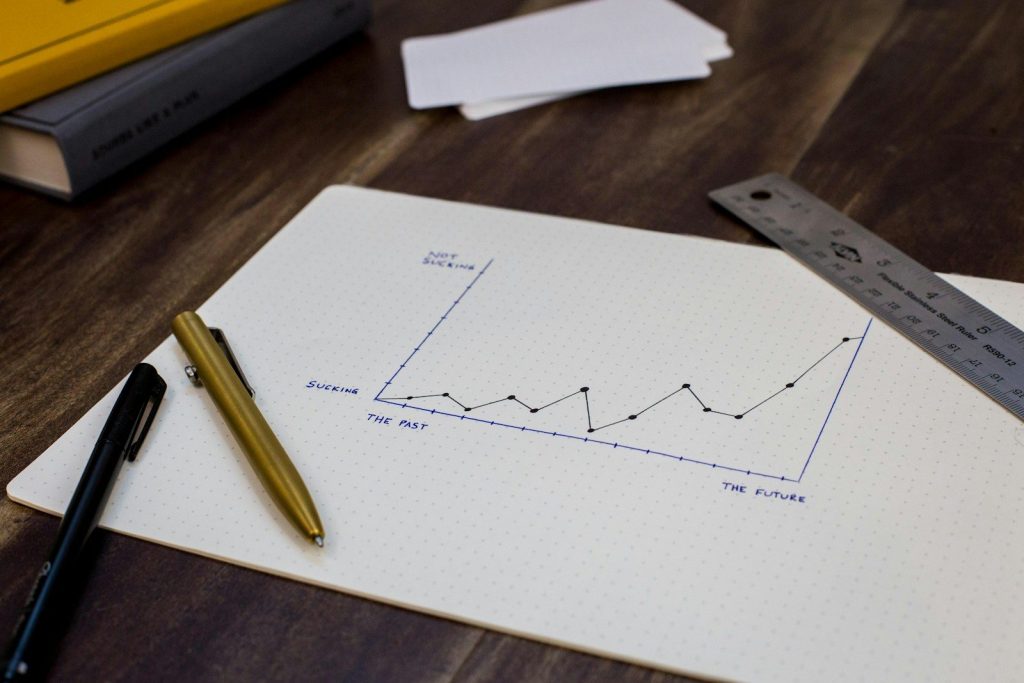
Perfect diets and daily exercise cannot overcome the hard genetic limits coded into our cells. Biology has the final word. According to a demographic analysis from the Max Planck Institute, lifestyle choices only optimize your health within your pre-determined genetic range. You cannot easily expand the absolute ceiling of human aging. But some scientists refuse to accept this biological dead end.
Editing The Biological Clock
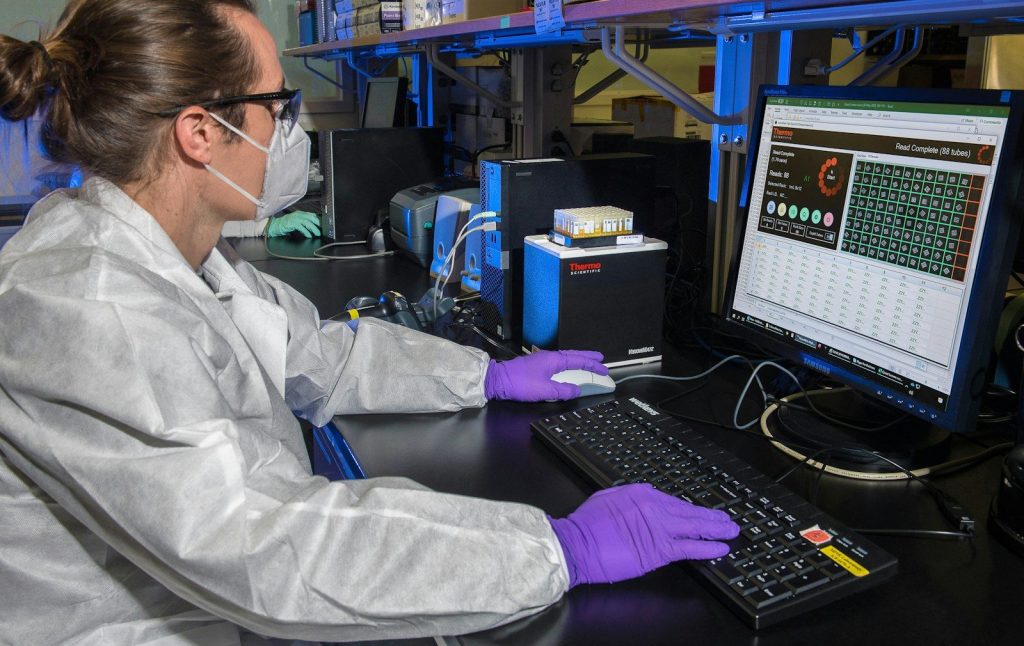
New gene technologies are attempting to rewrite the very instructions that govern human decay. This is groundbreaking work. According to tech reports from the Massachusetts Institute of Technology, editing specific survival genes has successfully extended the lifespan of simple laboratory organisms. Doing this safely in human patients remains a distant dream. But we are finally beginning to understand where this biological journey leads.
Accepting Our Biological Bounds

While science may eventually extend human limits, our ultimate timeline remains deeply tied to our evolutionary origins. We must find balance. According to health consensus reports, understanding these biological limits helps us focus on health span rather than just lifespan. Living well matters most. This article is for informational purposes only.
Featured Image: Photo by Sangharsh Lohakare on Unsplash
Leave a Reply