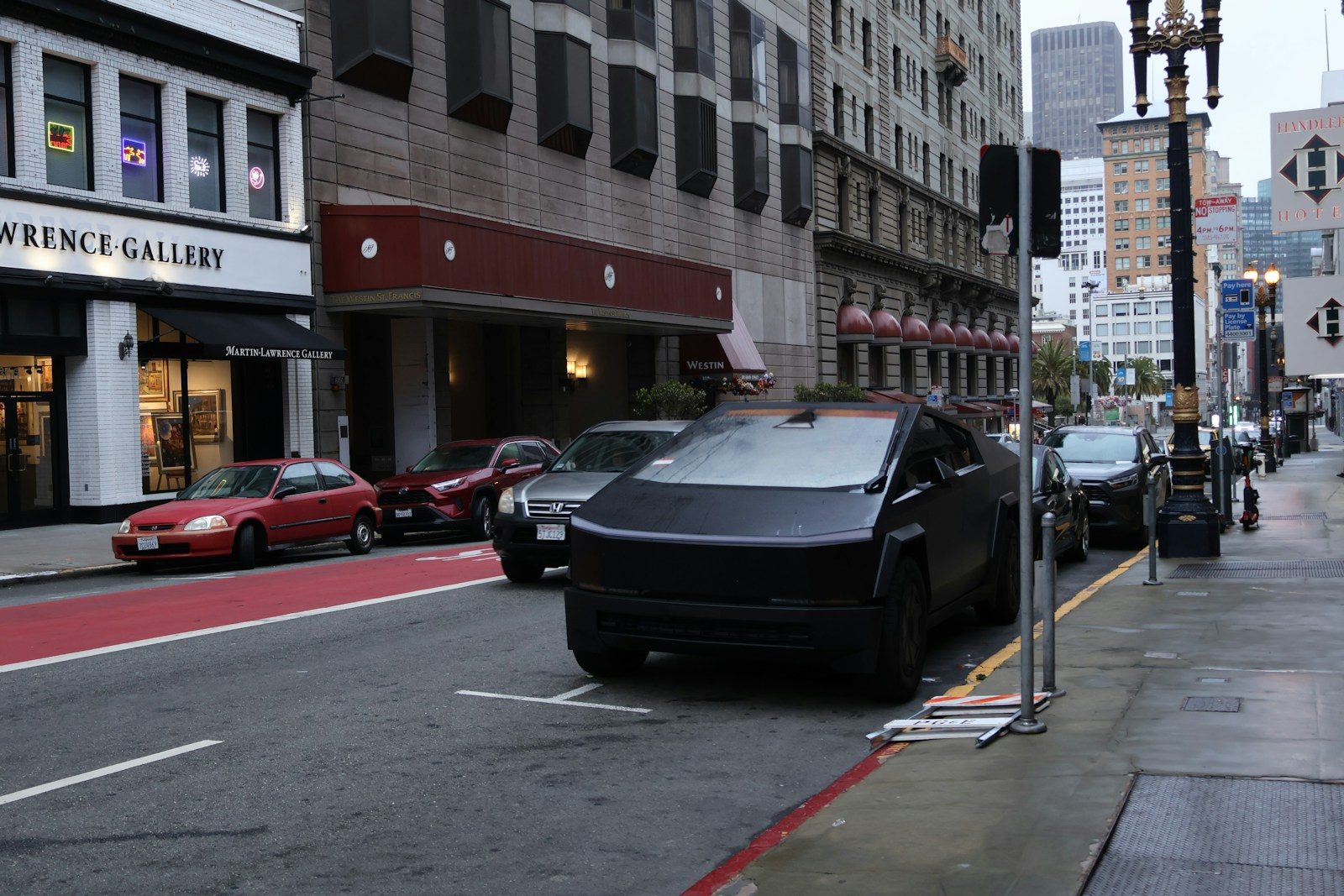
Most auto executives assume that owning a personal vehicle is still a mandatory milestone for every adult. We believe driving remains a key symbol of freedom.
But young adults are completely rejecting the traditional culture of car ownership. Rapid changes in technology and urban planning are making personally owned vehicles obsolete.
The Rise Of On-Demand Transit
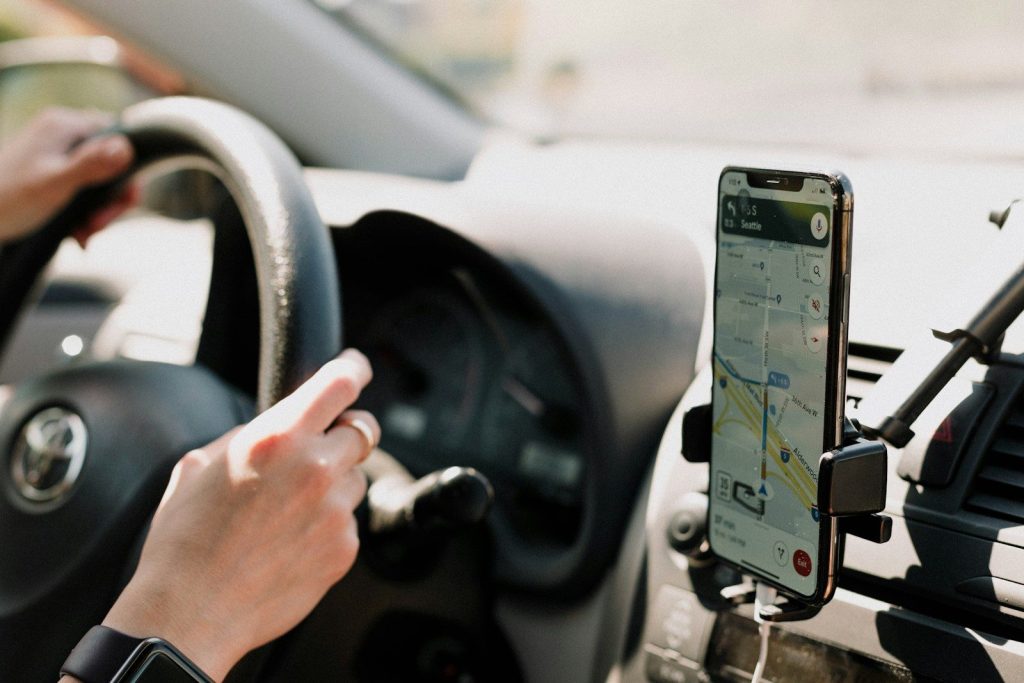
Getting around major cities no longer requires keeping a vehicle parked in a garage. Mobility is now digital. According to urban mobility studies from the Massachusetts Institute of Technology, ride-sharing platforms have made physical ownership unnecessary for city dwellers. Why pay for insurance when an app can summon a ride instantly? But this digital convenience is only a small part of a larger economic shift.
The Crushing Cost Of Maintenance
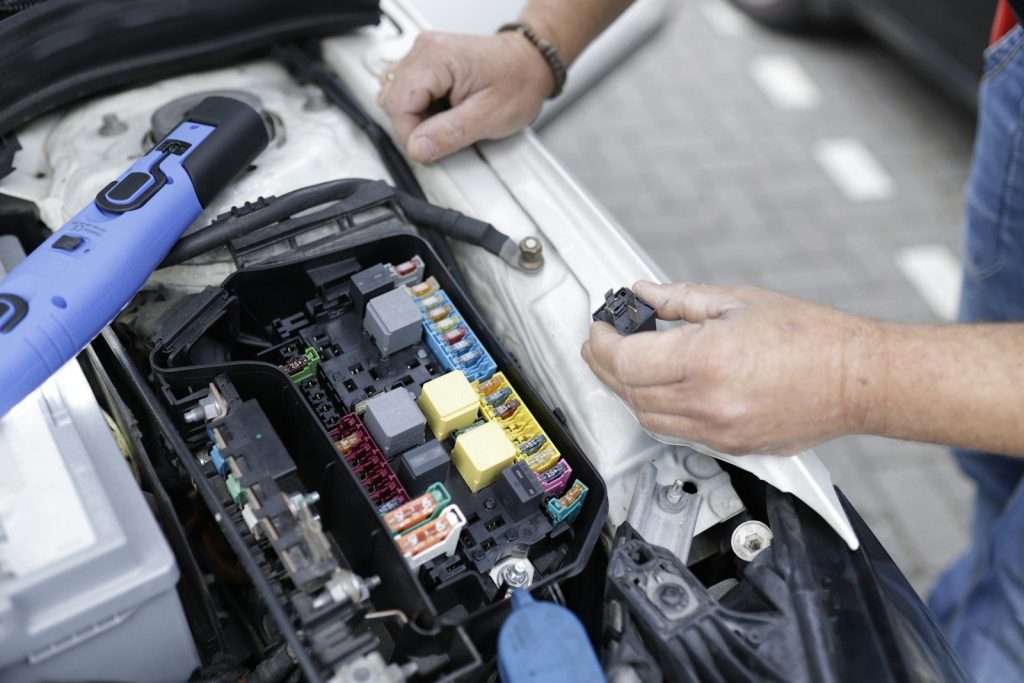
Young workers are facing stagnant wages alongside soaring automotive insurance and repair costs. Budgets are incredibly tight. According to financial analysis from AAA, the yearly cost of owning and operating a new sedan has reached record highs. Many young professionals prefer spending their hard-earned income on experiences rather than mechanical upkeep. But this financial pressure is driving a complete redesign of urban spaces.
Cities Built For Walking

Metropolitan planners are slowly replacing car lanes with wide sidewalks and green transit options. Cities are changing fast. According to urban planning studies from UC Berkeley, prioritizing pedestrians over combustion engines makes neighborhoods safer and far healthier. This design shift makes personal cars feel like frustrating burdens rather than practical tools. But this transformation is paving the way for an even bigger technological leap.
Fleet Ownership Takes Over
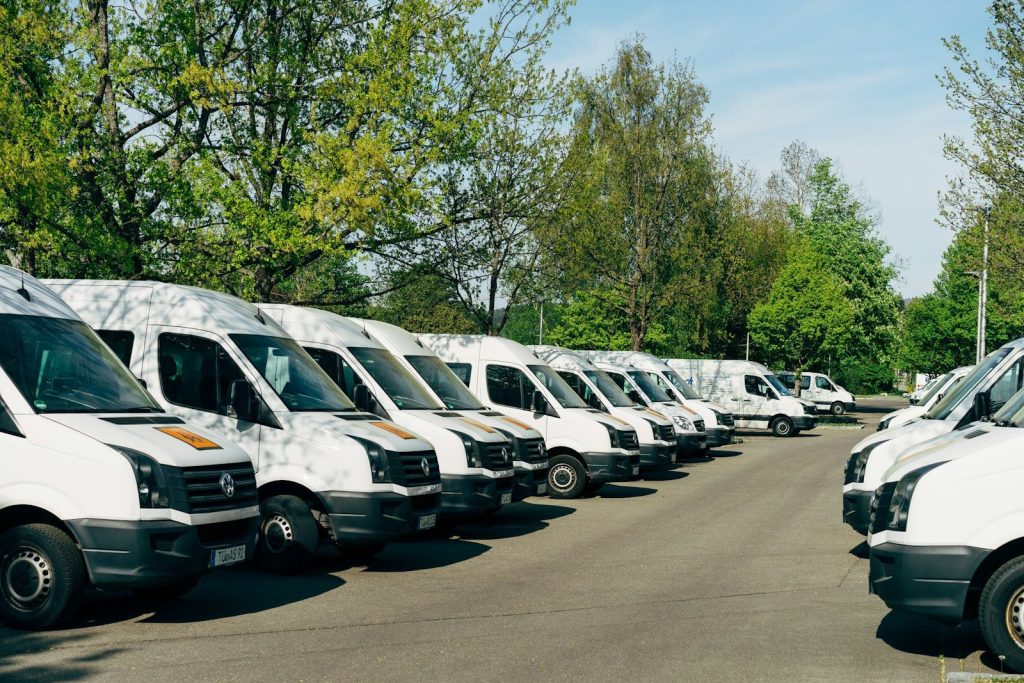
Autonomous vehicle fleets are preparing to take over the transportation needs of entire nations. Humans are stopgap drivers. According to transport forecasts from McKinsey, giant technology corporations will soon own the vast majority of passenger vehicles on the road. Individuals will simply buy subscriptions to transportation networks. But this transition raises deep questions about the concept of personal privacy.
The Death Of Driving Culture
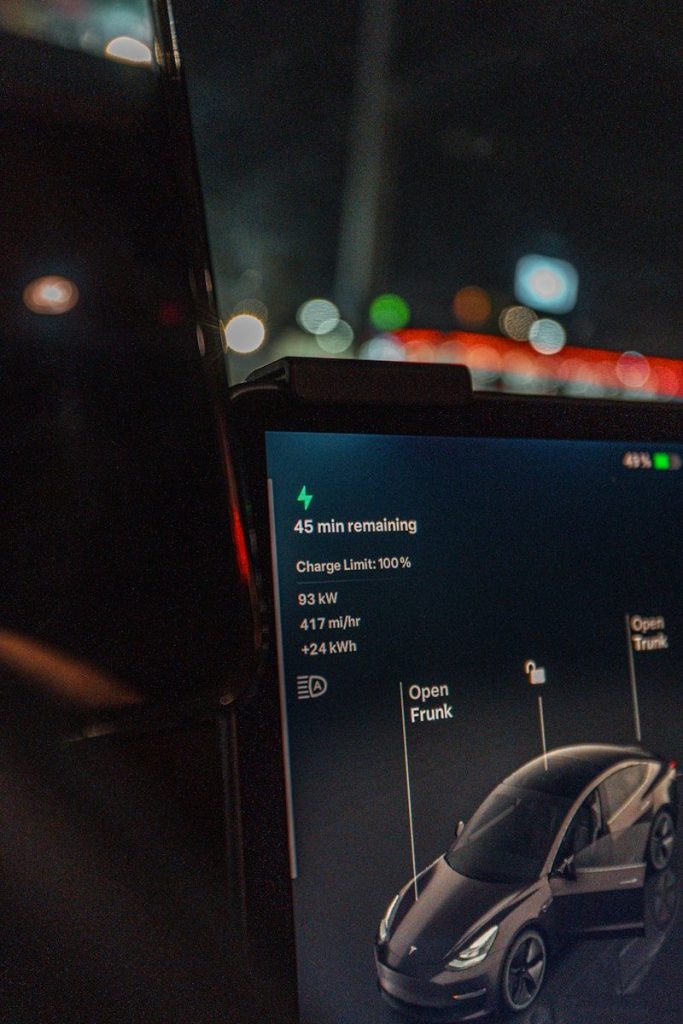
The emotional connection that once linked youth identity with classic car models is disappearing. That spark is gone. According to cultural surveys from Pew Research, young adults view cars as simple appliances rather than personal statements. They value digital connectivity over horsepower. But this shift in priorities is forcing legacy manufacturers to completely reinvent their businesses.
Software On Four Wheels
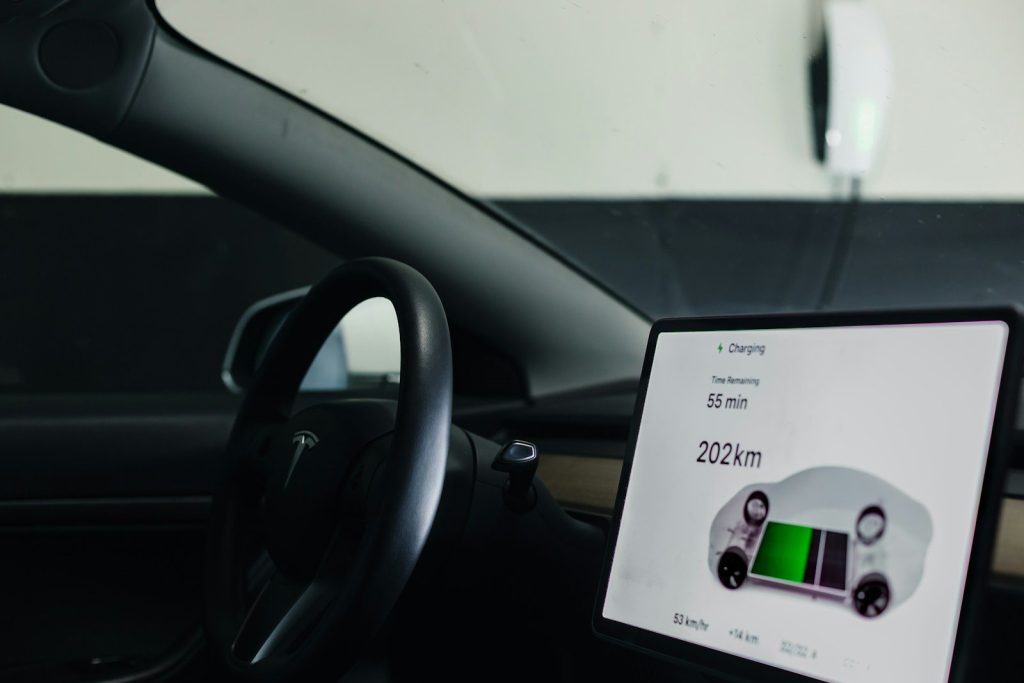
Modern electric vehicles require advanced code and software updates rather than traditional engine tuning. Hardware takes a backseat. According to technology reports from Bloomberg, software is now the primary selling point for next-generation transportation systems. Legacy car companies are struggling to transform into software development houses. But this rapid digitalization is leading to an entirely new model of shared transit.
Reimagining How We Move

The end of traditional car ownership marks a major turning point in modern human society. We are moving forward. According to sociology researchers at Columbia University, a future built on shared autonomous transit will lead to cleaner cities and highly efficient travel. Our relationship with transportation is changing forever. This article is for informational purposes only.
Featured Image: Photo by Prakhar Singh on Unsplash
Leave a Reply