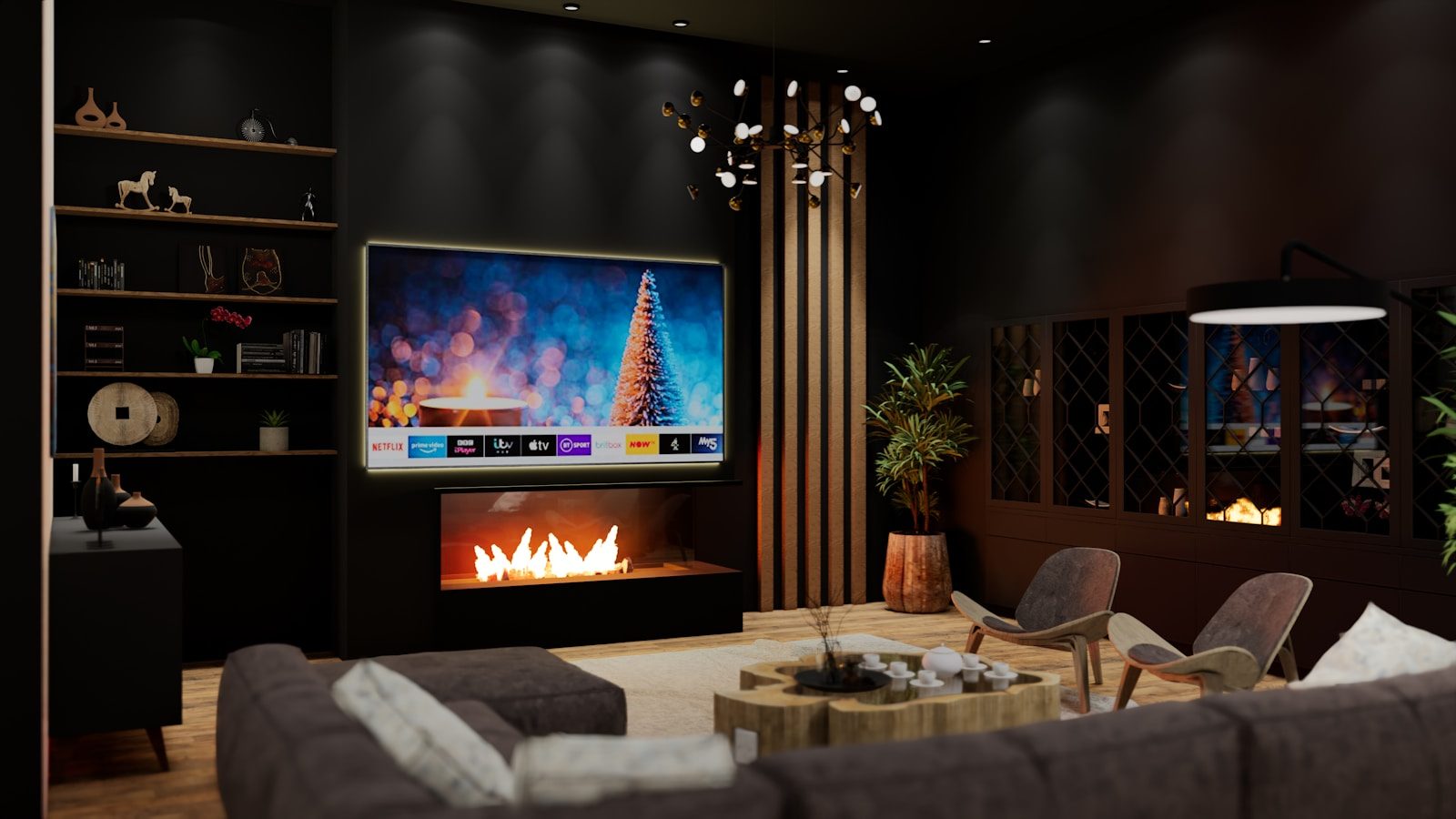
Most buyers think massive home television displays are simply larger versions of standard screens. We assume the manufacturing process is exactly the same.
But stretching display glass to incredible sizes challenges the fundamental laws of materials science. Engineers must use radical physics to keep these giant panels from breaking.
The Glass Sagging Problem

Extremely large sheets of ultra-thin glass tend to warp and bend under their own physical weight. Gravity is the enemy. According to engineering reports from Corning, structural engineers must treat these massive screens like architectural bridges. They require specialized internal bracing to remain perfectly flat. But solving the structural droop is only the first major manufacturing hurdle.
Keeping Thousands Of Pixels Perfect
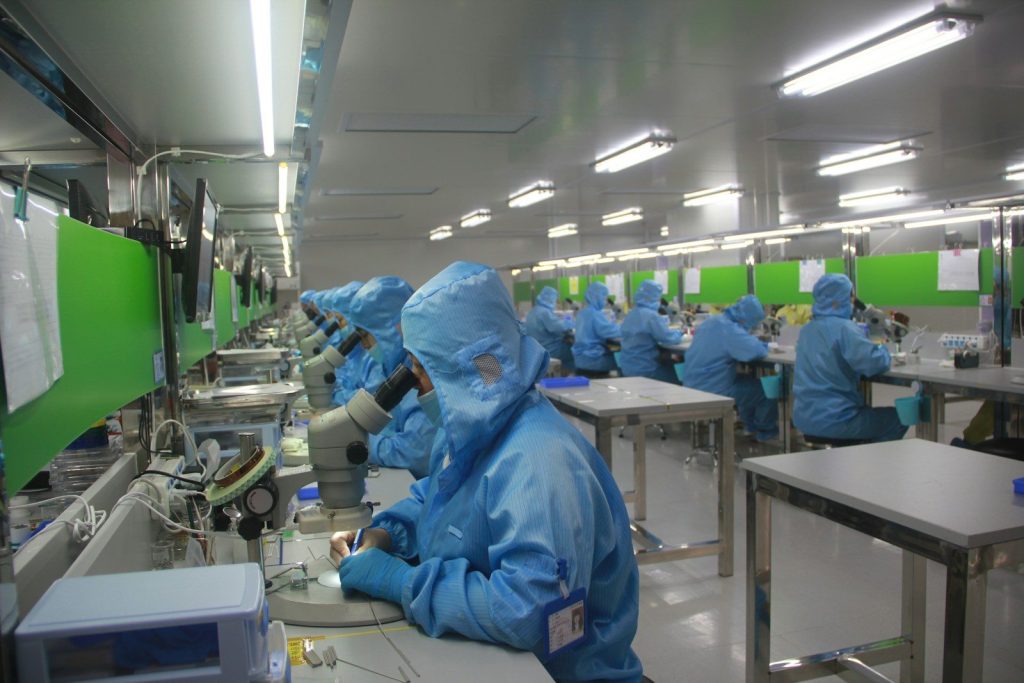
A larger display area means billions of microscopic light-emitting diodes must function without a single error. Precision is absolutely critical. According to industry analysis from Display Supply Chain Consultants, a tiny microscopic speck of dust can ruin an entire production run. Manufacturers must use space-grade cleanrooms to assemble these panels. But another massive challenge hides in how these pixels produce bright light.
The Battle Against Excessive Heat
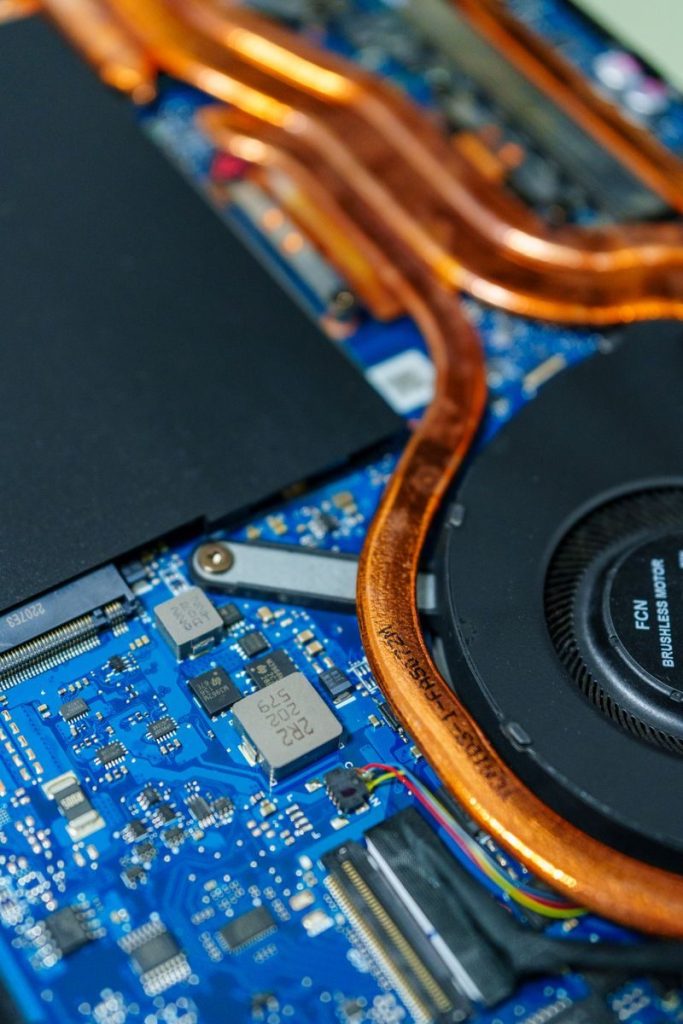
Powering millions of bright pixels across a giant surface area generates intense thermal energy. Hot screens decay quickly. According to heat-management studies from Samsung Engineering, without advanced cooling backplates, these massive televisions would slowly melt their own internal circuits. Keeping them cool requires innovative carbon-fiber thermal sheets. But this complex cooling technology makes shipping these giants a nightmare.
Shipping Glass Without Shattering

Moving a fragile pane of giant glass across the globe requires specialized logistics and custom packaging. One drop is fatal. According to shipping reports from DHL, delivery trucks must use specialized air-ride suspension systems to absorb road vibrations during transit. Normal boxes are simply not enough. But the engineering challenges continue once the massive box finally arrives at your home.
The Weight Limit On Walls
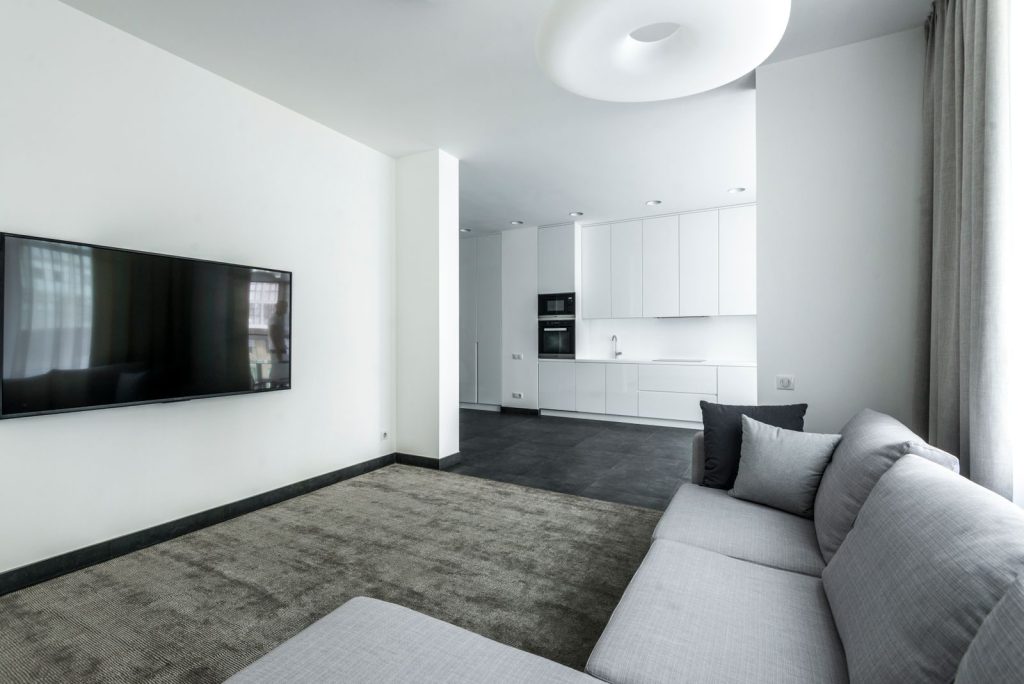
Mounting a hundred pounds of delicate electronic equipment to standard household drywall is a massive risk. Walls can easily buckle. According to building safety codes, mounting a giant screen safely requires structural wall studs and heavy titanium brackets. The hardware is incredibly heavy. But researchers are already developing a futuristic material that makes glass completely obsolete.
Displays Made Of Plastic Film

Replacing rigid glass with flexible organic polymers is changing how we think about home screens. The material bends easily. According to tech reports from LG Display, printing microscopic circuits onto flexible plastic sheets allows screens to roll up like posters. This solves the weight and shipping crisis instantly. But this flexible technology introduces an entirely new problem regarding screen lifespans.
The Threat Of Oxygen Decay
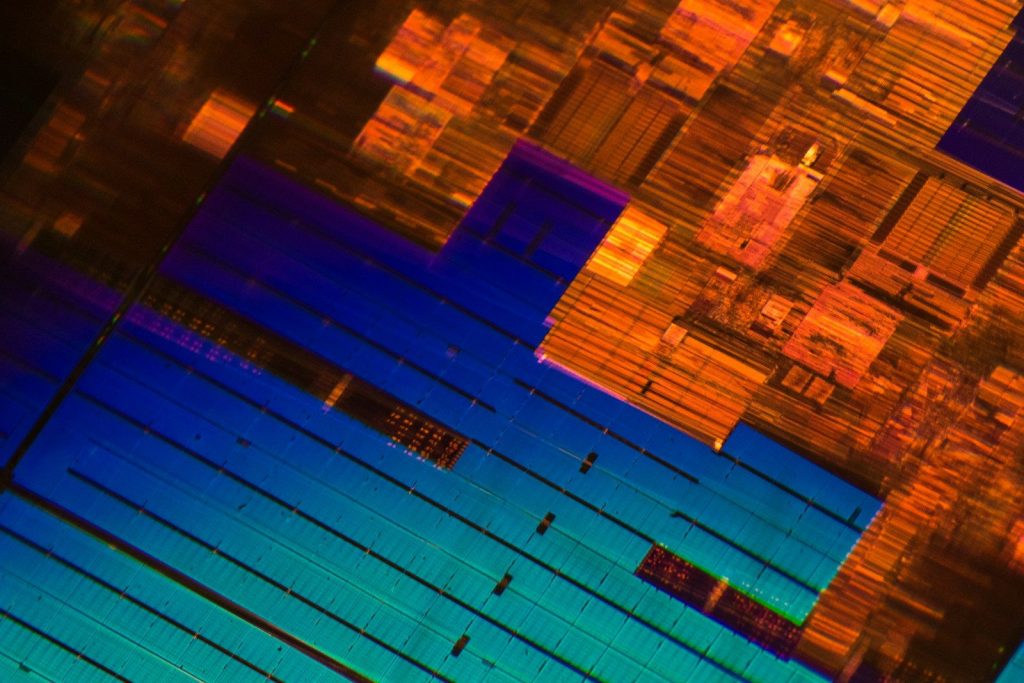
Microscopic holes in plastic film can let ambient air slowly destroy delicate light-emitting elements. Oxygen ruins the pixels. According to chemical research from Tokyo Tech, flexible displays require specialized atomic layers to seal out moisture and air completely. This sealing process remains highly expensive. But the future of massive home theater setups is still arriving at rapid speed.
Reaching Ultimate Visual Scale
Our desire for immersive entertainment is driving a revolution in manufacturing and materials science. Innovation never stops. According to market analysts, massive displays will soon become as thin and light as wallpaper. This technological shift will turn every wall into an interactive window. This article is for informational purposes only.
Featured Image: Photo by MAHZA D’BRATA on Unsplash
Leave a Reply