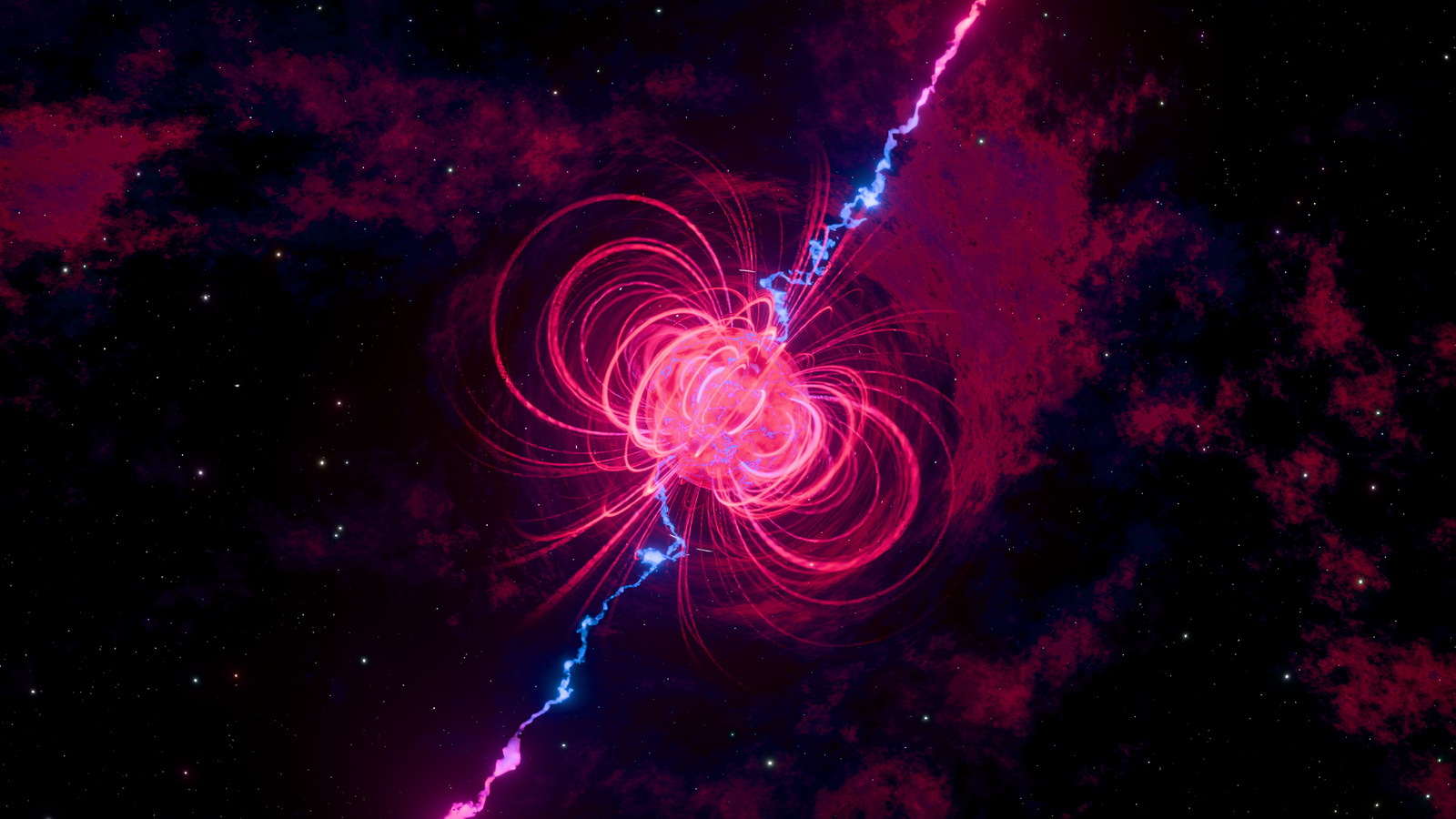
Many people dream of changing history by traveling back in time. We imagine correcting past mistakes or stopping major disasters.
But physics suggests the universe might actively prevent these changes. Messing with the past triggers logical traps that could break reality itself.
The Infamous Grandfather Trap
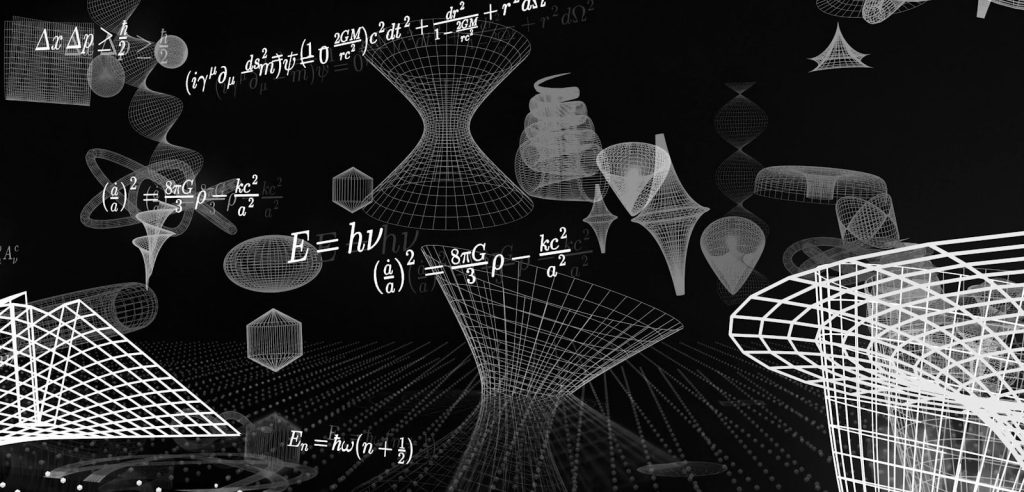
Traveling backward to eliminate your ancestor creates a paradox that destroys your own existence. You would erase yourself. According to Oxford University researchers, this logical loop means you could never actually travel back to commit the act. The timeline breaks down completely. But scientists have proposed a strange quantum solution to escape this endless cycle.
Multiple Realities To The Rescue
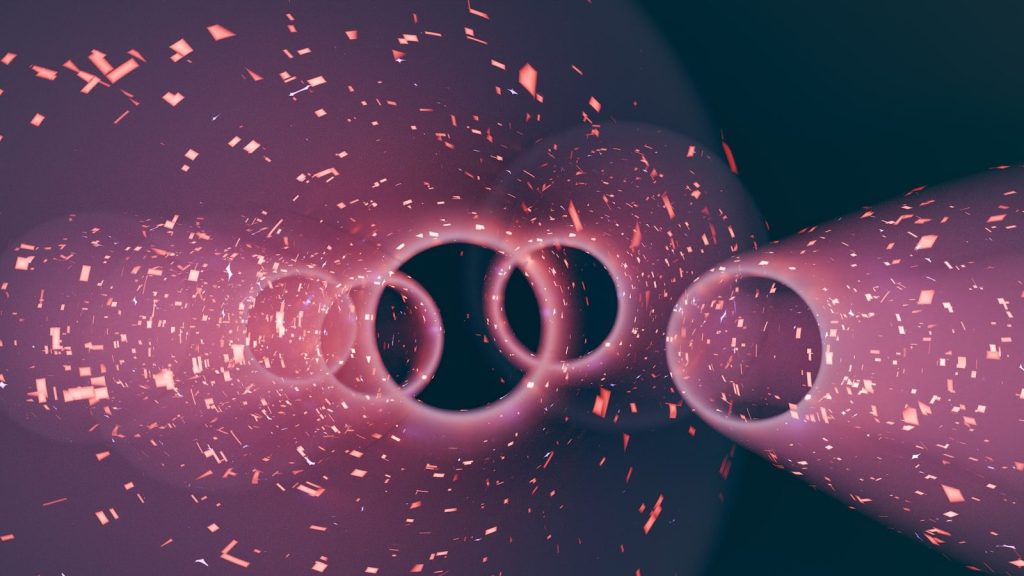
Some physicists believe the universe splits every time a choice is made. Your home remains unchanged. According to the many-worlds interpretation of quantum mechanics, changing the past simply creates a parallel universe. Infinite realities exist. But another theory suggests the universe might actively force events to stay the same.
The Laws of Self-Protection
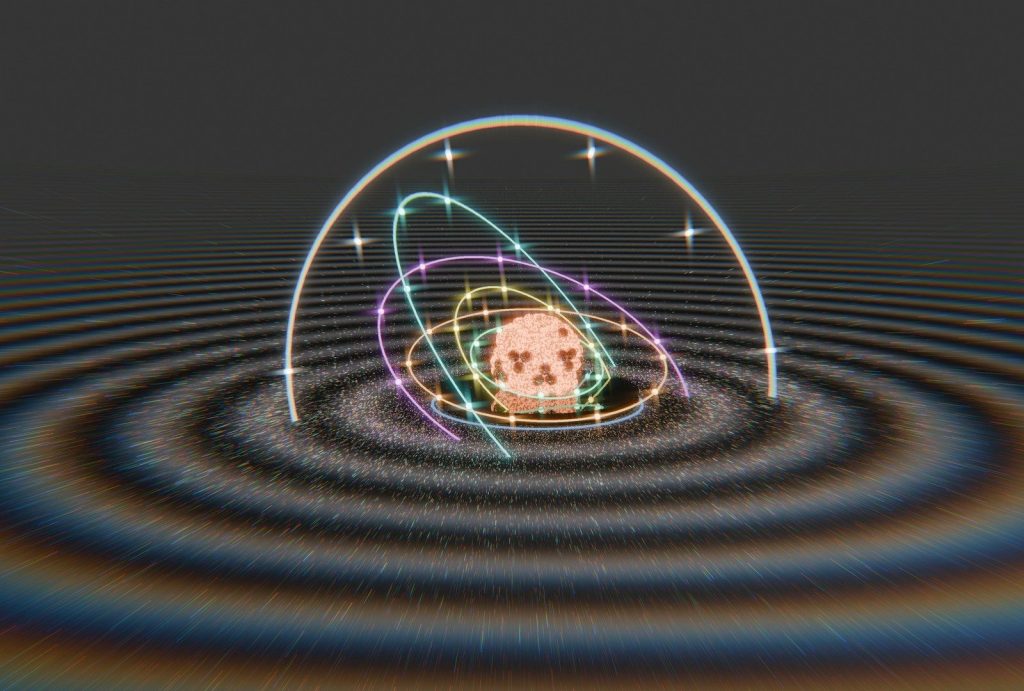
Our universe might have a natural defense mechanism against any logical errors. The past is fixed. According to the Novikov self-consistency principle, you can participate in past events but you can never actually change their outcomes. This prevents any contradictions. But this rigid rule leads to a strange loop of cause and effect.
Information Created From Nothing

Imagine taking a modern textbook back to a different century. The original writer is gone. According to physicists at the University of Queensland, if the traveler inspires the author, the information exists without ever being created. This is highly puzzling. But another paradox deals with why we have never met a visitor from tomorrow.
The Silent Party Guest

If time travel is easy, our world should be filled with tourists from the future. Nobody showed up. According to reports from the University of Cambridge, physicist Stephen Hawking once hosted a party for future travelers. The room stayed empty. But this silence might actually point to a far more depressing cosmic truth.
The Tragic Destruction Of Machines
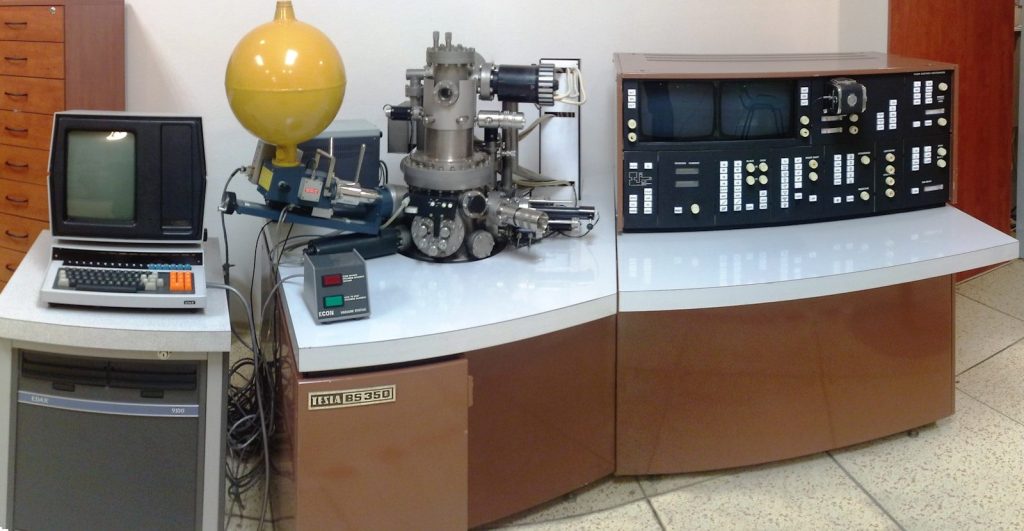
Building a working machine might be physically impossible due to quantum feedback. The machine would explode instantly. According to research published in Physical Review D, vacuum fluctuations would amplify infinitely inside any active time loop. Physics protects itself. But some researchers are looking at the subatomic level for hope.
Subatomic Travelers Break Rules
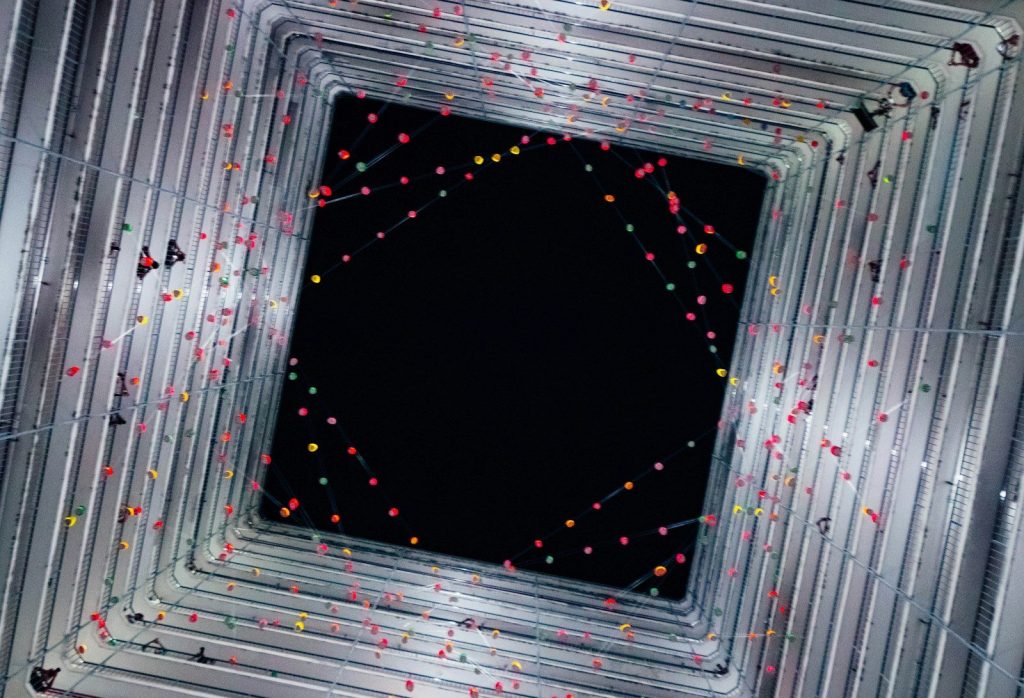
Tiny subatomic particles might bypass the traditional rules that limit human scale. They are incredibly small. According to experiments at the University of Geneva, certain subatomic entities appear to influence past events. The rules behave differently down there. But our macro world still demands a satisfying answer to these ancient temporal mysteries.
Cracking The Cosmic Code

Resolving these temporal mysteries will require a complete breakthrough in theoretical physics. We are still searching. According to the scientific community, combining gravity and quantum mechanics remains our ultimate challenge. This work continues today. This article is for informational purposes only.
Featured Image: Photo by Nicola Narracci on Pexels
Leave a Reply