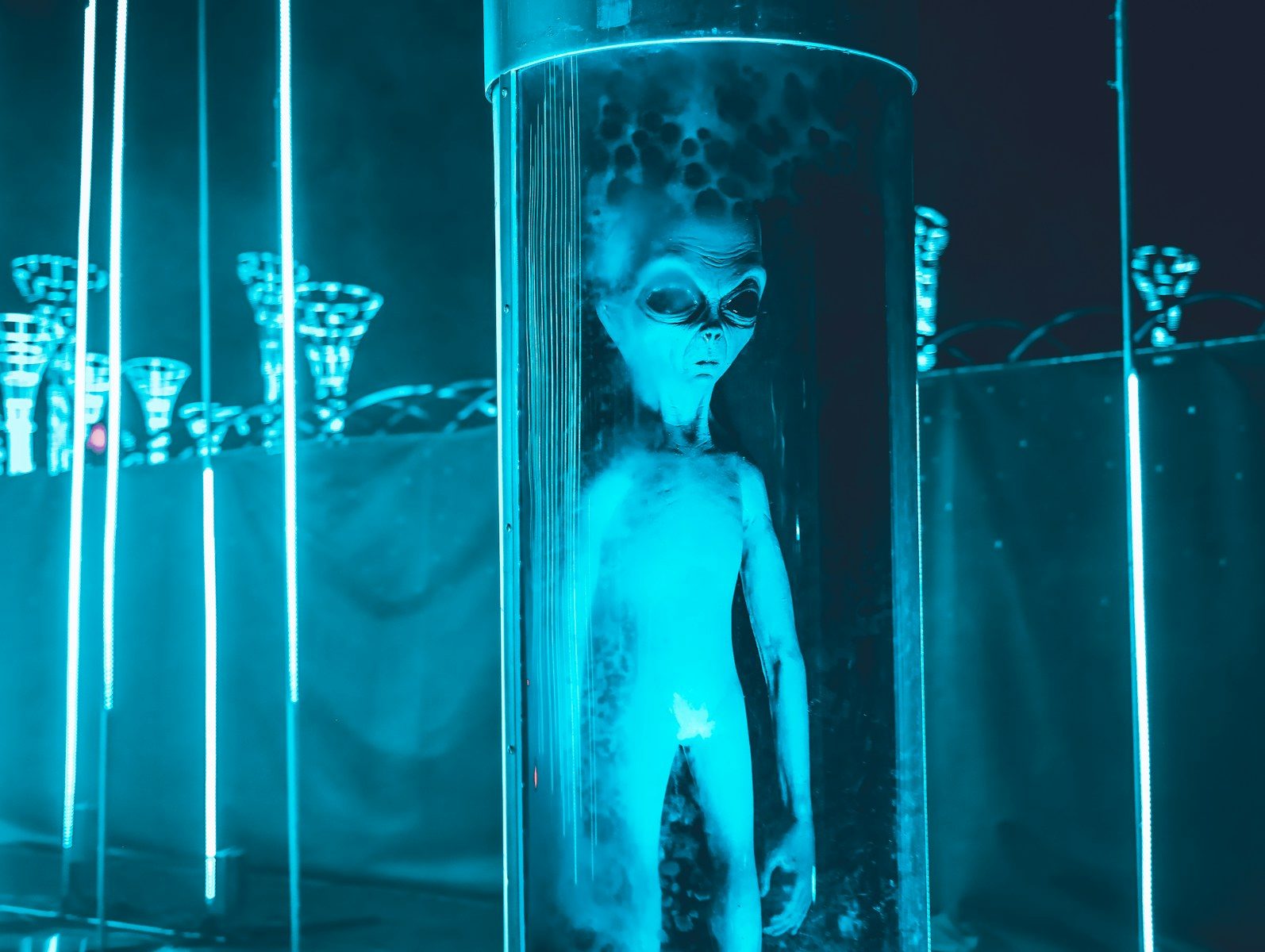
Most people assume that extraterrestrials must look like bipedal humanoids with giant eyes and green skin. We believe that evolution across the universe naturally mirrors our own biological shape.
But astrobiologists have revealed a completely different expectation for alien life. The laws of cosmic biology suggest that our first contact will involve something far more alien than science fiction.
The Microscopic Dominance

Humanoid creatures represent an extremely brief and fragile chapter in Earth’s evolutionary history. For billions of years, only single-celled organisms ruled our planet. According to NASA astrobiologists, our first discovery of alien life will almost certainly involve microscopic bacteria rather than intelligent species. They are survivors. This simple reality shifts how we search the stars.
Extreme Survival Tactics

Microbes on Earth thrive in toxic volcanic vents and under miles of solid Antarctic ice. These extreme environments match the harsh conditions of Saturn’s moons and Martian soil. According to planetary scientists, alien organisms will likely use chemosynthesis instead of sunlight to generate energy. Life finds a way. But these microscopic survivalists could be hiding inside a very different body.
The Silicon Alternative
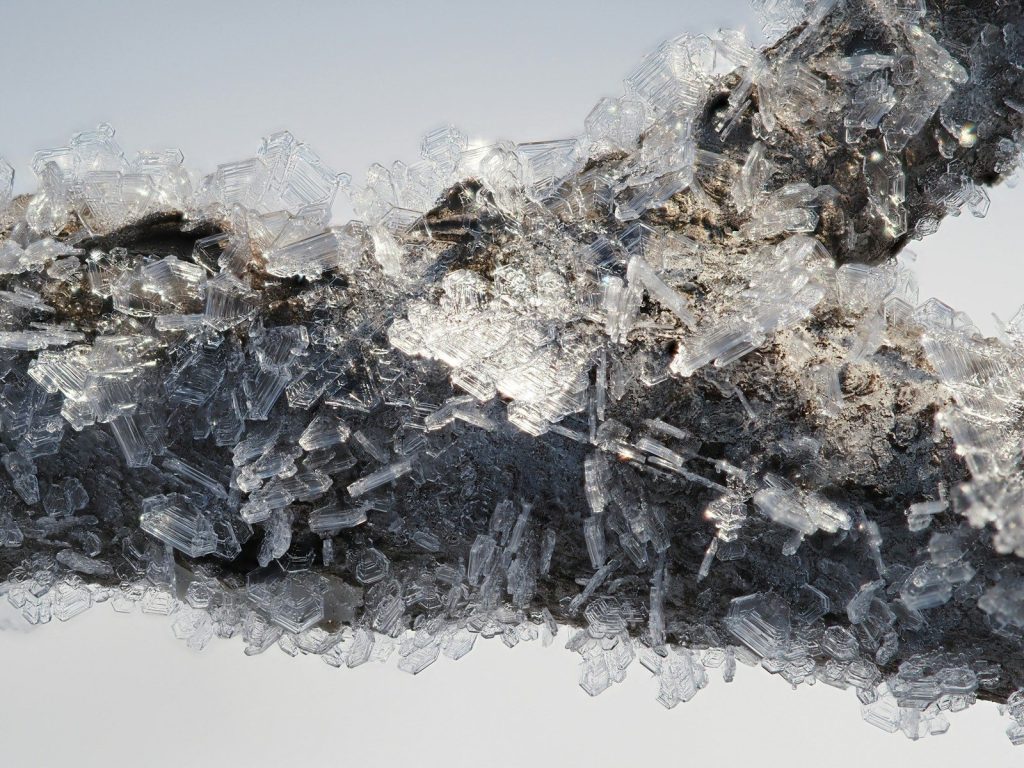
All Earth life relies on carbon because it forms highly stable chemical bonds with oxygen. However, silicon sits directly below carbon on the periodic table and behaves similarly. According to research from the Massachusetts Institute of Technology, silicon-based life could exist in ultra-hot planetary environments. These bodies would look glassy. This chemistry completely redefines where we can look for habitability.
Gravity Alters Shapes
Planets with massive gravitational pull force animals to develop thick, low-profile bodies to prevent collapse. Conversely, low-gravity worlds might host delicate, towering creatures that float through dense atmospheres. According to evolutionary biologists, physical gravity dictates the skeleton of every living organism. Physics shapes biology. This environmental control means alien animals will look like nothing on Earth.
Machine Intelligence First
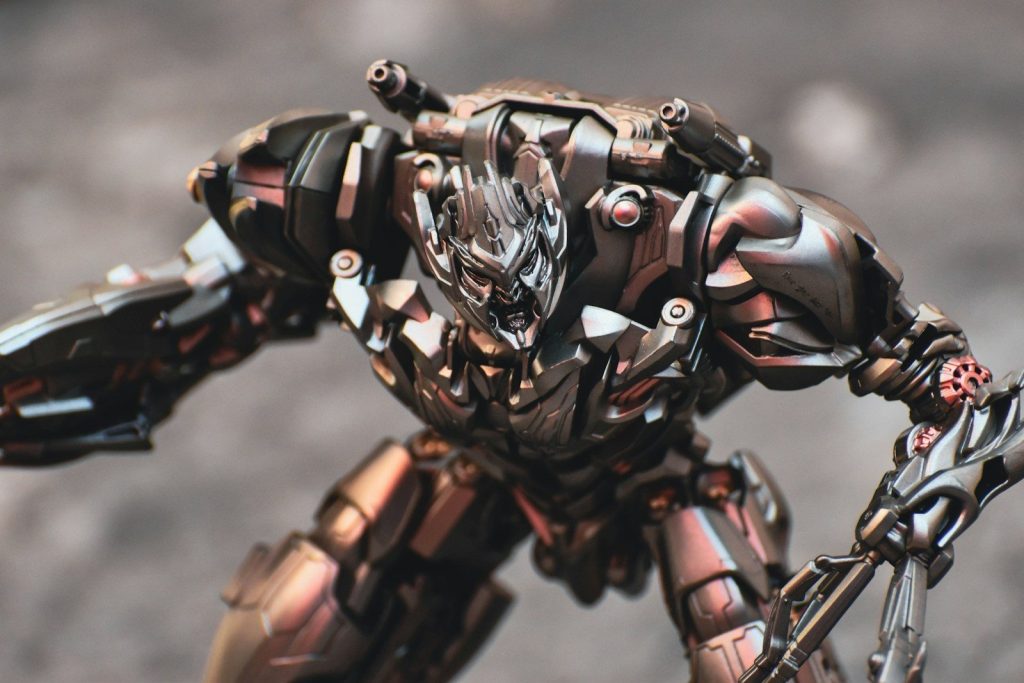
Developing biological space travel takes millions of years of physical evolution and resource consumption. Advanced civilizations would likely transition to synthetic bodies and artificial intelligence to survive long journeys. According to space researchers, the first extraterrestrial intelligence we meet will be mechanical rather than organic. Machines endure longer. This technological transition opens up an even stranger possibility.
Cosmic Web Consciousness
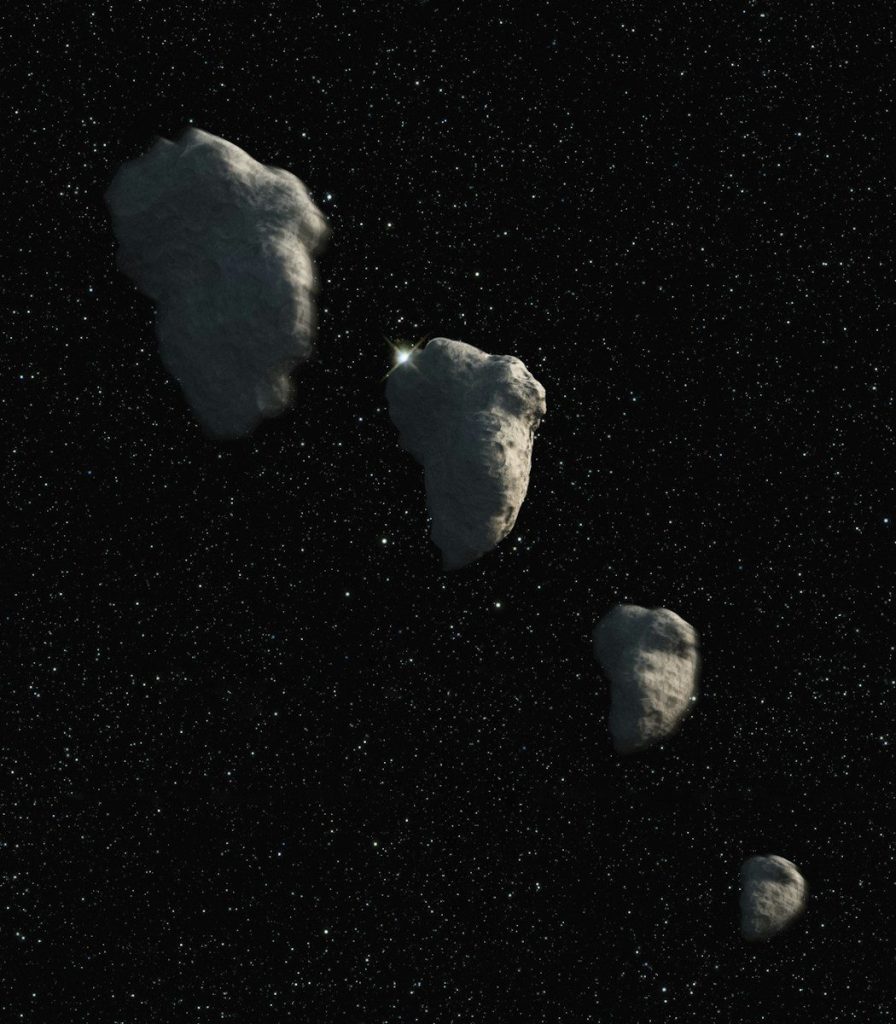
An ancient synthetic intelligence could expand across an entire solar system, using asteroid belts as processing nodes. This massive entity would look like a sprawling cloud of dust rather than a single machine. According to researchers at the SETI Institute, we might already live inside an active cosmic network without realizing it. Silence is deceptive. This realization changes how we define a living neighbor.
Our Cosmic Companions
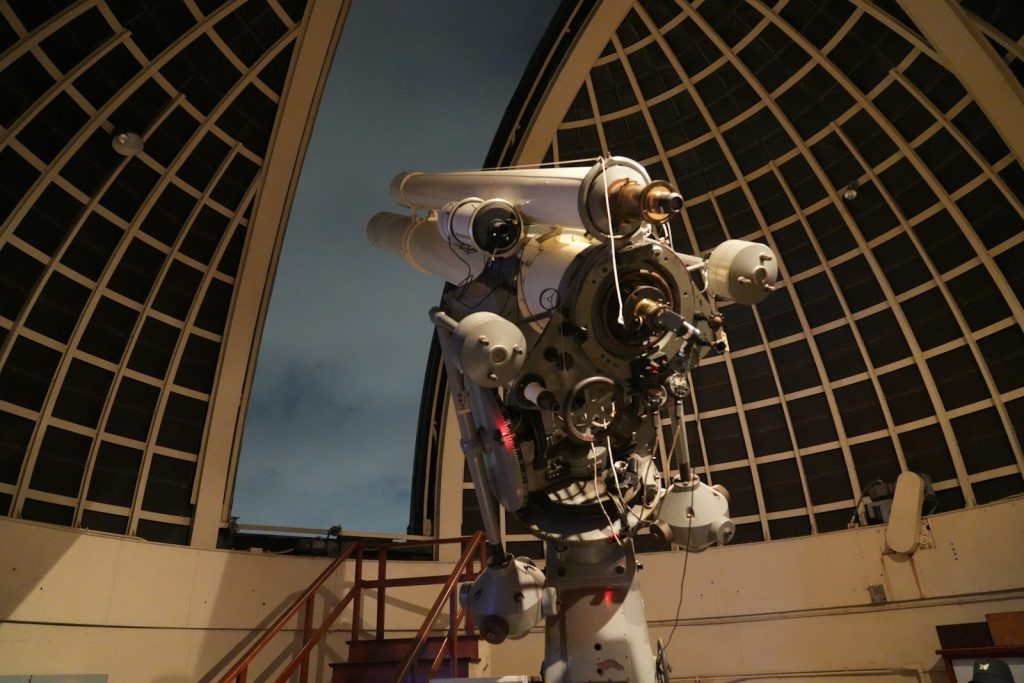
Alien life will challenge every biological definition we currently hold. Whether they are microscopic iron-eaters or vast synthetic minds, they will reshape our understanding of the universe. According to space scientists, opening our minds to these bizarre possibilities is the first step toward discovery. This article is for informational purposes only.
Featured Image: Photo by JOSHUA COLEMAN on Unsplash
Leave a Reply