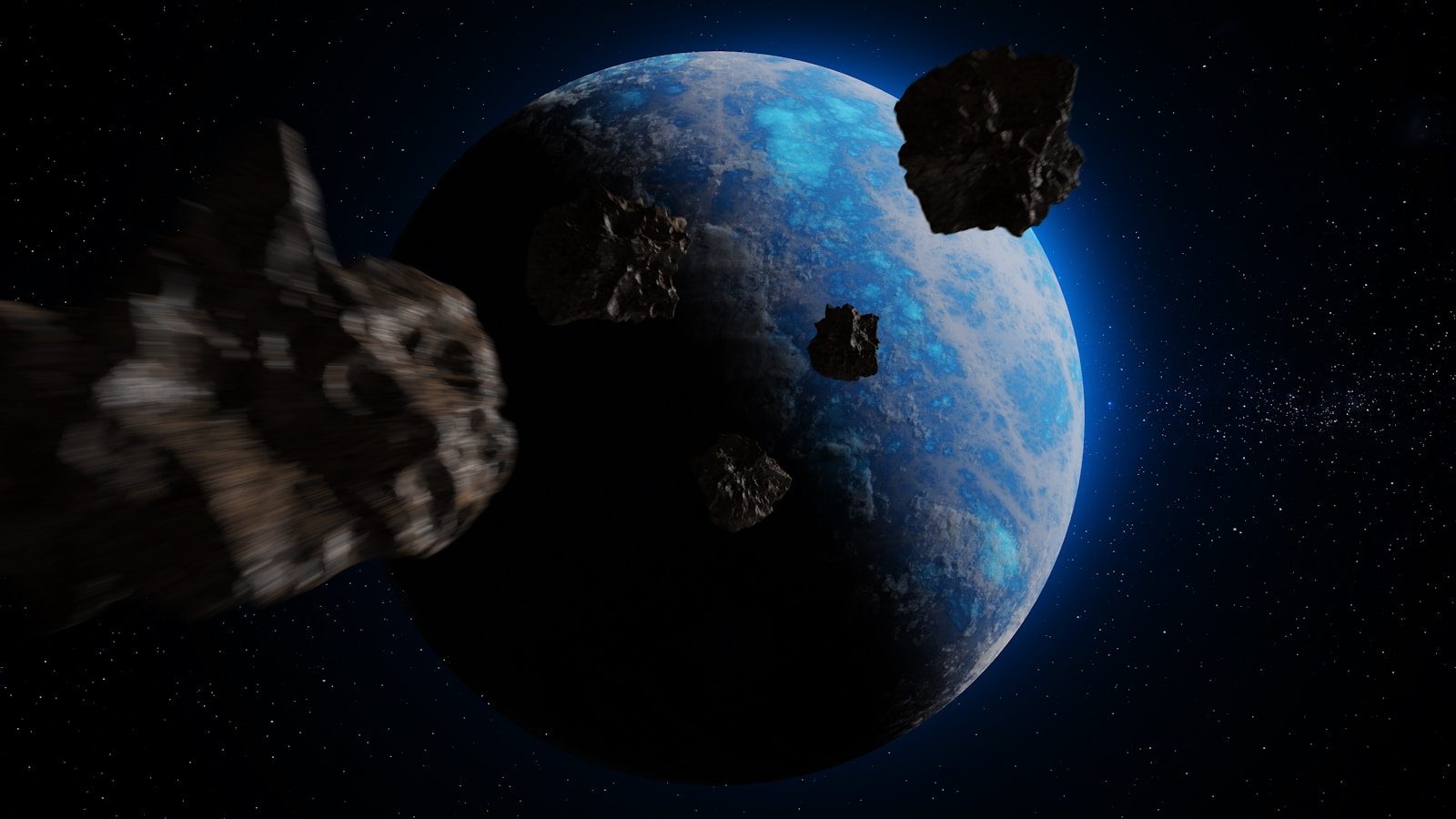
Most skywatchers assume that asteroids are just simple rocks drifting aimlessly through the deep void. We believe that predicting space impacts is a matter of basic visual observation.
But calculating the exact path of a nearby space rock requires advanced orbital physics. Scientists are currently tracking a massive asteroid named Bennu to protect our planet.
The Cosmic Threat Profile
Bennu is a massive carbon-rich asteroid that crosses the orbit of Earth at regular intervals. According to reports from NASA, this space rock has a tiny probability of striking our planet. The risk is real. While the odds are low, the sheer size of the object demands constant tracking from scientists. But measuring its exact path requires accounting for a highly strange physical force.
The Silent Light Push

Starlight hitting the uneven surface of an asteroid can slowly alter its orbital trajectory. According to planetary physicists, this strange phenomenon is called the Yarkovsky effect. The push is tiny. Over several decades, this microscopic light pressure can nudge a massive rock thousands of miles off course. But calculating this drift required launching a direct space probe.
The Osiris-REx Breakthrough

A specialized spacecraft traveled millions of miles to collect physical samples from the asteroid. According to mission logs, the probe mapped the surface of Bennu with absolute precision for years. The details were incredible. This high-tech scan allowed researchers to calculate the exact density and shape of the rock. But the surface of the asteroid was not as solid as they expected.
A Loose Rubble Pile

The asteroid is actually a fragile cluster of separate boulders bound together by weak gravity. According to geological analysis reports, the space rock behaves more like a liquid than solid stone. It is remarkably soft. This loose structure means that any potential impact would release energy in a highly unusual way. But predicting this impact force requires looking at historic events.
Calculating The Impact Energy
If the asteroid ever struck Earth, it would release an incredible amount of kinetic energy. According to impact modeling studies, the collision would generate forces equivalent to multiple atomic explosions. The damage would be vast. This potential energy is why defense agencies are developing plans to alter the asteroid path. But changing its course requires using a highly advanced kinetic system.
Testing The Deflection Method

Scientists recently proved that we can alter the path of a space rock using kinetic impactors. According to spacecraft test results, crashing a heavy probe into an asteroid successfully shifted its orbit. The test worked. This breakthrough proves that we possess the technology to defend our planet from future space threats. But the team must continue monitoring Bennu for centuries.
The Long-Term Watch
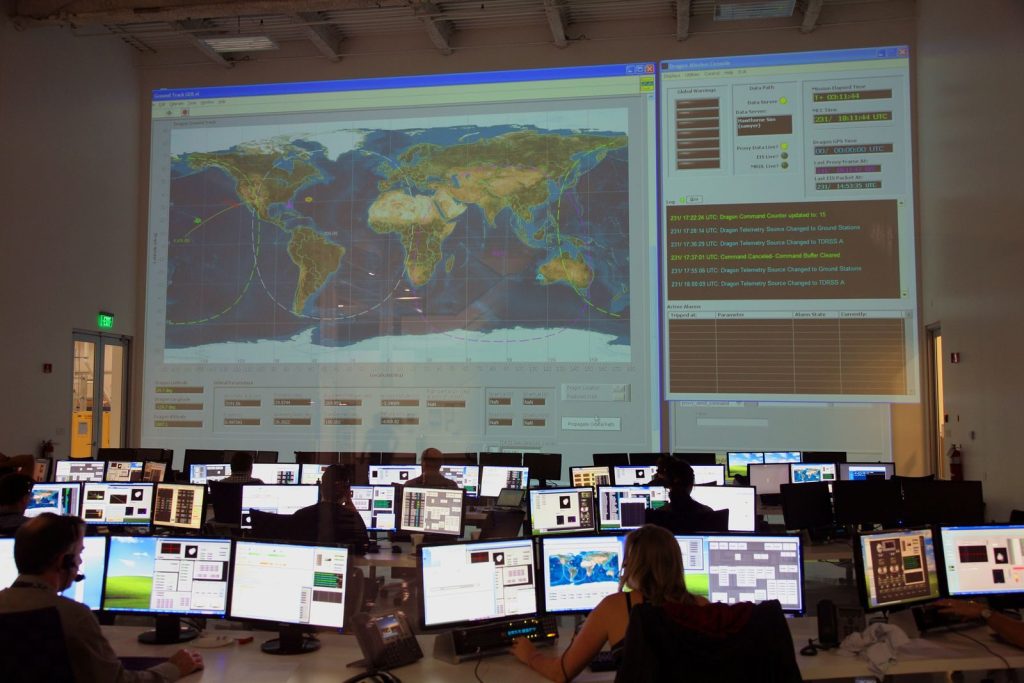
Calculations suggest the highest risk of a close pass occurs in the late twenty-second century. According to orbital dynamics models, astronomers must update their mathematical tracks constantly to account for gravitational pulls from other planets. The math is precise. This continuous tracking ensures we will have decades of warning before any potential collision. But this protective science is already inspiring new space missions.
Unlocking Planetary Defense Systems
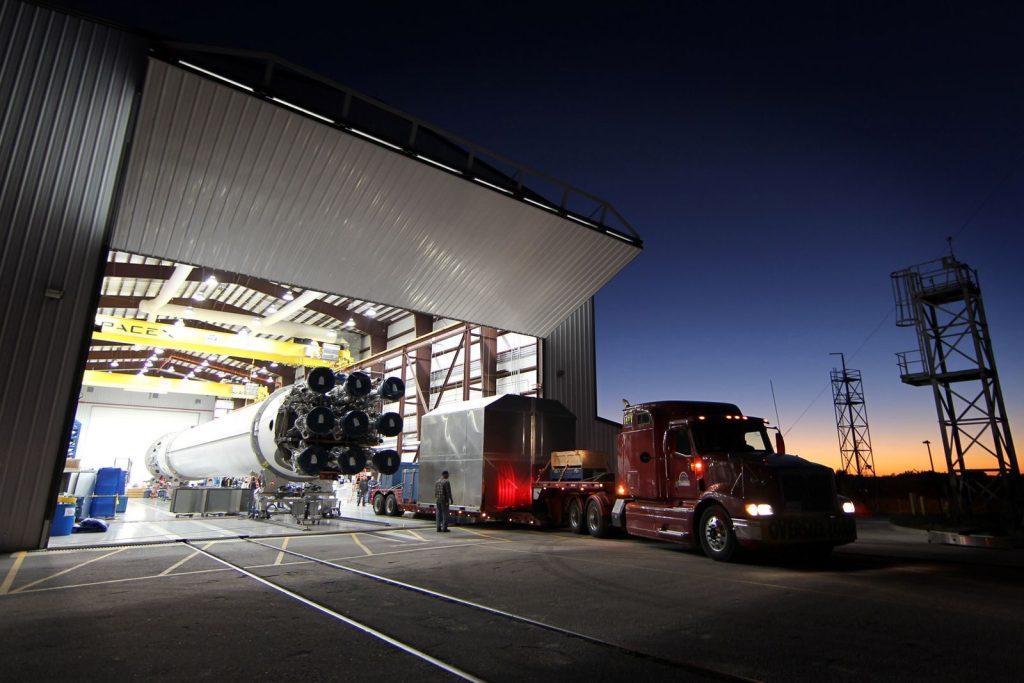
Protecting our home planet from space rocks has transitioned from science fiction to active engineering. According to aerospace researchers, studying Bennu helps us design the ultimate shields to preserve our global civilization. We are prepared. This article is for informational purposes only.
Featured Image: Photo by Javier Miranda on Unsplash
Leave a Reply