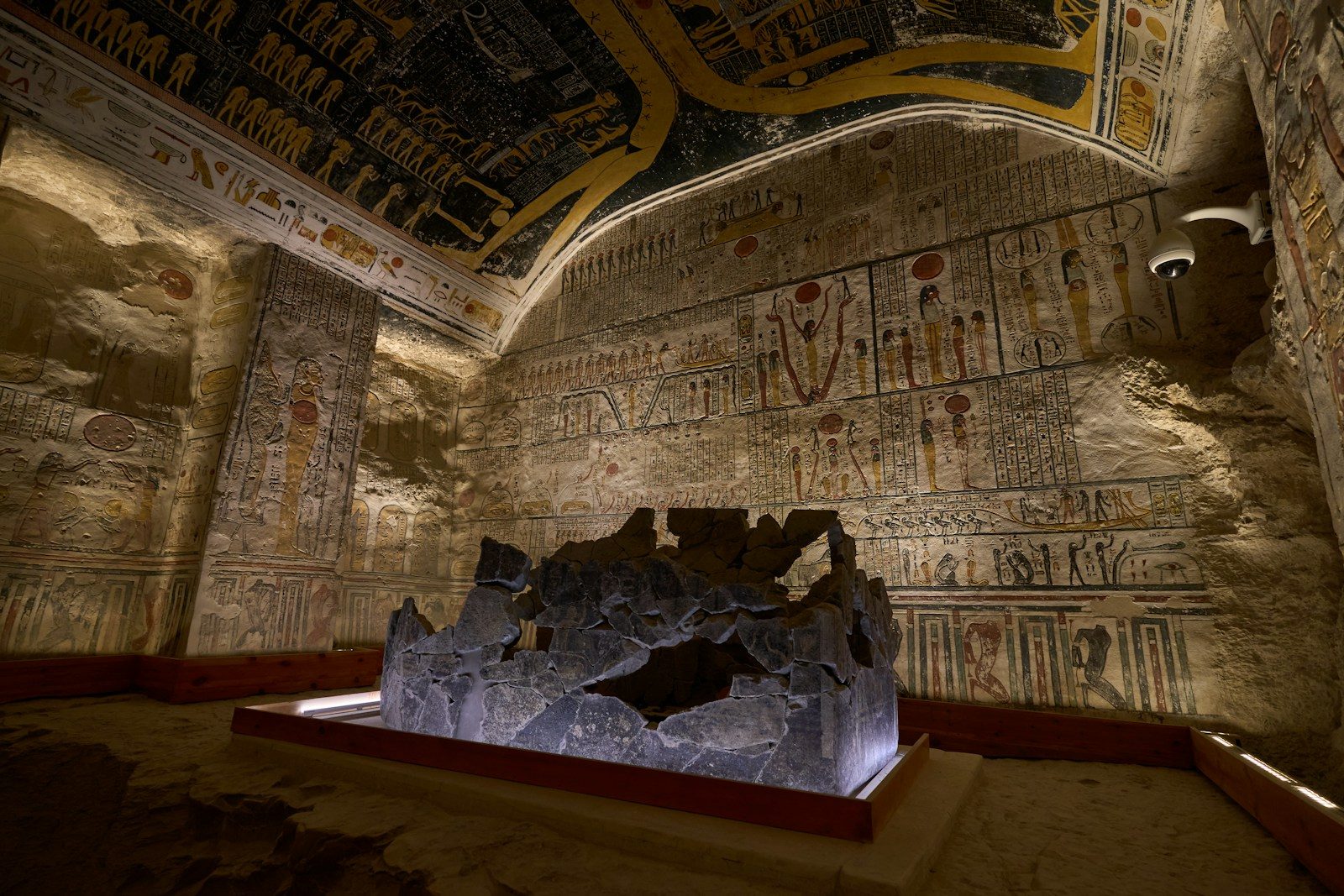
Most history lovers assume that legendary tombs are purely symbolic sites built for religious rituals. We believe that modern scans have already revealed everything about these sacred resting places.
But a spectacular archaeological probe inside Jerusalem has stunned researchers and completely upended our maps. This high-tech sweep has uncovered untouched structures hidden directly beneath the heavy stone.
Sweeping Beneath The Stone
Looking inside a highly revered burial vault requires advanced technology that bypasses traditional shovels. According to reports from the ScanTombs Project, researchers used ground-penetrating radar to scan the dense floor. They were highly precise. These radar waves passed easily through the marble slabs to map the bedrock below. But reading these physical maps revealed a highly unexpected gap.
The Hidden Limestone Chamber
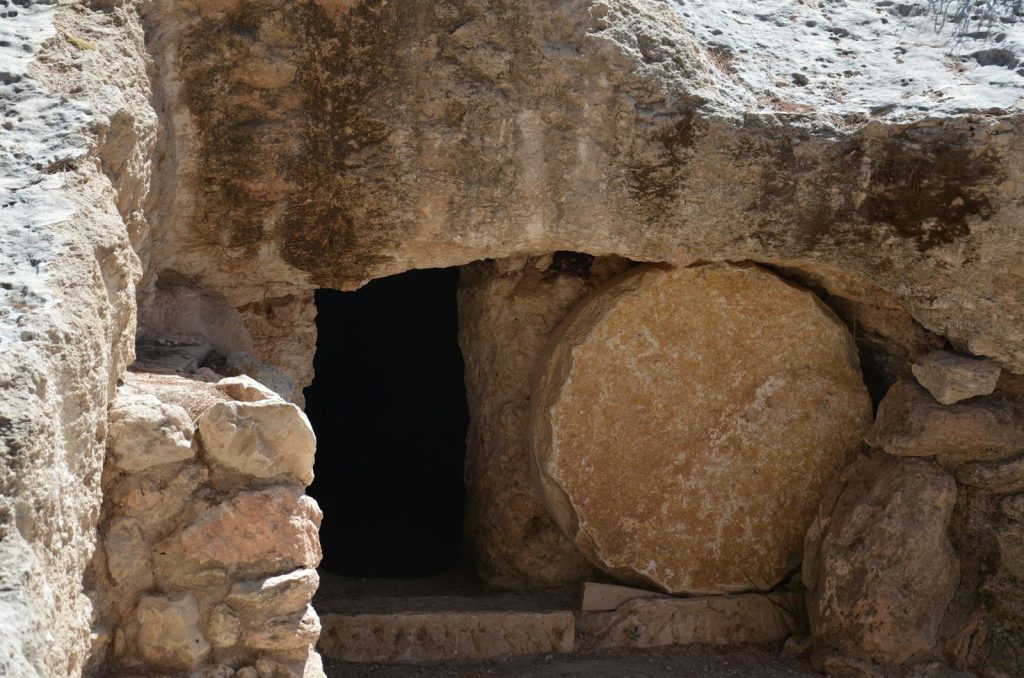
The radar sensors recorded a highly unusual empty space deep beneath the modern church floor. According to geophysical analysts, the newly mapped void is an ancient tomb cut straight into the natural limestone. It was truly pristine. This large structural gap does not align with any known modern building foundations in the area. But confirming the contents of this room required running direct tests.
Peering Inside The Mortar
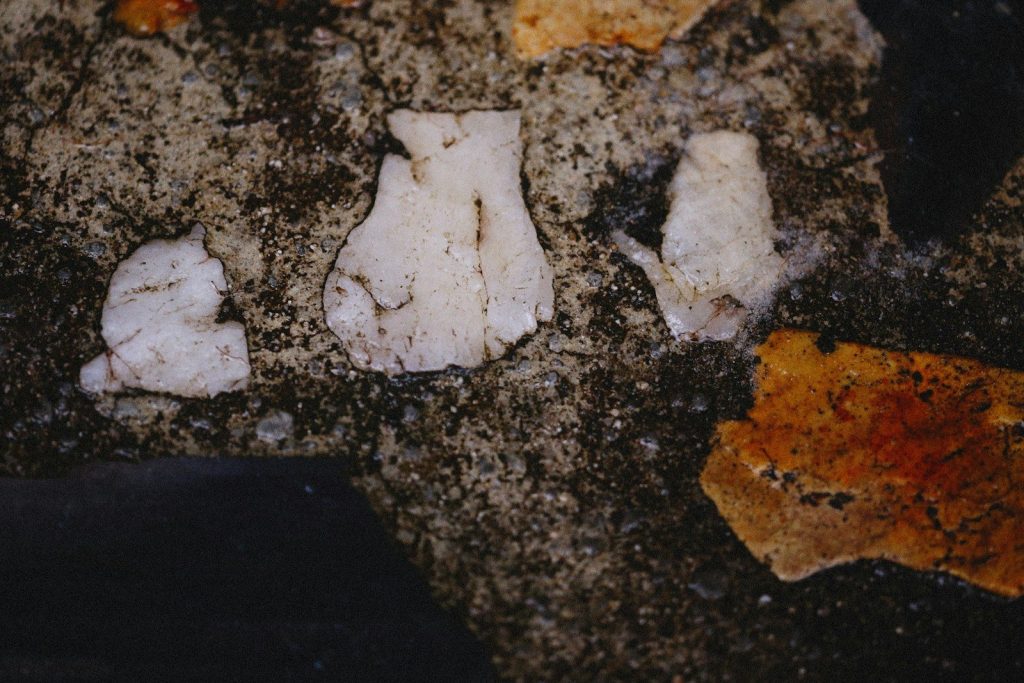
Scientists carefully collected mortar samples from the deepest layers of the limestone tomb. According to dating reports from the National Technical University of Athens, the structural mortar dates back to the fourth century. The timing was perfect. This scientific result proves that the monument was built during the reign of the Roman Emperor Constantine. But the physical condition of the tomb shocked the researchers.
Perfectly Sealed For Centuries
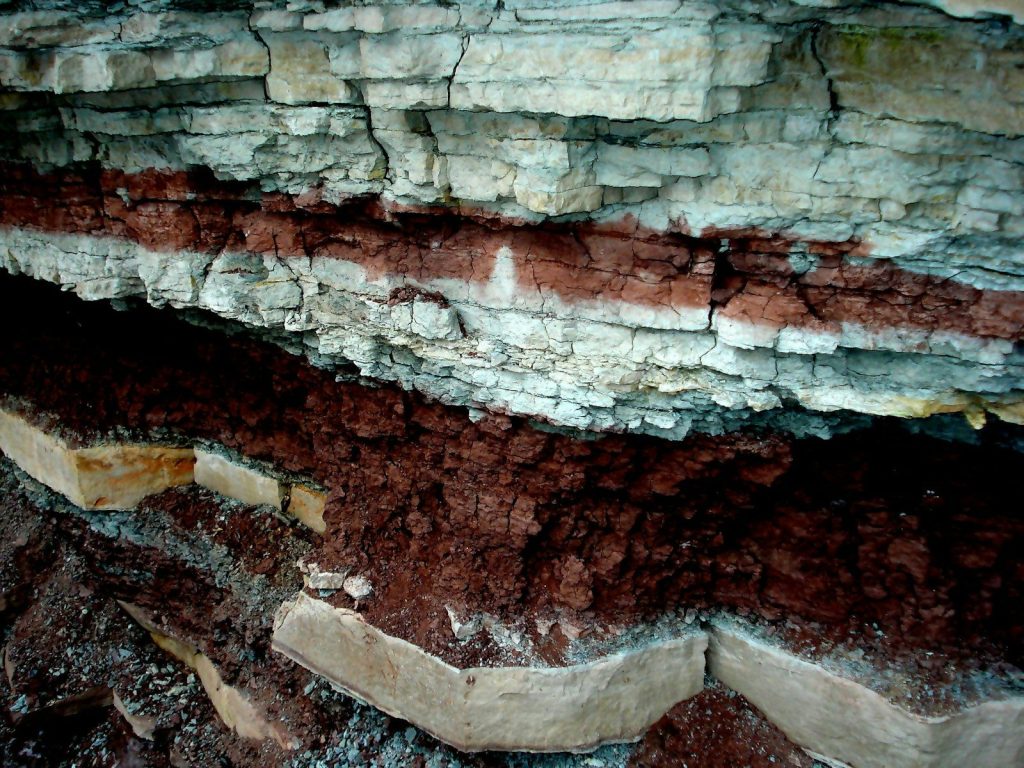
Removing the heavy marble cladding revealed the original limestone burial shelf fully intact. According to archeologists, this stone surface remained untouched since the early Roman era. The air was heavy. This absolute isolation prevented the ancient rock from decaying normally over the centuries. But the silent stones still held no physical traces of a body.
Guarding The Sacred Coordinate
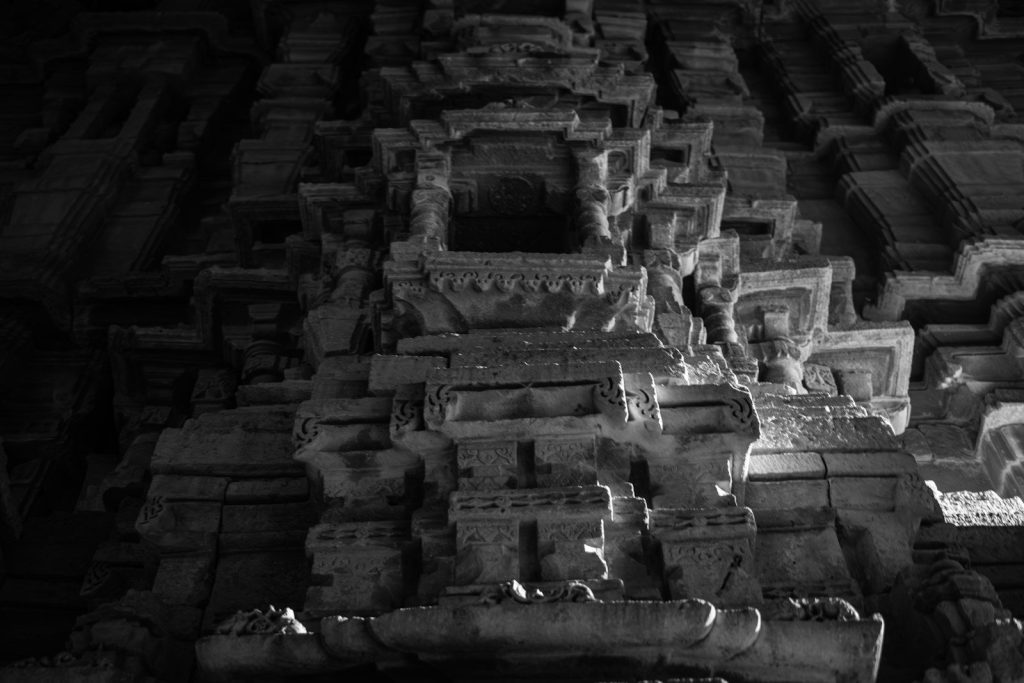
Ancient builders went to extreme lengths to protect this specific coordinate from being destroyed. According to classical historians, the Romans constructed a massive temple directly on top of the tomb to secure it. It was a fortress. This heavy construction successfully kept the inner chamber safe from local battles and earthquakes for generations. But some geologists suggest a highly practical function for the room.
Distributing The Structural Weight
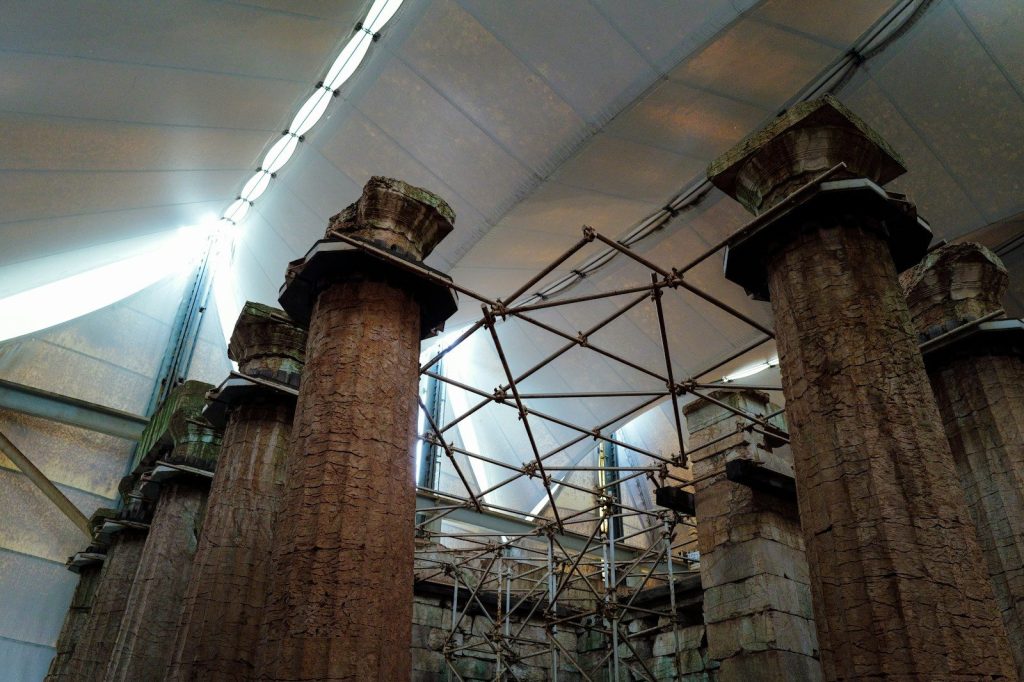
The vaulted design of the surrounding chapel may have been designed to protect the limestone from collapsing. According to architectural surveys, the thick stone walls help distribute the immense pressure of the ceiling. The engineering is brilliant. This clever setup took pressure off the main passageways located directly below the empty space. But finding what lies deeper is the next step.
Reclaiming Our Forgotten Past
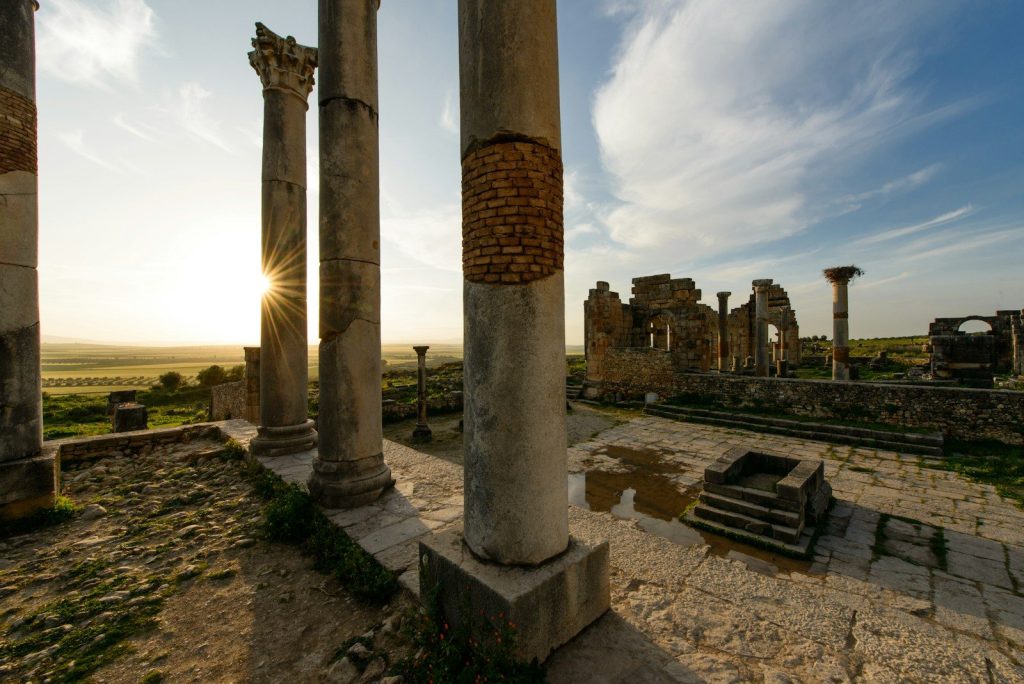
This spectacular radar discovery proves that technology can locate lost history hidden beneath our feet. According to archaeologists, mapping these massive ruins helps us reconstruct the true development of early monumental architecture. The stone keeps secrets. This article is for informational purposes only.
Featured Image: Photo by Dmitrii Zhodzishskii on Unsplash
Leave a Reply