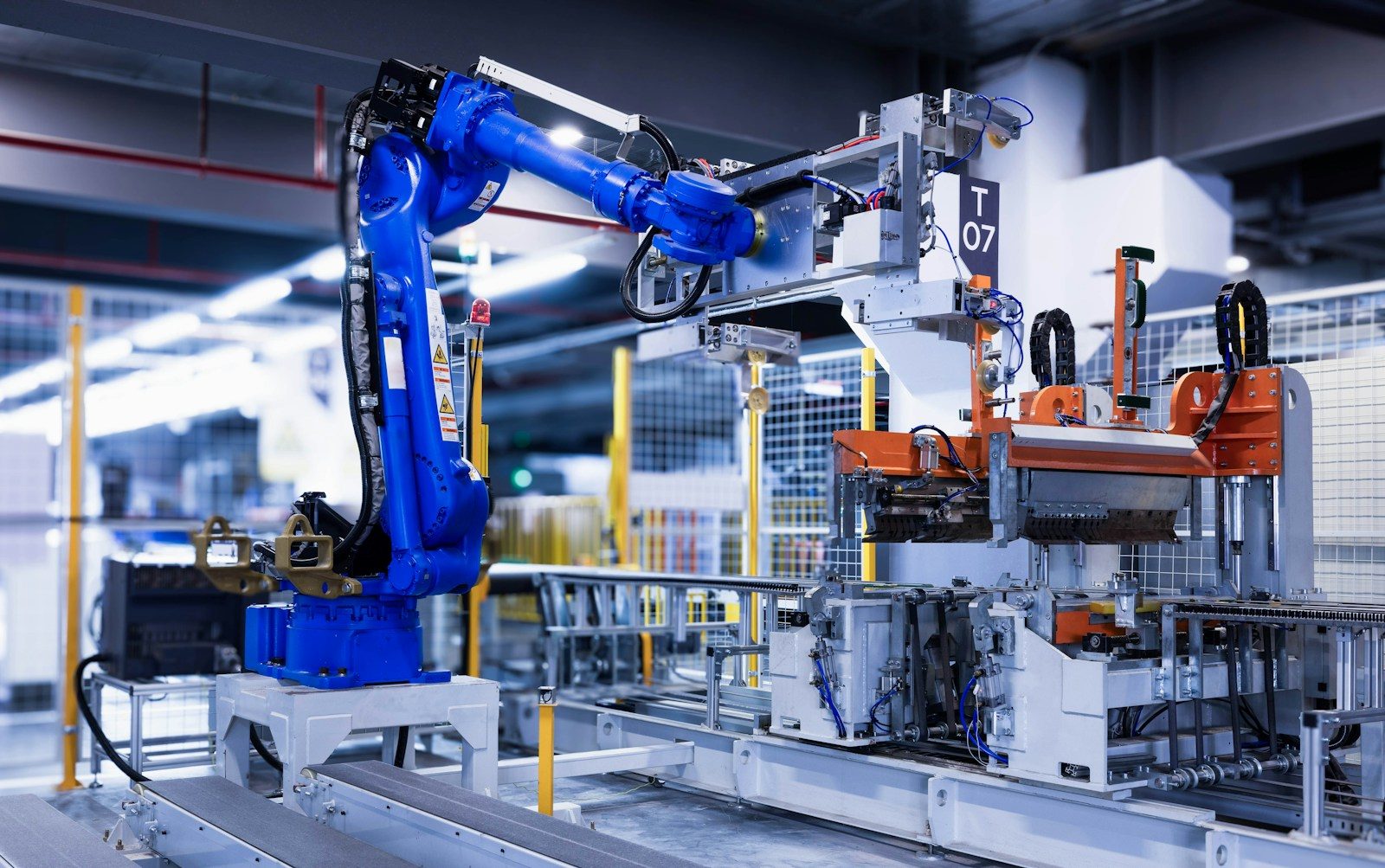
Most people believe that building humanoid robots is just a fun science fiction project. We assume that factories are already automated enough with standard robotic arms.
But a severe global labor shortage is forcing a radical shift in engineering. Designing machines that move like humans is the only way to save our existing factories from grinding to a halt.
The Global Labor Collapse Threat
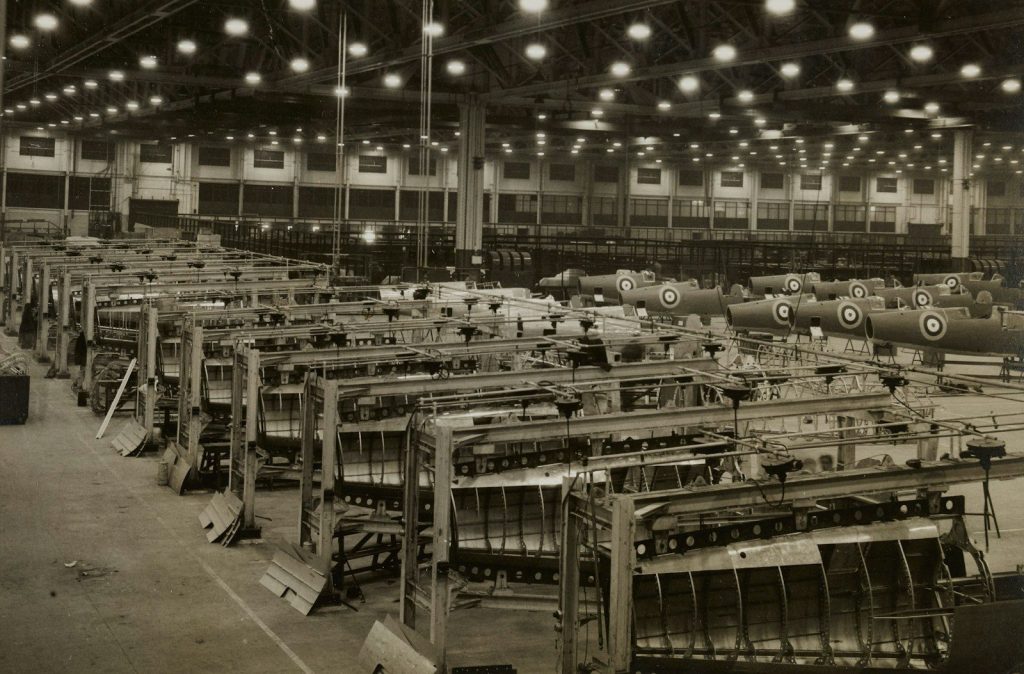
Traditional factories are currently facing an unprecedented shortage of manual workers. According to reports from the International Labour Organization, millions of essential manufacturing jobs remain completely unfilled today. The crisis is real. Empty assembly lines are driving up the costs of daily goods, which forces engineers to seek a highly adaptive mechanical solution.
Shaping The Human Form Factor

Building robots with wheels or tracks often fails because our entire world was designed for bipeds. According to manufacturing efficiency audits, every doorway, tool, and staircase in a factory is optimized for the human body. They must adapt. Forcing machines to mimic our exact skeletal structure allows them to step into existing workspaces without rebuilding the infrastructure. But scaling these bipedal designs requires managing intense battery power.
Engineering High Torque Joint Actuators
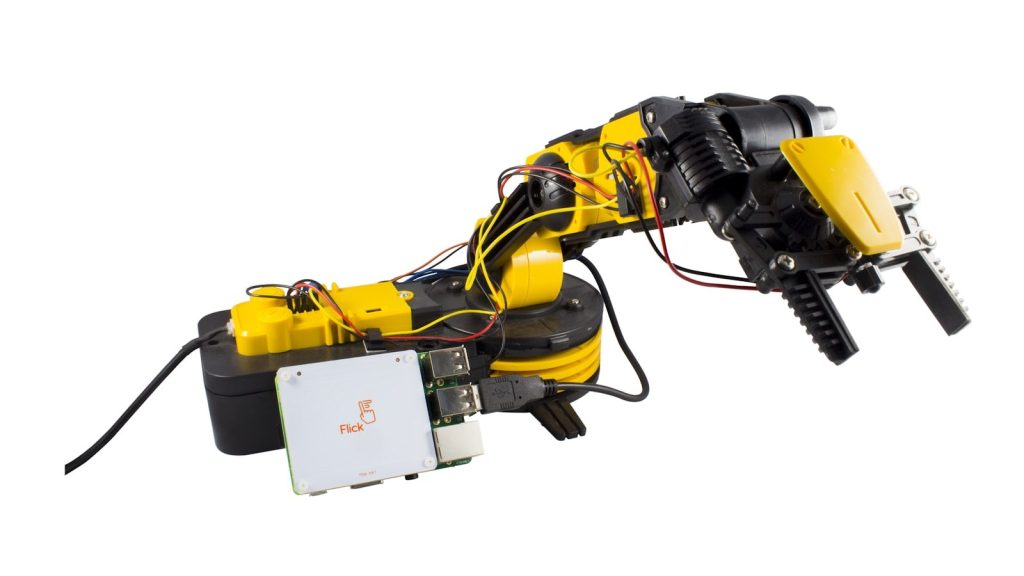
Mimicking the fluid movements of human limbs demands incredibly precise mechanical motors. According to reports from the robotics division at Tesla, developers had to design custom high-torque actuators to rotate the robotic joints smoothly. The design is complex. These specialized sensors allow the machine to lift heavy loads and balance perfectly on uneven floors. But teaching these metal hands to grip delicate objects requires a different breakthrough.
The Delicate Tactile Hand Mastery
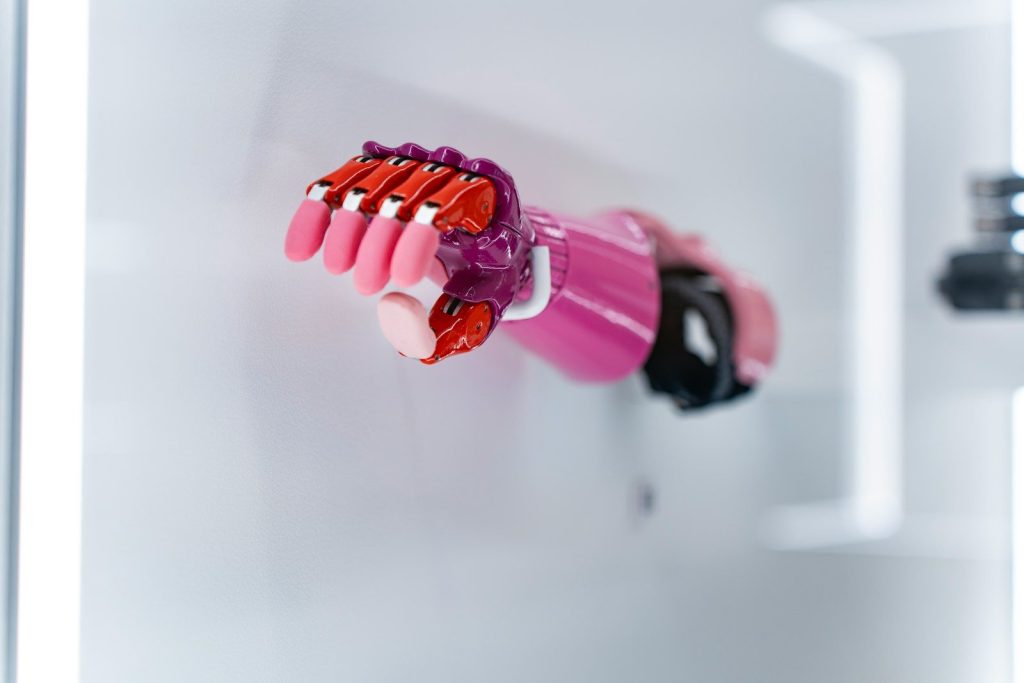
Standard robotic grippers lack the gentle touch required to handle fragile tools or components. According to human-machine interface studies, the new robotic hands feature multiple flexible sensors that mimic organic skin sensitivity. They are incredibly soft. This sensory feedback lets the fingers adjust pressure automatically to avoid crushing delicate parts on the line. But guiding these metallic limbs requires a highly advanced digital brain.
Operating On Neural Network Brains

No human operator can program a robot to react to every single variable in a busy factory. According to artificial intelligence engineers, the humanoid runs on the same neural networks that power self-driving cars. The software learns constantly. This onboard brain allows the machine to navigate obstacles and solve physical tasks autonomously in real time. But introducing these machines to the workforce raises serious safety questions.
Safe Humanoid Cohabitation Mechanics
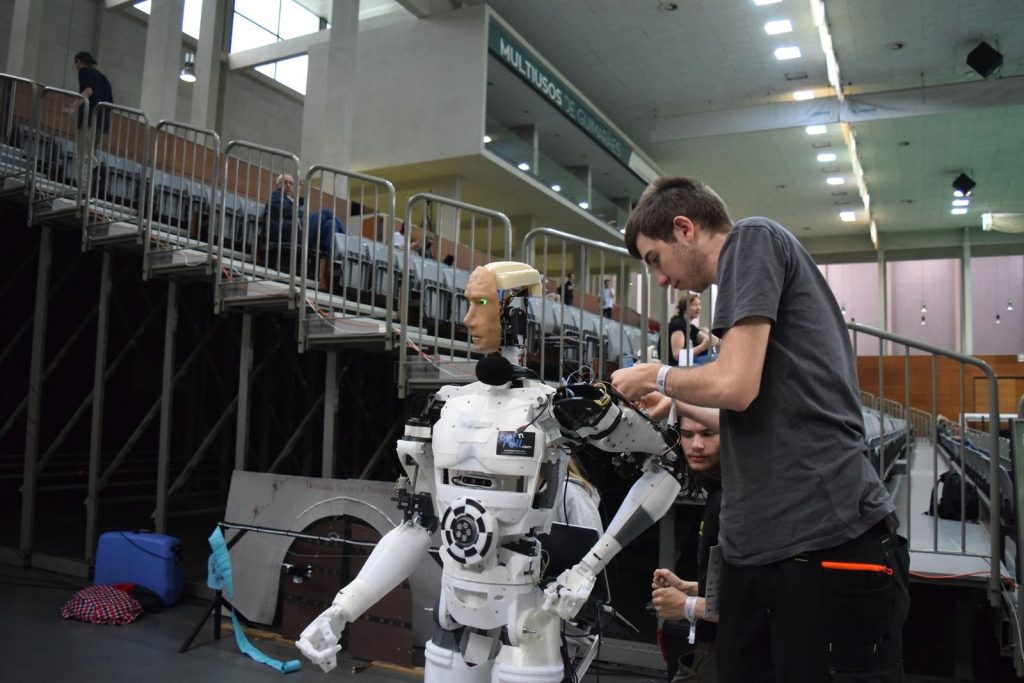
Heavy industrial robots normally operate behind steel cages to protect nearby human workers from accidental impacts. According to safety engineering protocols, next-generation humanoids use advanced force-limiting sensors to halt movement instantly upon touching a person. Protection is absolute. This safety shield allows humans and machines to work side-by-side on the same assembly lines. But the ultimate impact of this robotic shift will soon reshape our economy.
Redefining The Industrial Era
Deploying humanoid labor will eventually free humanity from dangerous and repetitive physical tasks. According to industrial historians, this robotic leap represents the next major milestone in our manufacturing evolution. The future is arriving. This transition will allow human workers to focus on creative oversight rather than pure physical strain. This article is for informational purposes only.
Featured Image: Photo by Homa Appliances on Unsplash
Leave a Reply