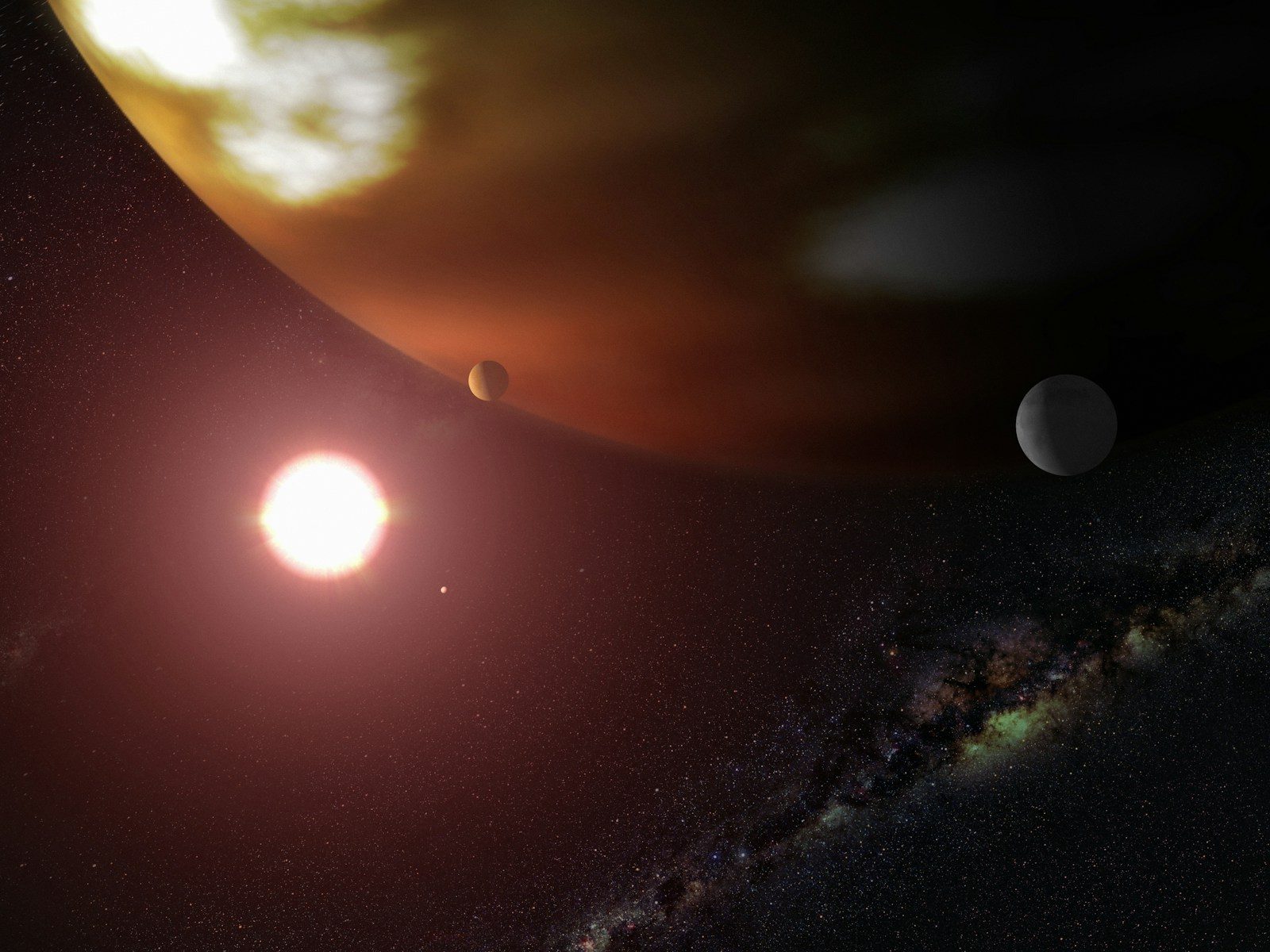
Most stargazers assume that we have fully mapped every major object orbiting our sun. We believe that modern space telescopes have already cataloged all the large planets in our local neighborhood.
But highly advanced mathematical orbits suggest that a massive hidden world is quietly lurking in the outer darkness. This undiscovered giant could soon rewrite our entire map of the solar system.
Gravitational Pull In The Dark
Outer space rocks are behaving in a highly erratic manner near the edge of our system. According to NASA researchers, a massive unseen object is using gravity to pull these icy bodies out of their normal orbits. The pull is immense. This strange orbital grouping is the first major clue pointing to a hidden world. But tracking this giant requires looking far past Pluto.
The Frozen Kuiper Belt Mystery
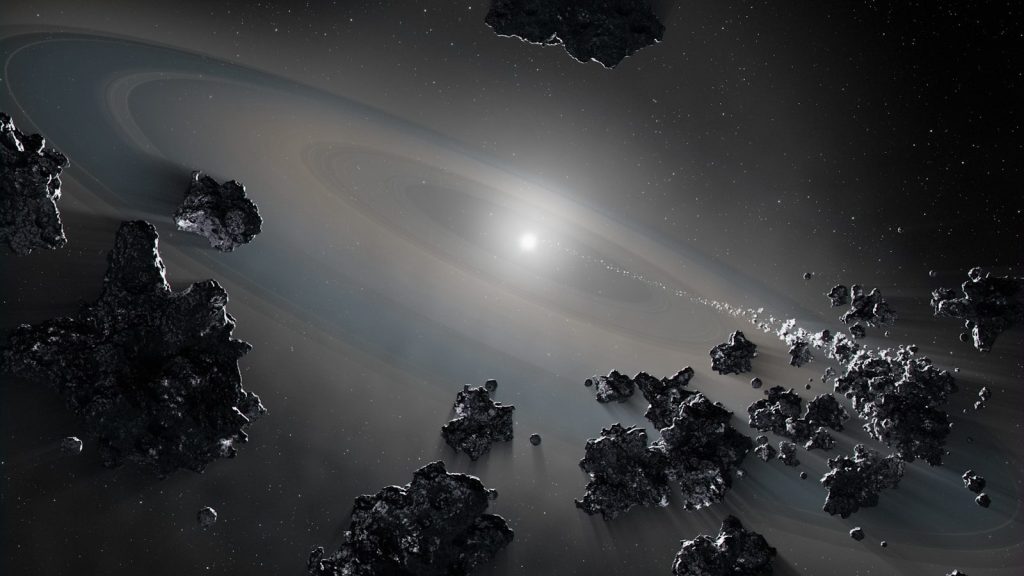
Millions of icy space rocks drift through a vast frozen ring beyond the outer gas giants. According to planetary geologists, many of these distant orbits are tilted at highly unusual angles. The math is weird. These extreme tilts suggest that a heavy planetary mass cleared a path through the debris long ago. But explaining how this world formed requires analyzing early space history.
Born In The Early Chaos
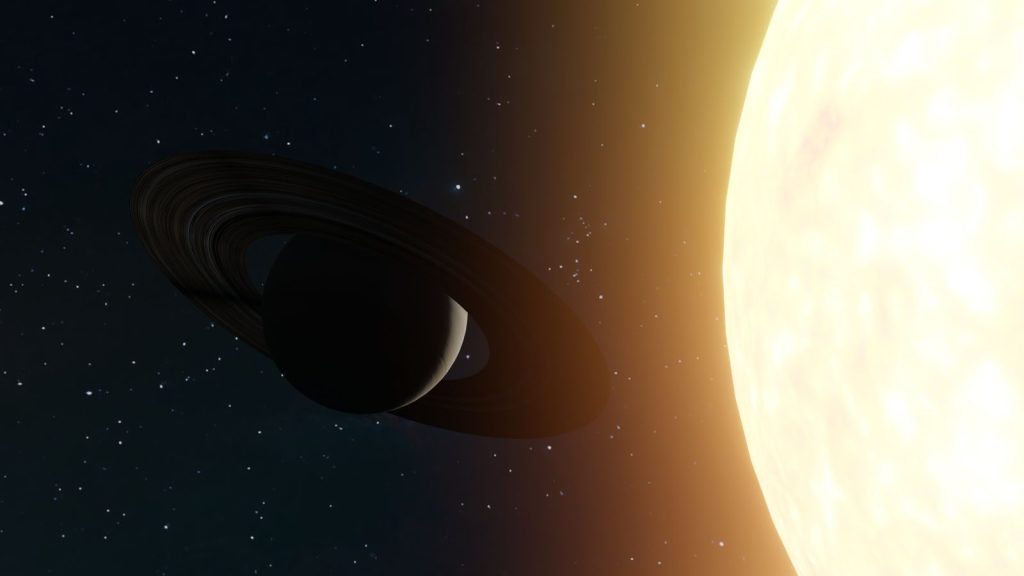
The early solar system was a highly violent playground of colliding gas and rocky debris. According to astronomical simulations, young planets were frequently kicked out of their original orbits by giant gravitational shifts. It was pure chaos. Some theories suggest our sun threw the hidden planet into the frozen outer dark. But finding this silent world presents an extreme observational challenge.
Hunting An Invisible Giant

Scanning the outer edges of space is incredibly difficult because very little starlight reaches those coordinates. According to reports from the Subaru Telescope, researchers are using wide-field cameras to scan the dark sky systematically. The search is intense. Finding a dark planet in the black void is like looking for a black needle in a dark room. But a fresh orbital model has narrowed down the coordinates.
The Elusive Planet Nine Hypothesis
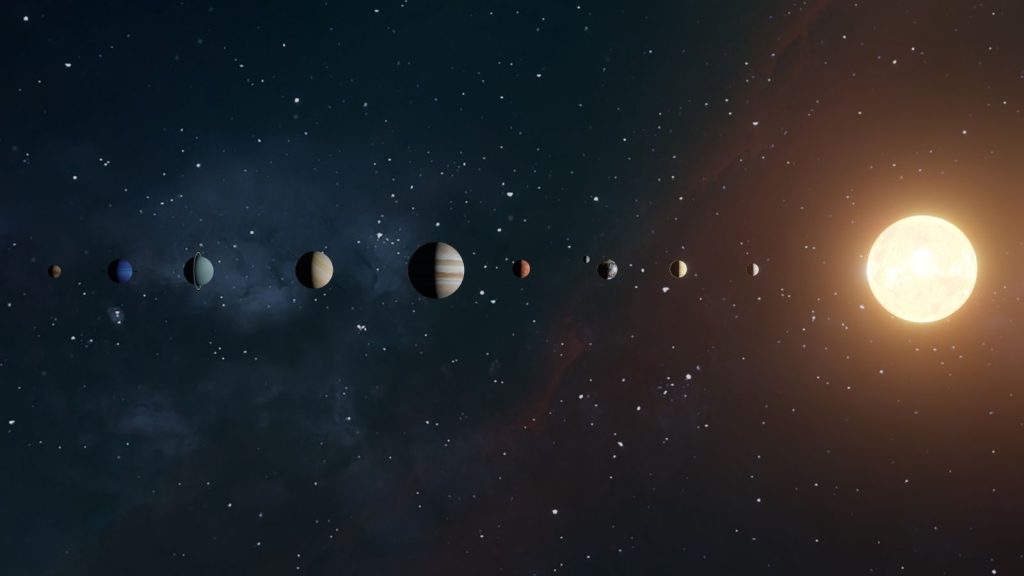
Mathematically modeling the outer orbits suggests a world roughly ten times the mass of Earth exists. According to Caltech researchers, this hypothetical giant takes up to twenty thousand years to complete a single orbit around the sun. The distance is staggering. This extreme path keeps the planet permanently hidden in the deep dark. But some astronomers believe a different telescope will capture the first proof.
Advanced Infrared Scanning Power

Even cold planets in the deep void release a tiny amount of residual thermal heat. According to the James Webb Space Telescope team, sensitive infrared sensors can detect these extremely weak thermal signatures against the cold space background. The tech is brilliant. This thermal search could soon reveal the precise location of the hidden planetary giant. But confirming its existence will change our cosmic perspective forever.
Redefining Our Cosmic Neighborhood

Discovering a massive new planet will permanently reshape our understanding of how solar systems form. According to astrophysicists, our local neighborhood is far more complex and mysterious than we ever imagined. The cosmos holds endless secrets. This article is for informational purposes only.
Featured Image: Photo by NASA Hubble Space Telescope on Unsplash
Leave a Reply