Most people assume that burning stars are simple giant balls of fire made of basic hydrogen gas. We believe that stellar cores are uniform reactors that undergo simple nuclear fusion.
But advanced spectral scanning has revealed a highly complex atomic refinery operating inside these cosmic engines. Stars are actually synthesizing heavy metallic elements that drive the creation of rocky planets.
Forging Elements Inside Cores
Stars are the ultimate elemental factories of our universe. According to astrochemistry reports, the immense heat and pressure inside a stellar core force light hydrogen atoms to fuse into helium. This is vital. As the star ages, it begins synthesizing increasingly complex elements like carbon, oxygen, and neon. But this elemental fusion process has a highly destructive physical limit.
The Lethal Iron Barrier

The synthesis of heavier elements progresses smoothly until the star begins producing iron. According to nuclear physics studies, fusing iron does not release any energy but actually absorbs it. The reaction halts instantly. This sudden energy drop causes the stellar core to collapse violently under its own gravitational weight. But this spectacular collapse is what scatters these elements across the galaxy.
Scattering Seeds Across Space
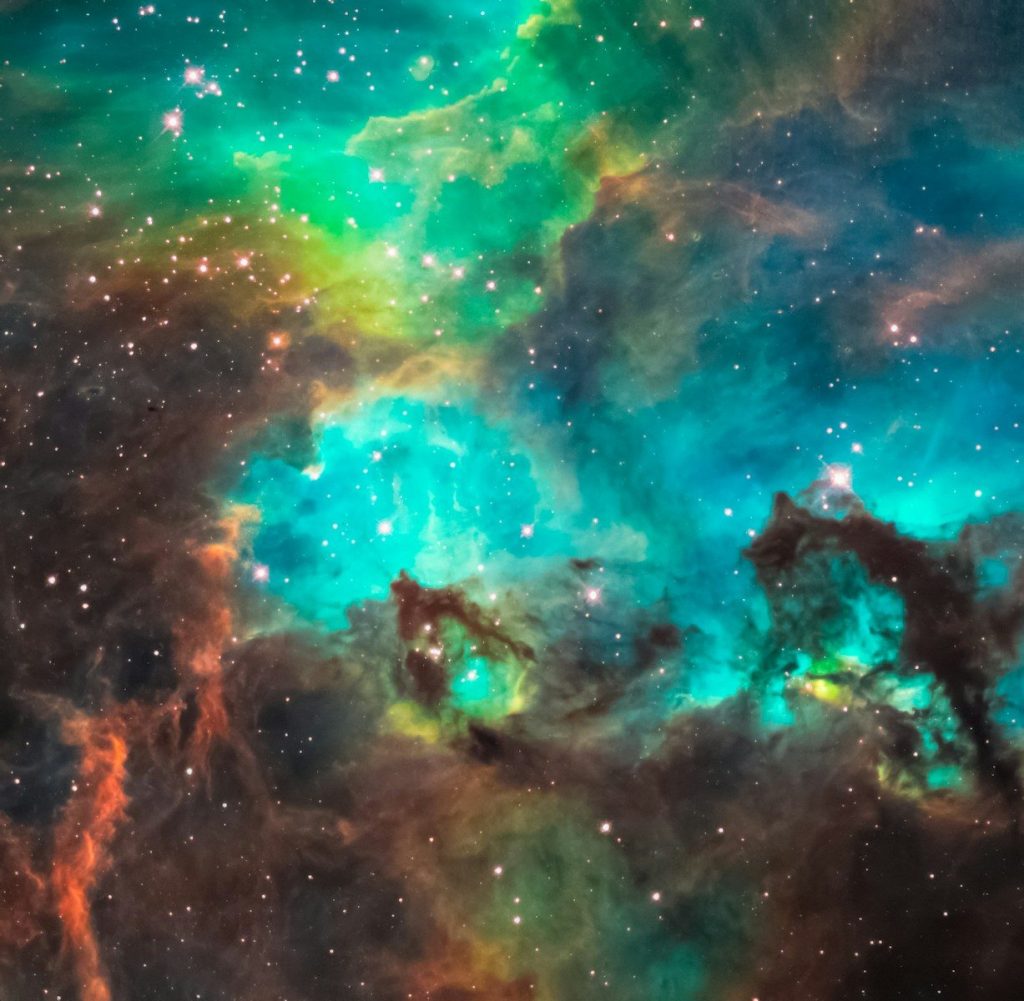
The violent collapse of a massive star triggers a spectacular supernova explosion that blasts elements into deep space. According to planetary geologists, this stellar dust eventually gathers to form new rocky planets like Earth. We are made of starstuff. Every single carbon atom in our bodies was forged inside a dying stellar furnace. But tracking these heavy metals requires analyzing distant starlight.
Reading Starlight Absorption Lines

Astronomers do not need to physically visit a star to determine its exact chemical makeup. According to spectroscopy reports, specialized instruments analyze the dark gaps in the star’s color spectrum. The lines are unique. These absorption lines act like atomic barcodes that reveal the precise concentrations of heavy metals inside the star. But this scanning method has revealed some highly unusual star groupings.
Distinguishing Ancient Metal Stars
The concentration of metals inside a star reveals its relative age and generation in the cosmos. According to astronomical models, the oldest stars in our universe contain almost zero heavy metals. They are pristine. These early stars formed from raw hydrogen and helium left behind after the Big Bang. But newer generations of stars are born from highly enriched cosmic clouds.
Our Own Solar Blueprint

Our sun belongs to a highly enriched third-generation population of stars. According to solar physicists, the sun contains significant concentrations of iron, gold, and uranium inherited from ancient supernovae. The mixture is complex. This metal-rich chemistry is what allowed a rocky planet system to form around our star. But studying stellar chemistry ultimately reveals our deep cosmic heritage.
Unlocking Our Cosmic Origins

Understanding the internal chemistry of stars allows us to trace the true history of all matter on Earth. According to astrobiologists, every breath we take connects us directly to the ancient stellar engines that shaped the cosmos. The stars made us. This article is for informational purposes only.
Featured Image: Photo by Marek Piwnicki on Pexels
Leave a Reply