
Most drivers assume that modern electric vehicles are designed only for smooth city roads and daily work commutes. We believe that standard steel frames represent the absolute limit of consumer vehicle durability.
But a revolutionary leap in materials science is completely challenging this manufacturing standard. Advanced stainless steel alloys are paving the way for vehicles built to explore other worlds.
The Monocoque Exoskeleton Shift
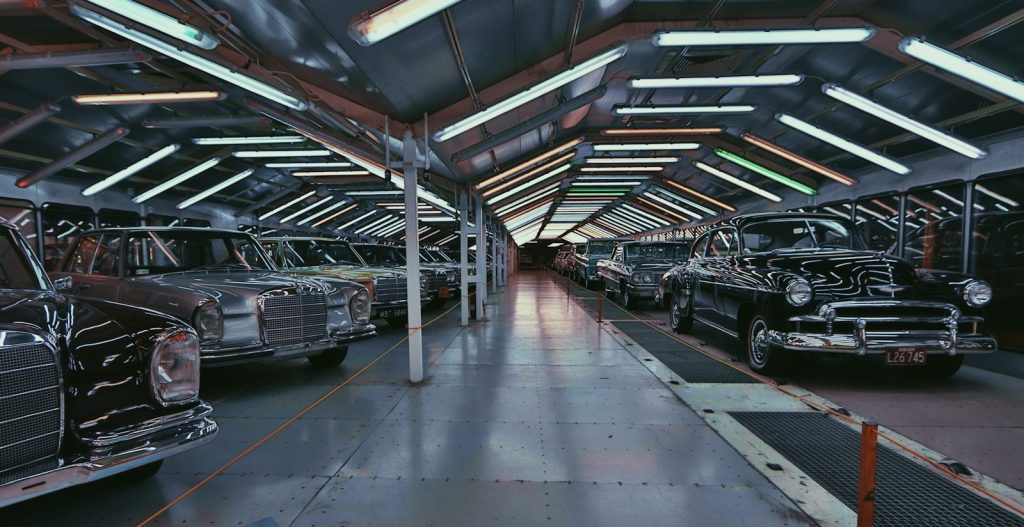
Traditional cars rely on thin body panels attached to a heavy internal frame. According to reports from the Society of Automotive Engineers, this new vehicle uses a highly durable external skin to support structural weight. The design is radical. By moving the structural load to the outer shell, engineers eliminated the need for heavy internal support pillars. But manufacturing this tough exterior required an entirely new material.
Cold Rolled Stainless Steel

The external skin is crafted from a custom steel alloy designed to resist extreme impacts and corrosion. According to materials science reports, this specialized metal can survive intense physical stress without bending or cracking. It is incredibly tough. This same durable alloy is used to construct advanced space rockets destined for Mars. But this heavy shell introduces a major suspension challenge.
Adapting Air Suspension
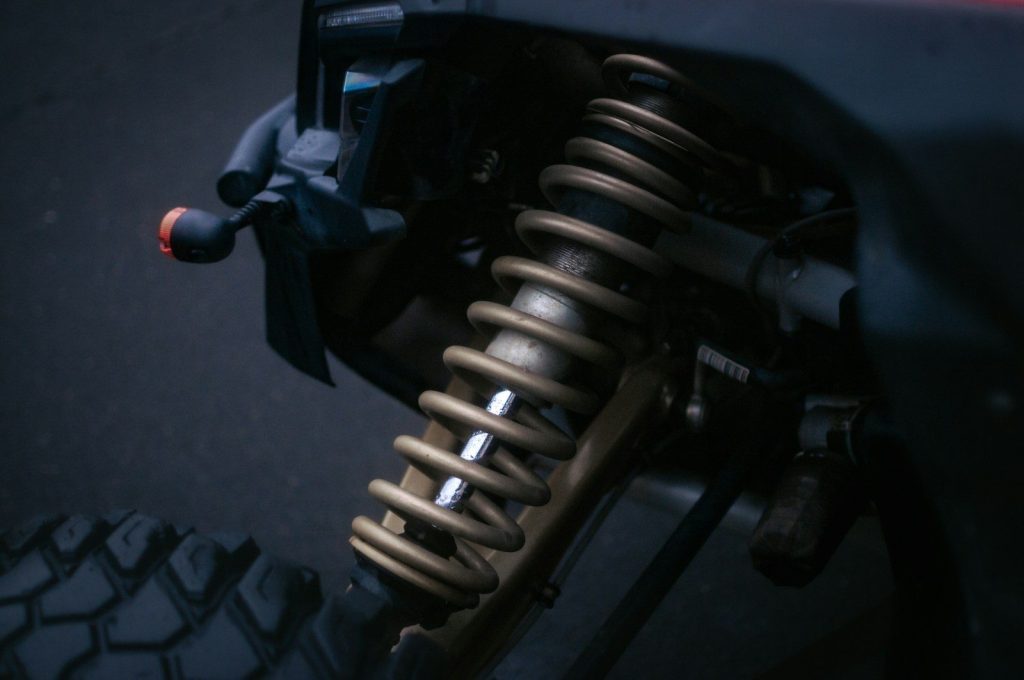
Carrying such a massive metallic shell requires a highly reactive and adaptive suspension system. According to vehicle testing logs, smart air struts adjust the ride height automatically based on terrain feedback. The adjustment is instant. This real-time leveling allows the heavy vehicle to navigate rugged mountain paths with absolute ease. But the energy required to run these systems demands a unique power source.
Solar Roof Harvesting
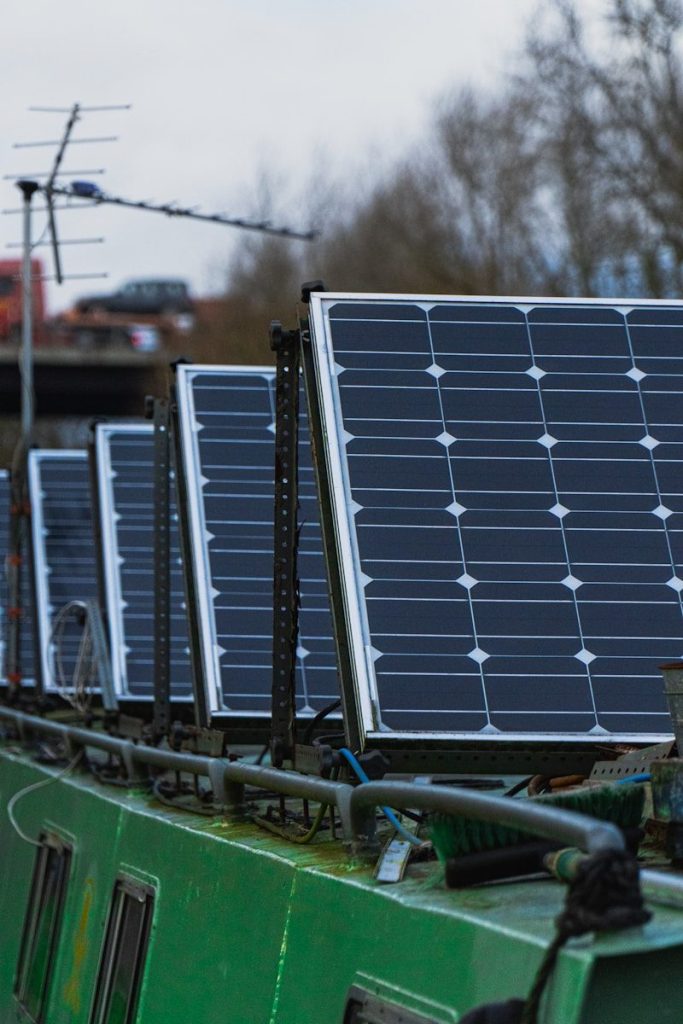
The future of sustainable transport relies on capturing renewable energy directly from the vehicle surface. According to solar panel developers, integrating high-efficiency photovoltaic cells into the roof can generate significant daily power. The charging is constant. This solar harvesting system can add precious miles of range without needing a plug. But these rugged engineering details are also attracting military interest.
Tactical Military Trials
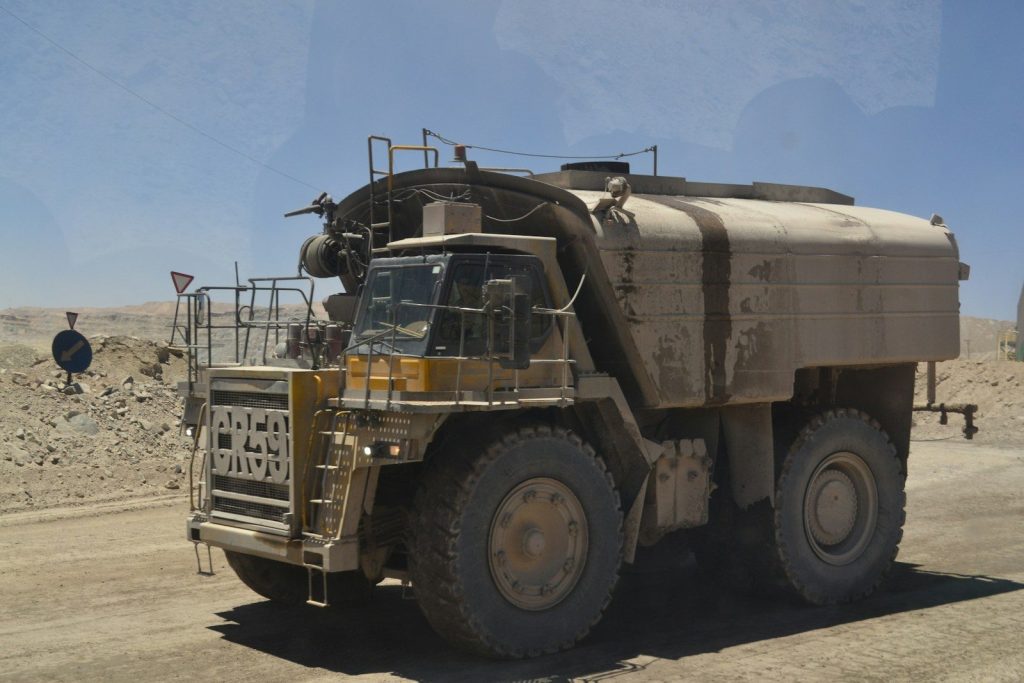
Defense agencies are studying how electric drivetrains can perform during off-road tactical operations. According to military evaluation reports, the silent operation of electric motors provides an incredible stealth advantage. The vehicle runs quietly. This low thermal and acoustic signature makes it nearly invisible to standard tracking sensors. But transforming this platform for space exploration requires even more radical upgrades.
Planetary Rover Concepts
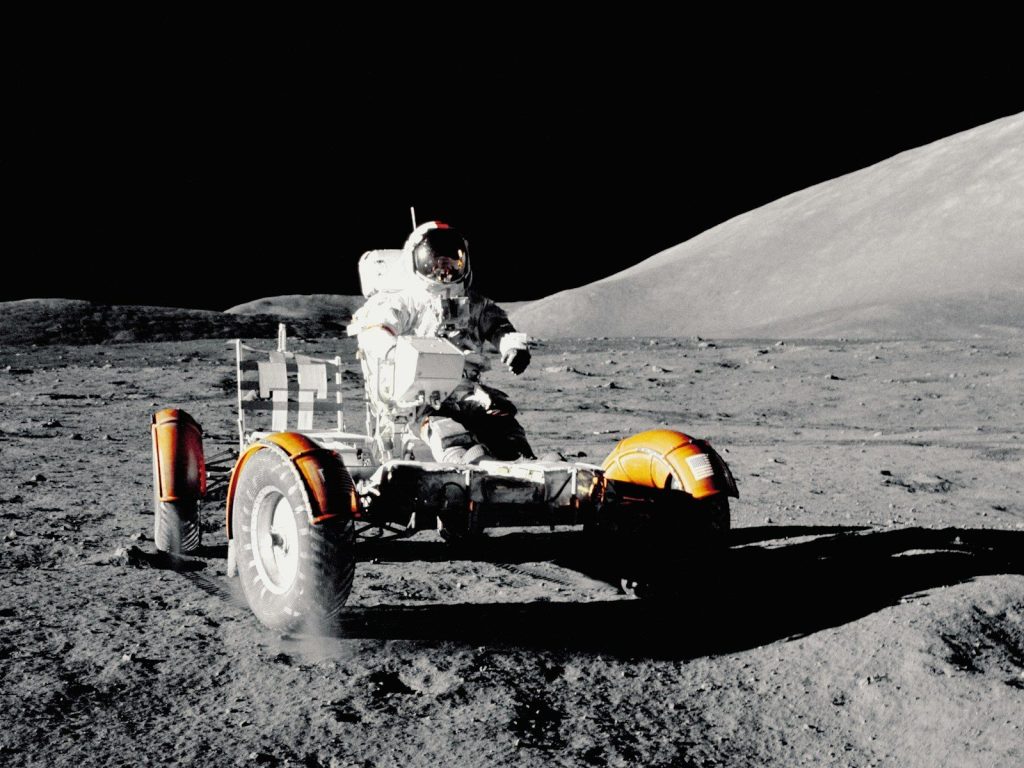
Space engineers are looking at this rugged frame to design the next generation of planetary rovers. According to NASA development plans, the heavy steel skeleton is ideal for surviving the harsh radiation of the moon. The protection is passive. This robust shield can keep delicate navigation computers safe from solar flares. But managing these extreme planetary environments requires an incredibly smart system.
Autonomous Software Guidance
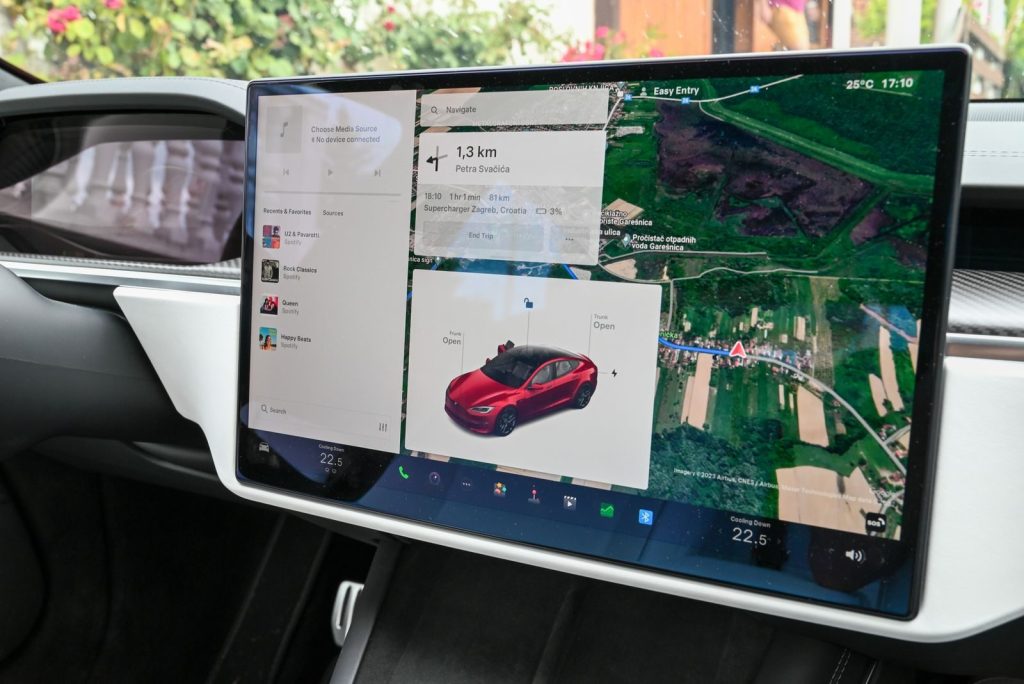
Navigating dangerous craters and lunar dust requires a highly advanced digital piloting assistant. According to computer software logs, built-in artificial intelligence programs map surrounding terrain in real time. The software never sleeps. This automated driving system can calculate safe paths across uncharted terrain without any human input. But the final success of these vehicles will require massive grid upgrades.
Reimagining Transportation Limits

Developing these ultra-tough vehicles is pushing materials science and autonomous driving into an entirely new era. According to automotive historians, this engineering shift will redefine how we explore both our planet and the cosmos. Innovation is unstoppable. This article is for informational purposes only.
Featured Image: Photo by Homa Appliances on Unsplash
Leave a Reply