
Most computer users assume that massive surveillance systems are completely secure from outside eyes. We believe our global monitoring networks operate silently behind impenetrable digital firewalls.
But a simple physical breach at a minor data hub has revealed a different reality. This low-level incident triggered an automated cascade that unmasked a massive cyber tracking engine.
The Minor Breach Trigger

It started with a routine physical break-in at a seemingly insignificant telecom outpost. According to reports from the cybersecurity firm Mandiant, local thieves targeted standard copper wiring and backup power batteries. They were simple criminals. But this low-level theft accidentally severed a highly secure data line used by intelligence services. What happened next would expose a massive digital pipeline.
The Automated Cascade
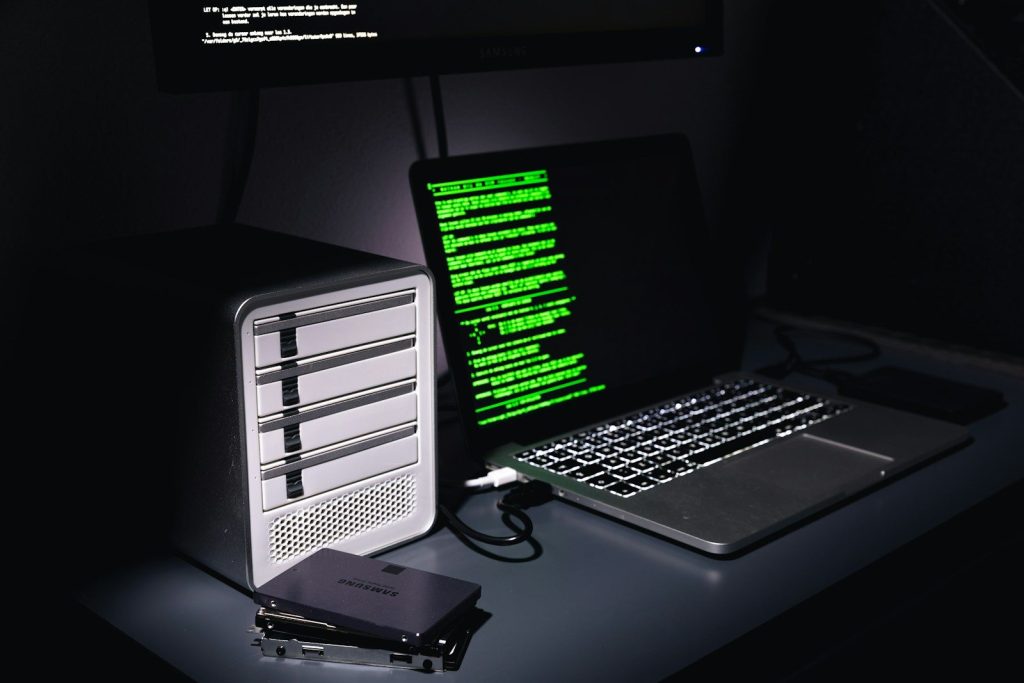
When the data line went dark, automated network protocols began routing traffic through public backup servers. According to network analysts, this sudden routing shift bypassed several layers of digital encryption. The system was exposed. For a few short hours, the massive tracking data flowed across unsecured public channels. But this data slip allowed independent monitors to capture the transmission logs.
Tracking The Observers

Analyzing the leaked transmission logs revealed a highly sophisticated surveillance network operating in real time. According to digital forensic studies, the system was actively monitoring thousands of encrypted messages and location files. It was incredibly vast. The software used advanced pattern recognition to tag and analyze citizens without a warrant. But identifying the true owners of this engine was a massive challenge.
Hidden Server Networks

The digital footprint traced back to a series of shell companies operating from remote tax havens. According to telecommunications research, these front companies leased space in major data centers under the guise of cloud storage. The shield worked. This corporate layout kept the massive surveillance system hidden from standard regulatory oversight. But the scale of the power demand was starting to attract attention.
The Grid Strain
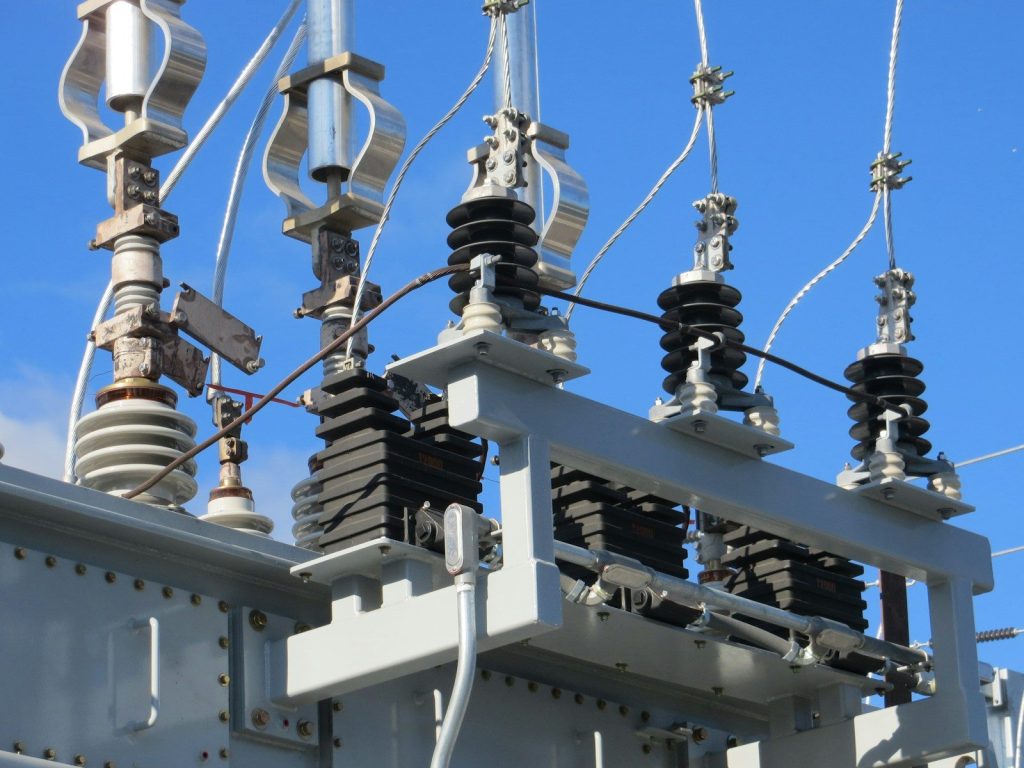
Running these constant monitoring algorithms requires an astronomical amount of raw computing power. According to energy grid studies, the servers running these programs are draining public utilities in multiple counties. The load is massive. This energy crunch is forcing local towns to pay higher rates to support private tech setups. But the legal fallout from this breach is growing fast.
Demanding Regulatory Audits

Public advocacy groups are using the leaked logs to demand immediate investigations into these data centers. According to public policy reports, several cities have paused new telecom developments until they can verify who owns the hardware. Change is happening. This intense legal pressure is forcing tech conglomerates to address their system vulnerabilities. But keeping these networks secure is an ongoing battle.
Securing Our Future

This simple system breach proves that even the most advanced surveillance setups are incredibly fragile. According to cybersecurity experts, maintaining digital privacy requires constant public watchfulness and strict network audits. Awareness is vital. This article is for informational purposes only.
Featured Image: Photo by Mohammad Yasir on Pexels
Leave a Reply