
Most history students believe that famous stories about the ancient world are absolute facts. We assume that popular legends handed down through generations must be true.
But modern forensic science is quietly dismantling some of our most cherished historical narratives. Researchers are using advanced technology to uncover the real truth behind these myths.
Exposing The Trojan Horse

The legendary story of the giant wooden horse used to conquer Troy is famous worldwide. According to reports from Oxford University, no physical evidence of this massive wooden structure has ever been found. It was a myth. Most classicists now believe the horse was a poetic metaphor for a battering ram. But this is not the only ancient military tale to fall apart.
The Horned Viking Lie
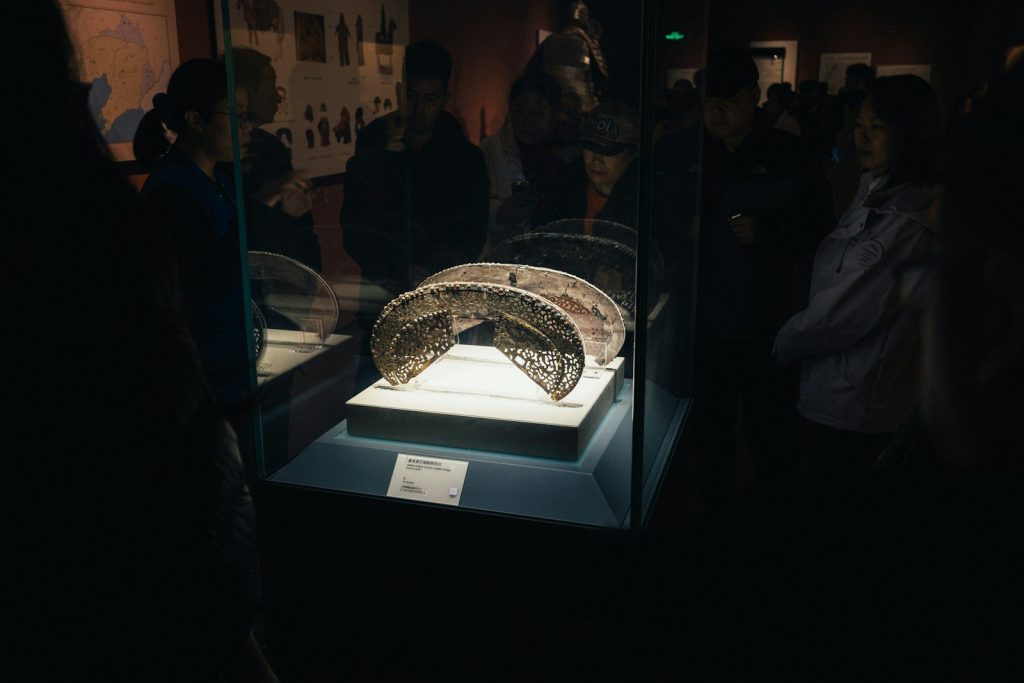
Popular media always depict brutal Viking warriors wearing heavy horned helmets in battle. According to museum curators, these famous helmets were actually created by nineteenth-century costume designers. They were theatrical. Real Viking headgear was simple, rounded iron designed purely for protection. But another massive historical misconception involves the builders of the pyramids.
Unshackling The Pyramid Builders
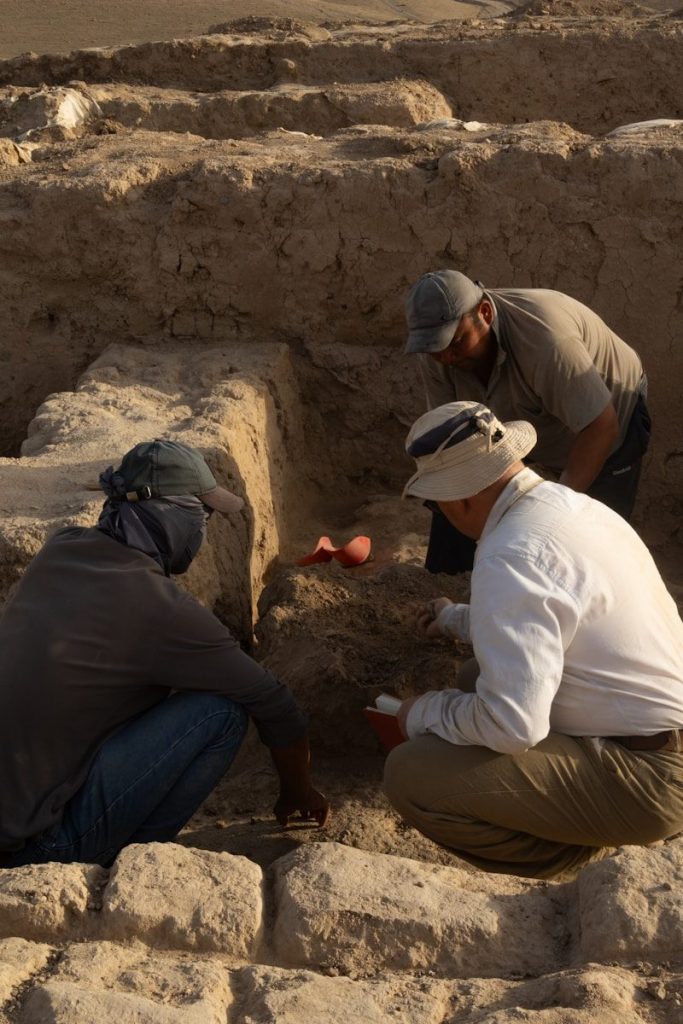
Many people still believe that cruel slave labor constructed the colossal pyramids of Egypt. According to official tomb excavations, the workers were actually well-paid laborers who ate premium meat. They were proud. The discoveries of worker villages prove they received medical care and honorable burials near the pharaohs. But science is also changing how we see famous rulers.
The Real Cleopatra Identity
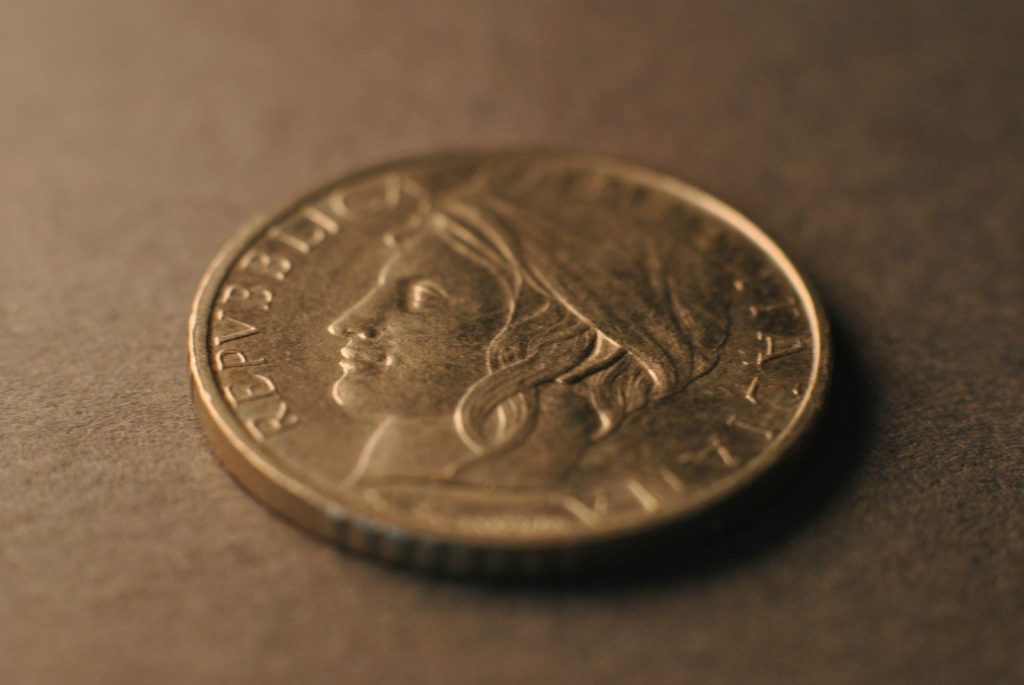
Hollywood has long portrayed Cleopatra as a legendary beauty who used seduction to rule. According to ancient coin portraits, she possessed conventional features and focused heavily on politics. She was brilliant. Historical records show she spoke nine languages and studied advanced mathematics. But even famous events from American history are being corrected by researchers.
The True Salem Story

Popular folklore suggests that the Salem witch trials involved burning accused women at the stake. According to court records from the seventeenth century, none of the victims was actually burned. They were hanged. English law at the time did not permit burning for the crime of witchcraft. But modern technology is digging even deeper into the distant past.
Tracing The Real Pirates

Swashbuckling stories of pirates burying giant chests of gold on remote islands are mostly fiction. According to maritime historians, real pirates spent their stolen wealth immediately on food and supplies. They were desperate. Only one documented pirate ever buried treasure, and it was quickly recovered. But these corrected myths show why we must keep questioning the past.
Reclaiming True History
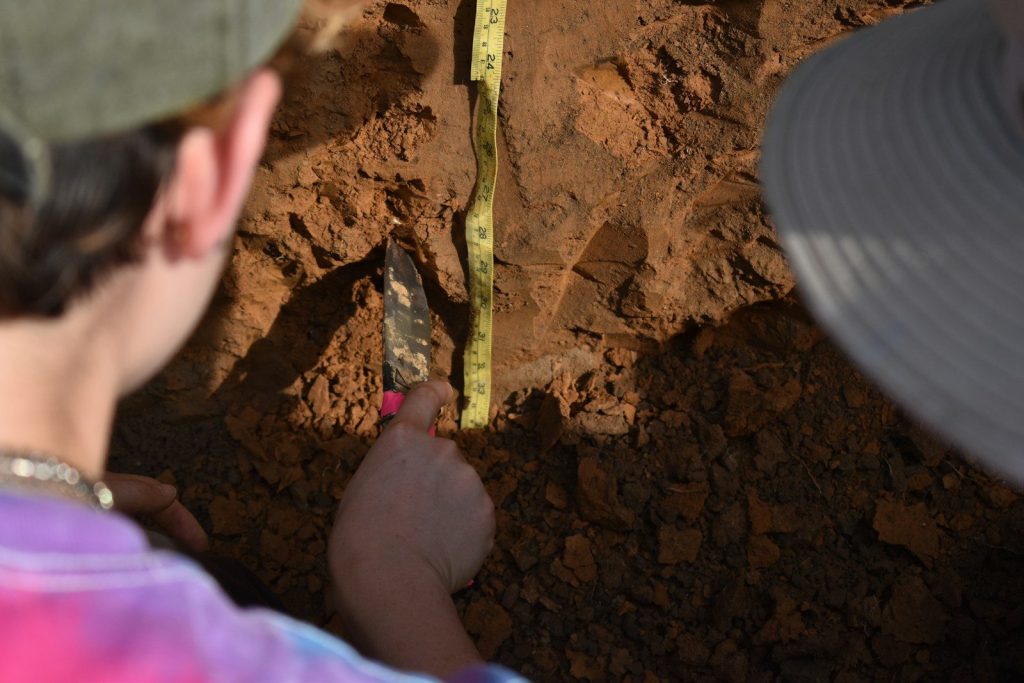
Separating romantic myths from historical reality allows us to appreciate the true complexity of human life. According to researchers, forensic tools are helpfully stripping away centuries of fictional embellishments. The truth is better. This article is for informational purposes only.
Featured Image: Photo by Edward Jenner on Pexels
Leave a Reply