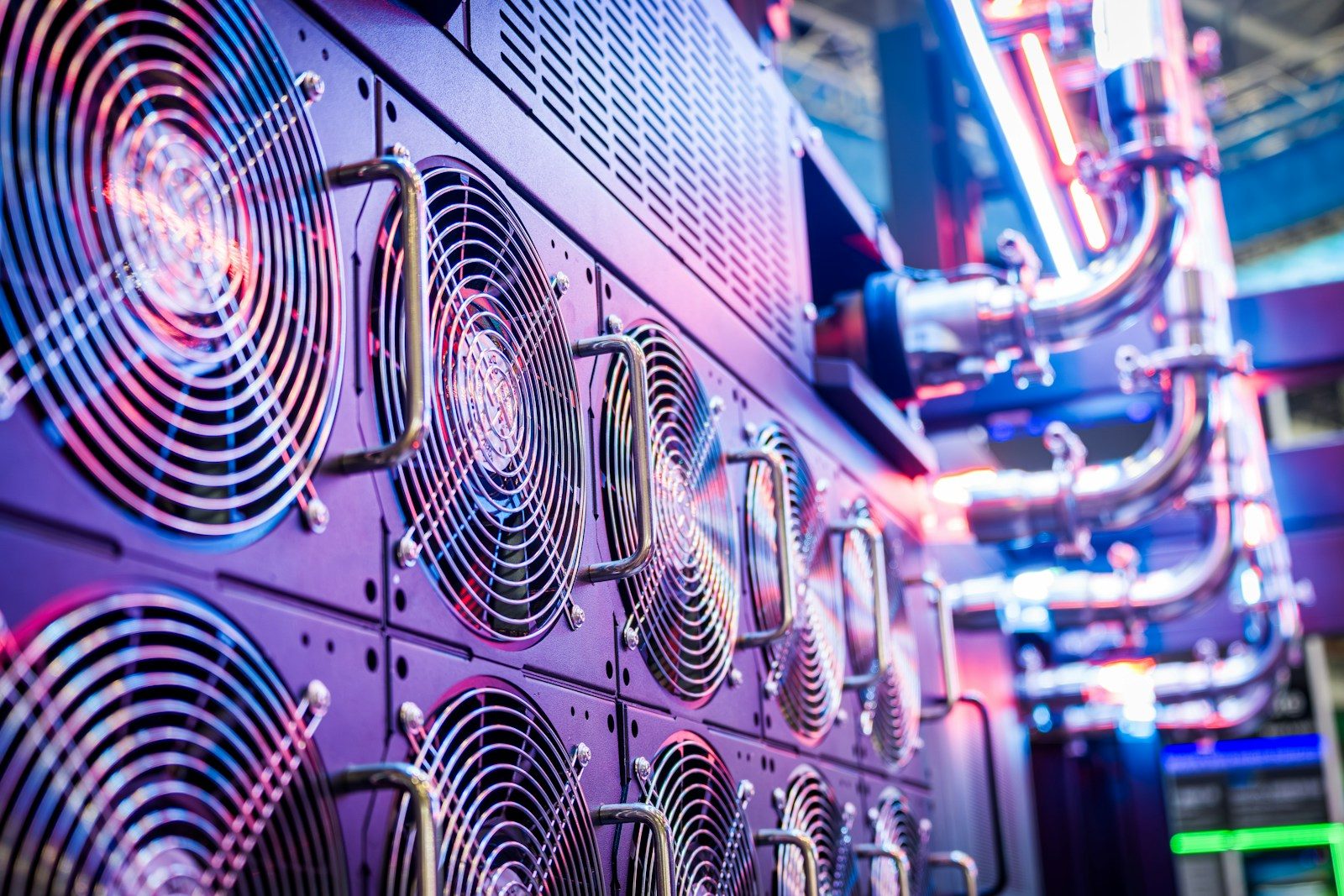
Internet users believe that our growing online activities are completely weightless and clean. We assume that chatting with smart programs has absolutely no physical impact on the earth.
But the rapid expansion of artificial intelligence is triggering a severe natural resource crisis. Huge computing warehouses are quietly draining vital water aquifers across the nation.
The Power Appetite
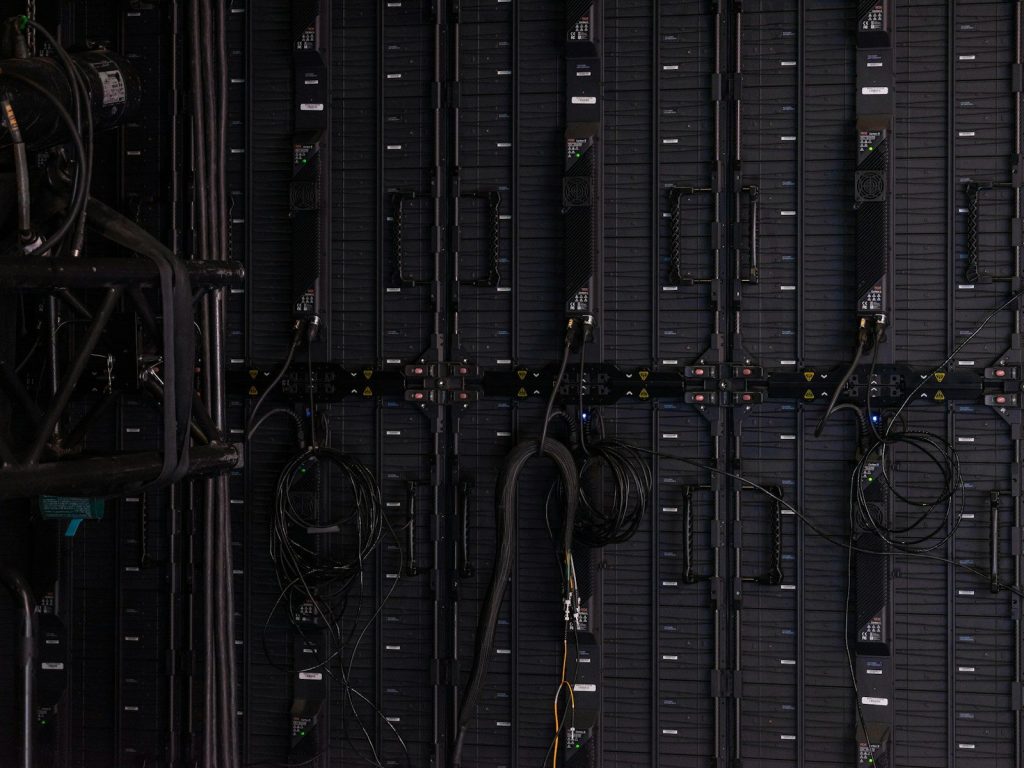
Running modern artificial intelligence requires a staggering amount of constant computational processing. According to reports from the International Energy Agency, an AI query drains ten times more energy than a standard search. The surge is massive. This extreme electrical load generates intense heat that must be cooled around the clock. But the physical method used to cool these servers is creating a massive crisis.
Aquifers Under Threat

Data centers rely on evaporation systems that consume millions of gallons of water daily. According to a hydrological study of the Heartland, these facilities are tapping into fragile regional aquifers. The strain is visible. This massive water use is leaving nearby agricultural zones with less water for crops and livestock. But this local issue is quickly growing into a national environmental debate.
The Carbon Rebound
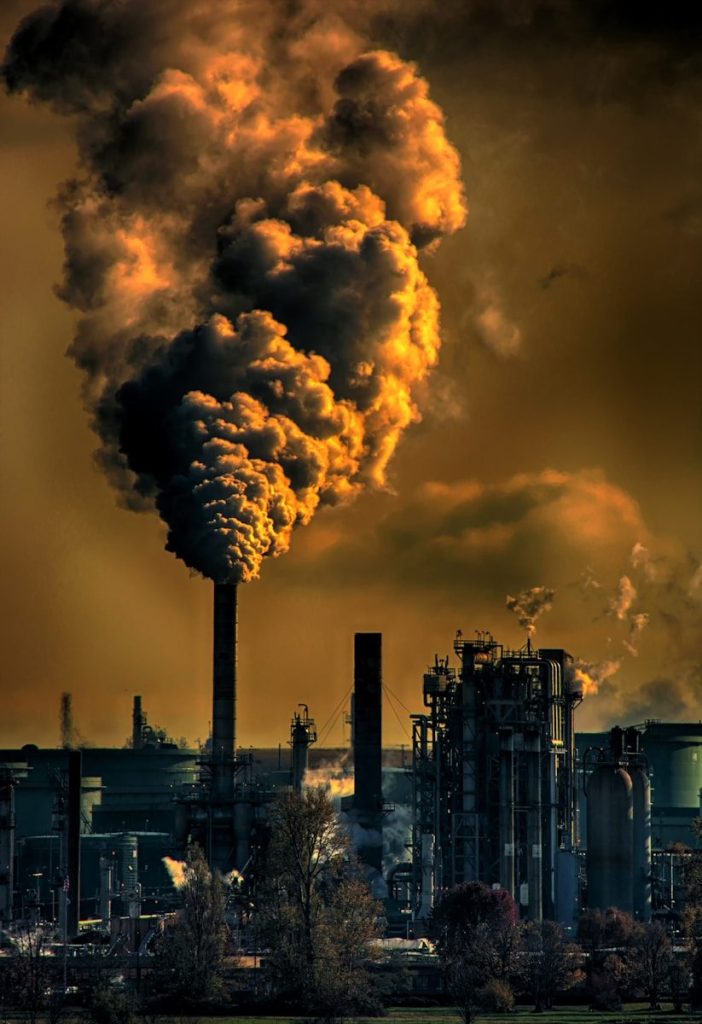
Many technology firms previously promised to run their computing centers entirely on clean energy. According to environmental studies, the massive power crunch is forcing companies to rely on older fossil fuel plants. The promises are breaking. Several closed coal facilities are delaying their retirements just to keep the servers active. But this emergency power boost is actively undoing years of climate progress.
The AI Surge

The sudden boom of generative software models has doubled the water demands of new centers. According to a research study from Virginia Tech, training a single model uses massive amounts of cooling liquid. The demand is skyrocketing. This spike in water usage means data hubs must run their evaporation systems constantly. But some forward-thinking engineers are searching for a physical solution.
The Closed Loops
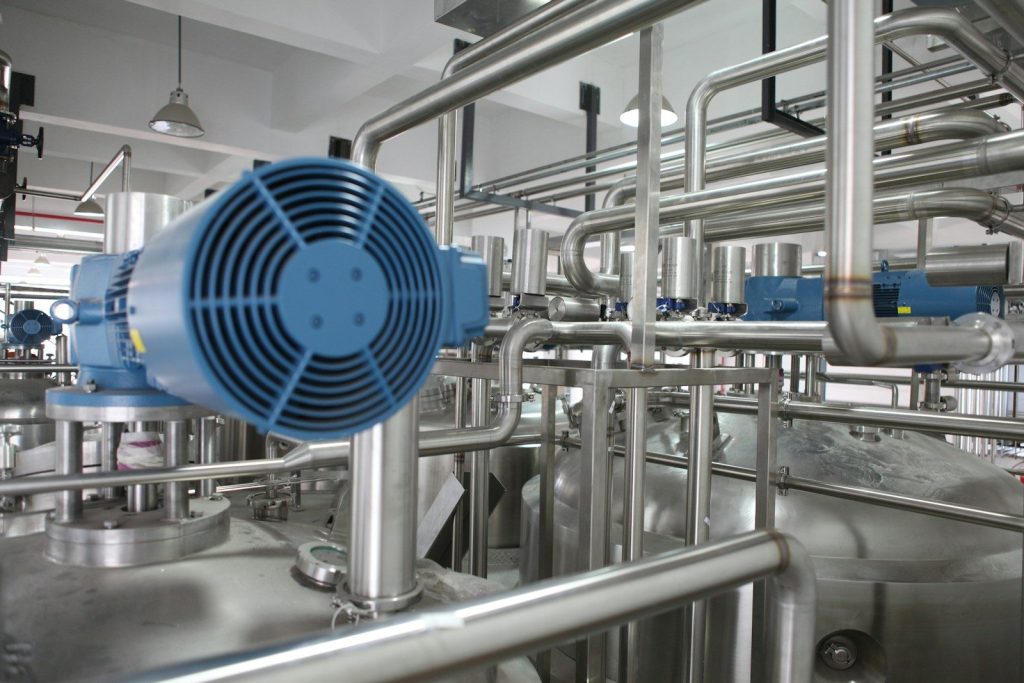
Tech corporations are under intense pressure to redesign their cooling systems to avoid wasting water. According to reports from the Department of Energy, switching to closed-loop air cooling can eliminate water waste entirely. The technology is expensive. Implementing these systems requires rebuilding older centers from the ground up. But the future of our digital world depends on making a major change.
Local Communities Revolt

Small towns are starting to pass strict new zoning laws to block data centers. According to local state records, residents are demanding clear guarantees that their water tables will remain safe. They are vocal. This intense pushback has already forced several multi-billion-dollar developments to cancel their plans. But some companies are seeking out even more radical energy alternatives.
Turning To Nuclear
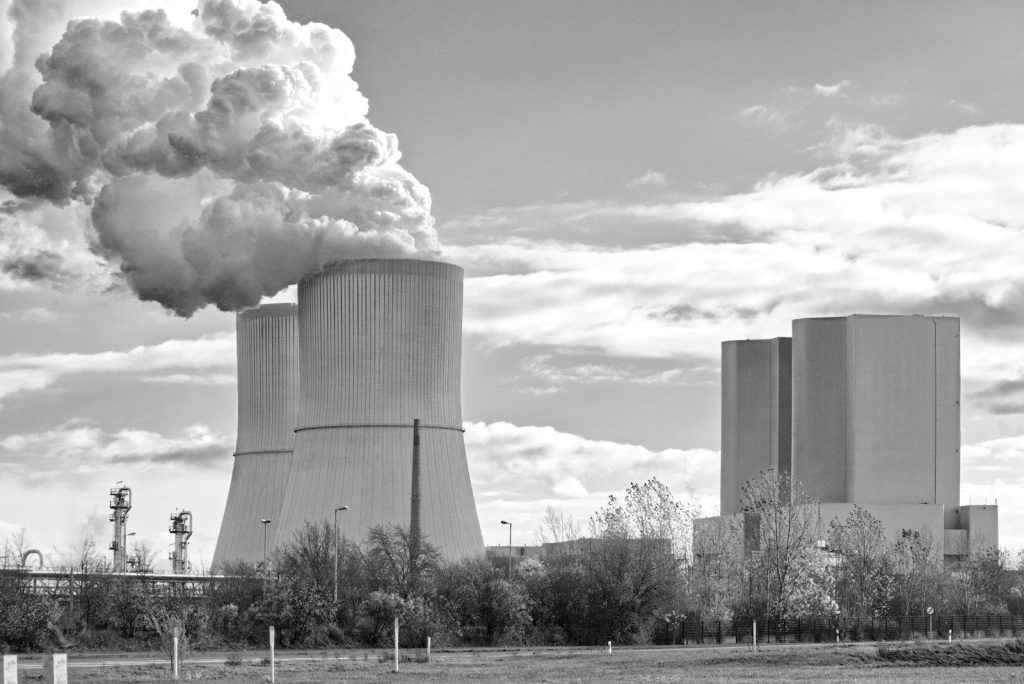
Technology giants are signing historic deals with nuclear operators to secure constant carbon-free electricity. According to energy industry reports, companies are trying to restart closed reactors to power their computing hubs. The stakes are high. This pivot highlights how desperate the industry has become for reliable base load energy. But this sudden rush for nuclear power is raising serious public safety questions.
Balancing Our Future

Finding a sustainable path forward requires a massive shift in how we build digital infrastructure. According to energy engineers, the future of technology relies on developing ultra-efficient processors and local clean power generation. Innovation is key. This article is for informational purposes only.
Featured Image: Photo by Winston Chen on Unsplash
Leave a Reply