
What if your entire house were one giant battery? Scientists have just achieved a major breakthrough in material science: cement-based batteries. By mixing concrete with carbon fibers and a special chemical coating, they have turned the world’s most common building material into an energy storage device. This means every wall, floor, and driveway could soon store electricity from solar panels. It is a total rethink of how we use the space around us.
Traditional batteries take up space and use rare metals like lithium. Cement batteries use materials that are cheap and available everywhere. While they can’t store as much energy as a Tesla Powerwall yet, the sheer volume of concrete in a building makes up for it. A single apartment building made with this material could power itself for days. But the real magic happens when you see how it can charge your car while you sleep.
The Driveway That Charges Your Car Overnight
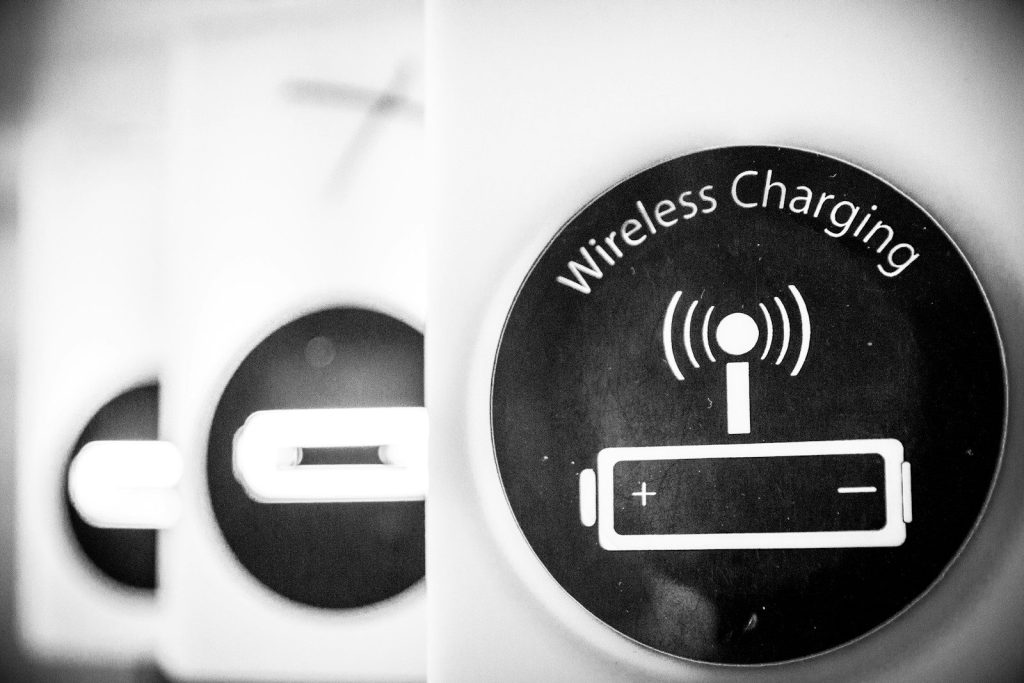
Imagine never having to plug your car in again. With “battery concrete,” your driveway could use induction to charge your vehicle wirelessly. The energy stored in the concrete during the day is slowly transferred to your car’s battery at night. It turns the road itself into a fueling station. But how do they actually make concrete hold a charge without it being dangerous?
Turning Cement into a Giant Capacitor

The secret is “nanocarbon.” Scientists add tiny, conductive carbon particles to the cement mix. These particles create a massive surface area inside the concrete, allowing it to act like a giant “supercapacitor.” It can soak up energy very quickly and release it whenever it’s needed. It is completely safe to touch and can last for decades. But wait until you see how this could save our aging power grids.
Solving the Energy Crisis with Our Skyscrapers

Our current power grids are struggling to keep up with demand. If every skyscraper acted as a battery, we wouldn’t need to build massive, ugly battery farms in the countryside. The buildings would absorb energy during the day and feed it back to the city at night. It makes the entire city more resilient to blackouts. But wait, this material can do more than just store energy; it can also sense damage.
The Wall That Tells You When It Is Breaking
Because the concrete is conductive, any crack or stress changes the electrical signal. This means the building can “feel” pain. If a bridge is about to fail or a wall is under too much pressure, the concrete will send a signal to a central computer. We could fix problems before they ever become dangerous. But the most exciting use for this tech is happening in our most remote areas.
Bringing Power to Places Without a Grid
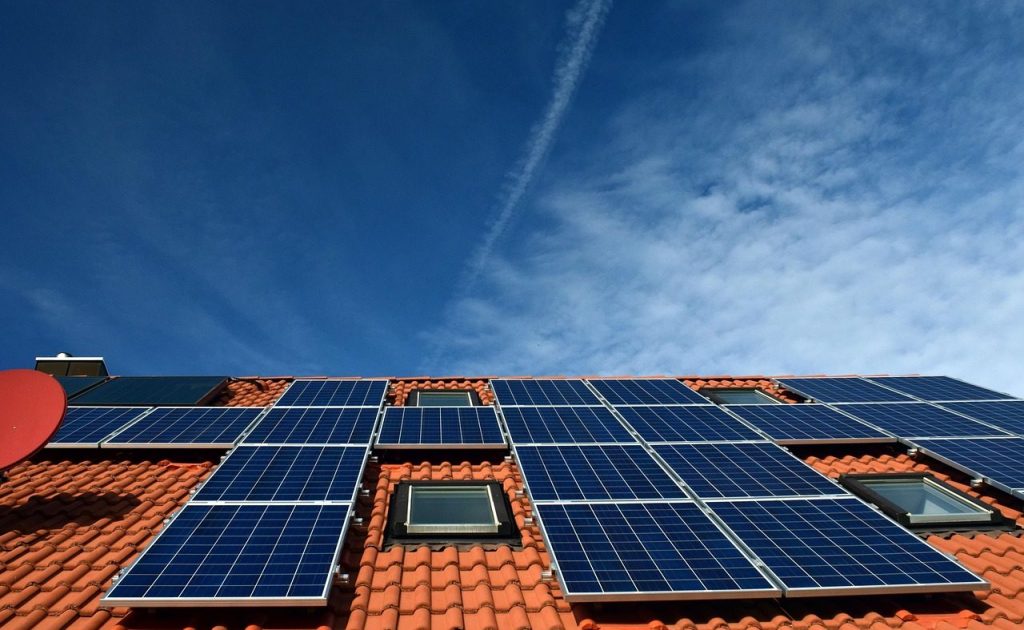
In developing countries, building a power grid is incredibly expensive. But people still need houses. If those houses are built with battery concrete and a single solar panel, they have an instant, reliable power source. It could bring light and the internet to the most remote corners of the globe for the first time. But how long until this material is at your local hardware store?
The Race to Commercialize Smart Cement
Major construction companies are already running tests on this material. They are working on making the mix easy for any builder to use. We are only a few years away from the first “battery buildings” being approved. Once it hits the market, the way we design homes will change forever. It is the ultimate merger of infrastructure and technology.
The End of the Invisible Energy Problem

We are entering an era where our physical world is also our digital world. The walls that protect us will also power our lives. It is a sustainable, clever solution to our biggest problems. The “cement battery” is just the beginning of a materials revolution. From wooden skyscrapers to underwater tunnels, we are rebuilding the world from the ground up.
Featured Image: Photo by Juan Pablo on Unsplash
Leave a Reply