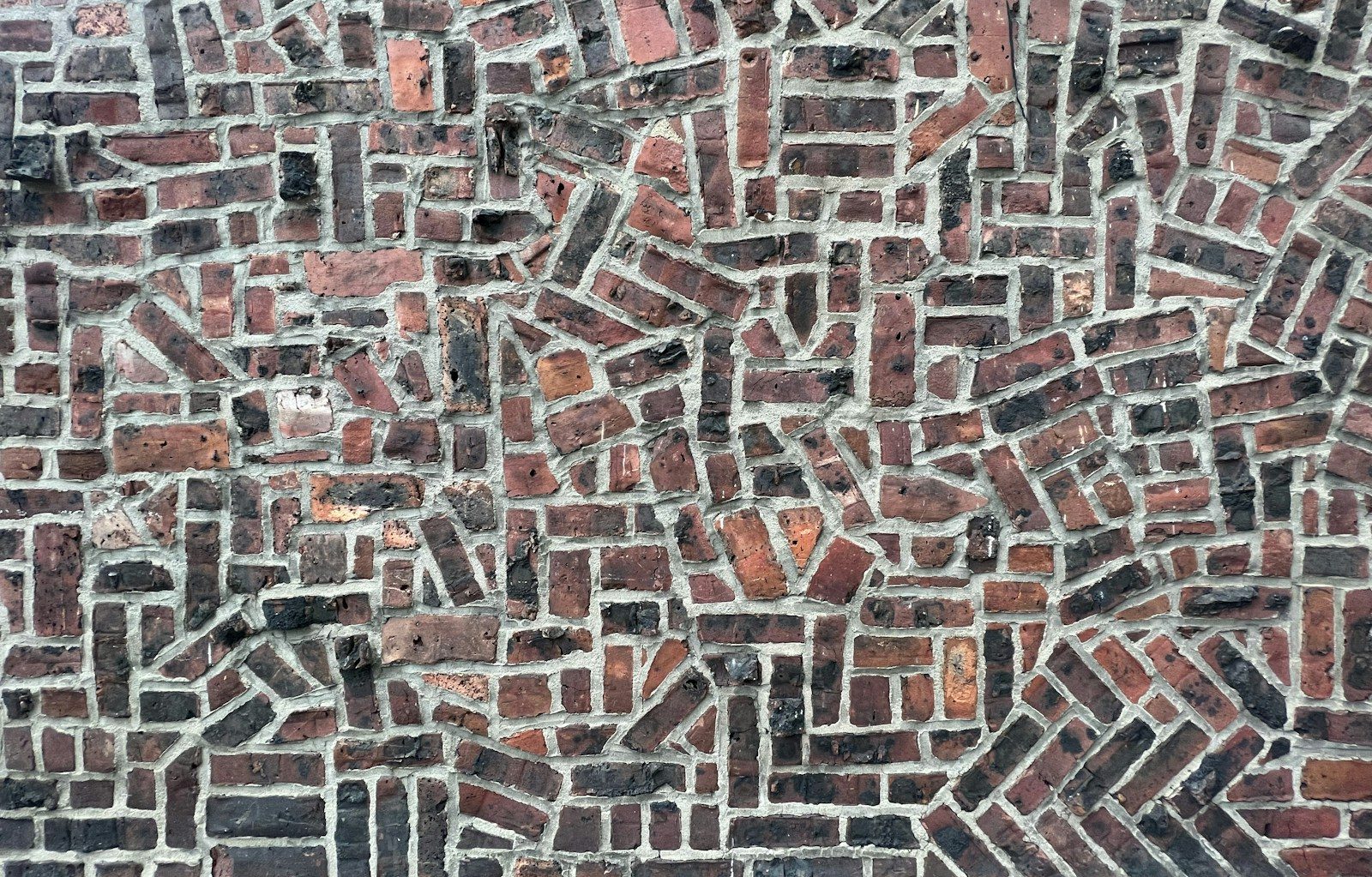
Most history lovers assume that early Egyptians worked with basic copper chisels. We believe that dynastic builders lacked any form of advanced mechanics.
But some highly unusual tool marks on ancient stones suggest a different story. These distinct patterns point to a forgotten technology from the deep past.
Clues In The Granite
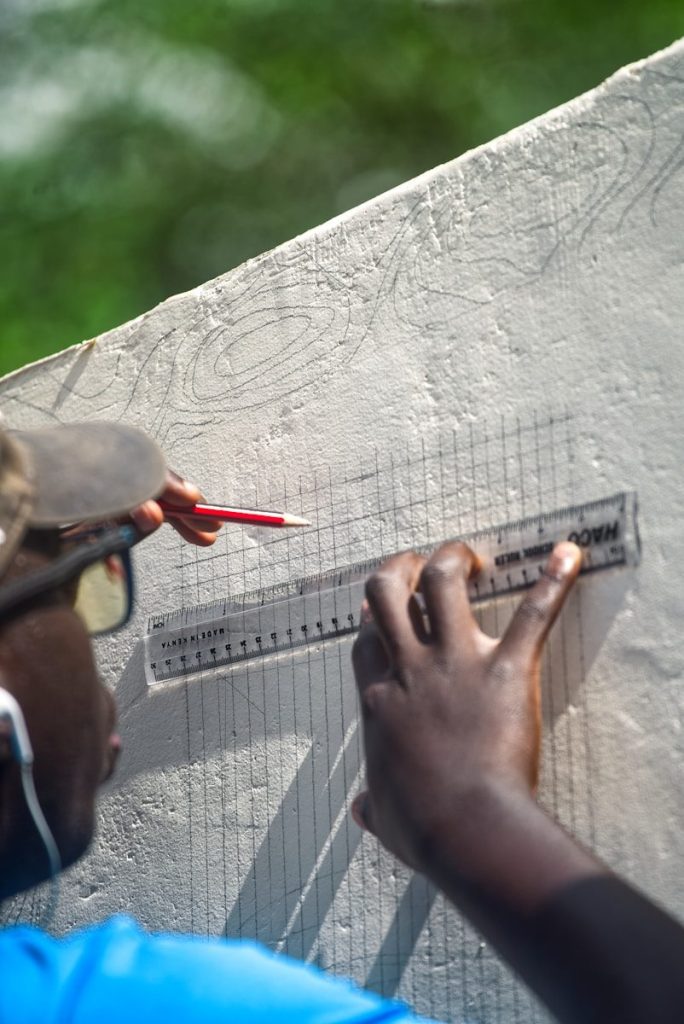
A team of structural engineers decided to study the massive stone sarcophagi located at Giza. They were looking for precise measurements. According to a study by the Giza Mapping Project, the flat surfaces of the hard granite show perfect parallel grooves that copper tools could not carve. They were incredibly flat. These precise patterns suggest a much faster cutting speed than manual scratching allows. But tracking down the actual energy source behind these grooves led to a shocking question.
Beyond Simple Chisels
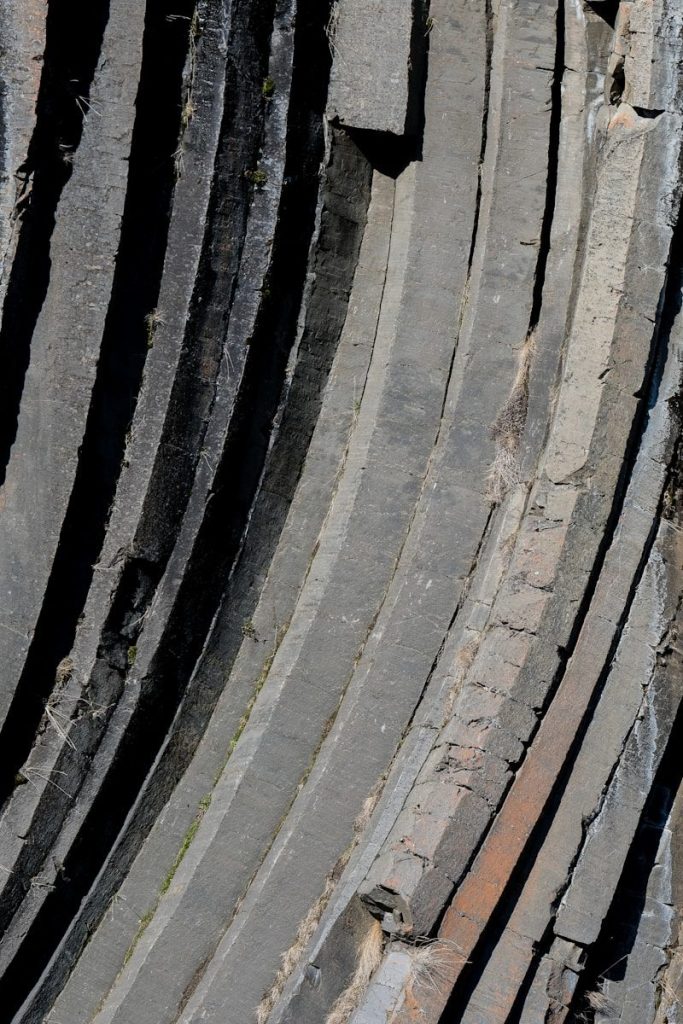
Analyzing the drill holes in the black basalt layers revealed even more anomalies. According to mechanical engineers, the spiral markings indicate that the drills were cutting through stone with immense downward pressure. The math is perfect. This drilling speed would require a highly robust rotational force that exceeds manual labor capabilities. But discovering the actual materials used to tip these ancient bits required chemical testing.
The Hardness Puzzle

Geologists tested the stone surfaces to identify what could scratch such tough materials. According to reports from the Egyptian Museum, the markings were made by a substance harder than granite itself. Diamonds are rare here. This geological puzzle suggests that ancient builders were using specialized composite materials to shape their monuments. But how these advanced concepts first developed remains the most controversial part of the story.
An Earlier Timeline

Some researchers believe that this precision stonework belongs to a much older civilization. According to classical historians, early Egyptian dynastic records reference a legendary era of ruler-gods who possessed great building knowledge. The records were dismissed. Modern discoveries suggest that these myths might actually contain a real memory of earlier engineering. But sifting through these ancient legends requires looking at the physical evidence left in the sand.
Secrets Of Saqqara
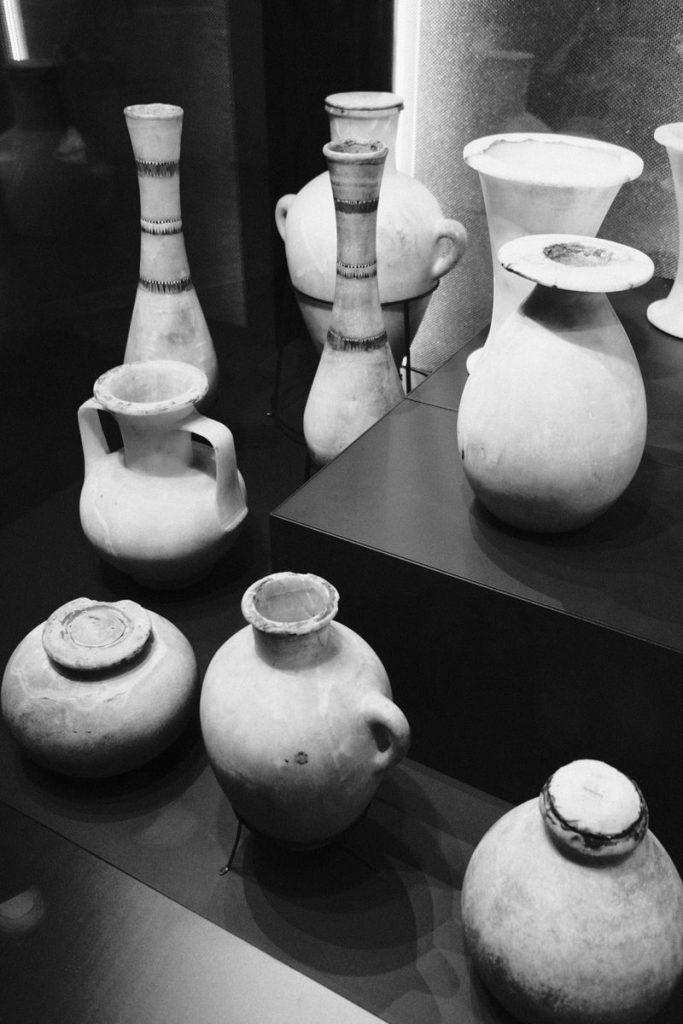
Excavating the subterranean chambers of the oldest pyramids revealed a massive cache of polished stone vessels. According to archaeological micro-wear studies, these delicate bowls were turned on advanced lathed platforms with extreme precision. The design was beautiful. The perfectly balanced walls of the bowls prove that the artisans possessed an elite mastery of rotational physics. But explaining how this rotational machinery worked is still baffling modern engineers.
Forgotten Mechanical Knowledge

Skeptics argue that highly patient craftsmen could achieve this precision over several generations. According to structural analysts, manual polishing struggles to explain the perfect symmetry of the heavy granite vessels. The work is flawless. This structural perfection hints at a lost mechanical legacy that did not survive the collapse of the early kingdoms. But the ultimate legacy of these stones is still being debated in major academic circles.
Rethinking Sacred Roots

The beautiful granite vessels prove that early engineering was far more complex than textbooks show. According to researchers, studying these silent stones helps us appreciate the true scale of prehistoric technology. Nature always surprises us. This article is for informational purposes only and does not constitute professional historical advice.
Featured Image: Photo by Abbe Sublett on Unsplash
Leave a Reply