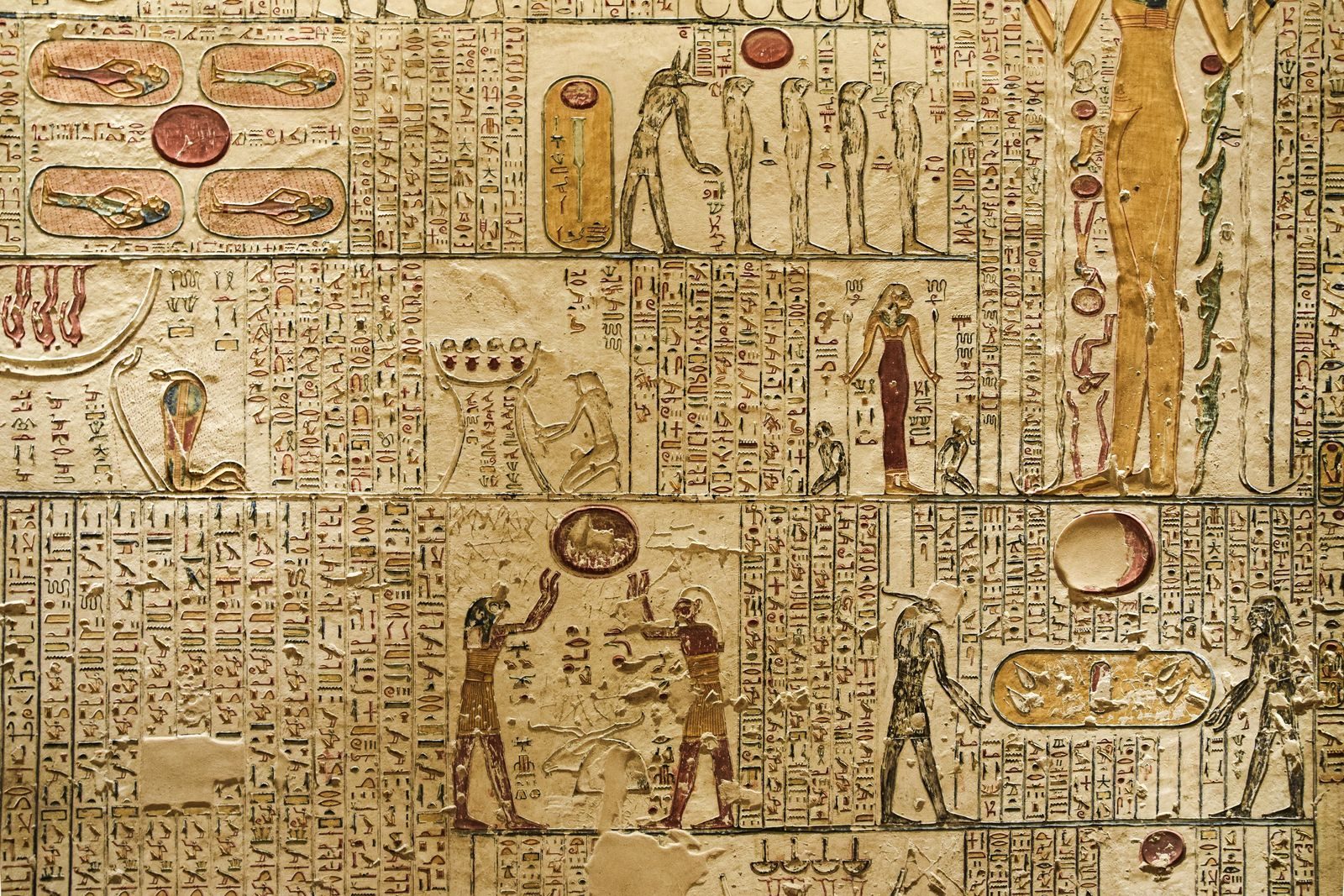
Historians have assumed that some lost ancient languages will remain forever silent. We believe that broken clay tablets and charred scrolls are simply too damaged for human minds to read.
But advanced artificial intelligence is now resurrecting these dead voices from the ashes. Machine learning models are decoding highly complex ancient scripts that defeated scholars for centuries.
Reading Charred History
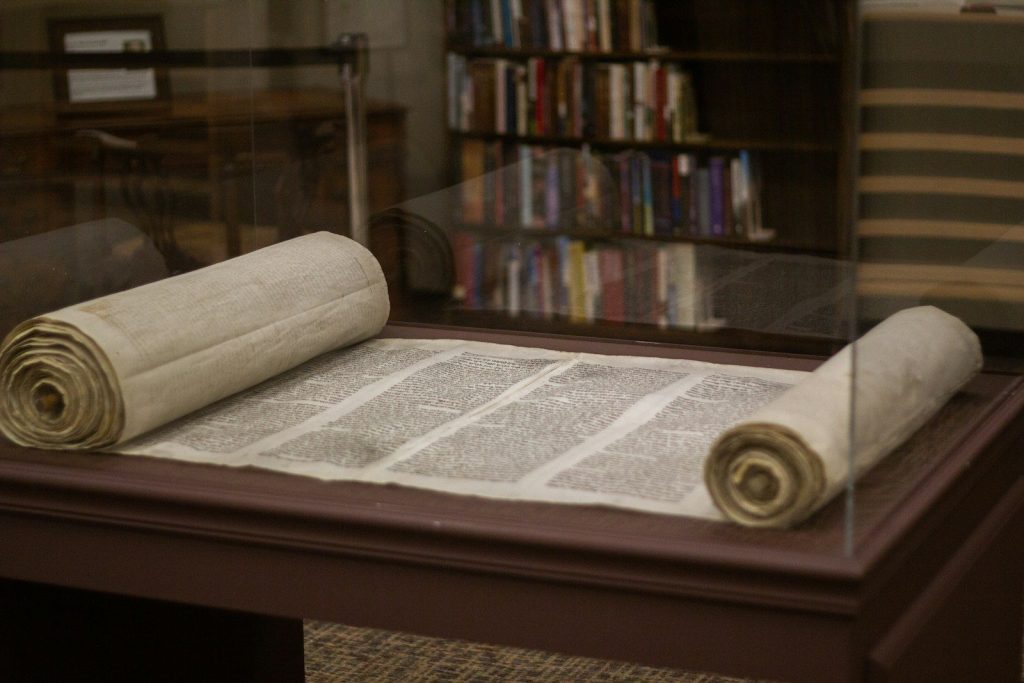
A massive volcanic eruption nearly two thousand years ago carbonized thousands of ancient philosophical scrolls. According to archaeological reports, these fragile papyri crumble into dust if researchers try to unroll them. They are extremely delicate. Traditional attempts to read the text were deemed entirely impossible. But a team of computer scientists applied a radical new digital method.
Digital X-Ray Vision
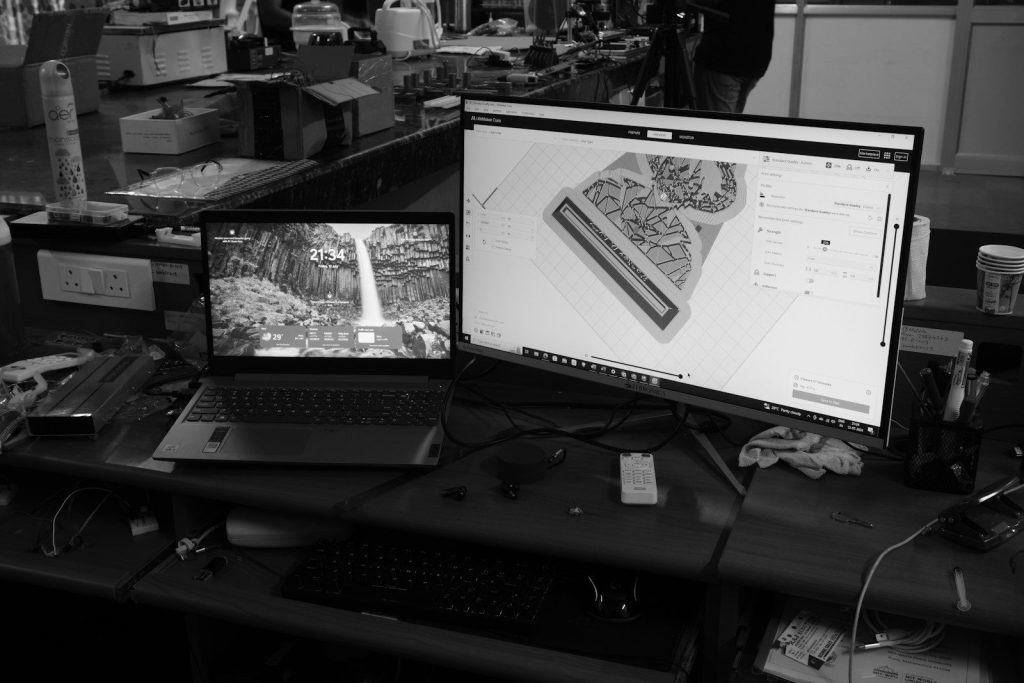
Researchers used high-resolution particle accelerators to scan the rolled scrolls without touching them. According to scientific papers, these advanced scans produced detailed 3D models of the inner layers of the papyrus. The images were messy. Human eyes could not distinguish the ancient ink from the burnt wood. But a specialized neural network was designed to spot the hidden patterns.
Training The Algorithm
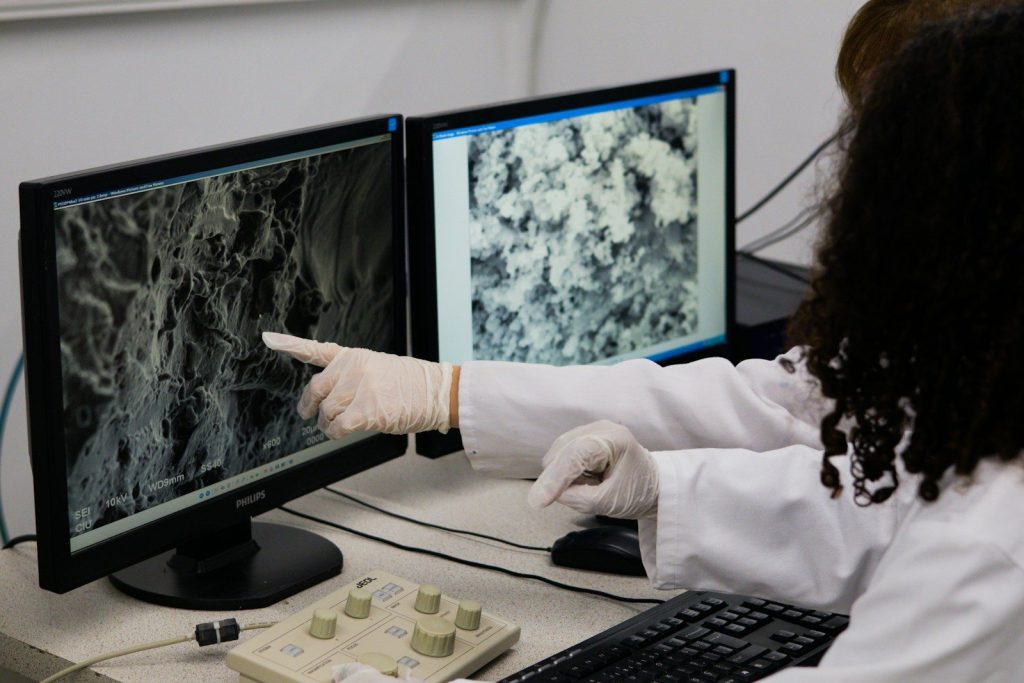
Computer scientists trained machine learning models to detect microscopic changes in the surface texture of the scanned papyrus. According to tech researchers, the algorithm learned to recognize where ink had altered the fibers of the paper. This was a miracle. The AI successfully highlighted individual letters that were invisible to the naked eye. But the first translated words would shock the team.
A Lost Philosophy

The newly recovered text revealed an ancient philosophical treatise that had been lost for millennia. According to classical scholars, the scroll contained thoughts on pleasure and music written by an Epicurean thinker. The history was real. This breakthrough proved that technology can read sealed documents with absolute precision. But this machine learning tool is being applied to other mysteries, too.
Deciphering Broken Clay
Thousands of ancient clay tablets from Mesopotamia remain untranslated because of a severe shortage of expert scholars. According to museum archives, AI translators can now process cuneiform text in a matter of seconds. The speed is unbelievable. This automated translation allows historians to study the daily lives of regular citizens from five thousand years ago. But some scholars remain cautious about this tech.
The Human Factor

While algorithms are incredibly fast, they still lack a deep understanding of historical context. According to linguistic experts, machine translation can sometimes miss subtle jokes or cultural idioms in ancient scripts. Computers lack true empathy. Human historians must still review the output to ensure the translations make complete sense. But the speed of modern discovery is about to skyrocket.
Resurrecting Lost Voices
We are entering an era where ancient secrets will finally be brought to light. According to technologists, artificial intelligence is the ultimate bridge to our forgotten past. The lost library is open. This article is for informational purposes only.
Featured Image: Photo by Google DeepMind on Pexels
Leave a Reply