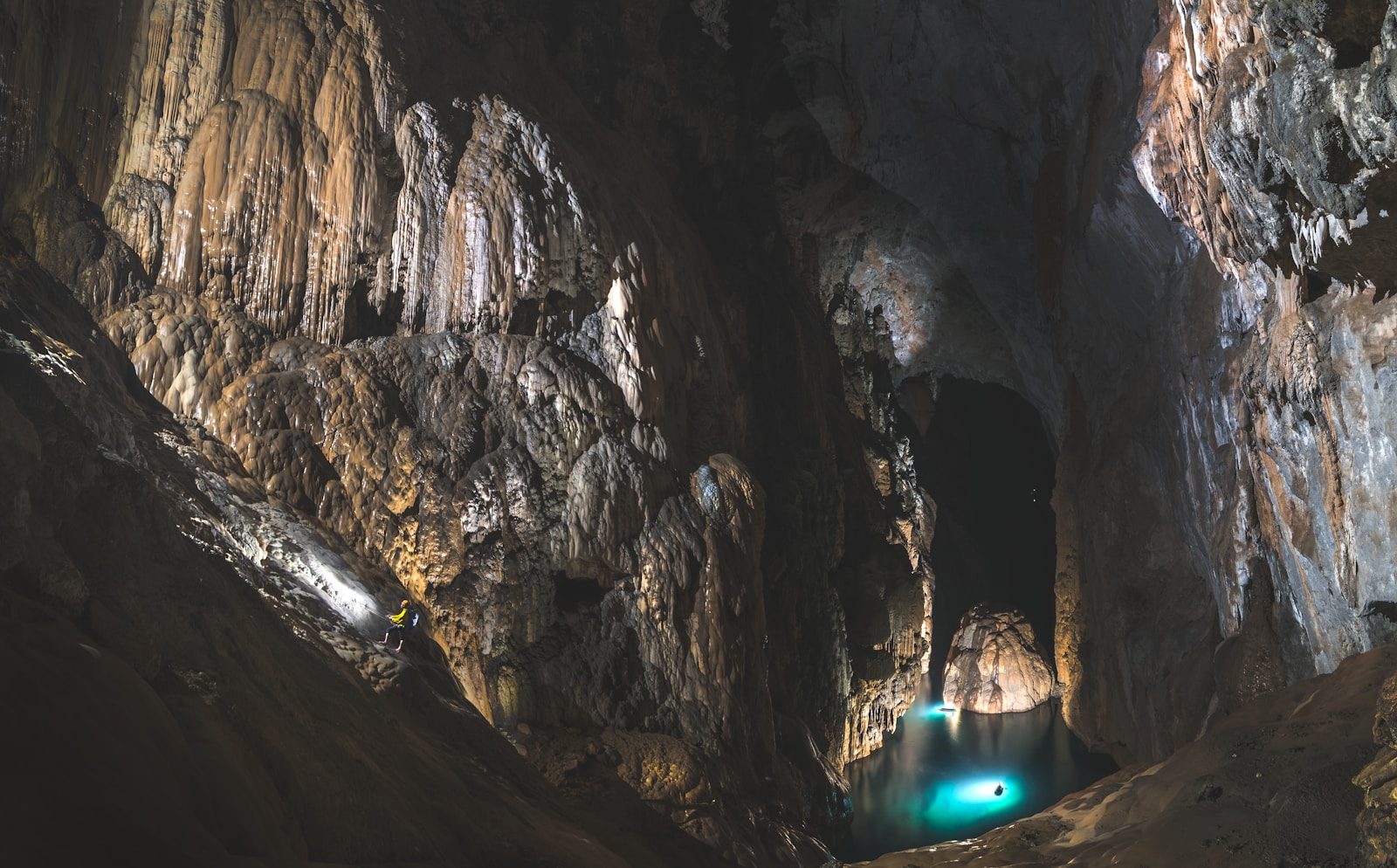
Most people believe that the earth beneath our feet is entirely solid rock. We assume that massive bodies of water exist only on the surface of our planet.
But an accidental discovery in Tennessee has revealed a mind-bending underground world. A massive hidden sea lies untouched in the dark depths of a giant cave.
The Small Muddy Crawl
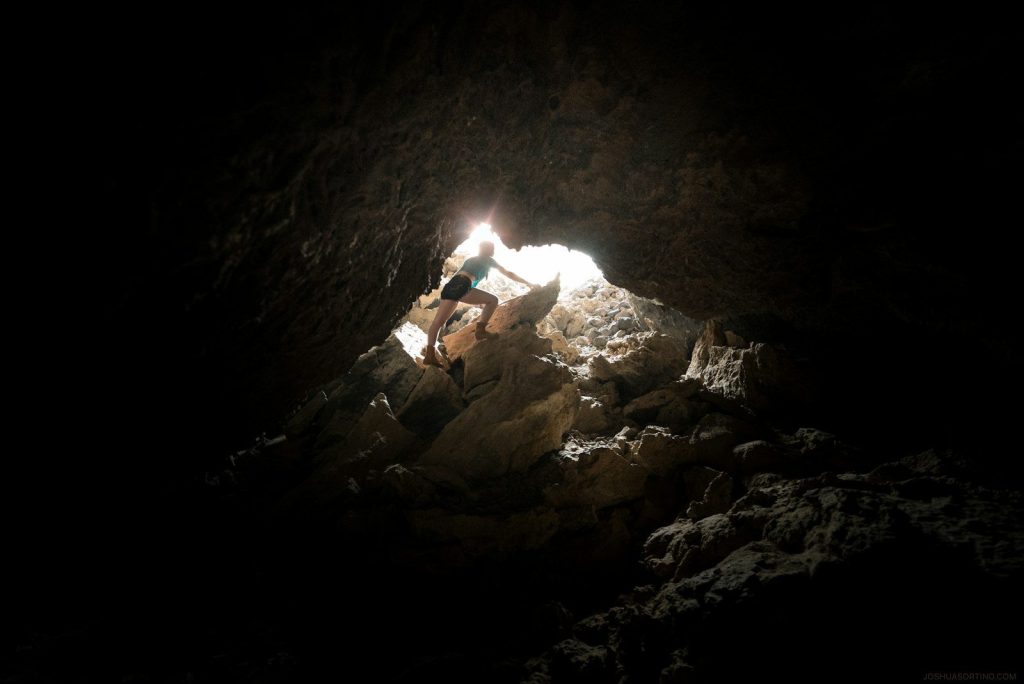
A young explorer made the discovery of a lifetime in 1905. According to historical cave records, thirteen-year-old Ben Sands wiggled through a tight opening no larger than a bicycle tire. The space was tiny. He crawled forty feet in total darkness before dropping down into knee-deep water. But his small lantern was not strong enough to reveal what lay ahead.
Thrown Into The Dark
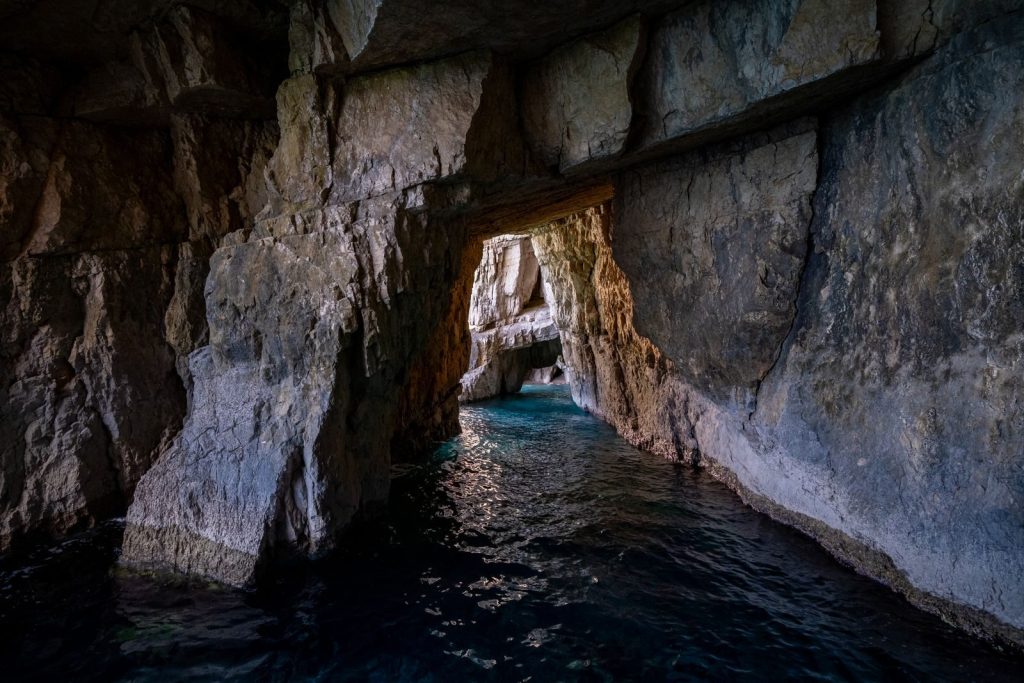
He stood on the edge of a massive body of water. According to local historical archives, he began throwing mudballs in all directions to test the size of the room. He heard only splashes. The cavern was so immense that the absolute darkness swallowed his light before it could hit any walls. But this giant underground lake would remain hidden from the public for decades.
Mapping The Lost Sea
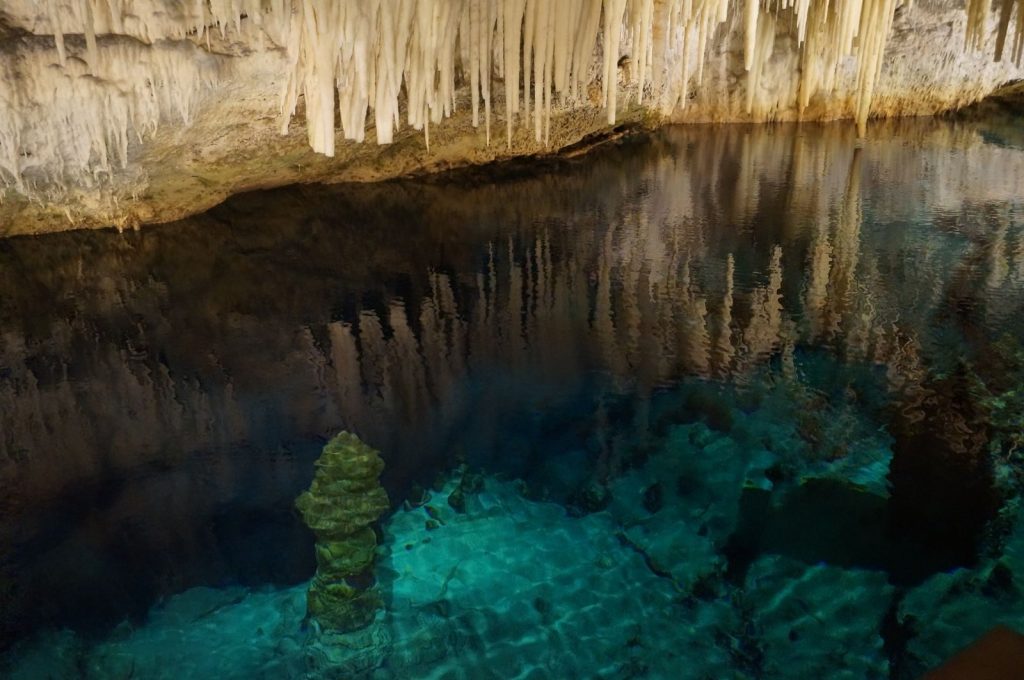
Scientists eventually arrived to chart the mysterious body of water. According to geological measurements, the visible portion of the lake is over eight hundred feet long. The scale is stunning. This massive pool is now recognized as the largest non-subglacial underground lake in North America. Yet the visible surface only represents a small fraction of what is actually hiding in the deep.
The Bottomless Underwater Chambers
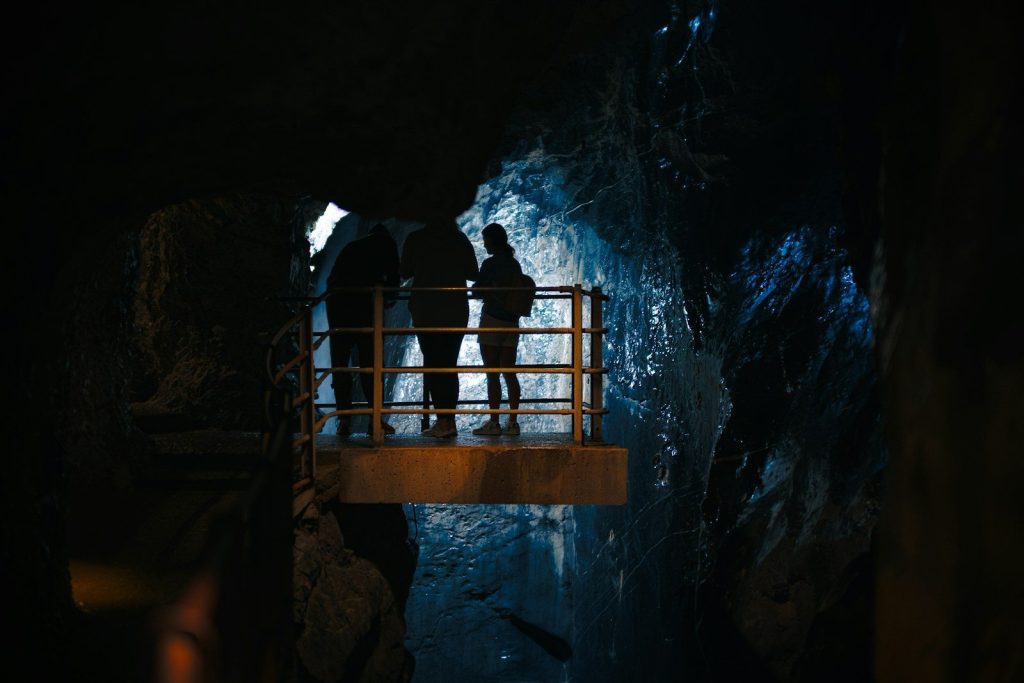
Divers descended into the black waters to find the bottom. According to search expedition files, divers mapped over thirteen acres of submerged tunnels without ever finding the end. The pressure was intense. They encountered completely flooded chambers that descended to extreme depths where sonar signals failed to bounce back. But the deep water held more than just geological mysteries.
Prehistoric Beasts In The Dark
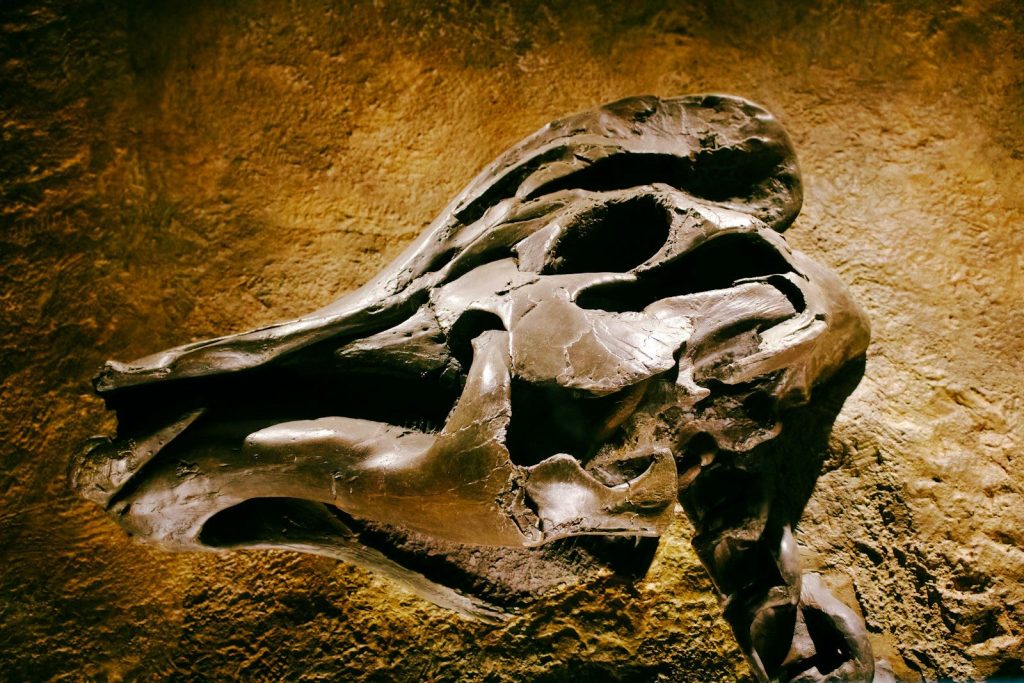
The caverns surrounding the lake held evidence of a very different era. According to paleontologists from the American Museum of Natural History, explorers discovered the fossilized bones of a massive Pleistocene jaguar. The find was incredible. This prehistoric predator wandered into the deep cave twenty thousand years ago and became permanently lost. But the modern lake contains its own highly unusual residents.
The Blind Cave Dwellers
A small population of rainbow trout lives in the underground waters. According to local naturalists, these fish have adapted to the constant darkness of the cave in striking ways. They are completely blind. Lacking exposure to natural sunlight, the creatures have slowly lost their eyesight and their bright color pigments. But these strange adaptations are just a small part of a highly fragile ecosystem.
Preserving The Lost Sea
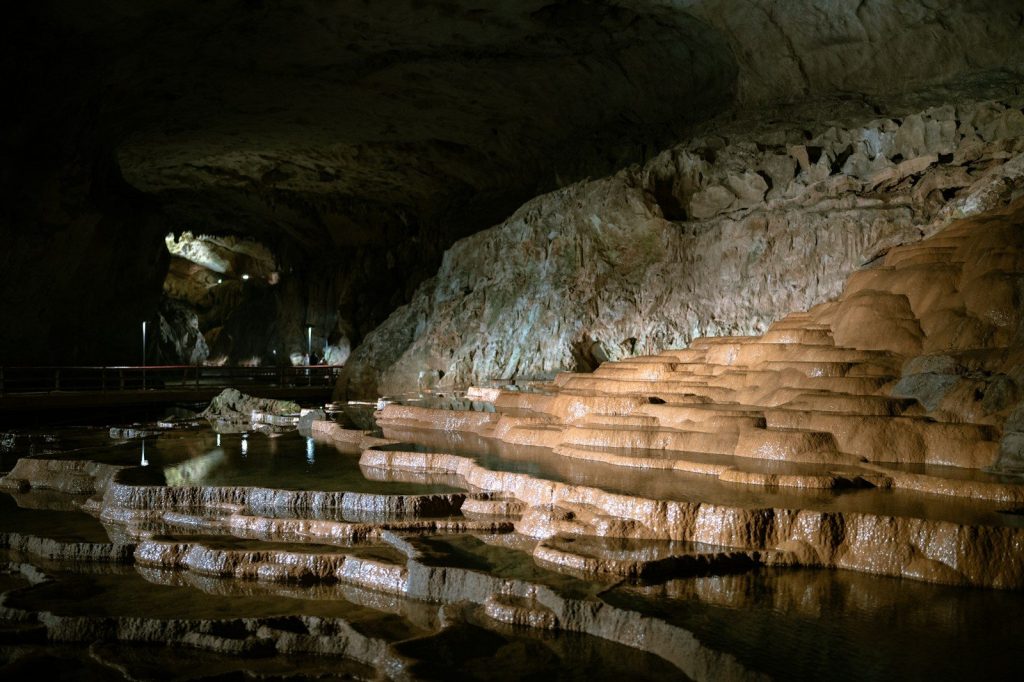
This subterranean wonder remains a key focus for geologic research and environmental protection. According to National Landmark records, protecting these delicate cave networks preserves natural history. Exploration is still ongoing. This article is for informational purposes only.
Featured Image: Photo by Andrew Svk on Unsplash
Leave a Reply