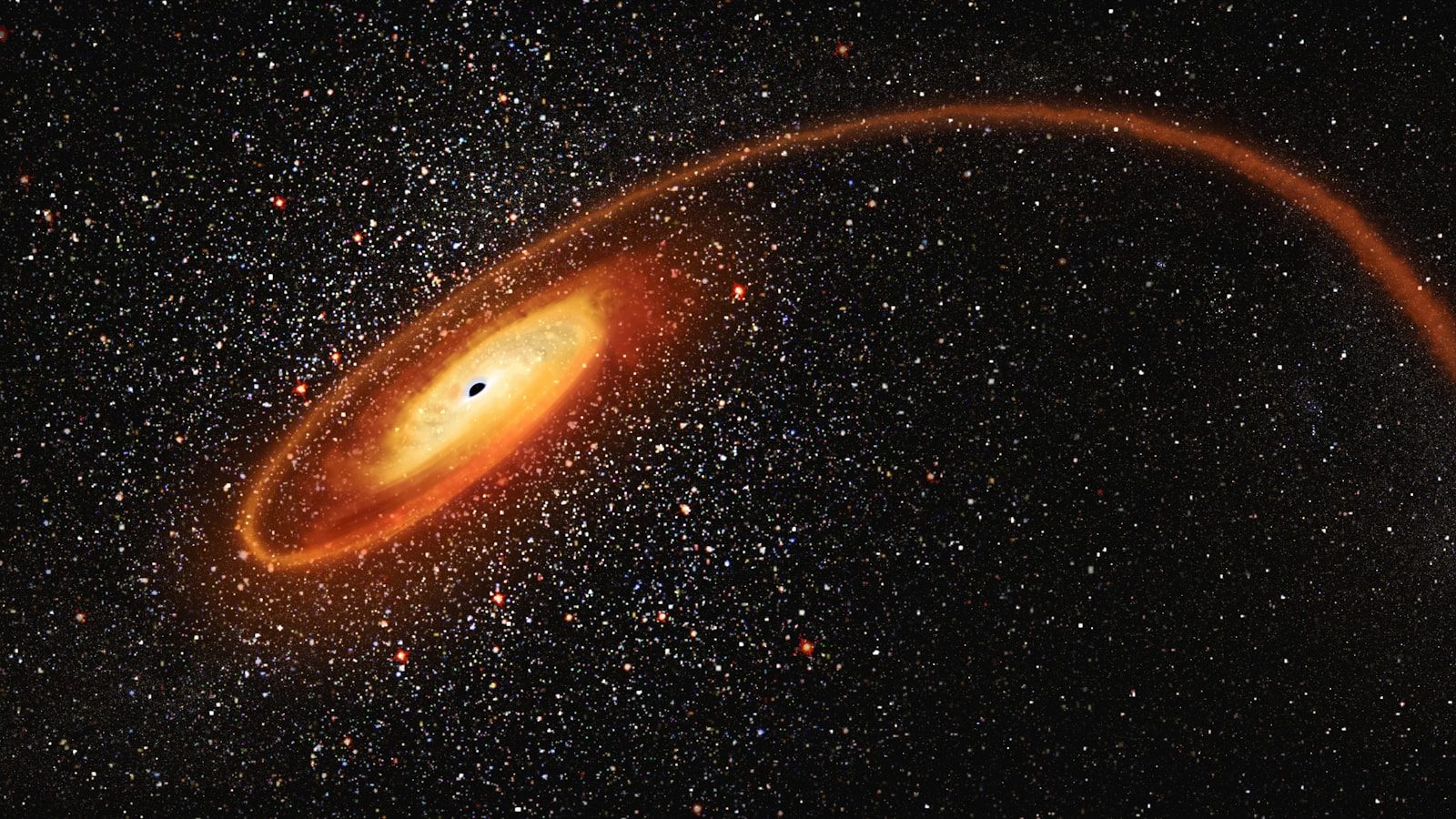
In 2017, a bizarre object named Oumuamua raced through our solar system. It was the first confirmed visitor from deep interstellar space.
By the time astronomers spotted it, the object was already moving too fast to chase. Scientists are now preparing a daring space mission to intercept the next cosmic traveler.
A cosmic needle in a haystack
Interstellar objects enter our solar system at extreme speeds. They originate from distant star systems and travel for millions of years. This makes them incredibly difficult to spot early. According to the European Space Agency, our current telescopes usually see them only as they leave. But scientists have developed a new strategy.
The Interceptor is waiting in space
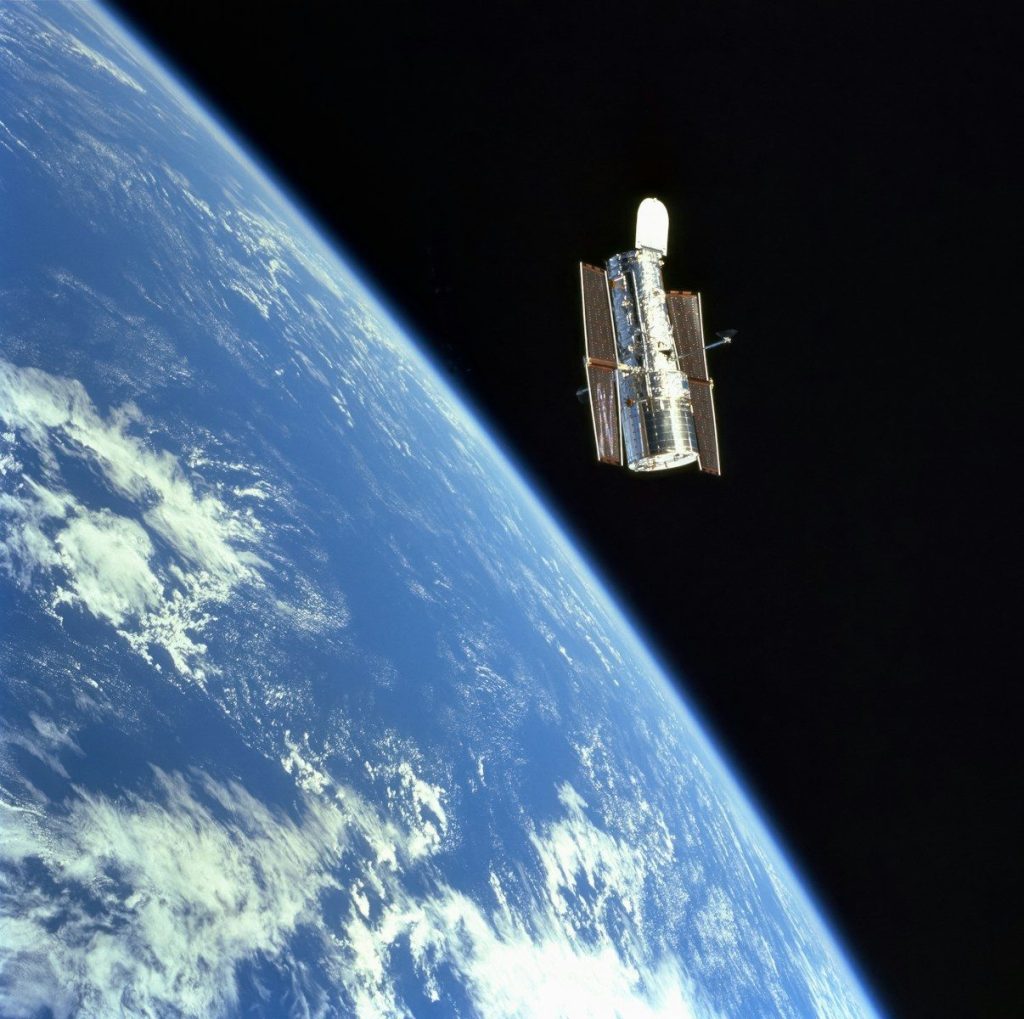
The European Space Agency plans to launch a mission called Comet Interceptor in 2029. The spacecraft will not head toward a specific target. Instead, it will park at a stable point. It will wait there patiently. Then, the clever trap will spring.
Chasing a ghost at highway speeds
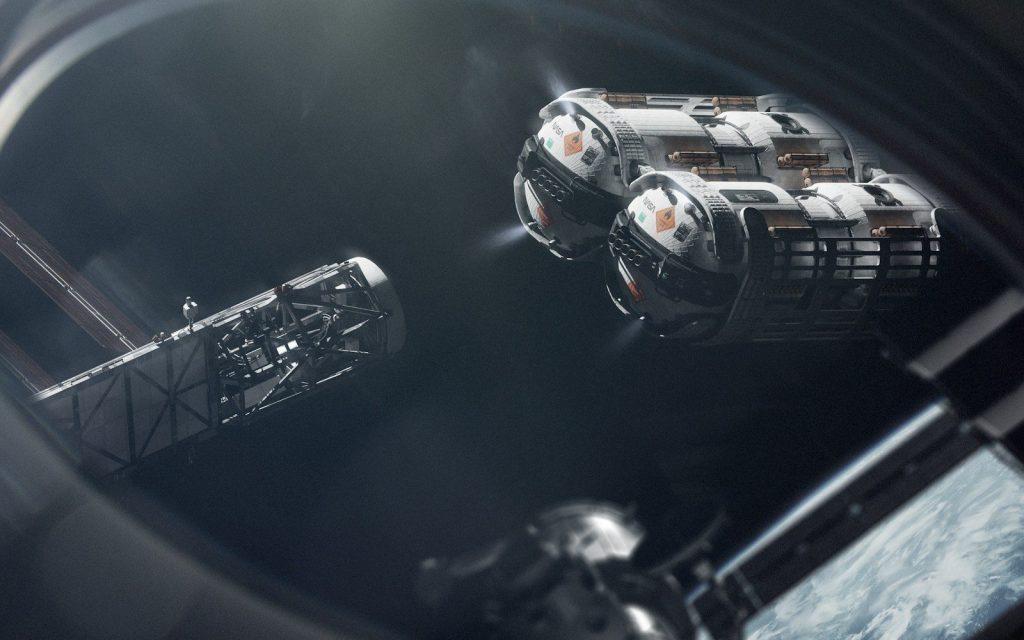
When astronomers spot a new interstellar visitor, the waiting probe will fire its engines. It must intercept the target before it escapes. This requires extreme speed. It will split into three tiny cameras. The small ships will capture photos from multiple directions. The images could reveal ancient cosmic secrets.
Are these objects natural or artificial?
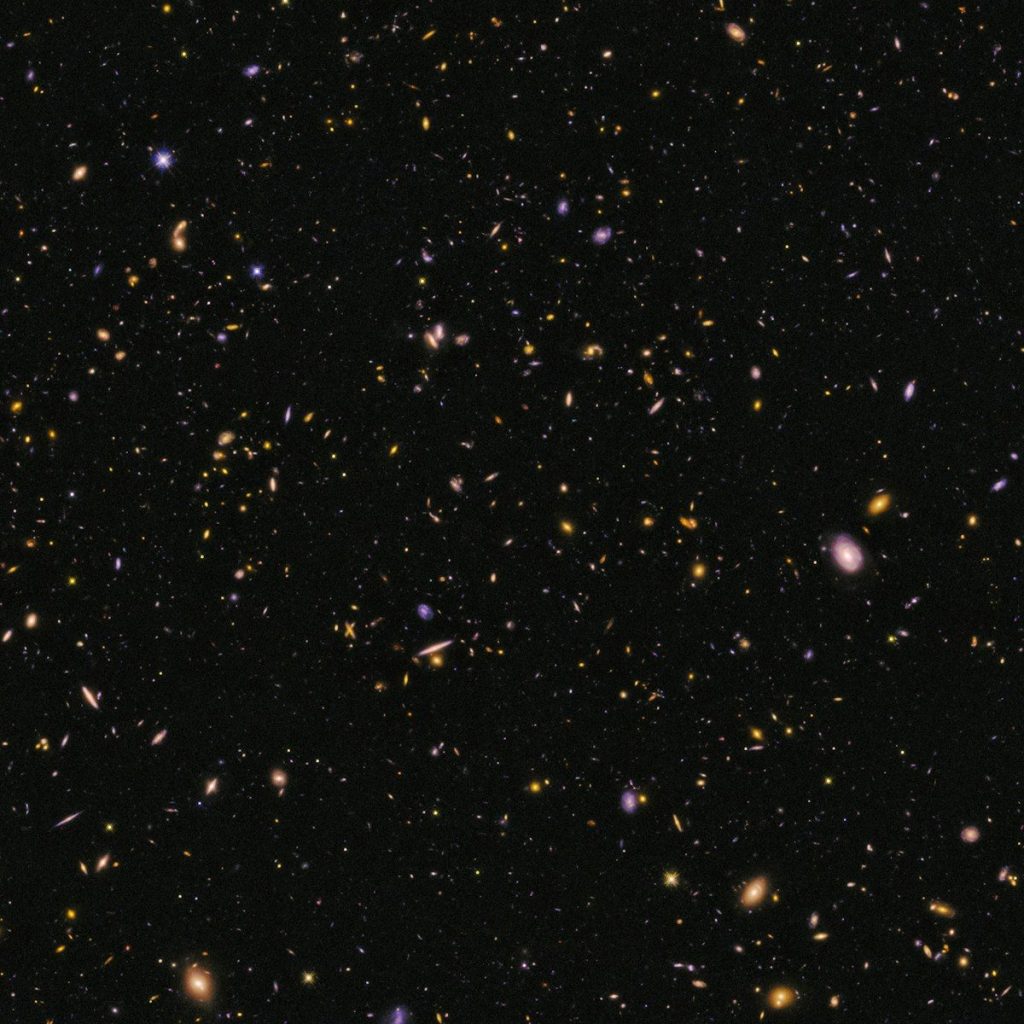
Astronomers debate the nature of interstellar visitors. Some researchers, including Dr. Avi Loeb at Harvard, suggested Oumuamua had unnatural characteristics. Its strange shape and unexpected acceleration puzzled experts. A close-up mission is the only way to prove if these travelers are space rocks or ancient alien technology. A successful mission would change astronomy forever.
The extreme engineering challenge
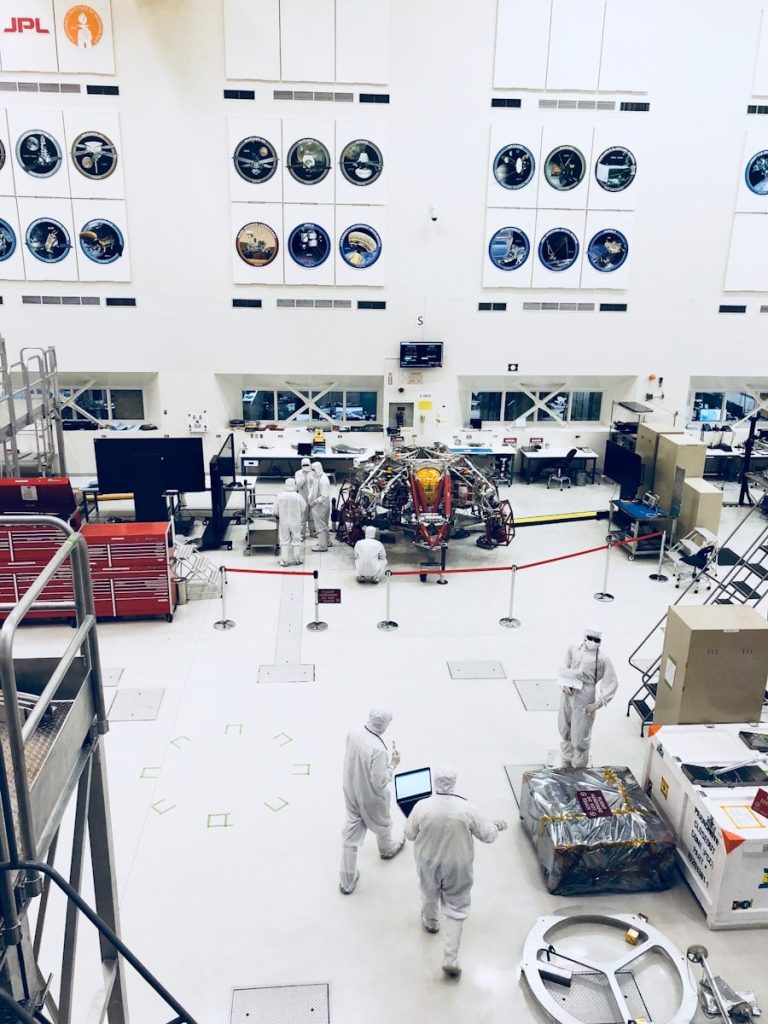
Building a spacecraft to wait in deep space for years is extremely difficult. The electronics must survive extreme radiation. Also, the engines must fire flawlessly after years of inactivity. Engineers are designing advanced autonomous systems to guide the craft when communication delays are too high. The launch date is approaching fast.
A global hunt for targets
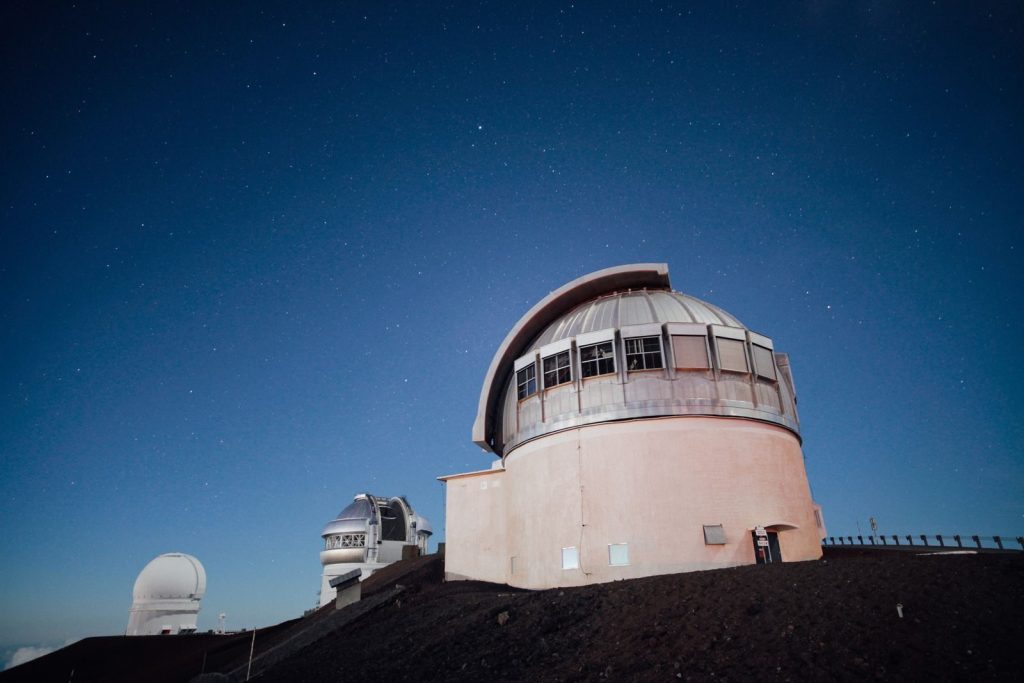
Observatories are upgrading ground telescopes to find incoming visitors earlier. Chile will host the new Vera C. Rubin Observatory. This high-tech facility will scan the entire sky every few nights. Scientists estimate it will find multiple interstellar objects. The massive installation will serve as our early warning system.
Touching another star system
Catching an interstellar visitor would give us our first physical data from another star system. We would analyze materials created light-years away without leaving our cosmic backyard. It is our best chance to answer whether other stars host the same building blocks of life as our Sun.
Featured Image: Photo by NASA Hubble Space Telescope on Unsplash
Leave a Reply