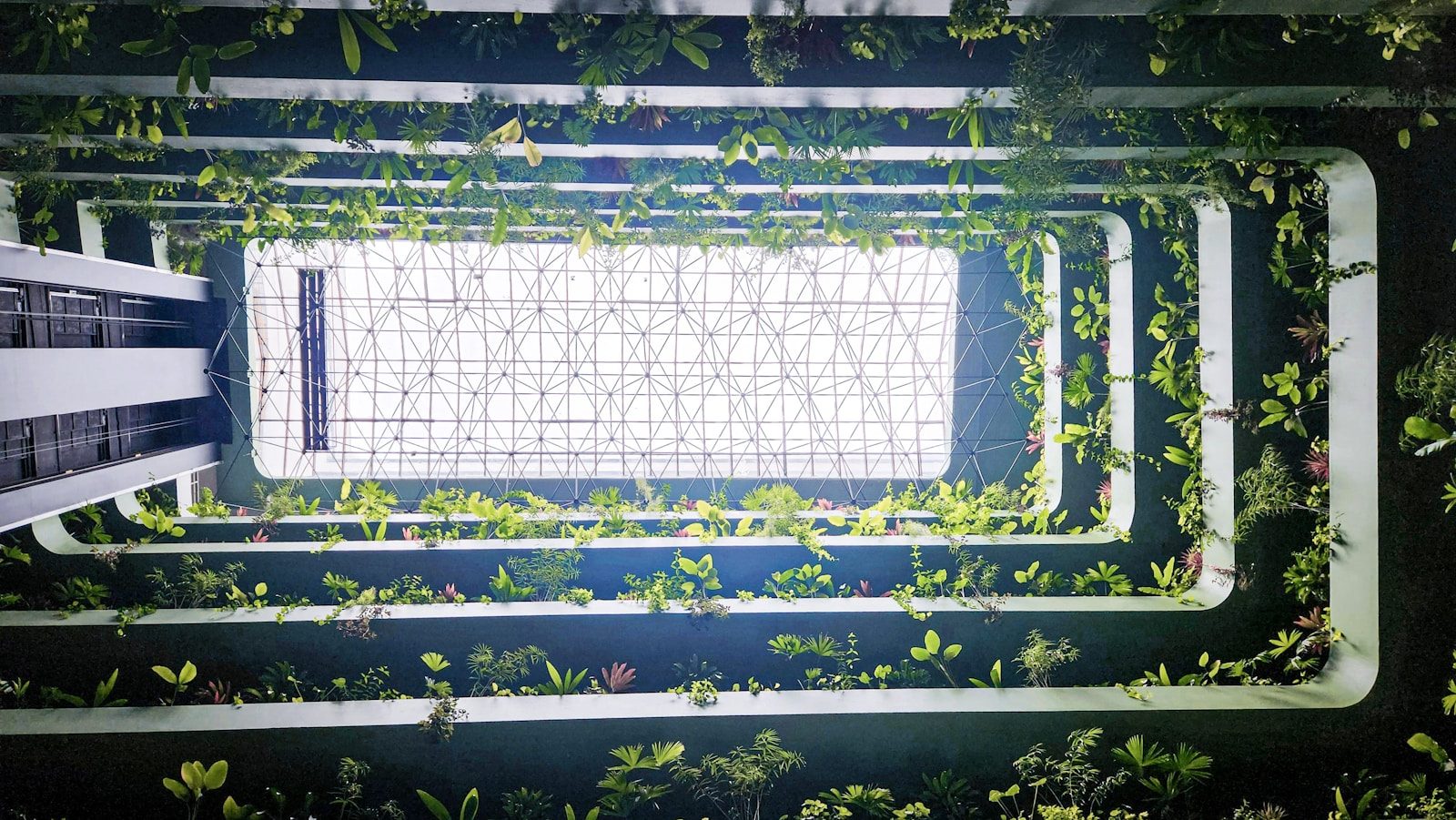
Our cities have always been consumers of food, never producers. We ship vegetables thousands of miles in trucks, burning fuel and losing nutrients along the way. But in 2026, the very buildings we live in have started to feed us. A new architectural movement called “Agro-Urbanism” is turning skyscrapers into giant vertical farms.
These buildings are designed with “living walls” that grow fresh produce for the residents inside. This isn’t just a few potted plants; it is a massive, automated system that provides a significant portion of a city’s diet. We are moving toward a world where your salad is grown five floors above your apartment. But how does a building become a farm?
The Skyscrapers That Function Like Trees
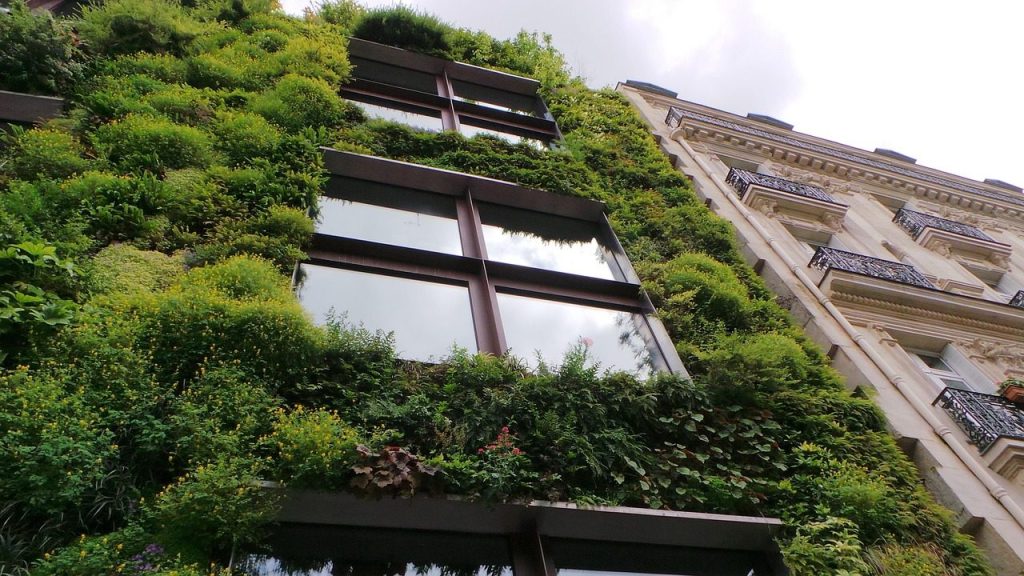
These new buildings are designed to harvest sunlight and water just like a natural plant. They feature “sun-tracking” glass that directs light to the growing areas inside. Specialized pipes collect rainwater from the roof and distribute it through the building’s “veins” to the crops.
The building is a self-contained ecosystem that minimizes waste and maximizes growth. It is a masterpiece of biomimicry that makes the city feel like a forest. For the first time, our urban centers are helping the planet instead of hurting it. But how do you grow food without any soil?
The Magic of Hydroponic Walls
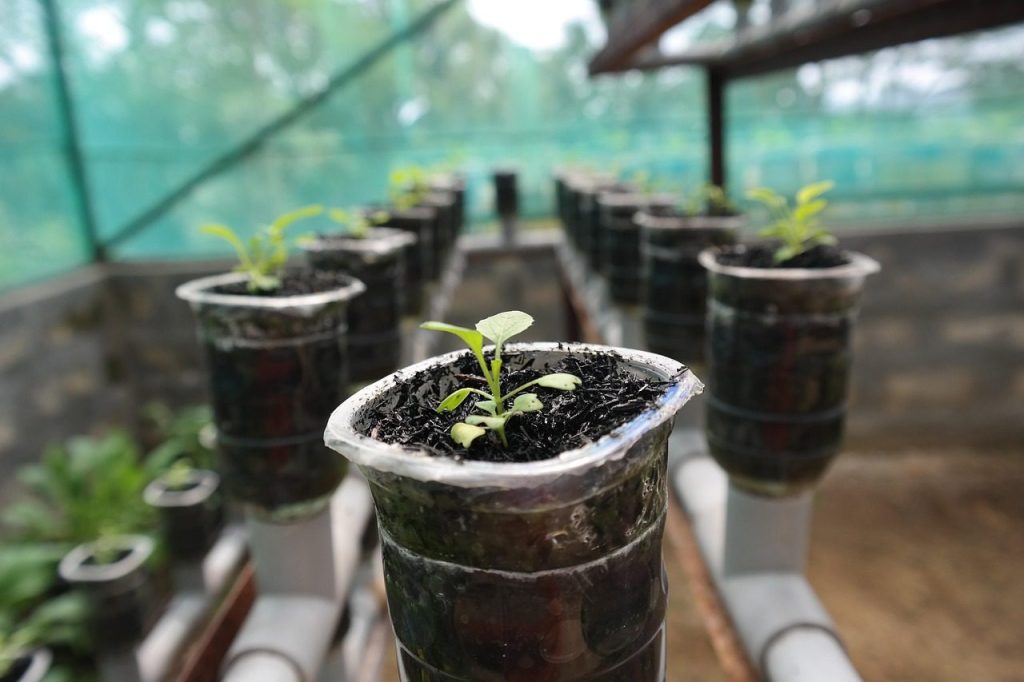
Instead of heavy dirt, these vertical farms use “Aeroponics” and “Hydroponics.” The roots of the plants hang in the air and are sprayed with a nutrient-rich mist. This allows the plants to grow 50 percent faster while using 90 percent less water than traditional farming.
Because the environment is controlled, there are no pests, which means zero pesticides. The food is cleaner and healthier than anything you can buy at a traditional store. It is the ultimate “smart” garden for the modern world. But who is actually doing the farming?
Robotic Harvesters in the Hallways
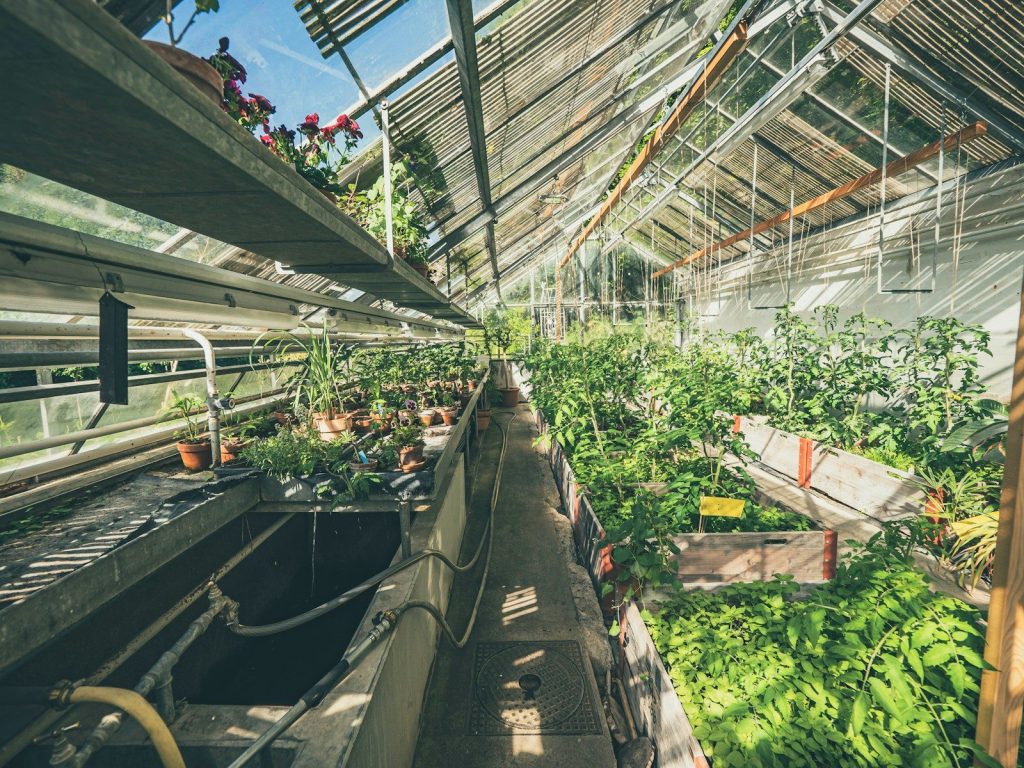
You won’t see farmers with tractors in these buildings. Instead, tiny “Agro-Bots” move along tracks built into the walls. They monitor the health of every single plant and harvest them at the exact moment they are ripe.
The food is then delivered to a centralized “market” in the building’s lobby. Residents can pick up fresh berries and greens on their way home from work. It is a level of convenience and freshness that was never possible before. But is this architecture affordable for everyone?
Social Housing That Comes with Free Food

Many of these new “Agro-Skyscrapers” are being built as part of public housing projects. By integrating food production into the building, governments are lowering the cost of living for thousands of families.
It is a revolutionary way to fight hunger and urban poverty. A family living in these buildings doesn’t have to worry about the rising price of groceries. They have a reliable source of nutrition right at their doorstep. It is architecture with a heart. But what happens to the air inside these buildings?
The Cleanest Air in the World
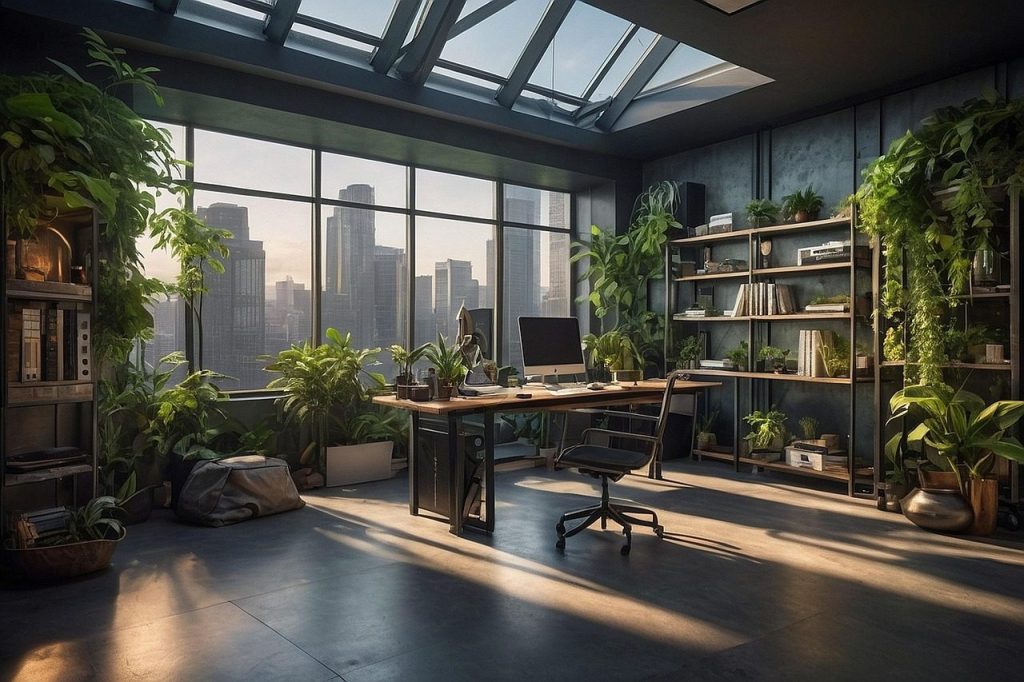
Because these buildings are filled with millions of plants, the air quality is incredible. The plants act as a natural filter, sucking up CO2 and pumping out fresh oxygen. Walking through the lobby feels like walking through a rainforest.
Residents report feeling happier, more focused, and less stressed. The “Agro-Urban” movement is a win for both the body and the mind. We are finally building cities that help us breathe. But how much energy does it take to run a farm in a building?
A Zero-Carbon Urban Future
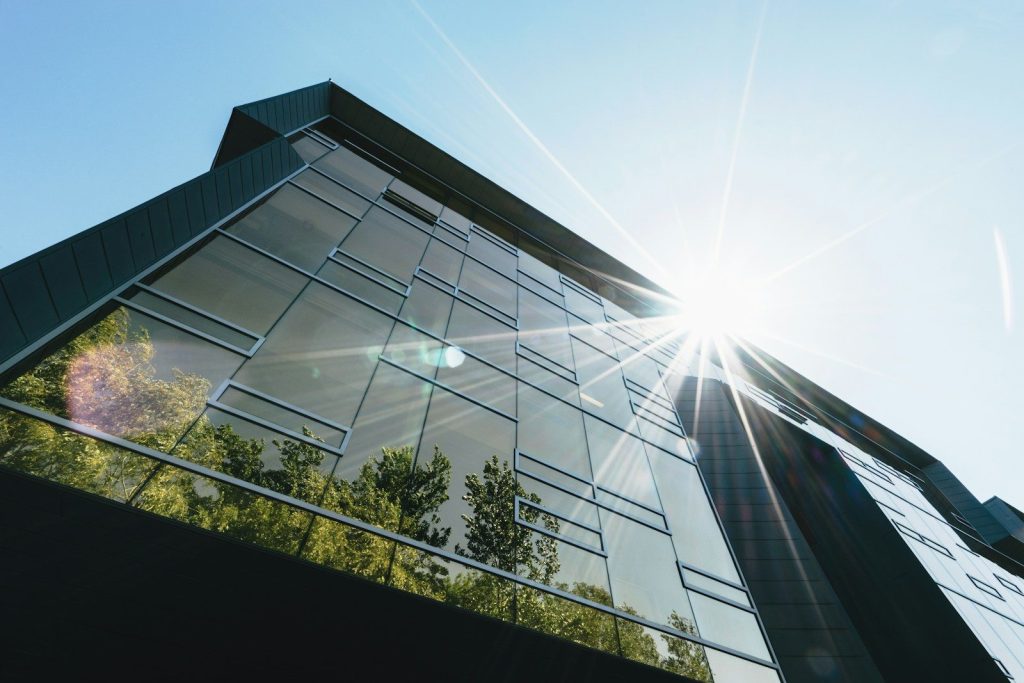
These buildings are powered by a combination of transparent solar windows and the methane-capture technology we mentioned earlier. They actually produce more energy than they use. The excess power is sent back to the city grid to help power older buildings.
It is a total transformation of the urban economy. We are moving from a world of “scarcity” to a world of “abundance.” Our cities are becoming the power plants and the farms of the future. But are you ready to see the island nations that are doing this on a global scale?
The Blueprint for a Living Planet
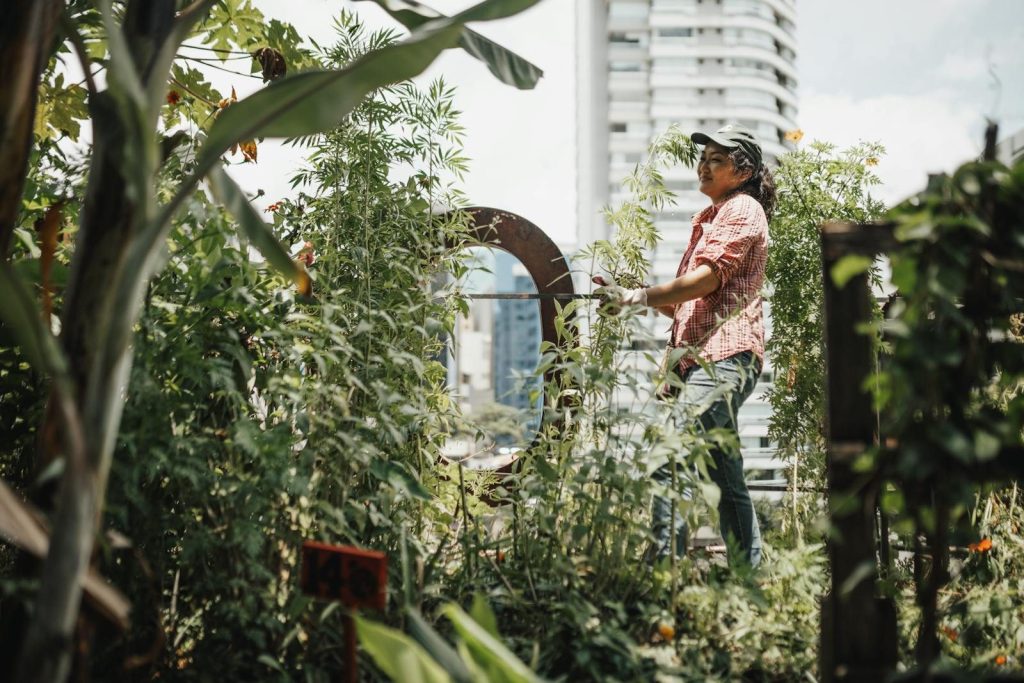
As we look at the architecture of 2026, we see a bridge between human technology and the natural world. We are no longer building boxes for people to live in; we are building systems that support life. The “Agro-Skyscraper” is the ultimate tool for a growing population on a changing planet.
It is a future where everyone has a seat at the table. But the most incredible energy breakthrough isn’t happening in the city—it’s happening in the middle of the ocean. Are you ready for the island of the future?
Featured Image: Photo by WILLIAN REIS on Unsplash
Leave a Reply