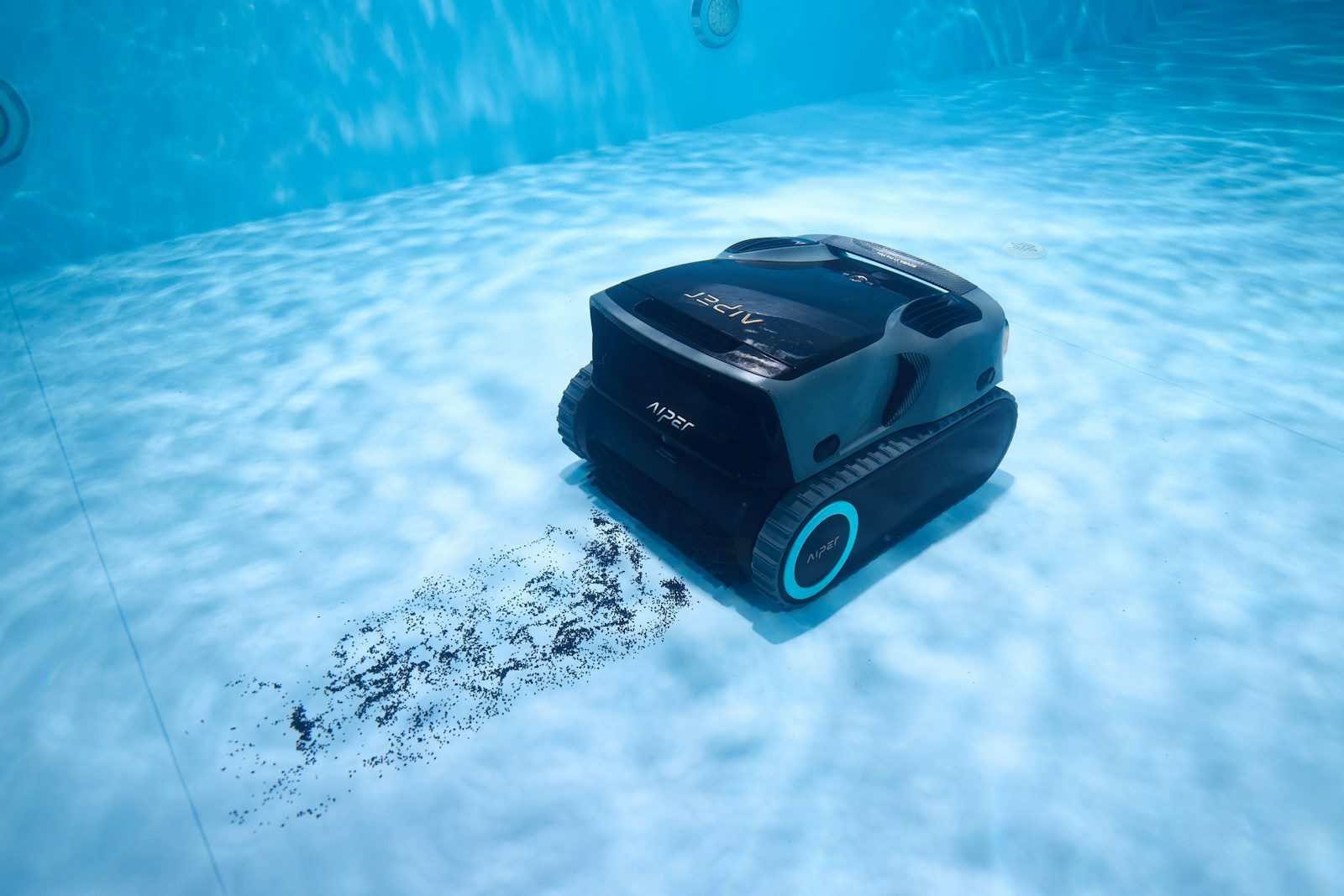
Few summer chores feel more annoying than cleaning the pool when everyone else wants to jump in. Leaves collect overnight, dirt sinks to the floor, and the waterline can start looking dull faster than expected. Robotic pool cleaners are becoming popular because they take on much of that work without needing constant pushing, brushing, or hose setup.
Many models use electric motors, brushes, built-in filters, and navigation systems to scrub pool floors, climb walls, and collect debris. Some even work separately from the pool’s main pump and filter, which can reduce strain on pool equipment. Pool care still needs water testing and basic upkeep, but these machines can make the cleaning part feel much less like a weekend job.
They do the dirty work
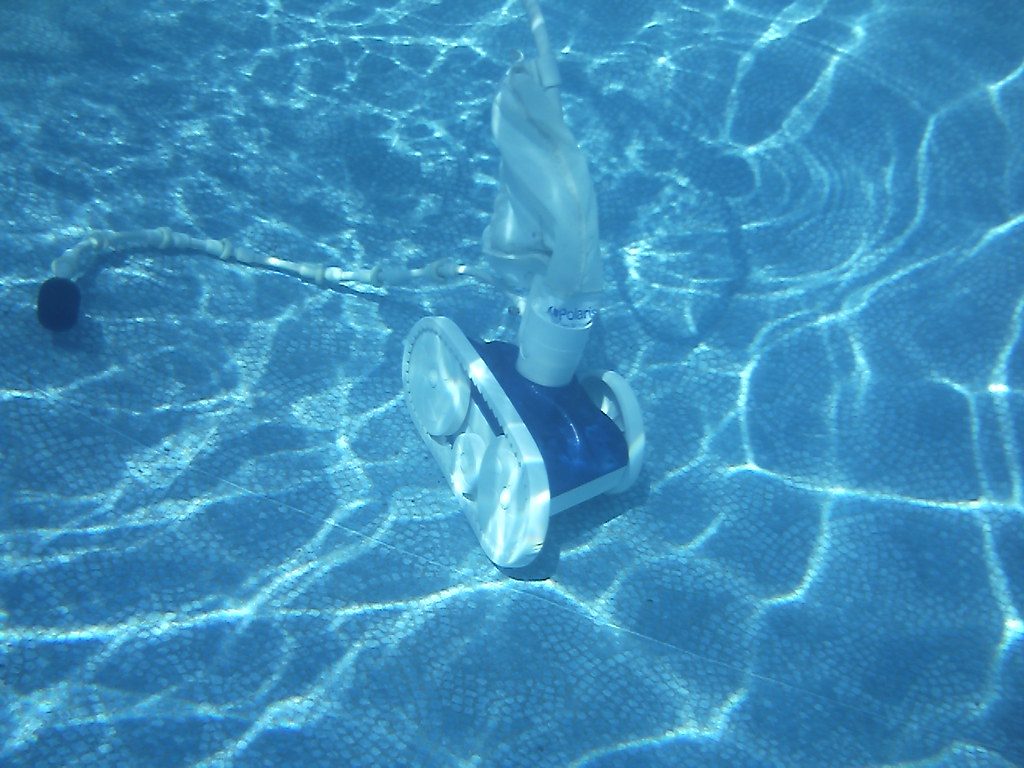
A pool robot is built to handle the part most people delay: scrubbing and vacuuming. Instead of standing outside with a manual vacuum, the owner can place the cleaner in the water and let it move.
Many robotic cleaners use brushes, motors, and pumps to pull in water and trap debris in an internal filter. That means dirt, leaves, and small particles can be collected while the robot travels across the pool.
They work on their own
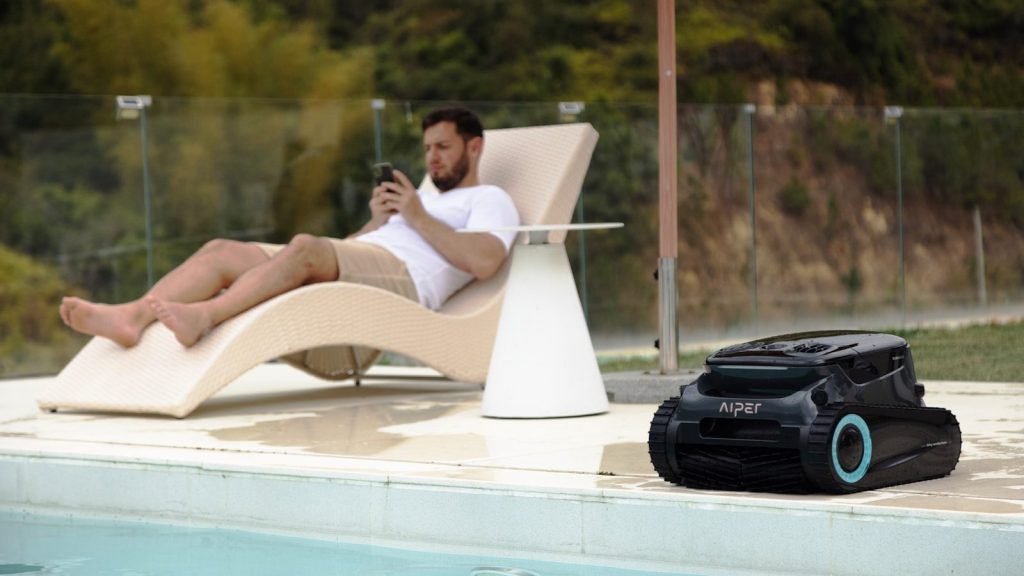
One big reason pool robots feel convenient is that they do not need constant steering. Once started, the cleaner follows its cleaning cycle and moves through the pool with little help.
Maytronics says its automatic cleaners work independently from the pool’s filter and pump, collecting dirt inside the robot itself. That setup can make cleaning feel simpler than connecting hoses or relying on the main pool system.
Floors are only the start

Older pool cleaning often focused on the floor, where dirt and leaves settle first. Newer pool robots can do more than sweep the bottom.
Some models are designed to clean floors, walls, coves, and even the waterline. Hayward describes cleaners in its lineup that handle pool floors, walls, coves, and the waterline, depending on the model.
Filters catch the mess
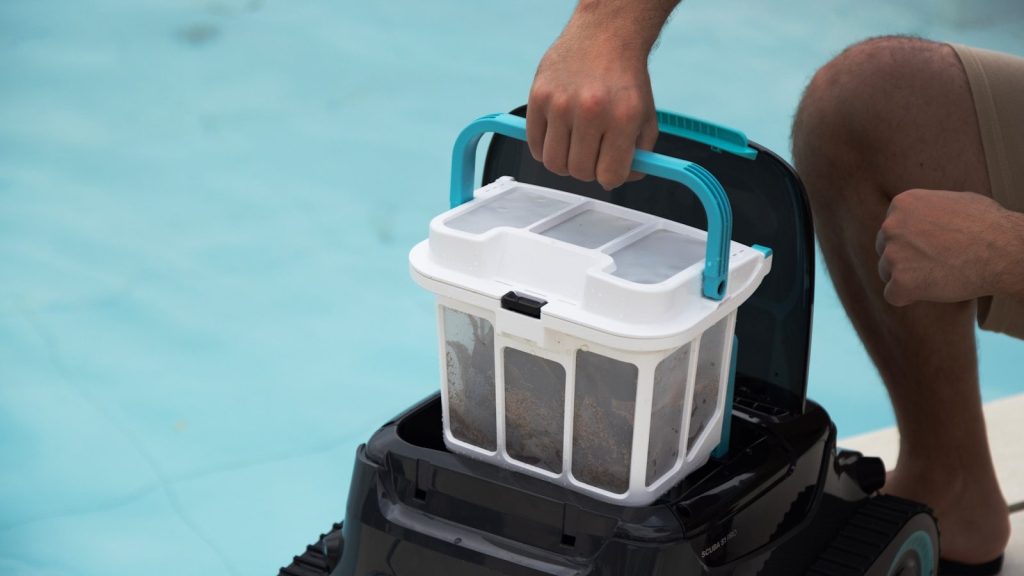
Robotic pool cleaners usually carry their own filter baskets, bags, or cartridges. That is helpful because the debris is collected inside the machine instead of being sent straight to the pool’s main filter.
Maytronics says its cleaners collect debris in a bag or cartridge within the robot. After the cycle, the owner can remove and rinse the filter, which keeps cleanup simple and easy to see.
Smart paths save time
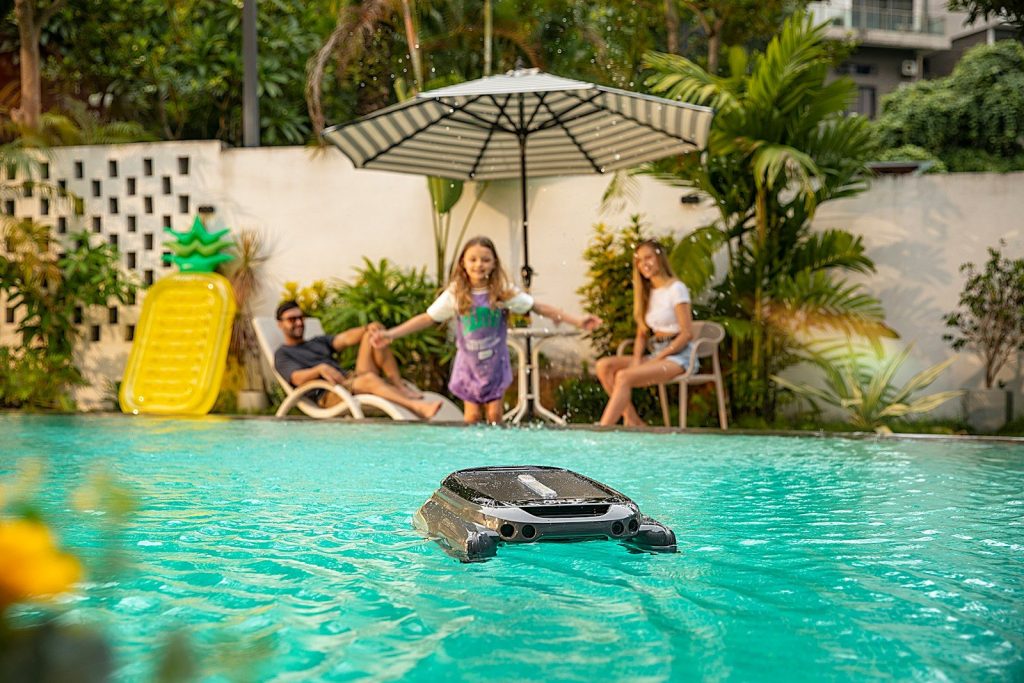
A pool robot that wanders randomly may still clean, but smarter navigation can make the job feel faster and more complete. Better path planning helps reduce missed spots and repeated passes.
Some robotic cleaners use sensors or mapping-style systems to move more efficiently. The Verge reported that newer pool robots are using cameras and sensors to identify pool surfaces, steps, corners, and obstacles.
They do not replace care
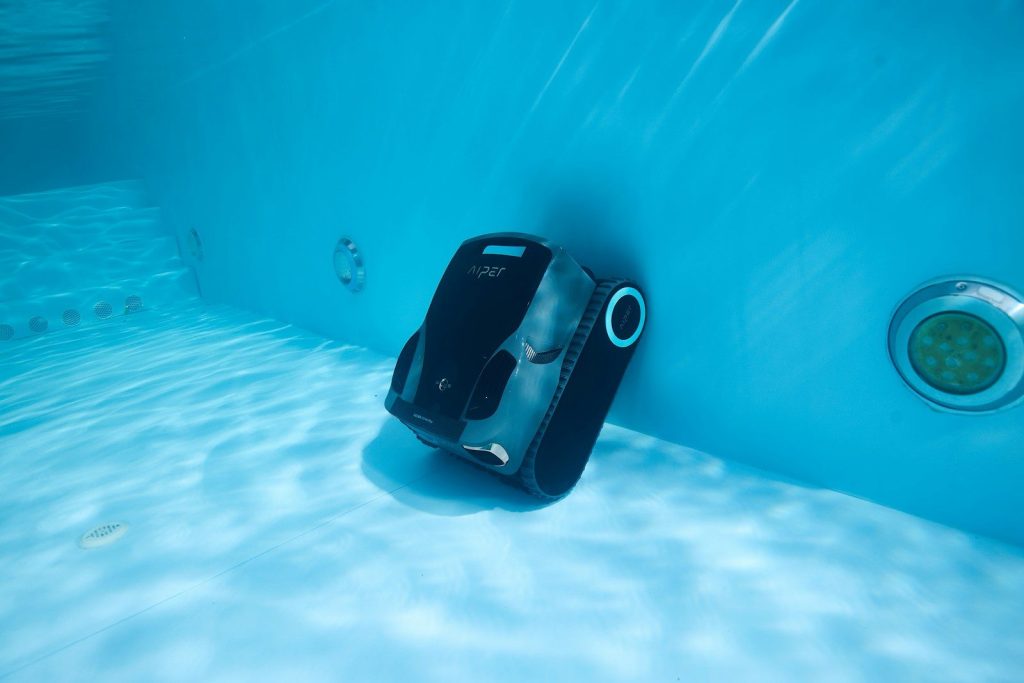
A pool robot can scrub, vacuum, and collect debris, but it does not handle every part of pool ownership. Water chemistry still needs attention.
The Pool & Hot Tub Alliance recommends regular maintenance tasks such as testing water chemistry and removing debris. A robot can reduce the cleaning burden, but safe, clear water still depends on basic pool care.
Summer feels easier

The real appeal of pool robots is not just the technology. It is the time saved when a machine handles one of the least fun backyard chores.
Instead of spending every warm day chasing leaves and dirt, owners can let the robot do a cleaning cycle. That leaves more time for swimming, relaxing, and actually enjoying the pool.
Leave a Reply