Summer comfort is not just about turning the thermostat lower and hoping the house cools faster. The right settings can help your air conditioner work smarter, lower energy use, and keep rooms feeling steady through long hot days. The U.S. Department of Energy says households can save as much as 10% a year on heating and cooling by setting the thermostat back 7 to 10 degrees for 8 hours a day.
It also notes that ceiling fans can let many people raise the thermostat by about 4 degrees without feeling less comfortable. These simple settings are worth understanding before summer arrives, especially if your home gets warm fast or your cooling bill climbs every year.
Start near 78 degrees
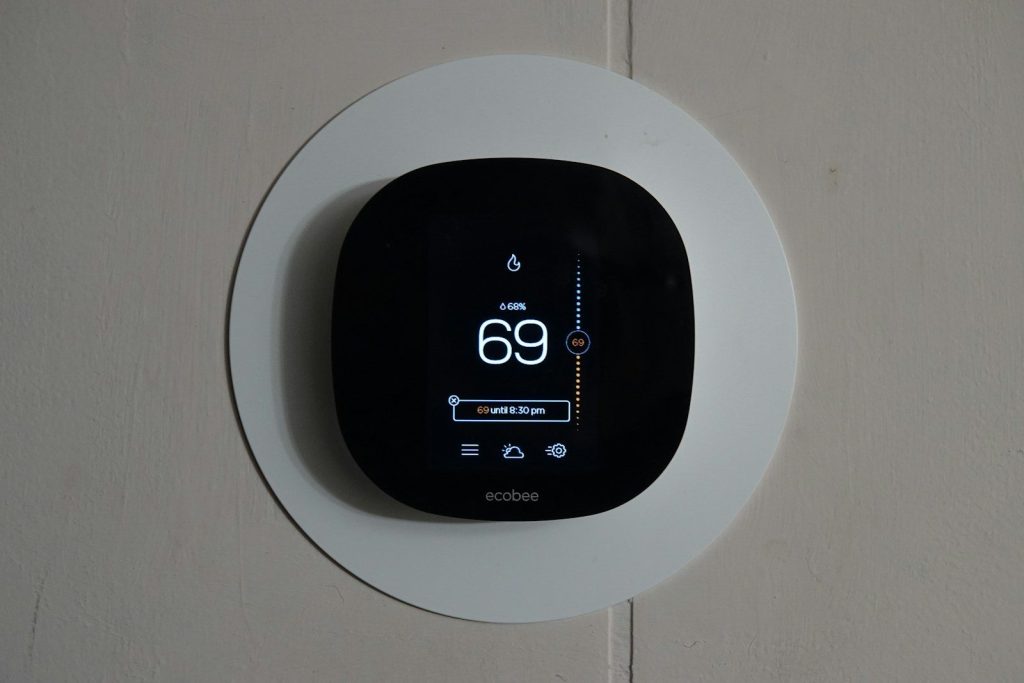
A common summer starting point is about 78 degrees when people are home and awake. That number is not perfect for every house, but it gives many families a good balance between comfort and energy use.
From there, adjust slowly. Try one degree at a time instead of making big changes. Small moves help you find a setting that feels good without making the air conditioner run harder than needed.
Raise it when away
When the house is empty, the thermostat does not need to work as hard. Raising the setting while you are gone can reduce cooling time and help lower energy use.
The Department of Energy says turning the thermostat back 7 to 10 degrees for 8 hours a day can save as much as 10% a year on heating and cooling. Summer is a good time to use that habit wisely.
Use a sleep schedule
Night settings depend on comfort, humidity, and how warm the house stays after sunset. Some people sleep better with a slightly cooler room, while others can keep the setting higher.
A programmable or smart thermostat can help by changing the temperature before bedtime and again before morning. That way, the home feels comfortable without someone getting up to adjust it.
Do not chase fast cooling
Lowering the thermostat far below your target does not usually cool the house faster. It simply tells the system to keep running until it reaches that lower number.
That can waste energy and make rooms feel too cold later. A better move is to set the temperature you actually want, then give the system time to reach it.
Learn the fan setting
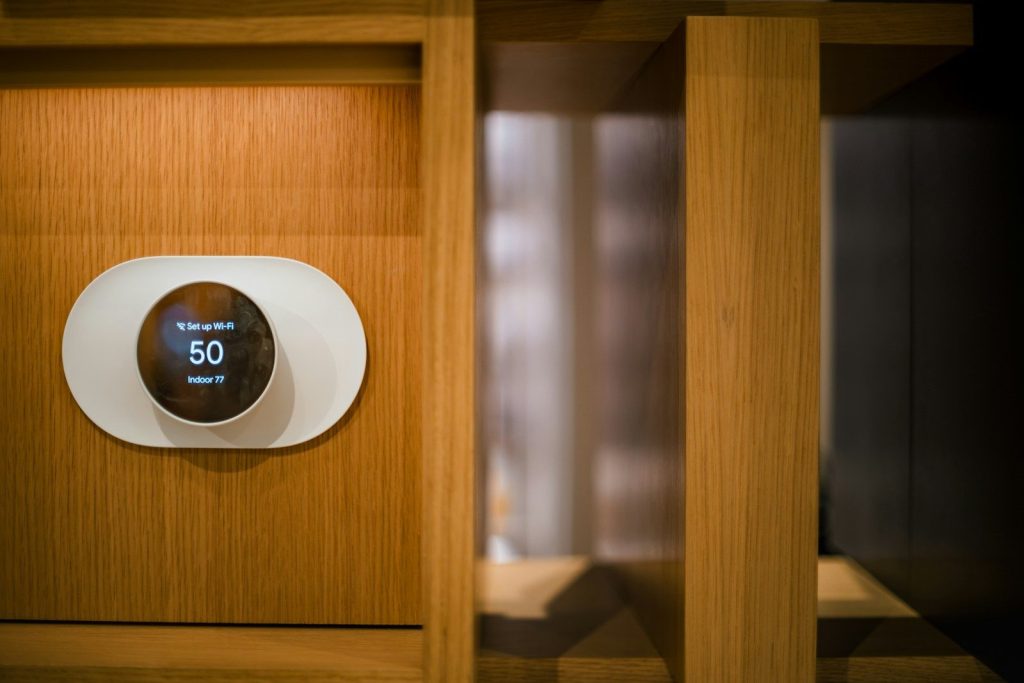
Many thermostats have fan settings like “auto” and “on.” In many homes, “auto” runs the fan only when the system is cooling, while “on” keeps air moving more often.
The right choice depends on your home, but “auto” often helps avoid nonstop fan use. It may also help the system manage cooling cycles more efficiently during hot weather.
Pair it with ceiling fans
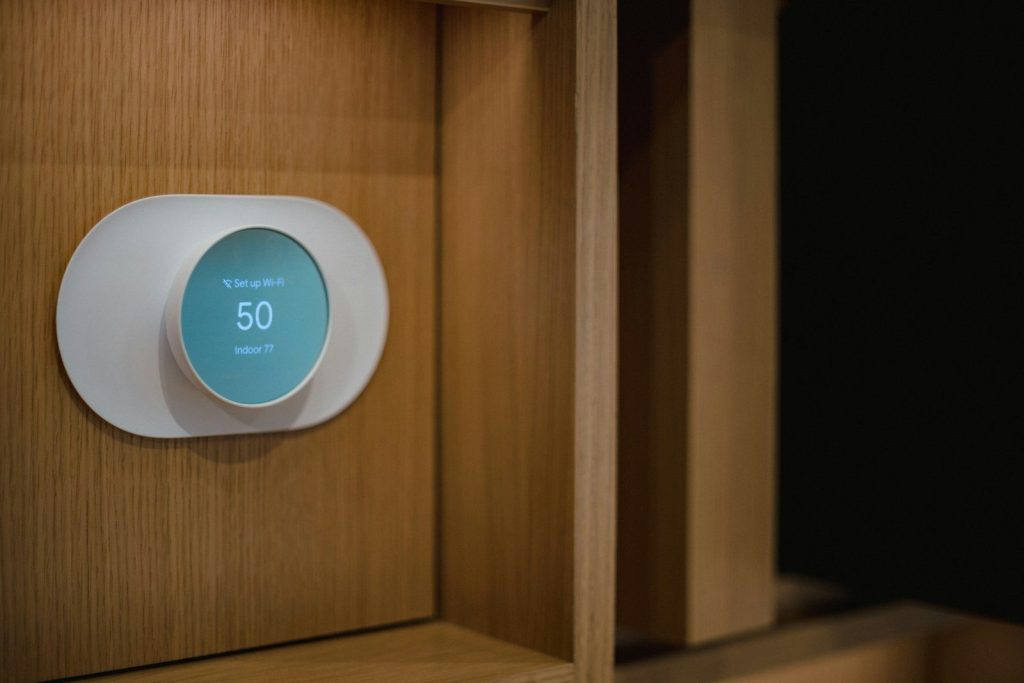
Ceiling fans do not lower the room temperature, but they can help people feel cooler. The moving air creates a breeze on skin, which can make a warmer room feel more comfortable.
The Department of Energy says ceiling fans may let you raise the thermostat by about 4 degrees without reducing comfort. In summer, ceiling fans should run counterclockwise to create a cooling breeze.
Watch indoor humidity
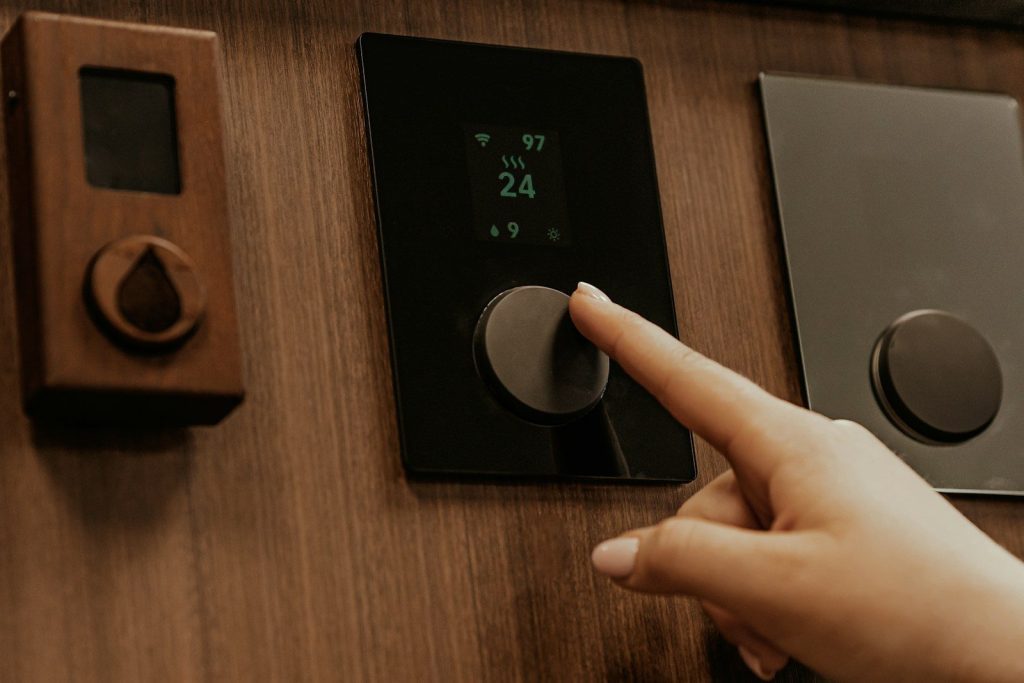
Temperature is only part of comfort. A house can feel sticky even when the thermostat number looks reasonable, especially in humid areas or after a long cooling cycle.
Your air conditioner also helps remove moisture from the air when it runs properly. If the home still feels damp, check filters, airflow, and maintenance before simply lowering the thermostat again.
Set no-go extremes
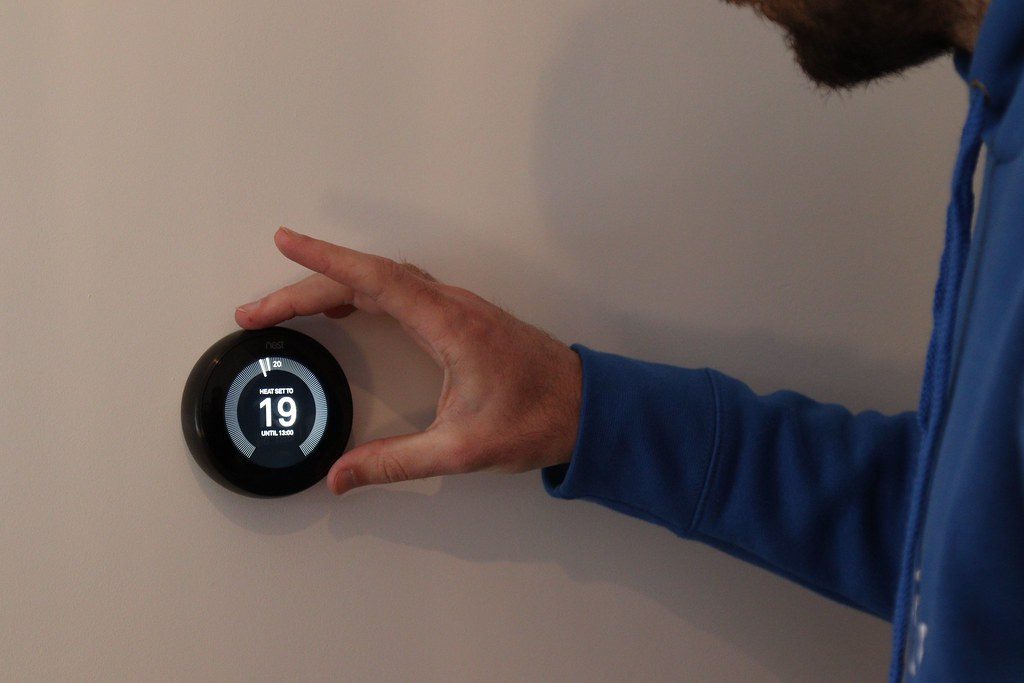
It helps to decide your highest and lowest summer settings before the heat arrives. That keeps the thermostat from becoming a daily guessing game.
For example, you might choose one setting for home, one for sleep, and one for when everyone is away. Clear limits make it easier to stay comfortable without constant changes.
Use gradual changes
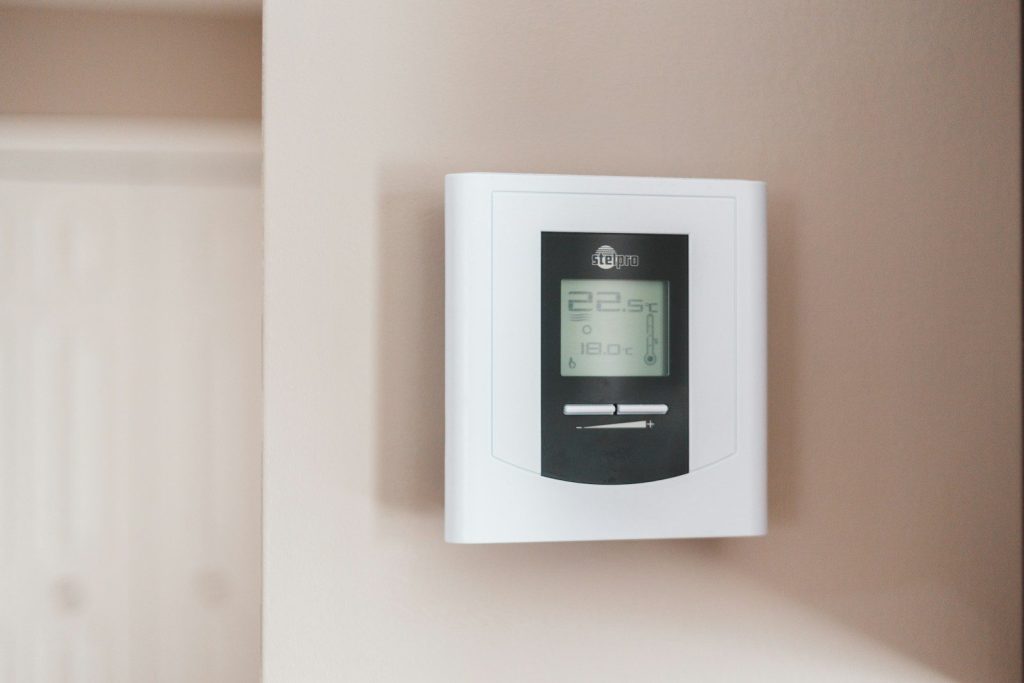
Big thermostat swings can make a home feel uneven. One room may cool down while another stays warm, especially in homes with poor airflow or lots of sunlight.
Gradual changes are easier for the system and easier for people to notice. Move the setting by one or two degrees, then wait before deciding whether it needs another adjustment.
Let automation help
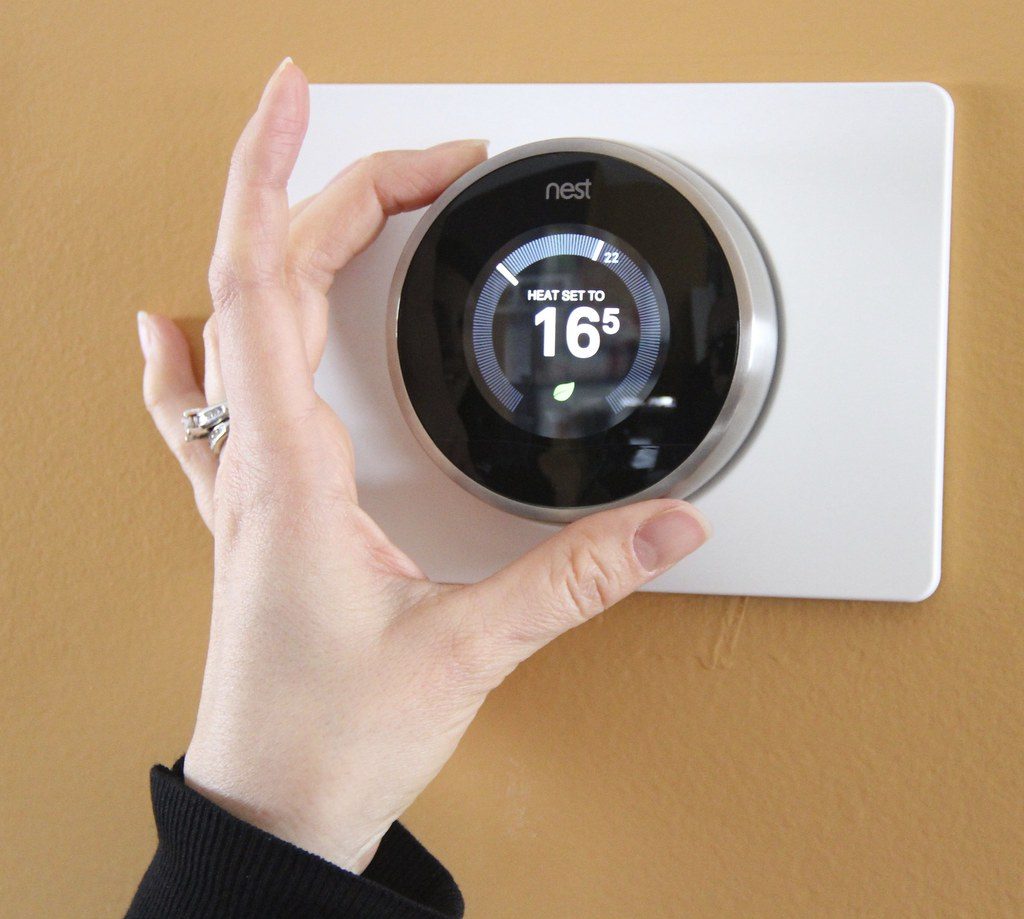
A programmable thermostat can handle daily temperature changes without much effort. A smart thermostat can add features like app controls, schedules, and sometimes learning routines.
The main benefit is consistency. Once the schedule matches your household, the thermostat can raise and lower the temperature at the right times instead of relying on someone to remember every day.
Leave a Reply