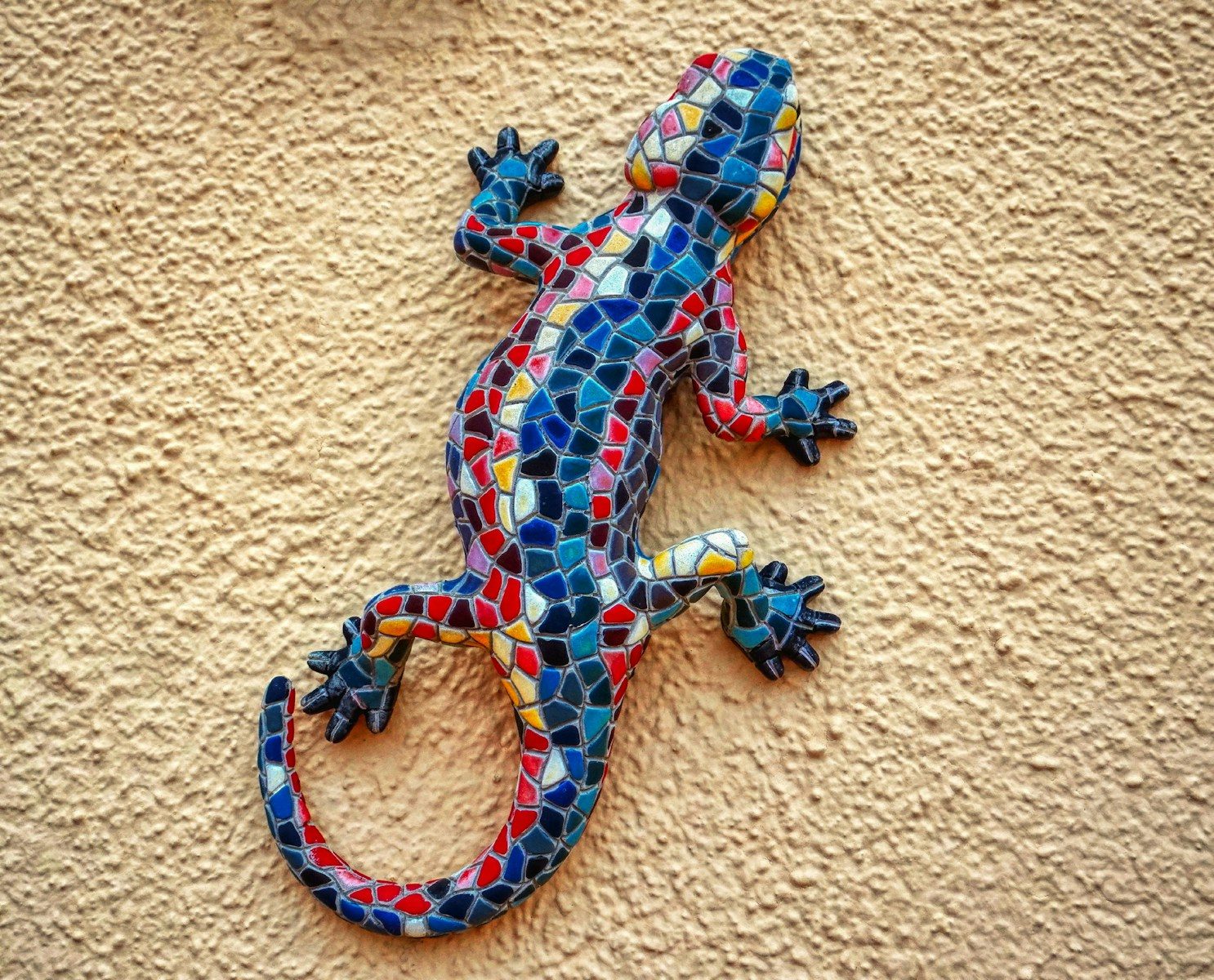
Geckos make wall climbing look effortless, but they are not using glue, suction cups, or sticky slime. Their secret is built into the bottoms of their toes. Each toe has many tiny hair-like structures called setae, and those split into even smaller tips called spatulae.
These tips get extremely close to the surface, close enough for weak molecular attractions called van der Waals forces to help the gecko hold on. Scientists have studied this system for years because it is strong, reusable, and surprisingly clean. It also helps explain why geckos can climb smooth glass, hang from ceilings, and let go again without getting stuck.
Their feet are not sticky
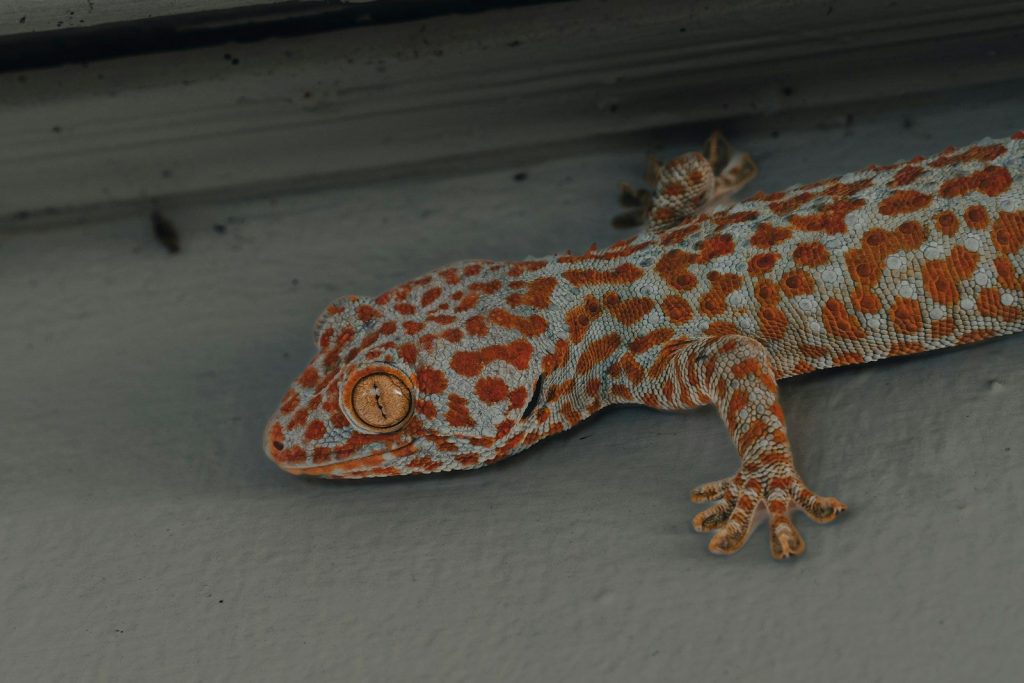
A gecko’s feet may look sticky, but they do not work like tape or glue. The animal does not leave behind a wet trail or a sticky coating as it climbs.
Instead, its toes are covered with dry structures that grip through close contact. That is why geckos can climb many smooth surfaces without making a mess or needing fresh adhesive.
Tiny hairs do the work
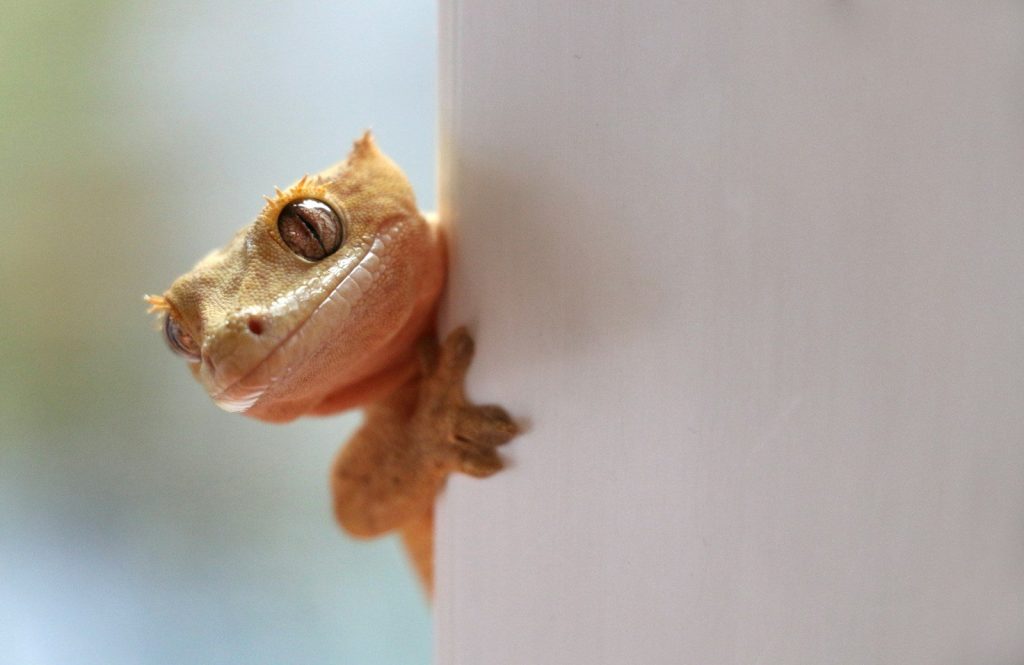
The bottom of a gecko’s toe is covered with rows of very small hairs called setae. These hairs are far too small to notice without special tools.
Each seta helps spread the gecko’s grip across many contact points. One tiny hair is not enough by itself, but millions working together can support the animal’s weight while it moves.
The tips are even smaller
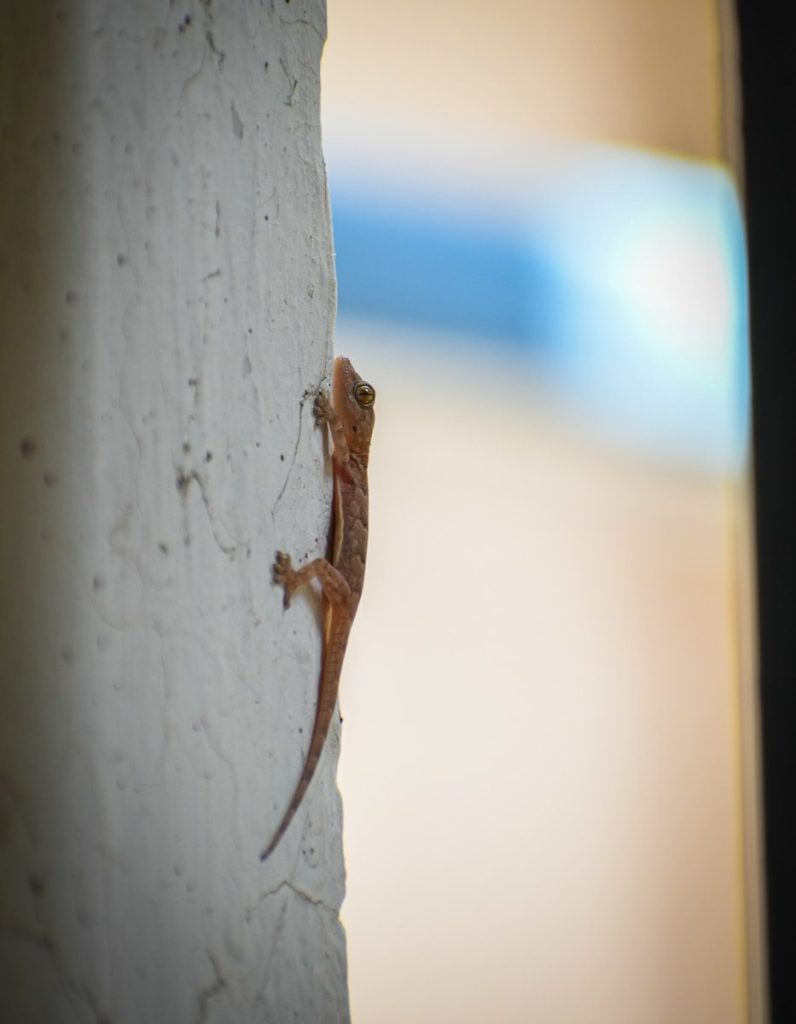
Setae are impressive, but the real magic happens at their tips. Each hair can branch into many smaller ends called spatulae, which look a little like tiny flat pads.
These tiny tips help the foot touch more of the wall. More contact means more attraction between the gecko’s foot and the surface, giving it a stronger hold.
Molecules help them hang on
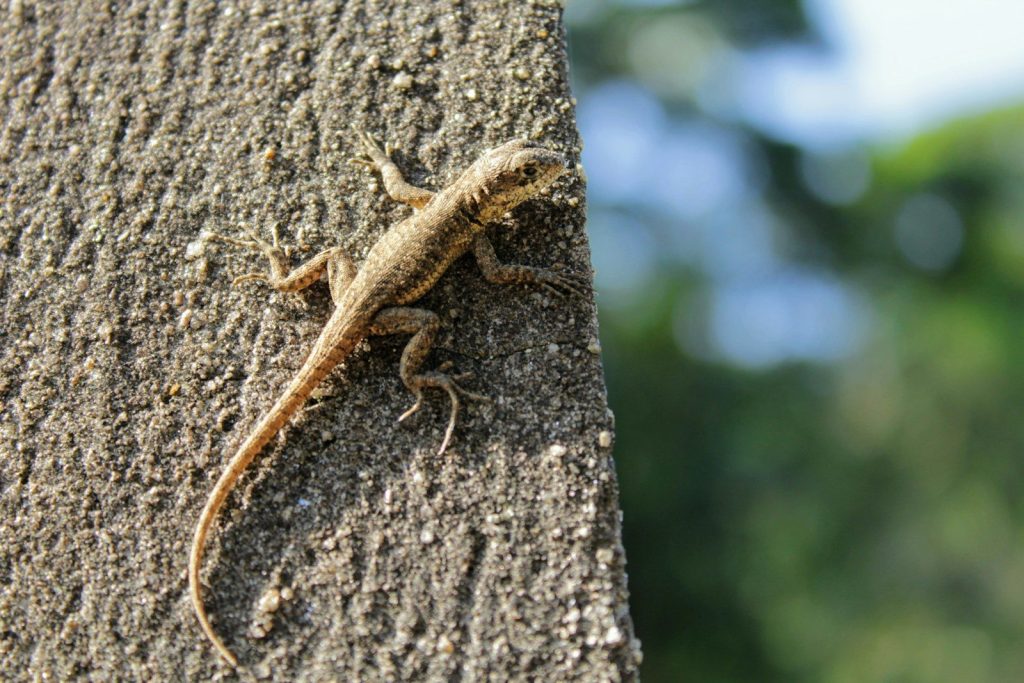
Geckos use weak attractions between molecules called van der Waals forces. These forces are tiny on their own, but they become useful when many small contact points work together.
The spatulae must get very close to the wall for this to happen. When they do, the gecko can grip glass, walls, and even ceilings with surprising strength.
They can let go fast
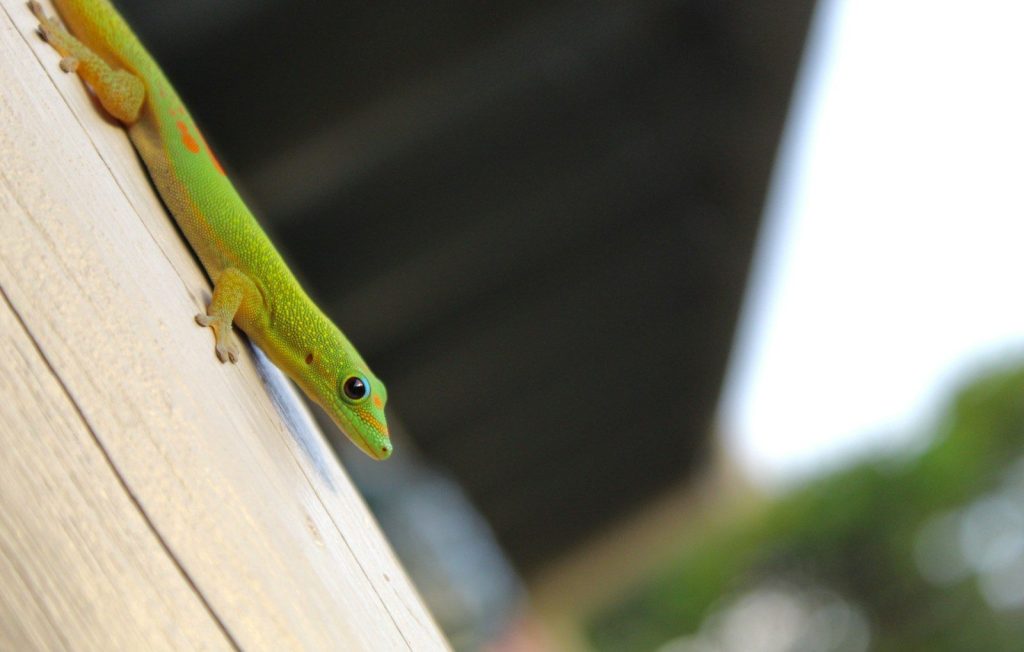
A gecko’s grip is strong, but it is not permanent. The animal can release its toes quickly by changing the angle of the tiny hairs on its feet.
This peel-away action helps it run, turn, and climb without getting trapped. It is more like carefully lifting tape from one edge than yanking a stuck shoe from the floor.
It is not suction
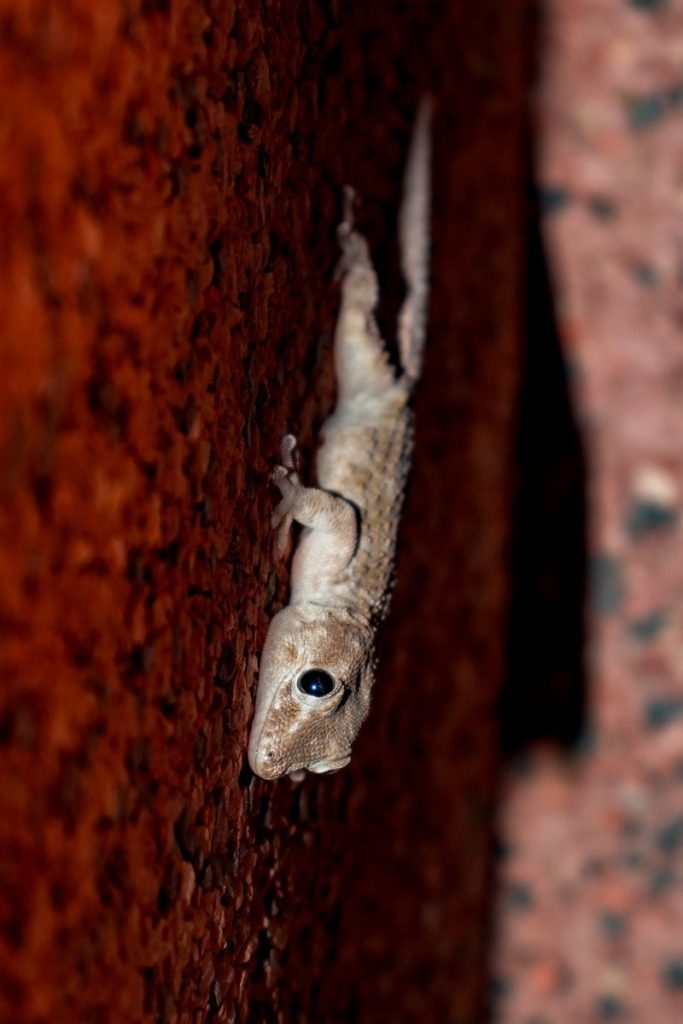
People sometimes think geckos climb because their feet act like suction cups. Scientists have found that explanation does not fit, especially because gecko feet can still work on very smooth surfaces.
Suction also would not explain the way each tiny foot hair grips. The better answer is dry contact plus many tiny molecular attractions working at the same time.
Clean feet help them climb
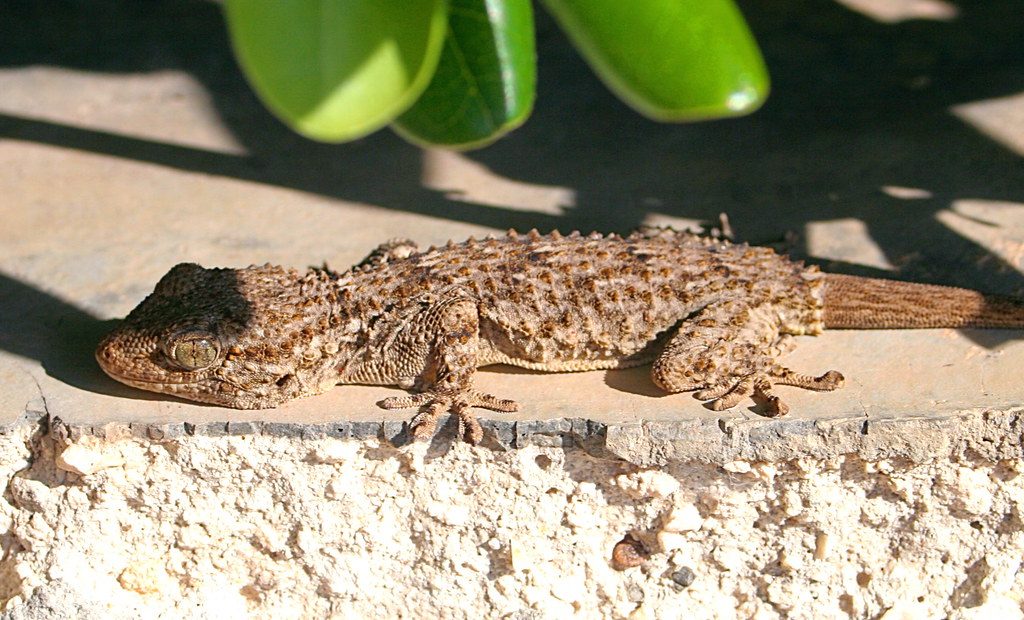
A gecko’s foot system is useful because it can be used again and again. It does not depend on a layer of glue that runs out or picks up dirt easily.
Scientists have studied how this kind of dry grip can stay effective through repeated use. That idea has helped inspire new materials and climbing tools based on gecko feet.
Surface contact is everything
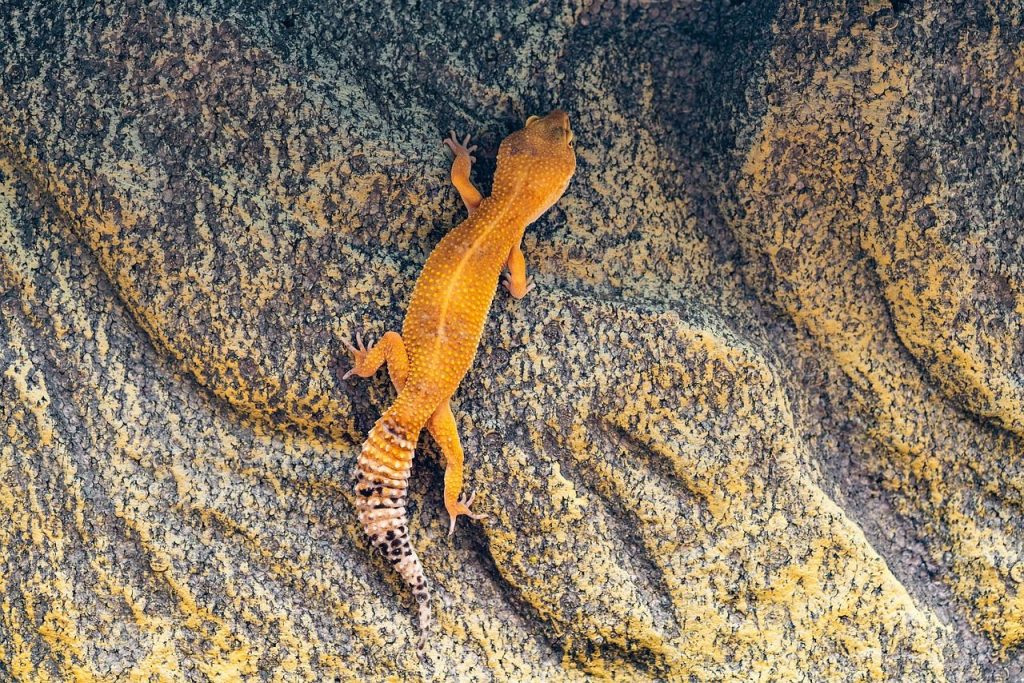
A gecko does not need deep cracks or rough bark to climb. Its tiny foot tips can press close to smooth surfaces, which is why glass is not a big problem.
Still, the grip depends on contact. If the surface or the foot cannot get close enough, the forces become weaker and climbing can be harder.
Scientists copied the idea
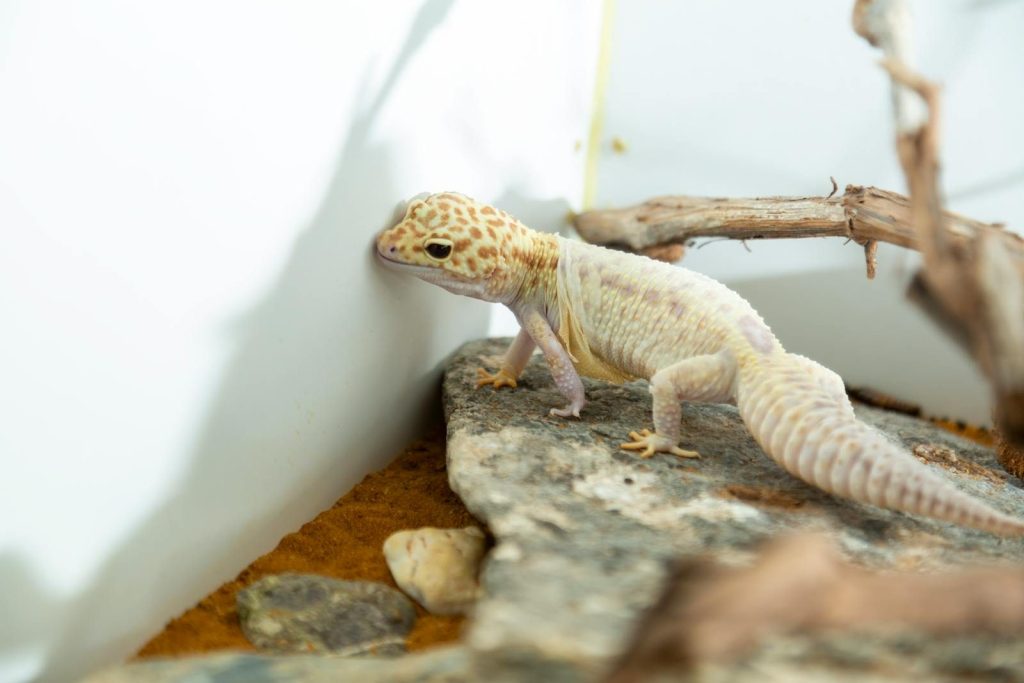
Gecko feet have inspired research into reusable dry adhesives. Engineers like the idea because a gecko-style grip can attach without liquid glue and release without damage.
This could help with robots, special gripping tools, and other designs that need controlled sticking. Nature solved the problem first, and scientists are still learning from it.
The trick is tiny, not magic
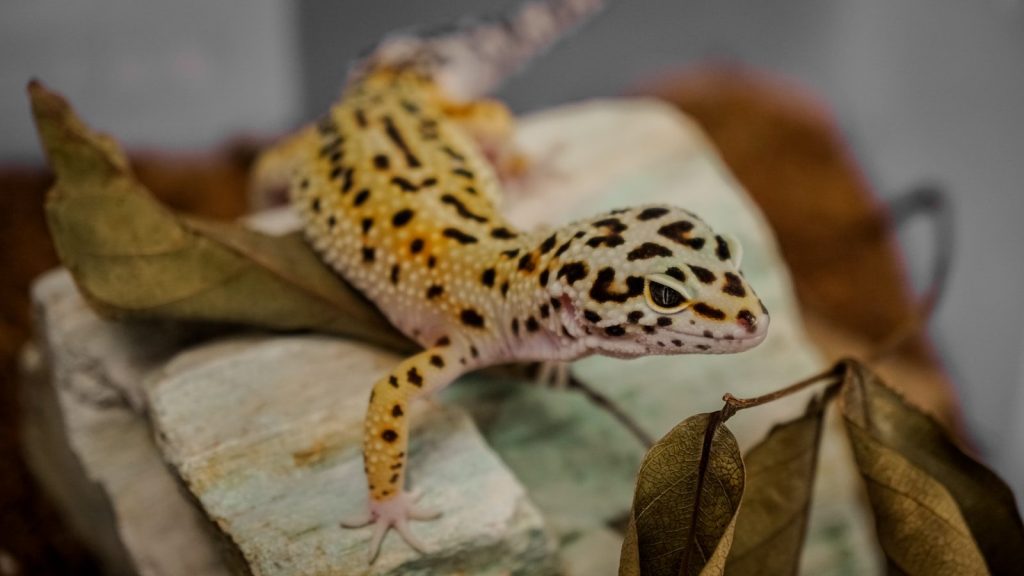
Geckos climb walls because their feet turn small forces into a big effect. Millions of tiny contact points work together, giving them a strong grip without glue.
That is what makes their movement so amazing. The gecko is not breaking the rules of nature. It is using physics at a scale too small for our eyes to see.
Leave a Reply