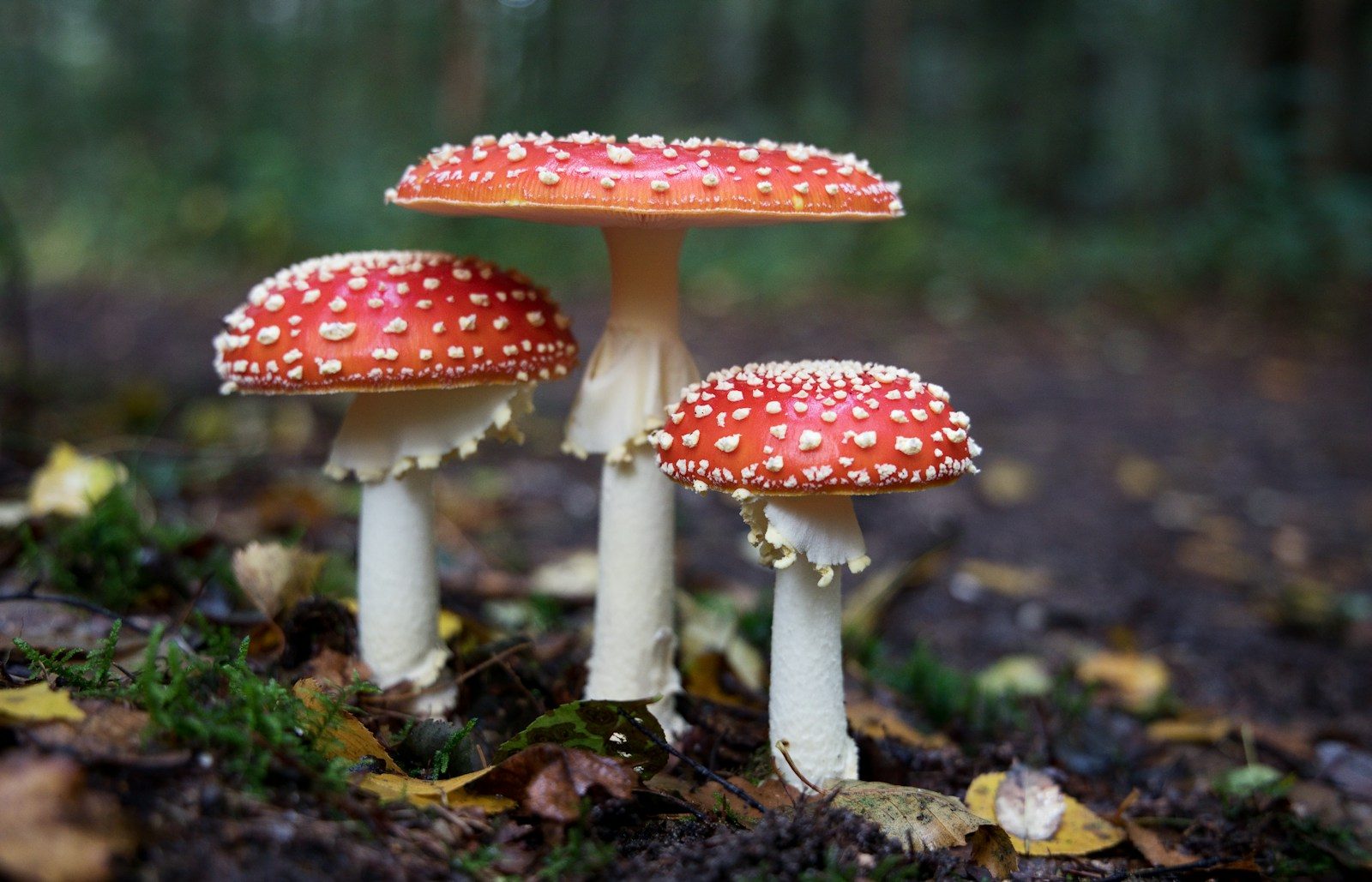
A mushroom on a log may look small, but it is part of a huge cleanup crew. Mushrooms are the visible fruiting parts of fungi, and much of the real work happens underground or inside wood, leaves, and soil. Fungi release enzymes that break down tough natural materials, helping return nutrients to the soil instead of letting fallen branches and leaves pile up forever.
National Geographic notes that fungi are important decomposers, especially in forests, while Kew describes them as vital for nutrient recycling in ecosystems. That quiet work helps plants grow, feeds soil life, supports forests, and keeps nature’s cycles moving in ways most people never notice.
Mushrooms clean up forests
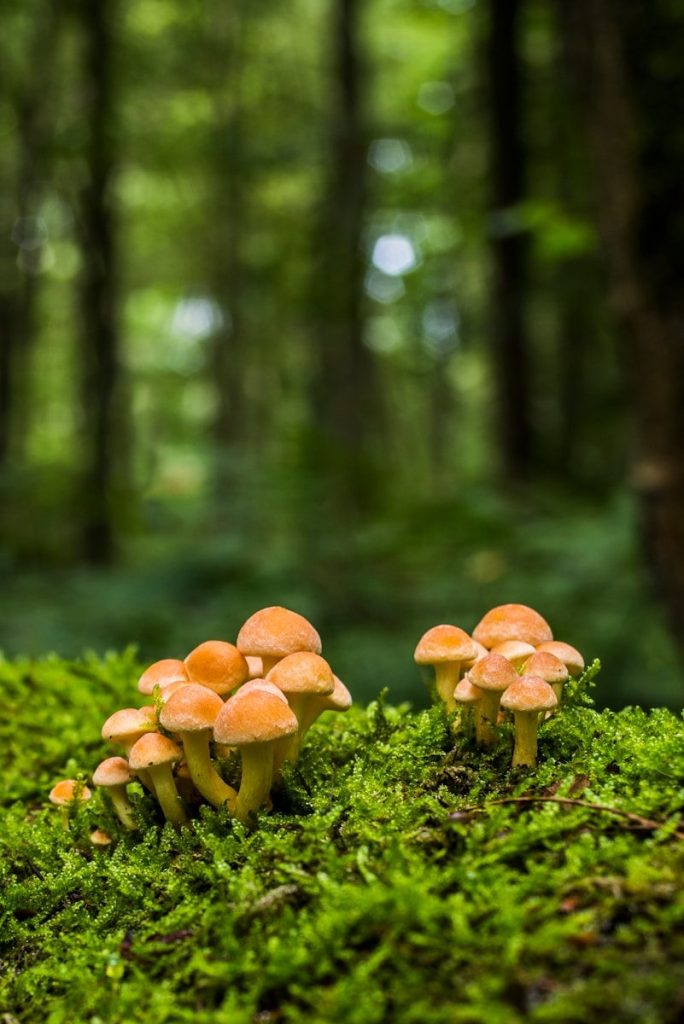
Walk through a forest and you will see fallen leaves, branches, and old logs everywhere. Mushrooms and other fungi help break that natural clutter into smaller pieces.
Without fungi, forests would have a much harder time recycling plant material. Their work helps turn yesterday’s leaves and wood into nutrients that can support new roots, seedlings, and soil life.
They break down tough wood
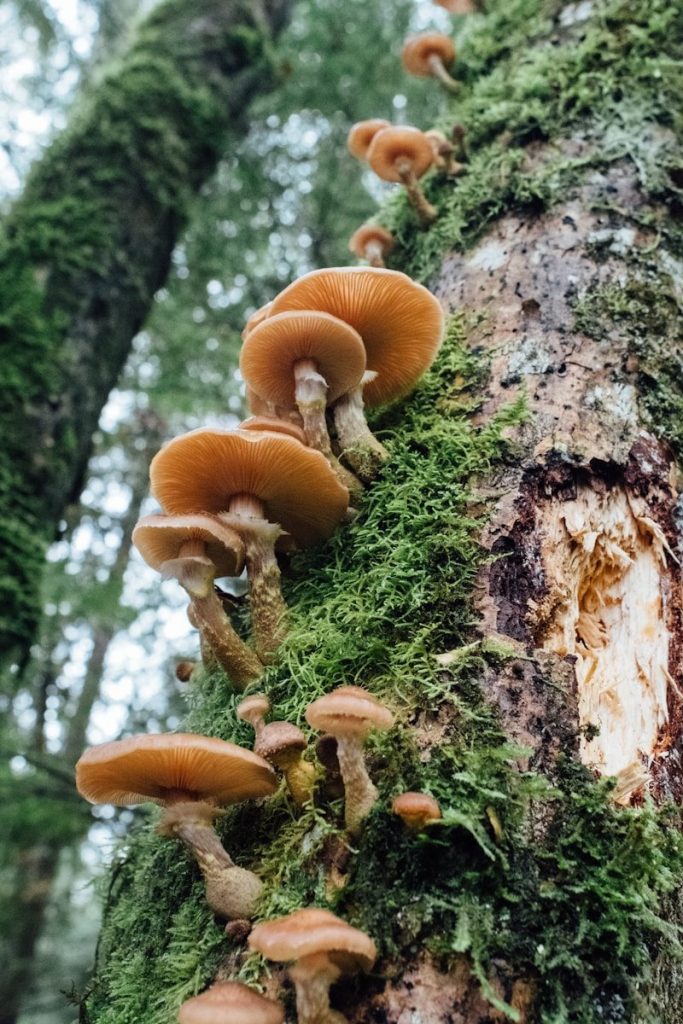
Wood is not easy to take apart. It contains strong materials that many living things cannot digest, but fungi are especially good at breaking them down.
Ohio State University notes that many fungi decompose lignin and other hard-to-digest organic matter. That ability makes fungi key players in turning fallen trees and branches back into usable parts of the ecosystem.
Soil gets a natural boost
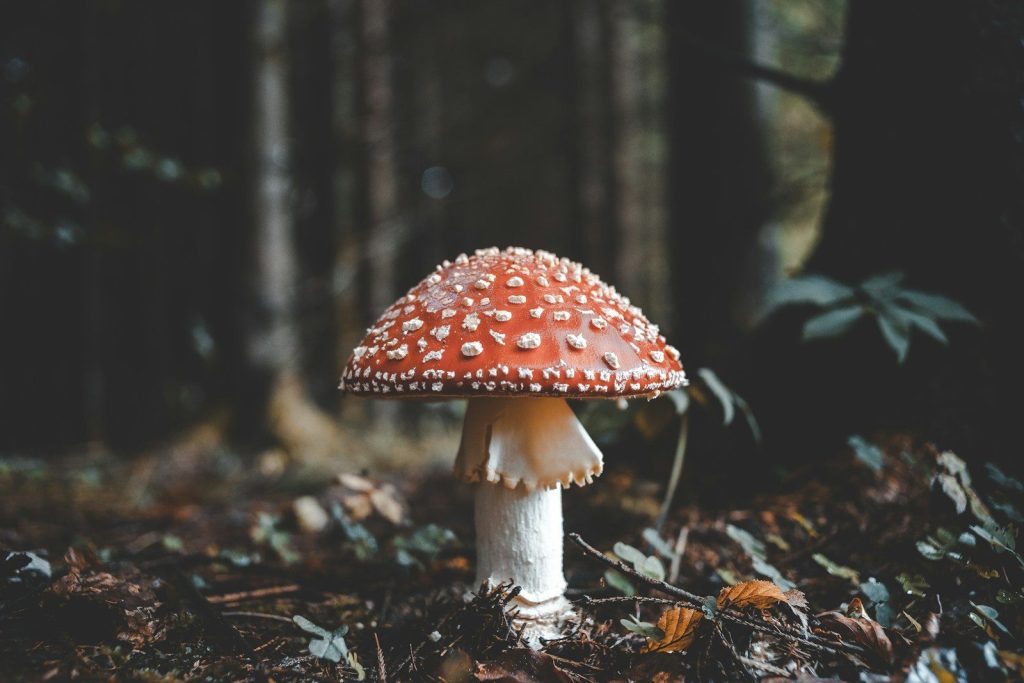
When fungi break down plant matter, nutrients move back into the soil. That process helps feed plants, tiny soil organisms, and the wider food web.
This is one reason mushrooms matter even when people barely notice them. They help keep soil from becoming just packed dirt. Healthy soil is full of life, and fungi help keep that life supplied.
They help plants grow
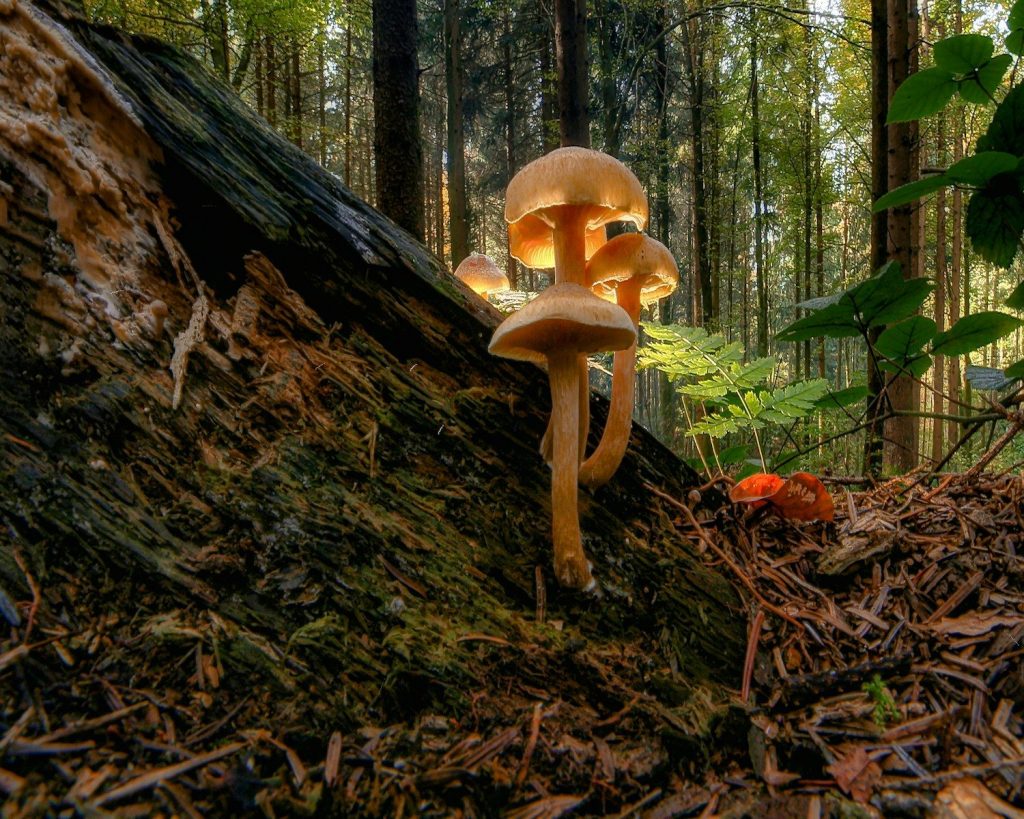
Some fungi do more than recycle old material. Mycorrhizal fungi form partnerships with plant roots, helping plants reach nutrients and water in the soil.
In return, plants share sugars made through sunlight. Researchers describe this as a common exchange, where fungi gather soil nutrients and plants provide carbon-rich food. It is a quiet trade that supports many ecosystems.
Hidden threads do the work
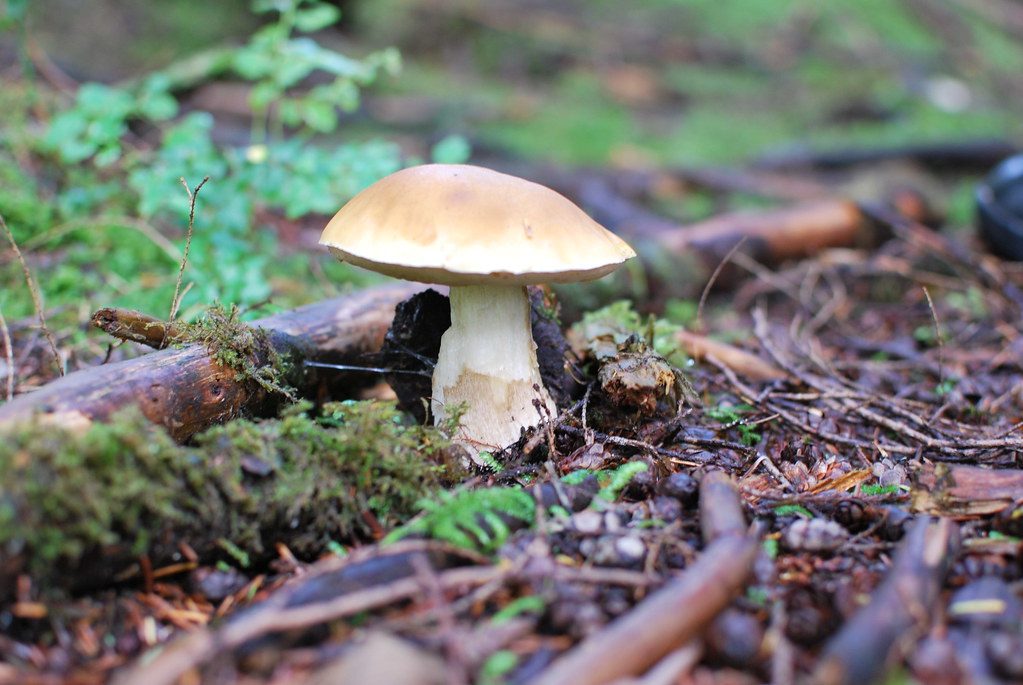
The mushroom above ground is only part of the story. Much of a fungus lives as thin, branching threads called mycelium, spreading through soil, wood, or leaf litter.
These hidden threads act like a search system. They move through tiny spaces, find food sources, and release enzymes. While the mushroom may appear for a short time, the underground network may keep working much longer.
Forests rely on decay
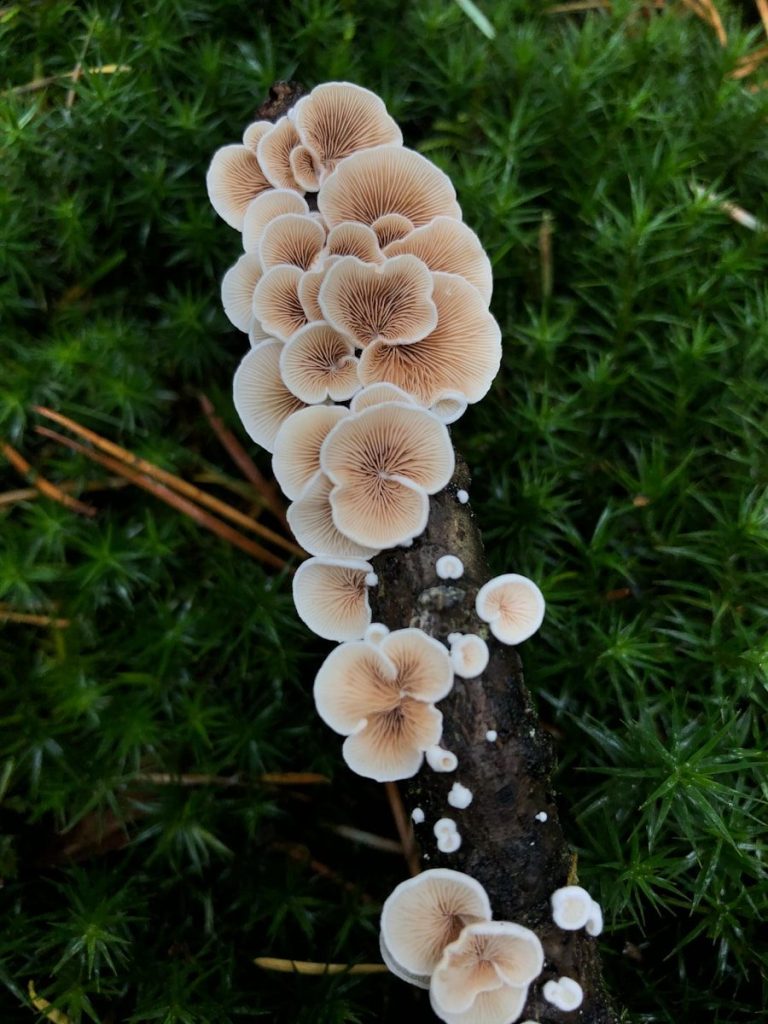
Decay may sound unpleasant, but it is one of nature’s most useful processes. It clears old material and makes room for fresh growth.
Michigan State University Extension explains that fungi help break down stressed and dead trees as part of a nutrient cycle that supports forest regeneration. In simple terms, fungi help forests renew themselves.
They support tiny life
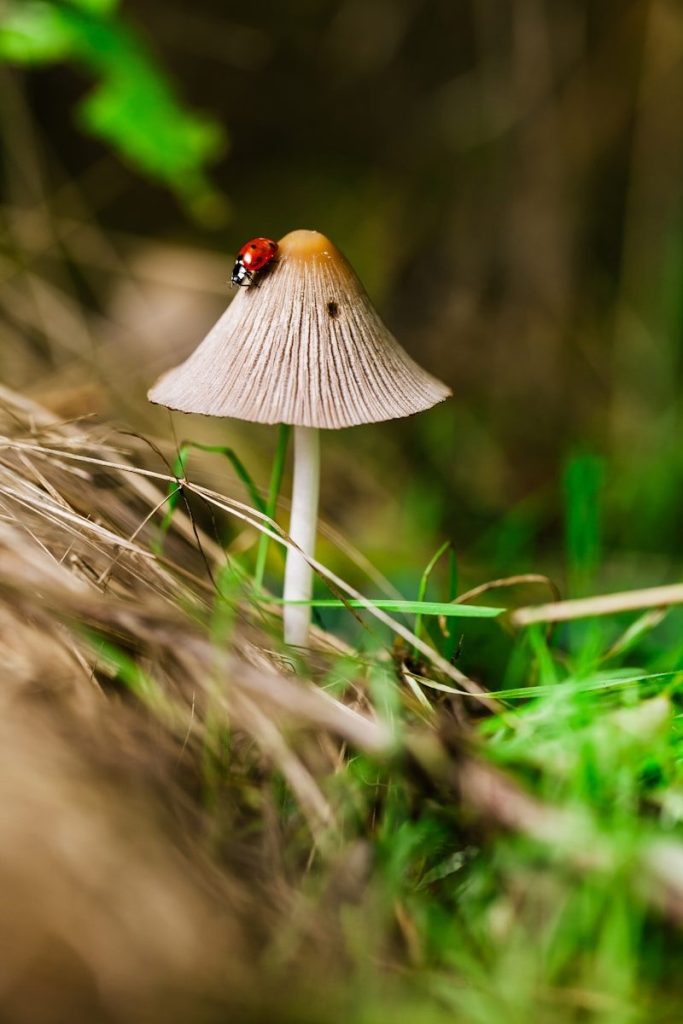
As fungi break down leaves and wood, they create food and habitat for many small organisms. Insects, microbes, worms, and other soil life can all benefit from the process.
That activity makes the forest floor more active than it looks. A soft layer of leaf litter is not just waste. It is a busy recycling zone where fungi help keep energy moving.
Some store carbon too
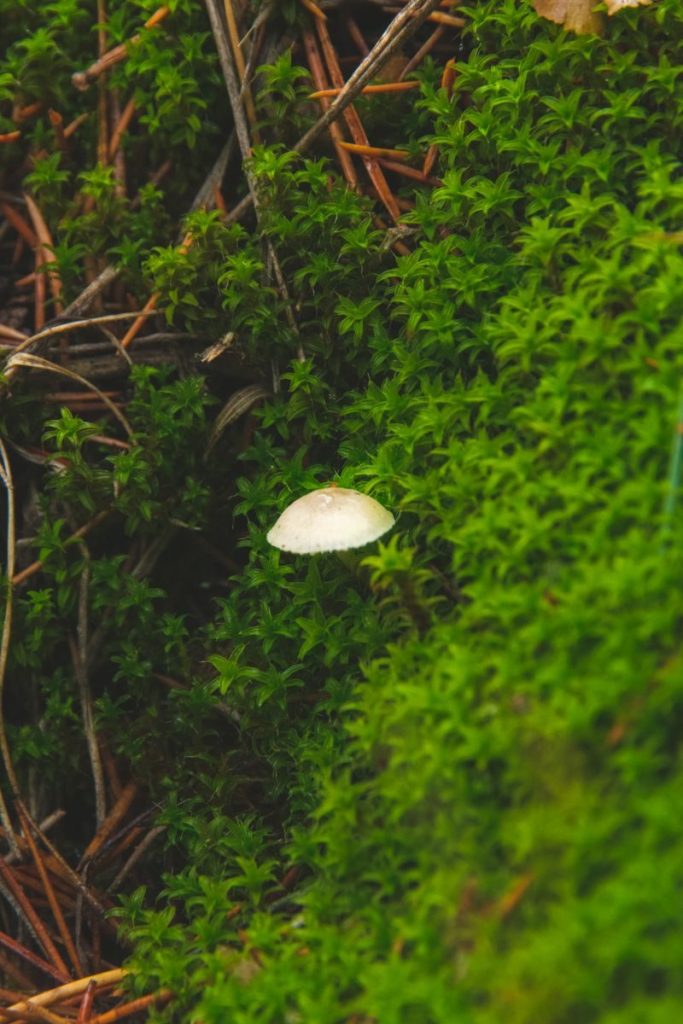
Fungi are also part of the carbon cycle. As they break down plant matter, some carbon returns to the air, while some can remain in soil depending on the ecosystem.
A review of macrofungi found that mushrooms and related fungi provide ecosystem services such as nutrient cycling, carbon stocking, and soil formation. That makes fungi important to forests in more than one way.
They work with many species
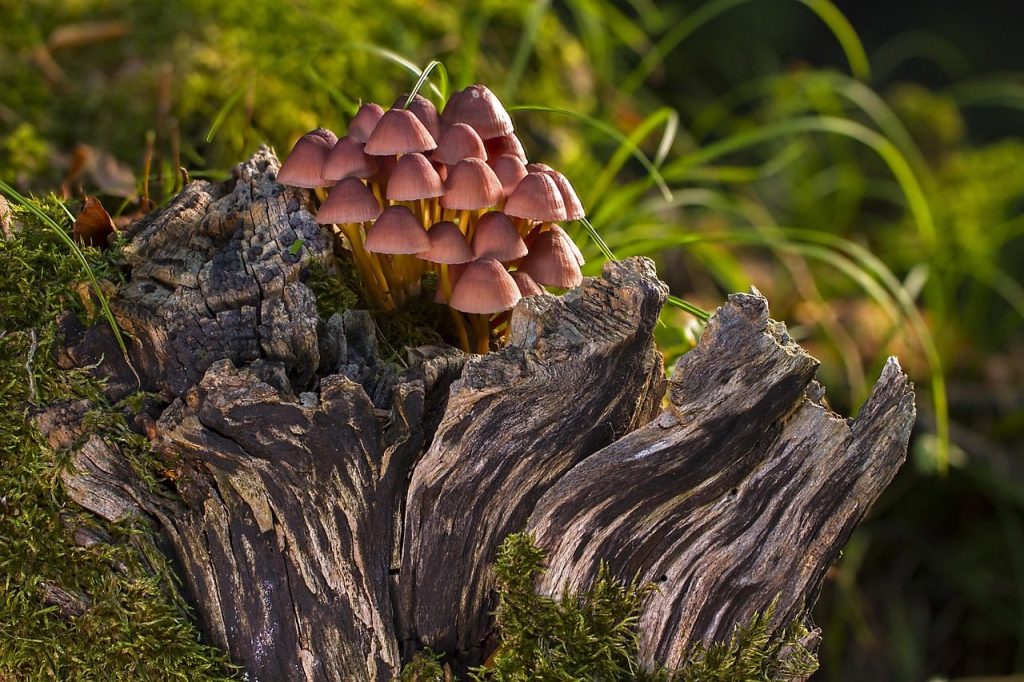
Fungi connect with plants, animals, insects, and microbes in many different ways. Some recycle materials, some form partnerships with roots, and some become food for wildlife.
This wide role makes mushrooms more than forest decorations. They are part of a larger living system. When fungi are healthy and diverse, the natural world has more ways to recover, grow, and stay balanced.
Small signs, big impact
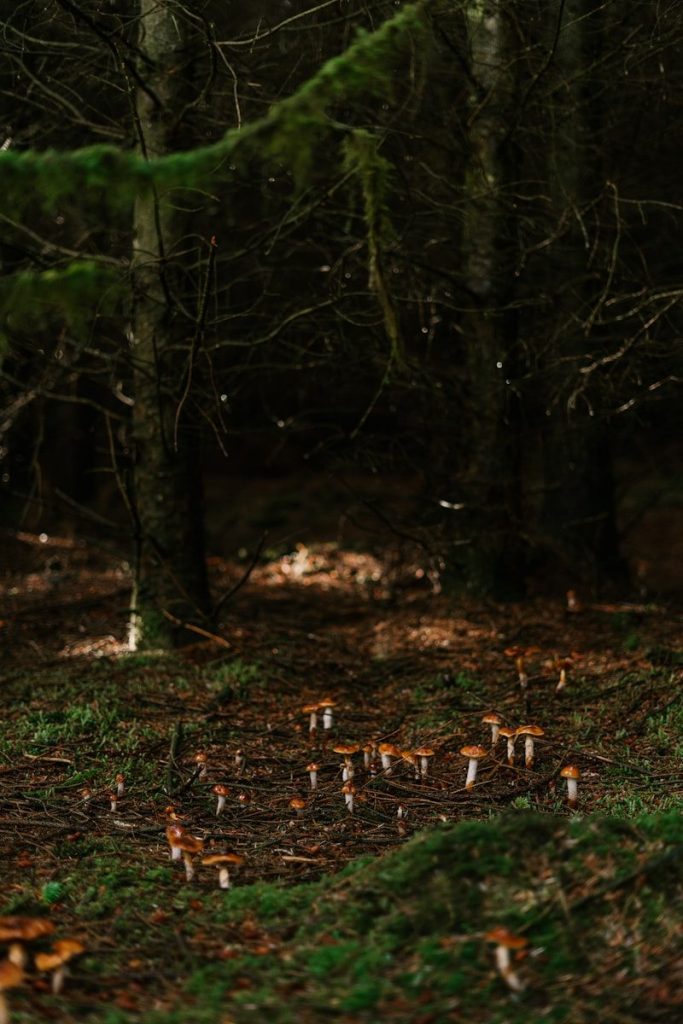
A mushroom on a trail may seem easy to miss, but it points to a much bigger process. It shows that recycling is happening underfoot, inside logs, and across the forest floor.
That is why mushrooms quietly matter so much. They help clean up, feed soil, support plants, and keep natural cycles going. Nature does not waste much, and fungi are one big reason why.
Leave a Reply