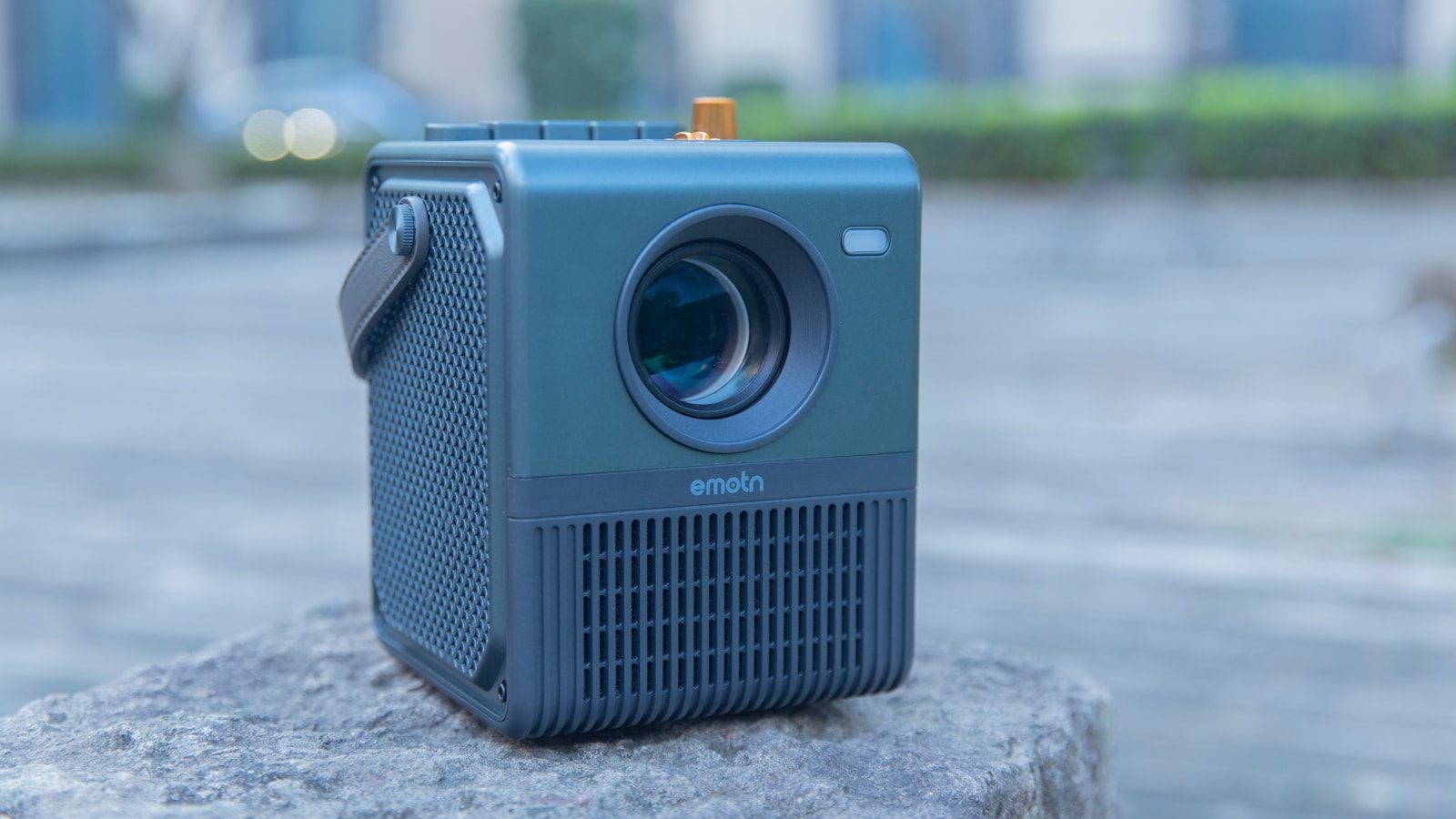
Portable projectors used to feel like fun backup gadgets, not real screen replacements. They were handy for trips, quick presentations, or backyard movie nights, but many struggled with weak brightness, low resolution, poor speakers, and awkward setup. That picture is changing. Newer models are bringing sharper images, brighter LED or laser light sources, built-in streaming systems, automatic focus, auto keystone correction, better speakers, and easier wireless connections.
Some compact projectors now offer 1080p pictures, Google TV, battery options, and screen sizes that can stretch far beyond a typical TV. Epson’s projector guide notes that 500 to 1,500 lumens can work well for portable projectors used indoors or in controlled lighting, while newer portable models are clearly pushing convenience and quality together.
Small size feels useful
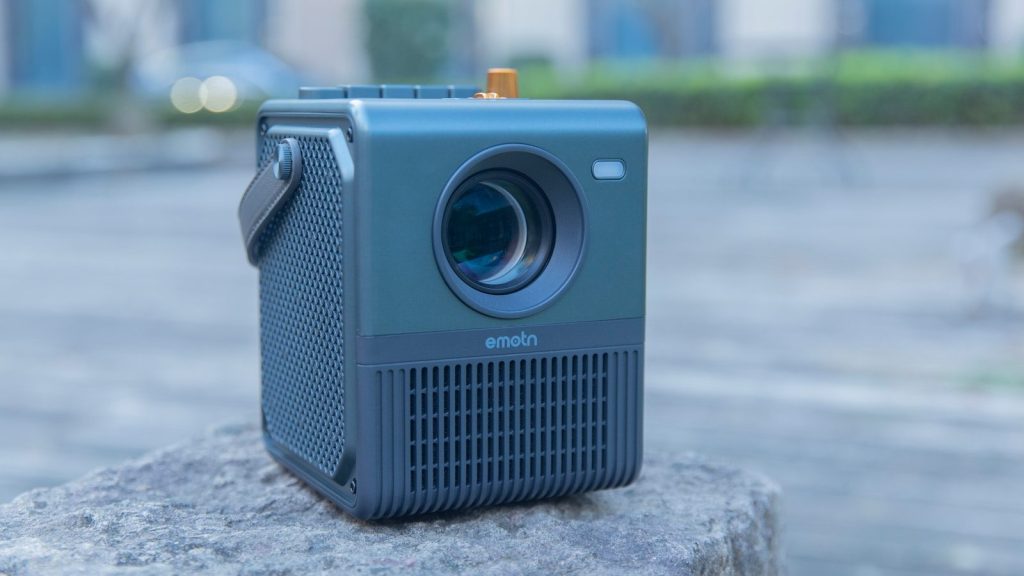
Portable projectors are getting easier to carry from room to room. That makes them feel less like fixed home theater gear and more like flexible everyday screens.
A compact design matters because people do not always want another large TV. A projector can move from a bedroom to a living room, guest room, garage, or backyard with less effort.
Setup is getting easier
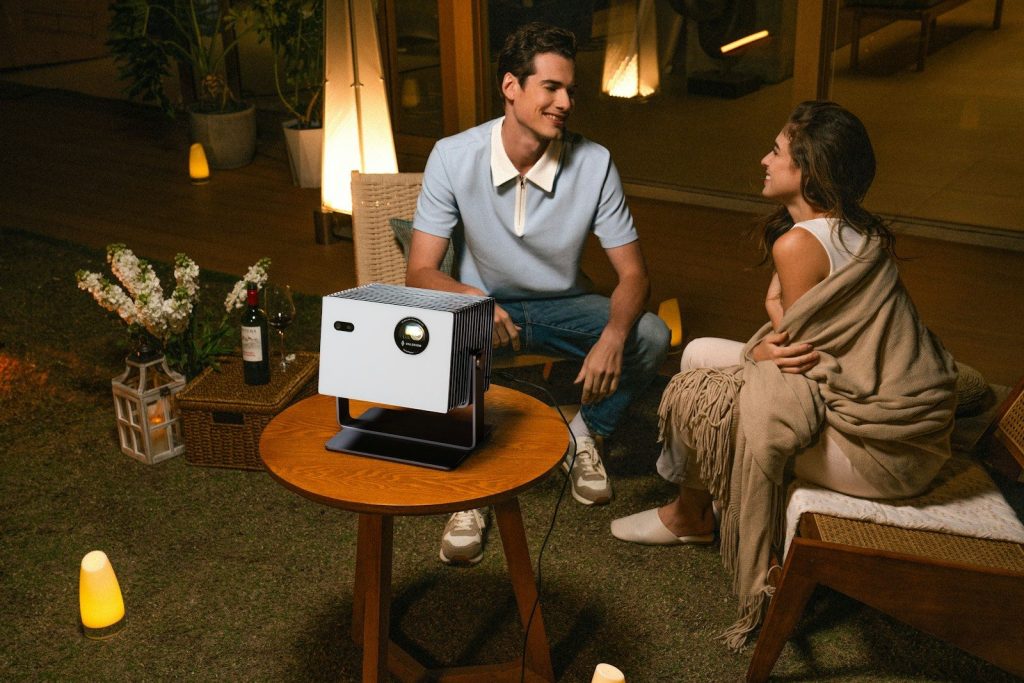
Older projectors often needed careful placement, manual focusing, and plenty of patience. That could make a quick movie night feel like a small project.
Newer portable models often include autofocus and auto keystone tools. These features help straighten and sharpen the picture faster, so users can spend less time adjusting and more time watching.
Streaming is built in
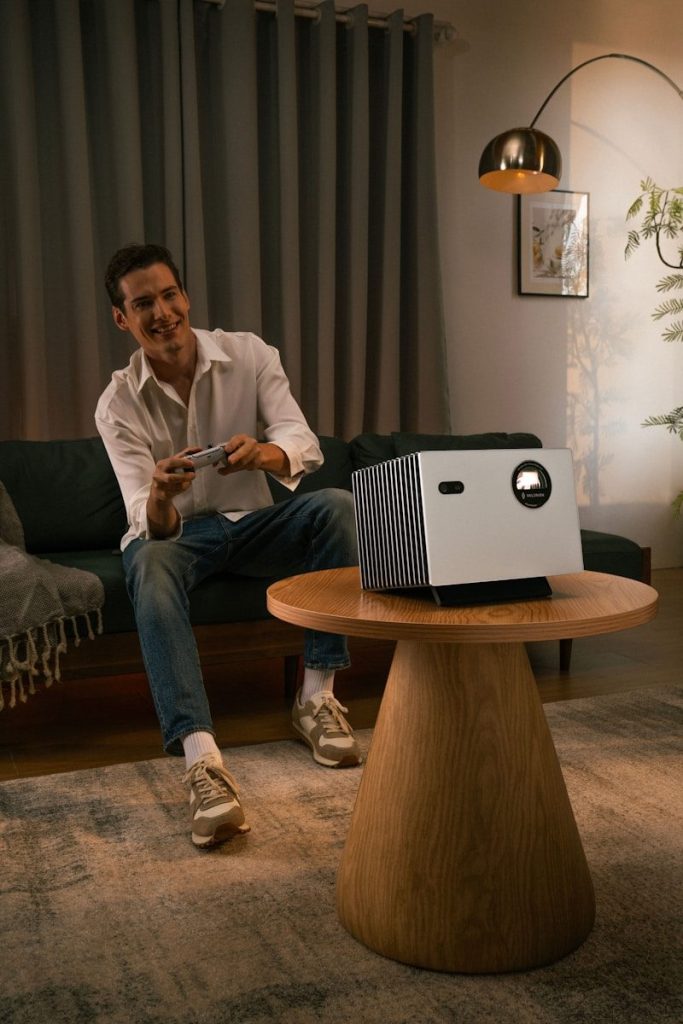
A portable projector becomes more useful when it does not need extra boxes or cables. Built-in streaming software can make it feel closer to a smart TV.
Some newer models include Google TV or similar platforms, which helps users open streaming apps directly. That makes the projector easier to use in different rooms or on casual weekend nights.
Bigger screens feel simple
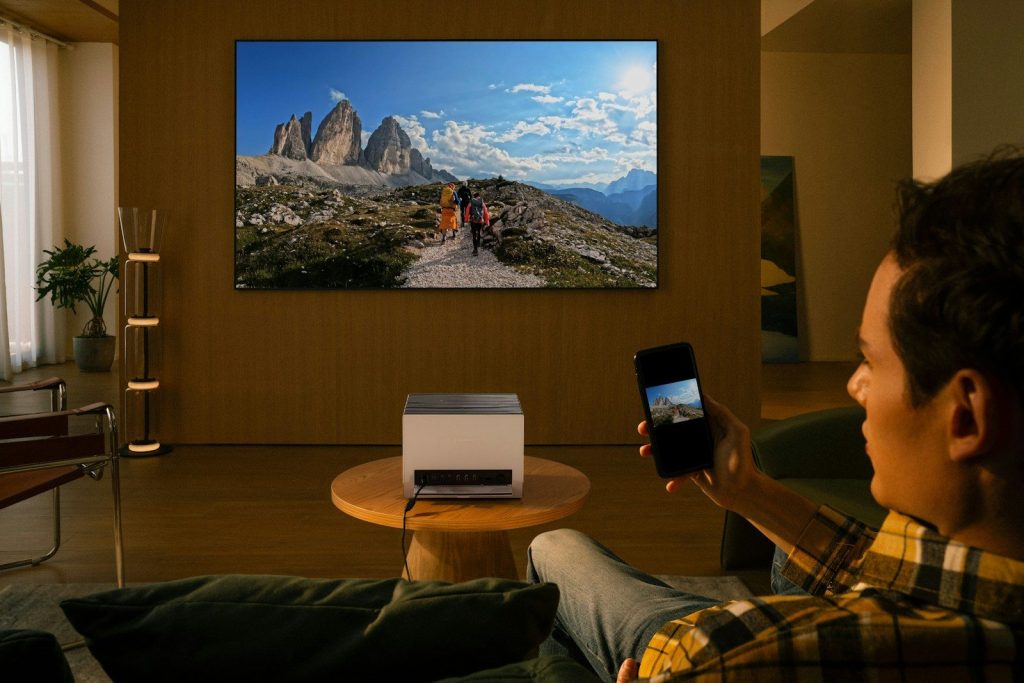
One reason portable projectors are getting attention is screen size. Even a small device can create a picture much larger than many TVs, depending on the room and wall space.
That makes them appealing for movies, sports, family photos, and casual gaming. The screen can feel special without needing a huge permanent display on the wall.
Brightness is improving
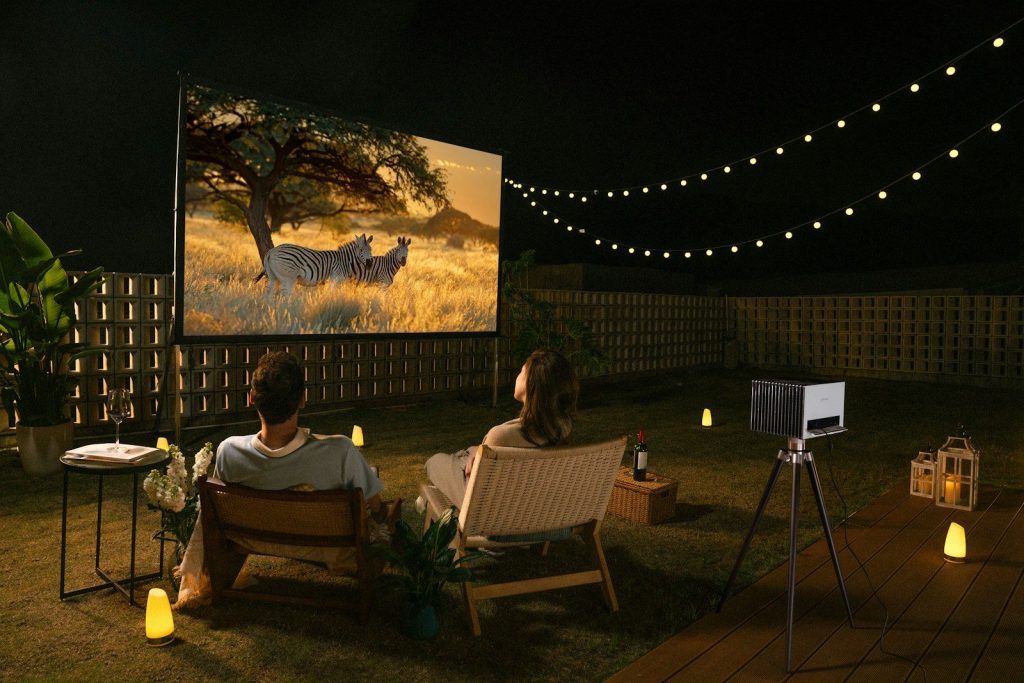
Brightness is still one of the biggest limits for portable projectors. A dim room usually gives the best results, especially with smaller battery-powered models.
Still, the category is improving. Epson’s guide says brightness needs depend on the viewing space, and portable projectors can work well indoors when lighting is controlled.
Speakers are more important
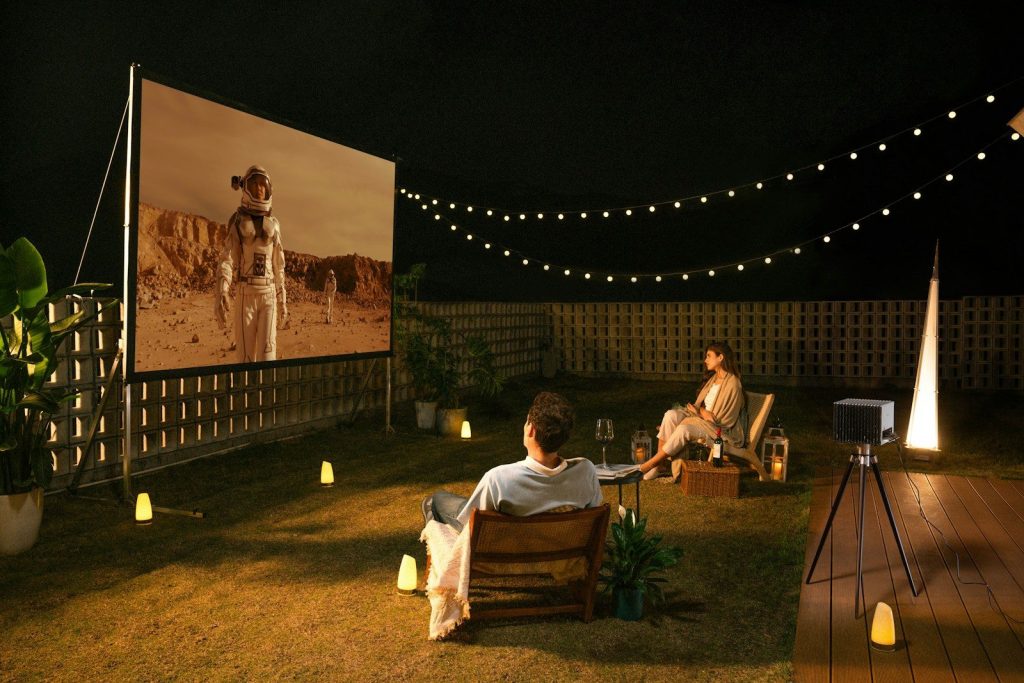
A portable screen needs sound that travels with it. That is why built-in speakers are becoming a bigger part of the package, not just a small extra.
Some portable projectors now promote tuned audio systems or stronger built-in speakers. That can make casual viewing easier because users may not need to connect a separate speaker every time.
Battery power adds freedom
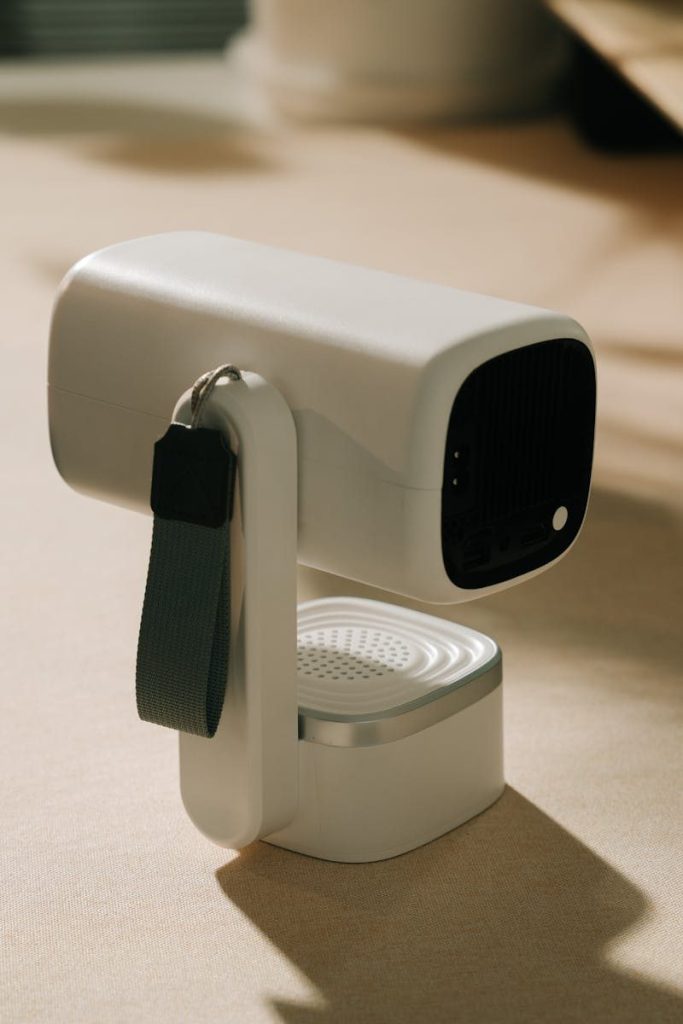
Battery-powered models can make projectors feel more flexible. They can be used where an outlet is not nearby, as long as the battery lasts long enough for the plan.
This is especially useful for short movies, kids’ rooms, travel, or outdoor evenings. Still, buyers should remember that brighter settings can drain battery life faster.
They fit modern homes
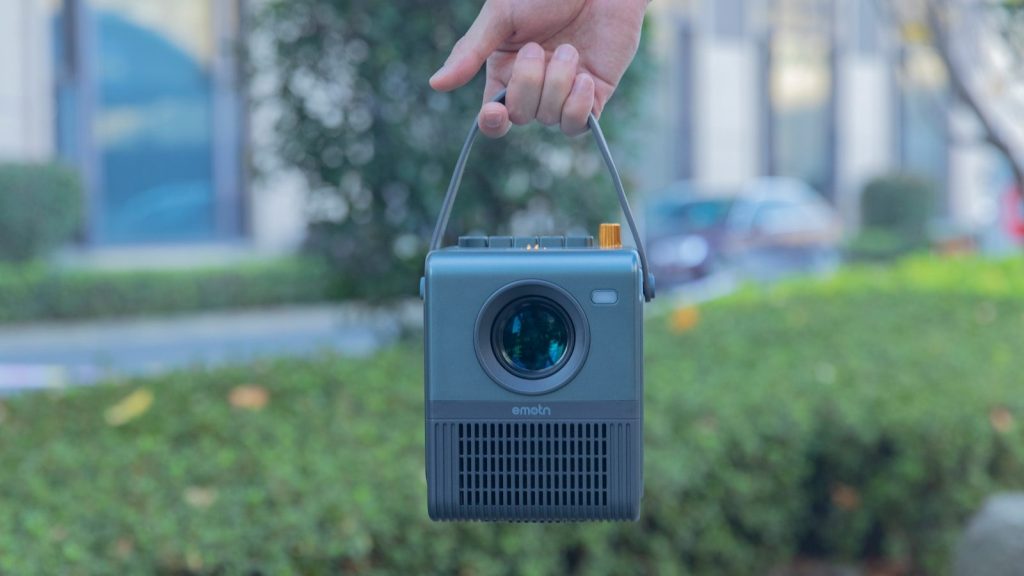
Many homes are now built around flexible spaces. A living room may also be a work area, a playroom, or a place for weekend entertainment.
Portable projectors fit that lifestyle well. They do not need to stay in one place, and they can create a big-screen moment only when people actually want one.
They still need limits
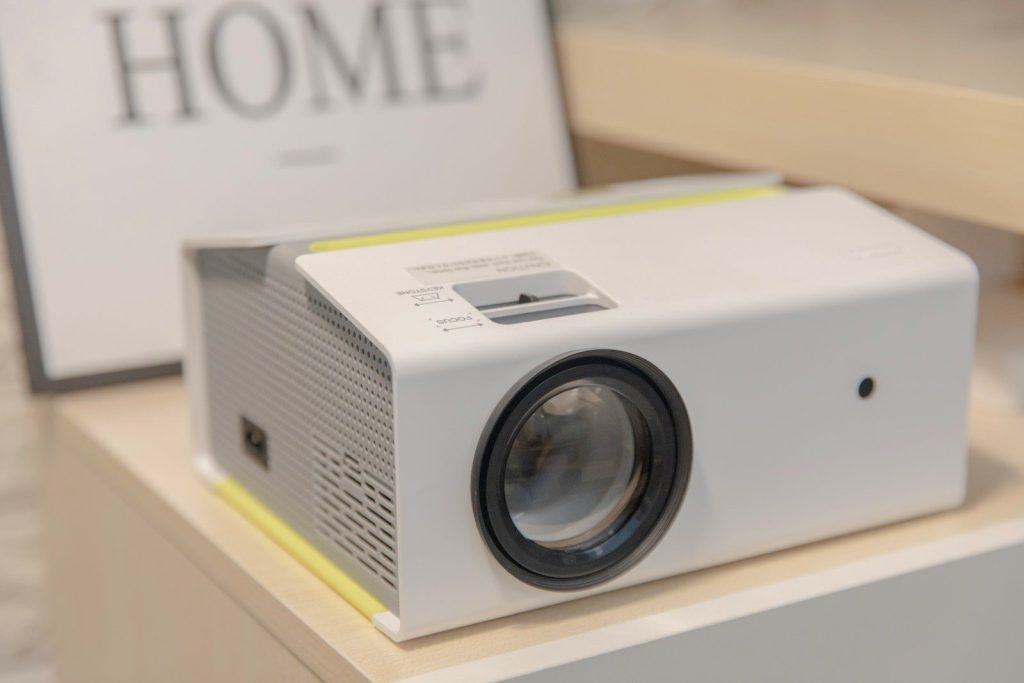
Portable projectors are better than before, but they are not perfect for every room. Bright sunlight, textured walls, weak Wi-Fi, or low battery power can still affect the experience.
That is why they work best as flexible screens, not always as full TV replacements. For many households, that balance is exactly what makes them interesting.
Serious screens are shrinking
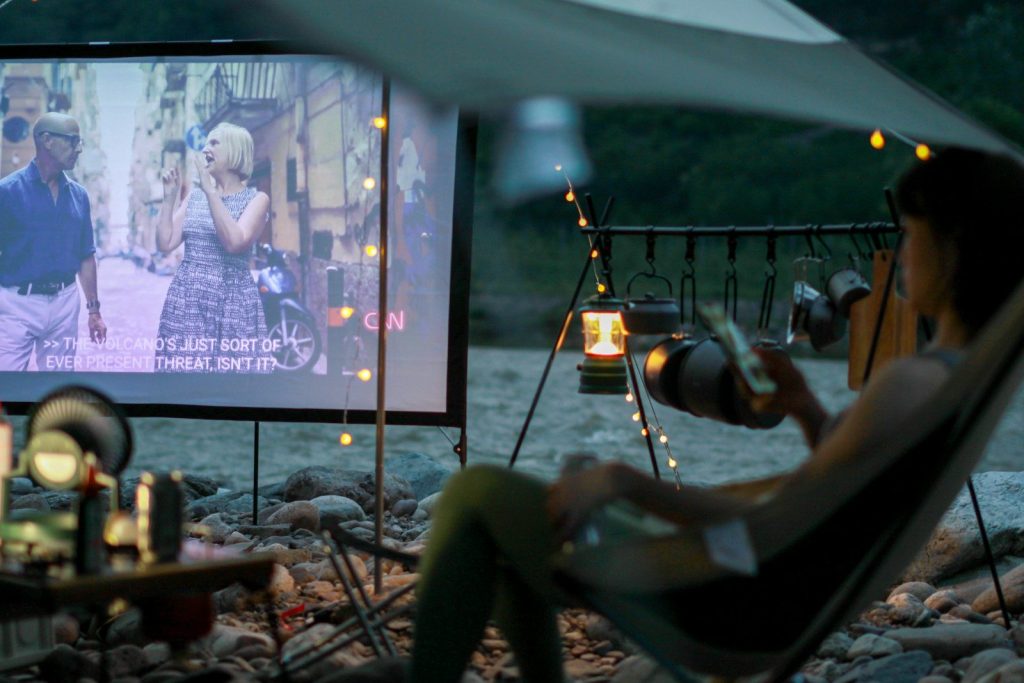
The big shift is that portable projectors no longer feel like simple novelty devices. Better setup tools, smarter software, stronger brightness, and improved sound are making them more practical.
They may not replace every TV, but they can change how people think about screens. A serious viewing setup can now fit in a bag, on a shelf, or on a small side table.
Leave a Reply