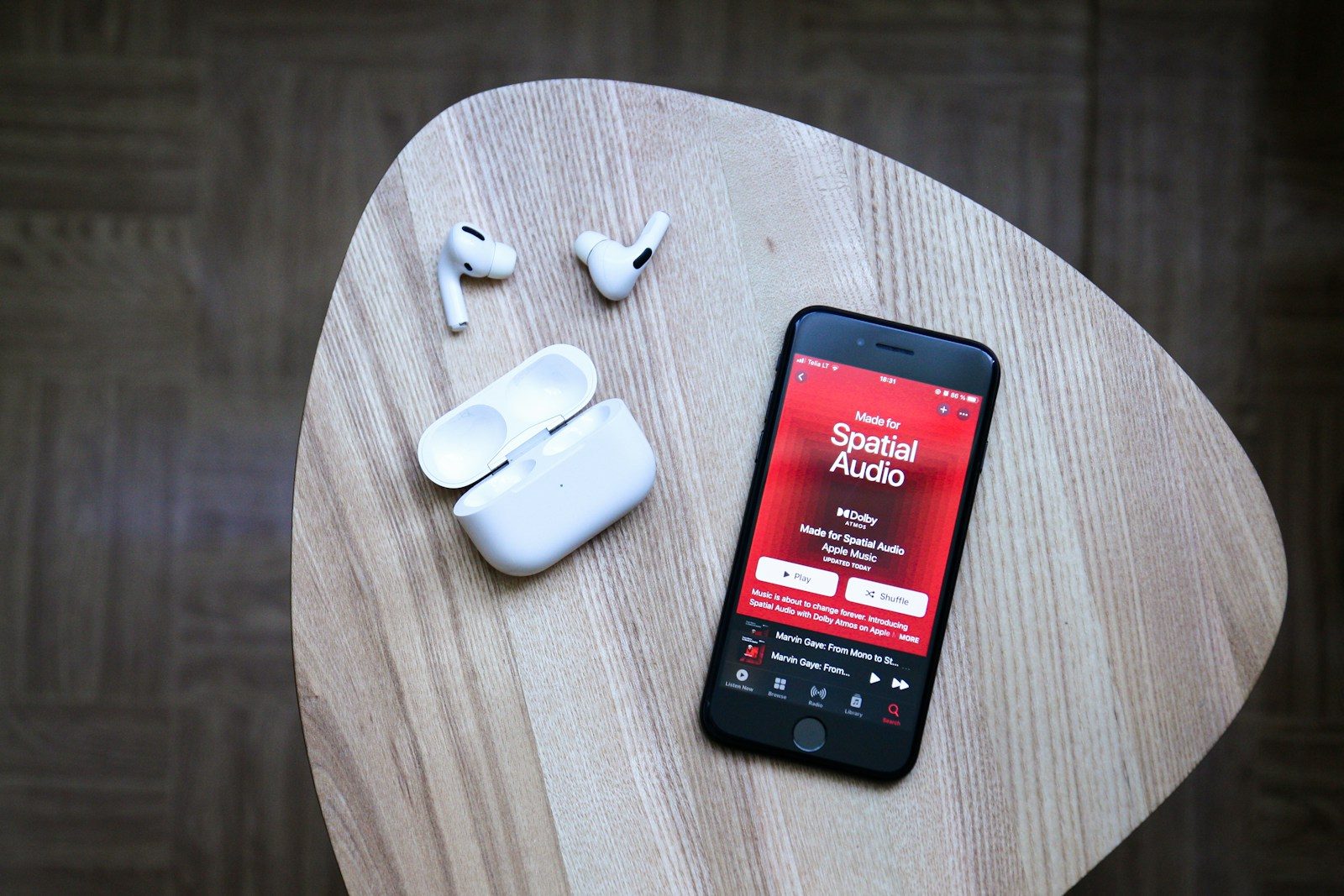
Headphones used to be mostly about volume, bass, comfort, and noise cancellation. Now brands are trying to make sound feel wider, deeper, and more lifelike. Spatial audio is the big reason. Instead of keeping everything locked between your left and right ears, it can make music, movies, games, and videos feel like they are happening around you.
Apple promotes Personalized Spatial Audio with dynamic head tracking on AirPods, Sony offers 360 Reality Audio, Samsung has 360 Audio for Galaxy Buds, Google supports spatial audio with head tracking on Pixel Buds Pro models, and Bose uses Immersive Audio in some headphones. These features do not all work the same way, but they show where personal audio is going: less flat, more open, and more like a room-sized experience in a pocket-sized device.
Sound feels less flat
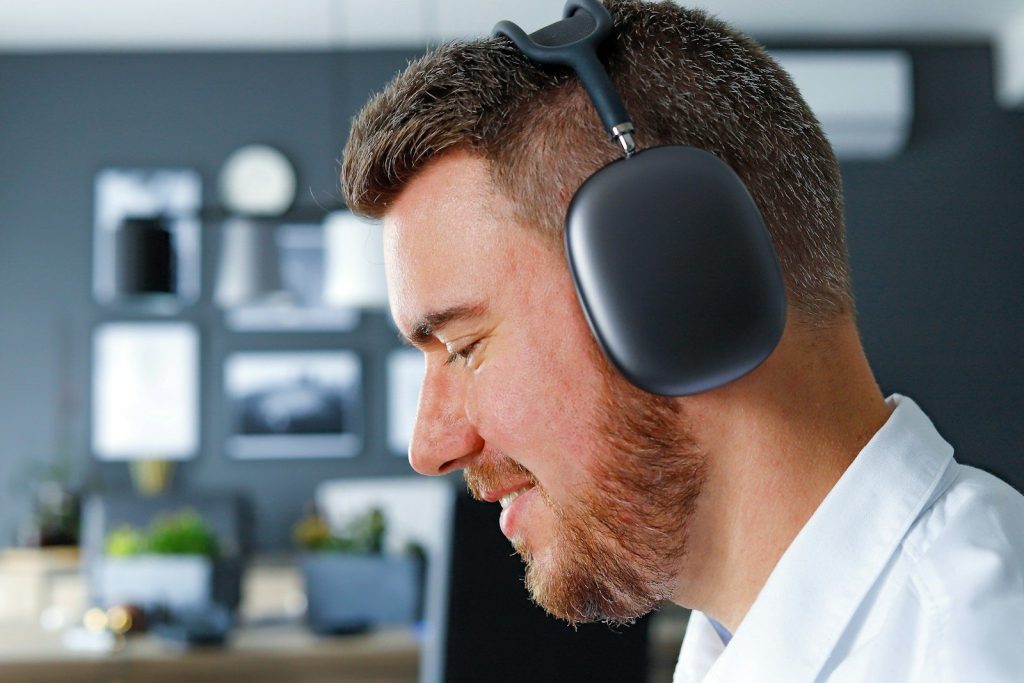
Regular stereo sound usually feels like it sits between your ears. Spatial audio tries to spread that sound out, so voices, instruments, and effects feel like they have more space.
That can make a movie scene feel bigger or a live song feel more open. It does not always replace speakers, but it can make headphones feel less boxed in and more natural.
Apple made it familiar
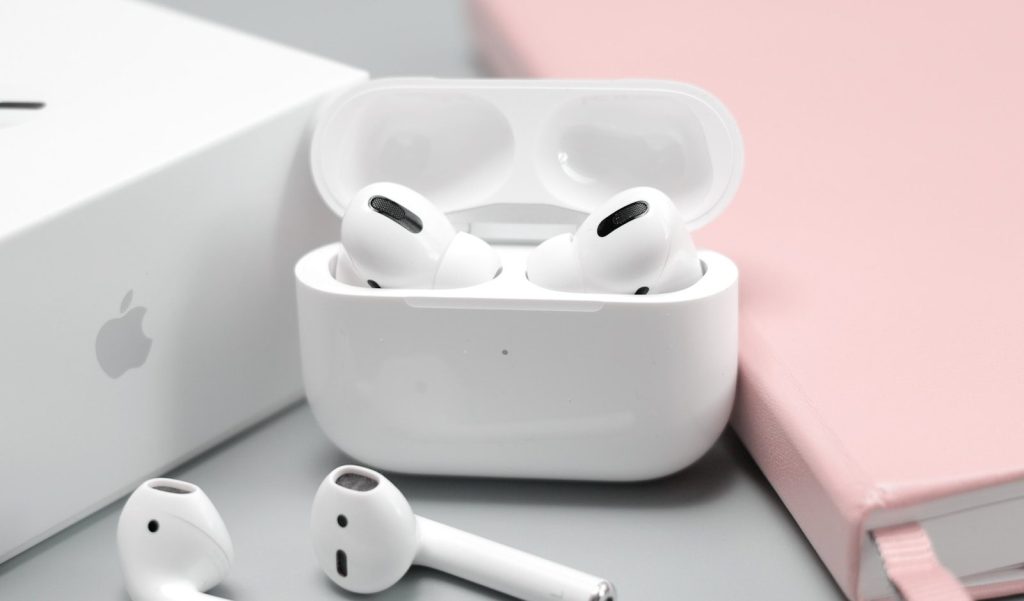
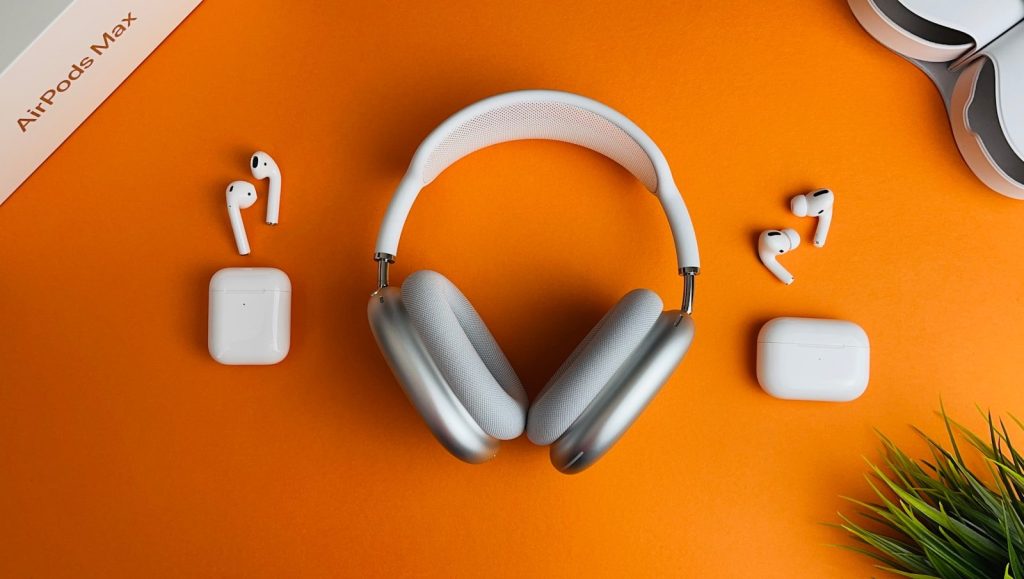
Apple helped make spatial audio a mainstream headphone feature through AirPods. Its current AirPods page highlights Personalized Spatial Audio with dynamic head tracking on models like AirPods Pro and AirPods Max.
For everyday users, the Apple pitch is simple: turn your head, and the sound can feel like it stays placed around you. That makes supported movies, shows, and music feel more anchored than standard stereo.
Samsung keeps it mobile
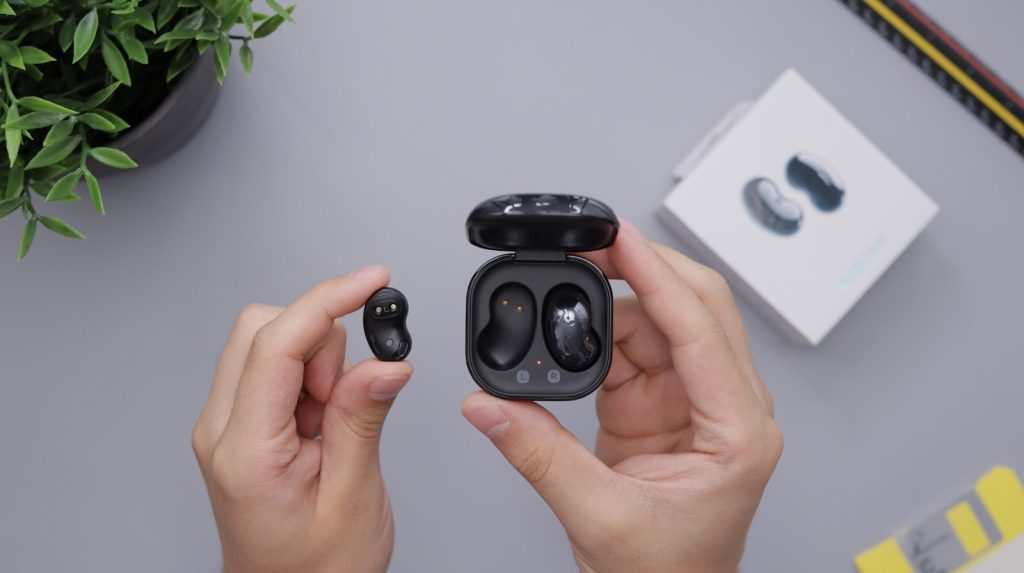
Samsung’s 360 Audio is built around Galaxy phones and Galaxy Buds. Samsung says the feature can create an immersive experience with sound coming from all directions while watching videos.
That matters because many people now watch shows, clips, and tutorials on phones. Spatial audio gives earbuds a bigger job: not just playing sound, but helping a small screen feel more cinematic.
Sony focuses on music
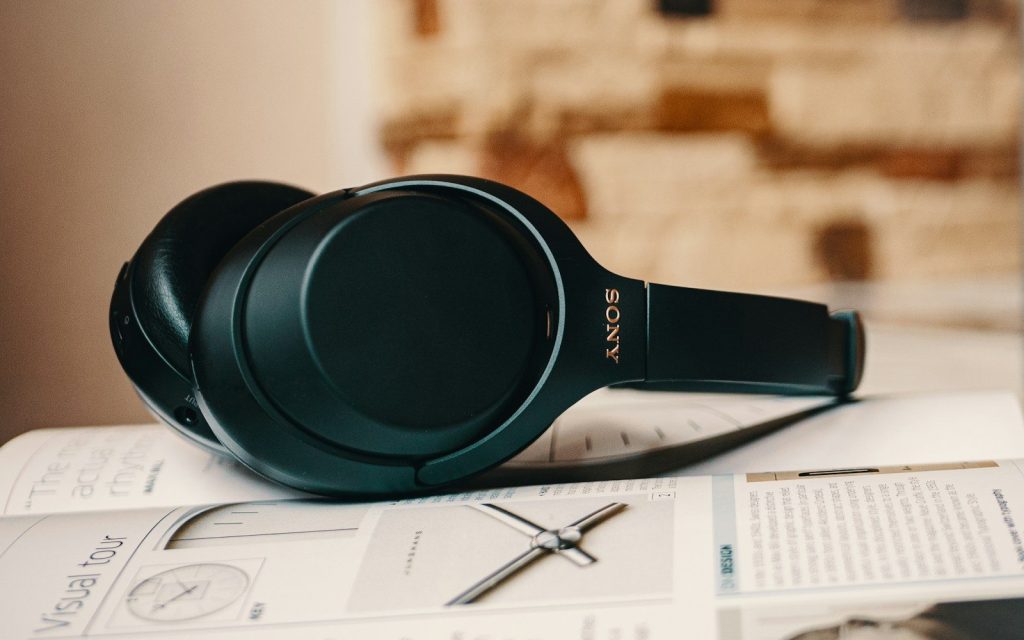
Sony’s 360 Reality Audio is aimed heavily at music. Sony says users can experience it with headphones through an immersive sound field, and it also supports certified products beyond headphones.
The idea is to make songs feel less like a flat recording and more like a space. Vocals, drums, and instruments can seem separated around the listener when the track and service support the format.
Google ties it to Pixel
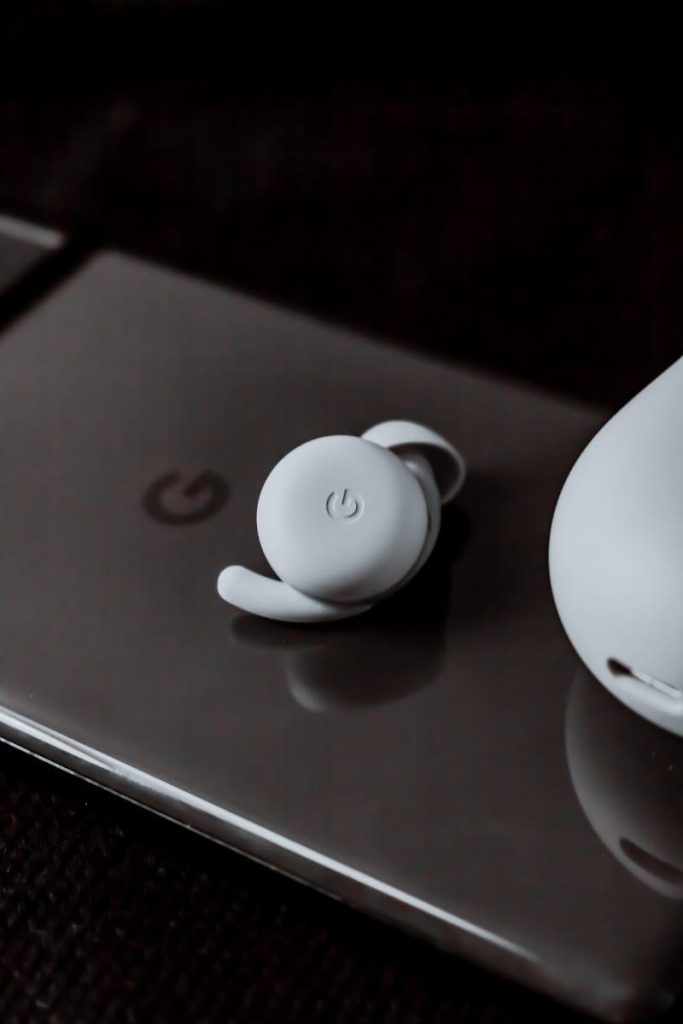
Google supports spatial audio with head tracking on Pixel Buds Pro and Pixel Buds Pro 2 when paired with Pixel 6 or newer Pixel phones. Google also says Pixel Buds 2a support stereo spatial audio without head tracking.
This shows how spatial audio often depends on the full setup. The earbuds matter, but so do the phone, app, content, and software settings.
Bose takes a wider route
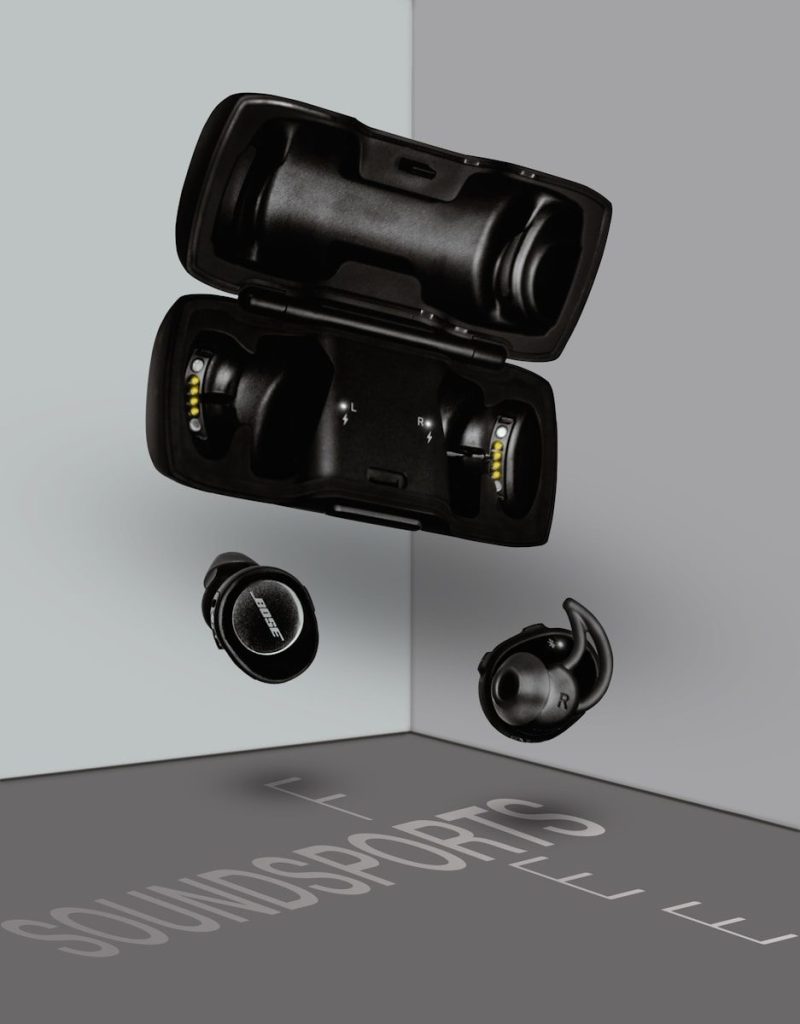
Bose uses the name Immersive Audio for its version of spatial sound. Bose says its spatial headphones combine noise cancellation with immersive audio to make detail sound clearer and more lifelike.
That is important because spatial effects can be harder to notice in noisy places. When noise cancellation lowers outside distractions, the wider soundstage can feel easier to hear.
Movies gain more depth

Spatial audio can be especially useful for movies and shows. A scene with footsteps, rain, music, or a crowd can feel more layered when sound seems to come from different directions.
Dolby Atmos is one of the biggest names here. Dolby describes Atmos as a spatial audio technology designed to make entertainment feel more immersive, including music, movies, TV, and live sports.
Games can feel more aware

For gaming, spatial audio can make headphones feel more practical, not just more dramatic. Directional sound can help players sense where movement, action, or background details are coming from.
This is why many gaming headsets and earbuds now talk about virtual surround or 3D sound. The goal is not only louder audio. It is better awareness inside the game world.
Not every track changes
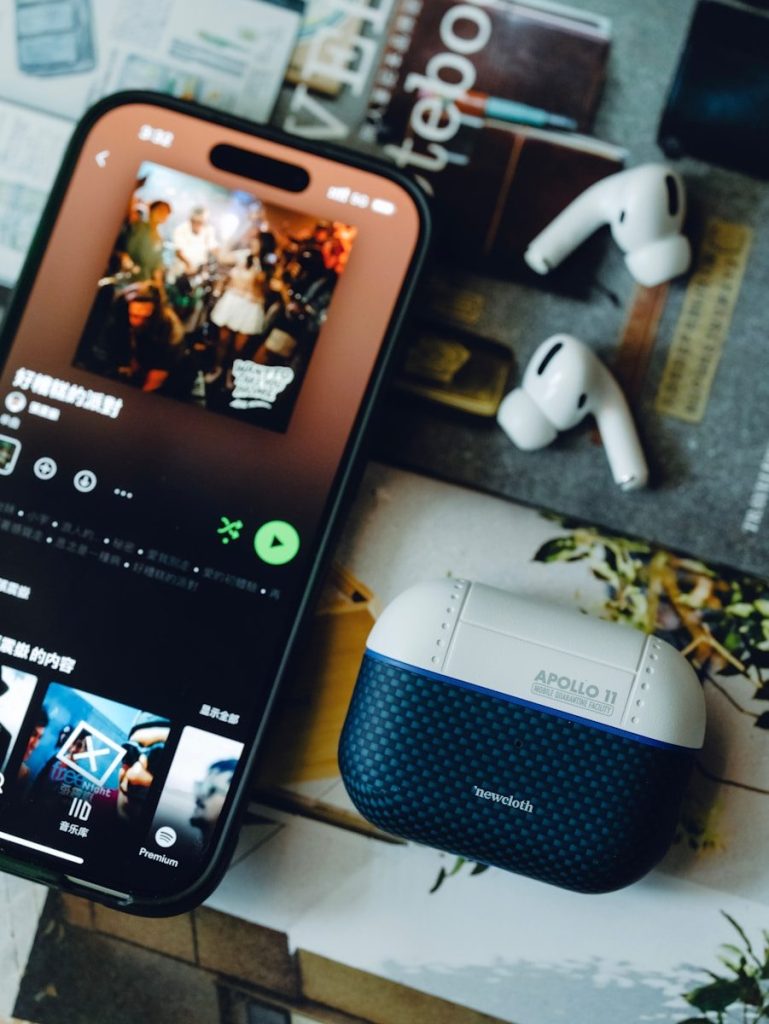
Spatial audio is exciting, but it is not magic. Some songs, videos, and apps support it better than others. A normal stereo track may not sound as dramatic as a movie or song mixed for immersive audio.
That means buyers should check compatibility before expecting a huge difference. The best results usually come when the headphones, phone, app, and content all support the same type of spatial experience.
Headphones are becoming smarter
Spatial audio is pushing headphones and earbuds beyond simple listening. Brands now use motion sensors, software processing, app settings, and personalized tuning to shape how sound reaches each ear.
That makes future headphones feel more like smart devices than basic speakers. Apple, Samsung, Sony, Google, Bose, JBL, and others are all chasing the same idea: sound that feels bigger than the device playing it.
Leave a Reply