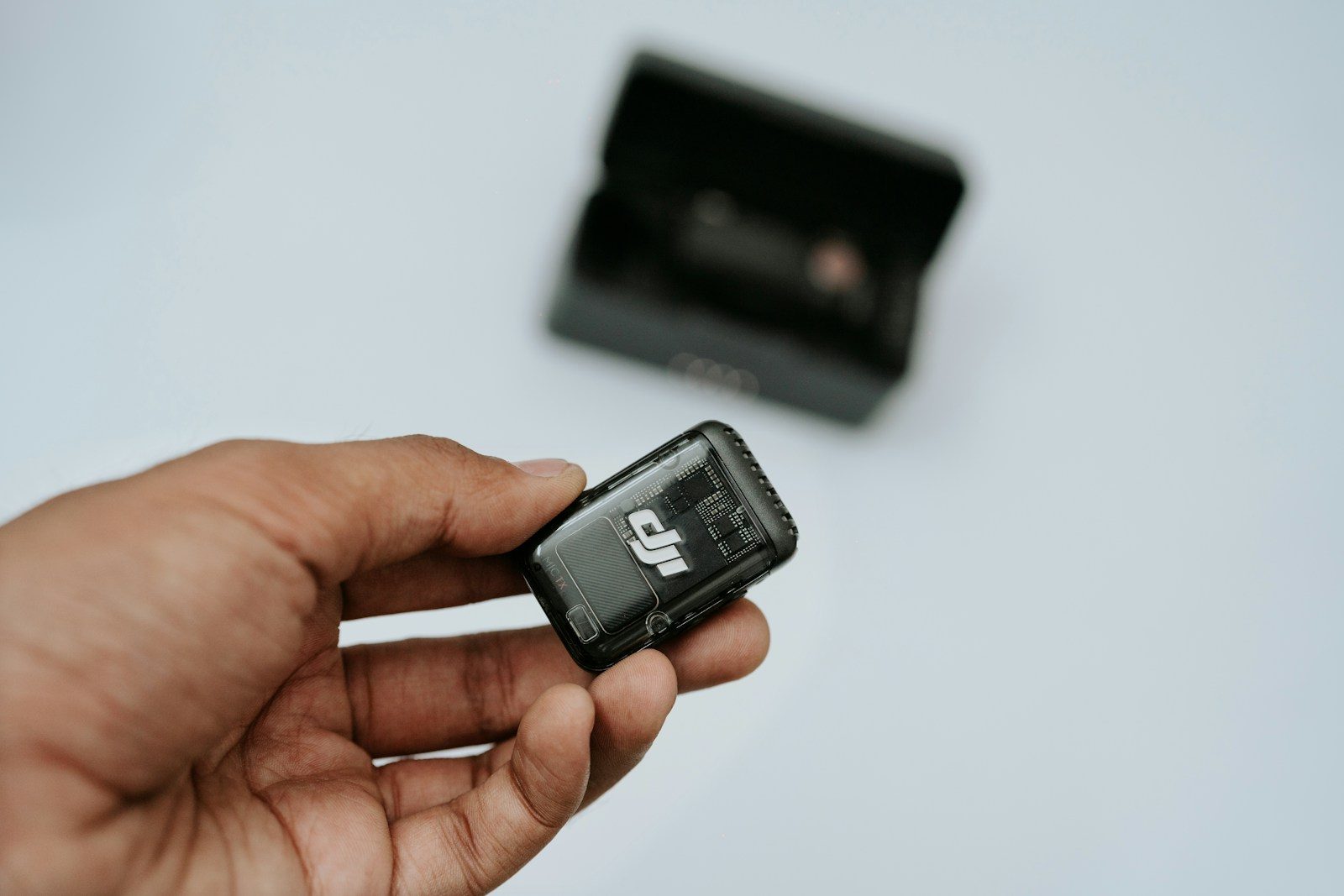
A small clip-on mic used to do one simple job: capture a clearer voice than a phone or camera could on its own. Now, many wireless microphone kits are becoming much more powerful. Some offer onboard recording, charging cases, noise reduction, safety features, timecode support, USB-C connections, and controls that once felt limited to larger audio setups. RØDE’s Wireless PRO, for example, lists 32-bit float onboard recording and timecode, while Sennheiser added 32-bit float support to its Profile Wireless system through a firmware update in 2025.
Hollyland also promotes environmental noise cancellation on its LARK M2 system. These tiny mics are no longer just accessories. For creators, families, teachers, small businesses, and video callers, they are starting to feel like pocket-sized recording studios.
Clearer sound anywhere

Wireless microphones are popular because they move the mic closer to the person speaking. That simple change can make voices sound clearer than using a phone, tablet, or camera from several feet away.
This is why small wireless mics are useful for interviews, tutorials, school projects, travel videos, and family clips. They help capture the voice first, instead of letting room noise take over.
Recording is built in
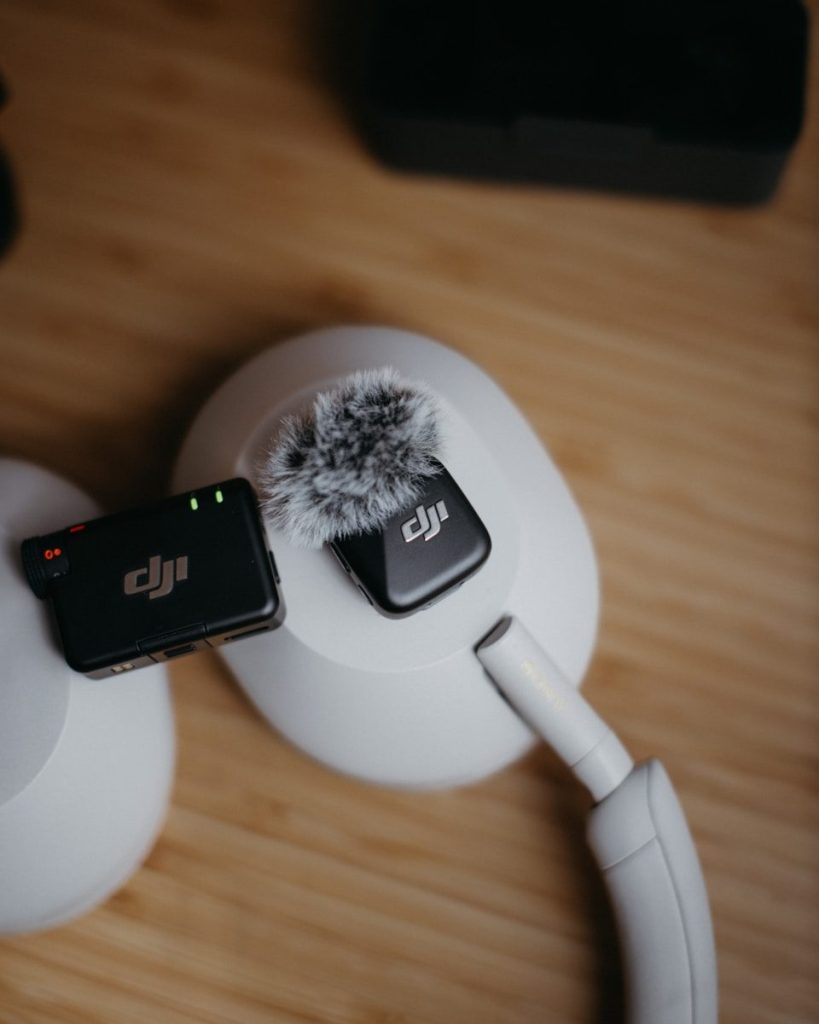
Some wireless mic systems now include onboard recording, which means the transmitter can save audio directly. RØDE’s Wireless PRO lists 32-bit float onboard recording, which can help recover audio that was too quiet or too loud.
That feature makes the mic feel more like a mini recorder. Even if a camera connection fails or a setting is wrong, the mic may still keep a backup track.
Timecode helps creators sync

Timecode may sound technical, but the idea is simple. It helps match audio and video more easily during editing, especially when more than one camera or recorder is used.
RØDE lists timecode capabilities on the Wireless PRO, and Sennheiser’s Profile Wireless update also points toward more professional-style tools in compact systems. These features make small mic kits more useful for serious creators.
Charging cases simplify setup
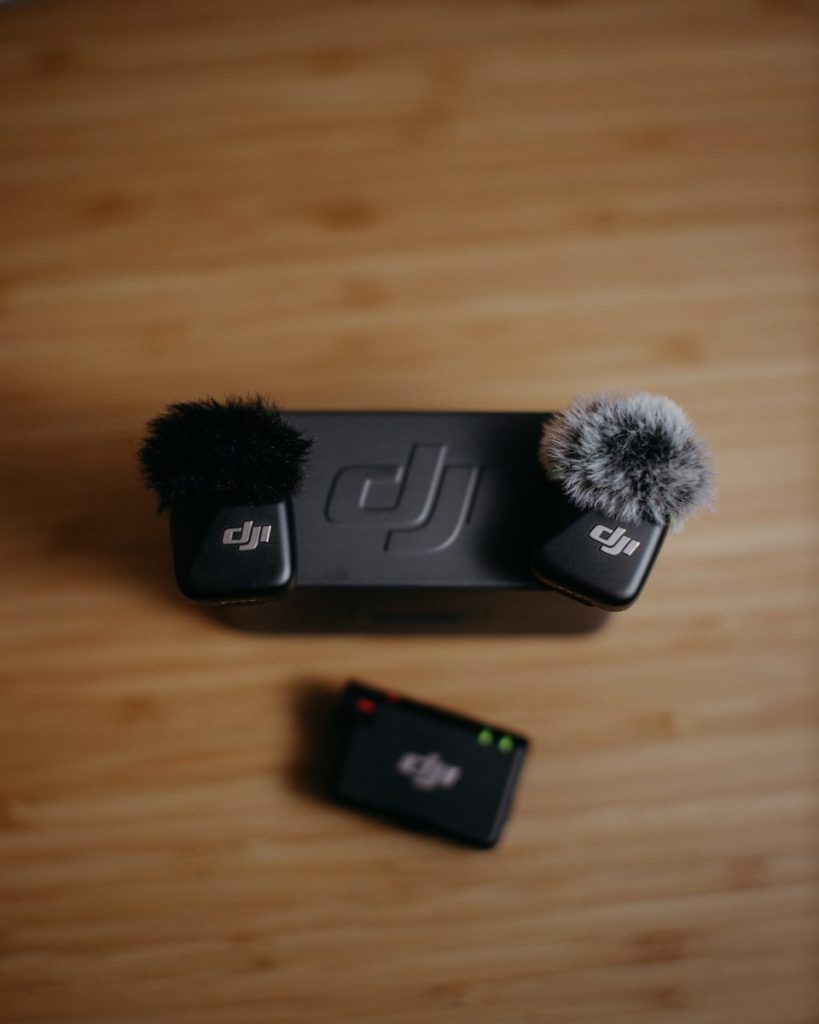
Wireless mics used to mean cables, loose parts, and battery checks. Many newer kits now use charging cases that store the transmitters, receiver, adapters, clips, and windscreens together.
That makes the whole setup easier to carry and easier to trust. A small case can now act like a travel drawer for audio gear, keeping the mic system ready for quick use.
Phones become recording hubs
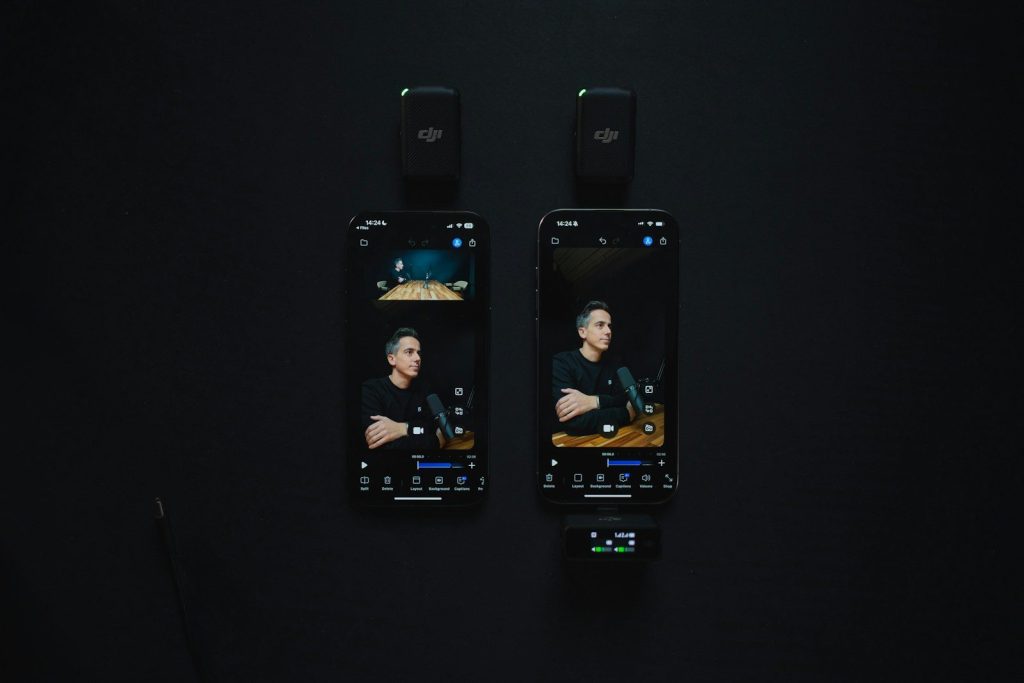
Wireless microphones are no longer just for big cameras. Many systems connect to phones, tablets, computers, and cameras through USB-C, Lightning adapters, or 3.5mm ports, depending on the kit.
That flexibility matters because many people record with phones first. A tiny mic can turn a phone into a stronger tool for short videos, remote work, livestreams, and quick interviews.
Tiny mics support teamwork
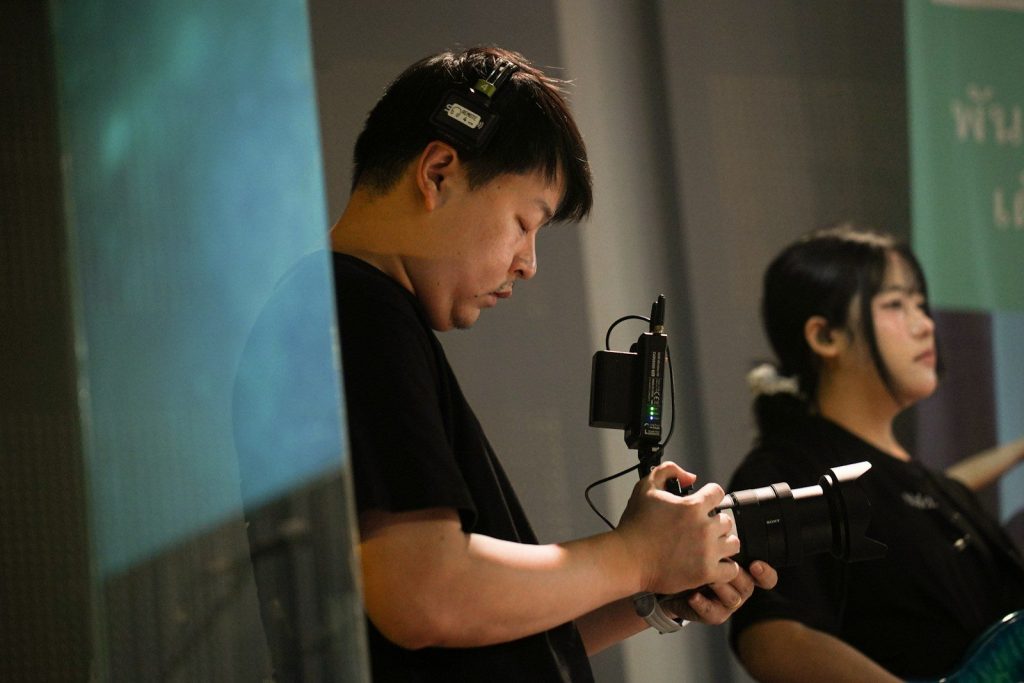
Modern wireless mic kits often support more than one speaker. That helps when two people are talking, walking, teaching, filming a product demo, or recording a conversation.
Instead of passing one microphone around, each person can wear a small transmitter. The result feels more natural, and the final recording can sound cleaner because each voice is captured closer.
Small gear feels less distracting
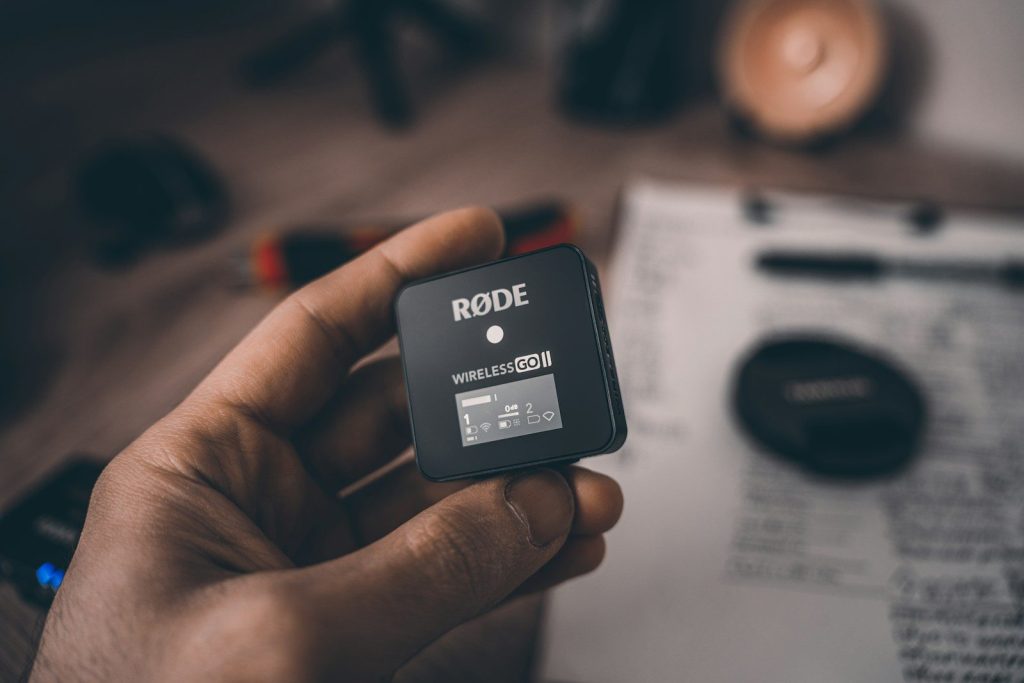
One reason wireless microphones are growing fast is comfort. A small clip-on mic is easier to wear than a large microphone on a stand, and it can look more natural on camera.
This helps people focus on speaking instead of managing gear. For creators, teachers, and small teams, less distraction can mean smoother videos and more confident recordings.
Audio gets more portable
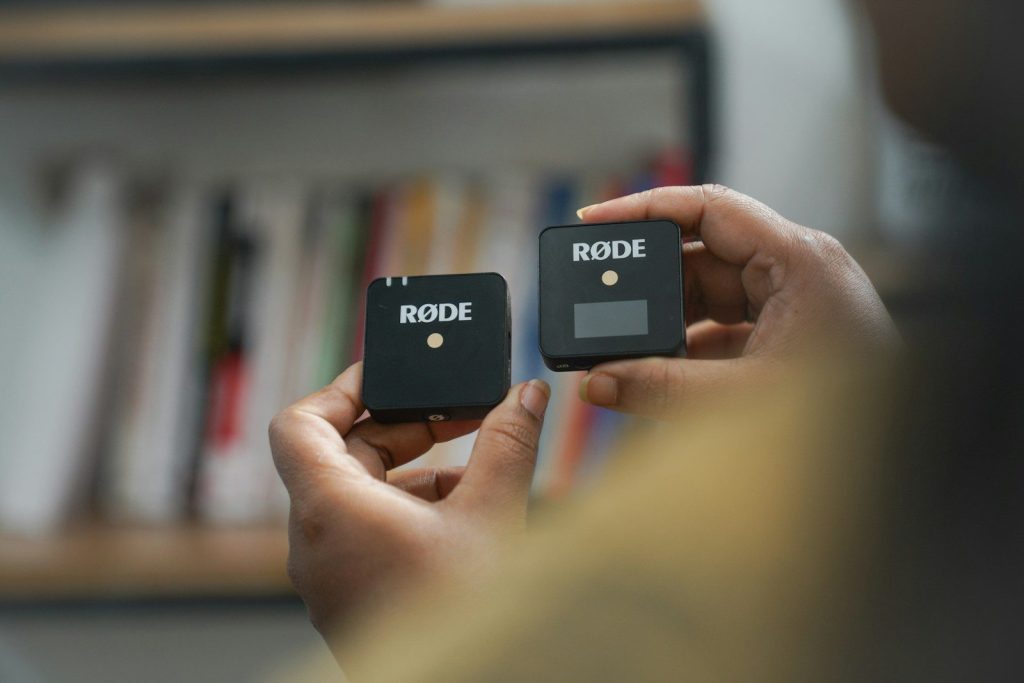
Wireless microphones are becoming tiny studios because they combine several jobs in one small kit. They can capture, record, reduce noise, connect to devices, store power, and support editing workflows.
That does not mean everyone needs a high-end system. But the direction is clear: better audio tools are getting smaller, easier, and more portable for everyday creators.
Leave a Reply