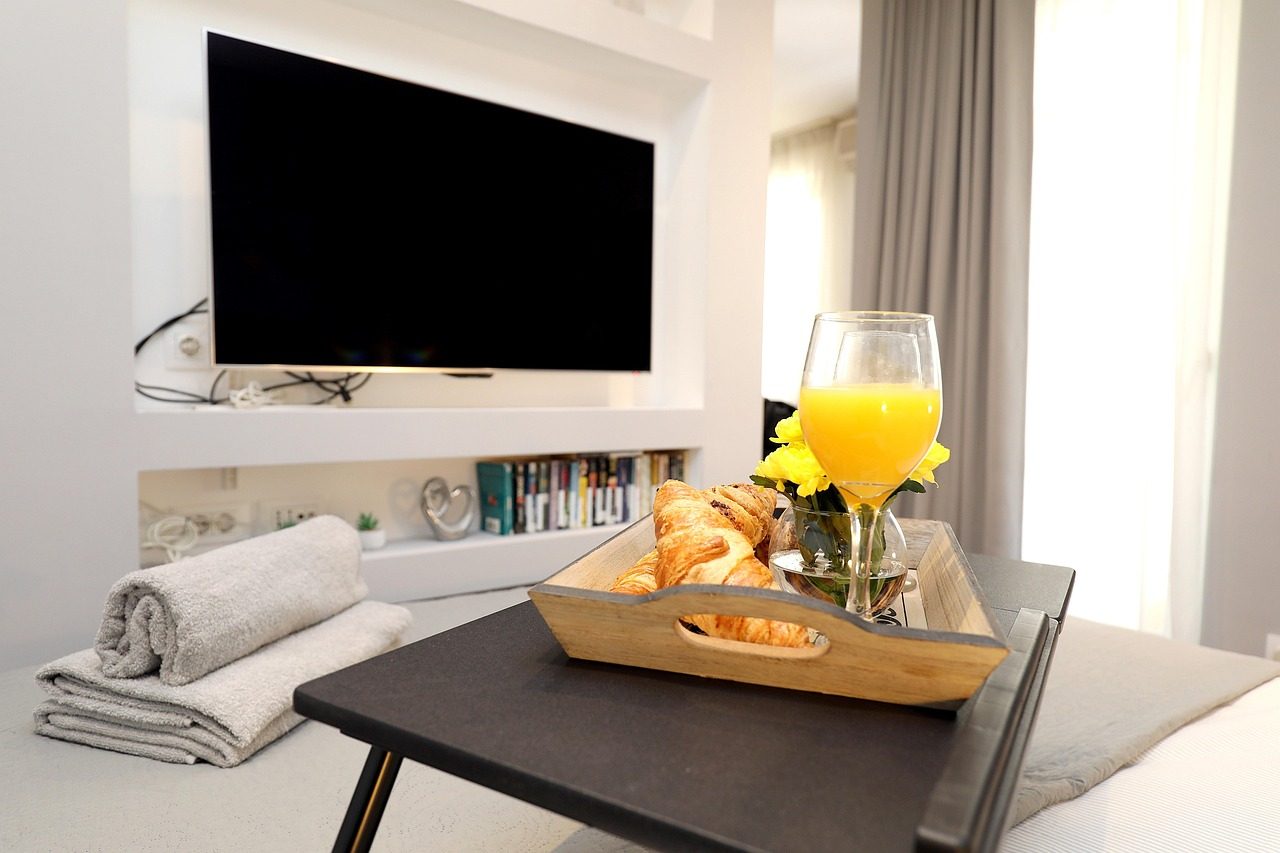
Buying a premium TV used to feel like a simple choice: pick OLED for deep blacks, rich contrast, and a movie-like picture. Now RGB Mini LED is making that decision a lot more interesting. This newer screen approach uses separate red, green, and blue LEDs in the backlight, which can help TVs push brighter images and stronger color than many regular Mini LED sets.
That matters because many living rooms are bright, sports are fast, and today’s HDR movies are made to shine. OLED still has a major edge with pixel-level light control and perfect-looking blacks, but RGB Mini LED is closing the gap in ways shoppers can actually notice.
Brighter rooms need more punch

OLED screens look beautiful, but very bright rooms can make any TV work harder. RGB Mini LED is built to fight that problem with a powerful backlight that can push bold highlights and vivid colors.
That extra punch can help daytime sports, nature shows, and bright movie scenes look clearer. For families who watch TV in sunny living rooms, brightness may matter just as much as perfect black levels.
Color is the big upgrade
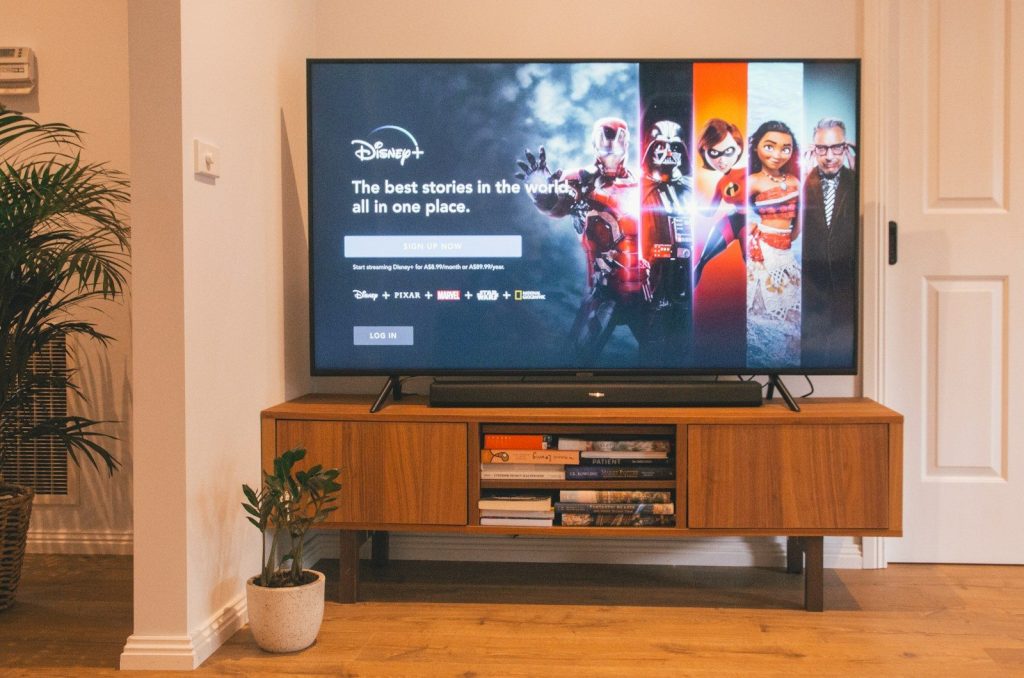
Traditional Mini LED TVs use a white or blue-based backlight with filters and quantum dots to create color. RGB Mini LED changes the game by using red, green, and blue light sources in the backlight itself.
That can help colors look fuller and cleaner, especially in bright HDR scenes. The result is a picture that can feel more vibrant without looking washed out.
OLED still owns black levels
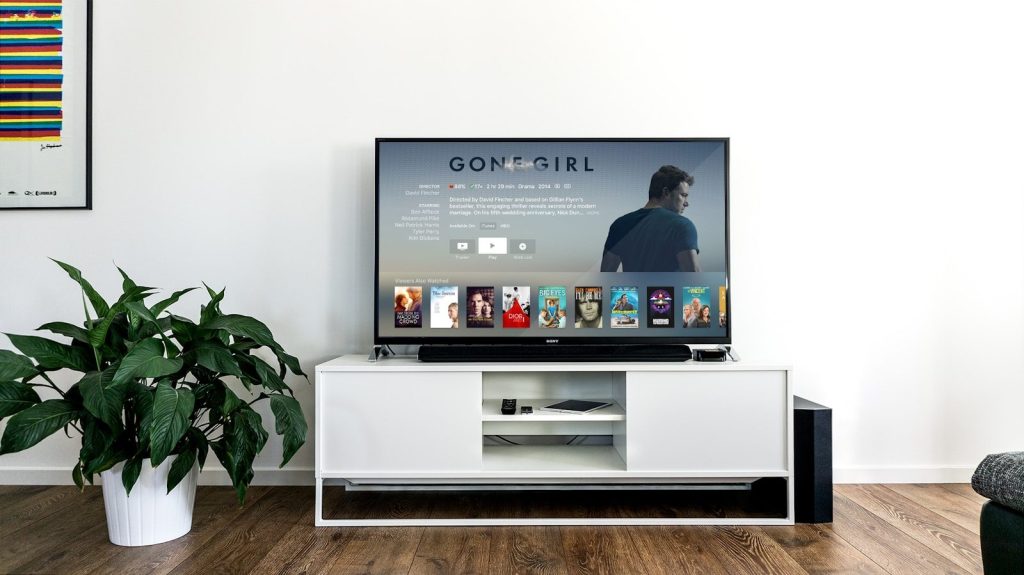
OLED’s biggest strength is simple: each pixel can turn itself on or off. That gives OLED excellent control in dark scenes, especially when stars, shadows, or small lights appear on screen.
RGB Mini LED can dim different backlight zones, but it still relies on an LCD layer. That means OLED remains the cleaner choice for the deepest blacks and the most precise contrast.
HDR scenes can look bigger
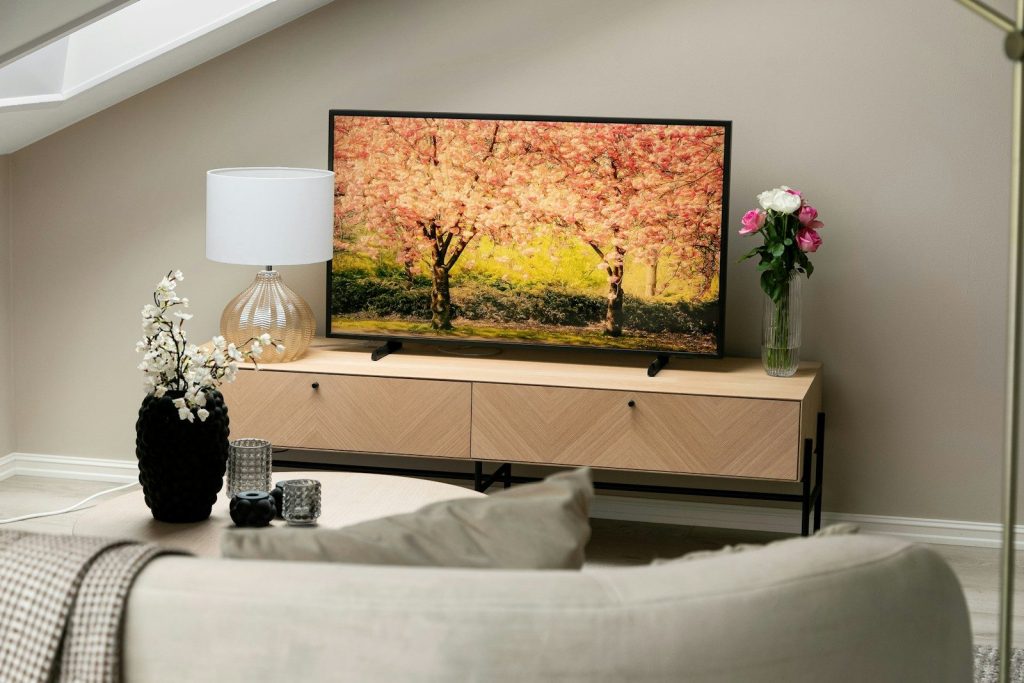
HDR is all about bright highlights, deep shadows, and rich color. RGB Mini LED has a real advantage here because it can deliver very bright peaks while keeping colors strong.
That can make sunlight, fire, city lights, and shiny details feel more dramatic. OLED may still look smoother in dark rooms, but RGB Mini LED can make HDR pop in a way many viewers will notice fast.
Bigger screens are a key battleground
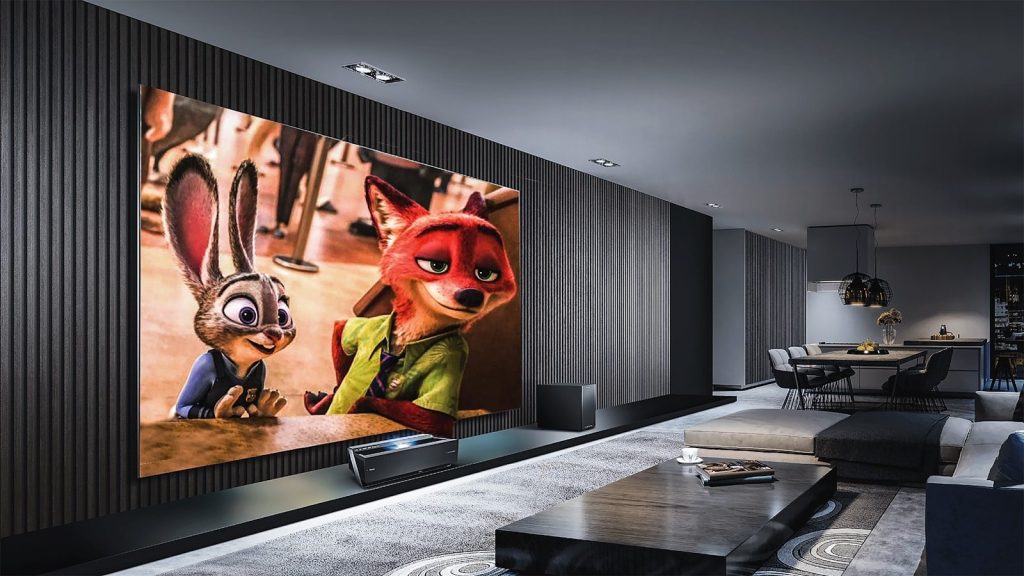
TV brands are pushing RGB Mini LED hard in very large screen sizes. Hisense and TCL have shown giant RGB Mini LED models, including 116-inch and 115-inch class sets aimed at premium buyers.
That matters because OLED prices can climb quickly at huge sizes. If RGB Mini LED keeps improving, it could become a strong option for shoppers who want a theater-like screen at home.
Gaming could benefit too
Gamers often want bright highlights, fast motion, and strong color. RGB Mini LED has the potential to bring those strengths together, especially on large screens built for premium home entertainment.
OLED still has excellent response time and contrast, so it is not being pushed aside. But RGB Mini LED may become a serious gaming rival when brands pair it with high refresh rates and strong processing.
Prices may decide the fight

Early RGB Mini LED TVs are premium products, especially in very large sizes. Hisense’s first 116-inch RGB Mini LED model launched in China at a high premium-market price, showing that this technology is not yet a budget feature.
Still, TV technology often starts expensive and moves down over time. If smaller and more affordable models arrive, RGB Mini LED could reach many more living rooms.
It is not just hype
RGB Mini LED is getting attention because it solves real TV problems. It can offer stronger brightness, better color control, and a safer choice for bright-room viewing than many shoppers expect from premium screens.
That does not mean OLED is outdated. It means OLED finally has a tougher rival, especially for people who care about size, brightness, and bold HDR performance.
The best choice depends on you
OLED is still a great pick for movie lovers who watch mostly at night and want deep blacks. RGB Mini LED may be better for bright rooms, very large screens, and viewers who want a vivid picture all day.
The real winner is the shopper. As brands compete, TVs should keep getting brighter, more colorful, and more flexible for different homes. That makes the next few years exciting for anyone planning an upgrade.
Leave a Reply