
TV sound has changed a lot. A thin screen can look amazing, but its built-in speakers often have limited room to push out rich sound. That is why many people add a soundbar, subwoofer, or rear speakers to make movies, sports, and games feel bigger at home.
Wireless surround sound can help clean up the room by reducing long speaker wires, but it does not always mean every part is completely wire-free. Most systems still need power, and many still connect to the TV through HDMI ARC or eARC for better sound quality and easier control. Some systems use Wi-Fi or a brand’s own wireless link to send sound to rear speakers, while Bluetooth is usually better for simple music playback than serious surround sound.
TV sound starts the chain
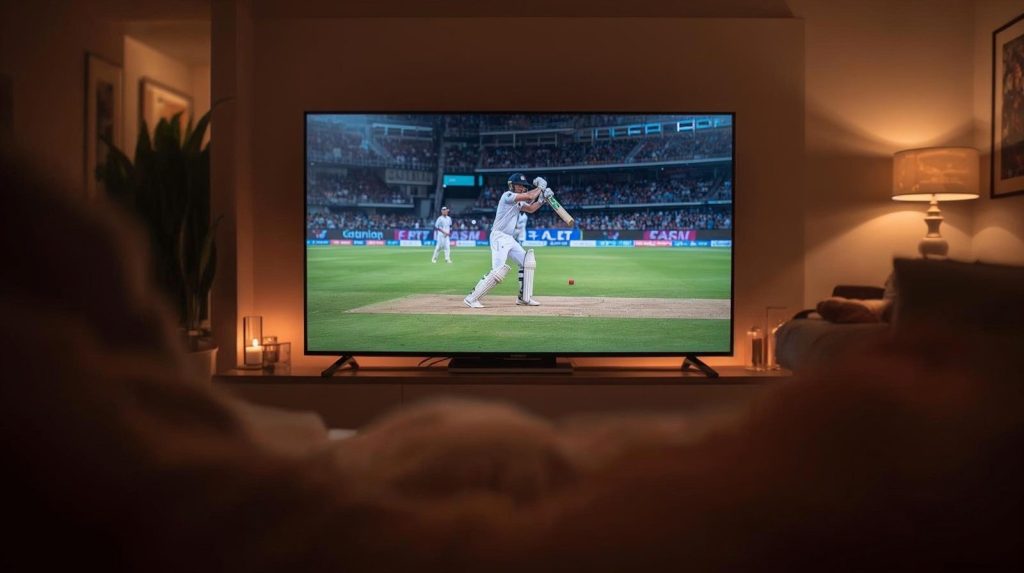
Your TV is usually the starting point. It receives sound from streaming apps, cable boxes, game consoles, or Blu-ray players, then sends that audio to another device.
That device may be a soundbar, receiver, or wireless speaker hub. Once the sound leaves the TV, the system decides which parts go to the front, center, rear, or bass speakers.
HDMI often does the heavy work
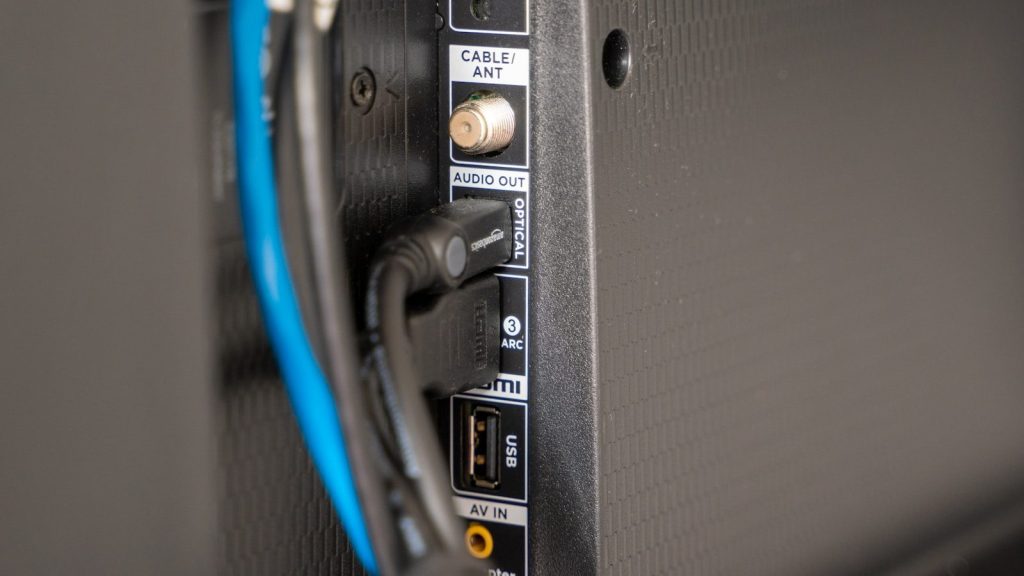
HDMI ARC and eARC are common ways to send TV audio to a soundbar or receiver. They can also let the TV remote control volume on the connected audio system.
eARC can support higher-quality audio formats than older ARC in many setups. That matters when people want fuller surround sound or formats such as Dolby Atmos from supported content and devices.
Wireless does not mean magic
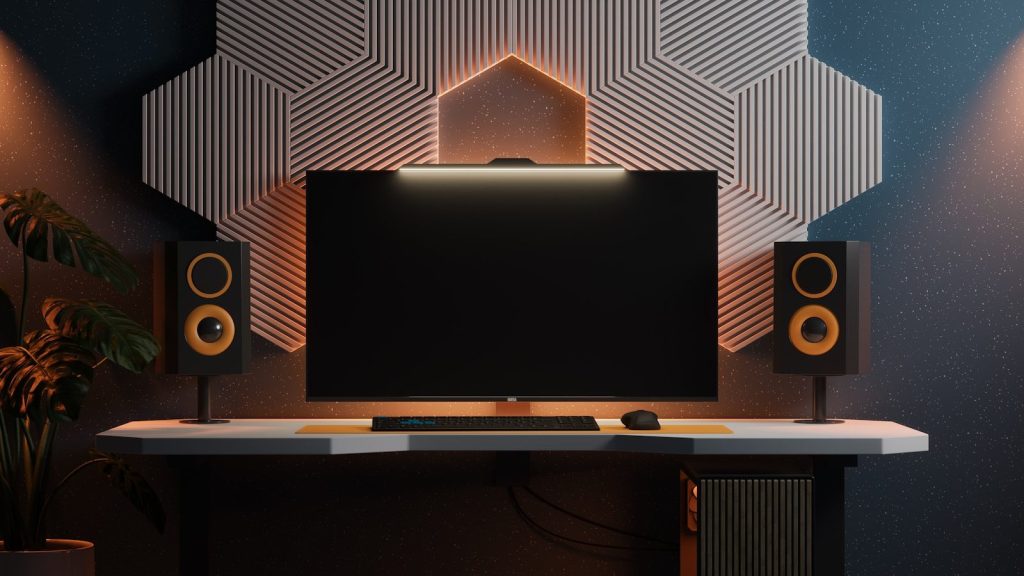
Wireless surround sound usually means fewer speaker cables running across the room. Rear speakers or subwoofers may receive audio without a long wire from the TV area.
Still, many parts need power from a wall outlet. A soundbar may also need an HDMI cable connected to the TV, so “wireless” often means cleaner, not completely cord-free.
Wi-Fi can carry surround sound

Many wireless surround systems use Wi-Fi or a private wireless connection between matching devices. This can help move more audio data than basic Bluetooth in many home theater setups.
That is why some brands require compatible speakers on the same network. In some systems, wireless surround features may not work through Bluetooth alone.
Bluetooth has a smaller role
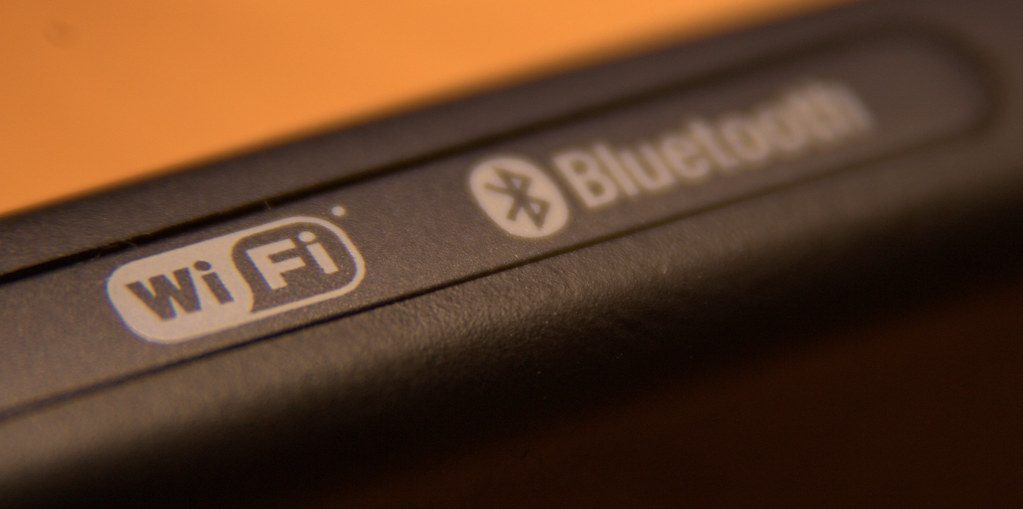
Bluetooth can be handy for quick music streaming from a phone. It is simple, familiar, and works with many devices.
For TV surround sound, though, Bluetooth is not always the best choice. It can have delay, limited format support, or lower audio quality, depending on the device and connection.
Rear speakers create space
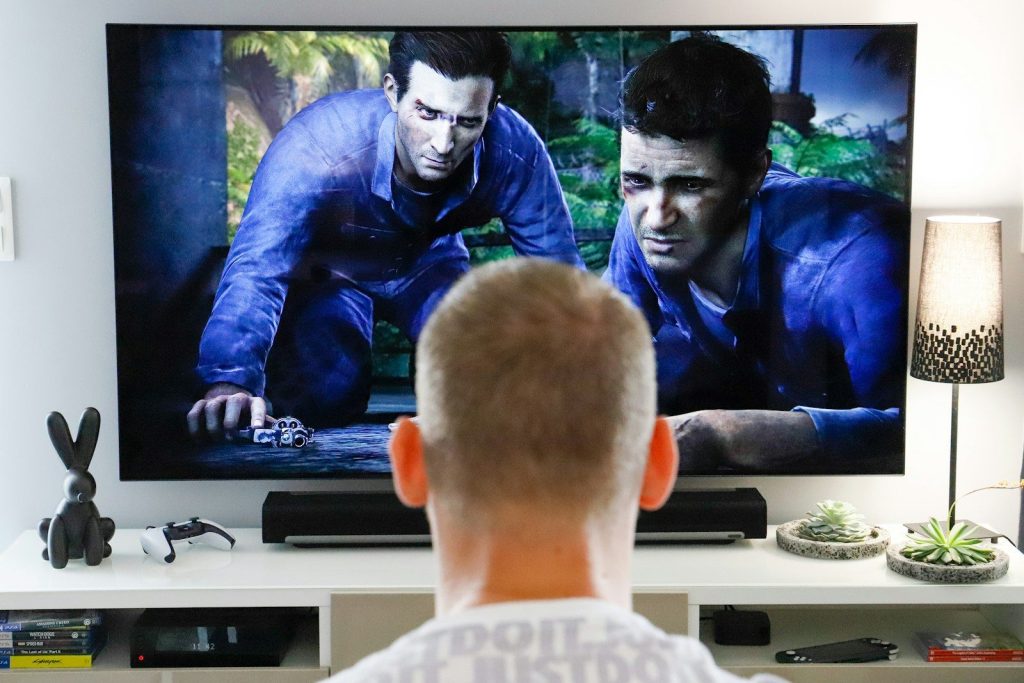
Rear speakers help sound feel like it is coming from behind or around the viewer. That can make rain, crowds, engines, or background action feel more natural.
A soundbar alone can still improve TV sound, but physical rear speakers usually create a stronger surround effect. Placement matters, so the speakers should sit beside or behind the seating area when possible.
Subwoofers add the impact
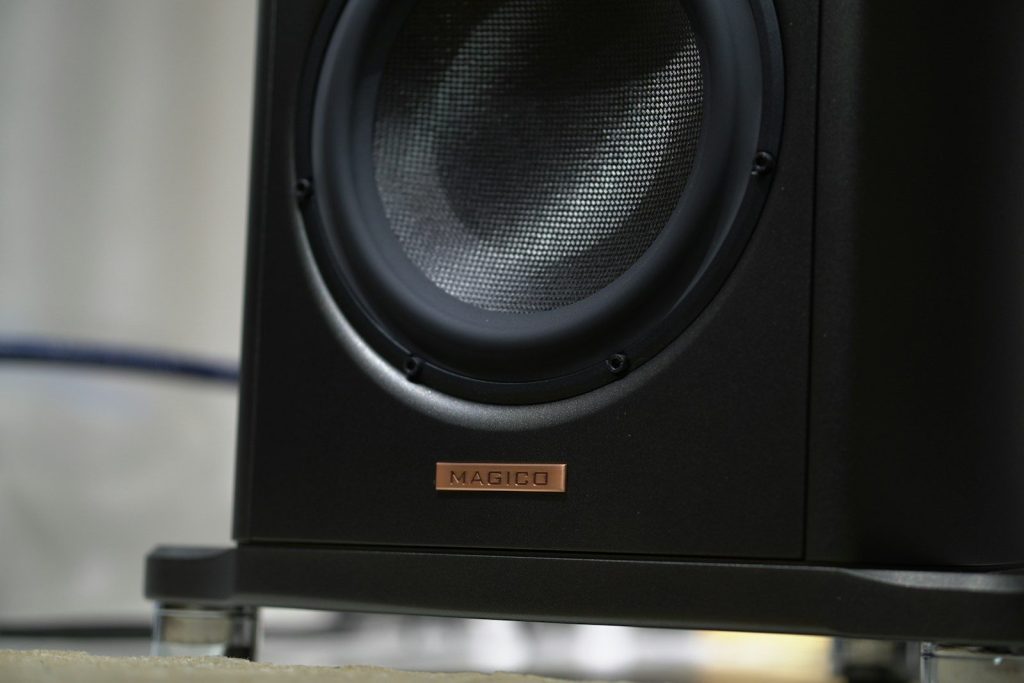
A subwoofer handles deep bass that small TV speakers usually cannot produce well. That can make action scenes, music, and sports broadcasts feel fuller.
Many modern subwoofers connect wirelessly to the soundbar or main system. They still usually need power, but they can be placed more freely than a fully wired bass speaker.
Dolby Atmos can add height

Dolby Atmos is designed to make sound feel more three-dimensional. Some TVs, soundbars, and speaker systems can use it to create the feeling of sound above and around the room.
Some systems use upward-firing speakers, while others use sound processing to create a height effect. The final result depends on the room, speaker design, and content support.
Setup choices affect results

Good surround sound is not only about buying extra speakers. TV settings, the right HDMI port, speaker placement, and sound modes can all change the experience.
A common mistake is leaving TV audio set to internal speakers instead of the soundbar or receiver. Using the correct output setting can make the system work as intended.
Compatibility matters most
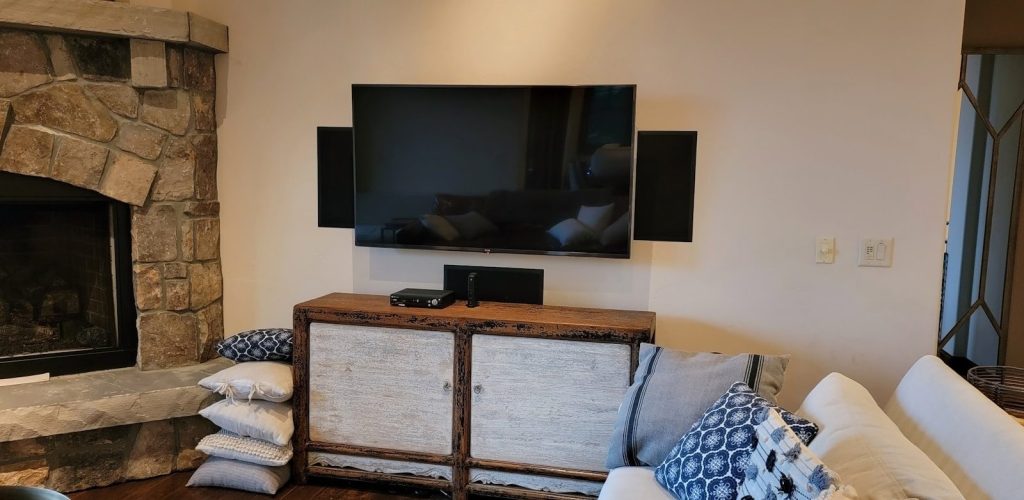
Wireless surround systems often work best when the soundbar, rear speakers, and subwoofer are designed to pair together. Mixing random wireless speakers may not create true surround sound.
Before buying, people should check TV ports, ARC or eARC support, app support, and whether the speakers are made for the same system. That simple check can prevent setup problems later.
The right setup feels cleaner

Wireless surround sound can make a TV room feel neater and more immersive. It is especially useful for people who want better audio without running speaker wire across the floor.
The best setup depends on the room, budget, and how much surround effect someone wants. For many homes, a soundbar with wireless rear speakers and a subwoofer offers a strong balance of sound and simplicity.
Leave a Reply