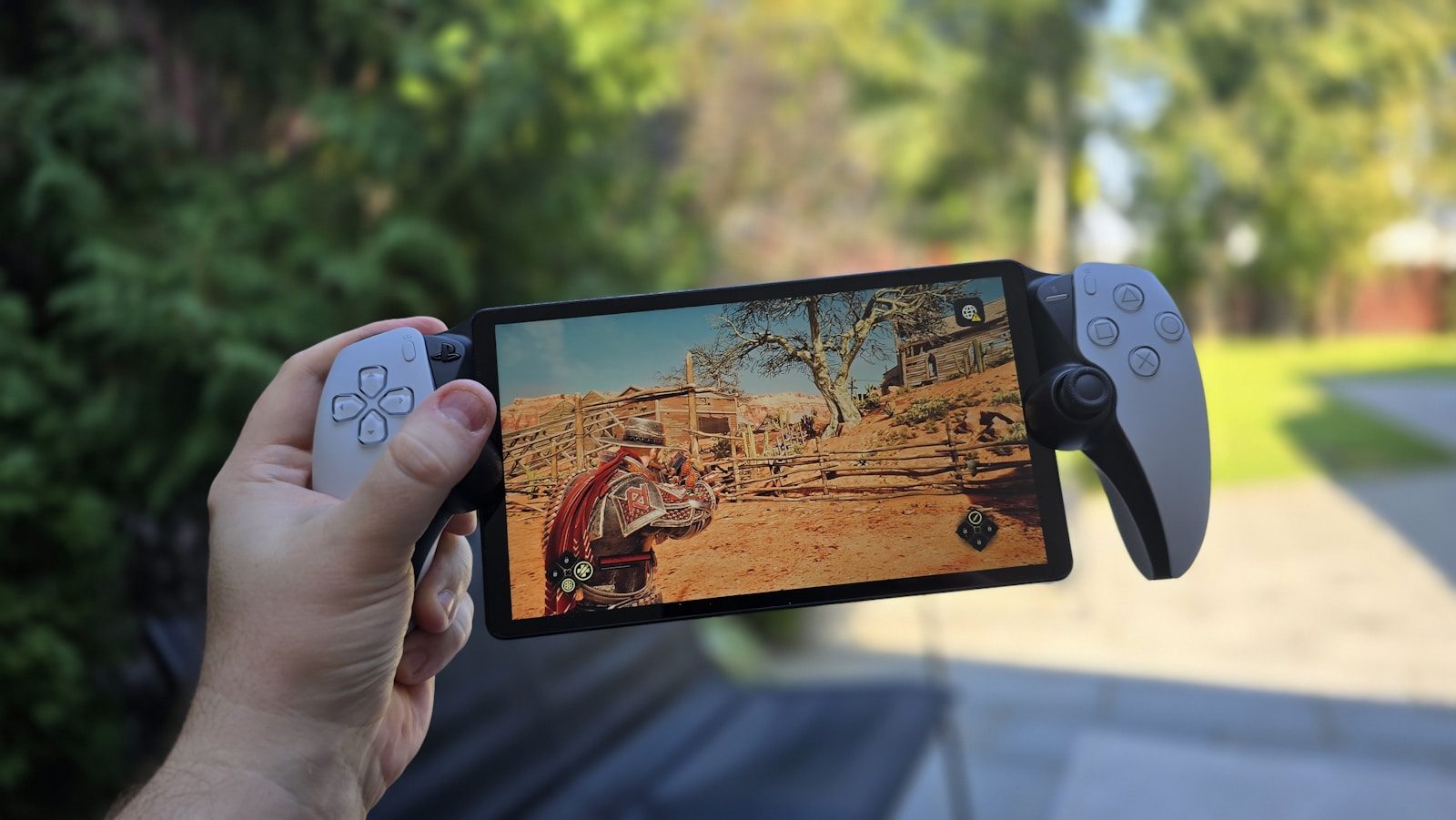
Handheld gaming is not just about small consoles anymore. It now includes cloud gaming, Remote Play, PC handhelds, hybrid systems, and devices that fit around busy home routines. That is where PlayStation Portal has found its lane. It is not trying to be a full console like the Nintendo Switch or a portable PC like the Steam Deck. Instead, it gives PS5 owners a simple way to keep playing when the TV is busy or when they want to move around the house.
Recent cloud streaming support has also made PlayStation Plus Premium membership more flexible. So the big question is not whether Portal replaces other handhelds. It is whether its focused job makes more sense in today’s growing handheld world.
A different kind of handheld
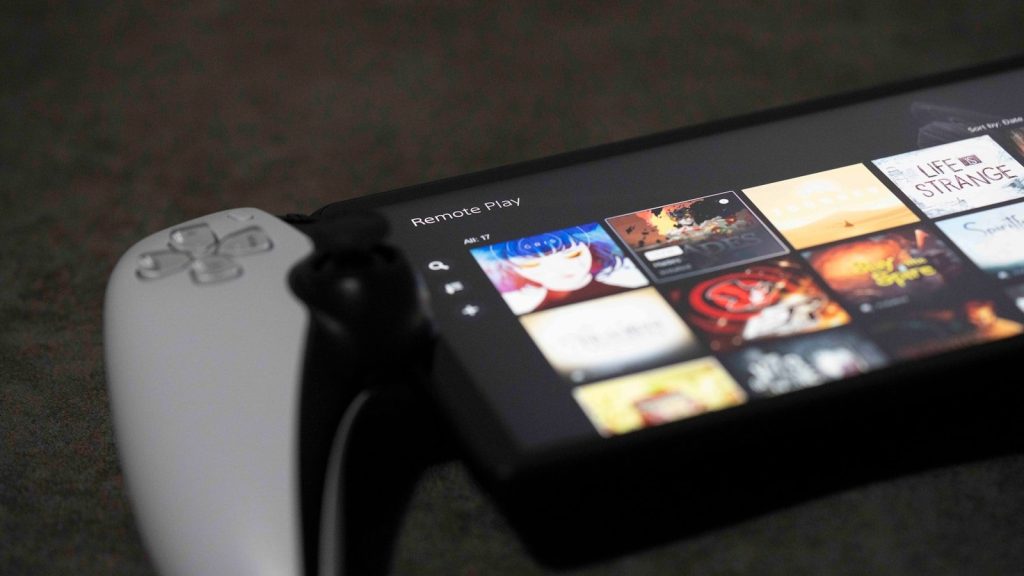
PlayStation Portal is not built like a normal portable console. Its main job is Remote Play, which lets users stream compatible games from their PS5 over Wi-Fi instead of running games directly on the device.
That makes Portal a focused handheld, not a do-everything machine. It fits people who already own a PS5 and want another way to play without moving the console or taking over the main TV.
It solves the TV problem
One reason Portal makes sense is simple: many homes share one big screen. If someone else is watching a show or using the TV, a PS5 game can continue on the Portal.
That everyday use case is easy to understand. It turns the PS5 into a more flexible home system, especially for players who mostly game in short sessions after school, work, or family time.
The design feels familiar
Portal uses an 8-inch screen and controls shaped around the DualSense style. Sony says it supports key DualSense features, including haptic feedback and adaptive triggers in supported games.
That helps it feel less like a phone clip or basic streaming screen. For PlayStation fans, the layout is familiar right away, which can make the device easier to pick up and enjoy.
Cloud streaming changes things
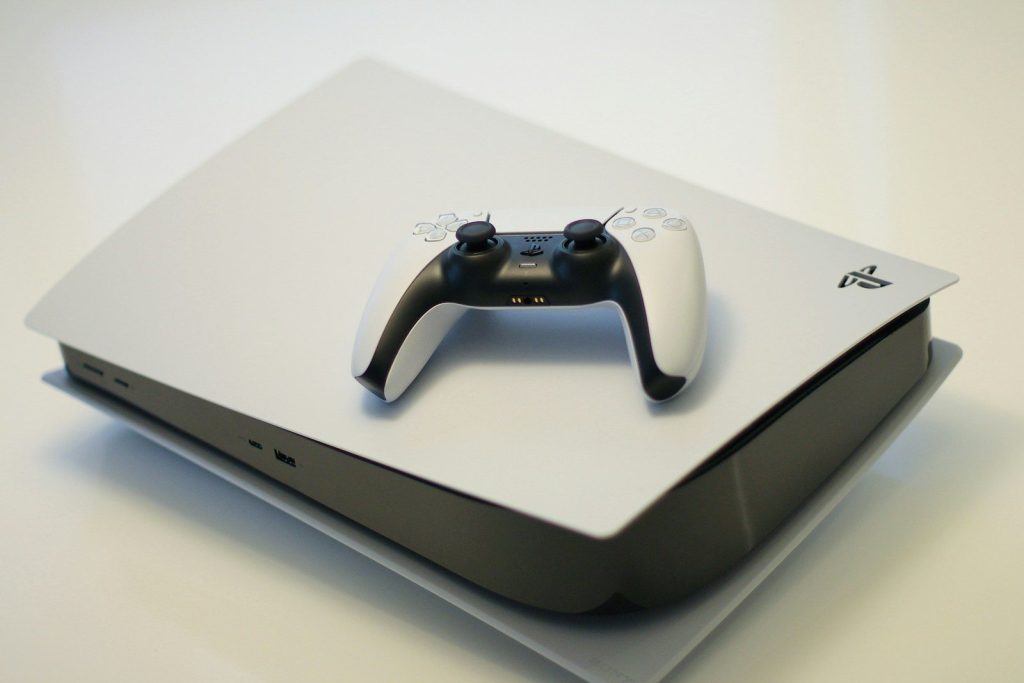
At launch, Portal was mainly tied to a PS5 console. Sony later expanded it with cloud streaming for PlayStation Plus Premium members, including support for select digital PS5 games in a user’s library.
That update makes Portal feel more useful than it did at first. It still has limits, but cloud streaming gives it a wider role in the handheld gaming boom.
It still needs strong Wi-Fi
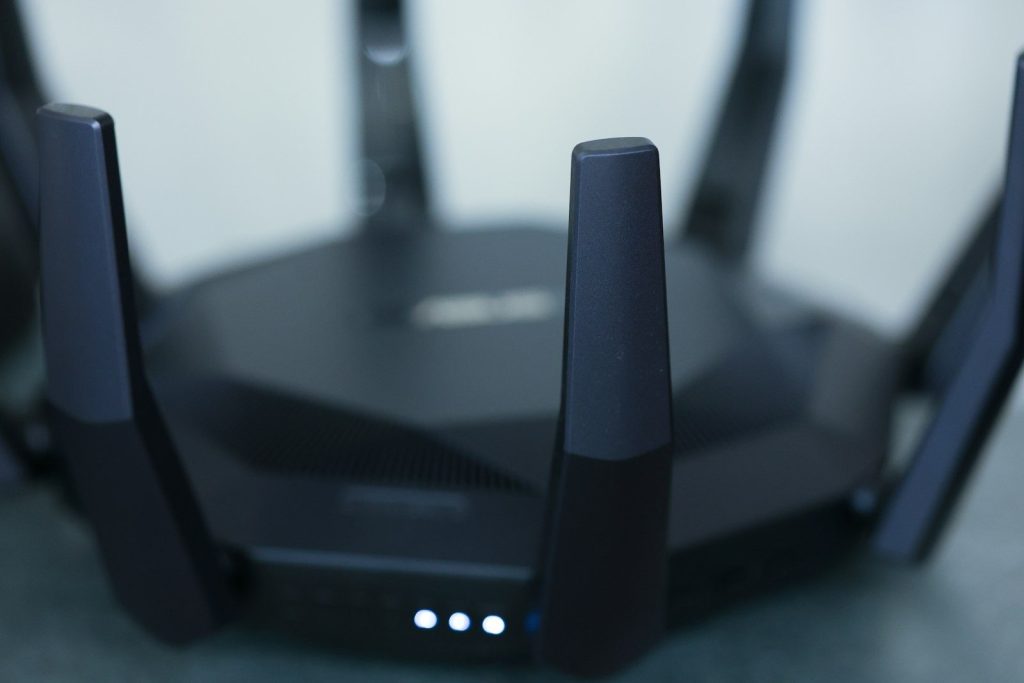
Portal depends on internet quality. Sony says it requires broadband Wi-Fi with at least 5Mbps, while 15Mbps is recommended for a better experience.
That means it can be great at home but less reliable in weak network spots. Unlike a handheld that runs games locally, Portal’s best experience depends on a steady connection.
It is not a Steam Deck rival
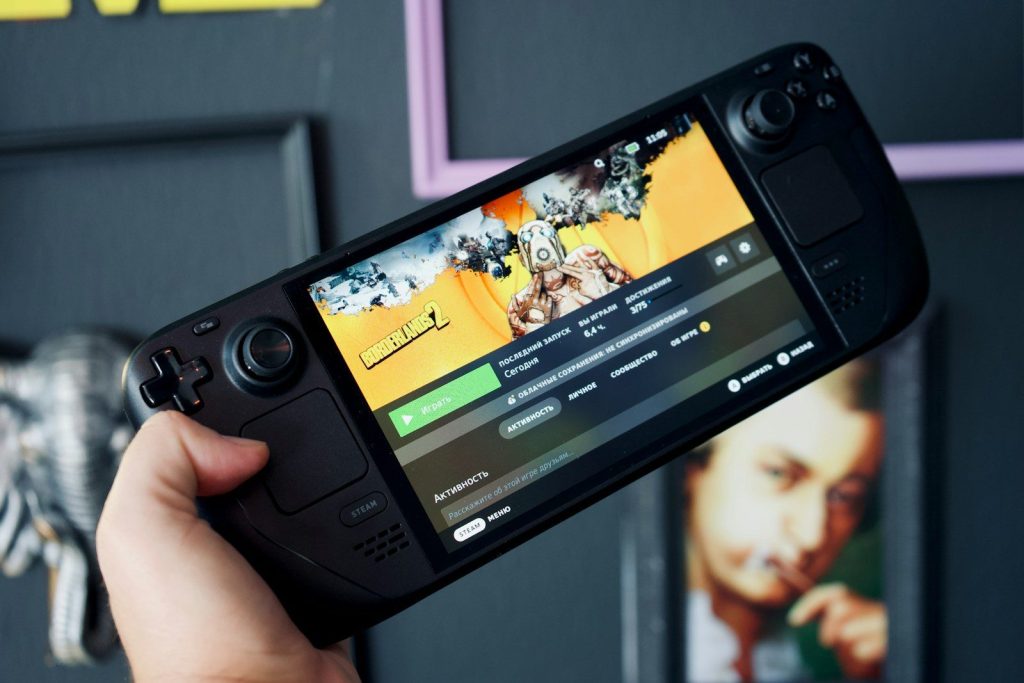
Steam Deck and similar handheld PCs are built to run games directly on the device. Portal has a different mission. It is made for PlayStation streaming, not installing PC games or replacing a laptop-like handheld.
That difference helps explain its place. Portal is not trying to win every handheld category. It is trying to serve PS5 players who want comfort, simplicity, and access to their PlayStation games.
The price helps its case

Portal launched at a lower price than many handheld PCs, which made its limited purpose easier to accept. It costs less because it does not need the same internal power as a full gaming handheld.
That price position matters in a crowded market. For PS5 owners, it may feel like an add-on instead of a whole new gaming platform, which can make the decision easier.
It fits shorter play sessions
Many players do not always need a long gaming setup. They may want 20 minutes before dinner, a quick match from another room, or a calmer way to finish a mission.
Portal works well for that kind of routine. Its value is not only about travel. It is about making console games easier to fit into normal life without starting a full living-room session.
Competition makes it stronger
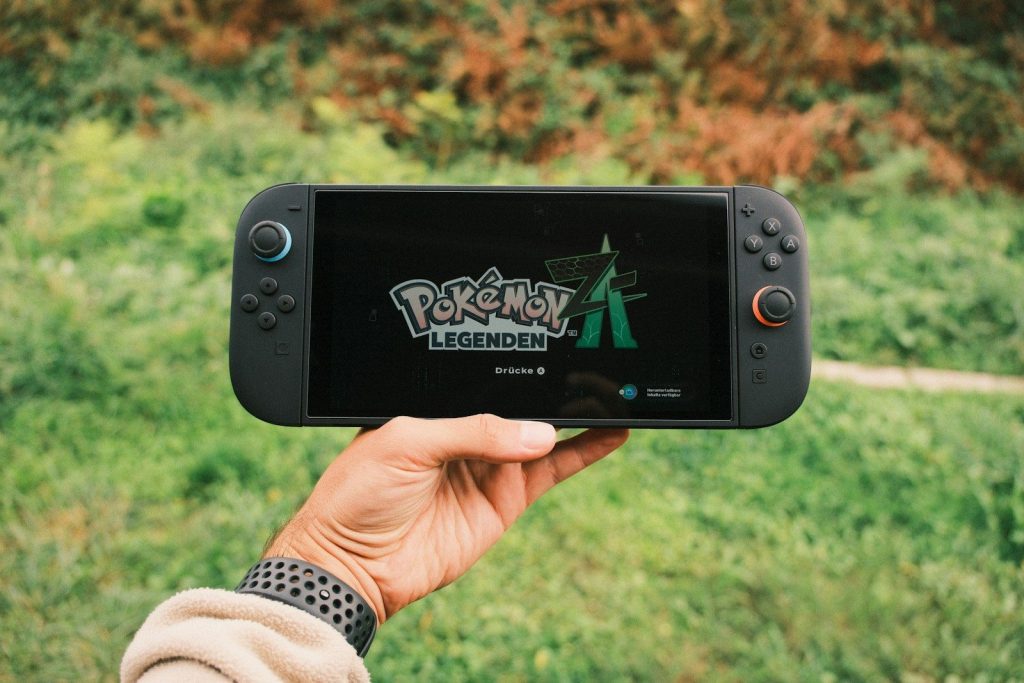
The handheld market is busier than ever, with devices like Nintendo Switch, Steam Deck, and Windows-based handhelds giving players more ways to play away from a TV. That wider trend helps Portal feel less unusual.
As people get used to gaming on smaller screens, Portal’s focused design becomes easier to understand. It is one more answer to the same question: where do you want to play?
Its future depends on updates
Portal’s biggest improvement so far has been software-driven. Cloud streaming, a refreshed home screen, search tools, and other updates have expanded what the device can do.
That may be the key to its future. If Sony keeps improving streaming, game access, and ease of use, Portal could remain a steady part of the handheld gaming boom instead of a one-time accessory.
Leave a Reply