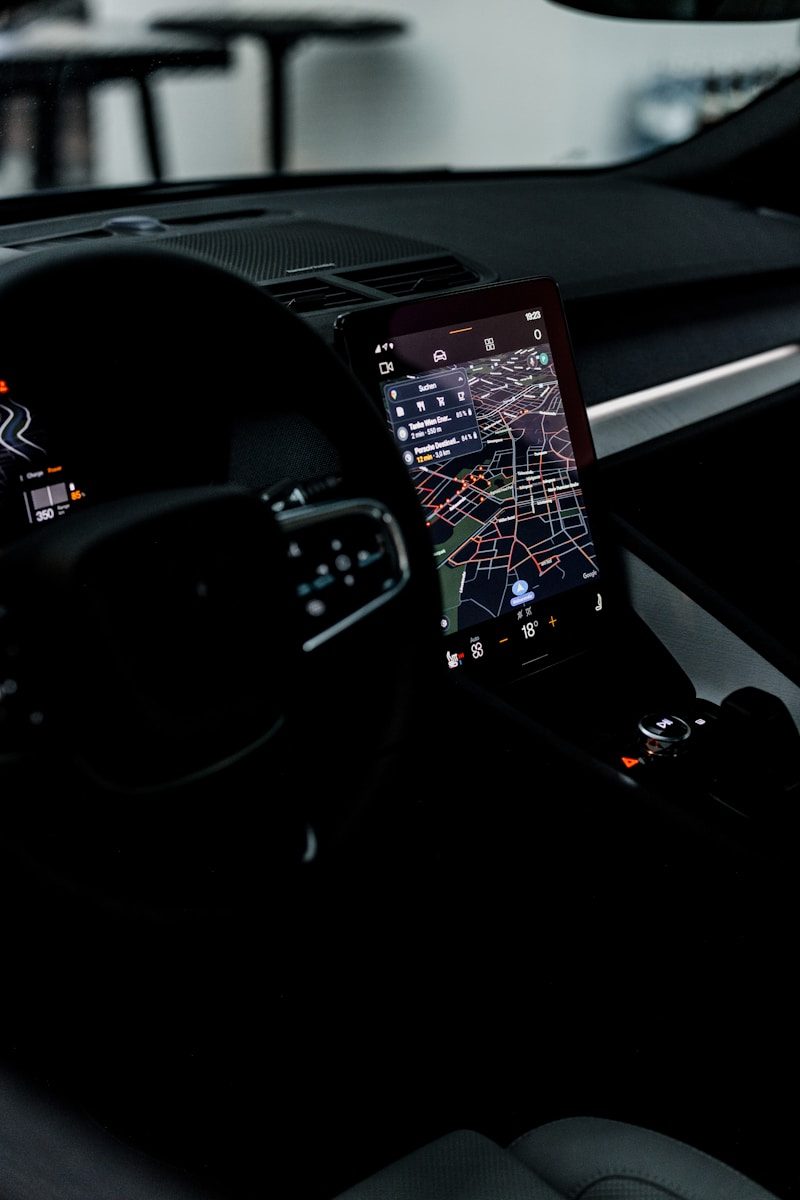
Your car’s dashboard is no longer just a place for speed, fuel, and radio buttons. Android Auto is helping turn the center screen into a bigger, smarter extension of your phone. It brings maps, calls, messages, music, and other supported apps to the car display so drivers can keep their focus on the road. Google says Android Auto works with more than 500 vehicle models, and setup can be done with a USB cable or wirelessly in supported cars.
The big shift is that car screens are becoming more useful, more personal, and more app-friendly. New updates are also adding refreshed layouts, smarter voice help, immersive navigation, and parked entertainment features, making the dashboard feel more like a connected screen than an old-school control panel.
The dashboard is changing
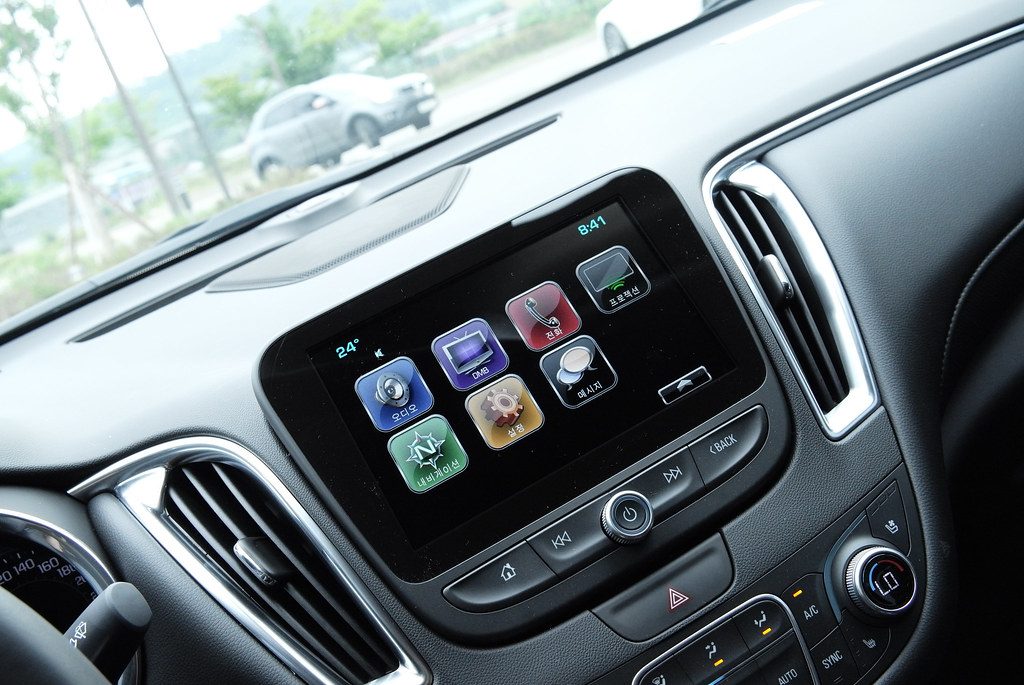
Car screens used to be simple. They showed radio stations, climate settings, and maybe a basic map. Now, Android Auto puts phone-based tools right in the middle of the dashboard.
That changes how drivers interact with the car. Instead of looking at a phone for directions or music, they can use a larger screen built for quick glances and simpler controls.
Maps lead the shift
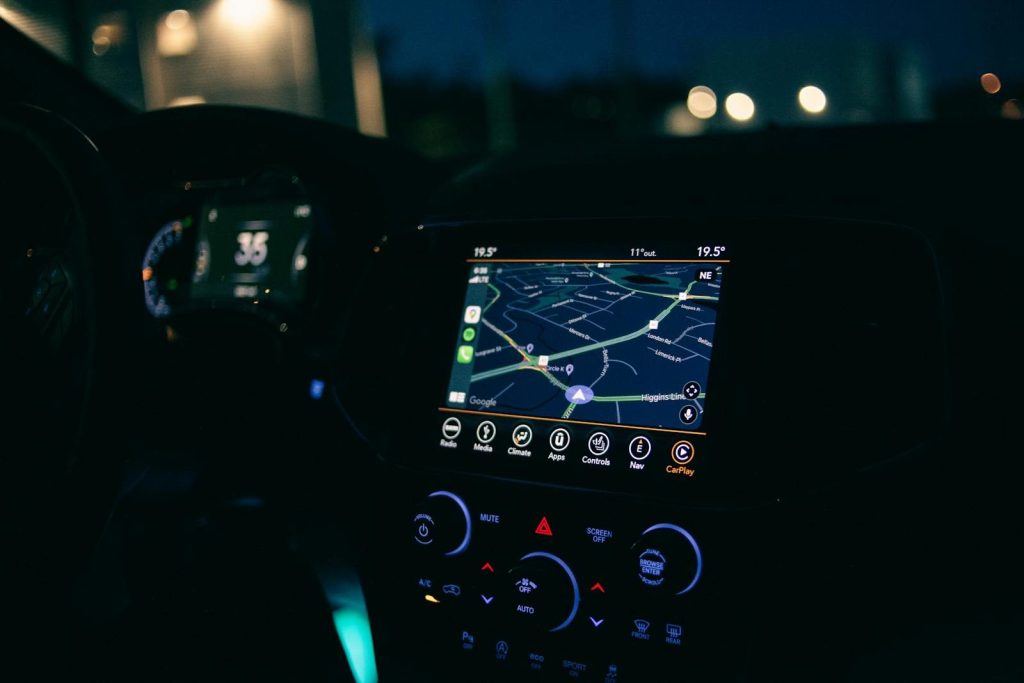
Navigation is one of the biggest reasons people use Android Auto. Google says it brings maps and navigation to the car display, helping drivers control directions while staying focused.
This makes the screen feel more like the main command center. Traffic, turns, arrival times, and route updates all become part of the driving view, not something hidden on a smaller phone screen.
Music is always close
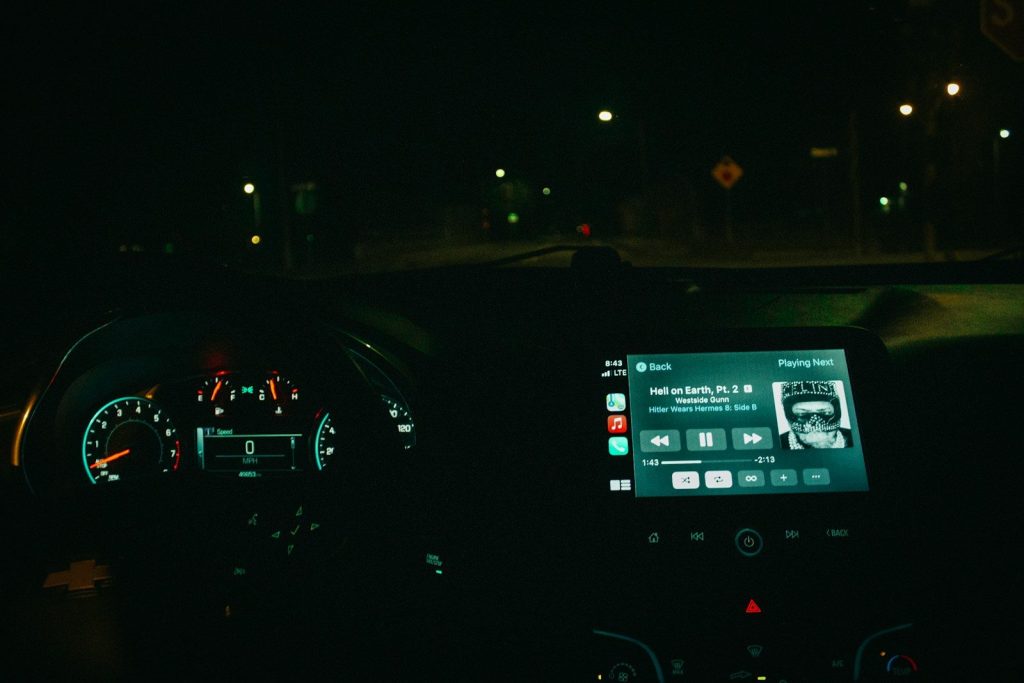
Android Auto also makes music and audio apps easier to reach. Drivers can play songs, podcasts, and other media from supported apps without digging through their phones.
That is a major reason cars feel more screen-based now. The dashboard is not just giving directions. It is also managing entertainment in a way that feels closer to a tablet or smart display.
Messages are more visual
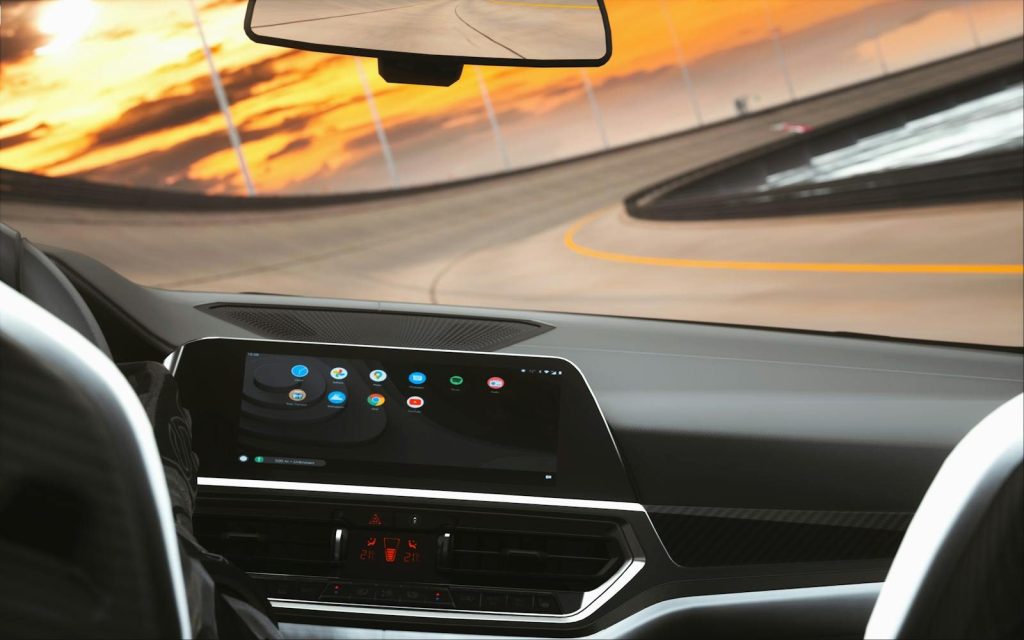
Texts and alerts can now appear in safer, simpler ways on the car screen. Android Auto supports message controls, and Google highlights suggested replies that can help drivers respond quickly.
The goal is not to turn the car into a phone. It is to reduce phone handling by moving basic communication tools onto a larger, cleaner display with voice and tap-friendly options.
Voice control matters more
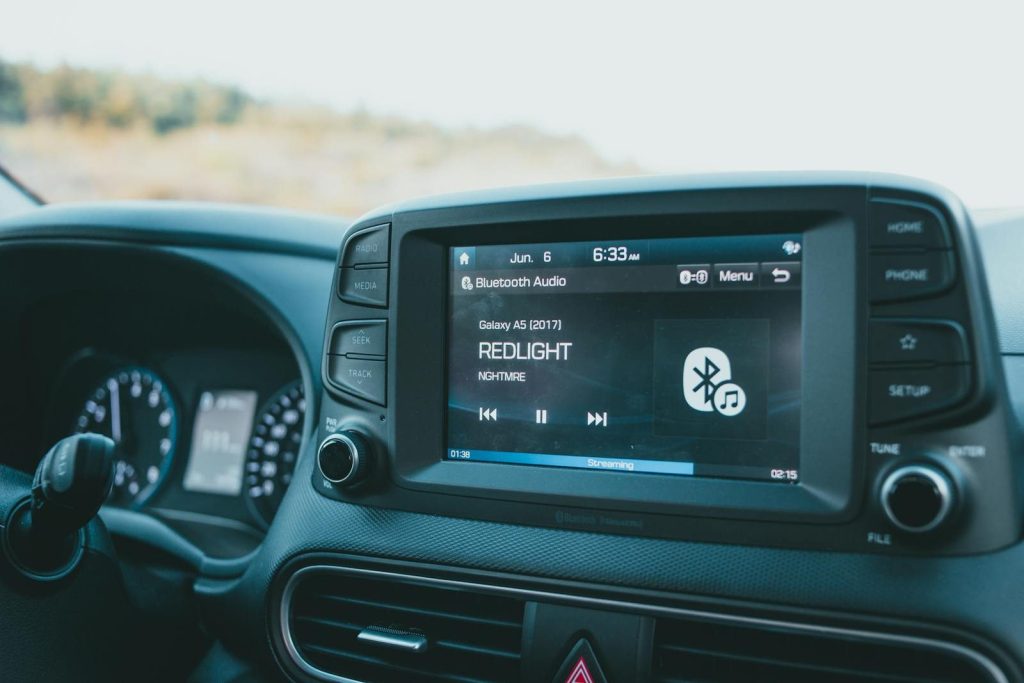
A screen alone is not enough in a car. Drivers need controls that do not require too much looking or tapping, which is why voice help is becoming a key part of Android Auto.
Google says Gemini is being added to Android Auto as the newer hands-free assistant experience. That means drivers may soon talk to the car screen more naturally for directions, messages, and simple tasks.
Bigger screens need better layouts
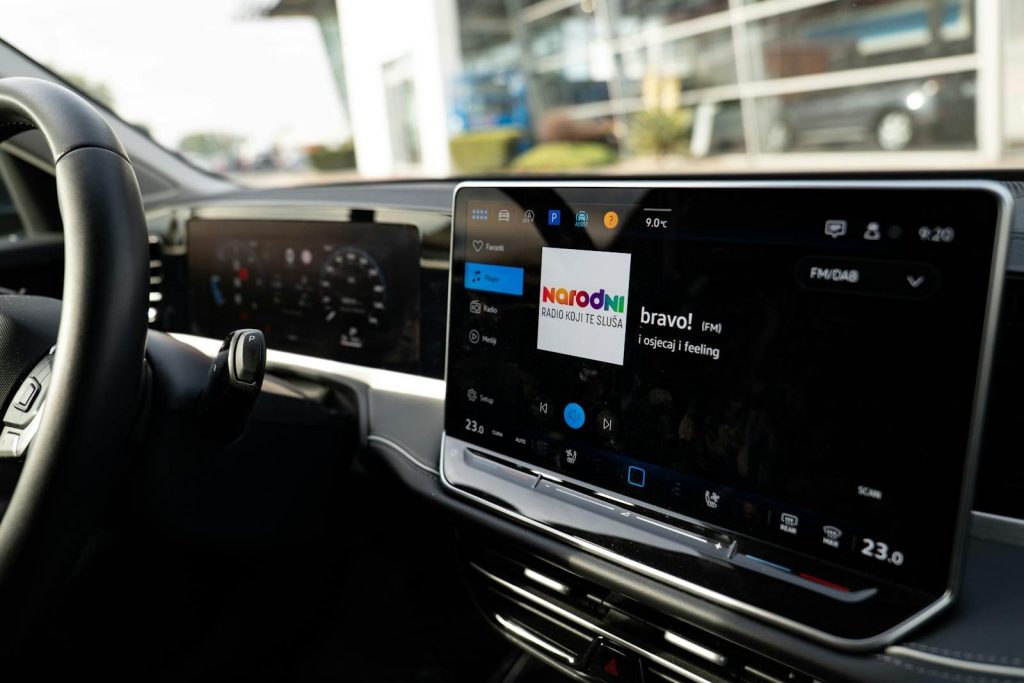
Modern cars do not all use the same screen size or shape. Some dashboards have wide displays, curved screens, or unusual layouts that older systems did not handle well.
Google’s newer Android Auto updates are aimed at making the experience work better across different car screens. That matters because the dashboard screen is becoming a major selling point in many vehicles.
Parked video is arriving
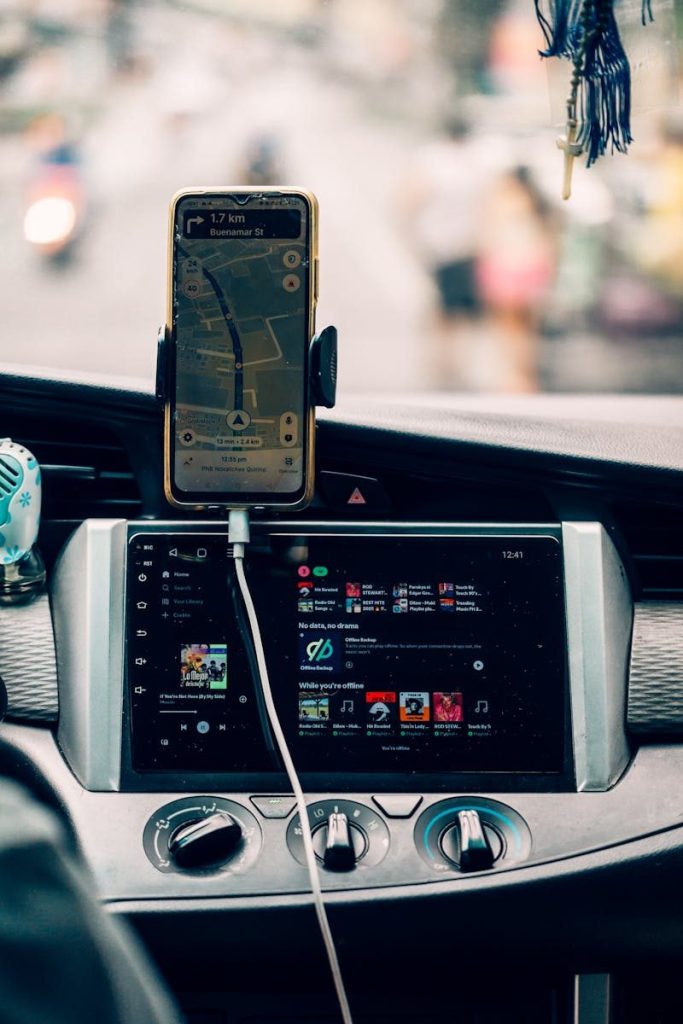
Android Auto is also moving beyond driving-only tools. Google says video apps will be supported on Android Auto starting with phones running Android 16 on select compatible cars, with the experience meant for parked use.
That detail is important. The car screen may become more useful during charging stops, school pickups, or waiting in a parking lot, but safety limits still matter while driving.
Apps are becoming car-ready
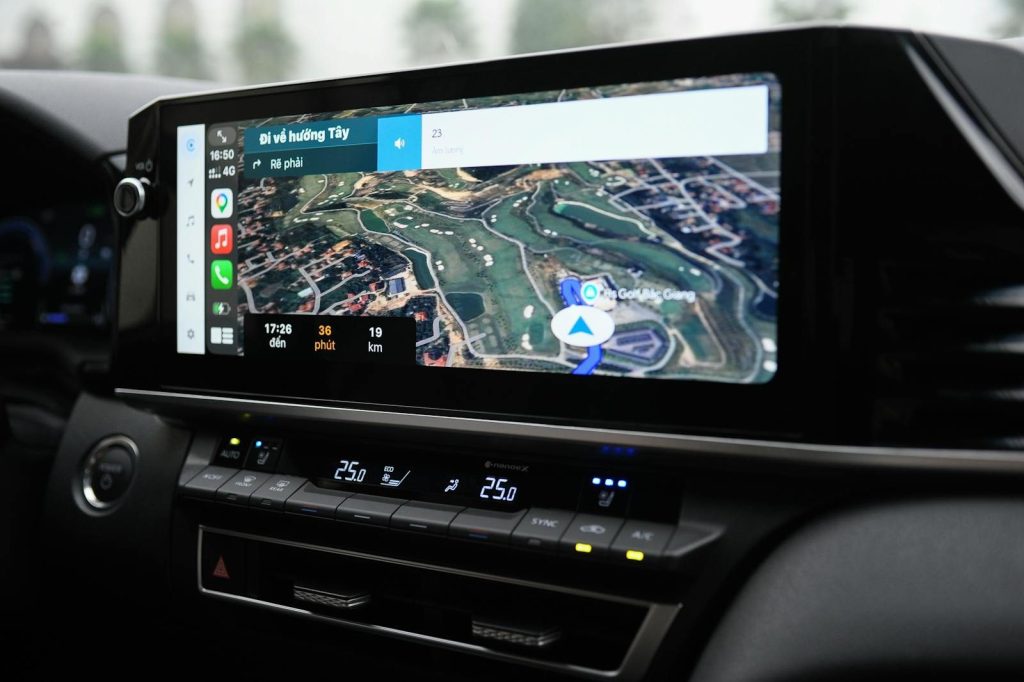
Android Auto is not just about Google’s own apps. Google’s developer tools support categories like navigation, weather, media, messaging, and other car-ready experiences.
This is part of the “rolling screen” idea. As more apps are designed for cars, the dashboard can handle more helpful tasks without copying the clutter of a regular phone screen.
Google built-in goes deeper
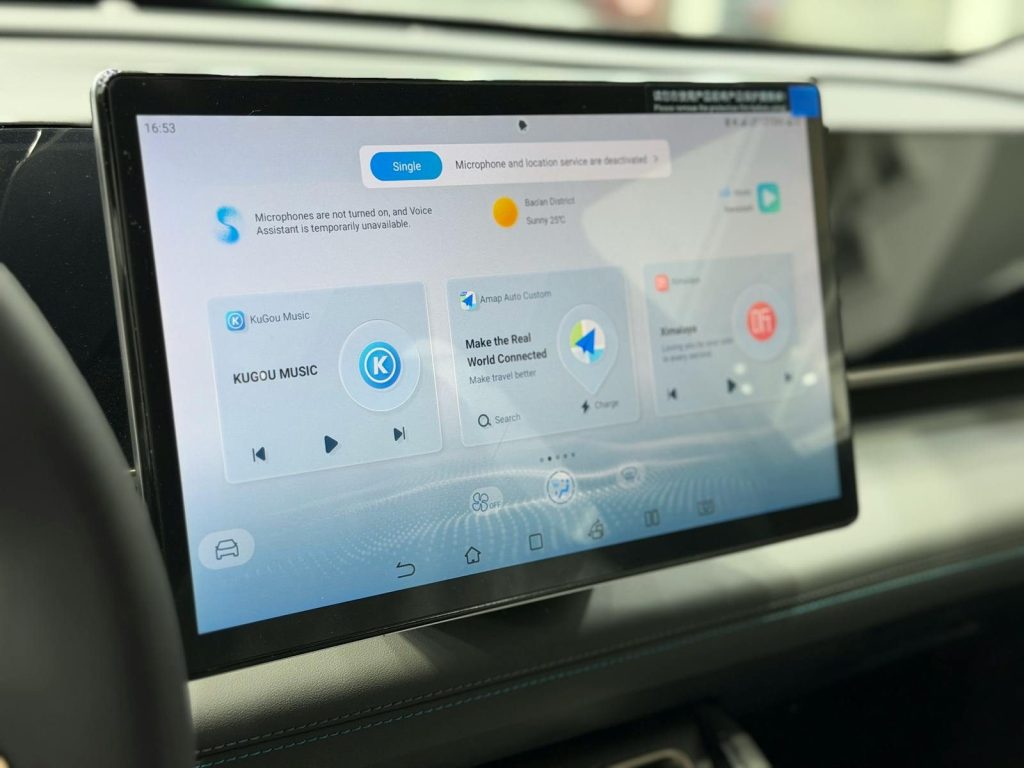
Android Auto connects your phone to the car screen, but some cars also come with Google built-in. Those vehicles can run Google apps more directly from the car system.
Google says cars with Google built-in can receive automatic updates and access apps through Google Play. That makes some dashboards feel even more like connected devices that keep improving over time.
Safety still sets limits
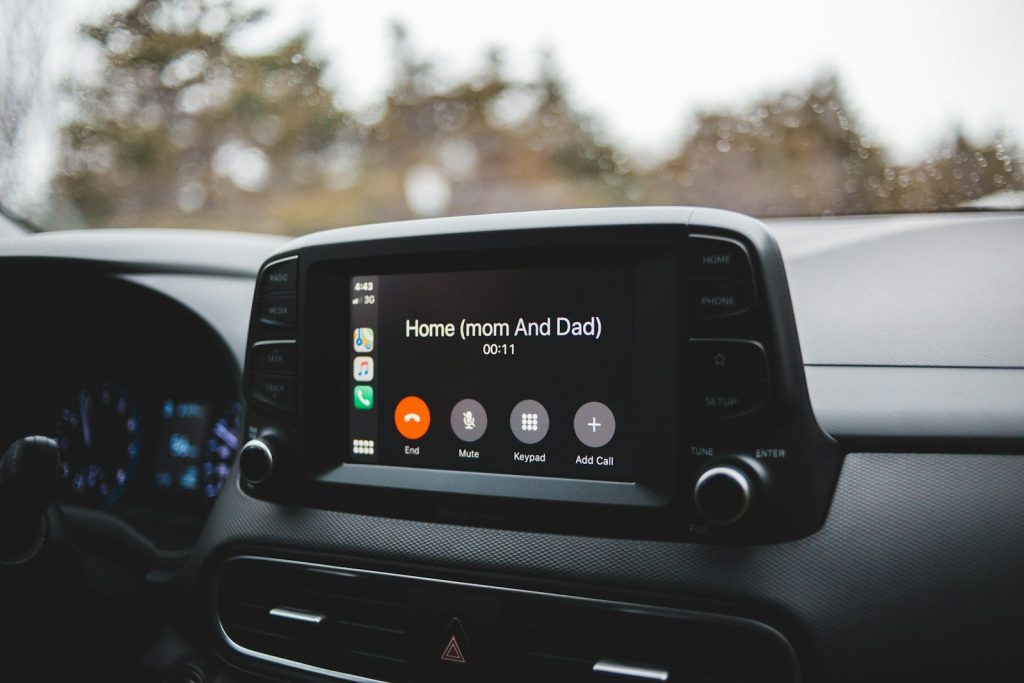
The rise of bigger car screens can sound distracting, but Android Auto is designed around simpler controls, larger buttons, and voice help. Google also reminds users to pay attention to the road and follow driving laws.
That balance is the real story. Cars are becoming more screen-based, but the best features are the ones that reduce phone handling and keep key information easy to reach.
Leave a Reply