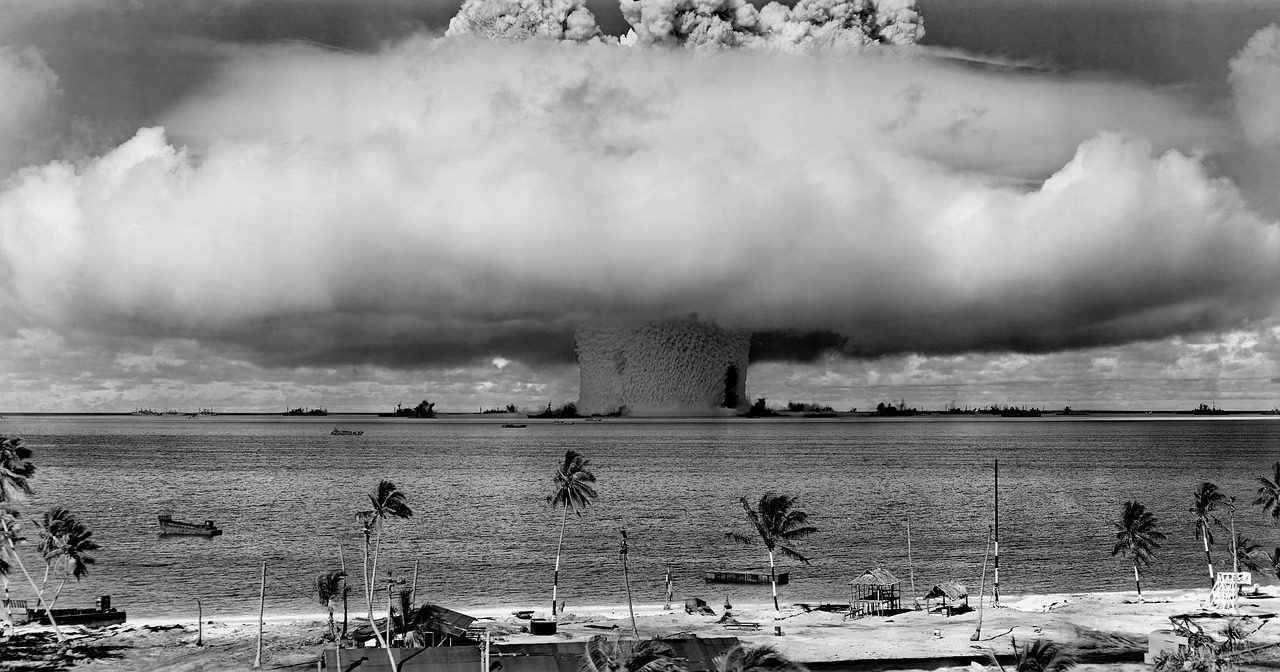
The atomic age began in a flash. On July 16, 1945, the historic Trinity nuclear test rocked the New Mexico desert. The heat was blinding. It instantly melted the desert sand, turning the ground into a strange green glass called trinitite. Scientists studied this glass for decades. They assumed it was just simple debris from the blast. But a groundbreaking study has revealed an impossible secret hiding inside a rare red sample. Researchers found a unique crystal that breaks the classic laws of physics. It is a quasicrystal. This atomic pattern was once considered mathematically impossible. Finding it proved that extreme human forces can create entirely new states of matter. But the journey to this discovery actually started with a forgotten piece of metal on a testing tower.
The fiery birth of atomic glass
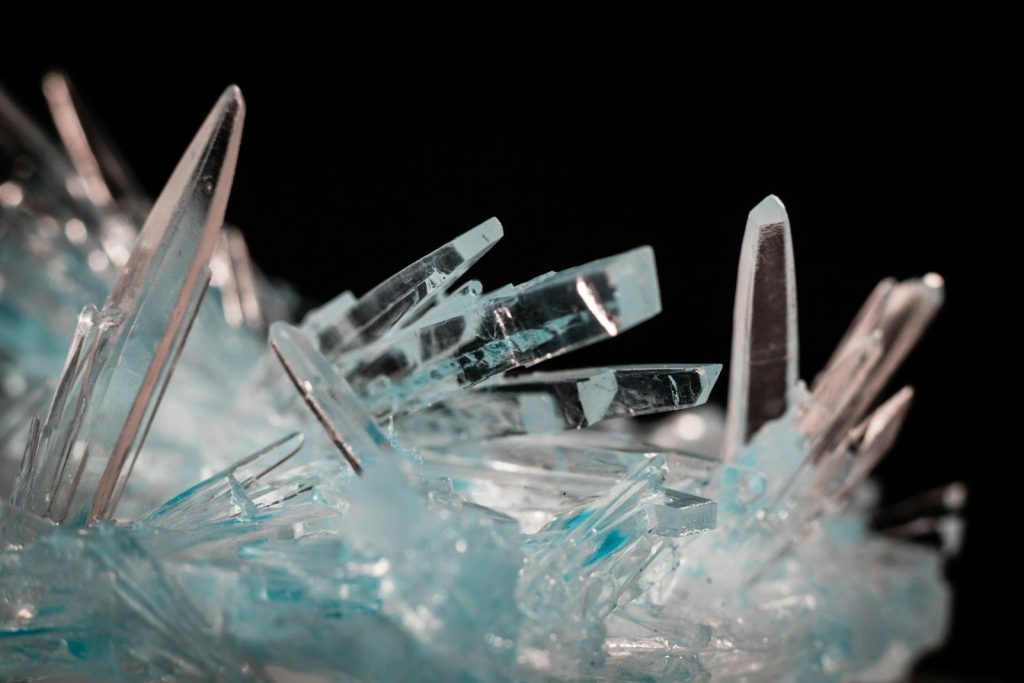
The massive fireball of the Trinity test reached temperatures hotter than the sun. It melted sand instantly. According to historical records from the Los Alamos National Laboratory, the molten soup quickly cooled into a glass-like substance. Most of the trinitite was light green. But a few rare samples featured deep red streaks that puzzled collectors. This red color came from melted copper wires on the testing tower. Decades later, scientists realized this red glass held a secret. But nobody expected the atomic glass to challenge the basic laws of chemistry.
Princeton researchers spot a forbidden structure.
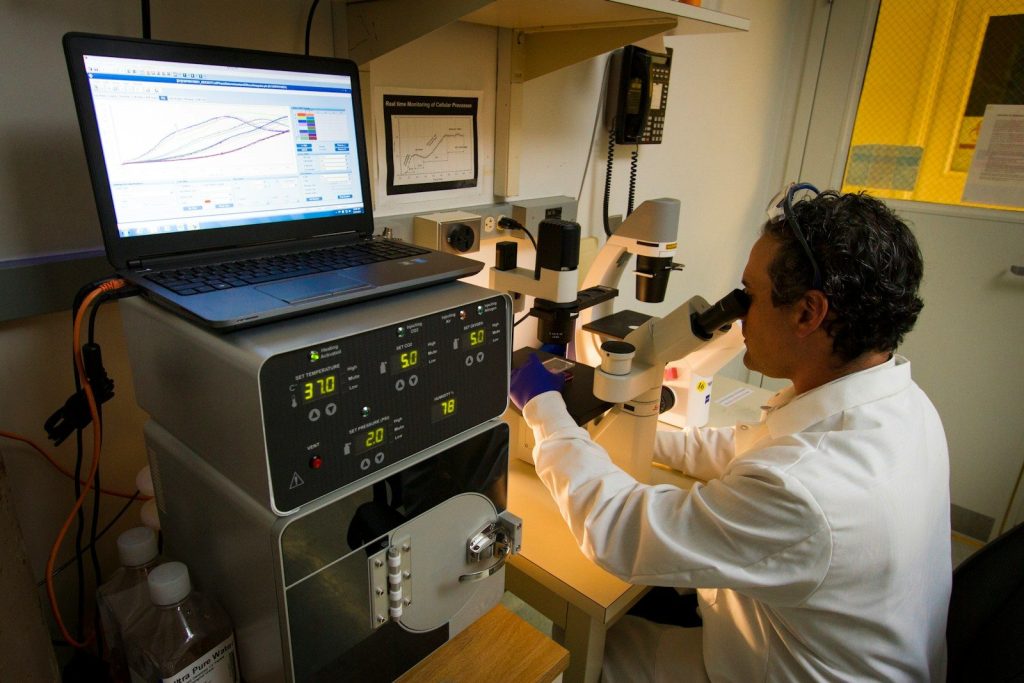
A team of scientists decided to re-examine a sample of red trinitite. They wanted to see how the intense heat had altered the metals. According to a study published in the journal Proceedings of the National Academy of Sciences, they used electron microscopes to scan the molecular layout. The screen showed an impossible image. They spotted an atomic structure that should not exist. The atoms were arranged in a highly ordered pattern that did not repeat. It was a quasicrystal. This discovery immediately shattered classic rules of crystallography.
Breaking the mathematical rules of symmetry

Normal crystals are incredibly predictable. Their atomic structures repeat perfectly, like square tiles on a kitchen floor. Quasicrystals are different because their patterns never repeat. According to research by Princeton University, this specific nuclear crystal has a five-fold rotational symmetry. Before this discovery, scientists believed this pattern was physically impossible in nature. Finding it in the New Mexico desert changed everything. It proved that the extreme pressures of a nuclear blast could force atoms into forbidden shapes. But this impossible structure required a very specific recipe to form.
The rare presence of red trinitite
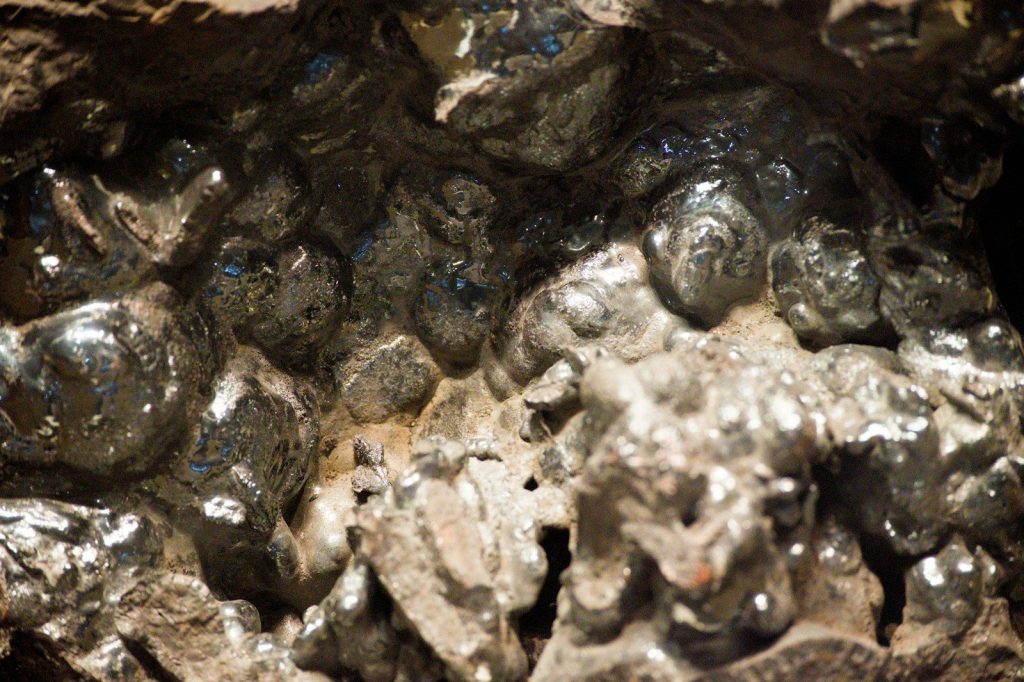
Red trinitite is exceptionally difficult to find. Most of the original material was buried by the military shortly after the historic test. According to studies by geological experts, the red variety is unique because of its high metal content. The presence of melted copper and iron from the test equipment provided the exact ingredients needed to form the quasicrystal. This atomic recipe was completely accidental. Yet, it held the key to solving a massive cosmic mystery.
Connecting atomic blasts to outer space
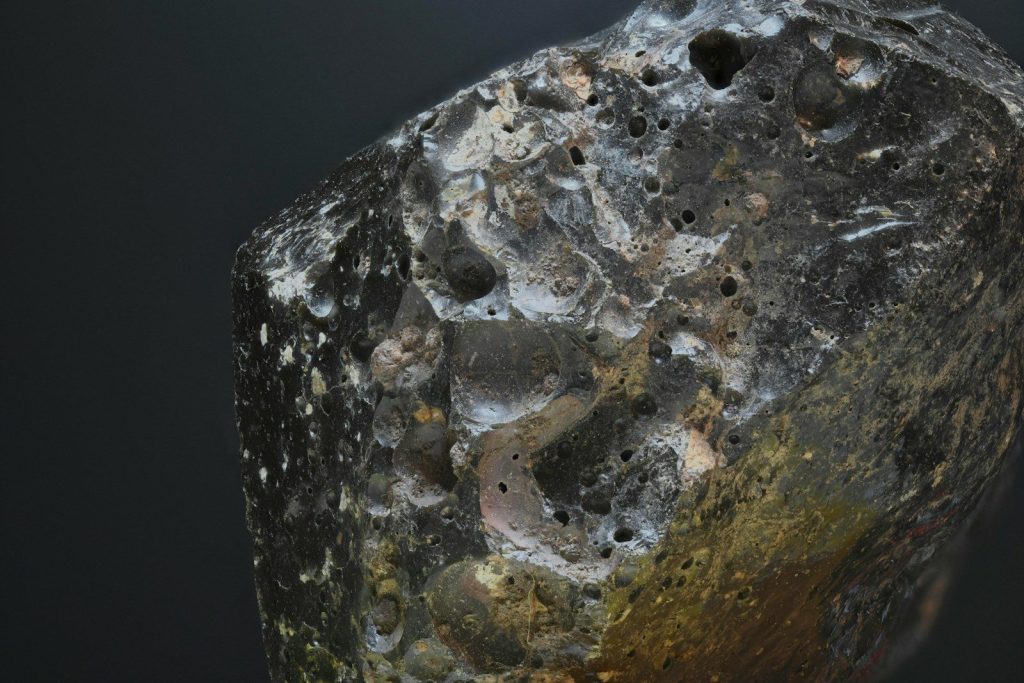
Scientists had only seen this specific quasicrystal structure in one other place. It was found inside meteorites that crashed to Earth. These space rocks experienced massive pressures and temperatures during cosmic collisions in deep space. According to reports from the Smithsonian Institution, the conditions of the Trinity test closely matched the forces of a meteorite impact. This connection is helping scientists understand the violent events that shape our solar system. But the discovery also has a very practical modern use.
A new way to track nuclear history
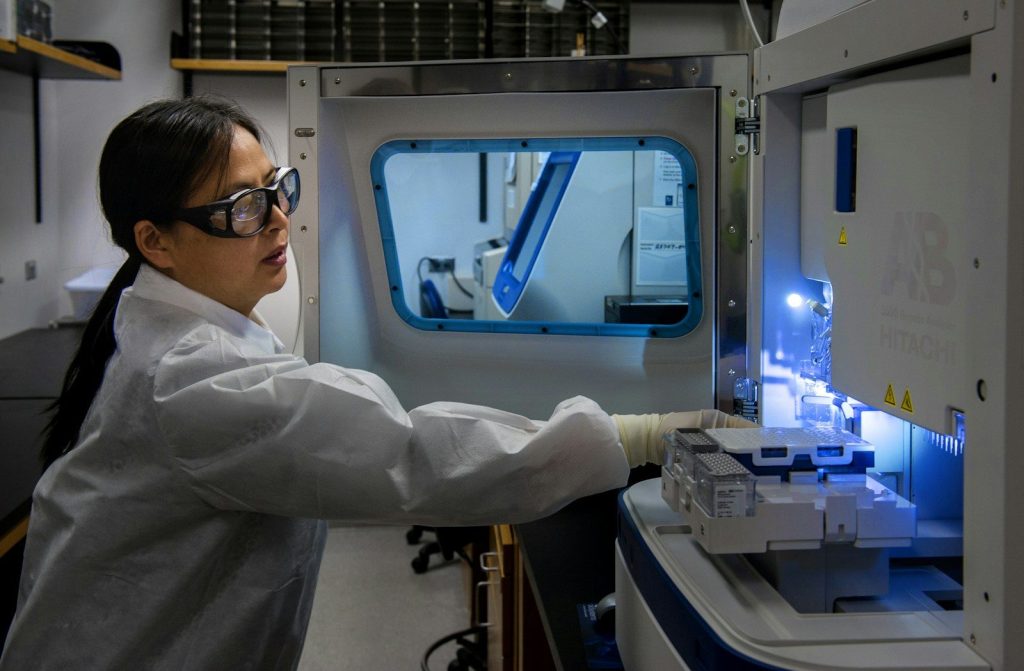
This atomic relic can help us detect illegal nuclear tests today. The presence of quasicrystals serves as a permanent physical fingerprint of a nuclear explosion. According to a study by the CTBTO Preparatory Commission, this fingerprint cannot be faked or erased by a bad actor. It allows inspectors to verify if a nuclear event took place, even decades after the blast. It acts as a forensic tool for global security. But scientists are already looking at how we can use this technology in manufacturing.
Engineering the future with impossible materials
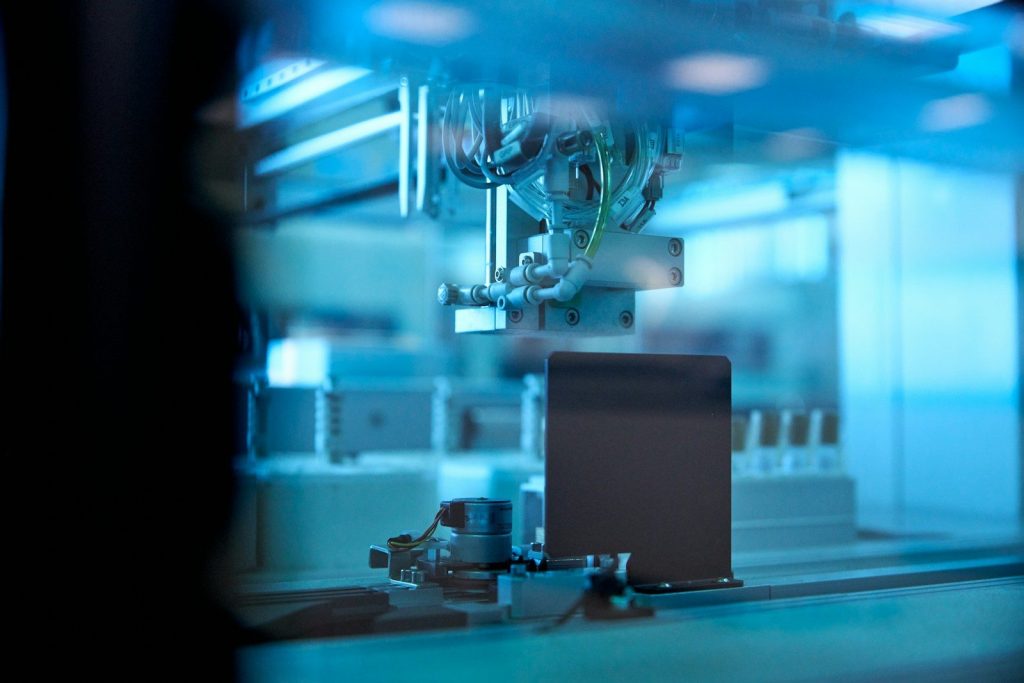
Quasicrystals possess highly unique physical properties. They are incredibly hard, have low friction, and do not conduct heat easily. According to reports from the National Science Foundation, these materials could be used to build better protective coatings and medical tools. They represent a new frontier in materials science. This atomic relic is officially bridging the gap between weapon history and future technology. But the ultimate lesson of the New Mexico desert goes far beyond engineering.
Finding science in the ashes of history
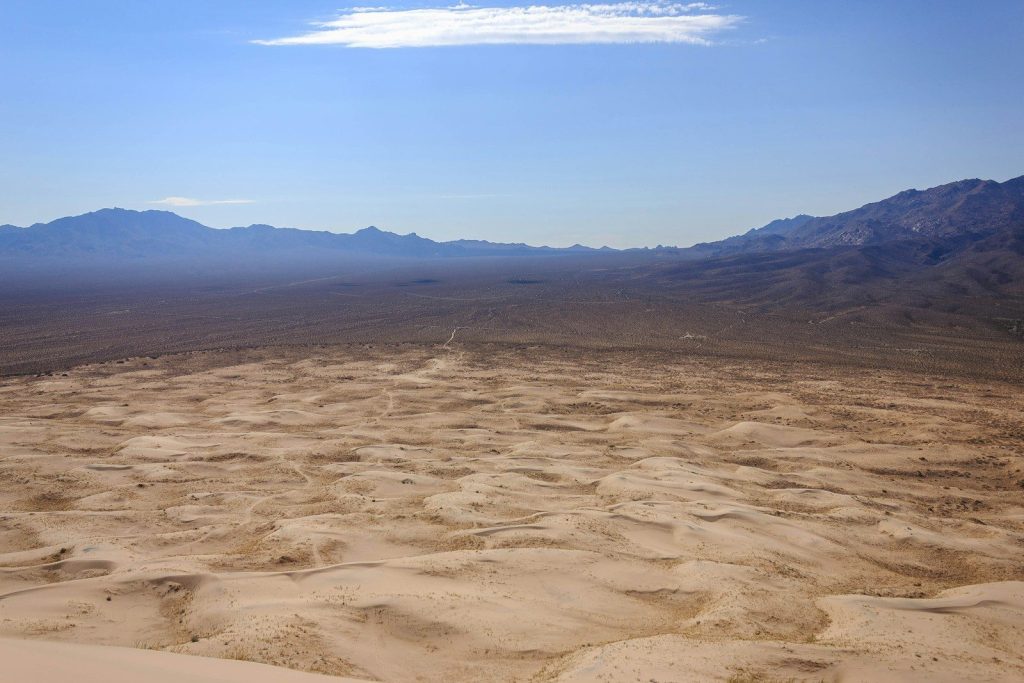
The Trinity test was a moment of destruction. Yet, it also created a beautiful, impossible structure that is helping us understand the universe. This quasicrystal proves that the most extreme conditions can yield remarkable scientific discoveries. It reminds us that science is always evolving, and old assumptions can be shattered by a single tiny grain of sand. The secrets of New Mexico are still teaching us today.
Featured Image: Photo by WikiImages on Pixabay
Leave a Reply