We often measure strength by physical size. We think of massive elephants lifting heavy logs or blue whales cruising through the deep ocean. But true physical power is a matter of mechanical engineering. When you scale down the animal kingdom, some of the smallest creatures possess jaw-dropping strength. They leverage biological hydraulics, muscle density ratios, and clever skeletal structures to perform superhuman feats. According to research published in the journal Science, these animals are highly optimized biological machines. They can generate forces that would instantly crush human bones. By studying how they move, robotic engineers are learning how to build better machines. The secrets behind their physical power are hidden deep inside their anatomy.
The Hydraulic Power of the Tiny Leafcutter Ant
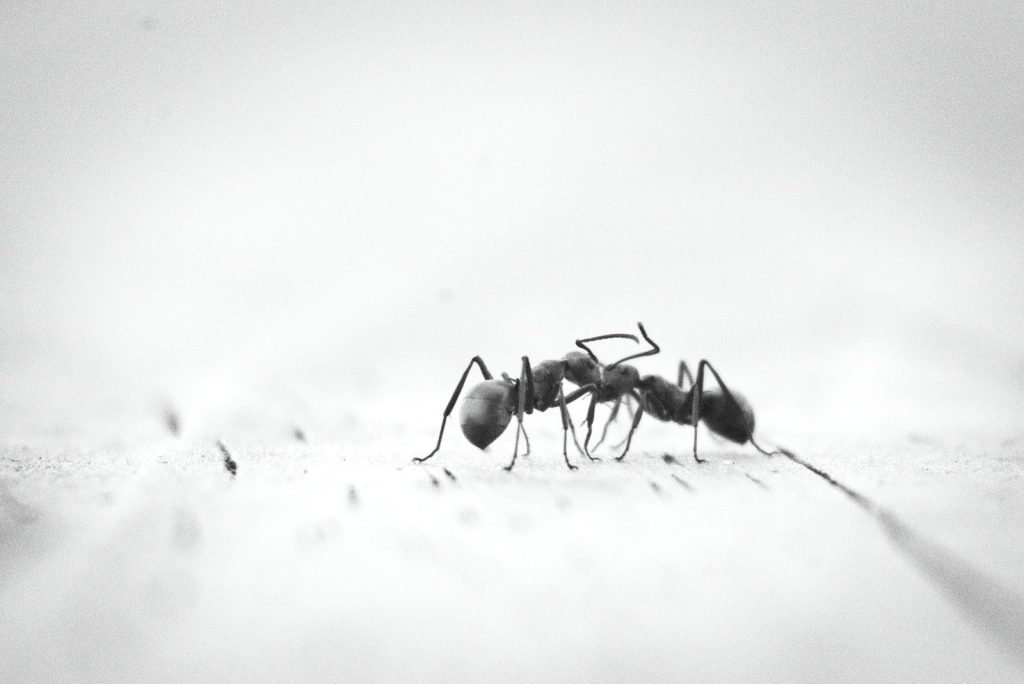
An ant can carry up to fifty times its own body weight. For a human, this would be like lifting a large car over your head. They do not have massive muscles. Instead, they rely on a highly specialized neck joint. According to a study by Ohio State University, the joint tissue of a leafcutter ant can withstand pressures up to five thousand times the ant’s weight. Their muscles are also packed tightly inside a rigid exoskeleton. This acts like a natural hydraulic press, multiplying their physical force. But another insect uses a completely different physical mechanism to jump.
The High-Tech Spring Inside the Flea
A flea can jump over one hundred times its own height. This is a mechanical puzzle because muscle tissue cannot contract fast enough to generate that kind of speed. To solve this, the flea uses a natural elastic protein called resilin. Resilin is the most elastic rubber-like substance known to science. According to research from the University of Cambridge, the flea slowly bends its legs to store energy in this protein. It then releases a tiny catch, snapping the legs back instantly. It is the biological equivalent of a loaded crossbow. But birds of prey rely on a different type of mechanical force.
The Crushing Leverage of the Golden Eagle
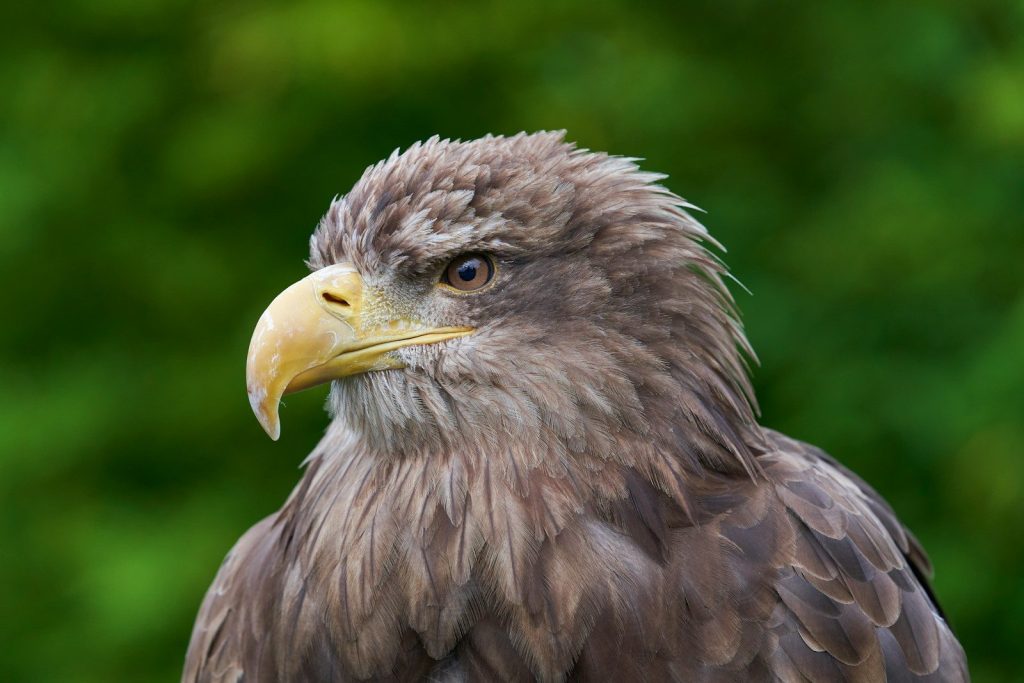
The grip of a golden eagle is more than ten times stronger than a human hand. They can easily crush the bones of their prey mid-flight. They achieve this power through a clever pulley system in their legs. When an eagle bends its knees to land, its tendons naturally tighten like steel cables. According to the National Audubon Society, this mechanical lock requires almost no muscle energy to maintain. The bird can clamp down with immense force simply by using its body weight. But the ocean holds a creature with an even faster strike.
The Ultrasonic Shockwave of the Mantis Shrimp
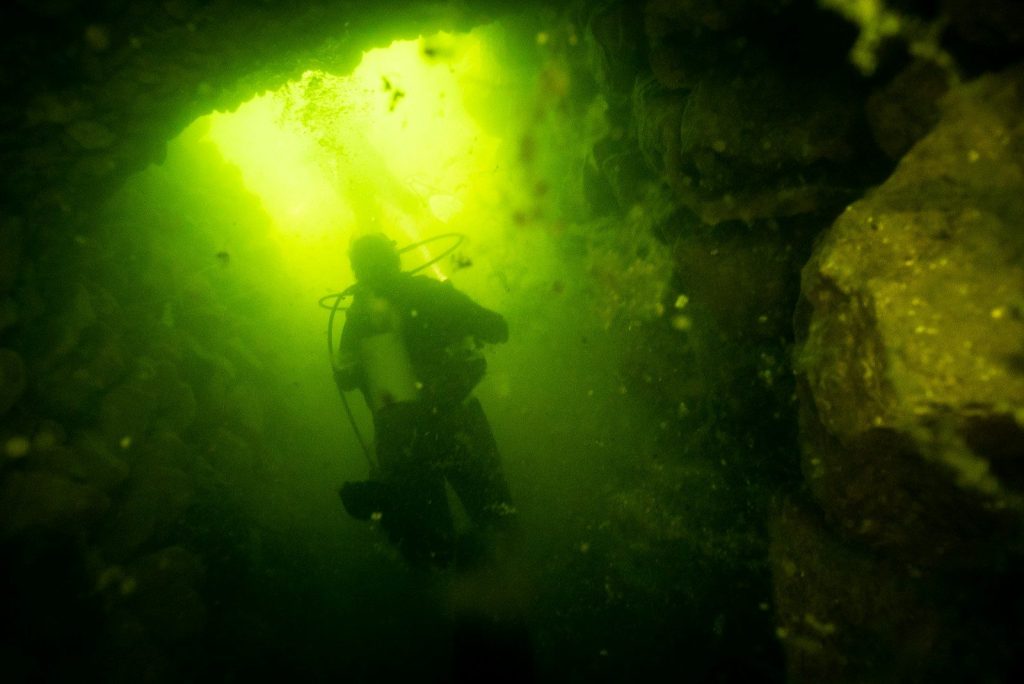
The mantis shrimp does not just punch its prey. It creates a physical explosion underwater. It can swing its club-like appendages at the speed of a twenty-two caliber bullet. This movement is so fast that it vaporizes the surrounding water, creating a tiny flash of light and heat. According to a study in the Journal of Experimental Biology, this process is called cavitation. The resulting shockwave is often strong enough to crack aquarium glass. This power relies on a saddle-shaped structure on its back that acts like a composite spring. But some mammals rely on raw muscle density.
The Dense Power of the Silverback Gorilla
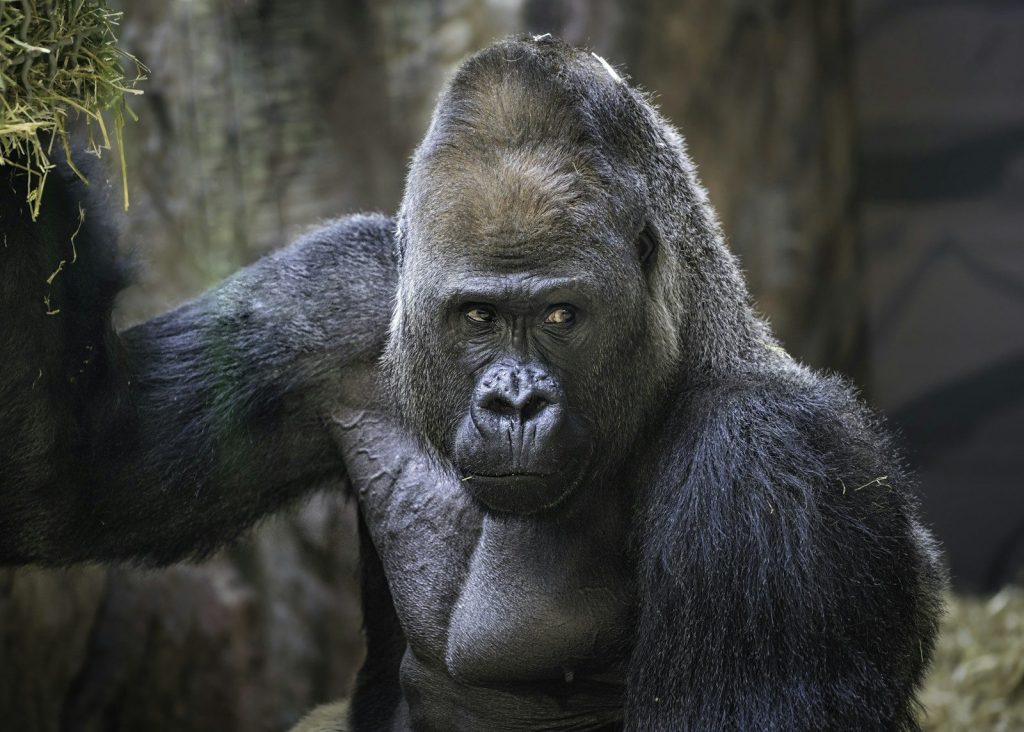
A silverback gorilla is estimated to be six times stronger than an adult human. They can easily snap thick tree branches and roll heavy boulders. This strength is a result of their high muscle-to-fat ratio. According to evolutionary biologists, gorillas possess a higher percentage of fast-twitch muscle fibers. These fibers generate massive amounts of power quickly, although they tire out faster. Their bones are also much thicker than ours, providing the sturdy anchor points needed for these heavy muscles. But a marine giant relies on a different kind of leverage.
The Heavy Torque of the Blue Whale Tail
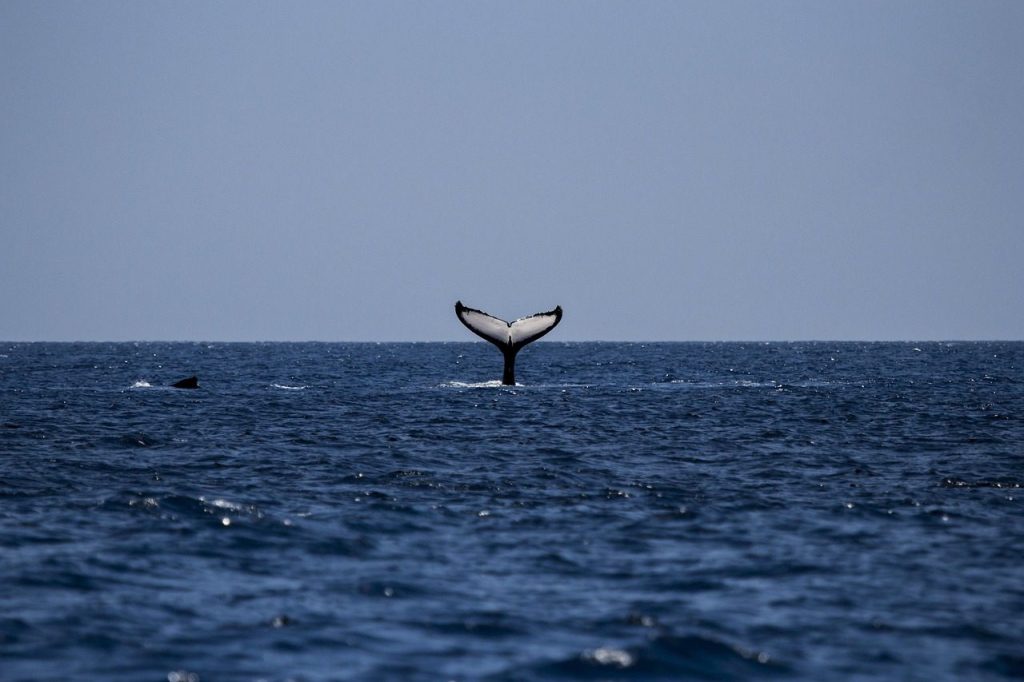
The blue whale is the largest animal to ever exist on Earth. Moving a body that weighs up to two hundred tons requires immense torque. The whale’s tail, or fluke, is made of dense fibrous tissue that contains no bones. According to marine scientists at the University of British Columbia, this tail acts like a massive hydrofoil. When the whale moves its tail up and down, it generates incredible thrust by catching the water currents. This allows them to travel thousands of miles without exhausting their energy reserves. But the land has its own champion of slow, steady power.
The Silent Strength of the African Elephant
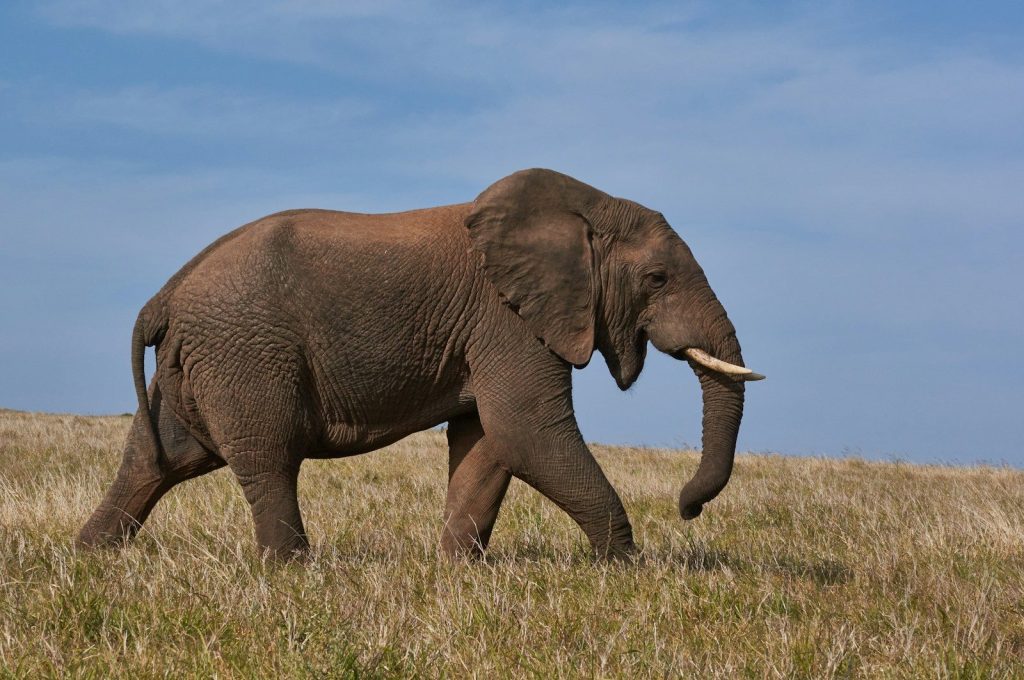
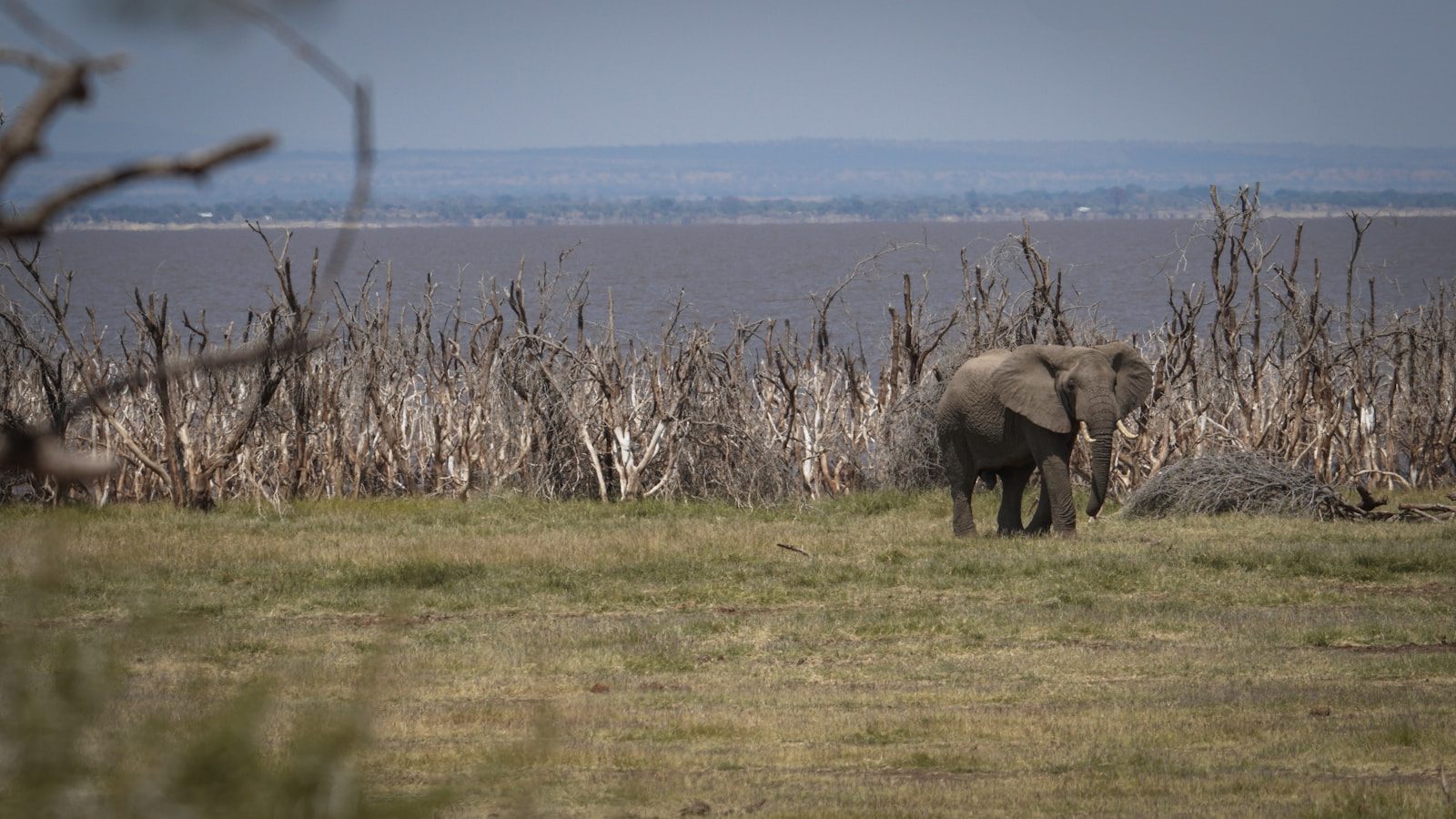
An elephant’s trunk contains over forty thousand individual muscles. For comparison, the entire human body has only about six hundred and fifty. This incredible muscle density allows the trunk to be both delicate and strong. According to National Geographic, an elephant can use its trunk to pick up a single blade of grass or lift a heavy tree trunk. It relies on a biological concept called a muscular hydrostat. Because water is incompressible, the elephant can stiffen its trunk by contracting specific muscles. This creates a highly flexible, solid lever.
What Nature Machines Can Teach Our Engineers

Human technology has come a long way, but our machines are still clunky compared to animals. Roboticists are currently using these biological designs to build flexible search-and-rescue drones. They are copying the ant’s neck joint and the shrimp’s spring mechanism to create resilient materials. By studying the physical laws of nature, we can build a more efficient world. The next major breakthrough in engineering is already walking, crawling, or swimming right beside us.
Featured Image: Photo by Ricardo Ferro on Unsplash
Leave a Reply